
Bergamo
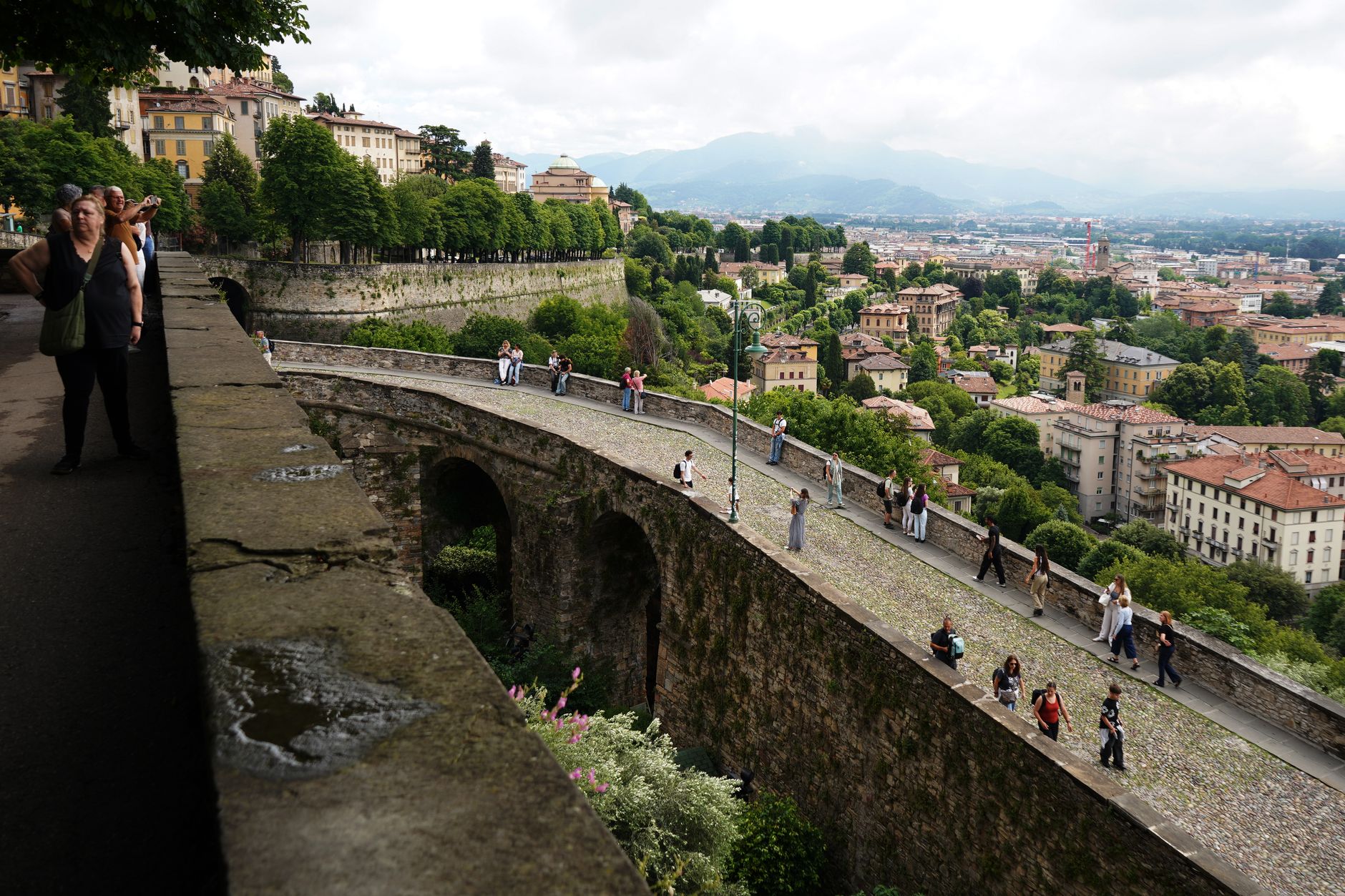
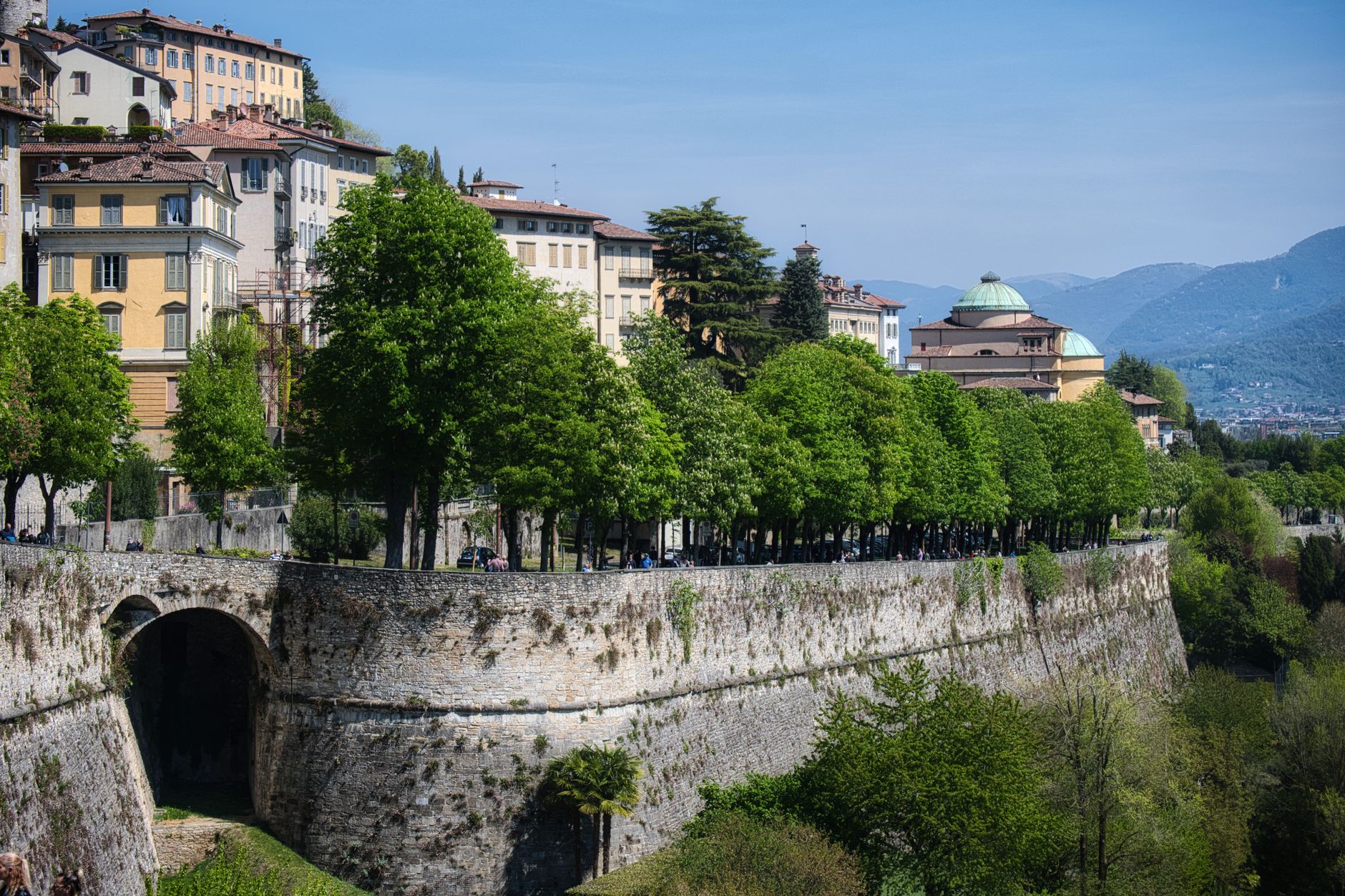
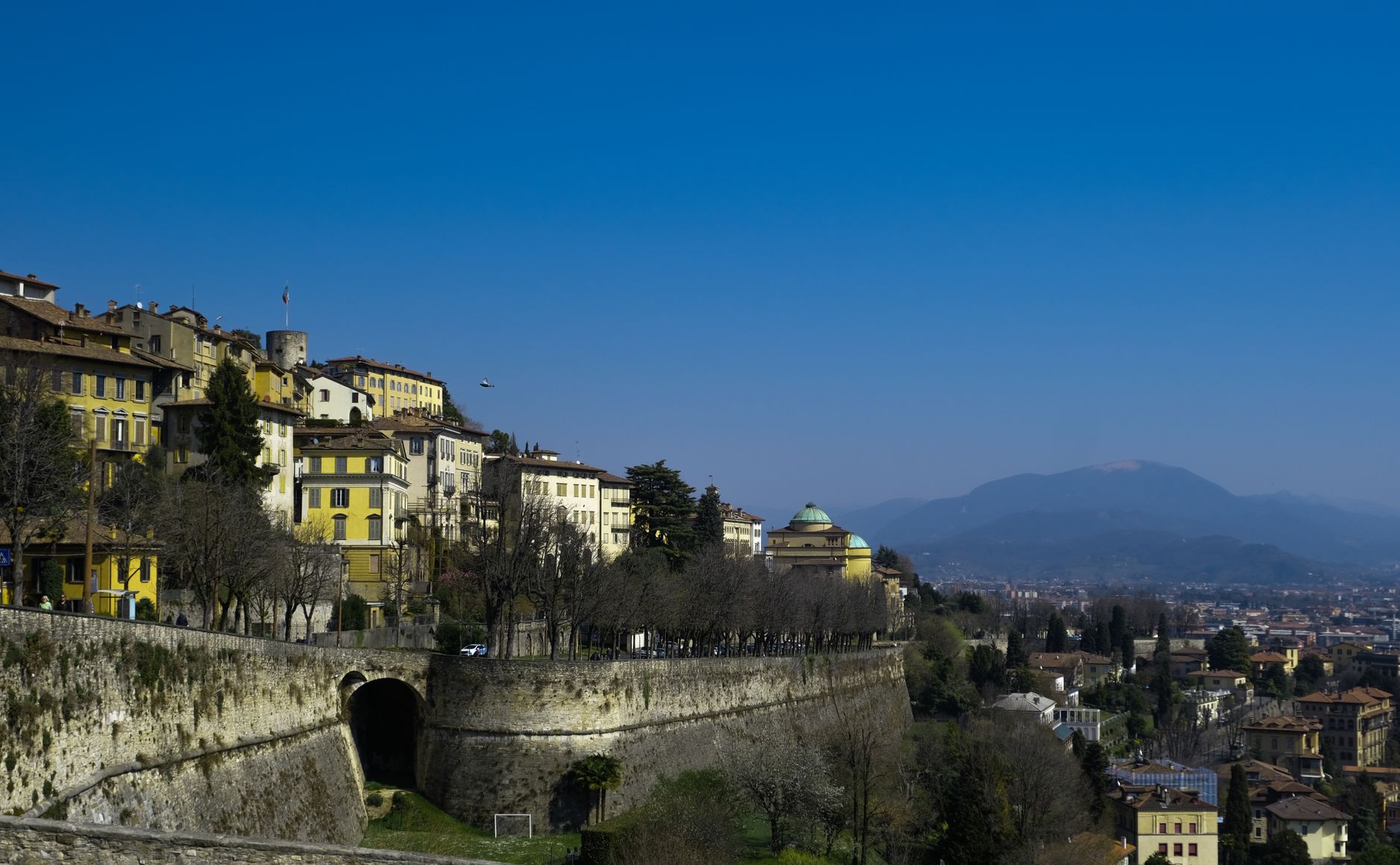
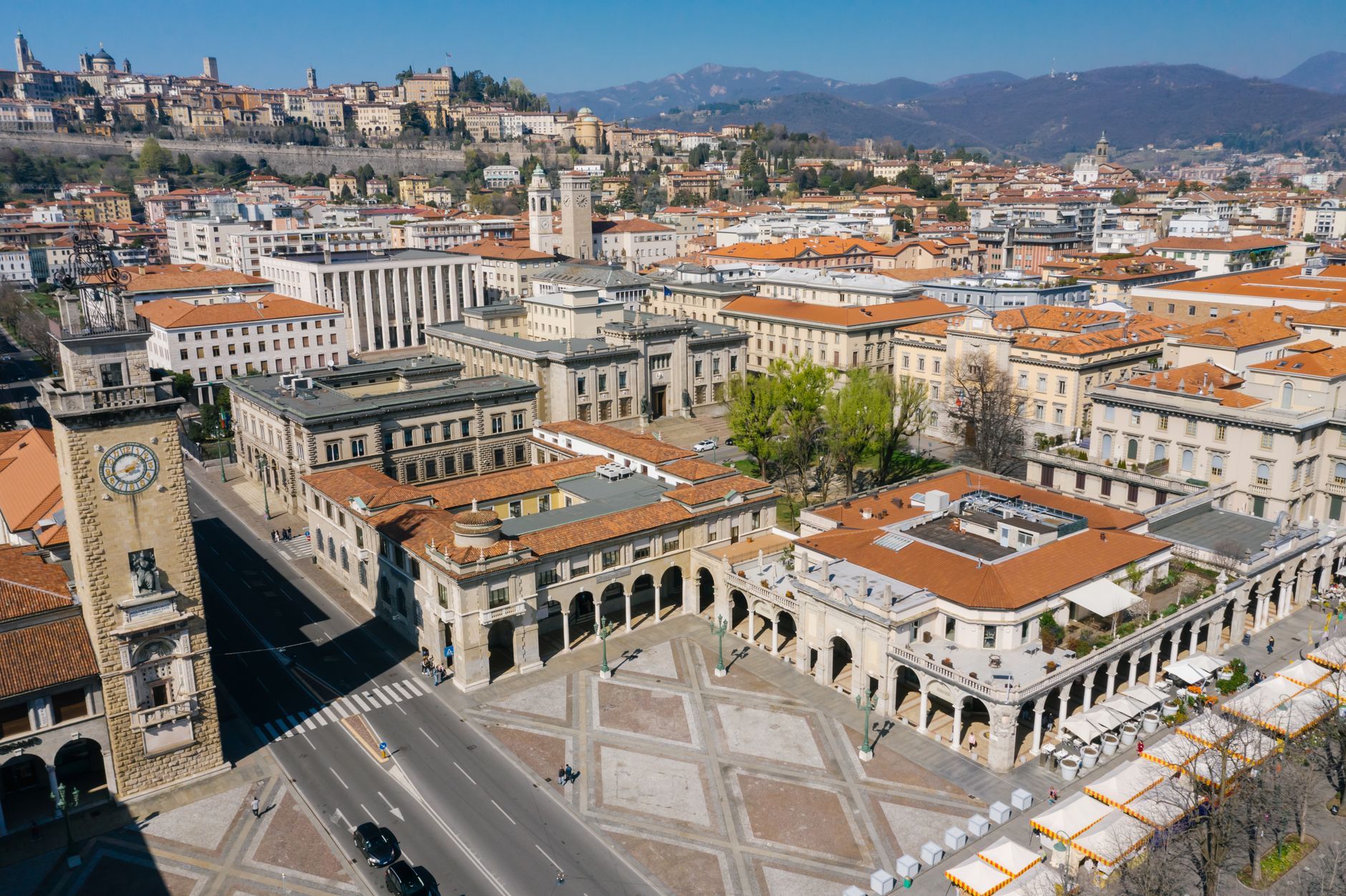
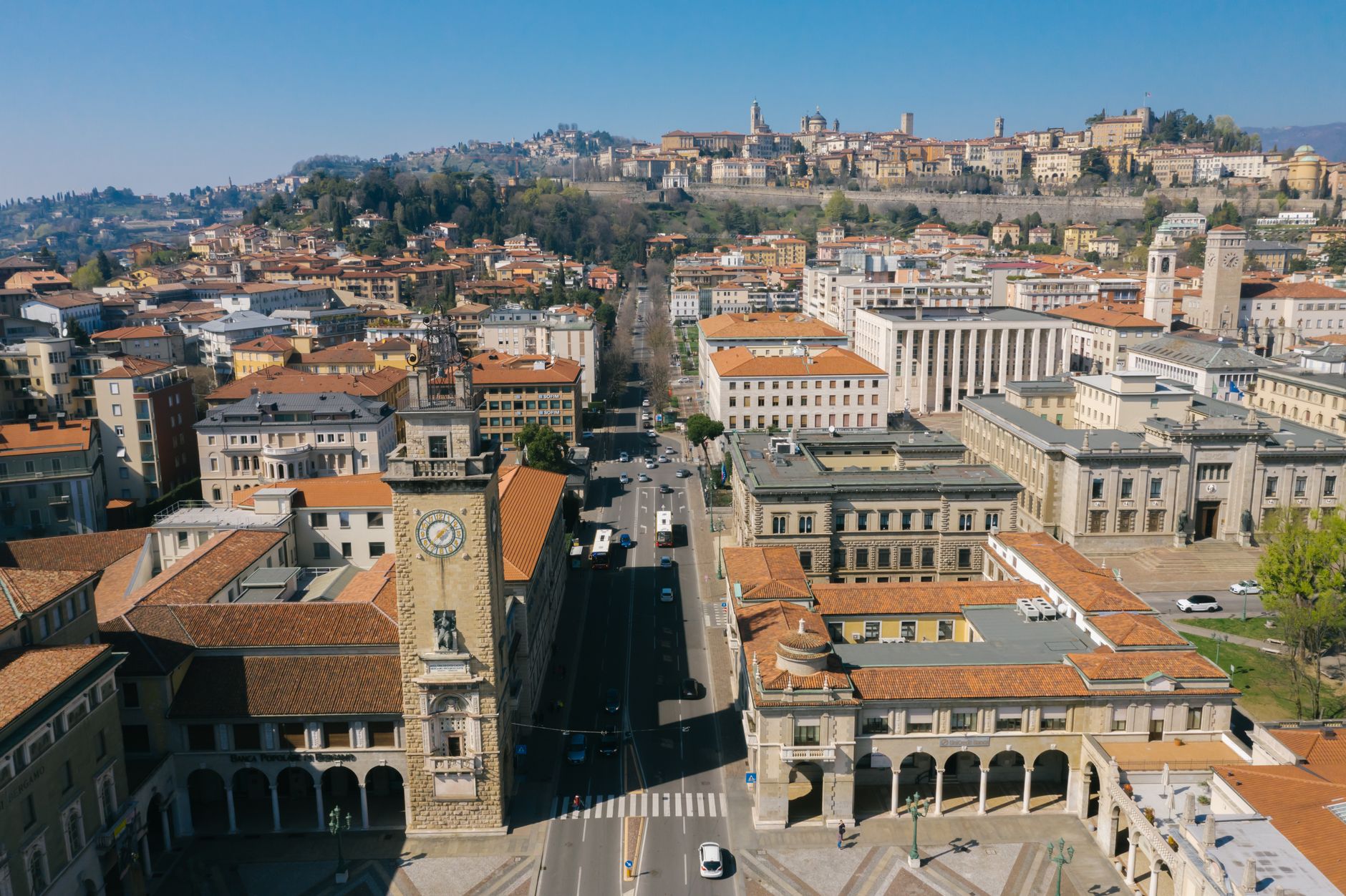
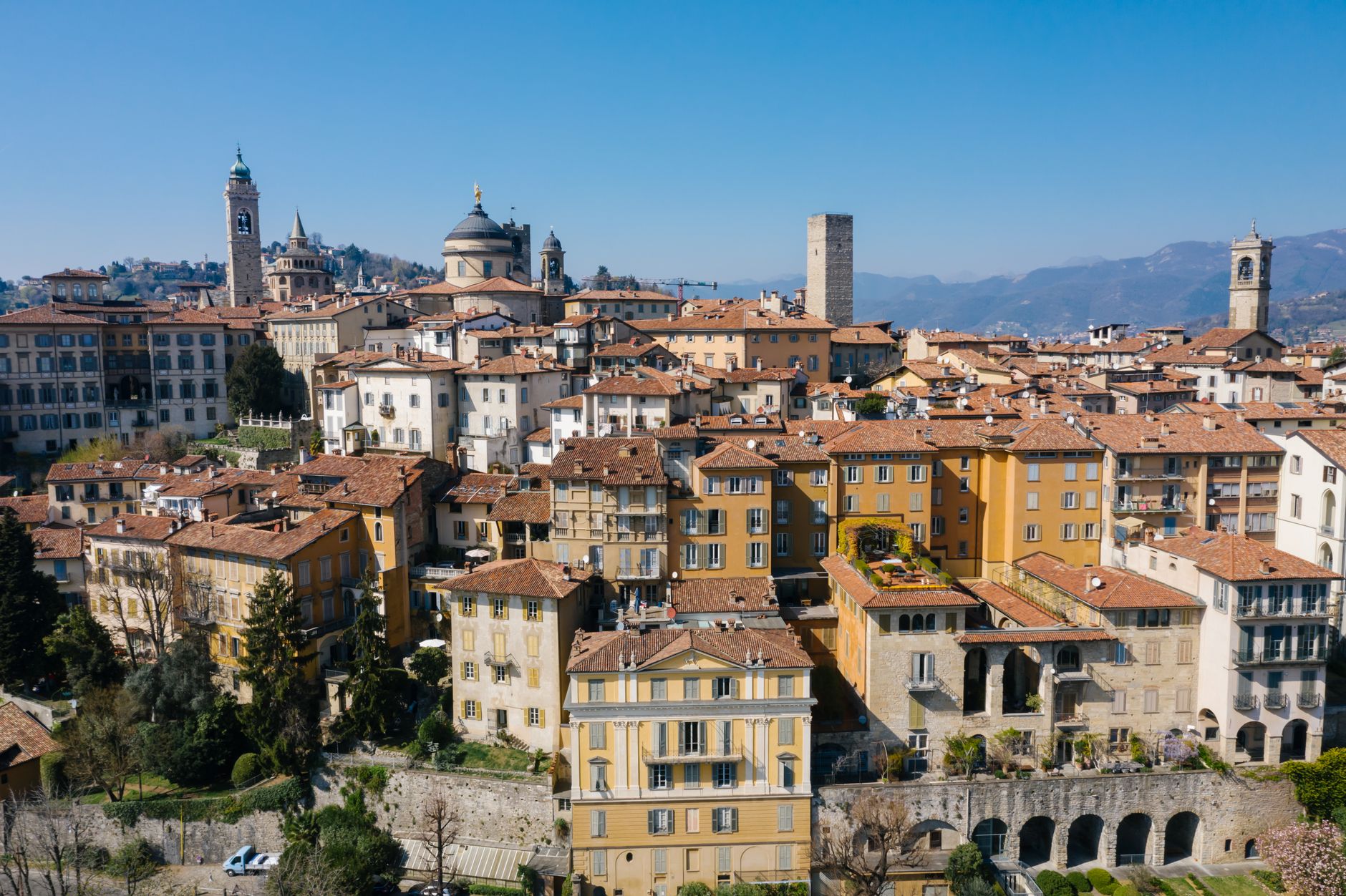
At ten o'clock every night, a bell in Bergamo's Città Alta rings one hundred times. The tradition goes back to Venetian rule, when those tolls signaled the closing of the city gates — and it has continued, without interruption, ever since. That kind of stubborn continuity is what Bergamo does best.
The city divides itself clearly: a lower town of wide avenues and a railway connection to Milan fifty minutes away, and an upper town of cobblestones, medieval towers, and Renaissance chapels reached by a funicular that has been making the climb since 1887. The two cities coexist without pretending to be the same place.
💛 What travellers fall for
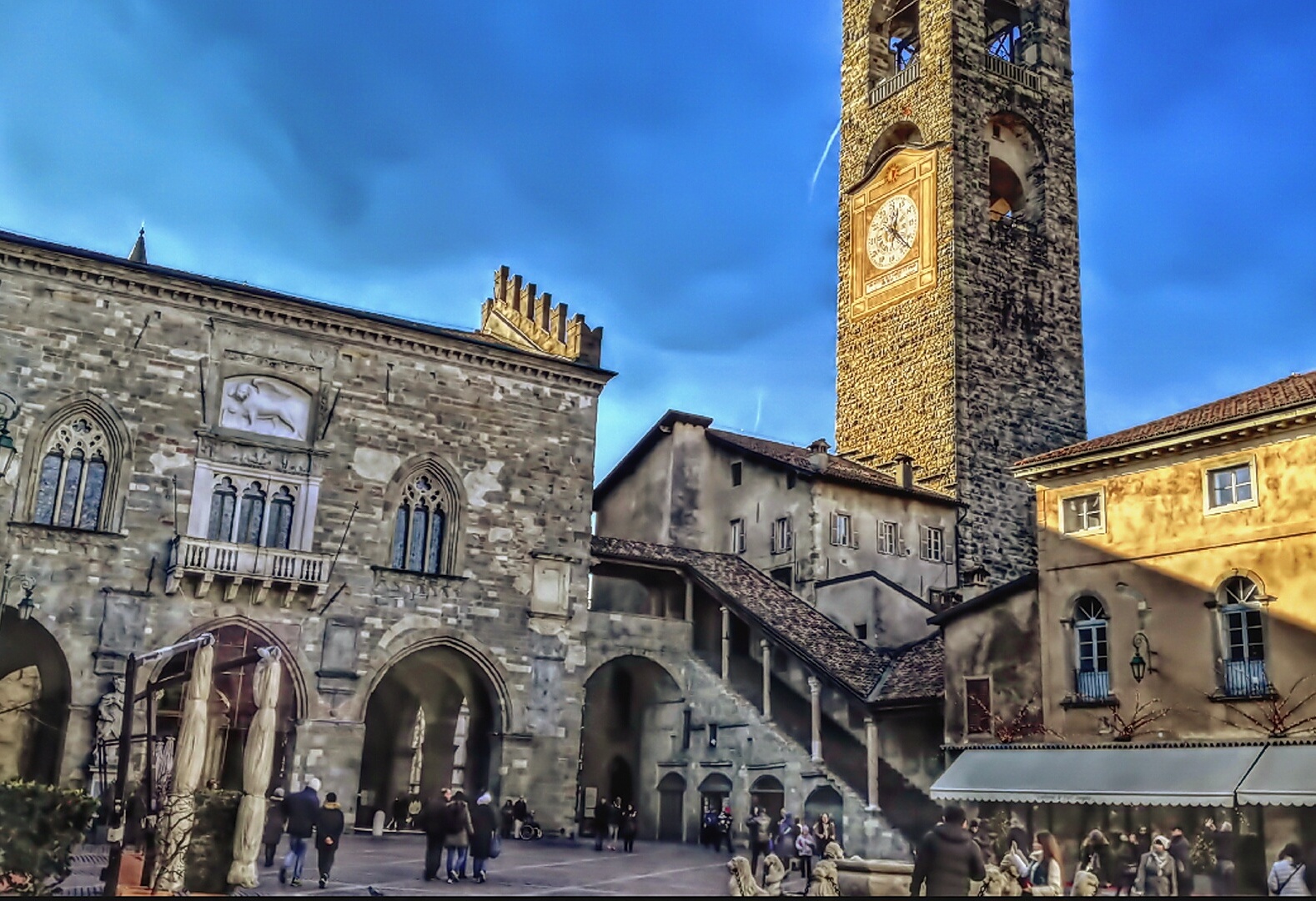
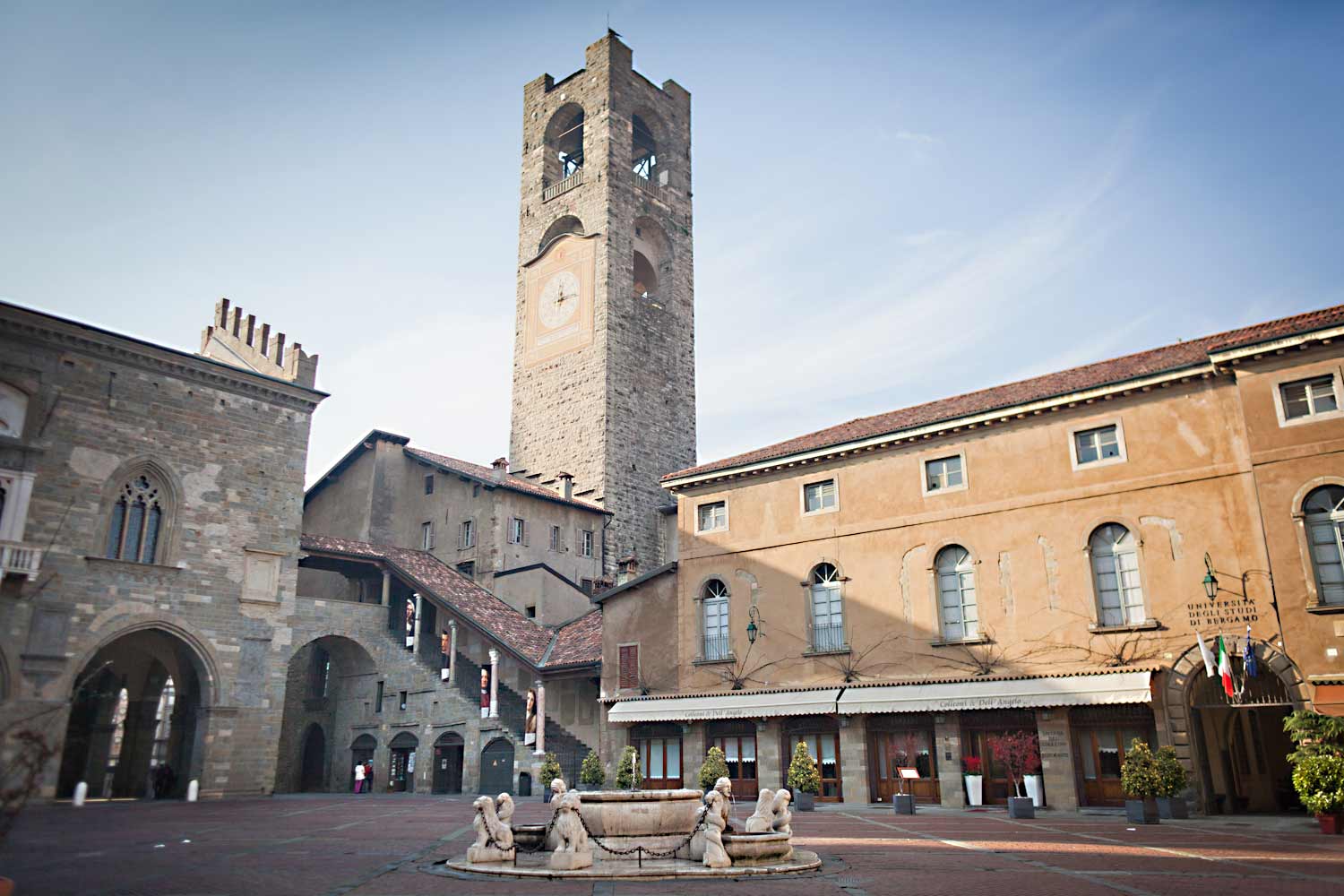
People who return tend to time their arrival for early evening, riding the funicular up as the day-trippers head down. Piazza Vecchia empties out fast. The Campanone does its hundred rings, the restaurants along Via Colleoni fill slowly, and for an hour or two the upper city feels like it belongs to whoever stayed.
Experiences you don't want to miss





Deals in Bergamo
Book directly at the provider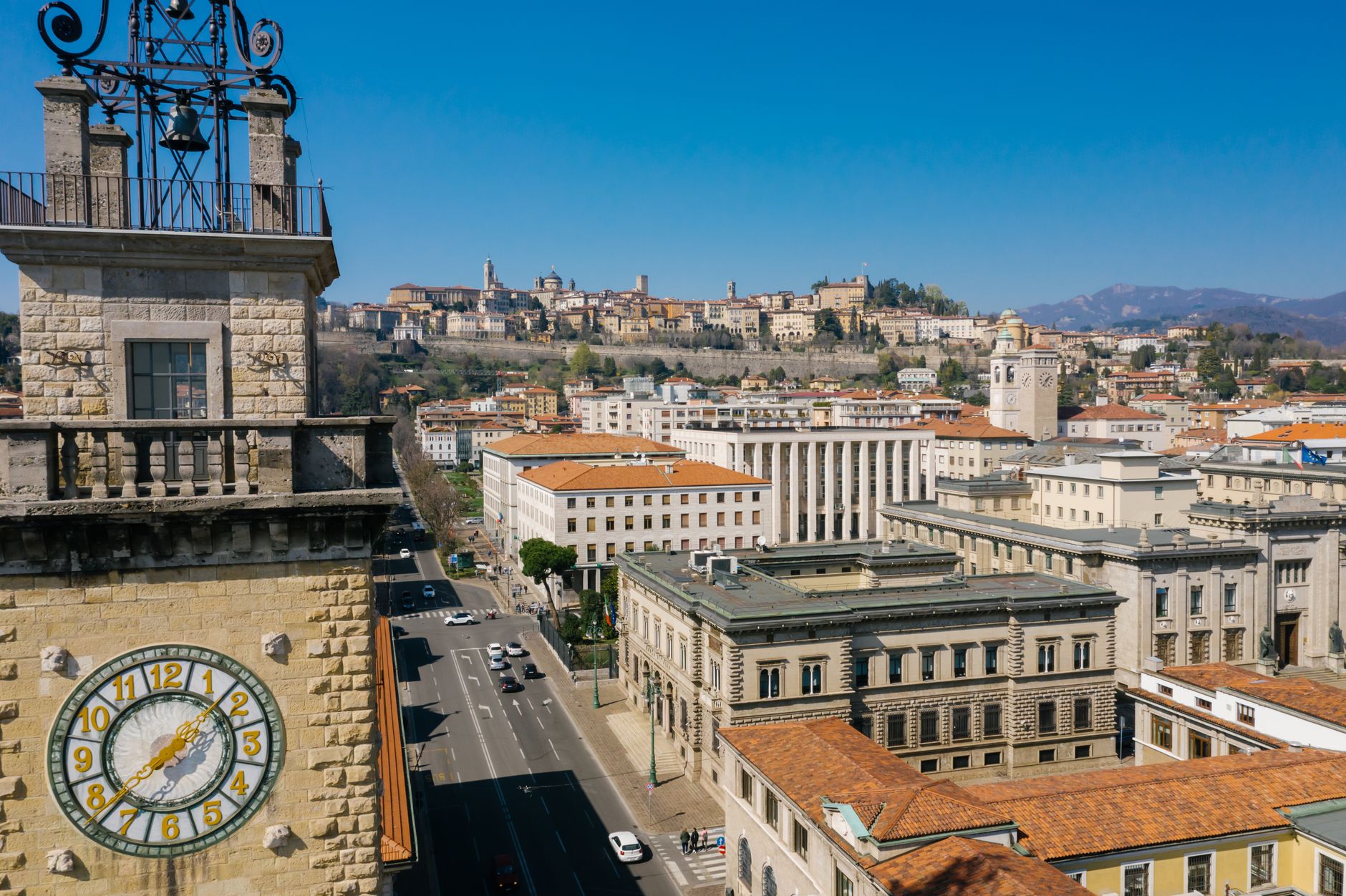

How Bergamo came to be
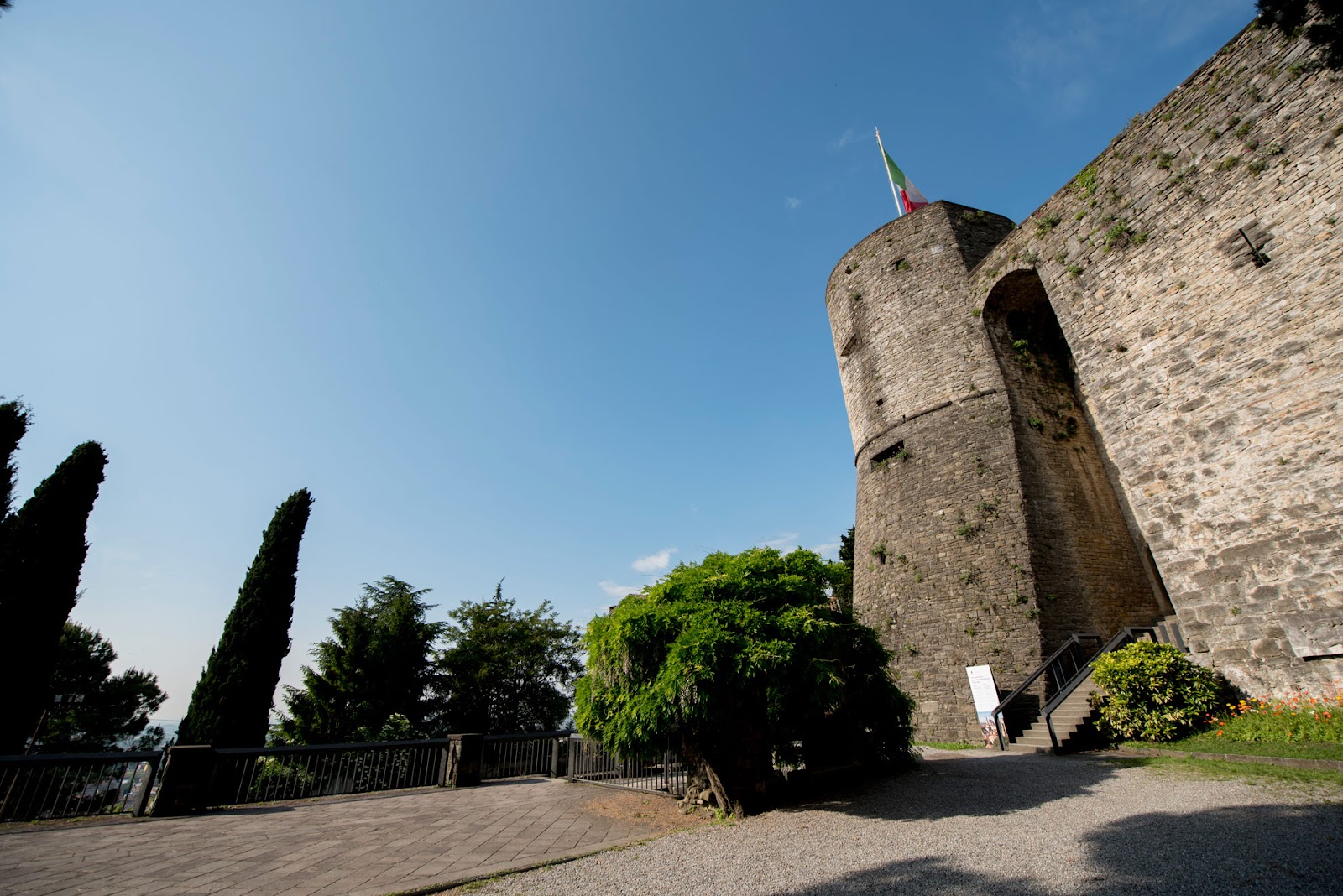
Celts settled here around 500 BC; Romans formalized it as Bergomum in 196 BC. By the sixth century it was one of the most significant Lombard duchies in the north, and by the eleventh it had become an independent commune assertive enough to join the Lombard League against Frederick I Barbarossa in 1165. Venice absorbed Bergamo in the fifteenth century and left its most visible mark between 1561 and 1588, constructing over six kilometers of defensive walls with fourteen bastions and four gates — a system that earned UNESCO recognition in 2017.
Garibaldi took the city in 1859 during the Second Italian War of Independence, and Bergamo sent more volunteers per capita to his campaign than almost anywhere else in Italy. The lower town took its current shape largely between 1912 and 1927, following an urban plan drawn up by Marcello Piacentini in 1907.
Who and what shaped it
People who shaped it
Landmark buildings
See Bergamo in motion
Plan your visit
On the map
When to go
Winters are cold and damp — January highs hover around 6°C and the sky stays gray for weeks. Summers are hot and muggy, with July and August pushing 28°C. Spring and early autumn give you the most comfortable walking weather and the best light on the stone.
Right now
↡ Attractions




Background & history adapted from Wikipedia (CC BY-SA) · specs from Wikidata (CC0) · weather from Open-Meteo · map data © OpenStreetMap contributors · photos from Wikimedia Commons / Unsplash with per-image credit. No third-party reviews or social posts reproduced.