
Sondrio
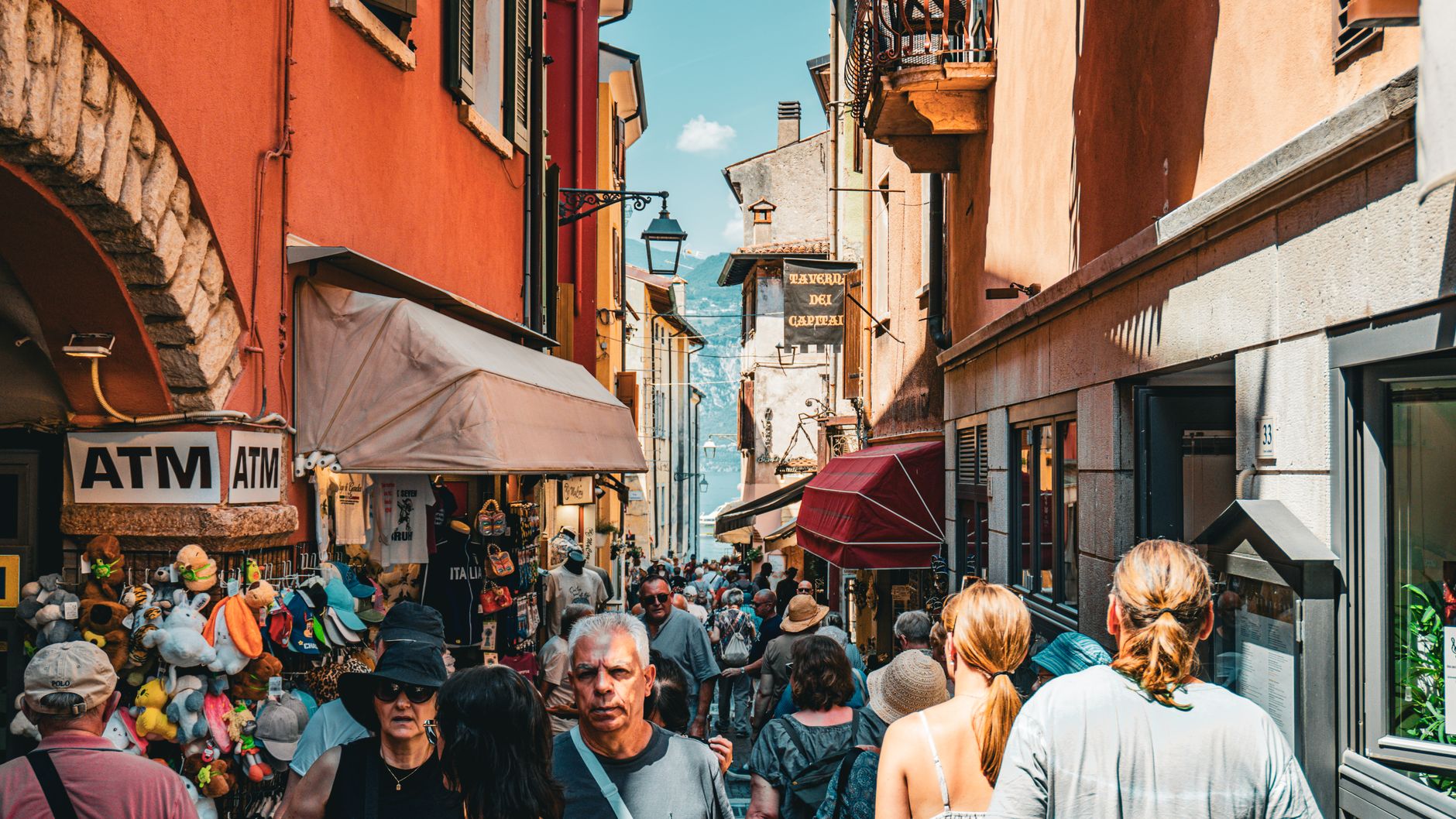
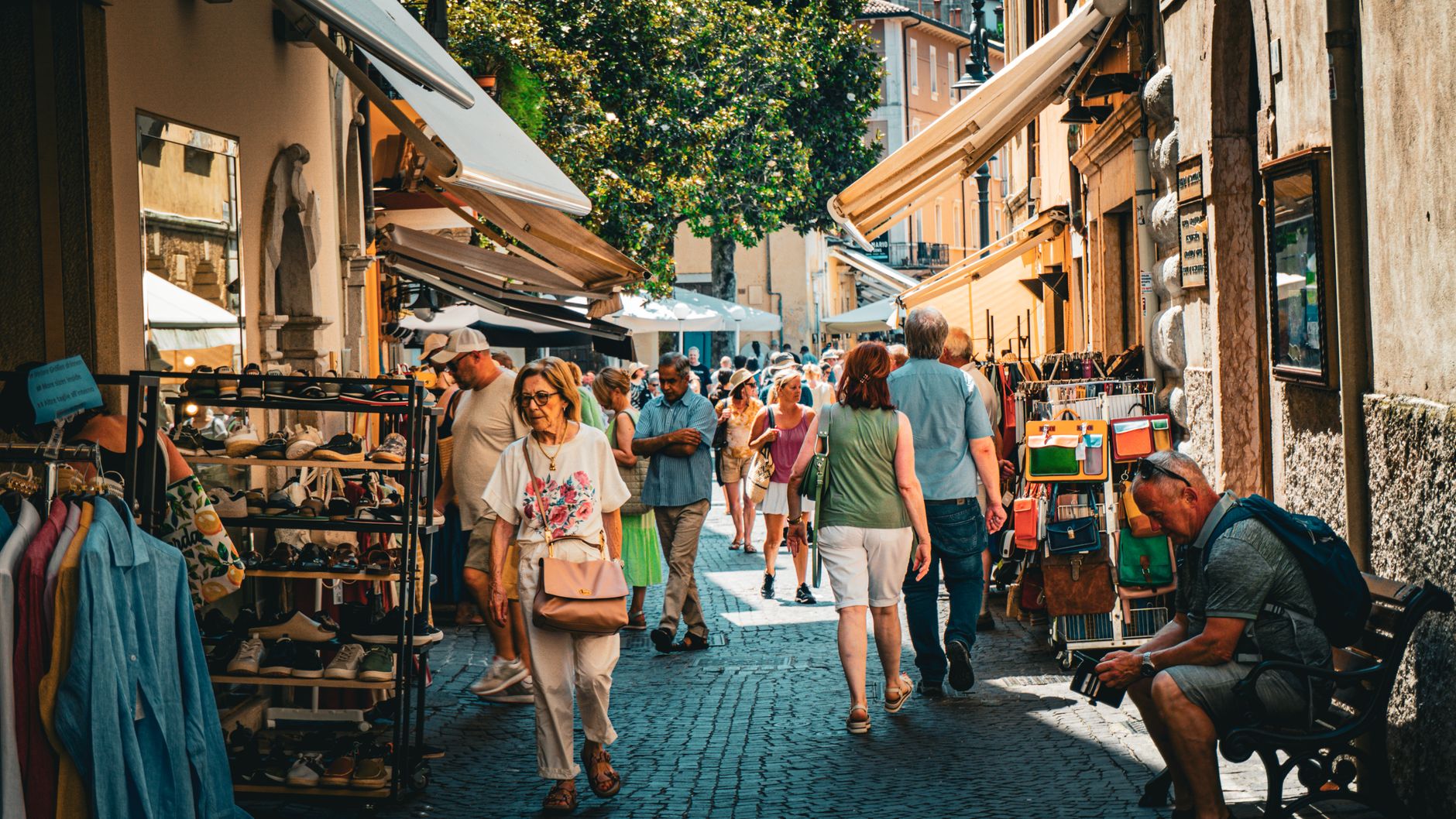
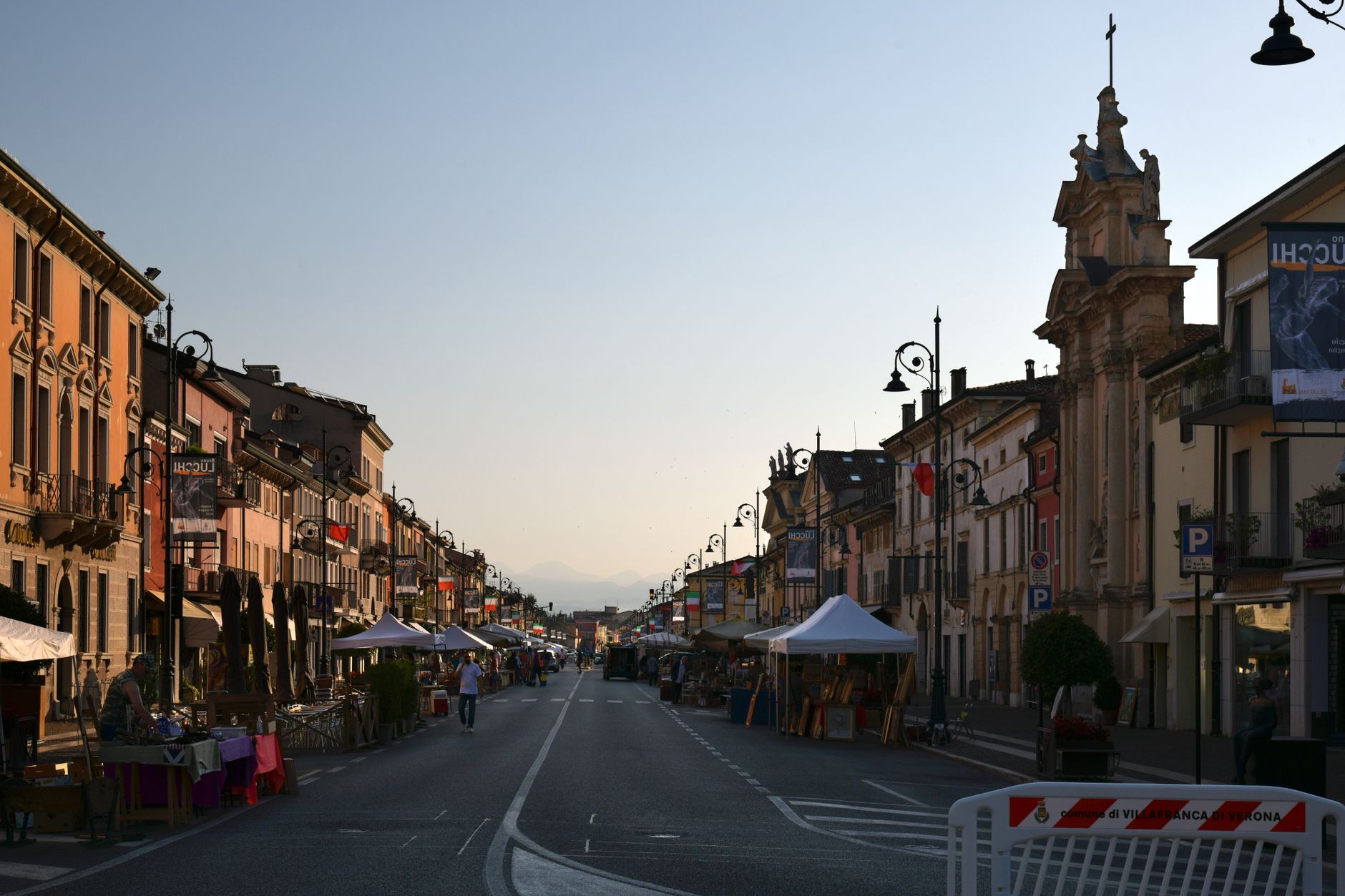
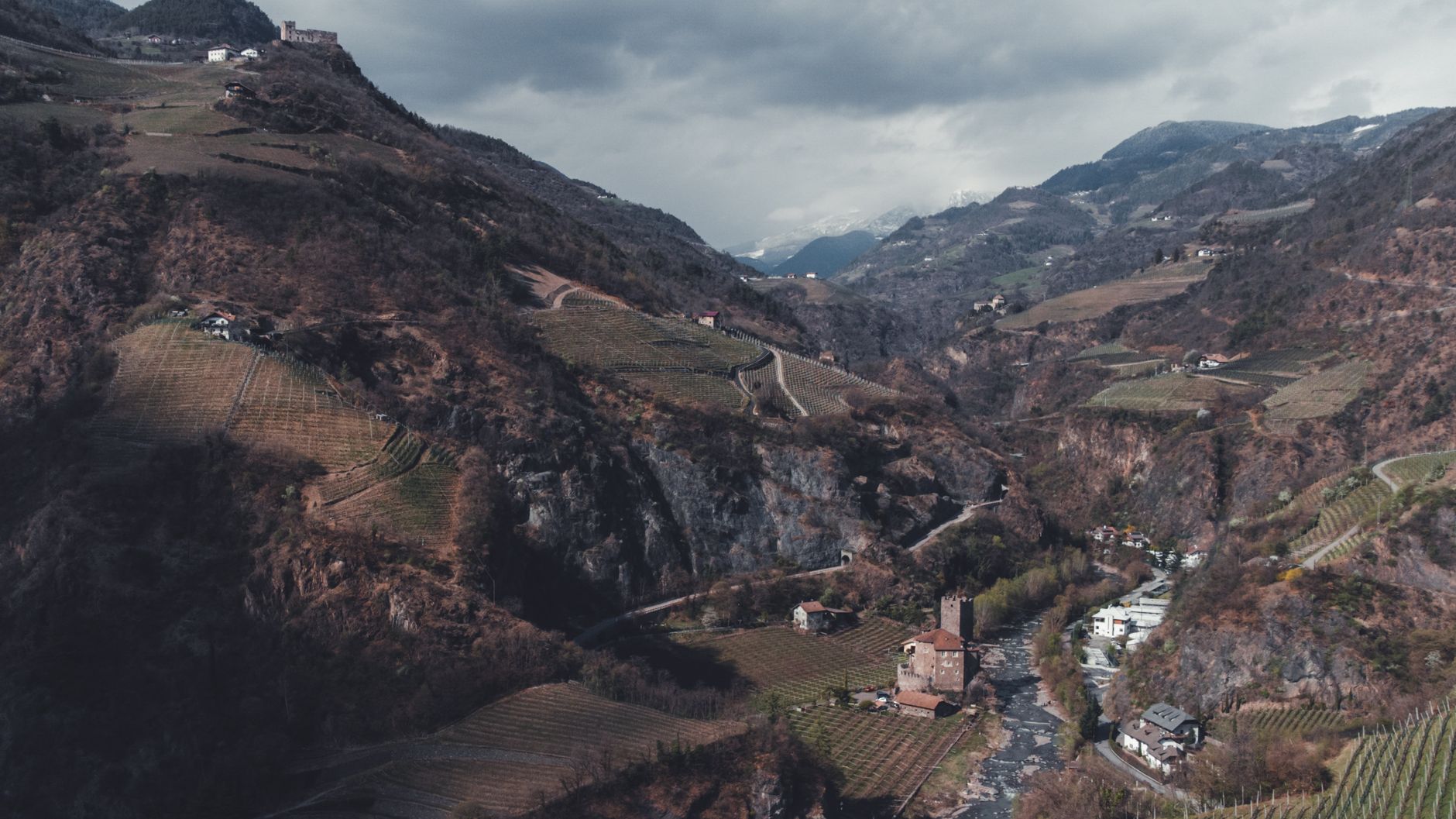
The name Sondrio comes from the Lombard word for exclusive property — land held by free men — and the city still carries a quiet self-possession that sets it apart from the lake towns further south. It sits at 300 metres in the Valtellina valley, the Alps rising sharply on either side, vines terraced into the slopes above the rooftops.
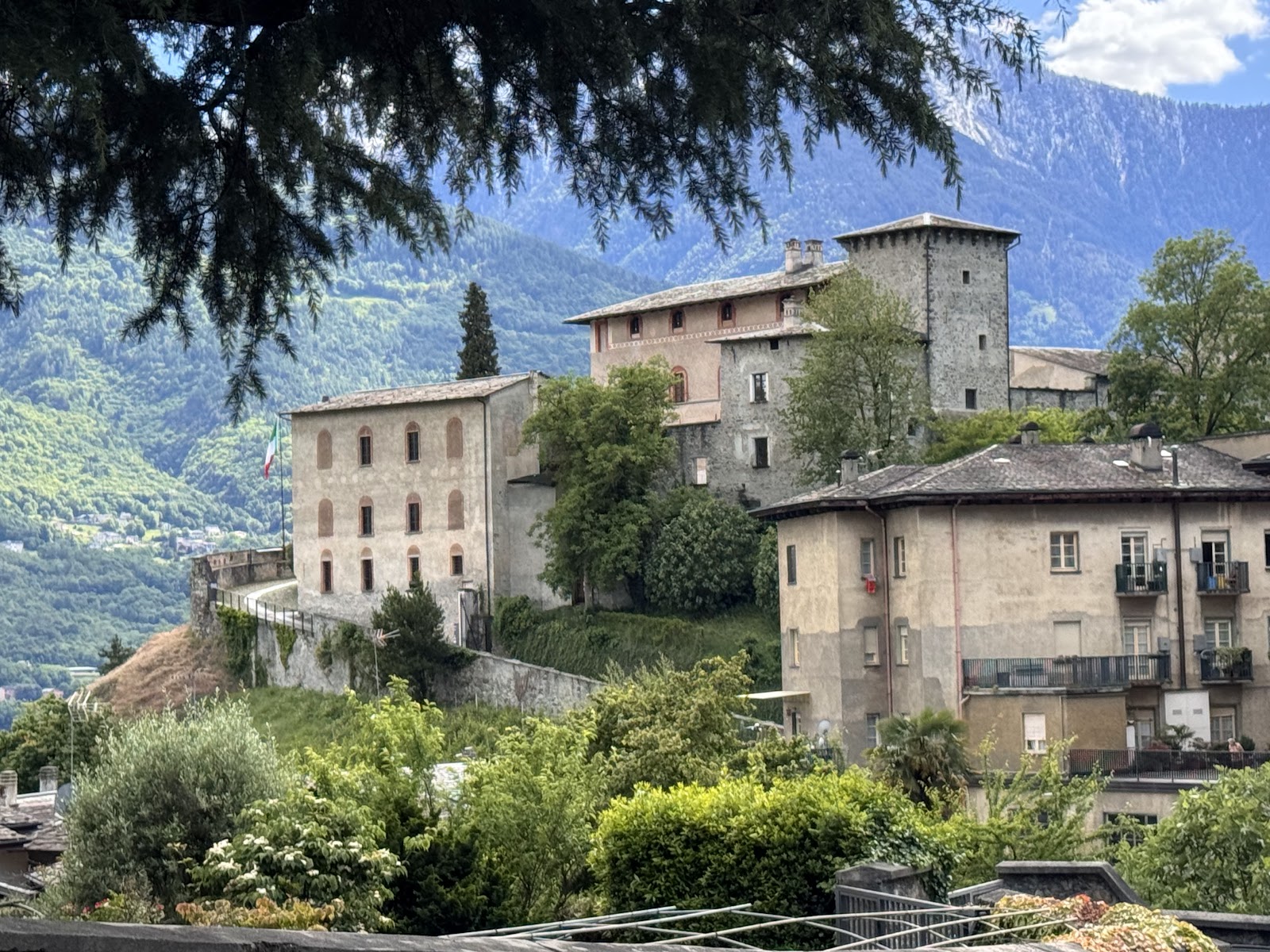
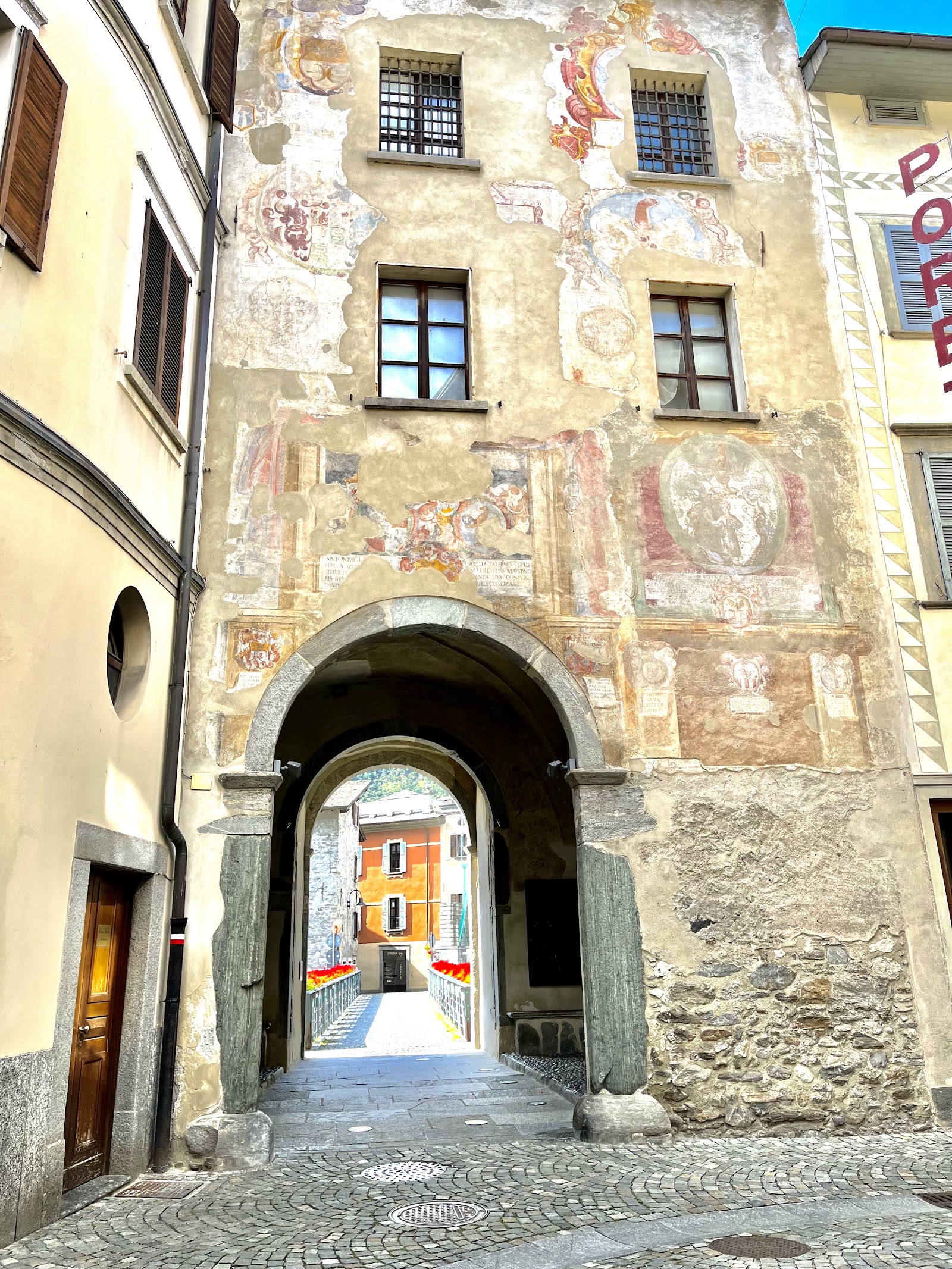
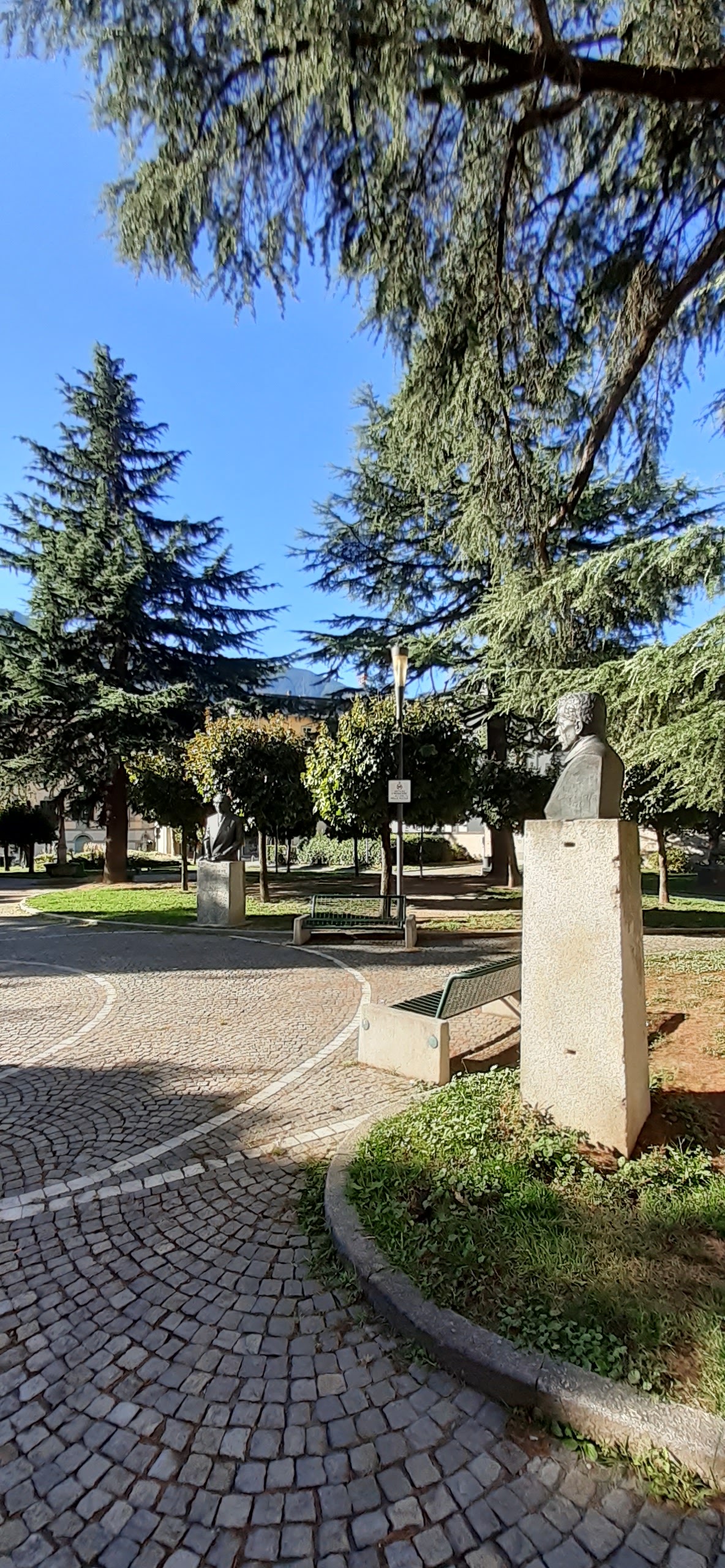
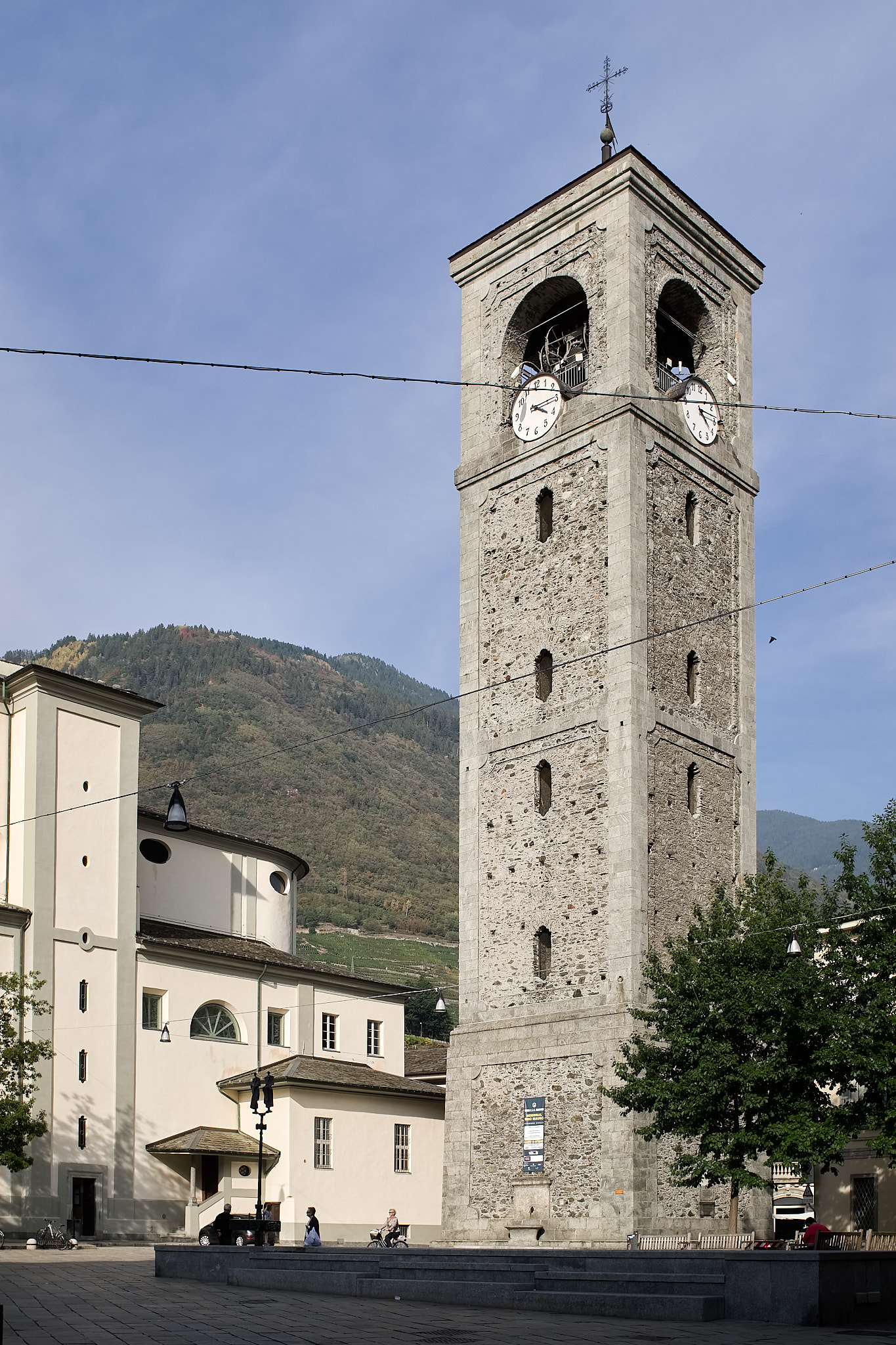
This is the capital of a wine-growing region, a market town with a functioning Piazza Garibaldi at its centre and a castle on the hill that survived every invasion the valley threw at it. It rewards the kind of travel that involves walking slowly down Via Scarpatetti and noticing the wood walkways, the stone houses, the vineyards pressing against the walls.
💛 What travellers fall for
People who come back tend to make for Masegra Castle early, before the light flattens — the view down the valley from there earns the climb. They also mention Piazza Quadrivio, which is easy to miss: a small square with a fountain basin cut from a single piece of stone, dated 1820, and a grocery that still functions as a grocery.
Experiences you don't want to miss



Deals in Sondrio
Book directly at the provider

How Sondrio came to be
Sondrio started as a Roman military camp and was later shaped by the Lombards, whose name for it — Sundrium — signalled that the land belonged to free men of standing. By 1040 the Capitanei of Vizzola held it under imperial grant, and through the 14th century it was pulled between the Guelph and Ghibelline factions fighting out of Como, before Sondrio and the whole Valtellina passed to the Visconti of Milan in 1335.
From the late 16th century to the end of the 18th, the Tre Leghe Grigie — the Three Grey Leagues of the Grisons — governed Sondrio as the valley's capital. In 1620 a citizen uprising led by Giacomo Robustelli killed 180 Protestants and briefly declared Valtellina independent. The Napoleonic era shuffled the territory once more, and it ended up under Austrian rule as part of the Kingdom of Lombardy–Venetia. In 2007 Sondrio was named Alpine Town of the Year.
Who and what shaped it
People who shaped it
Landmark buildings
See Sondrio in motion
Plan your visit
On the map
When to go
Winters are cold and still, with cold air pooling in the valley floor and snow arriving at least once most years. Summers run hot by day and cool at night — June through August is the most comfortable window, with July averaging around 23°C.
Right now
↡ Attractions


Background & history adapted from Wikipedia (CC BY-SA) · specs from Wikidata (CC0) · weather from Open-Meteo · map data © OpenStreetMap contributors · photos from Wikimedia Commons / Unsplash with per-image credit. No third-party reviews or social posts reproduced.