
Cinque Terre (Liguria)
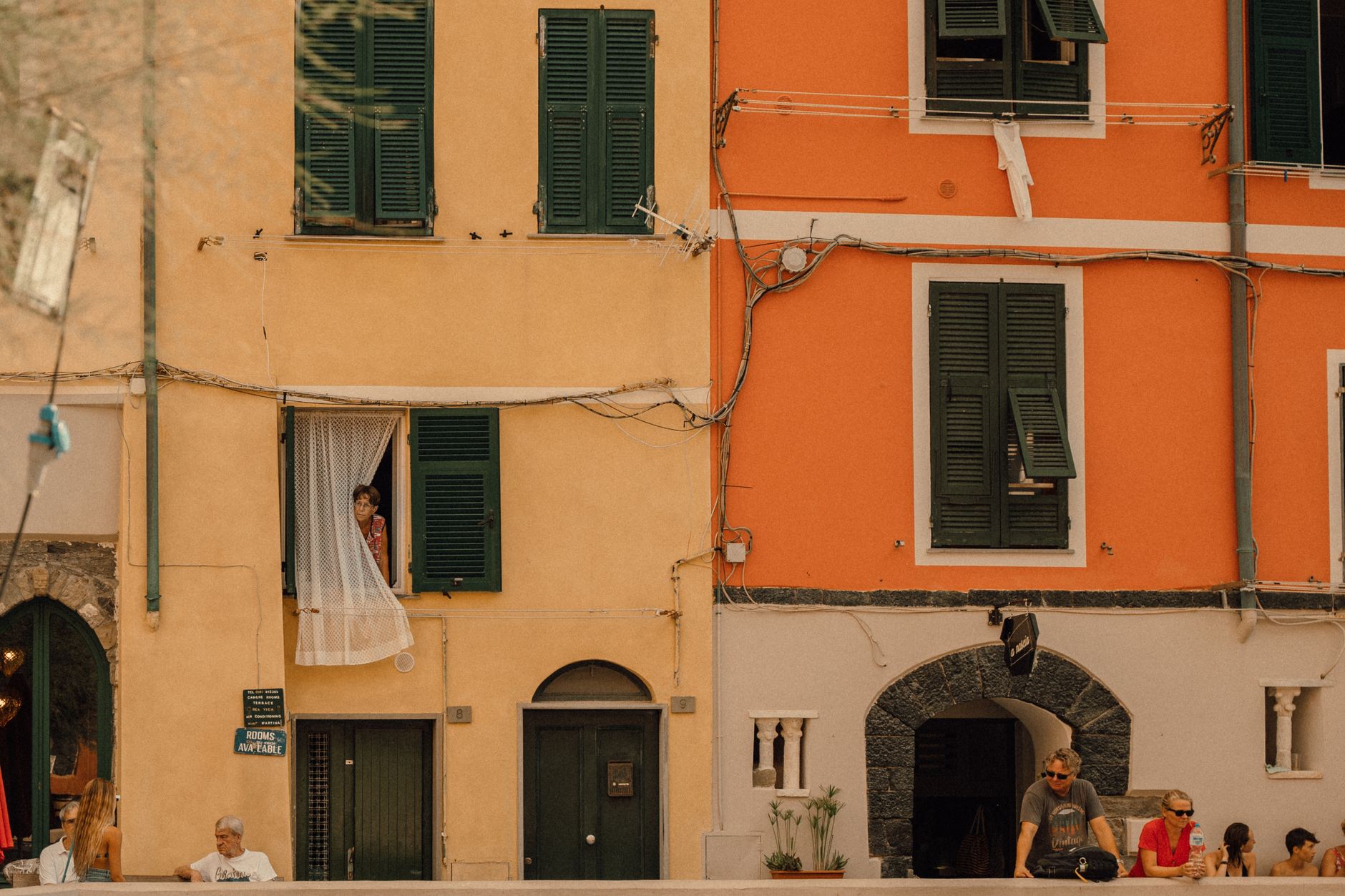
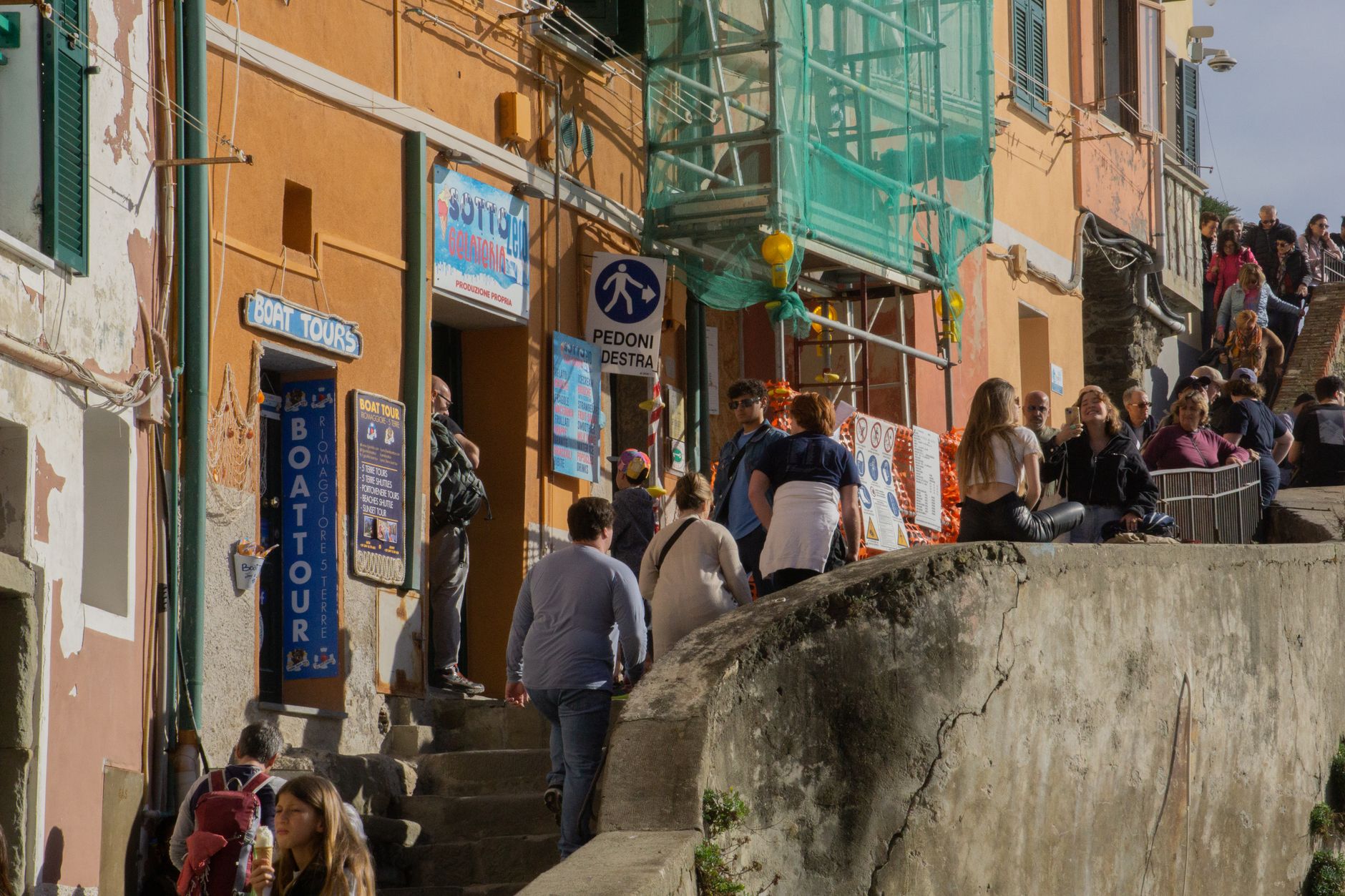
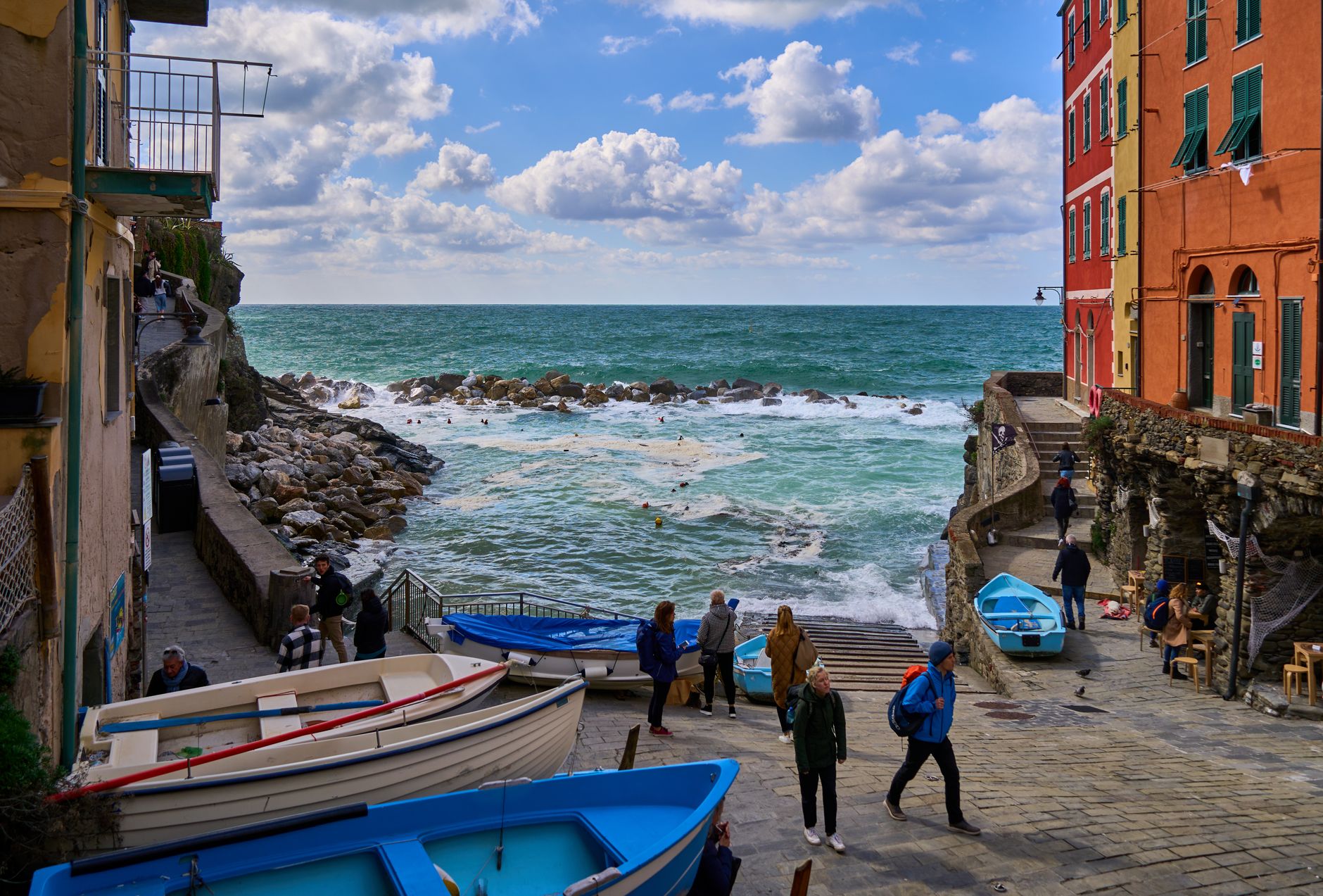
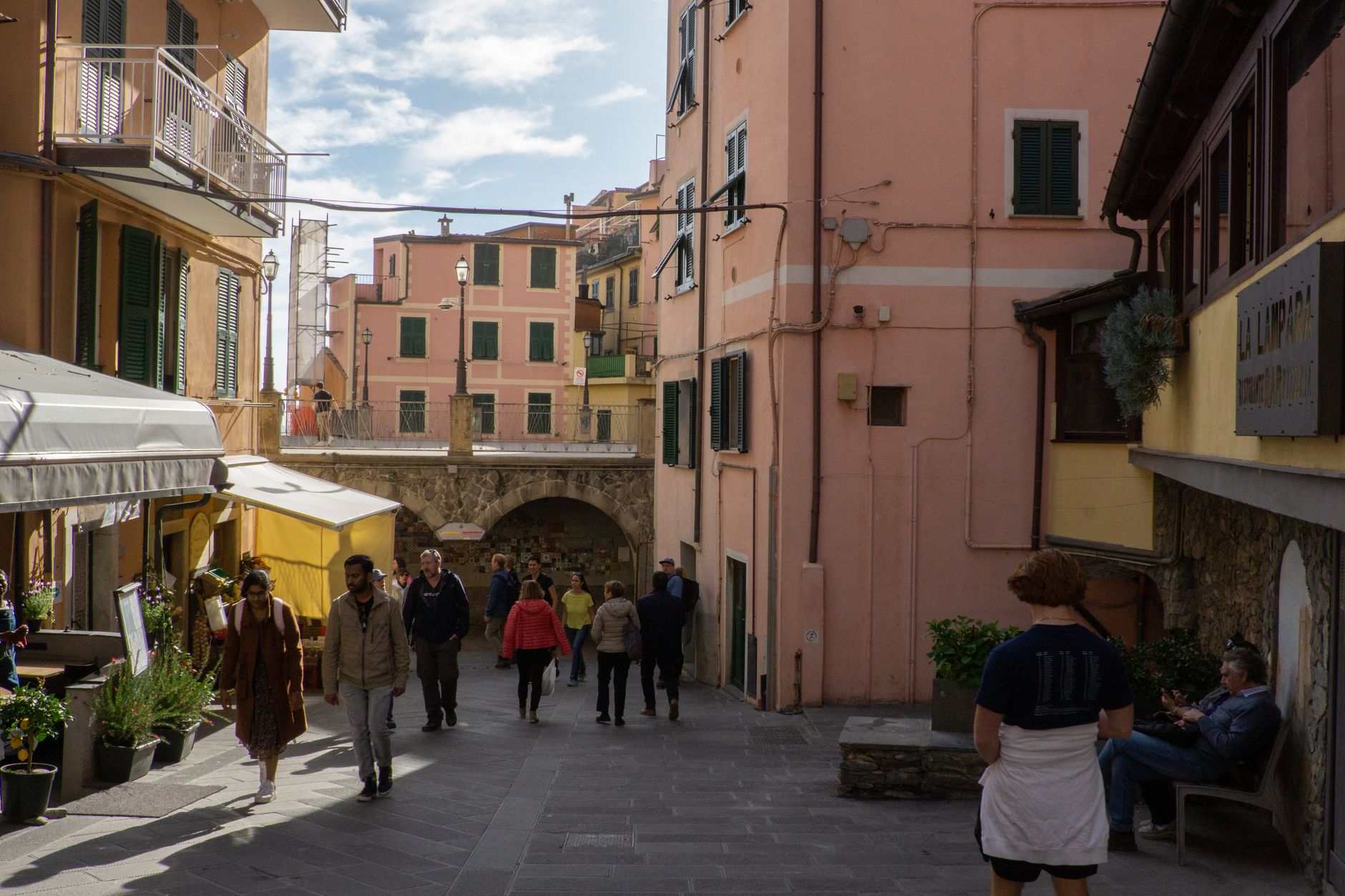
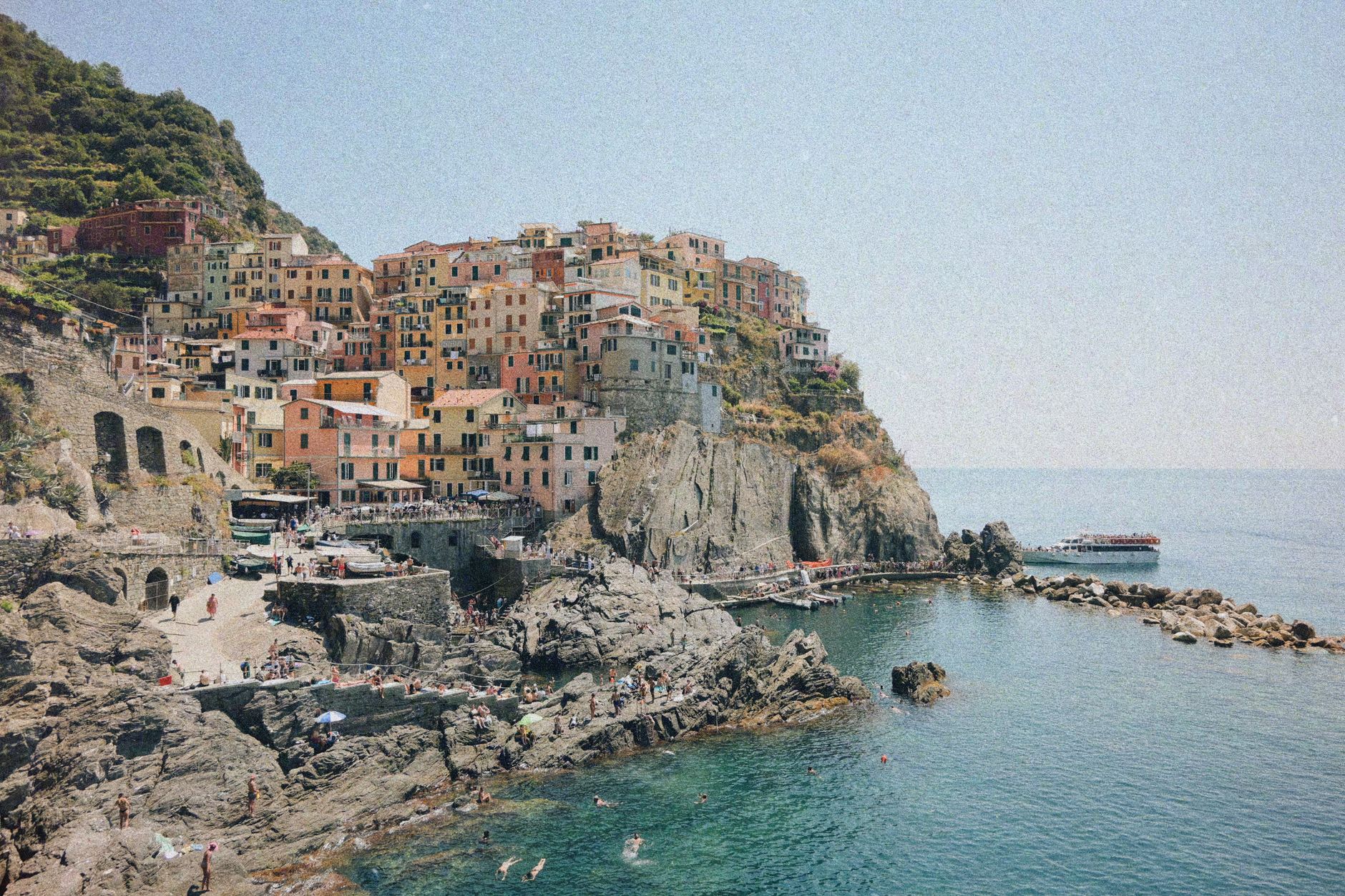
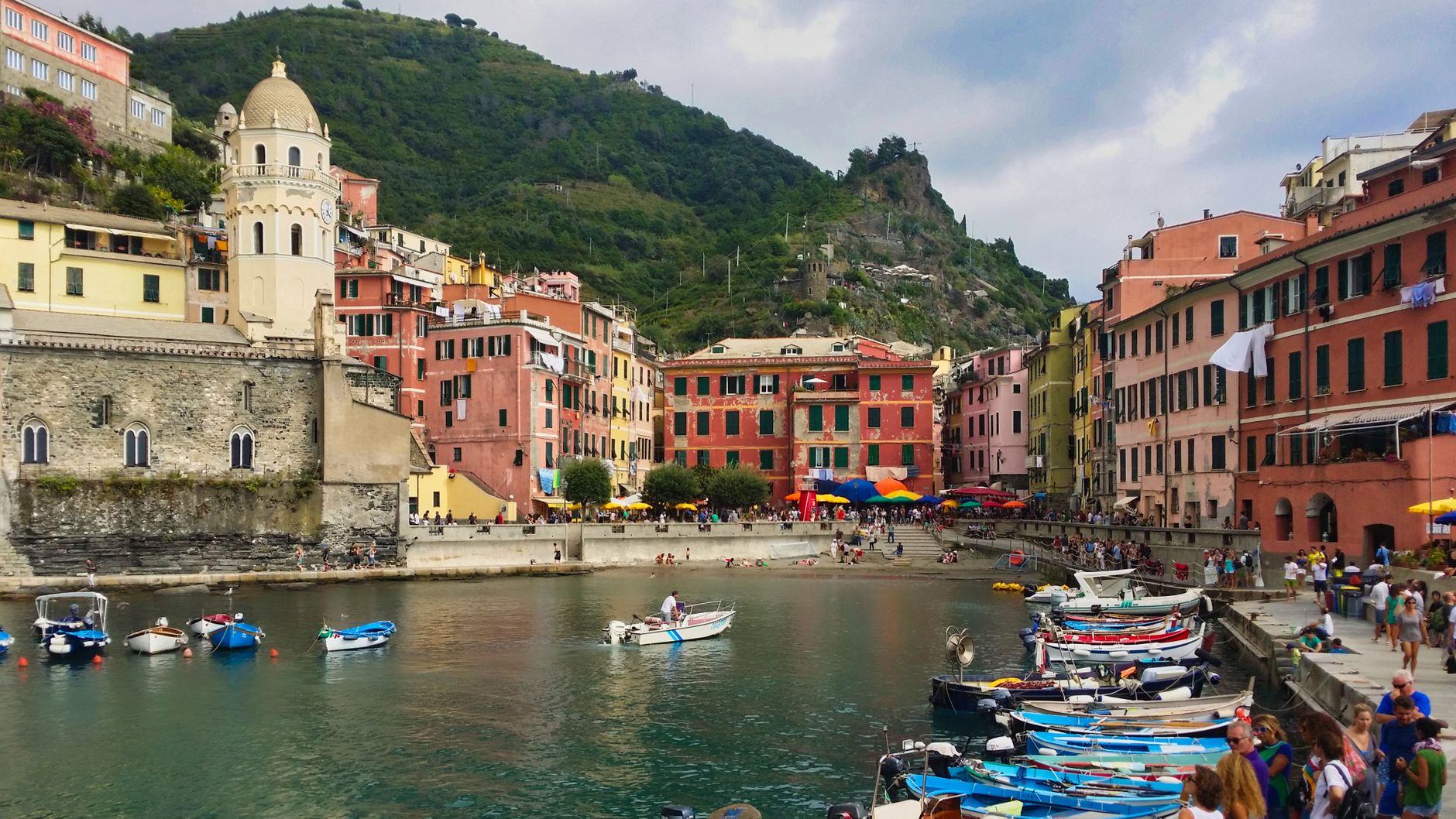
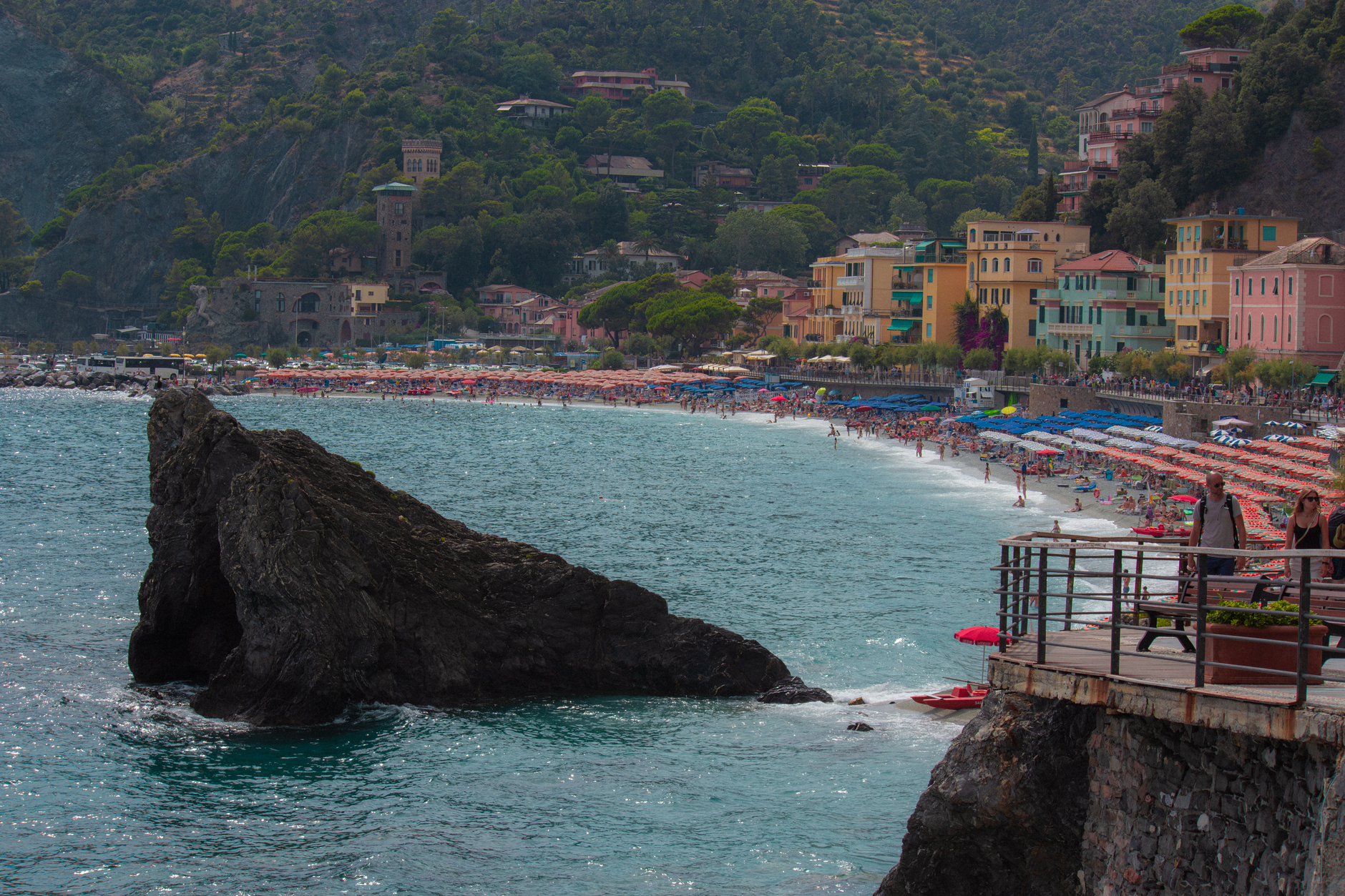
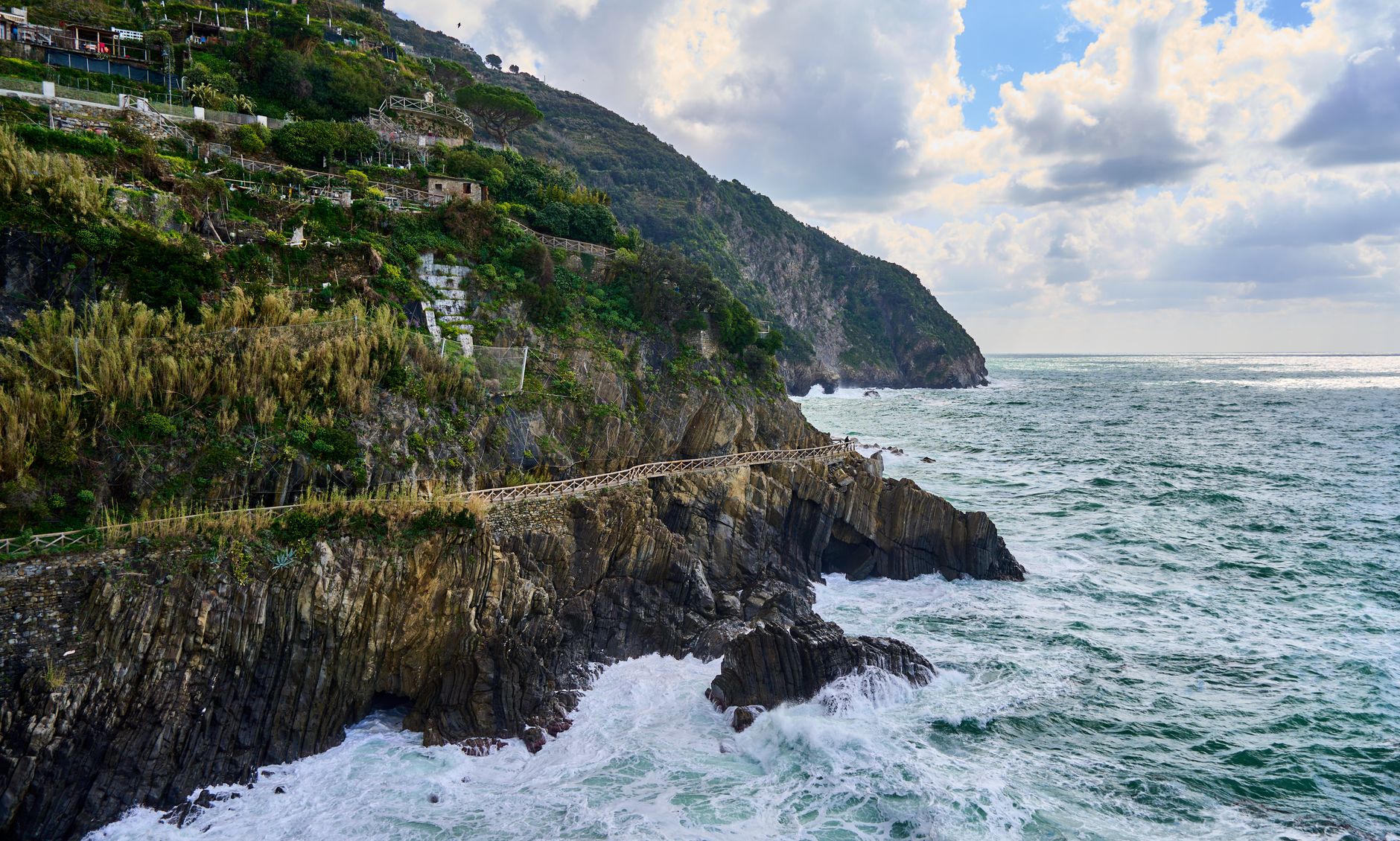
Five villages cling to a fourteen-kilometre stretch of Ligurian cliff, connected by rail, ferry and a web of footpaths that thread between vineyards held up by more than four thousand miles of dry-stone walls. That terracing — built over centuries by farmers who had nowhere flat to work — is as much the landscape as the sea itself.
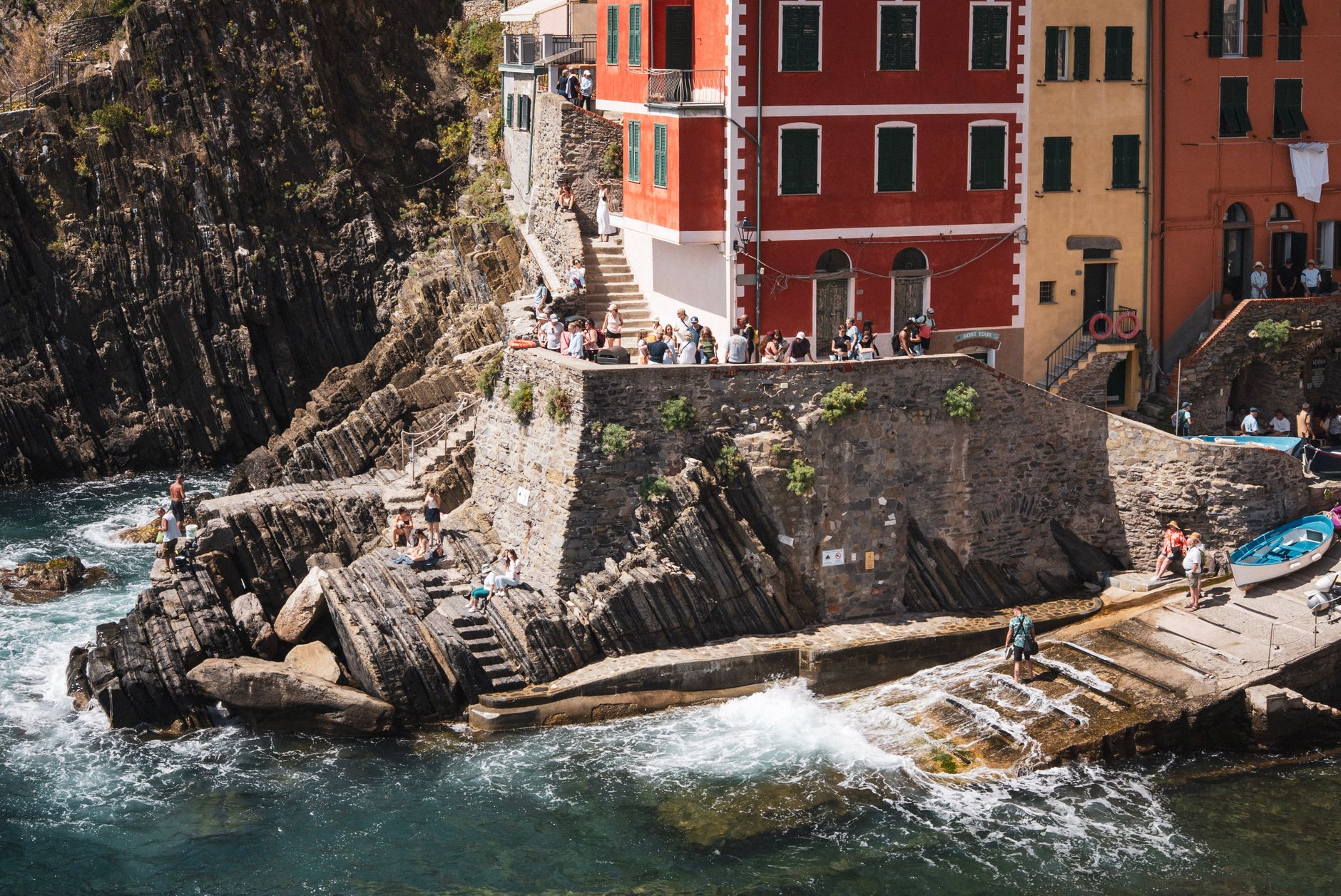
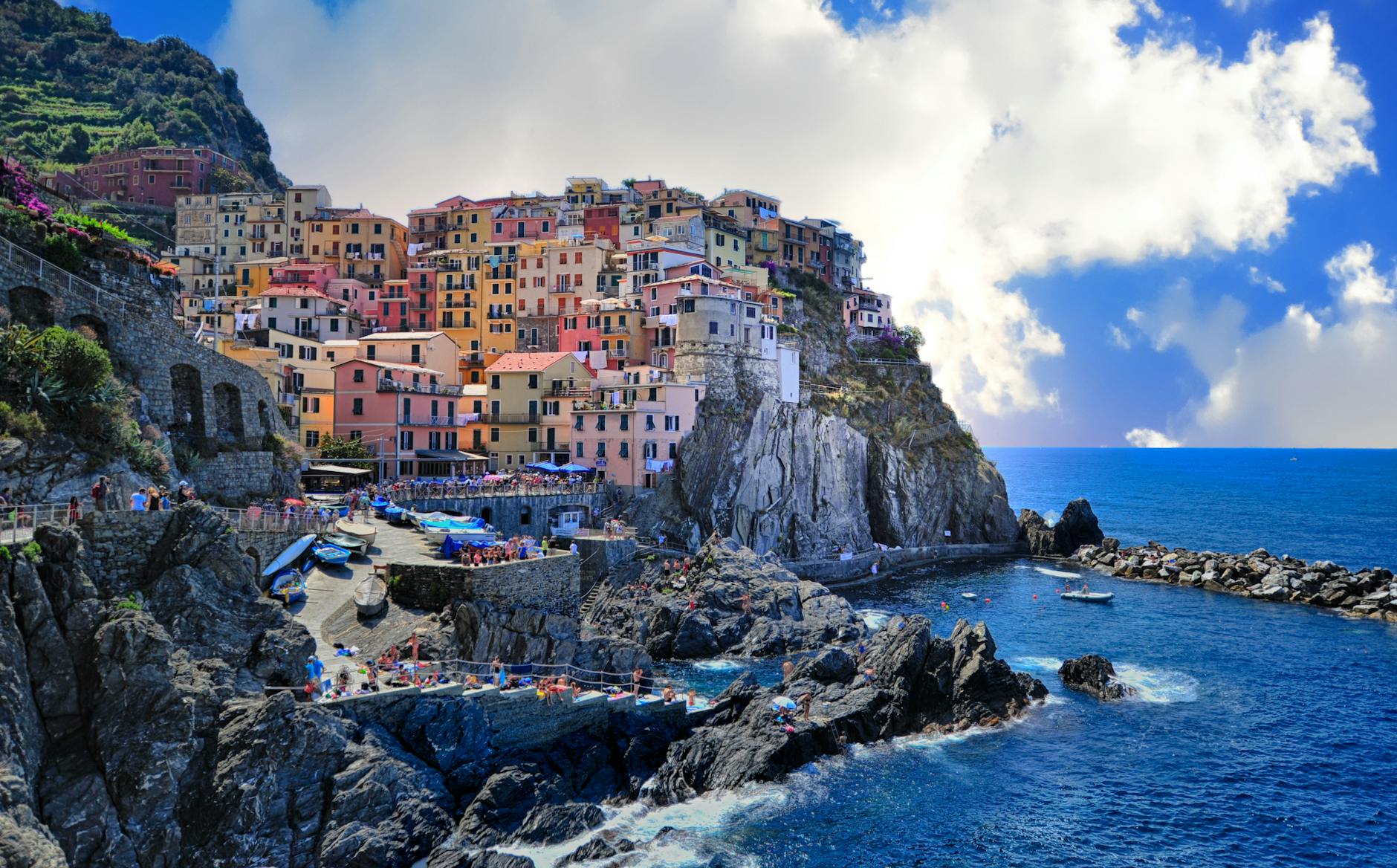
Each village has its own character: Vernazza with its natural harbour and 11th-century castle sitting on the rocks at the water's edge; Corniglia perched inland, unreachable by ferry; Manarola's coloured houses stacked above the water like a slow landslide. The five together form a UNESCO World Heritage Site and Italy's first national park, designated in 1999.
Popular cities in Cinque Terre (Liguria)
💛 What travellers fall for
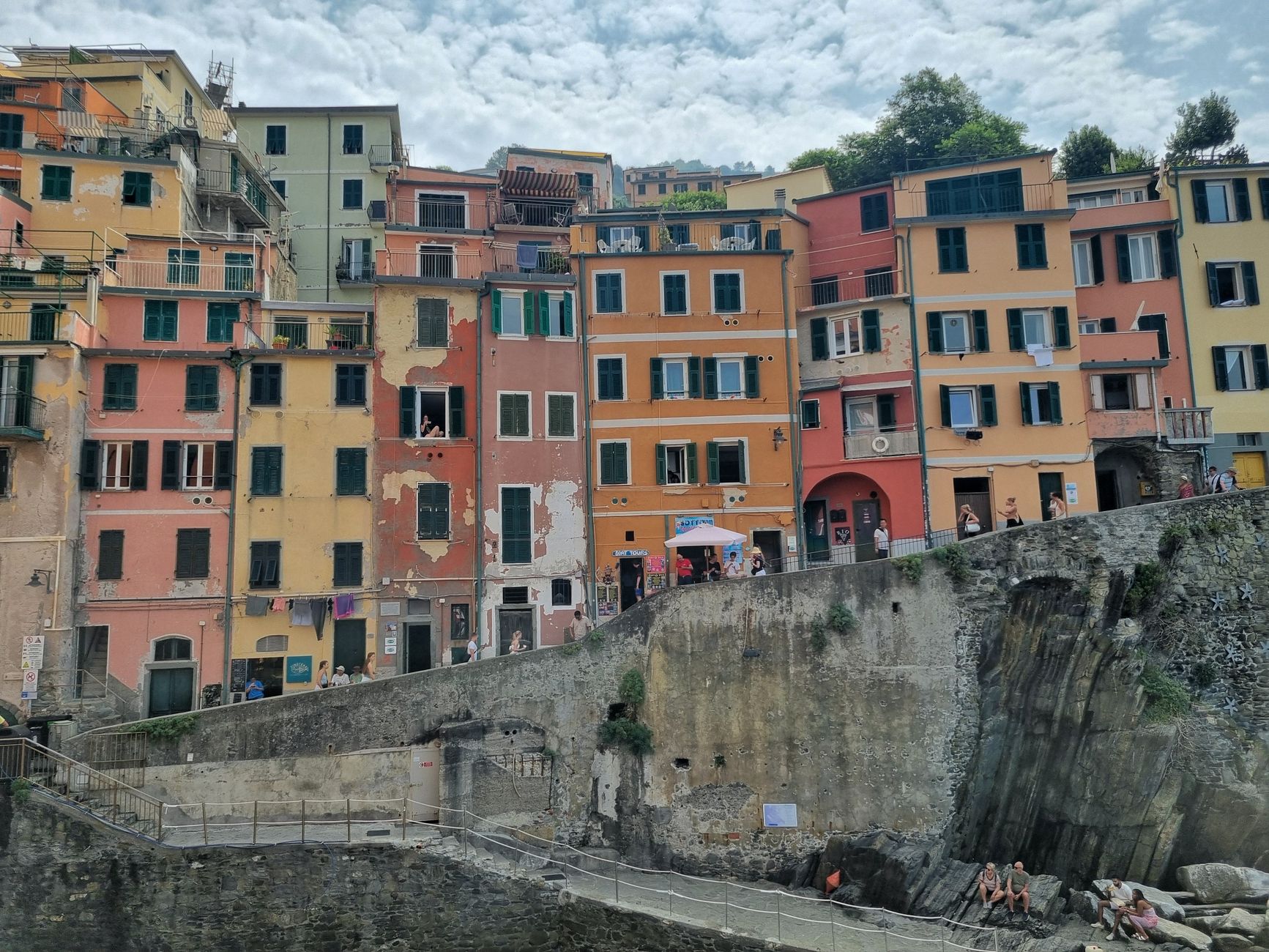
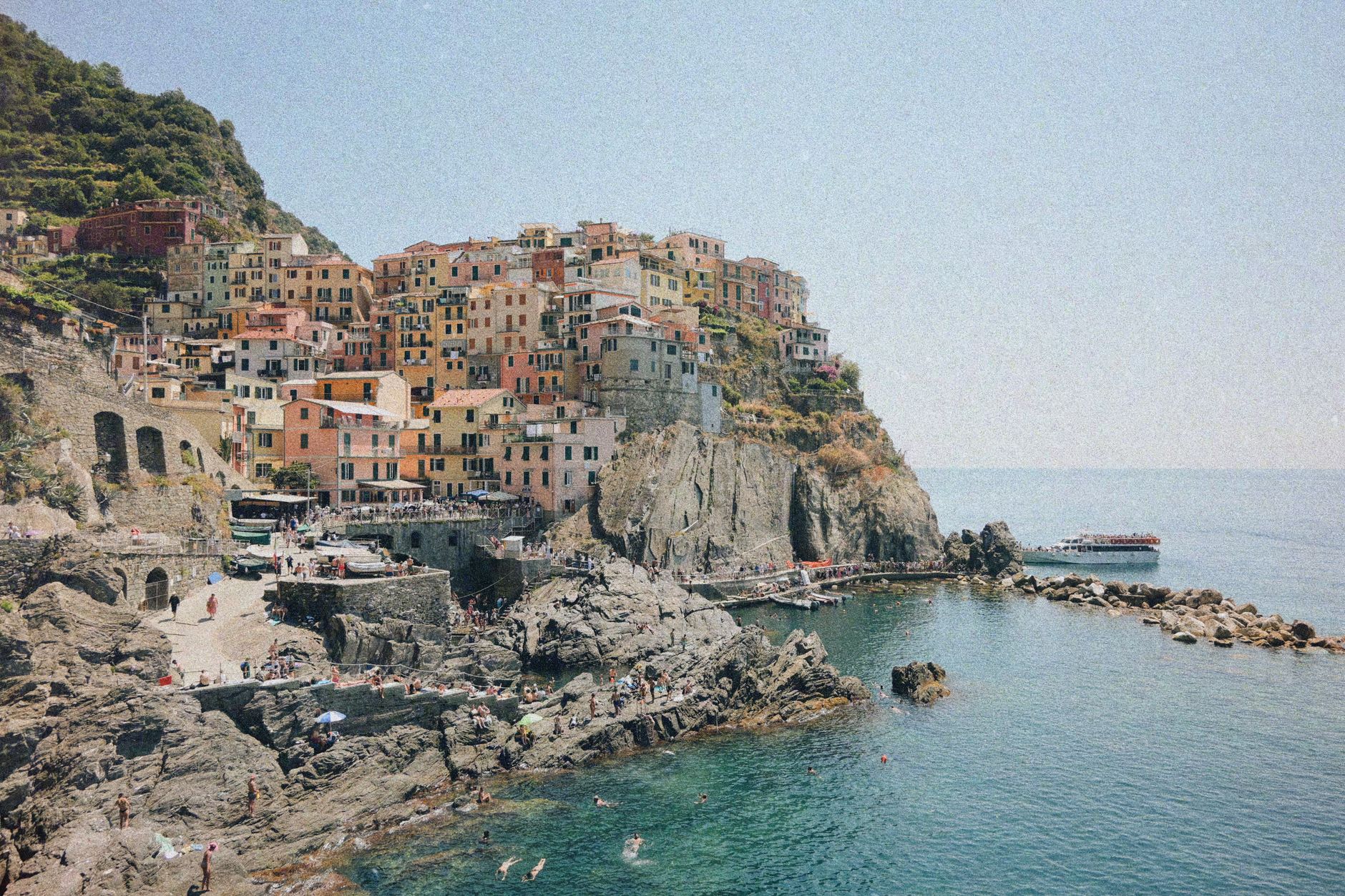
People who return tend to pick one village and stay in it rather than treating the whole coast as a day trip. Corniglia comes up often — quieter, no cruise-ferry stop, and the church of San Pietro has a rose window carved from Carrara marble worth sitting in front of for a while. The early train from La Spezia, before nine, gets you ahead of the crowds on the path between Manarola and Riomaggiore.
Experiences you don't want to miss


How Cinque Terre (Liguria) came to be
The villages trace their roots to settlers from the Val di Vara who moved up into the hills around the 10th century, likely fleeing epidemics and seeking new land. By the 11th century, Monterosso and Vernazza were established under the Republic of Genoa, and the name 'Cinque Terre' came into use in the 15th century. The 16th century brought Turkish raids, prompting the construction of defensive towers — the Torre Aurora in Monterosso and the reinforced Doria Castle in Vernazza among them.
A long economic contraction followed, lasting into the 19th century, until a railway line built in 1870 reconnected the coast to La Spezia and Genoa. World War II caused serious damage, and the railway that had opened the region also enabled emigration and the decline of traditional farming. Tourism from the 1970s onward brought new income, though the coast remains vulnerable: floods and mudslides in October 2011 killed nine people and severely damaged Vernazza and Monterosso.
Who and what shaped it
People who shaped it
Landmark buildings
See Cinque Terre (Liguria) in motion
Plan your visit
On the map
When to go
Summers are hot and dry, with the trails and villages at their most crowded from June through August. Spring (April–May) and autumn (September–October) bring milder temperatures, clearer air for photography, and the harvest season for the Sciacchetrà grapes grown on those terraced slopes. Winter is quiet and occasionally wet, but mild by Italian standards.
Right now
↡ Cities
No places match these filters.
Background & history adapted from Wikipedia (CC BY-SA) · specs from Wikidata (CC0) · weather from Open-Meteo · map data © OpenStreetMap contributors · photos from Wikimedia Commons / Unsplash with per-image credit. No third-party reviews or social posts reproduced.