
Tuscany
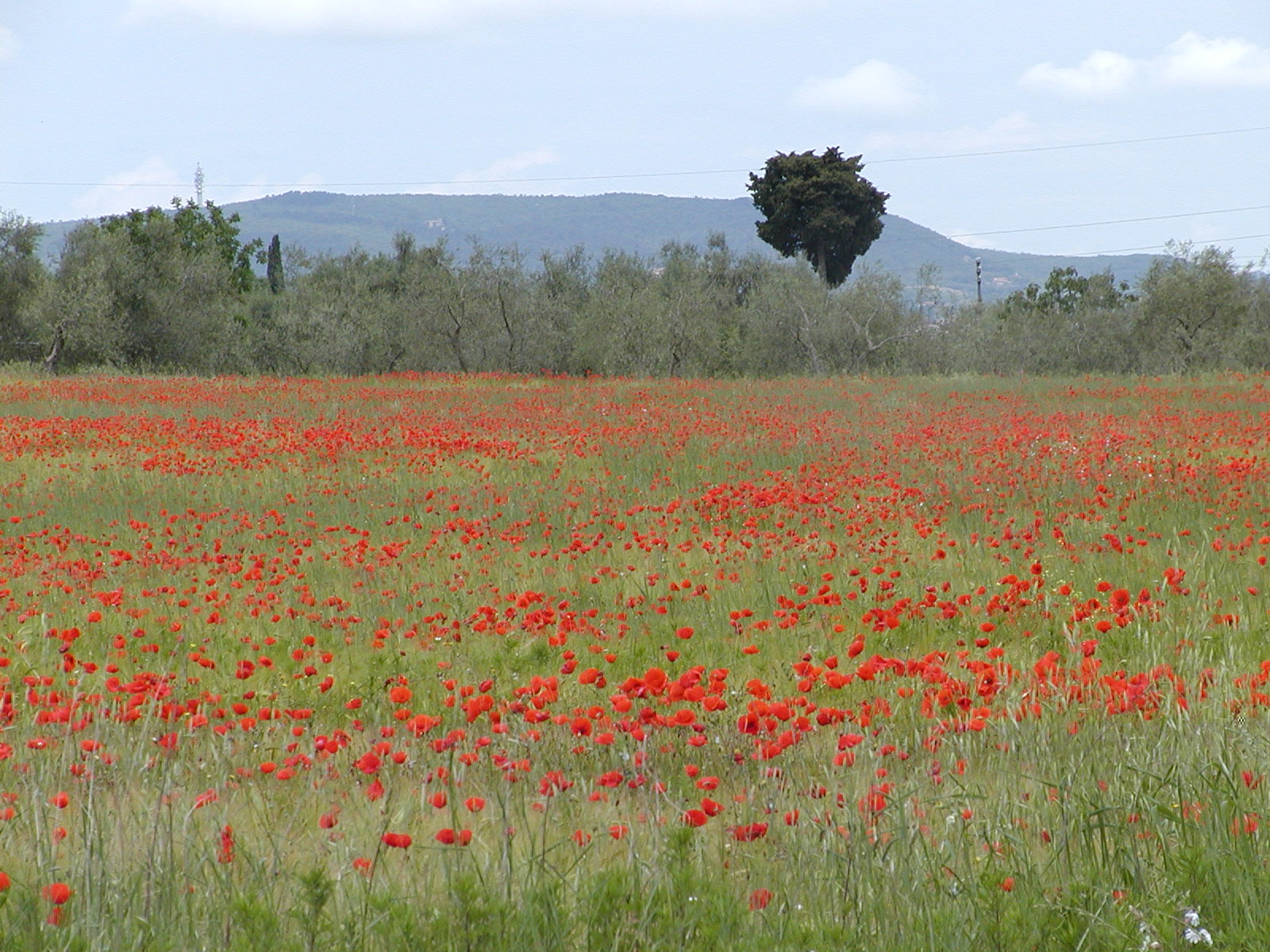
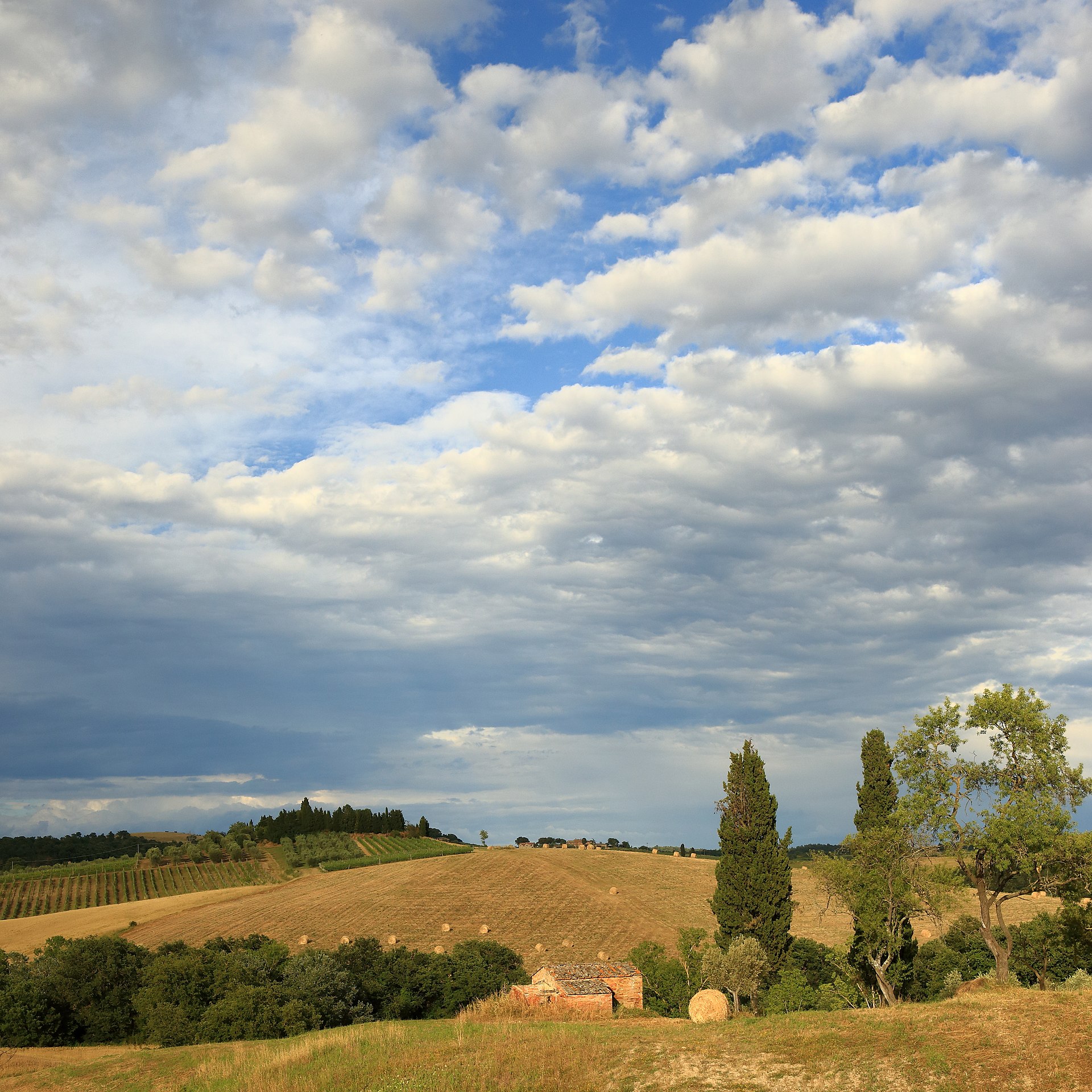
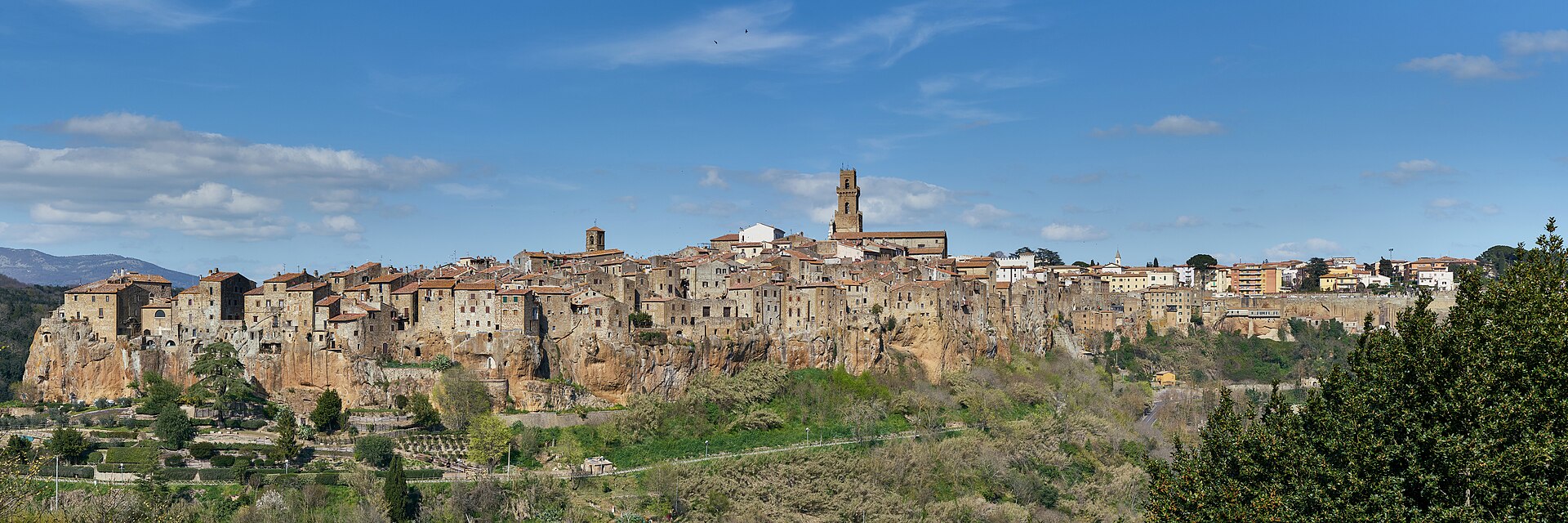
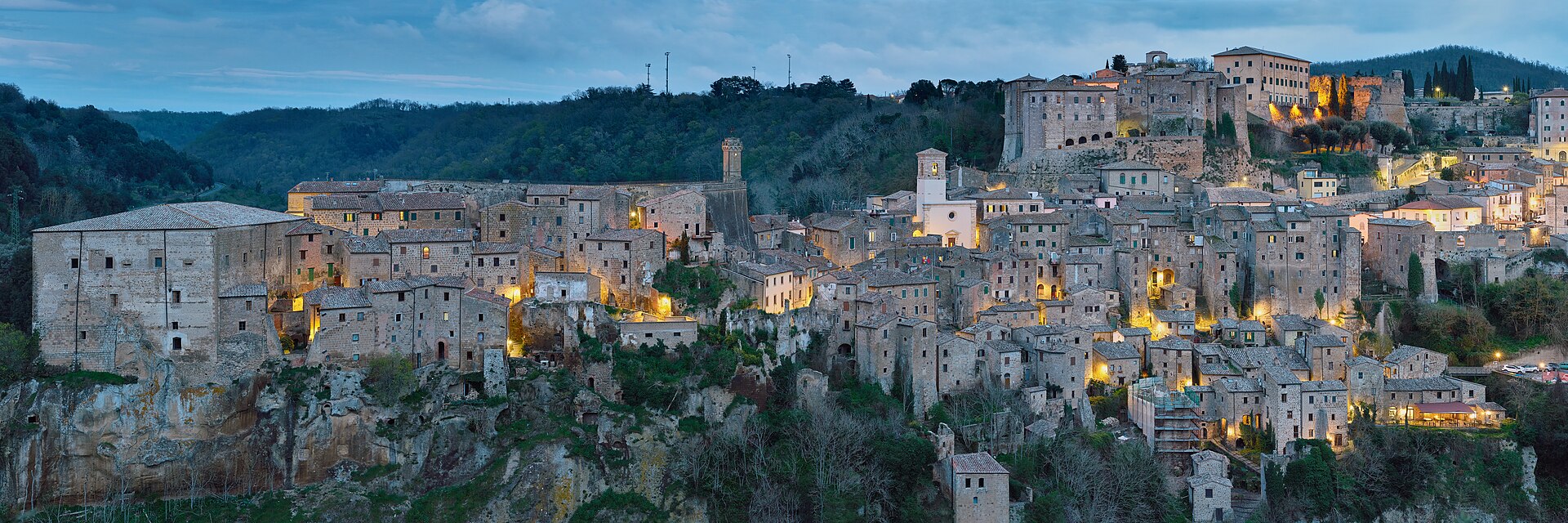
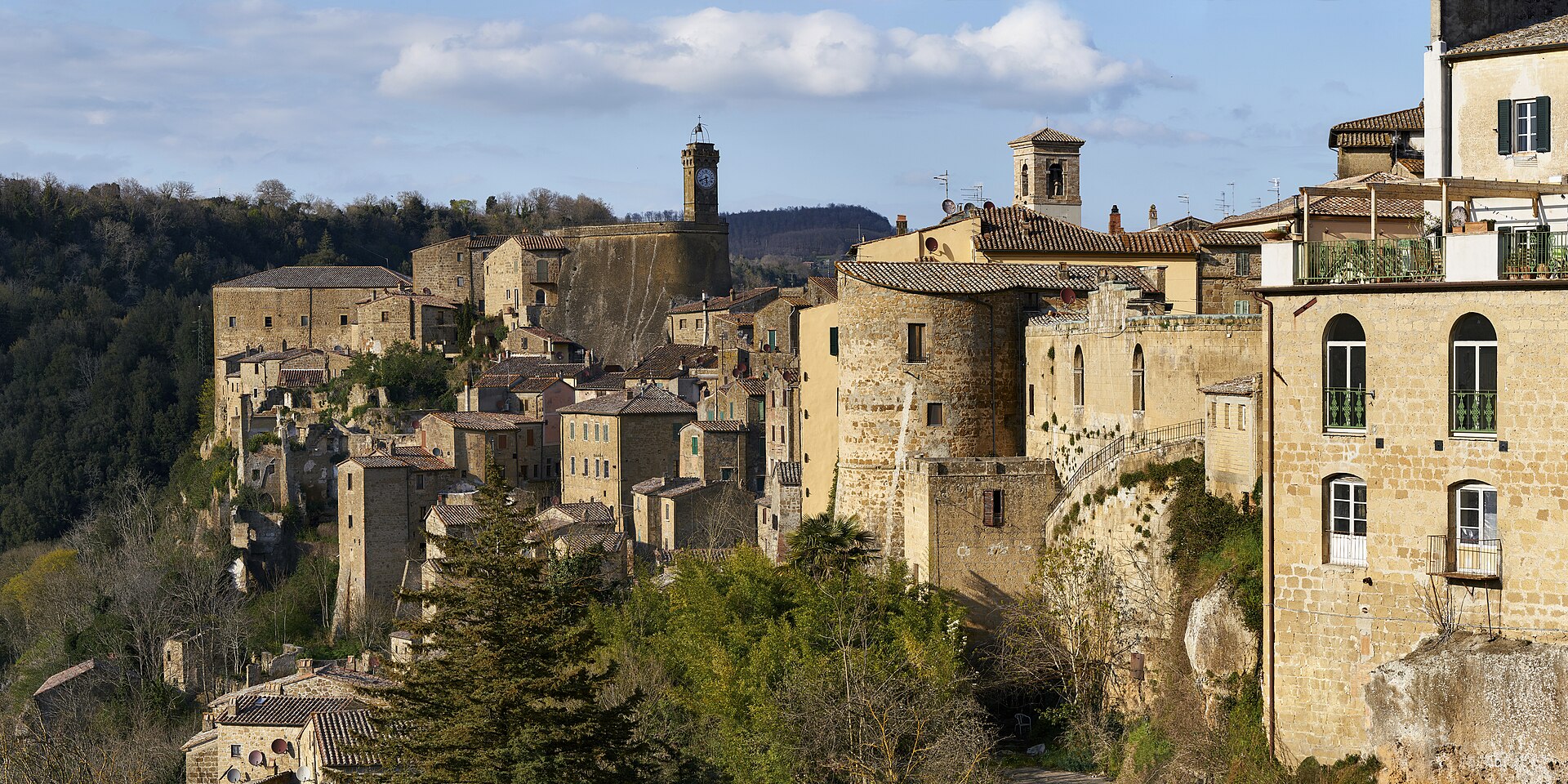
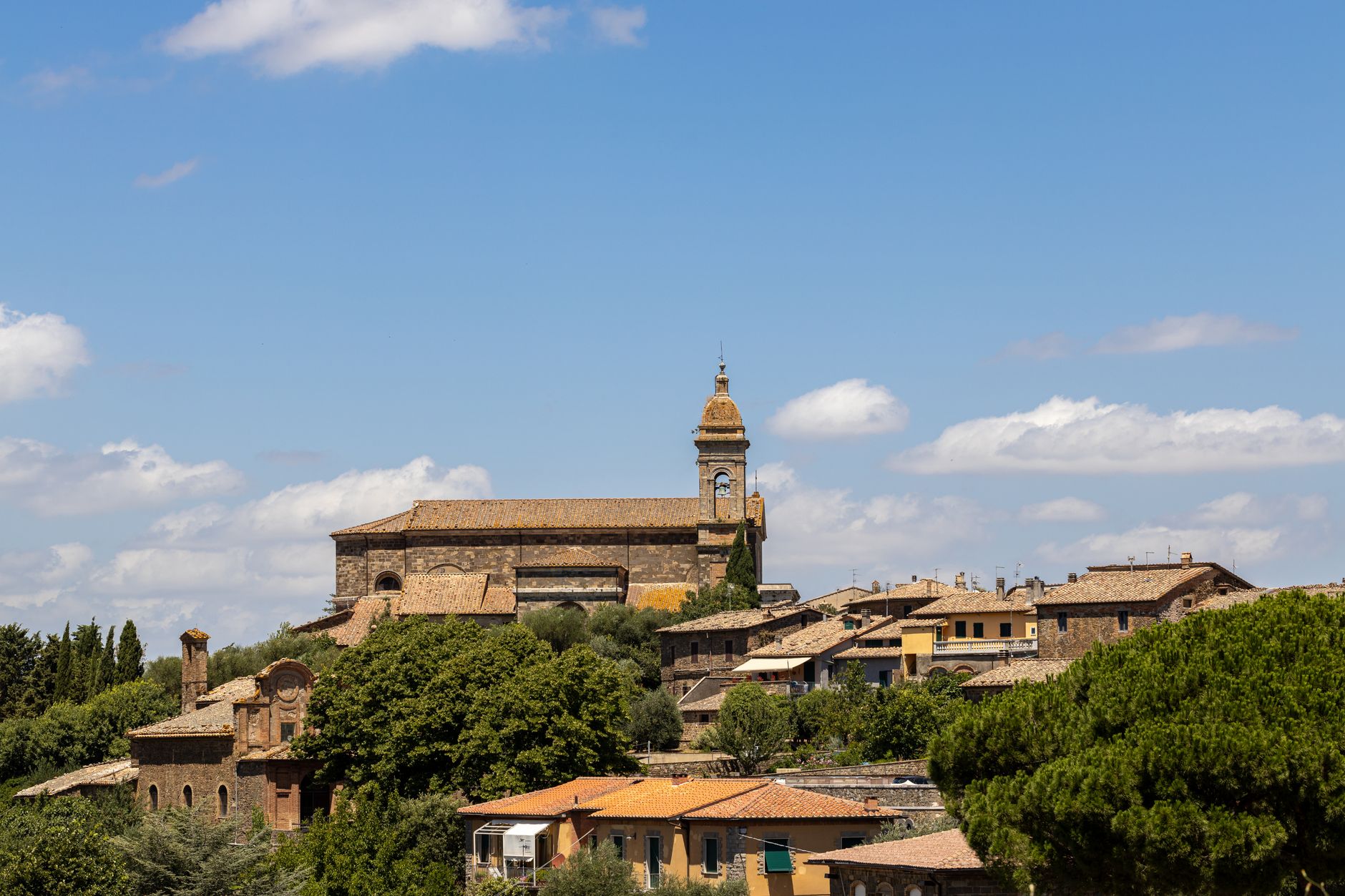
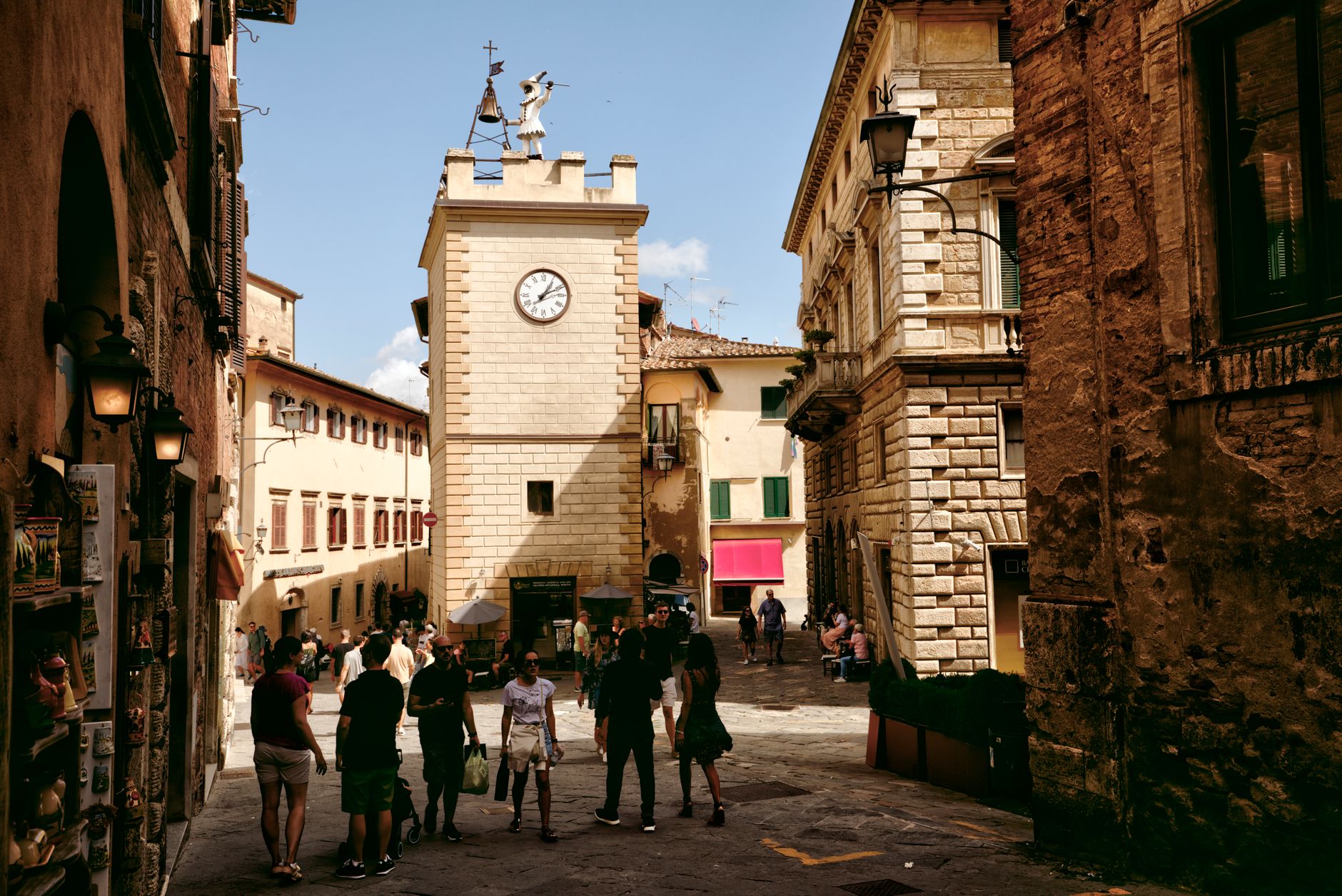
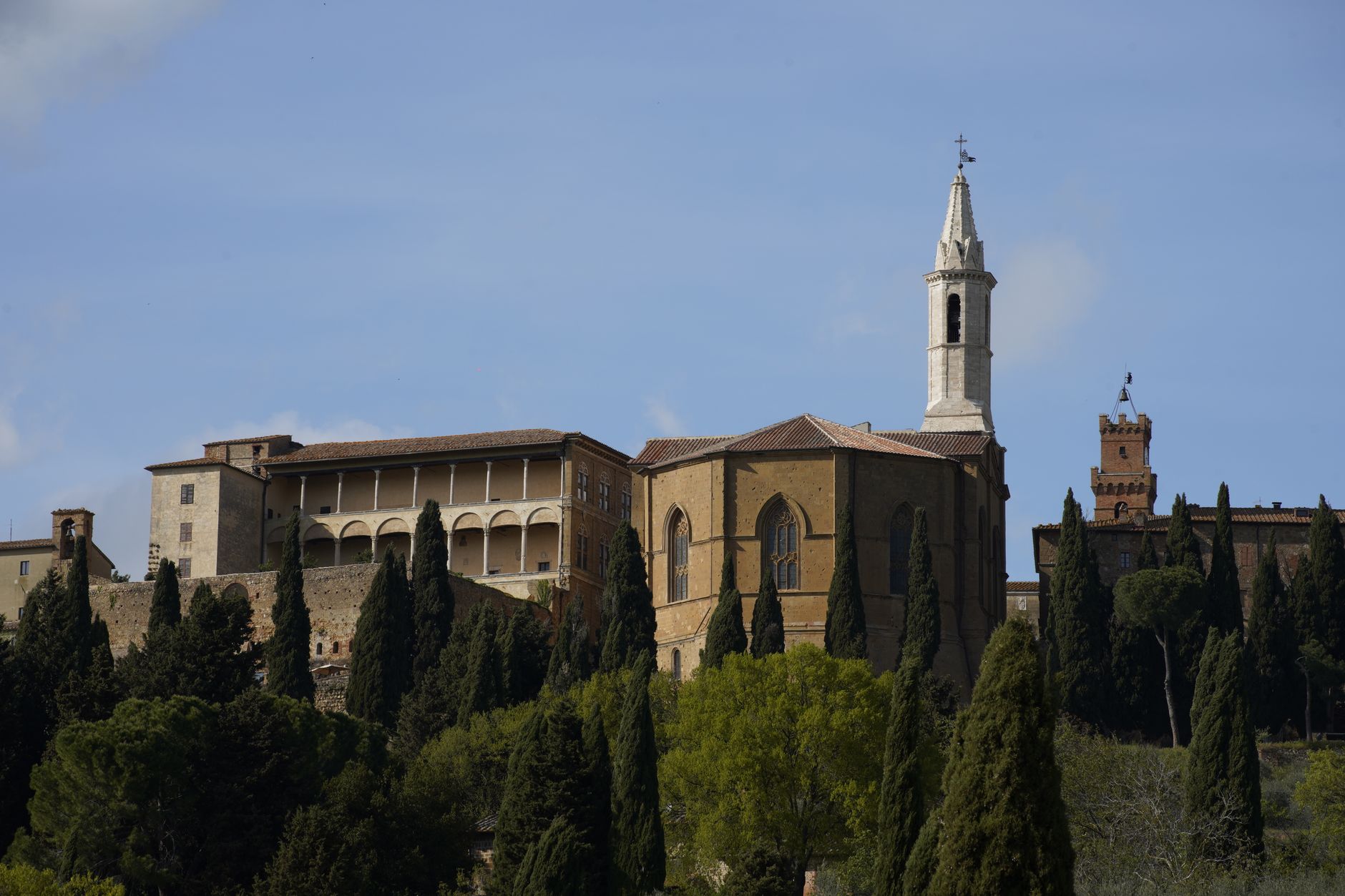
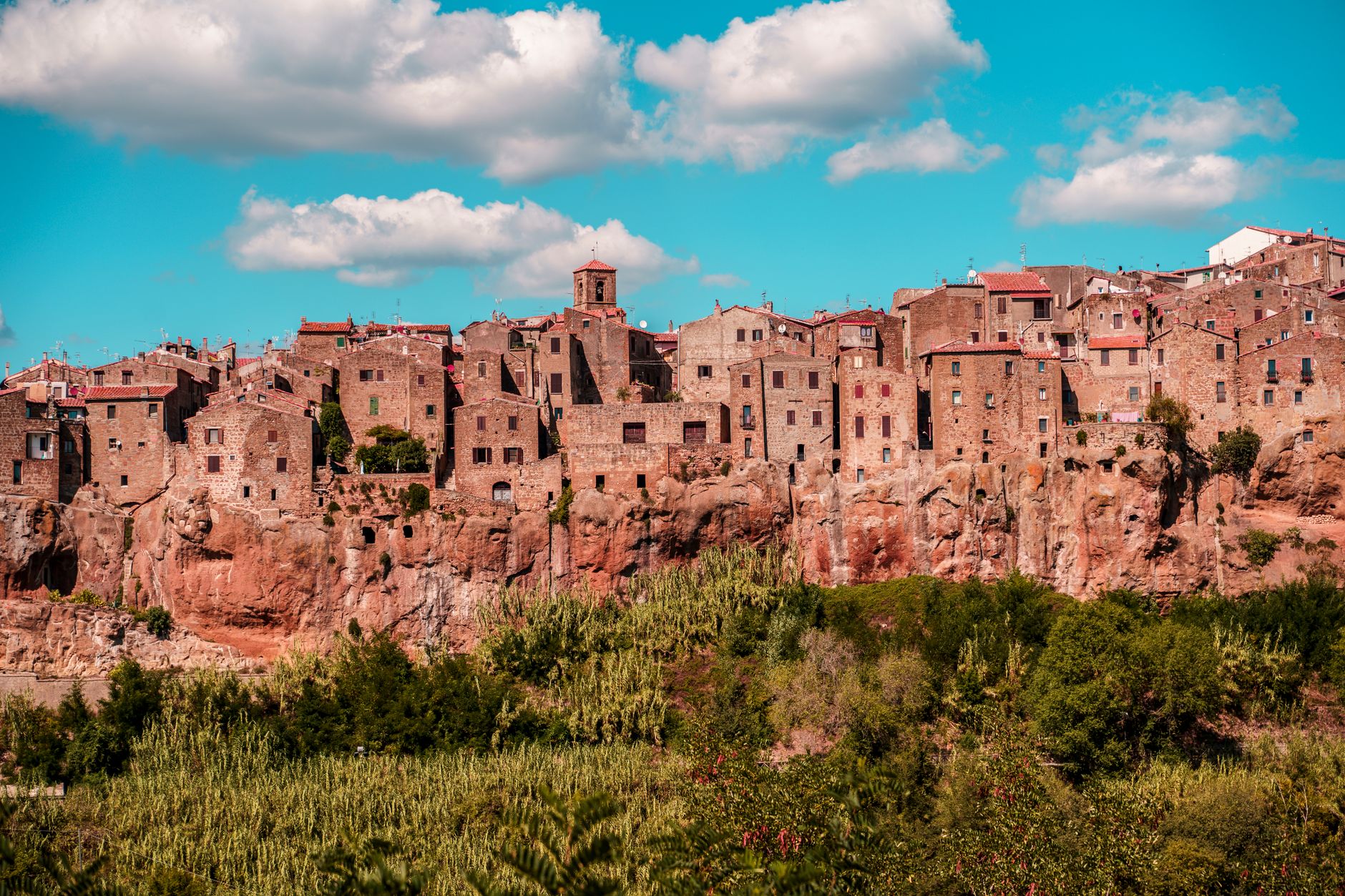
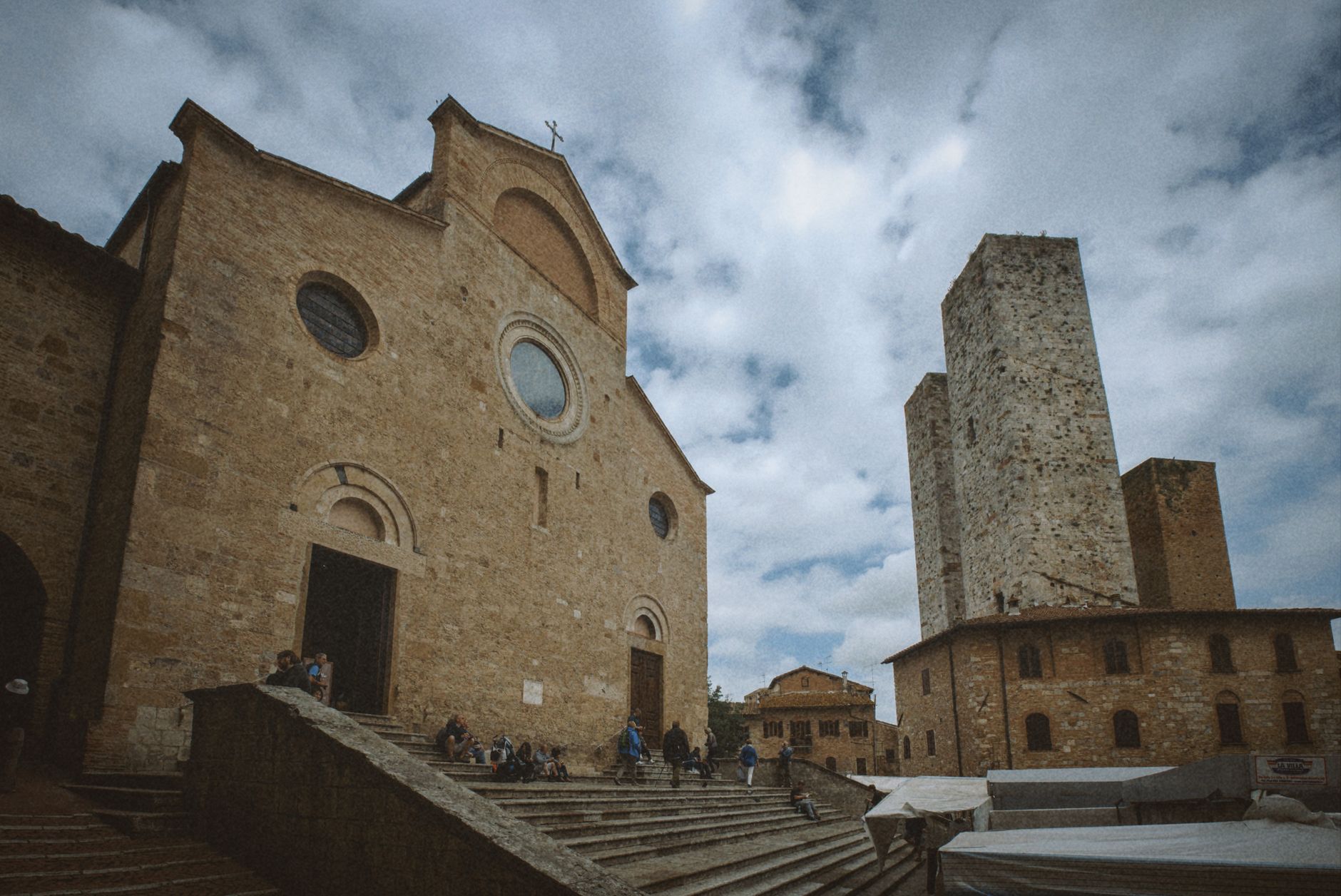
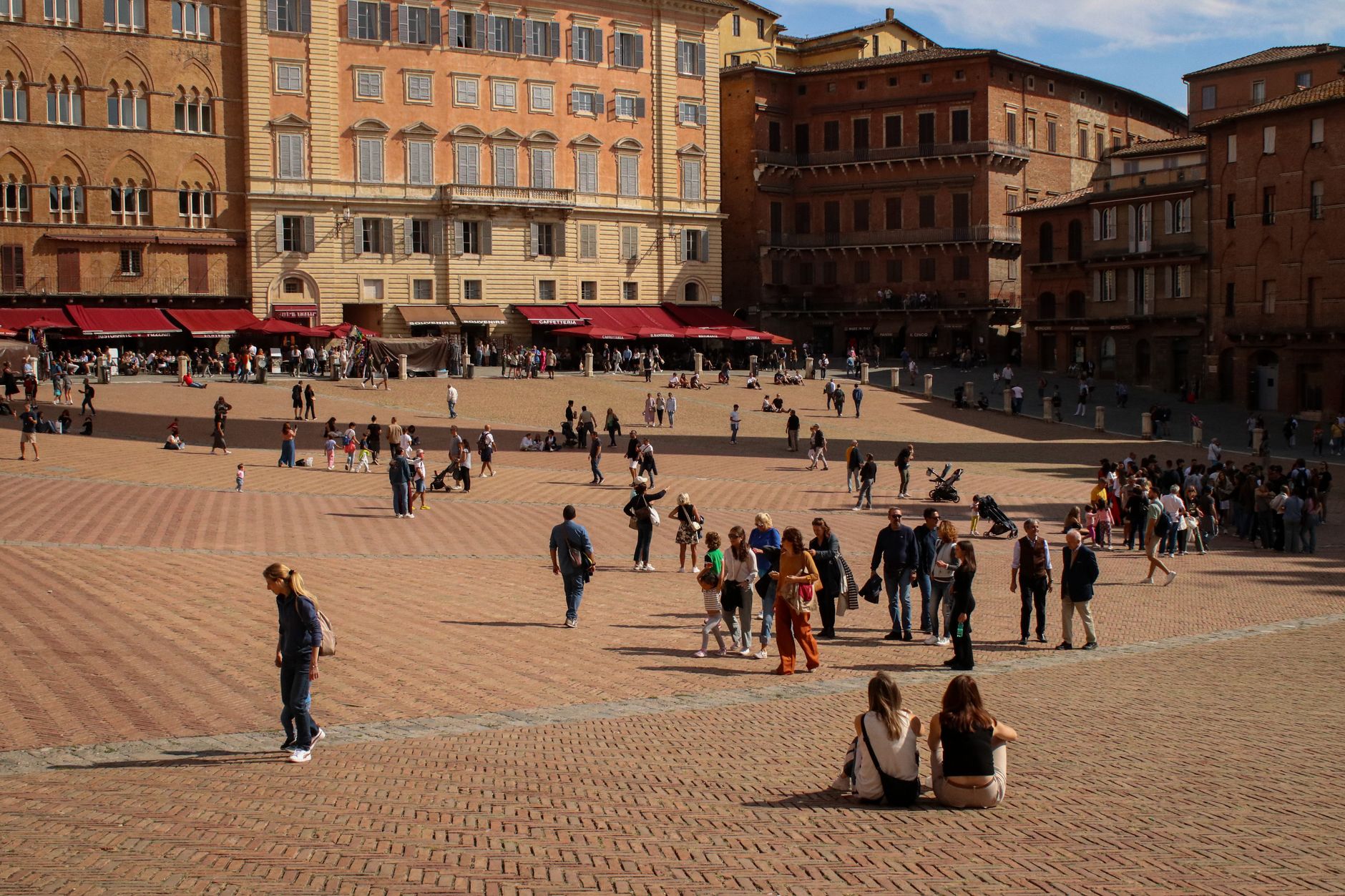
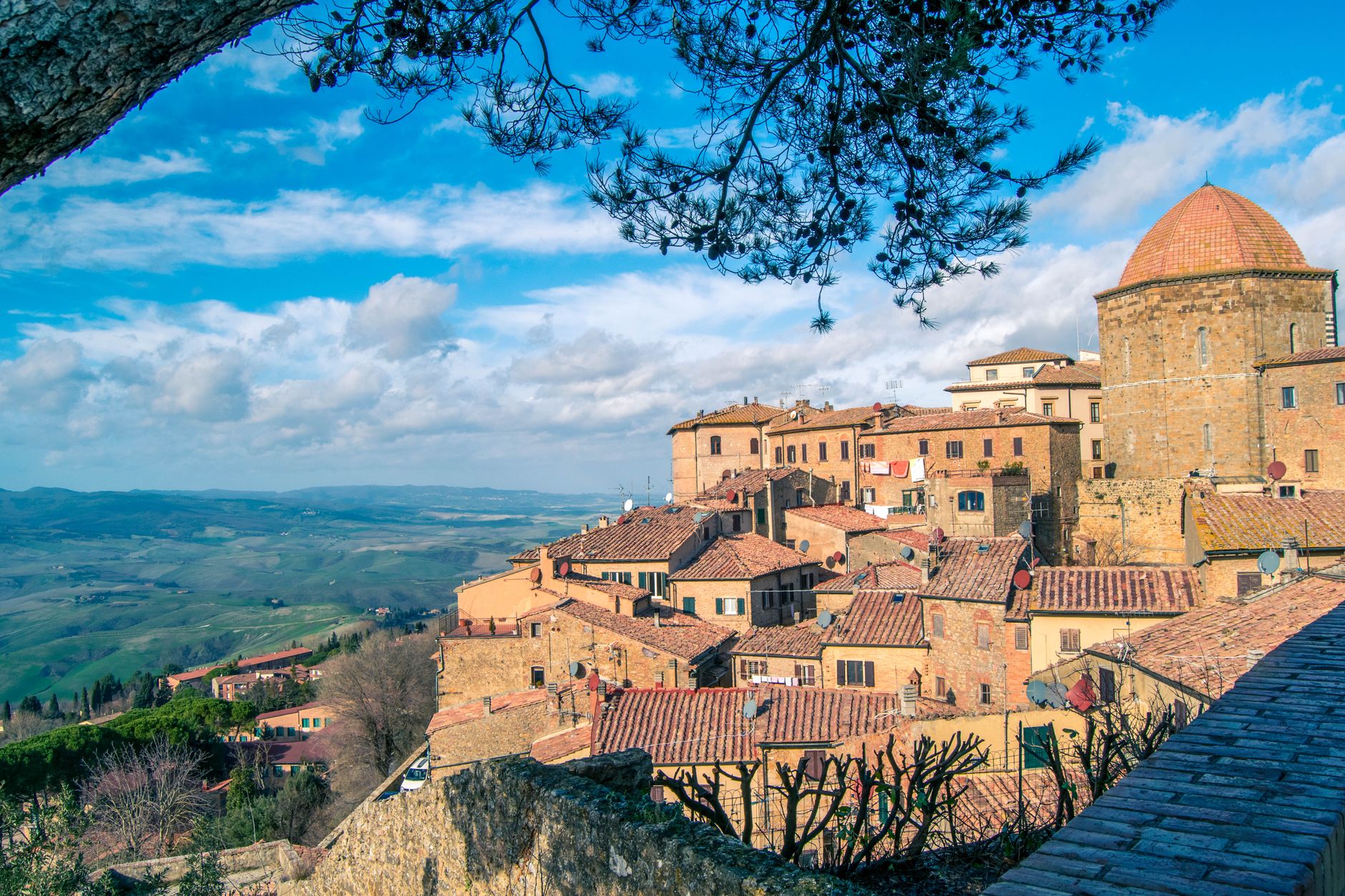
Tuscany is where the Italian peninsula seems to pause and arrange itself into something almost impossibly composed: cypress-lined roads that lead to hilltop towns, vineyards striped across clay-coloured slopes, and cities that still carry the weight of the Renaissance in their stone. Four of its historic centres — Florence, Siena, San Gimignano, Pienza — are UNESCO World Heritage Sites, each one a different argument for why this region shaped the look of the Western world.
What keeps Tuscany from feeling like a museum is the ordinariness running alongside the grandeur: the morning markets, the roadside trattorias, the farmers selling Pecorino from a van. The art and the agriculture have always existed in the same frame here, and that tension is what gives the place its particular texture.
Popular cities in Tuscany
💛 What travellers fall for
People who come back tend to stop trying to cover ground and instead pick one corner — the Val d'Orcia, the Chianti hills, the coastal Maremma — and slow down inside it. The drives between small towns reward wandering off the marked route, and the lunch stops, chosen by smell and chalk-board rather than a list, are usually the ones worth remembering.
Experiences you don't want to miss


How Tuscany came to be
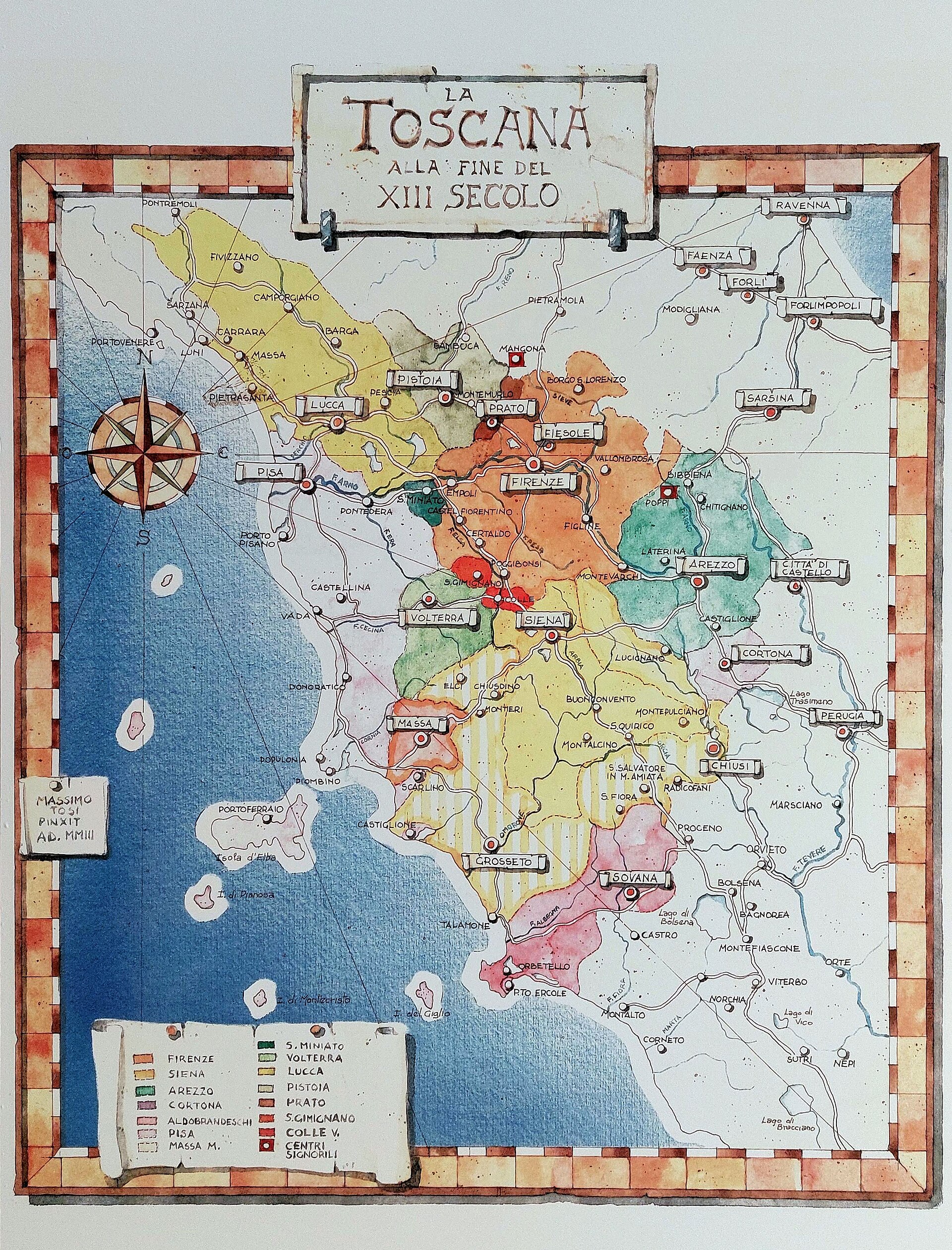
Tuscany takes its name from the Etruscans, who were settling the Italian peninsula from around the 10th century BC and built a civilisation across what is now Tuscany, Umbria and Lazio before Rome absorbed them in 351 BC. After the fall of Rome, the region passed through Ostrogoth, Byzantine and then Lombard hands; Lucca, as the seat of the Lombard Duchy of Tuscia, became the first commune in Italy.
By the early 15th century, Florence had eclipsed Arezzo, Pisa and Siena to become the dominant force in the region. From 1434, the Medici family — Cosimo first, then Lorenzo the Magnificent — steered Florence from republic toward something closer to a principality, funding the art and architecture that still defines Tuscany's reputation. In 1786, Grand Duke Leopold II made Tuscany the first sovereign state in the world to abolish the death penalty. After Napoleonic annexation and the subsequent Habsburg-Lorraine interlude, Tuscany voted in 1861 to join a united Italy; Florence served as the kingdom's capital from 1865 to 1871.
Who and what shaped it
People who shaped it
Landmark buildings
See Tuscany in motion
Plan your visit
On the map
When to go
Summers are warm and dry, with July and August regularly pushing above 35°C in the inland cities. Spring and autumn are cooler and often clearer — the light in October across the harvest-ready hills is particularly good. Winters are mild by northern European standards but can be grey and wet, especially in the hills.
Right now
↡ Cities
No places match these filters.
Background & history adapted from Wikipedia (CC BY-SA) · specs from Wikidata (CC0) · weather from Open-Meteo · map data © OpenStreetMap contributors · photos from Wikimedia Commons / Unsplash with per-image credit. No third-party reviews or social posts reproduced.