
San Gimignano
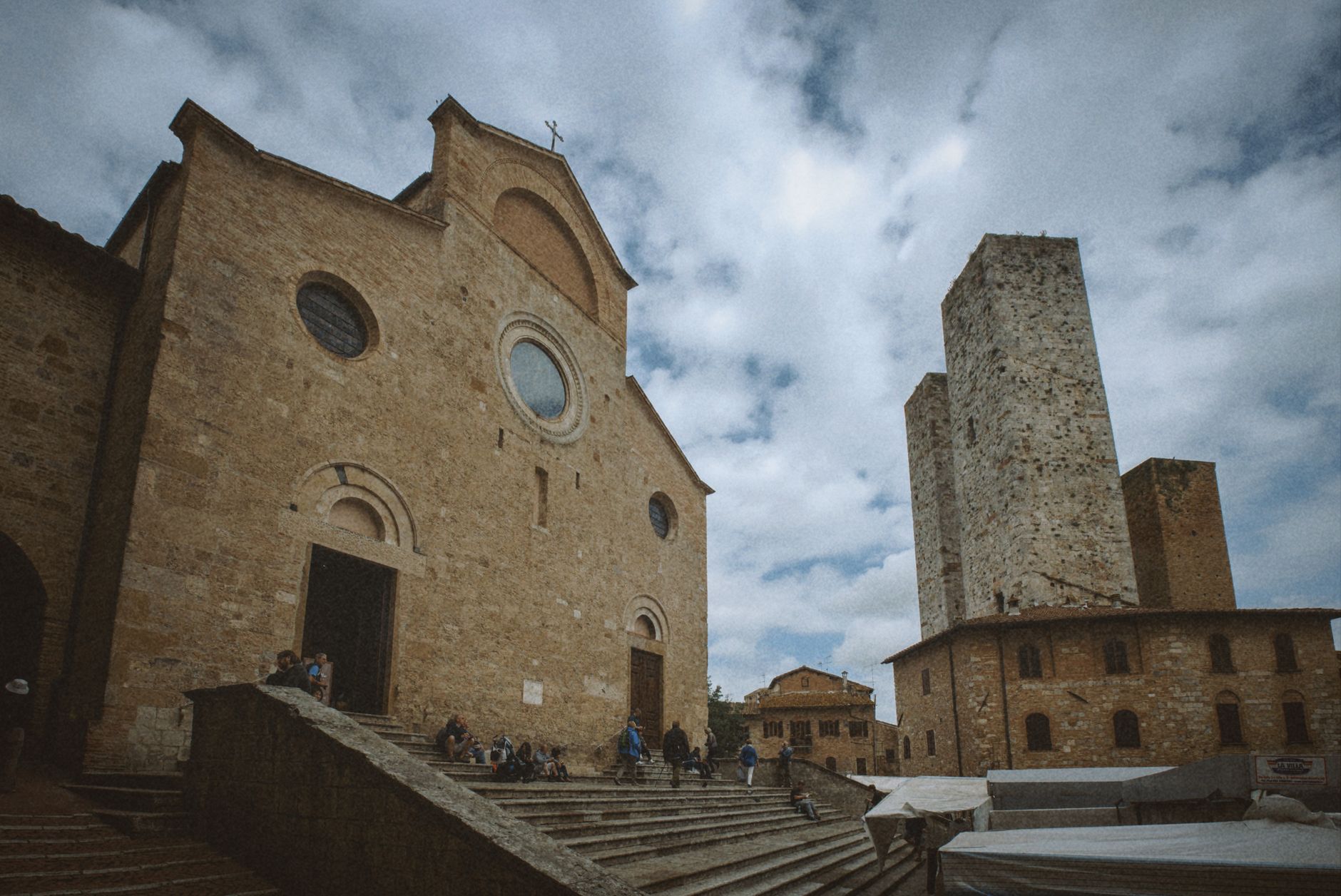
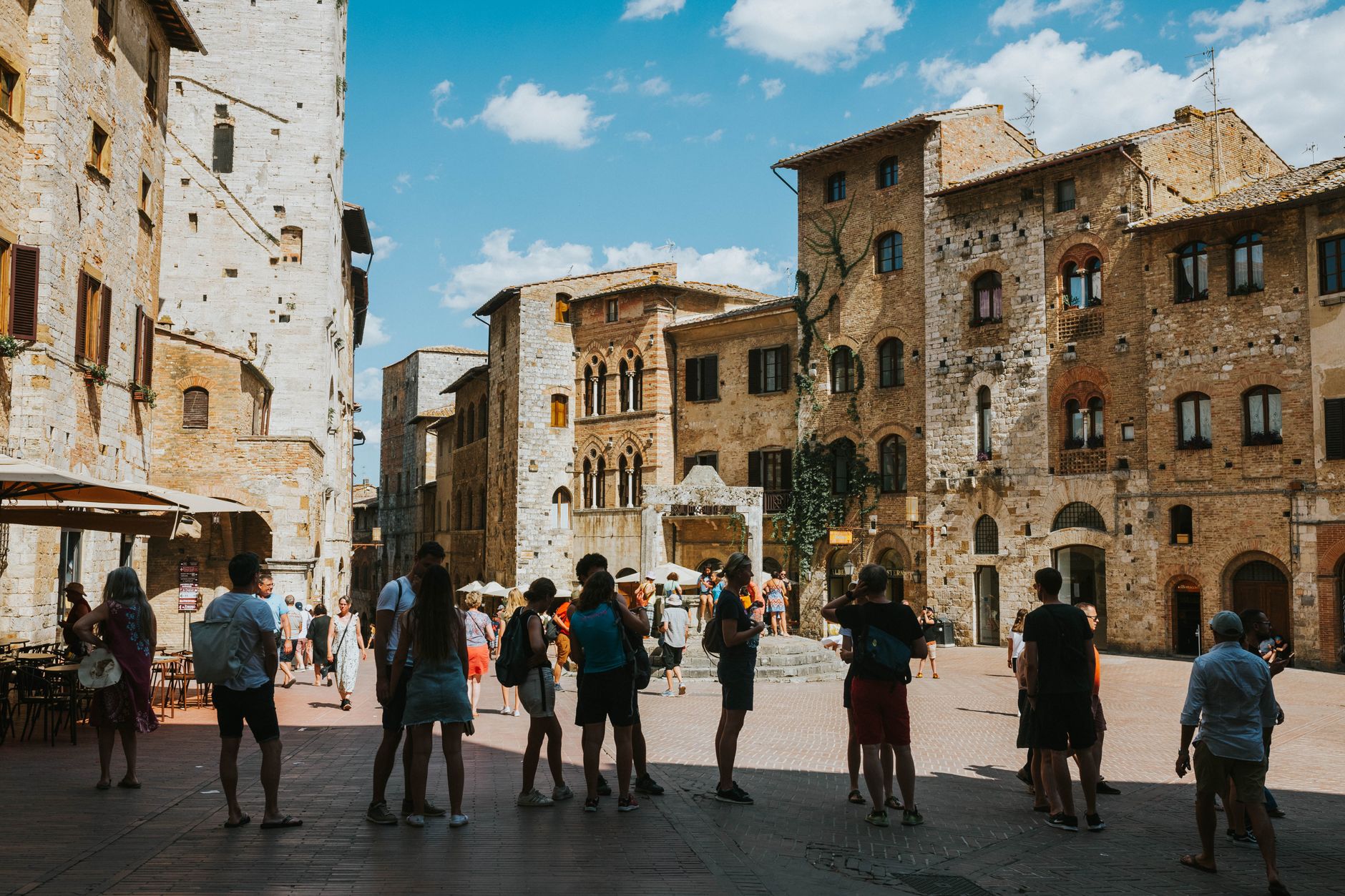
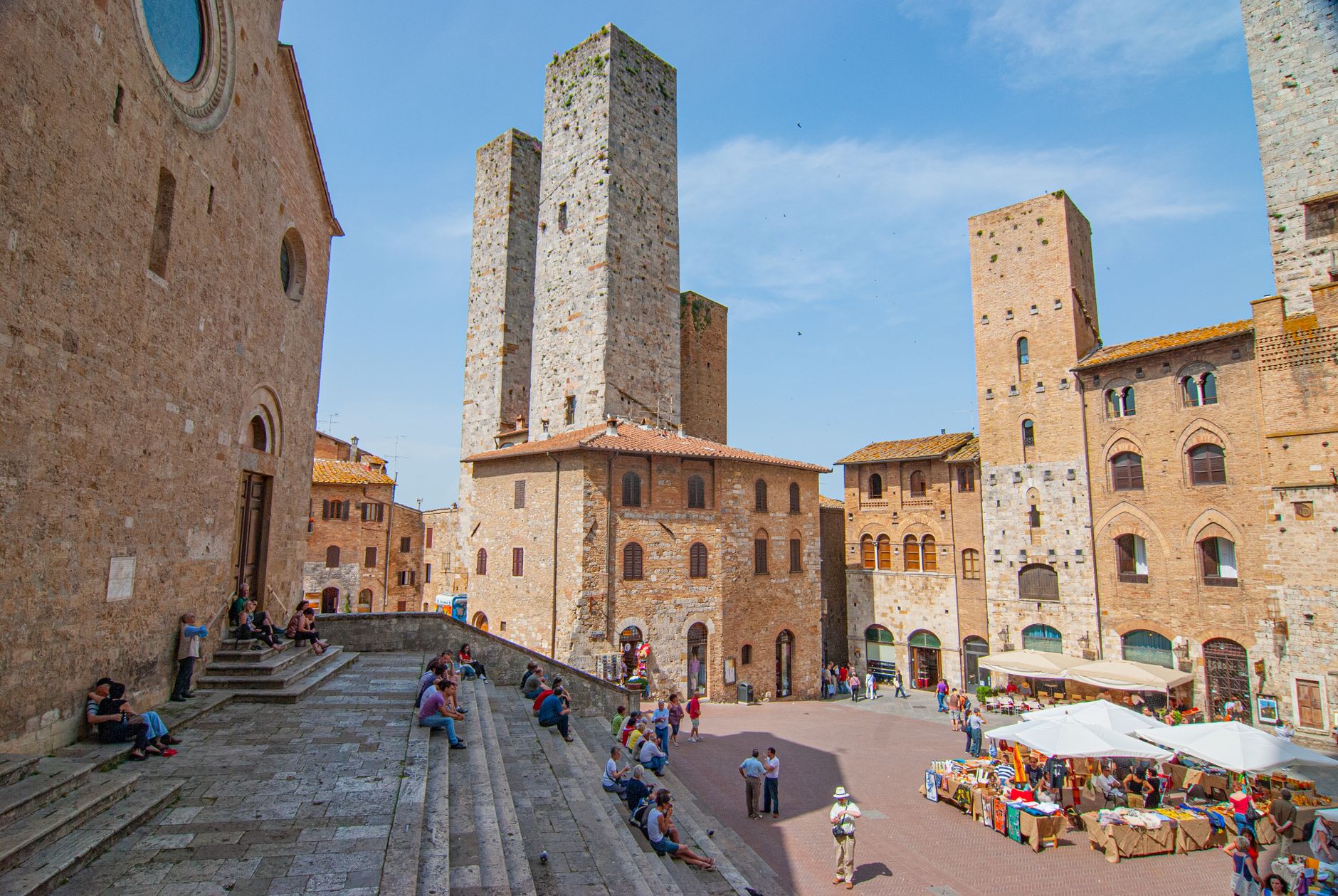
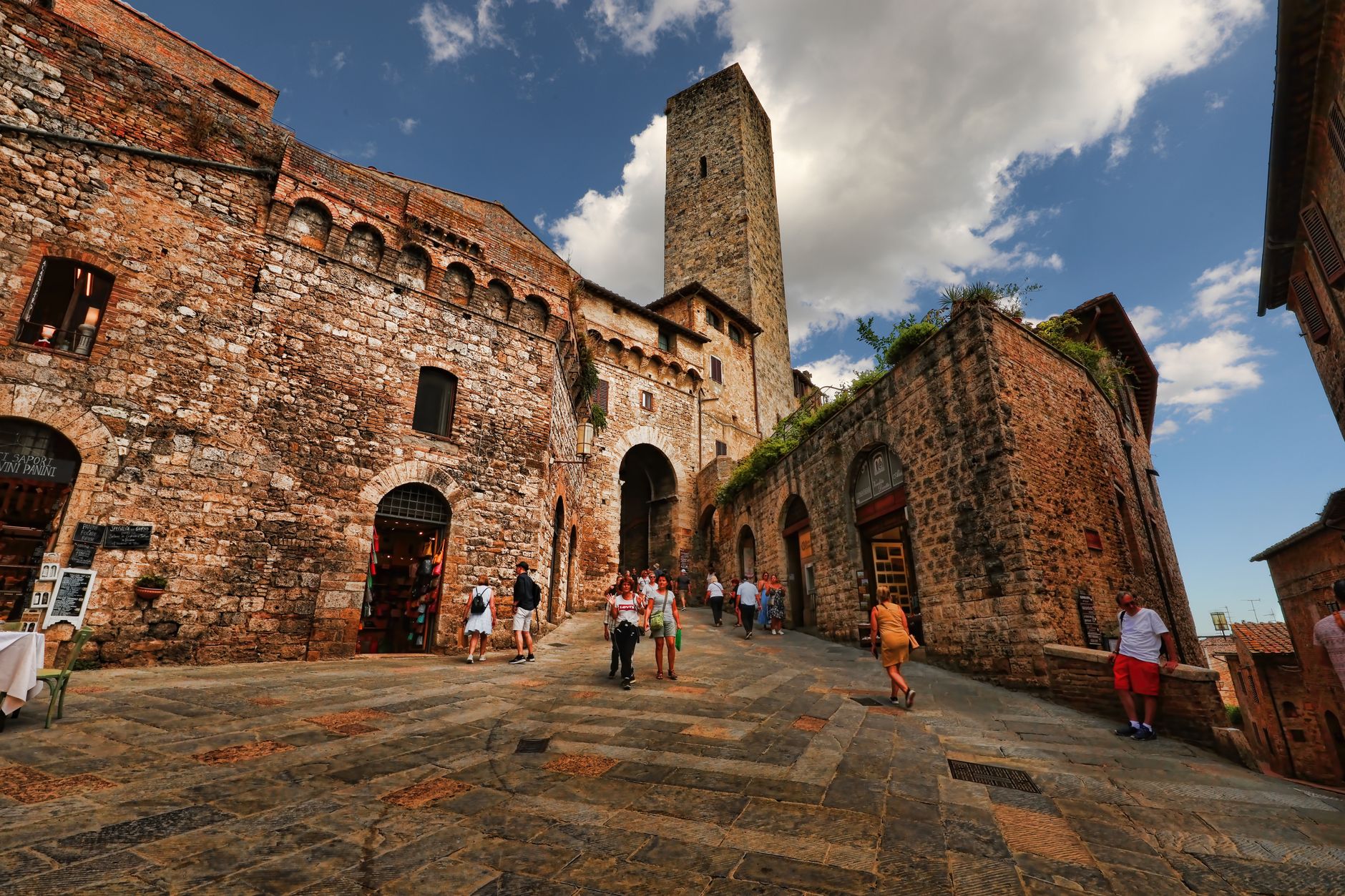
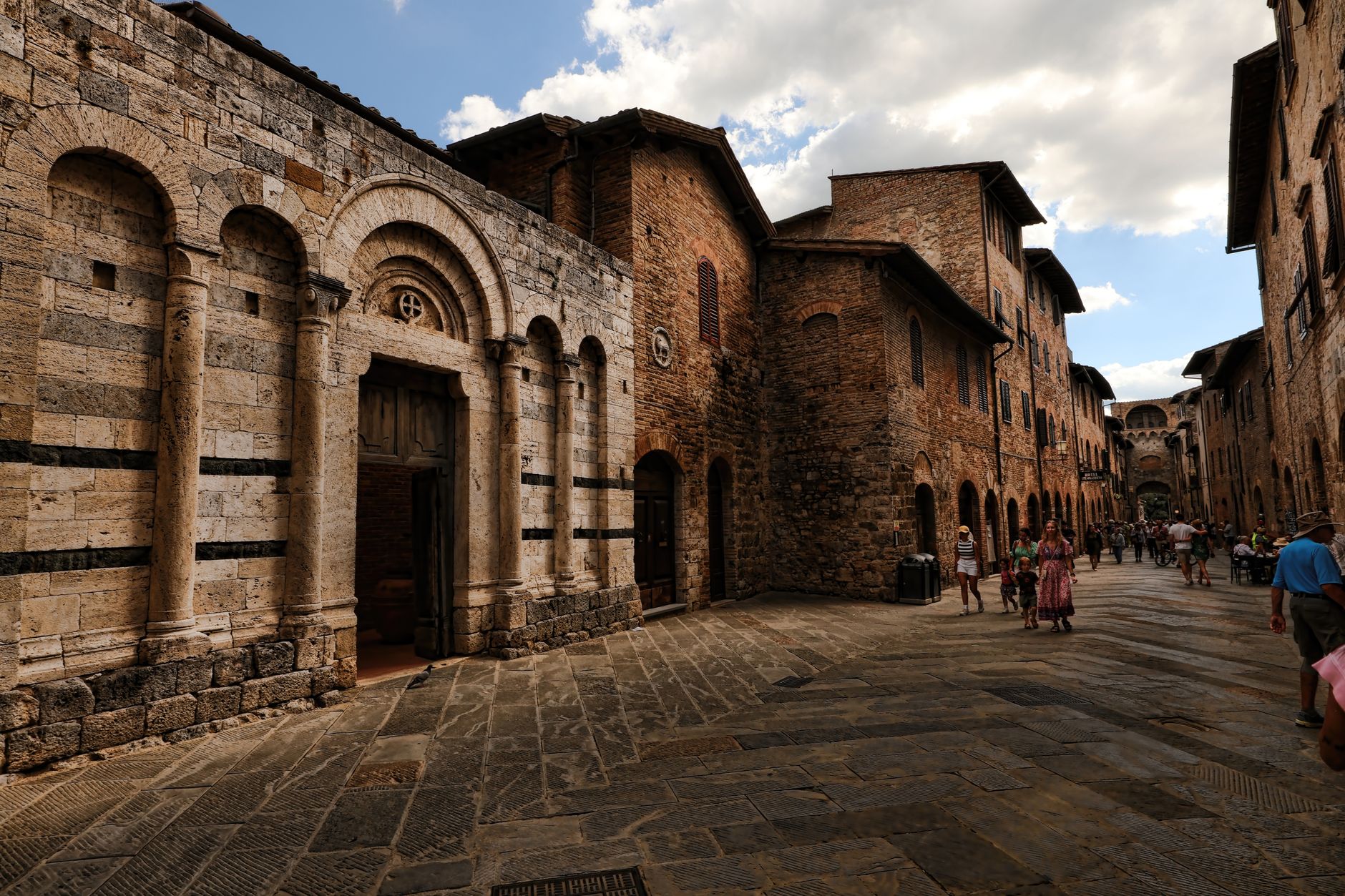
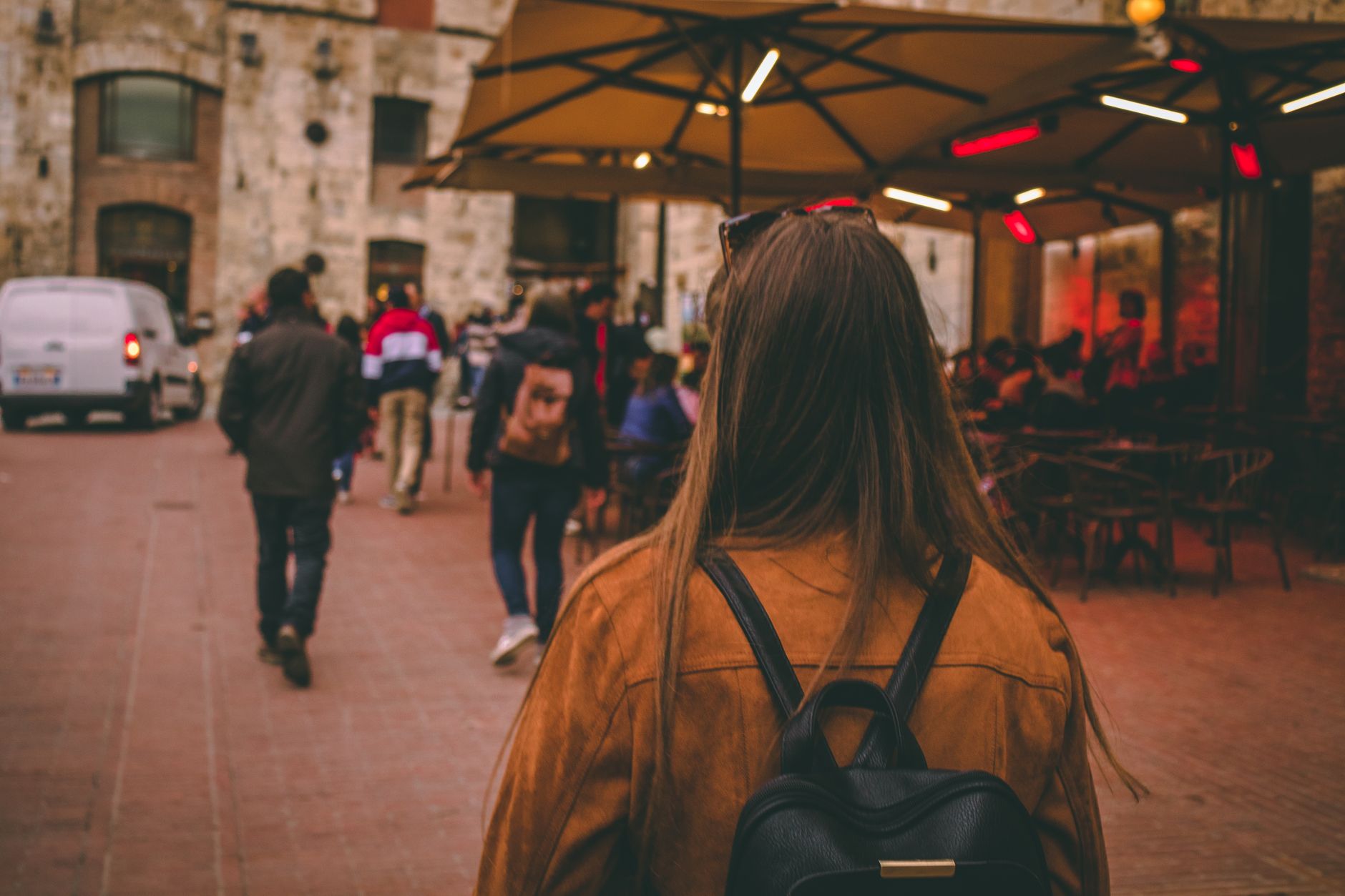
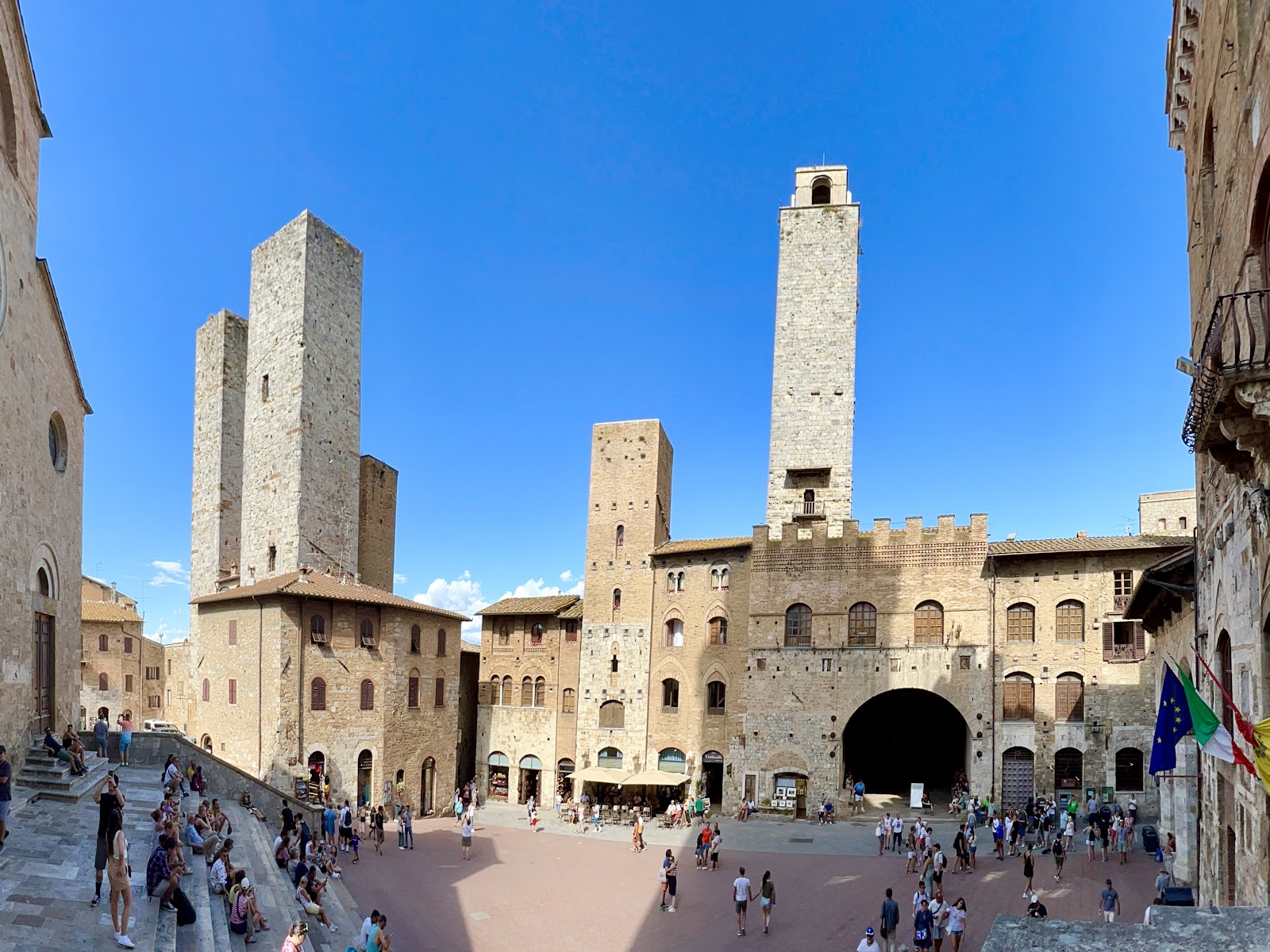
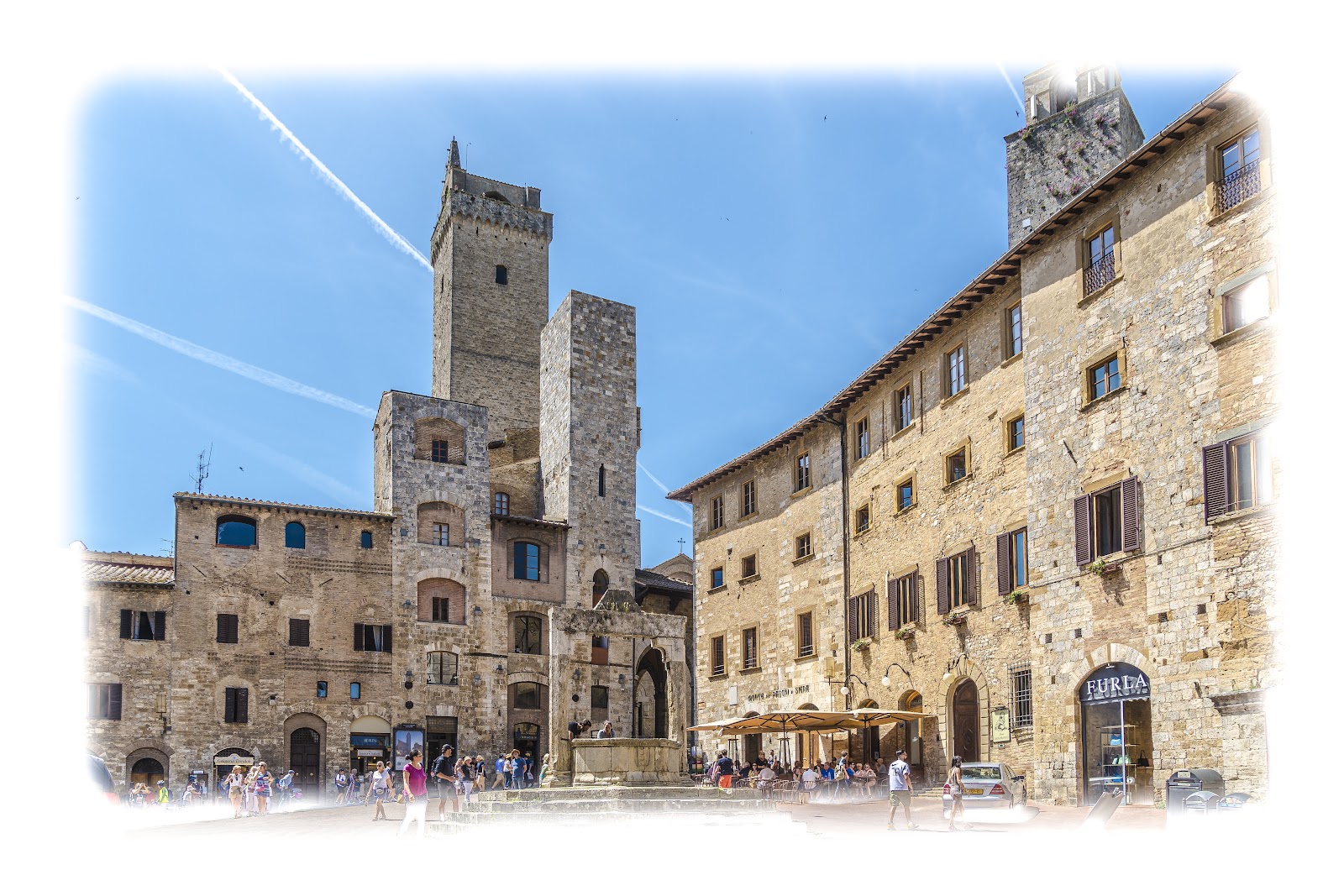
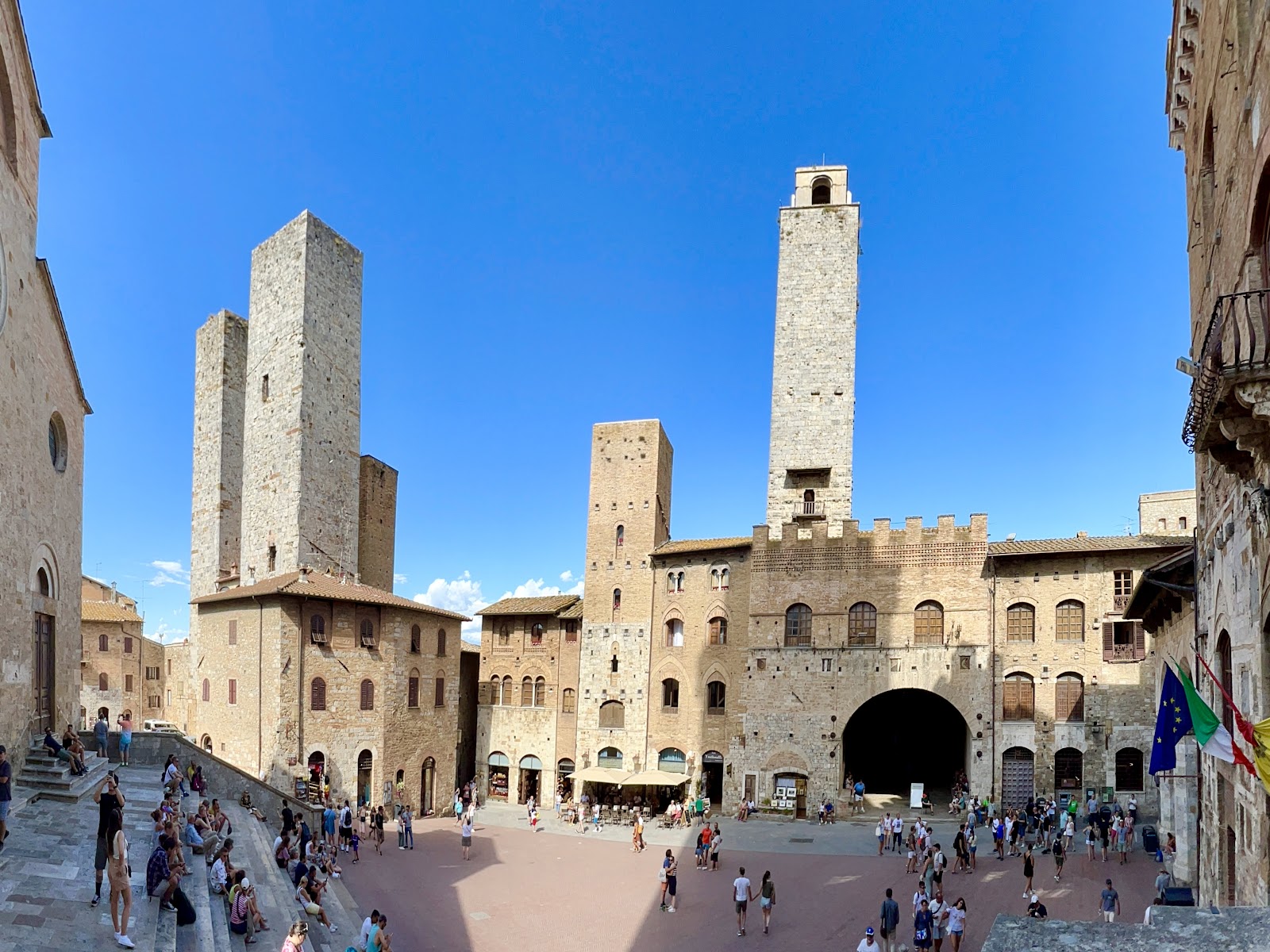
Fourteen medieval towers rise from a hilltop above the Elsa valley, and the first time you see them from the road they look less like a town than a city that forgot to lie down. San Gimignano earned those towers the old-fashioned way: rival families built them taller and taller through the 13th and 14th centuries as public statements of wealth, until 72 of them punctured the skyline. Only 14 survive, but that's enough.
The town's near-perfect medieval fabric is largely an accident of poverty. The Black Death of 1348 killed roughly half the population, Florence absorbed what was left, and San Gimignano spent the next five centuries too poor to rebuild. What looked like stagnation turned out to be preservation.
💛 What travellers fall for
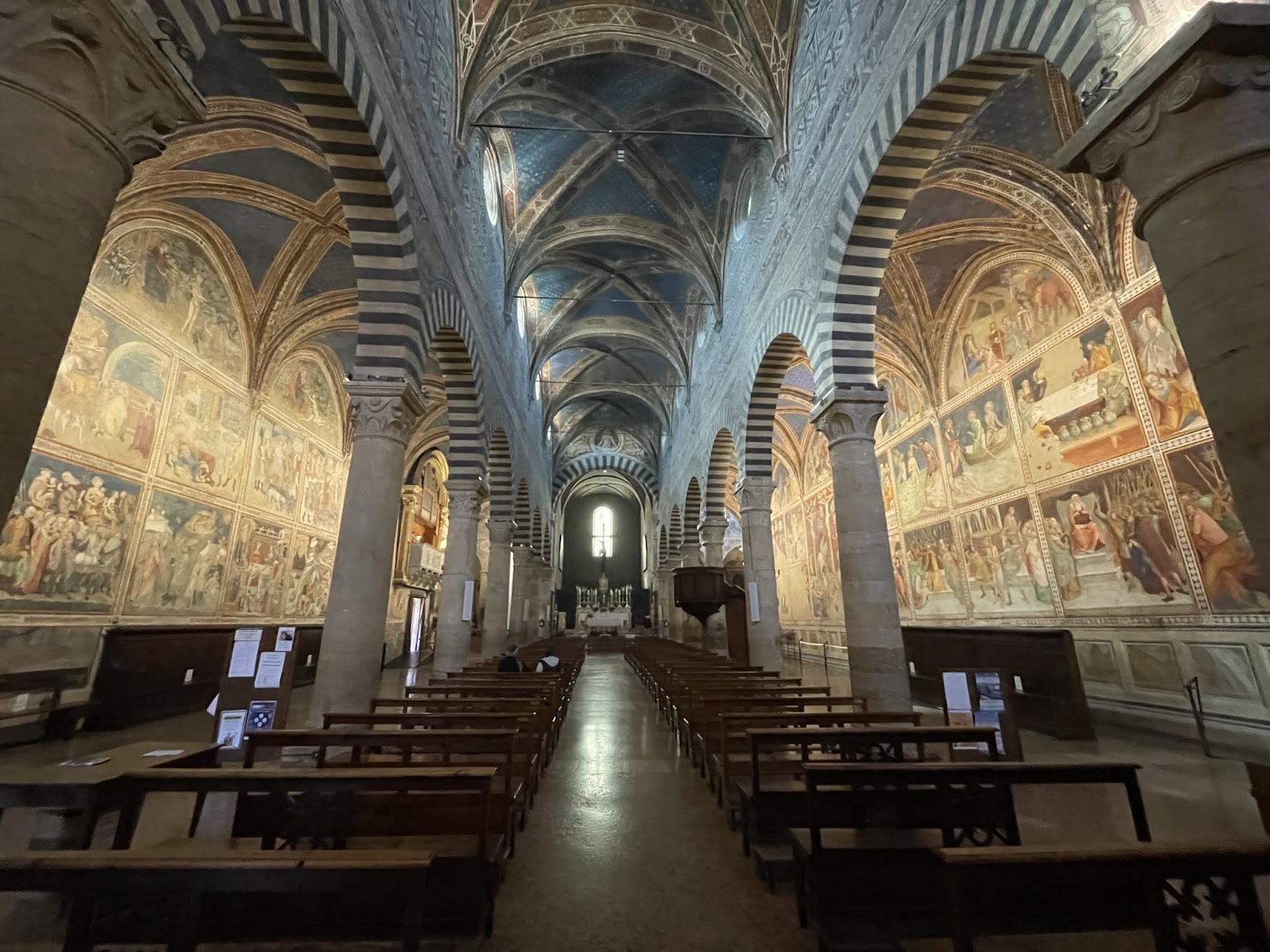
People who come back tend to arrive early — before the tour groups clear Siena — and head straight up the 218 steps of Torre Grossa before the queue forms. The other thing regulars mention: the Collegiata's frescoes repay a second visit. Your eyes adjust, and stories you missed the first time across those painted walls start surfacing.
Experiences you don't want to miss


Deals in San Gimignano
Book directly at the provider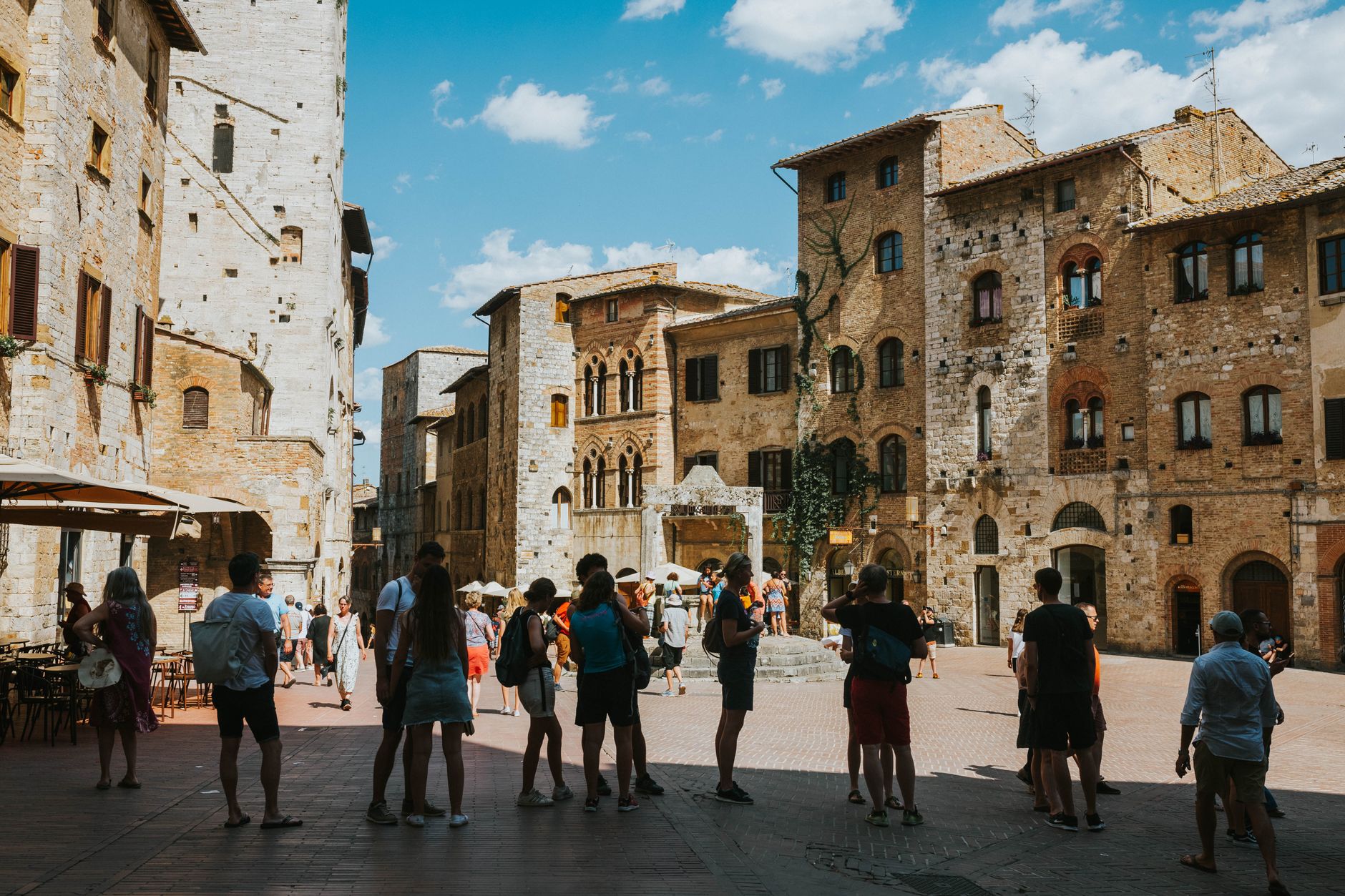


How San Gimignano came to be
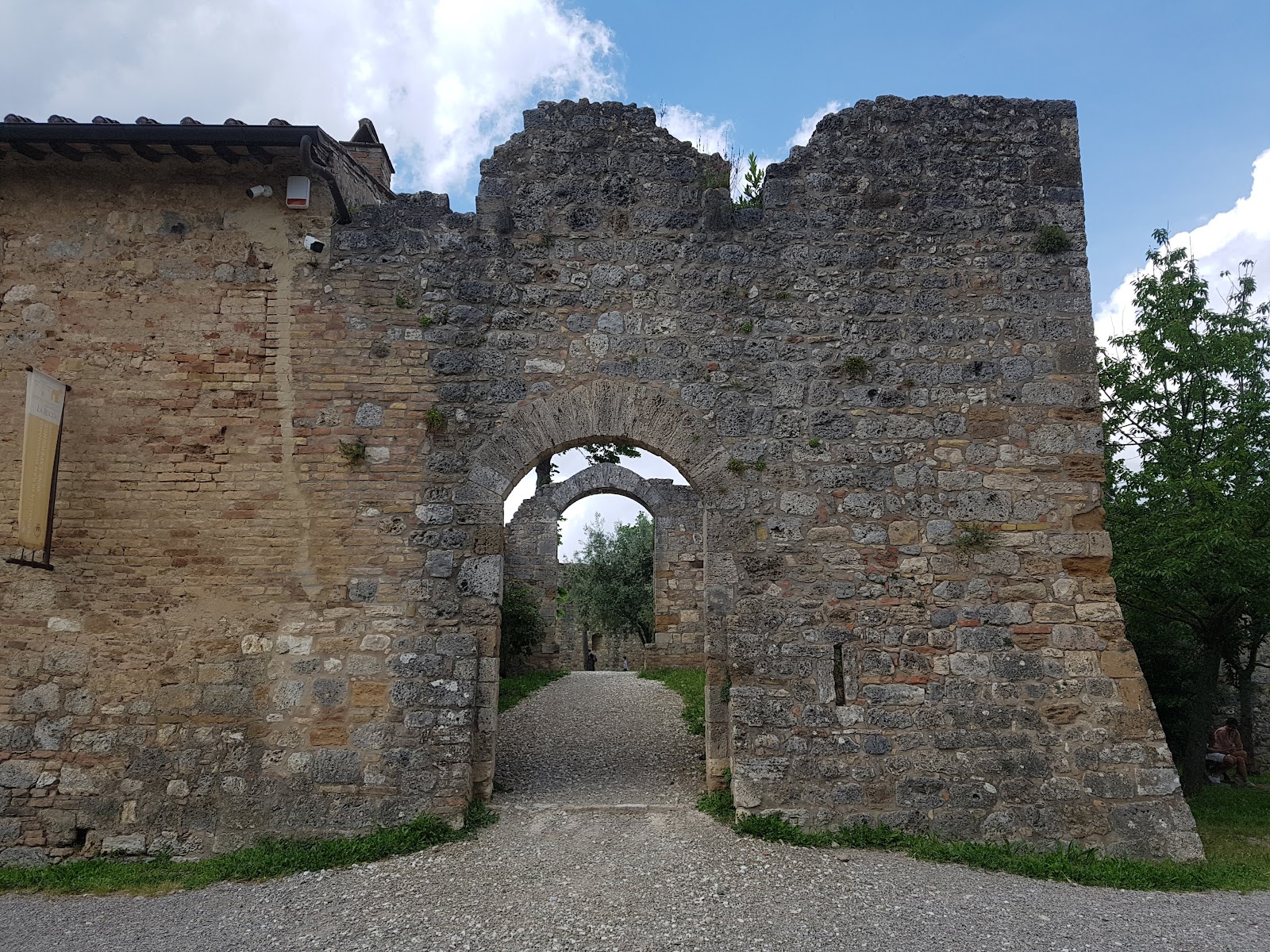
An Etruscan settlement stood here before Rome existed, and the site passed through Roman hands before a walled village grew up in the early medieval centuries around what locals called the Castle of the Forest. The name San Gimignano dates to around 450 AD, when — according to tradition — Bishop Geminianus of Modena saved the place from Attila's forces. By 1199 the town had declared itself an independent commune governed by elected consuls, and on 8 May 1300 Dante Alighieri arrived as an ambassador of the Guelph League.
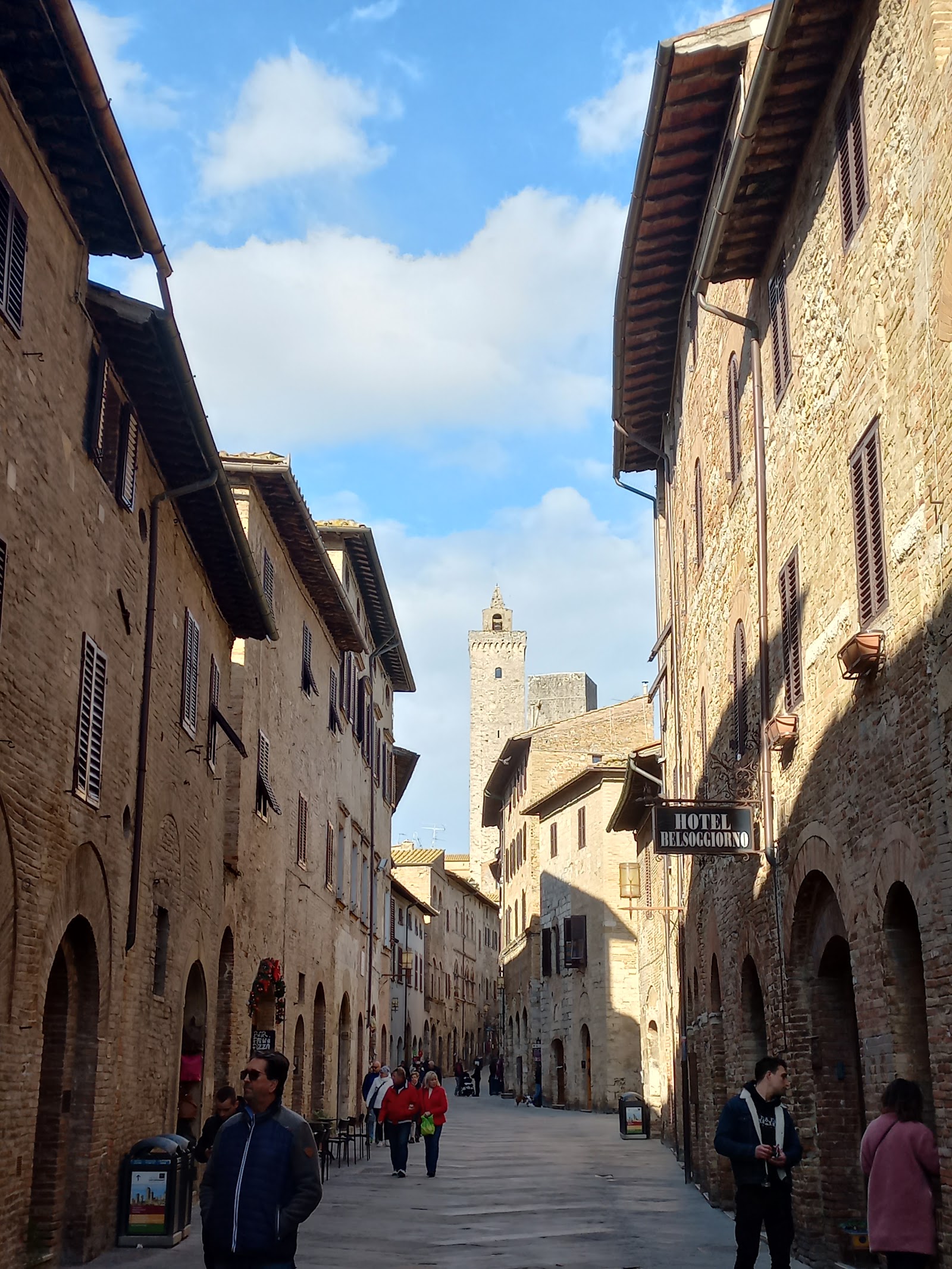
The following decades brought the great tower-building competition between merchant families, until 72 towers defined the skyline by the mid-14th century. Then the plague of 1348 arrived and halved the population. San Gimignano submitted to Florence, and the centuries of comparative quiet that followed preserved the Gothic streetscape that UNESCO recognised as a World Heritage Site in 1990.
Who and what shaped it
People who shaped it
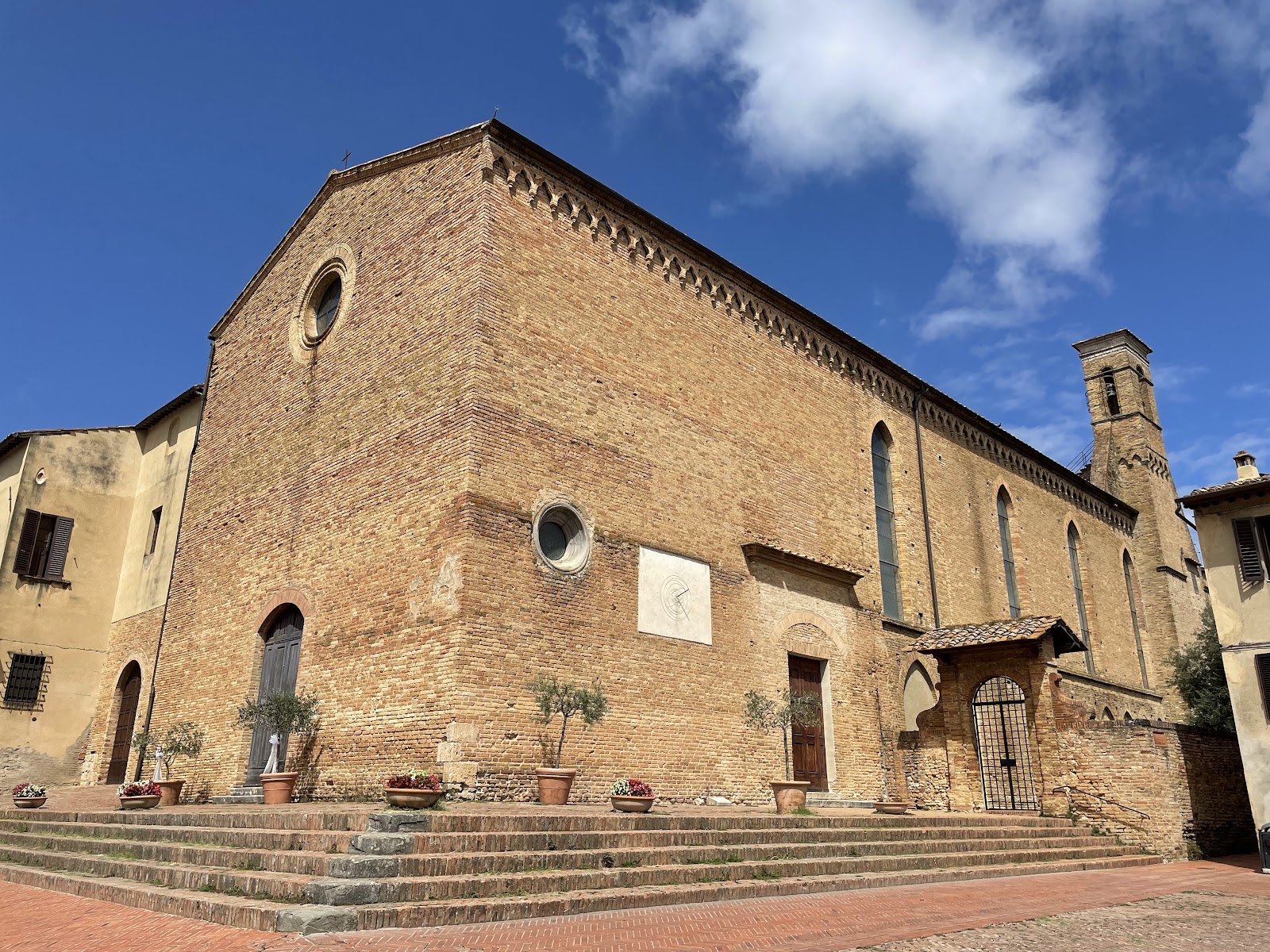
Landmark buildings
See San Gimignano in motion
Plan your visit
On the map
When to go
Spring and early autumn offer mild temperatures and clear light well suited to the hilltop views. Summer brings heat and heavy visitor traffic; winter is quiet and sometimes cold, with the Civic Museums closing earlier from November through March.
Right now
↡ Attractions


Background & history adapted from Wikipedia (CC BY-SA) · specs from Wikidata (CC0) · weather from Open-Meteo · map data © OpenStreetMap contributors · photos from Wikimedia Commons / Unsplash with per-image credit. No third-party reviews or social posts reproduced.