
Pienza
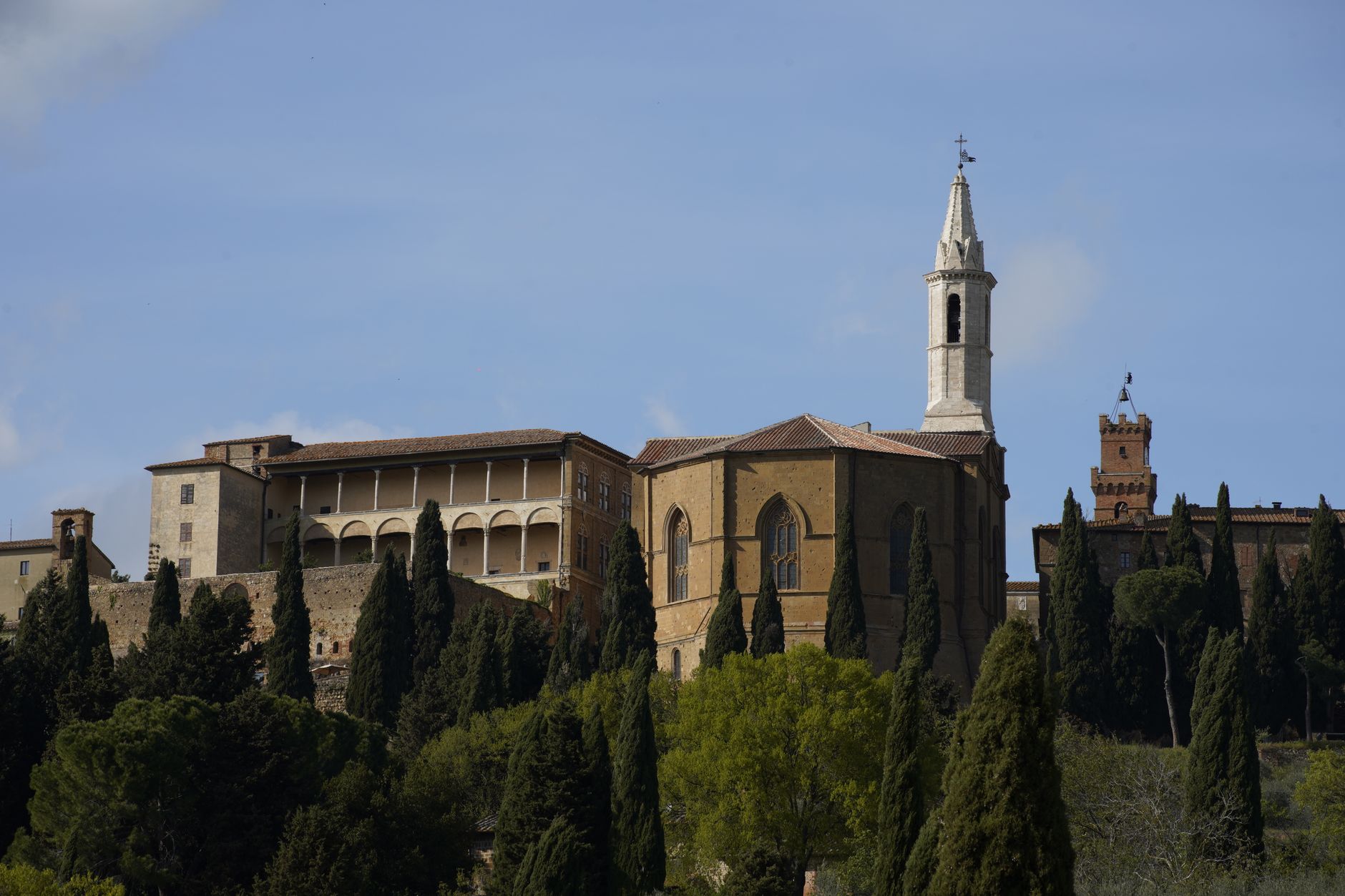
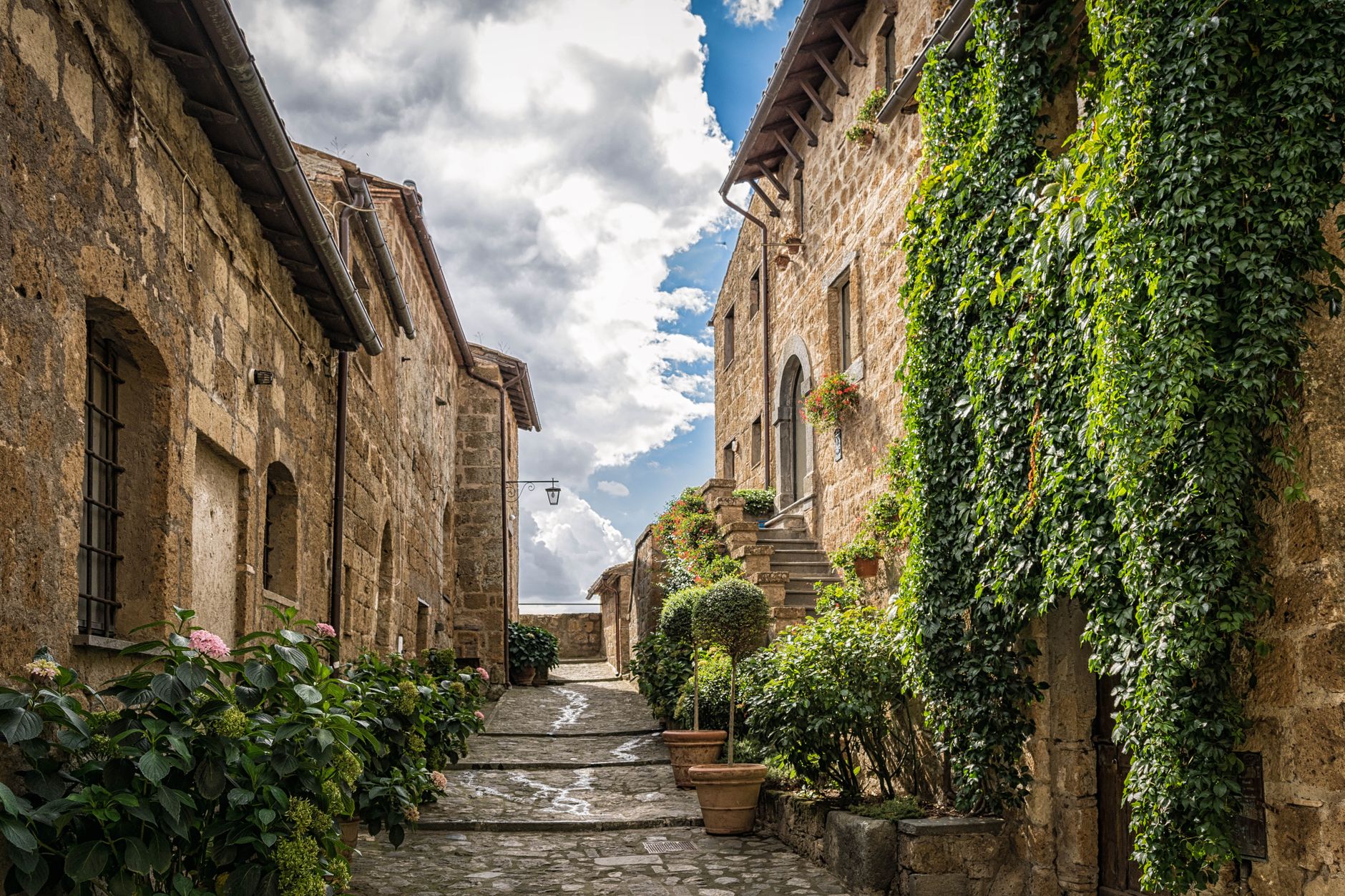
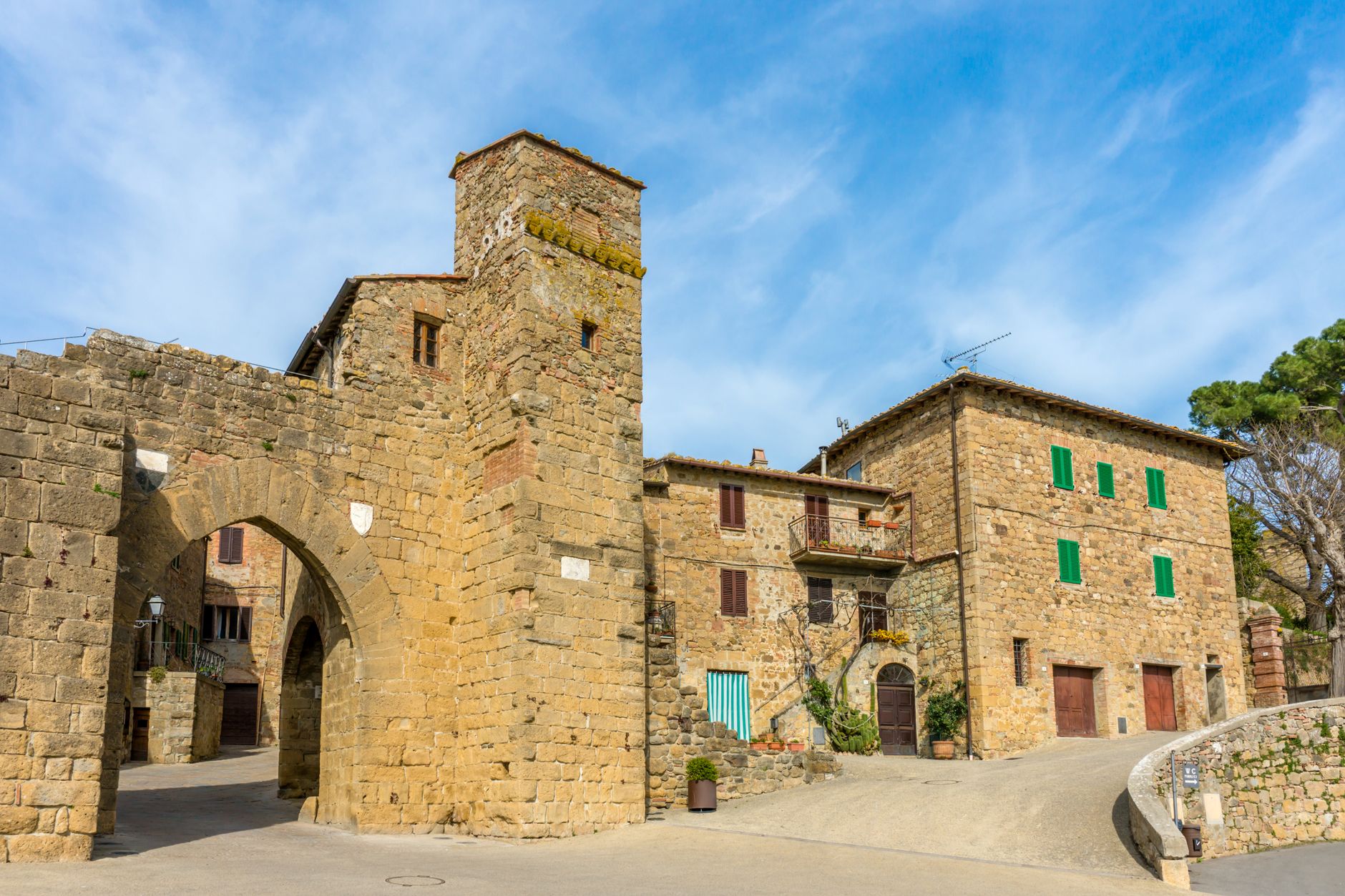
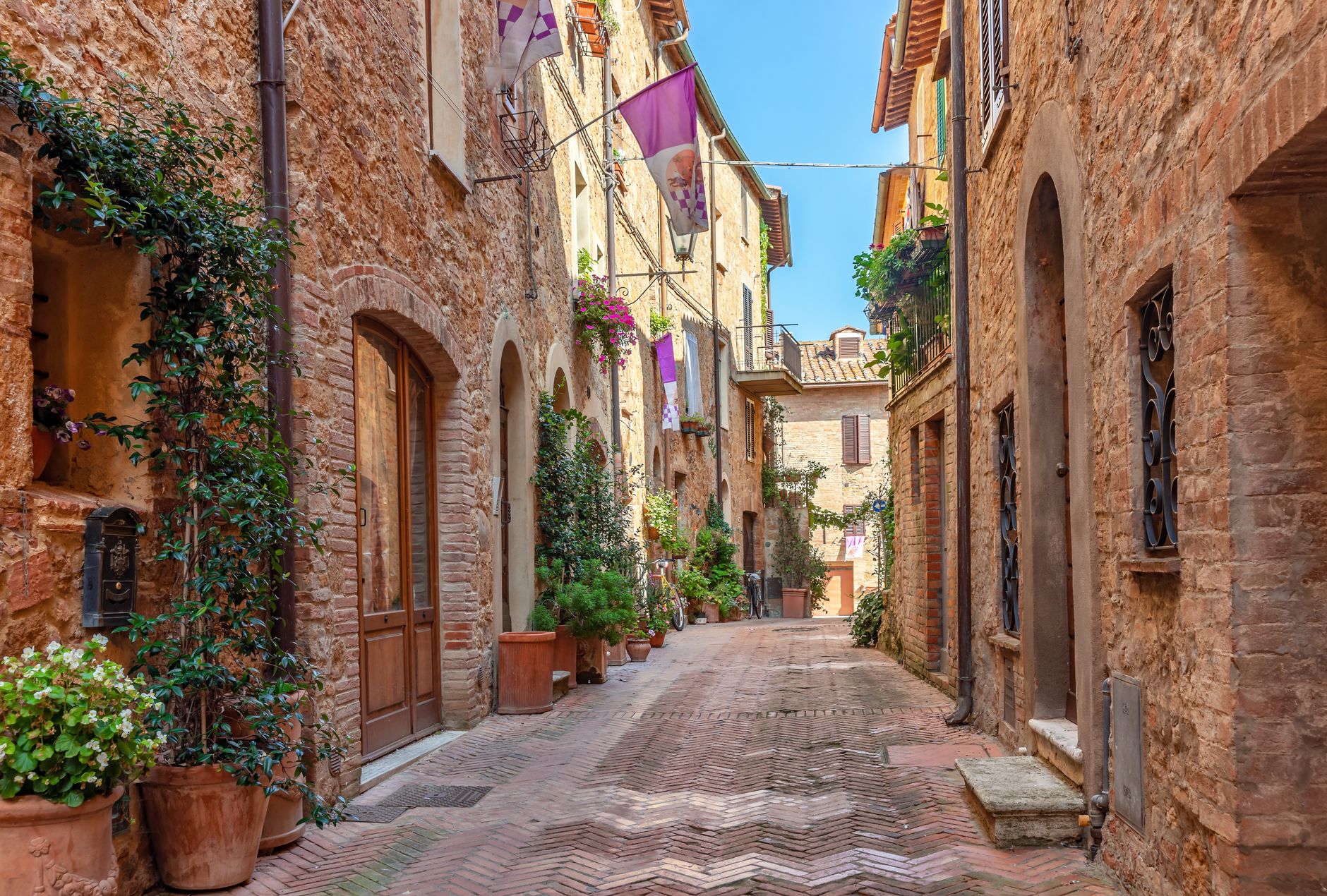
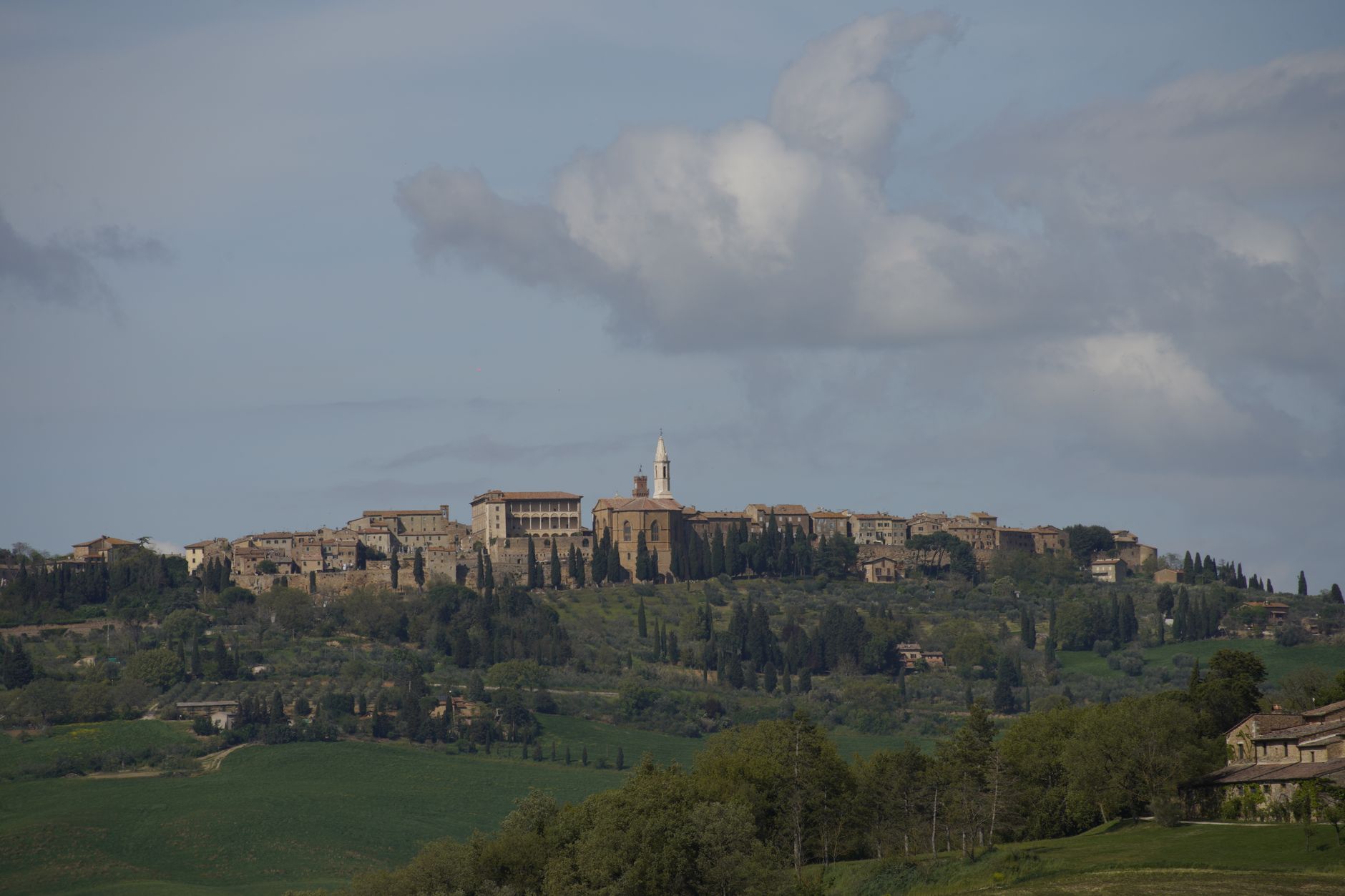
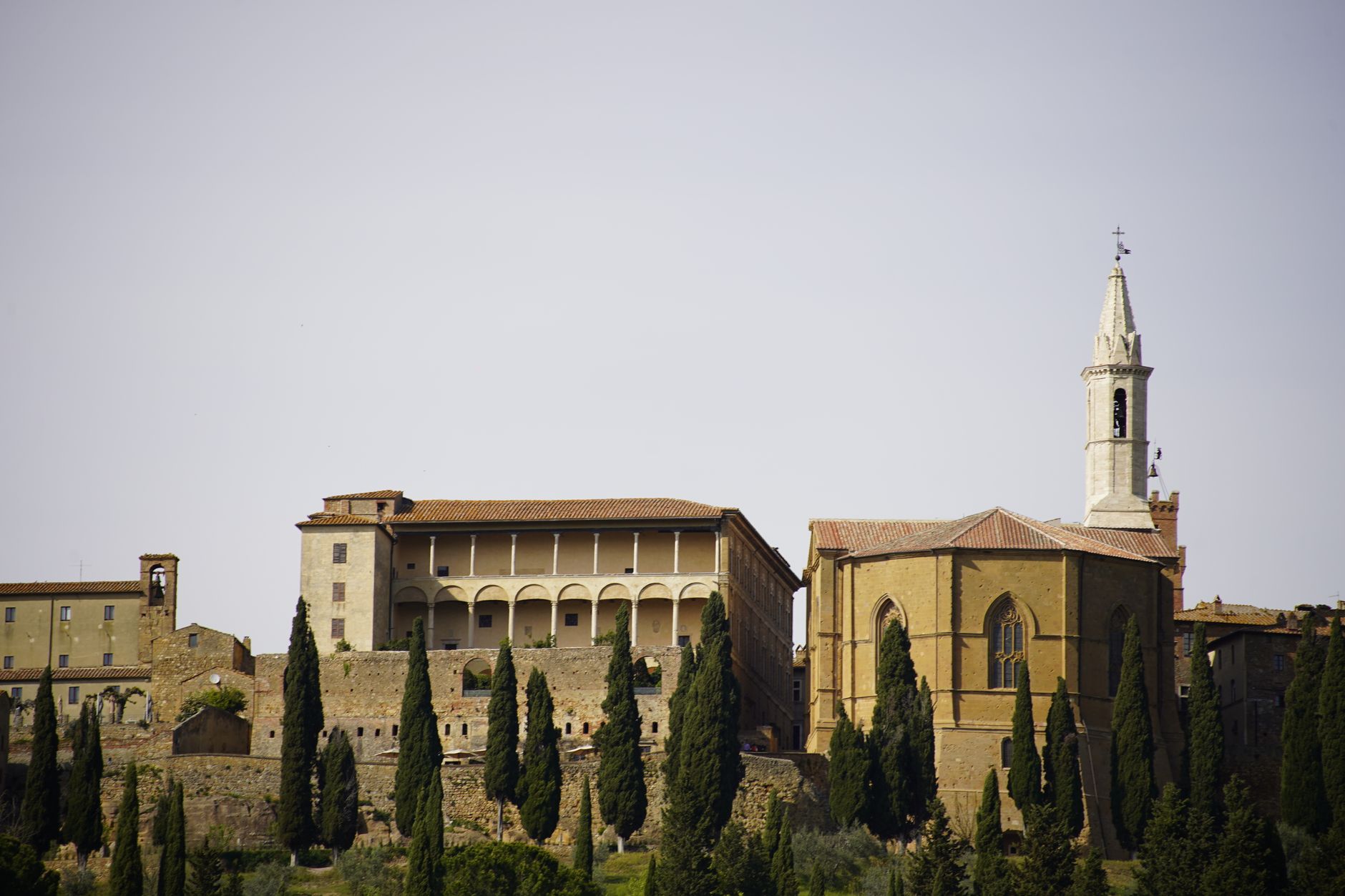
Pienza is a town that was willed into existence by one man's ego and idealism, then abandoned before it was finished — and that incompleteness is part of what makes it worth the drive. Pope Pius II commissioned the whole thing in 1459, gave it four years and a new name, then died in 1464, and the bishops packed up and left. For the next five centuries, almost nothing changed.
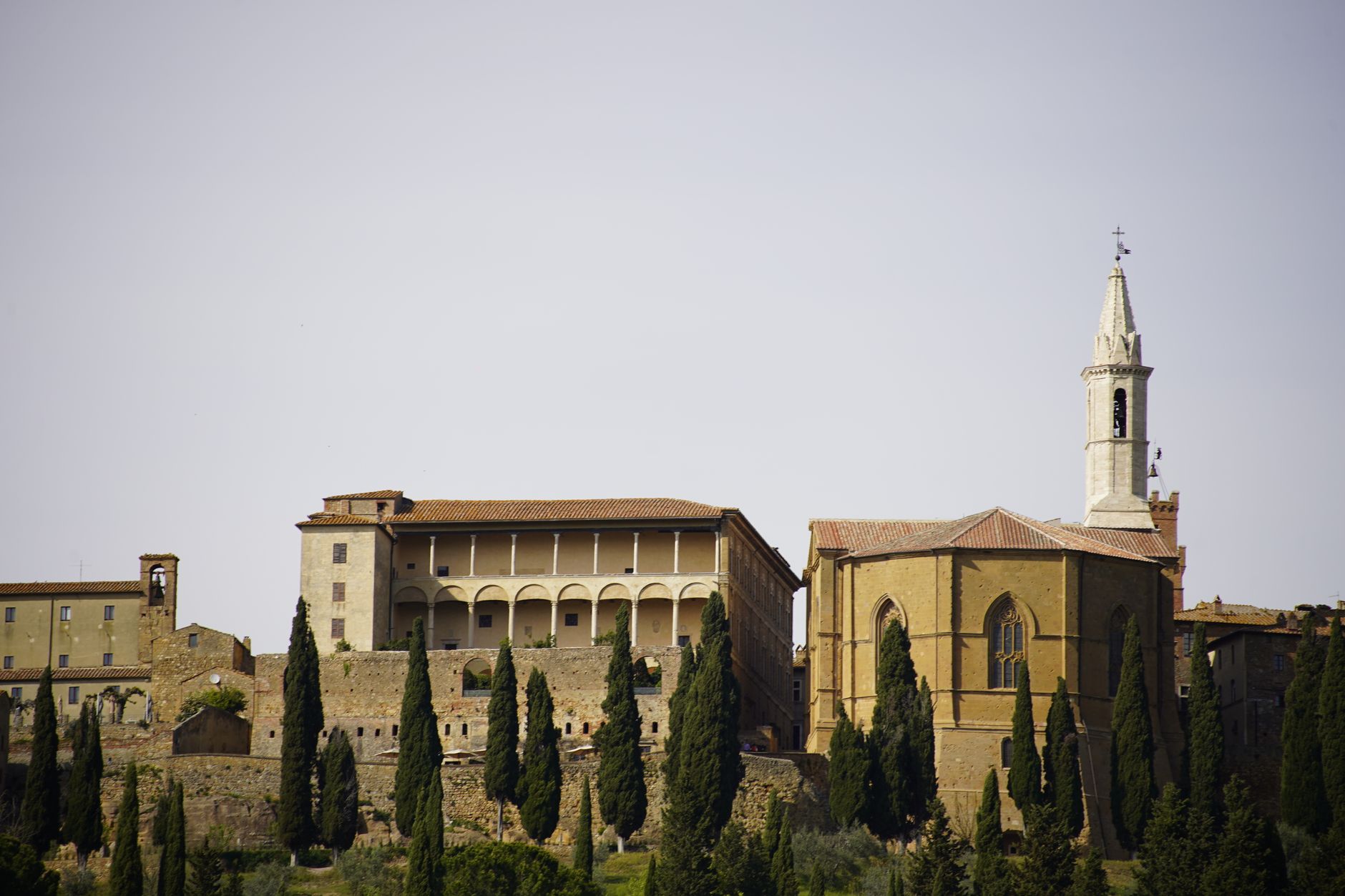
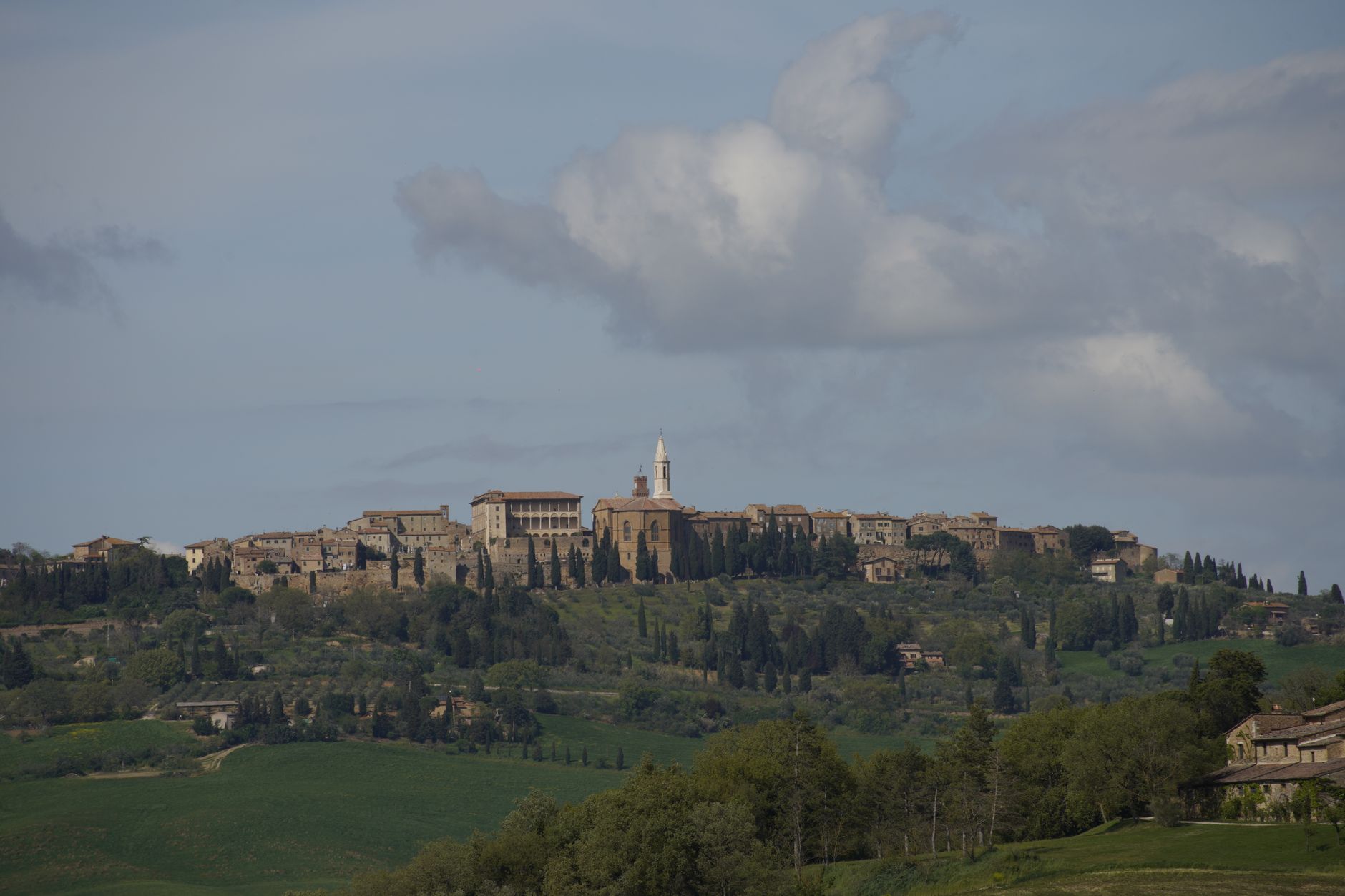
What remains is a single Renaissance piazza — trapezoidal, travertine, startlingly coherent — ringed by a cathedral, a palace, a bishop's residence, and a loggia'd town hall, all built to the same brief at the same moment. Around it, the old village of Corsignano simply carried on.
💛 What travellers fall for
People who come back tend to arrive early, before the tour groups reach the piazza, and walk straight through to the far edge of town where the ground drops away toward the Val d'Orcia. The view from the terrace behind Palazzo Piccolomini — the cypress lines, the pale hills — is the one they describe months later.
Experiences you don't want to miss


Deals in Pienza
Book directly at the providerHow Pienza came to be
The village of Corsignano, documented as far back as the 9th century, had been Piccolomini family territory since around 1300. When Enea Silvio Piccolomini became Pope Pius II in 1458, he turned his birthplace into a project: a model Renaissance city, built to humanist principles and completed in roughly four years. He hired Bernardo Rossellino — an architect who had worked alongside Leon Battista Alberti — to design the cathedral, the Palazzo Piccolomini, and the civic buildings around what became Piazza Pio II.
Pius II died in 1464 before the broader urban plan could be realized. The clergy dispersed, the money stopped, and Pienza stayed almost exactly as it was built. UNESCO recognized it as a World Heritage Site in 1996; in 2004, the surrounding Val d'Orcia was added as a Cultural Landscape.
Who and what shaped it
People who shaped it
Landmark buildings
See Pienza in motion
Plan your visit
On the map
When to go
Spring and early autumn are the most comfortable seasons — mild temperatures and clear light over the valley. Summer brings heat and considerably more visitors; winter is quiet and often cold, but the town empties out in a way that has its own appeal.
Right now
Background & history adapted from Wikipedia (CC BY-SA) · specs from Wikidata (CC0) · weather from Open-Meteo · map data © OpenStreetMap contributors · photos from Wikimedia Commons / Unsplash with per-image credit. No third-party reviews or social posts reproduced.