
Grosseto
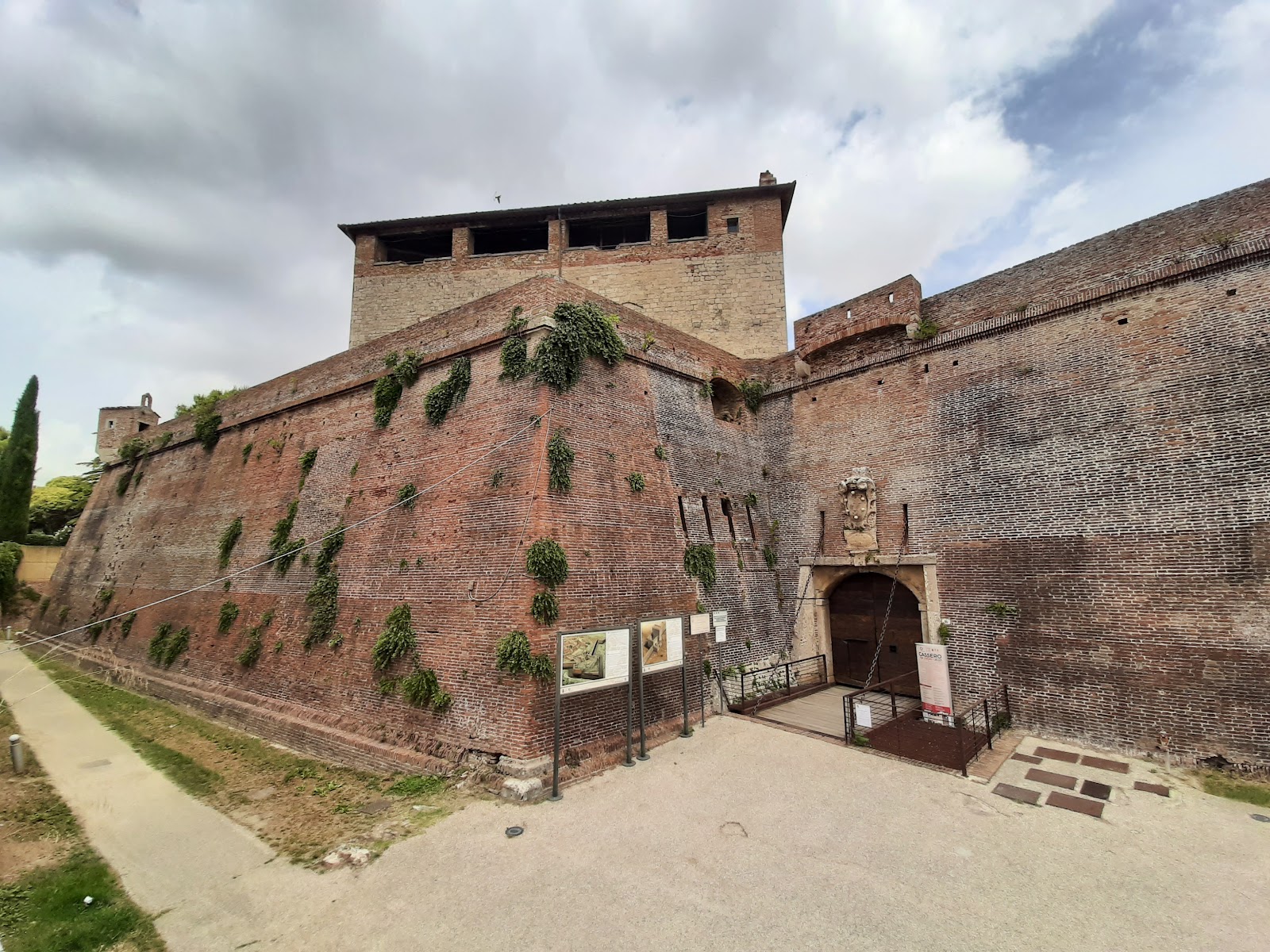
Walk the top of Grosseto's hexagonal walls and you'll understand the city's logic in about twenty minutes — the whole historic centre laid out below you like a map someone forgot to fold away. The walls themselves, designed by Baldassarre Lanci for Grand Duke Francesco I de' Medici and finished around 1593, run just under three kilometres and are still intact enough to circuit on foot.
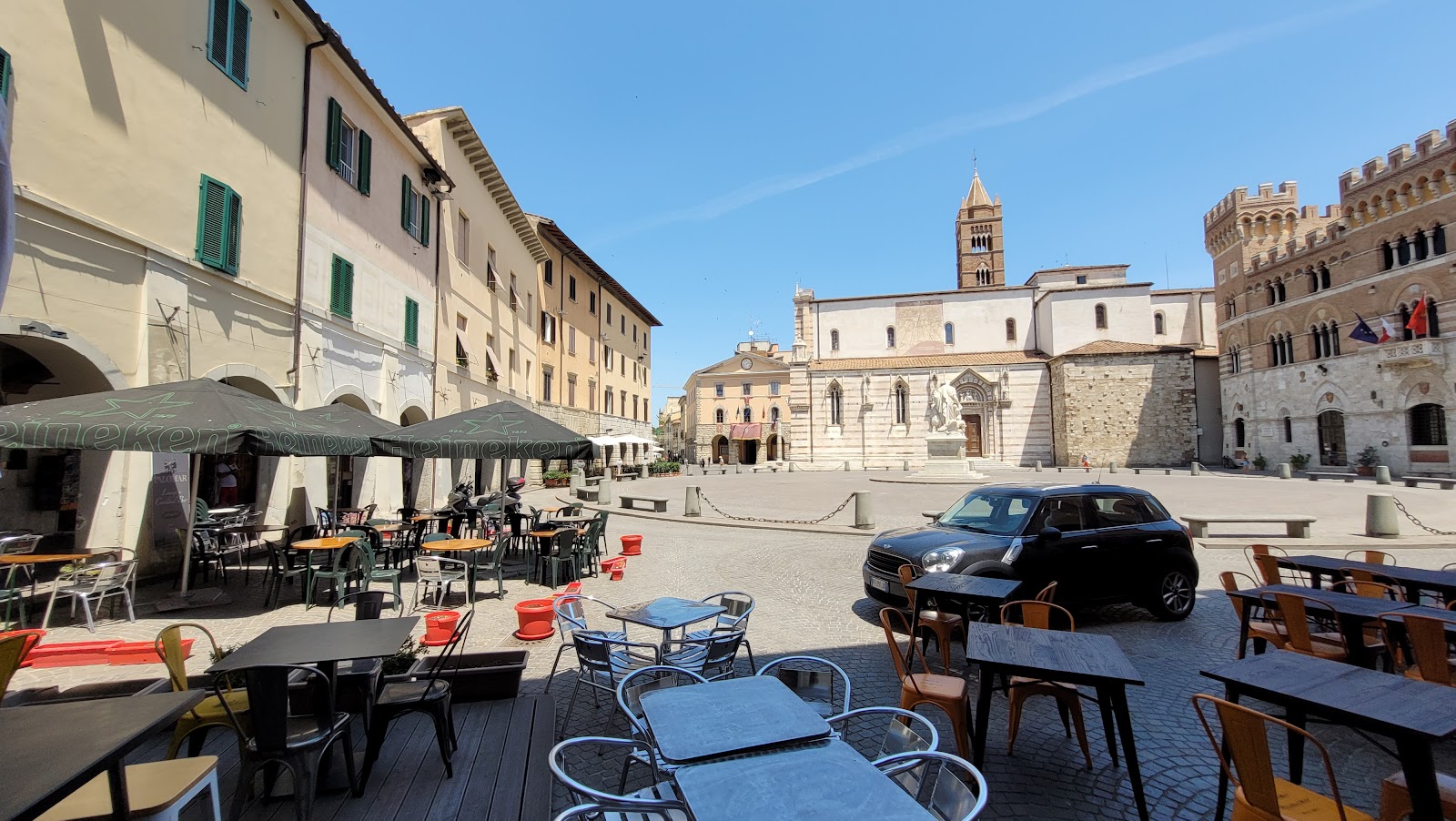
Grosseto is the capital of the Maremma, a coastal plain that spent centuries as malarial swampland before Leopold II ordered it drained in the nineteenth century. That transformation is the city's real story — and the marble statue of Leopold in Piazza Dante, known locally as Canapone, is as good a place as any to start reading it.
💛 What travellers fall for
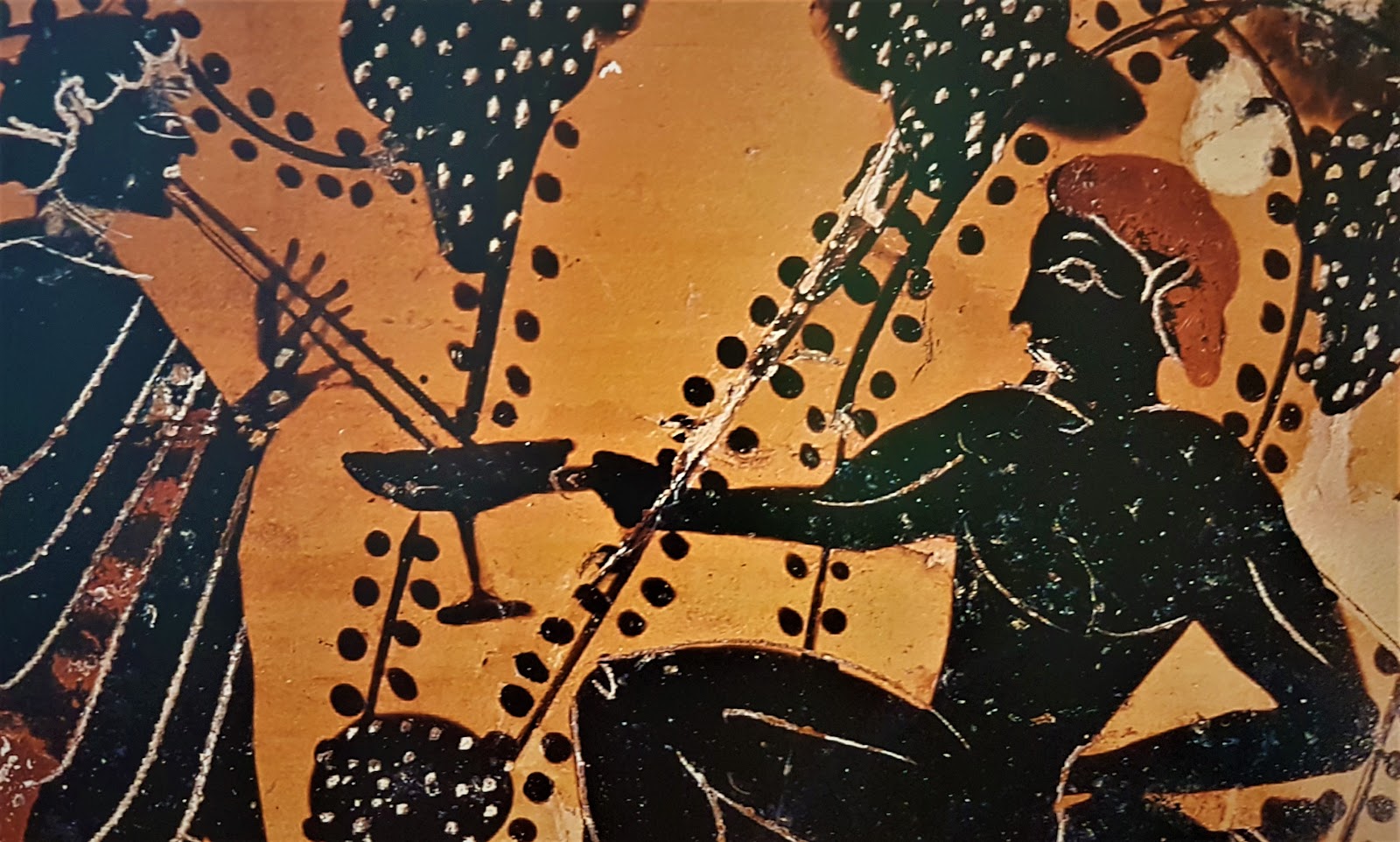
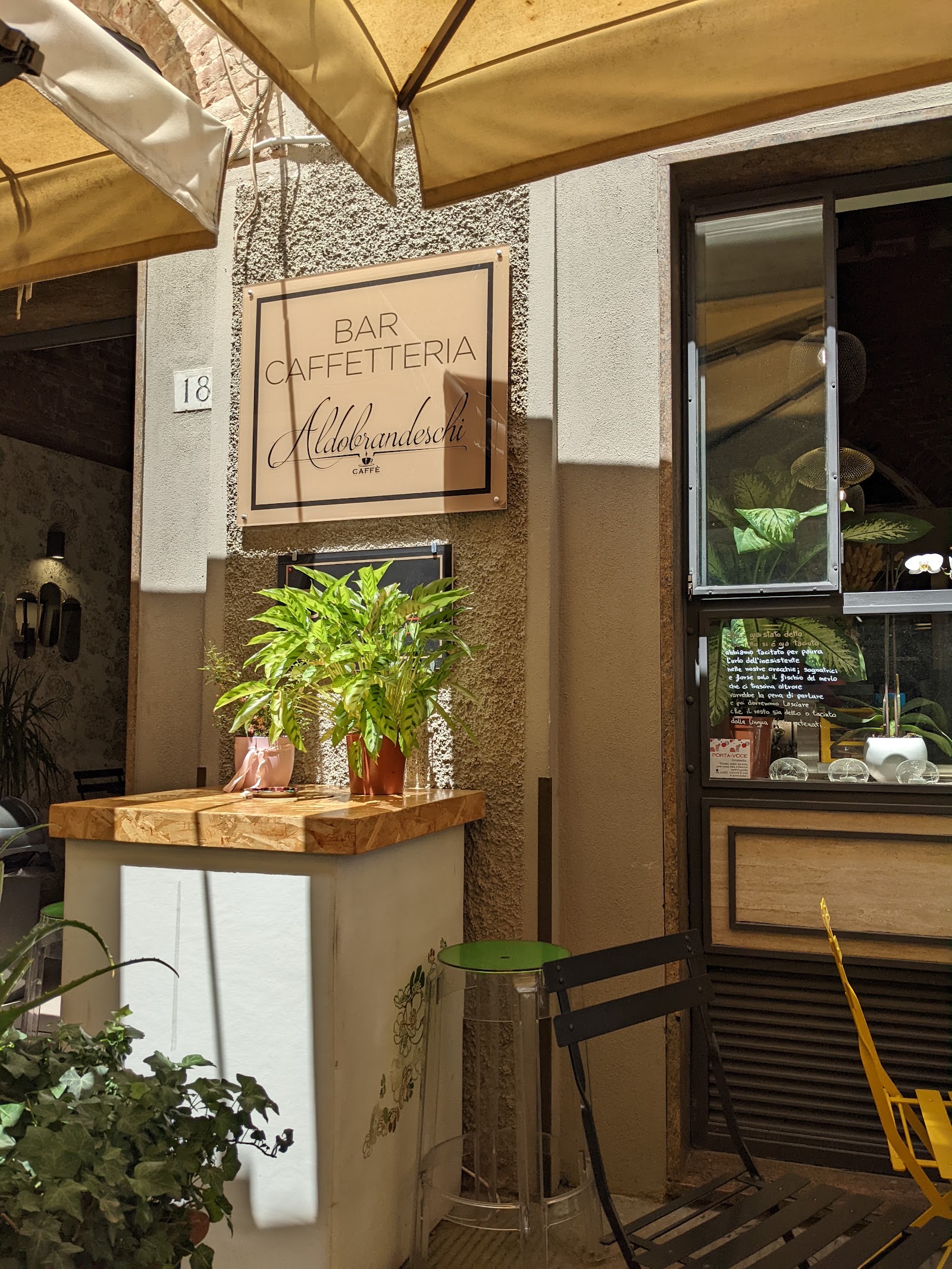
People who come back tend to mention the same morning: coffee somewhere on Corso Carducci before the ZTL zone wakes up, then the Museo Archeologico e d'Arte della Maremma for the Roselle collection — Etruscan and Roman material that most visitors to Tuscany never reach — and the walls in the late afternoon when the light comes in low from the Tyrrhenian side.
Experiences you don't want to miss


Deals in Grosseto
Book directly at the provider

How Grosseto came to be
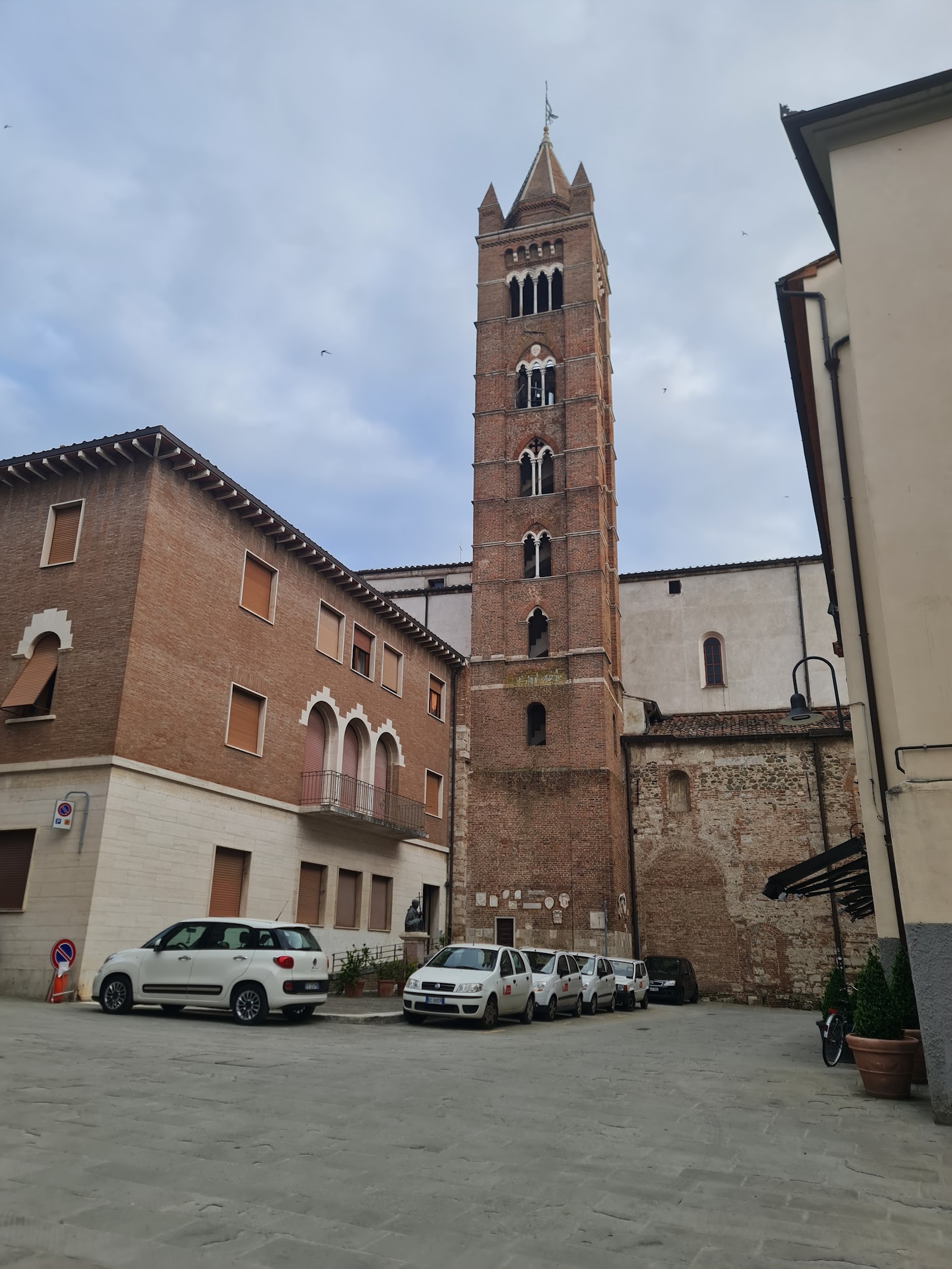
The first written record of Grosseto dates to 803 AD, when a church dedicated to St George changed hands in a documented sale. By 973 it was already a fortified settlement, and in 1138 Pope Innocent II transferred the episcopal see here from the declining Roman city of Roselle — an act that gave Grosseto its formal status as a civitas and the cathedral that would follow.
For more than two centuries after 1336 the city answered to Siena, then passed to the Medici in 1559 after the battle of Montalcino. The hexagonal walls that define the city today were the Medici response to that inheritance — built between 1574 and 1593, they replaced older fortifications and have barely changed since. The nineteenth-century land reclamation under Leopold II did more to shape modern Grosseto than any subsequent event, turning a fever-ridden backwater into an agricultural centre.
Who and what shaped it
People who shaped it
Landmark buildings
See Grosseto in motion
Plan your visit
On the map
When to go
Summers are hot and dry, with long sunny days that make the wall walk best saved for morning or evening. Winters are mild by northern European standards — highs around 12–15°C — and the city is quiet; spring and autumn offer the most comfortable conditions for moving around on foot.
Right now
↡ Attractions



Background & history adapted from Wikipedia (CC BY-SA) · specs from Wikidata (CC0) · weather from Open-Meteo · map data © OpenStreetMap contributors · photos from Wikimedia Commons / Unsplash with per-image credit. No third-party reviews or social posts reproduced.