
Museo Archeologico e d'Arte della Maremma
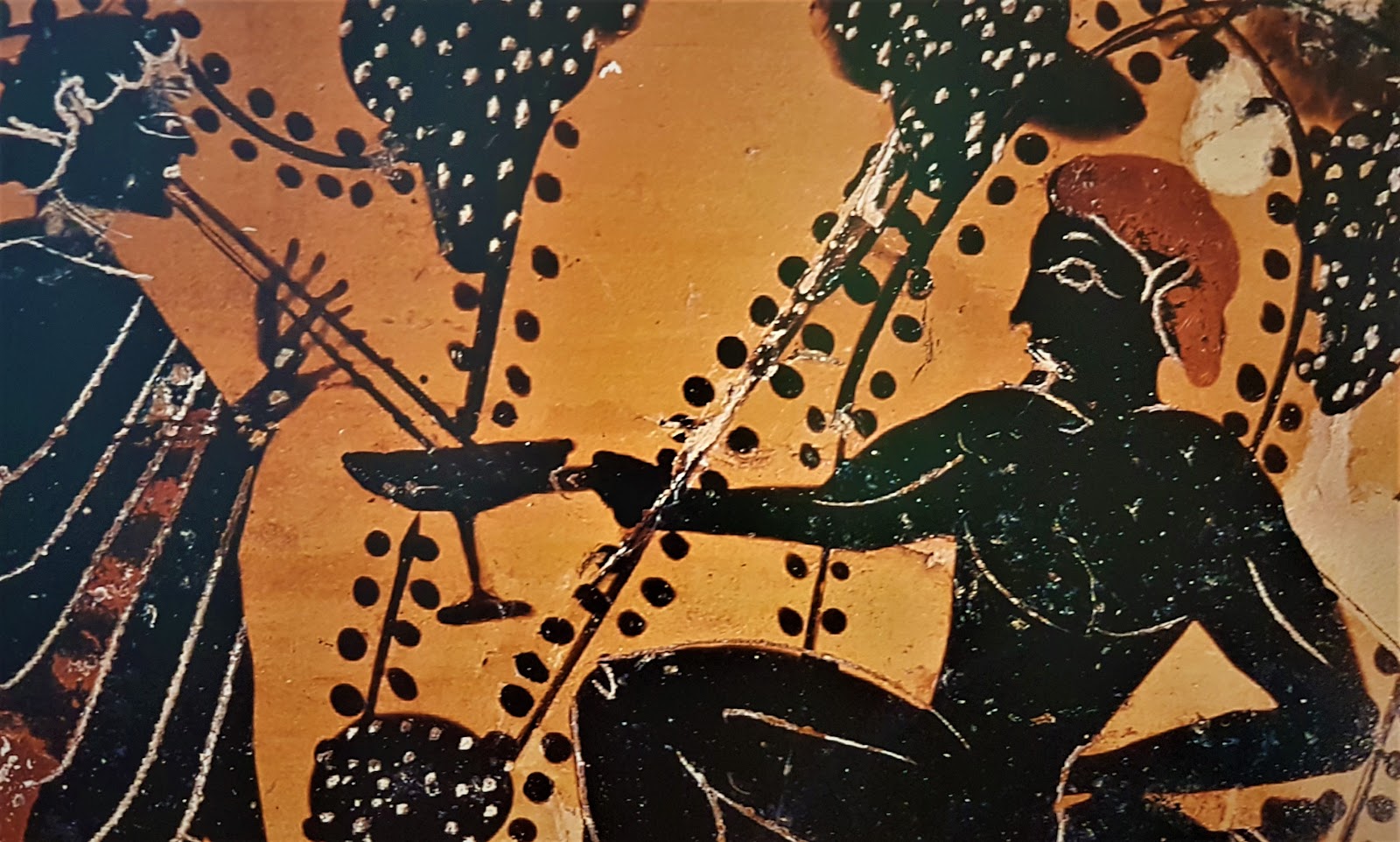
On the third floor of a mid-19th-century former courthouse on Piazza Baccarini, a 13th-century panel painting attributed to Guido da Siena hangs a short walk from an Etruscan bowl scratched with a Greek alphabet that is 2,600 years old. That proximity — sacred art and pre-Roman archaeology sharing the same building — is what makes this museum worth the five euros.
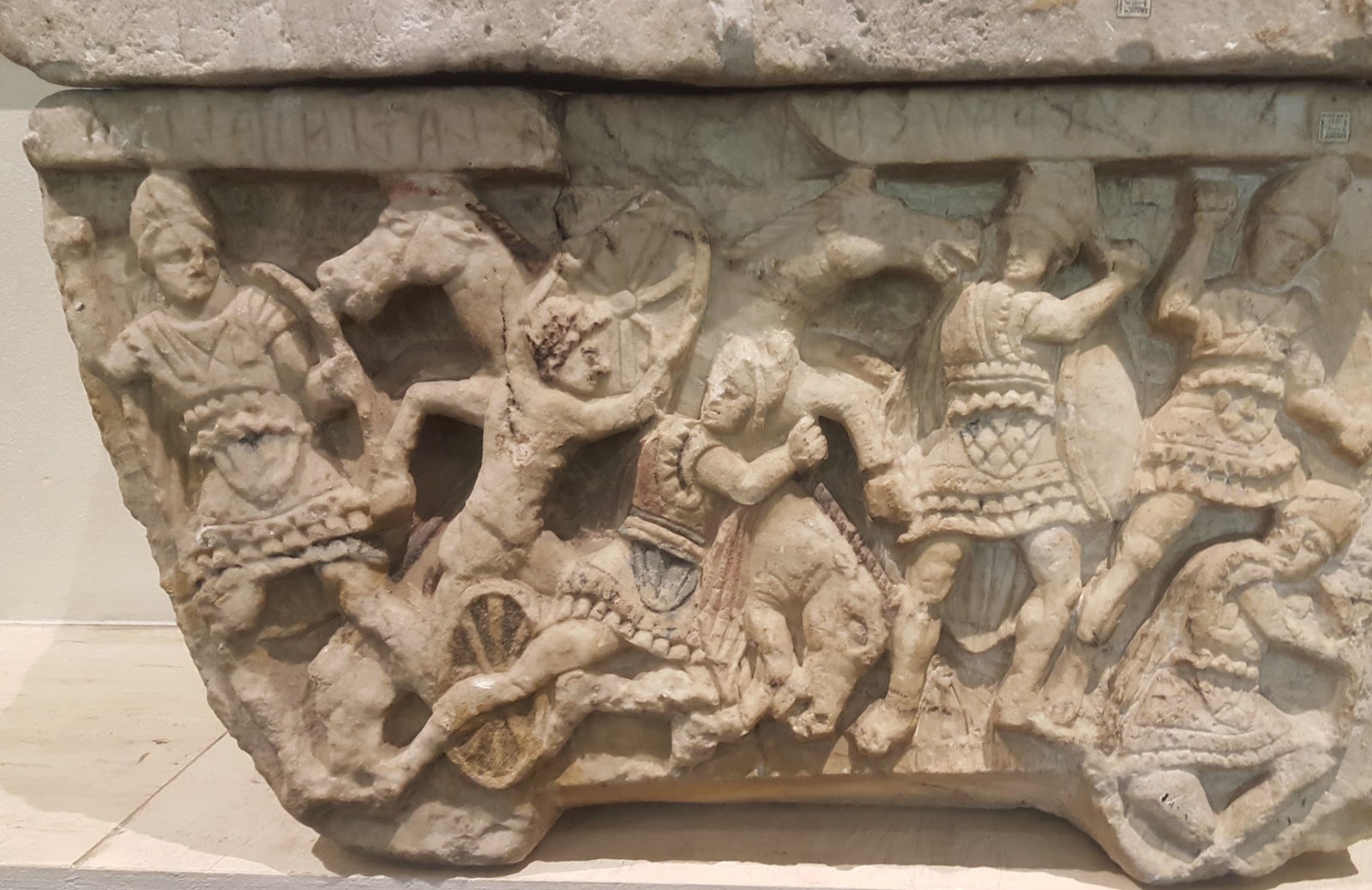
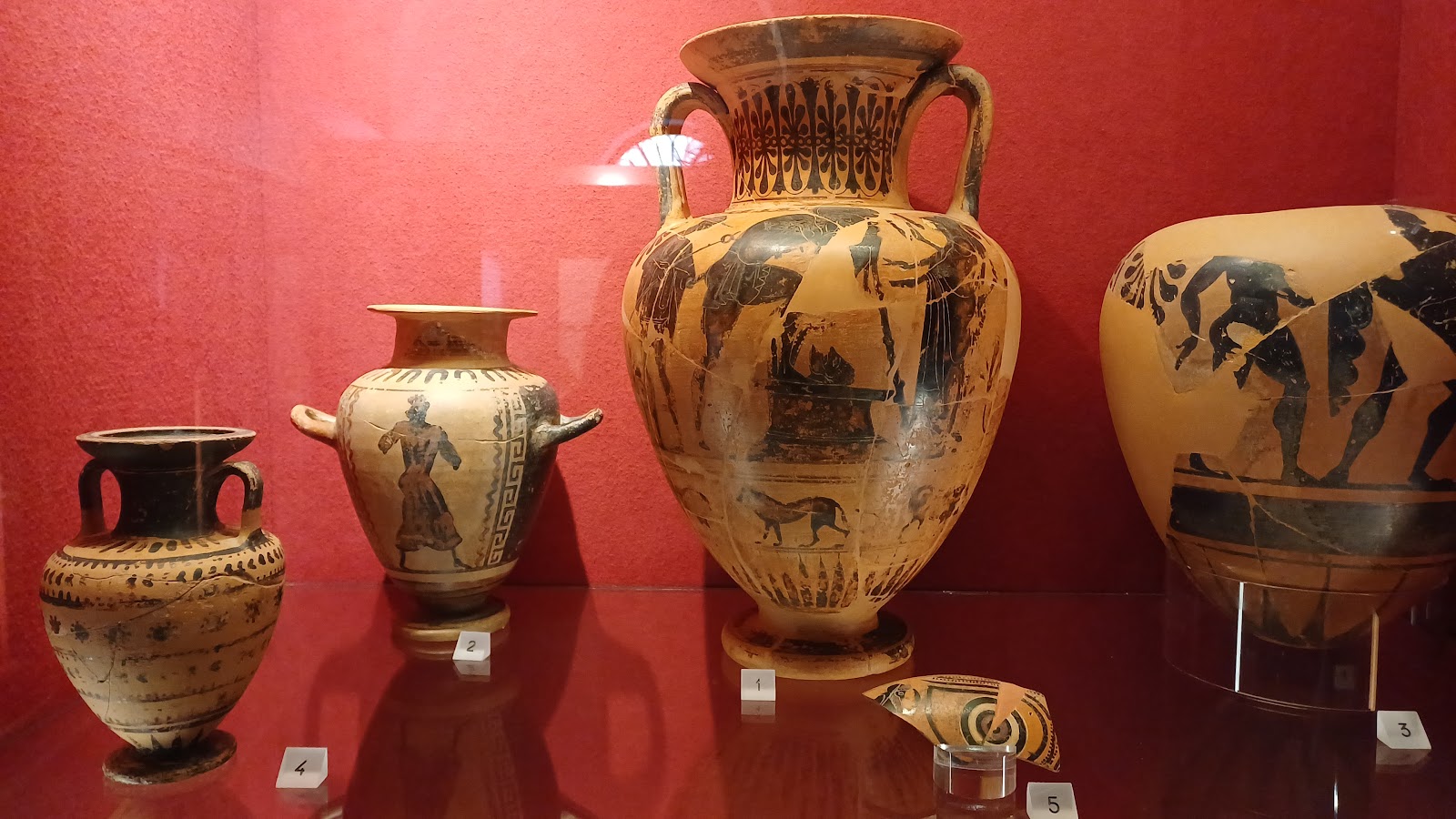
The collections move through the deep history of the Maremma: Etruscan funerary urns from Volterra and Chiusi, an Euboean krater dated to 730 BC, and the reconstructed hull of an African shipwreck pulled from the seabed near Giglio Porto. Five sections across forty rooms, none of them overwhelming.
💛 What travellers fall for
People who come back tend to linger on the third floor longer than they planned — specifically in front of Sassetta's "Madonna of the Cherries" and the pair of marble angels by G.A. and B. Mazzuoli. Download the Izi.Travel app before you arrive; the audio guide in English works well and costs nothing beyond your entry ticket.
The story behind Museo Archeologico e d'Arte della Maremma
Canon Giovanni Chelli, born in Siena in 1809, began assembling the collection that would become this museum in 1860, when Grosseto was a town of roughly 4,000 people. It passed into municipal hands in 1865, and in 1955 archaeologist Aldo Mazzolai took over as director of what had by then become an independent civic institution.
The decisive reorganisation came in 1975: the museum relocated to the Palazzo del Vecchio Tribunale, a mid-19th-century building on a medieval footprint, and absorbed the Diocesan Sacred Art Museum that Antonio Cappelli had founded in 1933. After closing in 1992 for a long restoration, it reopened on 21 March 1999 in the form visitors find today.
Good to know
Hours shift four times a year, so check the seasonal schedule before you go — winter weekday closing at 15:00 catches people out. Guided tours are included in the entry price but require advance booking; call 0564/488752-760. Full entry is €5.00. Closed Mondays, 25 December, 1 January, and 1 May.
Where is Museo Archeologico e d'Arte della Maremma?
More tickets & tours for Museo Archeologico e d'Arte della Maremma
Book directly at the provider
What travellers say about Museo Archeologico e d'Arte della Maremma
The museum itself is really worth visiting, with fascinating exhibitions and a lot to discover. However, if Italian or English is not your first language, it can sometimes be difficult to fully follow along. Each room has only a general introduction in English, while most of the detailed information is in Italian. Even though I speak both languages fairly well, the specialized archaeological vocabulary is not always easy to understand. The English audioguide could also be improved. It was sometimes hard to stay synchronized with the content, as it often restarted or lost my place, and there was no clear numbering system to match the stories with specific objects. This made it tricky at times to know exactly which exhibit the guide was referring to. Overall, it’s a very good museum with great potential, and with a few improvements to translations and the audioguide system, the visitor experience would be even better.
This museum has a stunning collection of Etruscan artifacts! The beautiful art is perfect for a visit to see 200 year old sculpture, ceramic and bronze Etruscan creations, and gorgeous life-sized Roman marble sculptures! I definitely recommend a visit!
Very good experience Good introduction at the start of the museum by the host 3 floors with a VR experience for 5€ is a steal. Would definitely recommend:)
I was amazed at the sheer amount of artefacts this museum has from both the Etruscan period and later. Definitely recommend visiting!
Interesting museum and worth a visit, but staff let items be stolen. Be careful with your possessions here.
More of Grosseto
Discover where to stay, what to do and the best deals for your trip.
Explore Grosseto →More attractions in Grosseto
All of Grosseto →
Background adapted from Wikipedia (CC BY-SA) · map data © OpenStreetMap contributors · ratings & place photos via Google · other photos with per-image credit. Ticket links may earn us a commission at no extra cost to you.