
Lucca
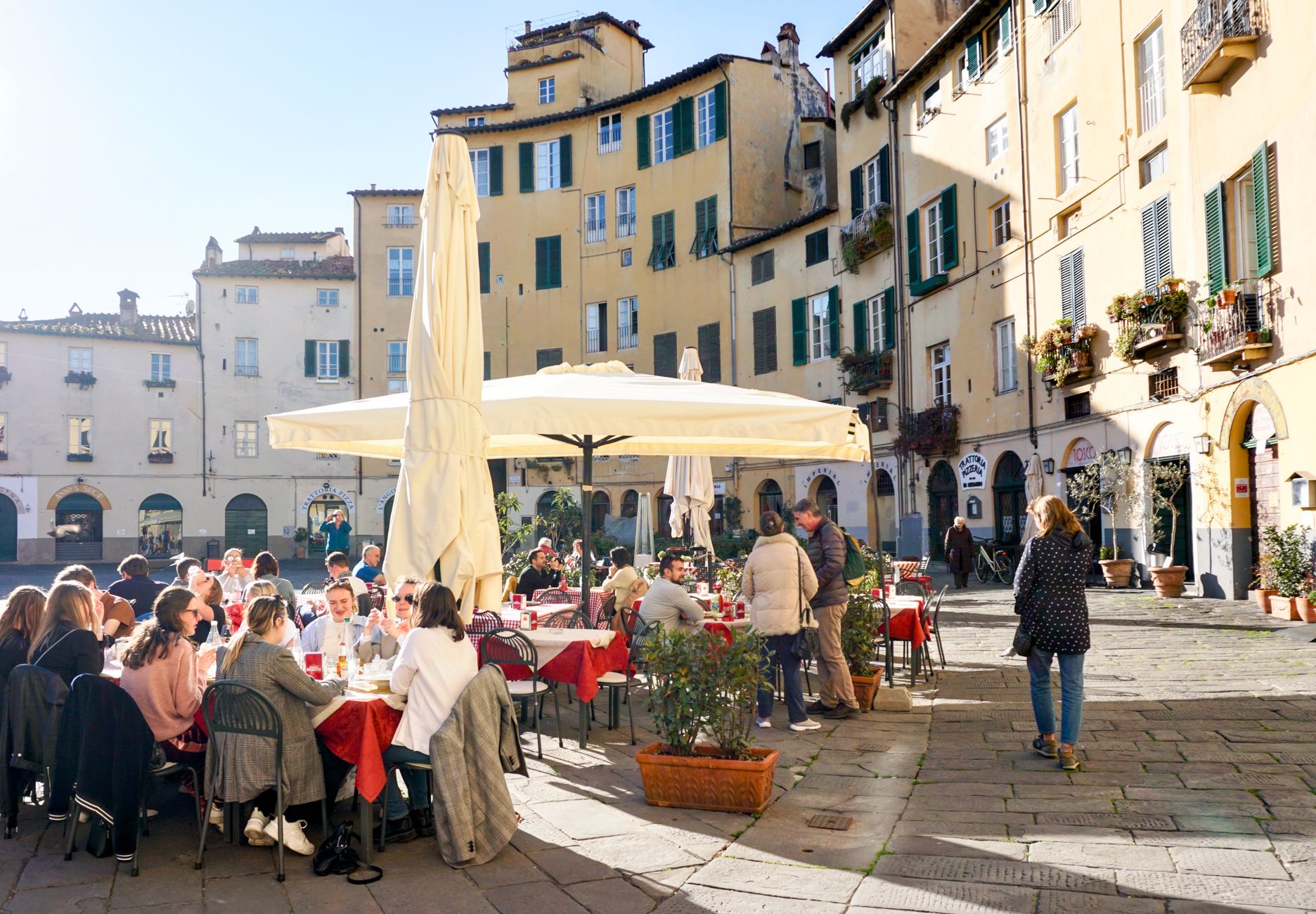
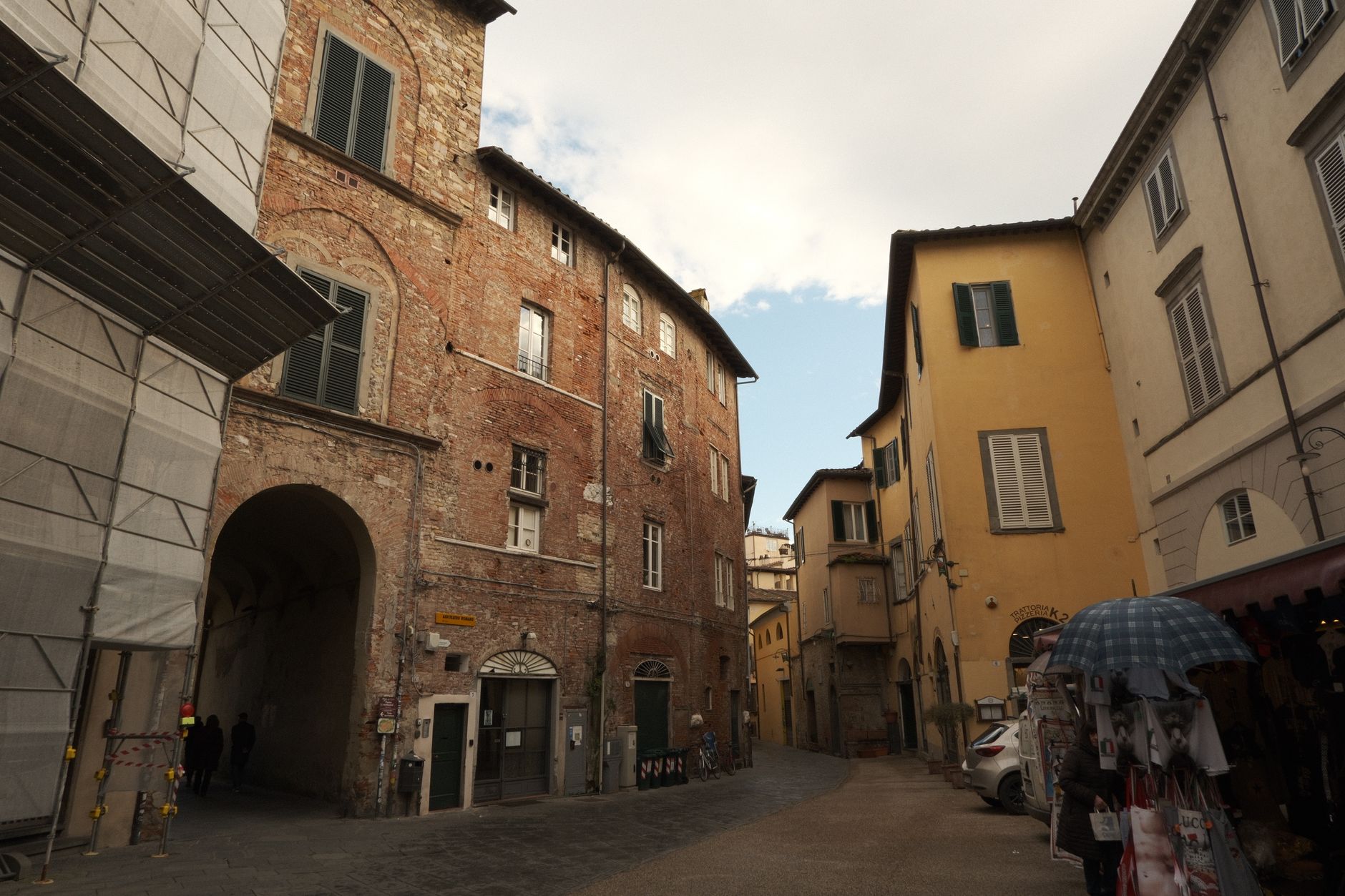
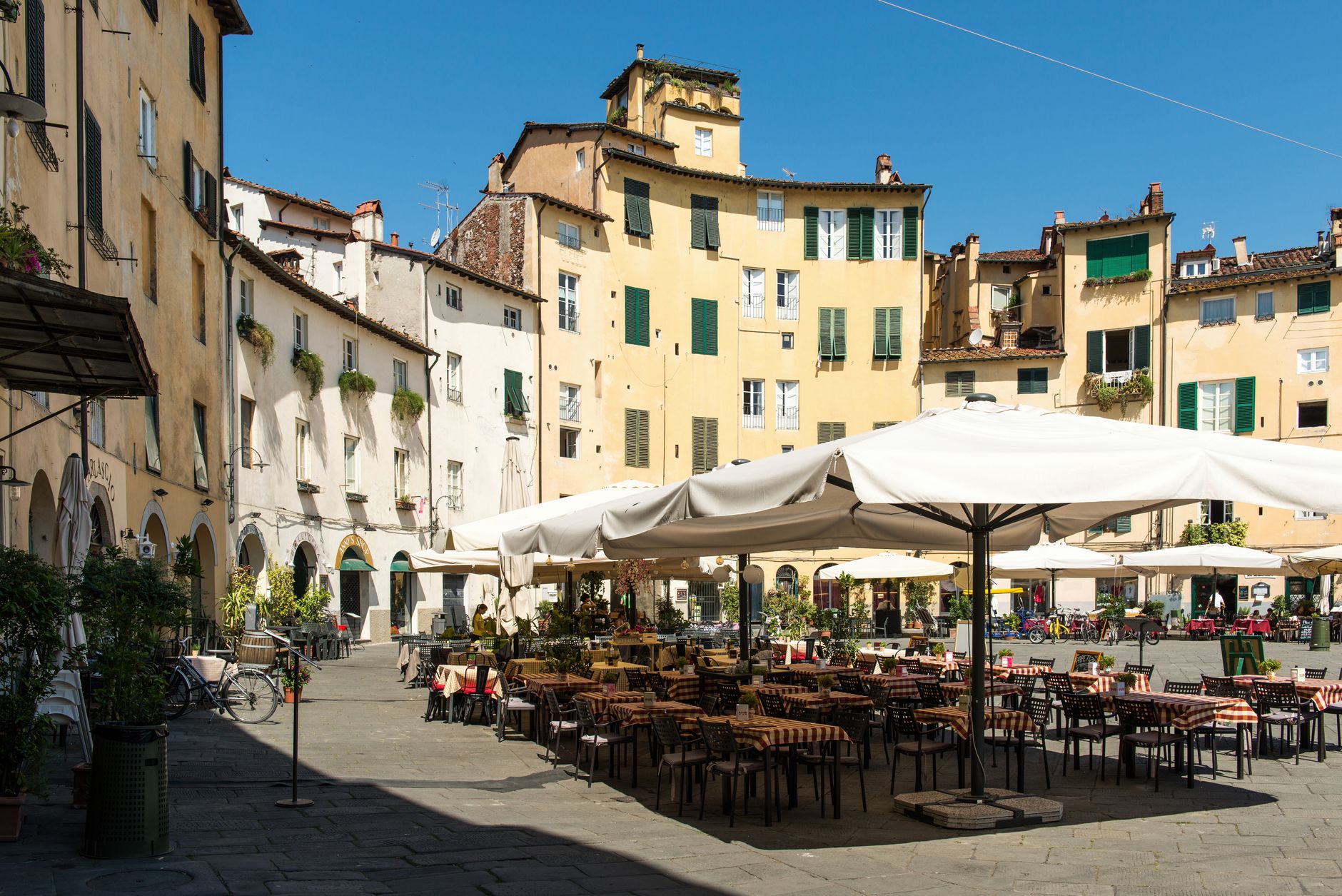
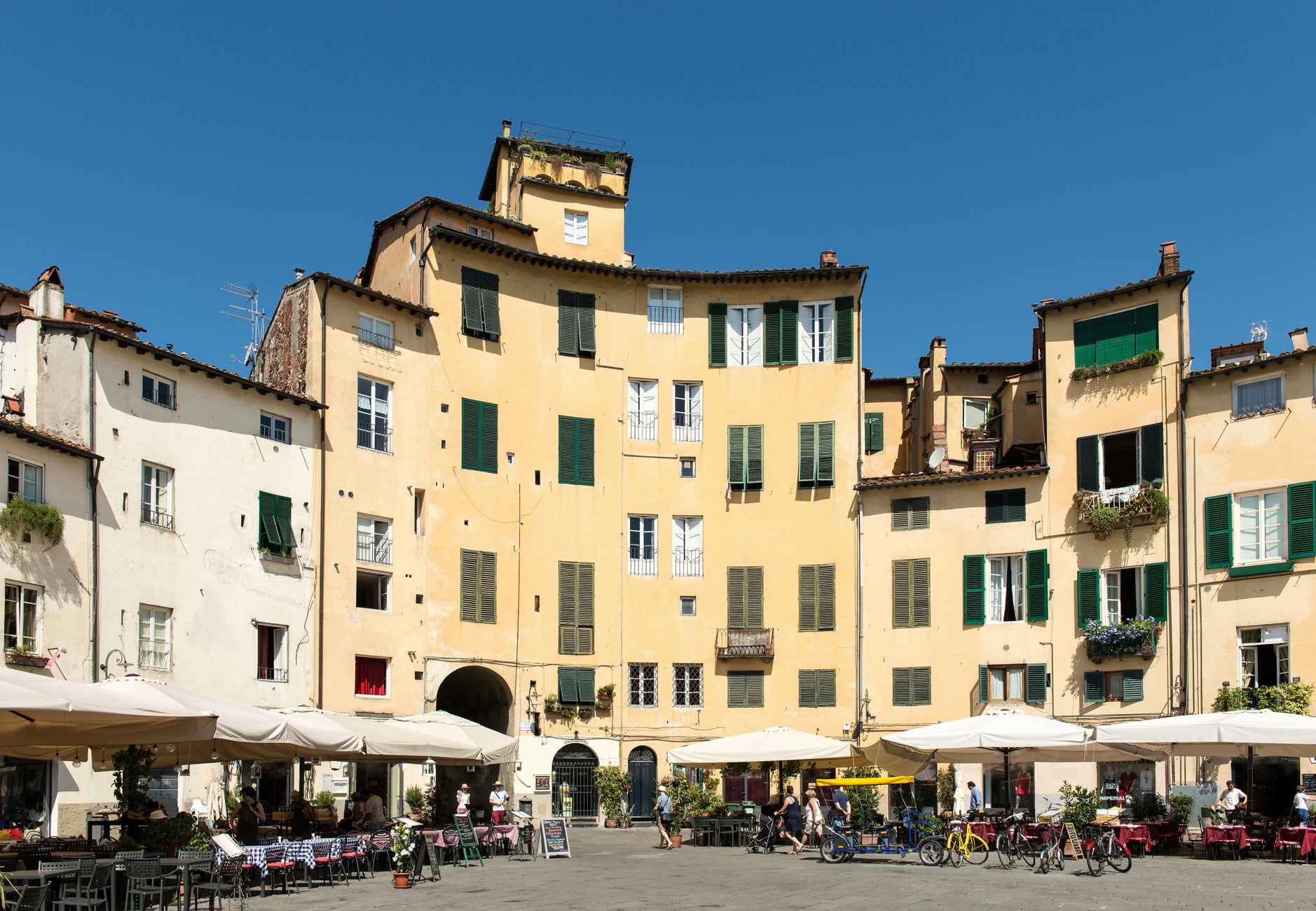
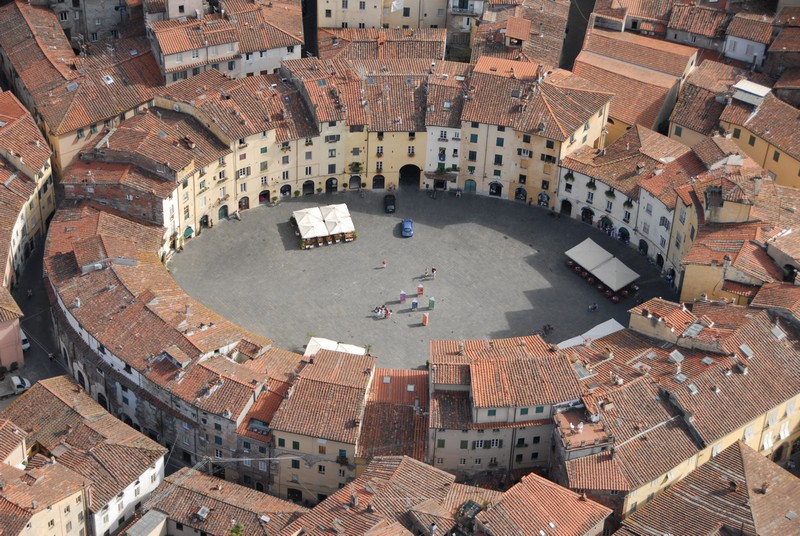
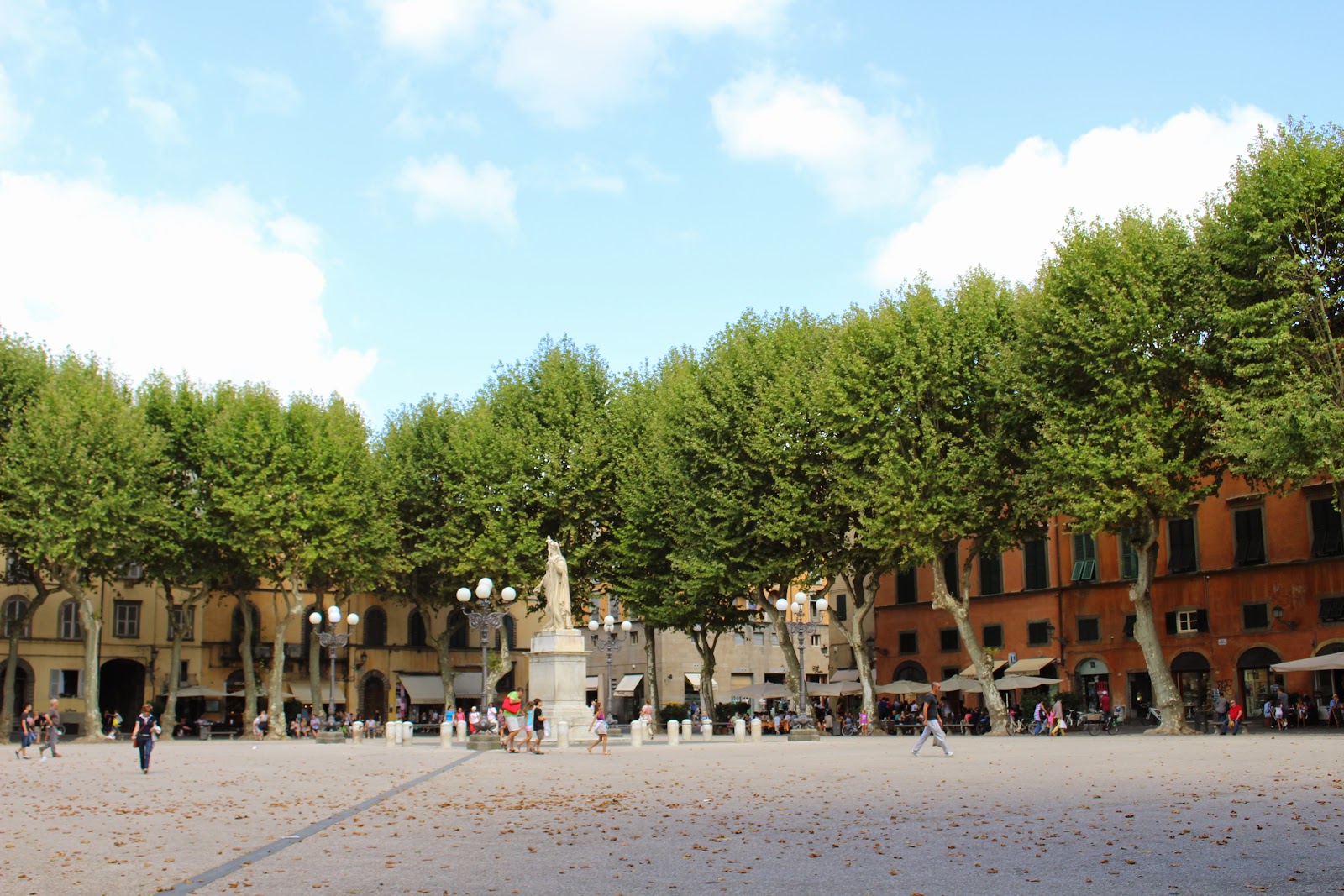
Lucca is a city that stays within its walls — literally. The Renaissance fortifications, begun in 1504 and finished in 1648, run four kilometres around the old centre, twelve metres high and thirty metres wide: wide enough that the top has become a tree-lined promenade where locals cycle in the evening as if it were a park. Inside, the streets follow a Roman grid that has barely shifted in two thousand years, and the elliptical Piazza dell'Anfiteatro traces the exact footprint of a second-century amphitheatre.
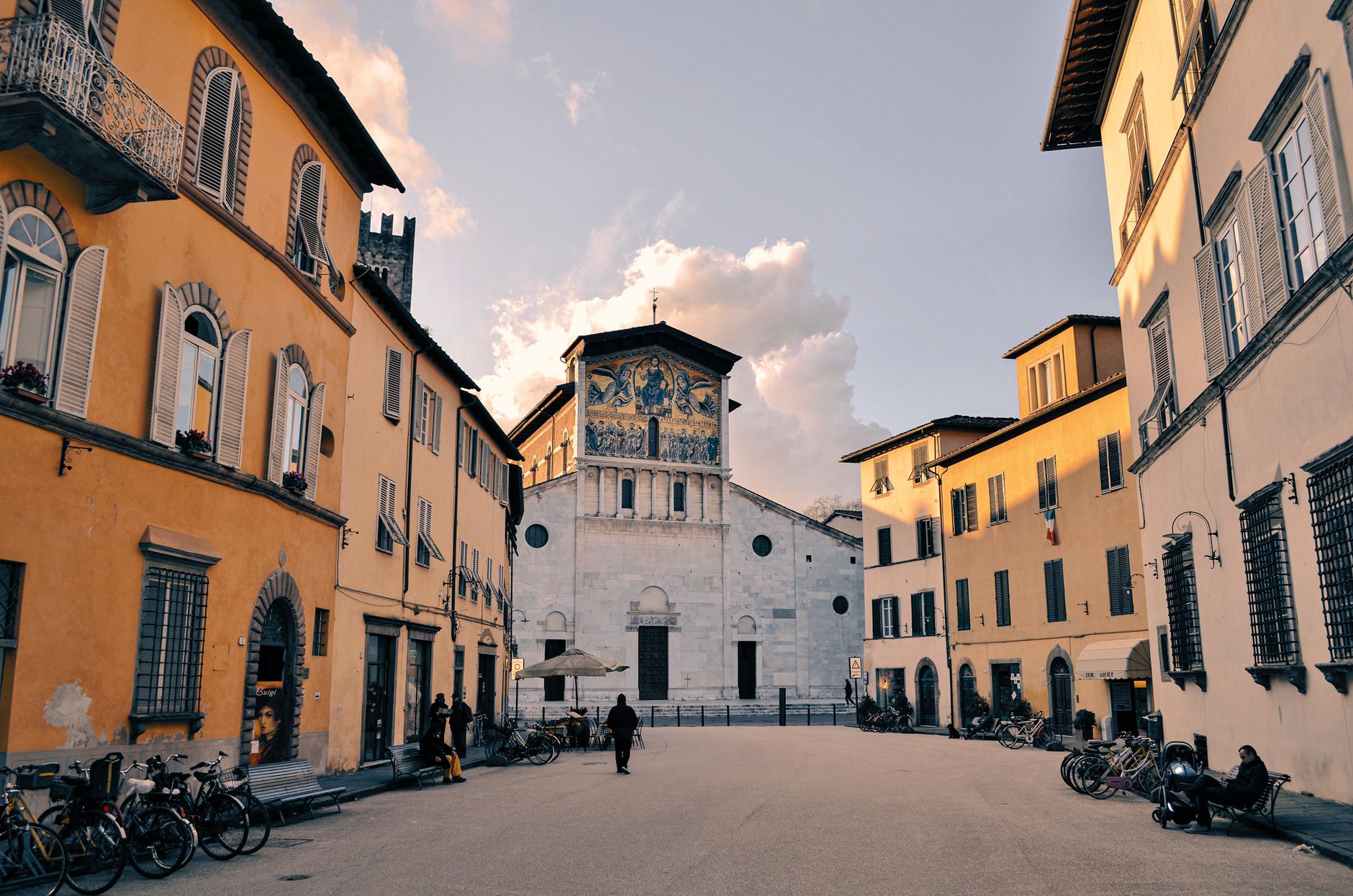
Three composers were born here — Puccini, Boccherini, Catalani — and the apartment where Puccini grew up, on Piazza della Cittadella, still holds the Steinway he used to work on Turandot. The city calls itself the city of a hundred churches, which is only a slight exaggeration.
💛 What travellers fall for
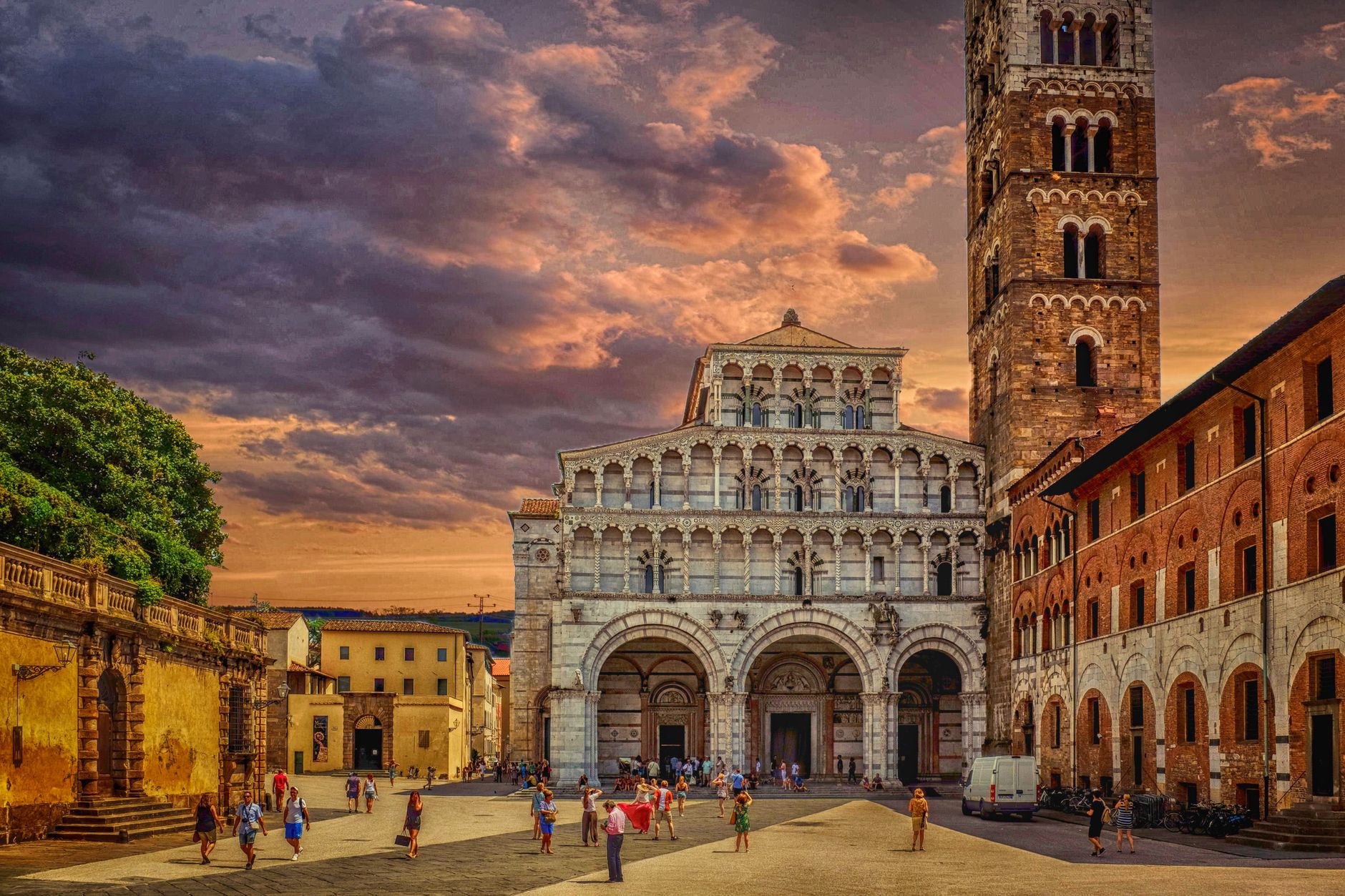
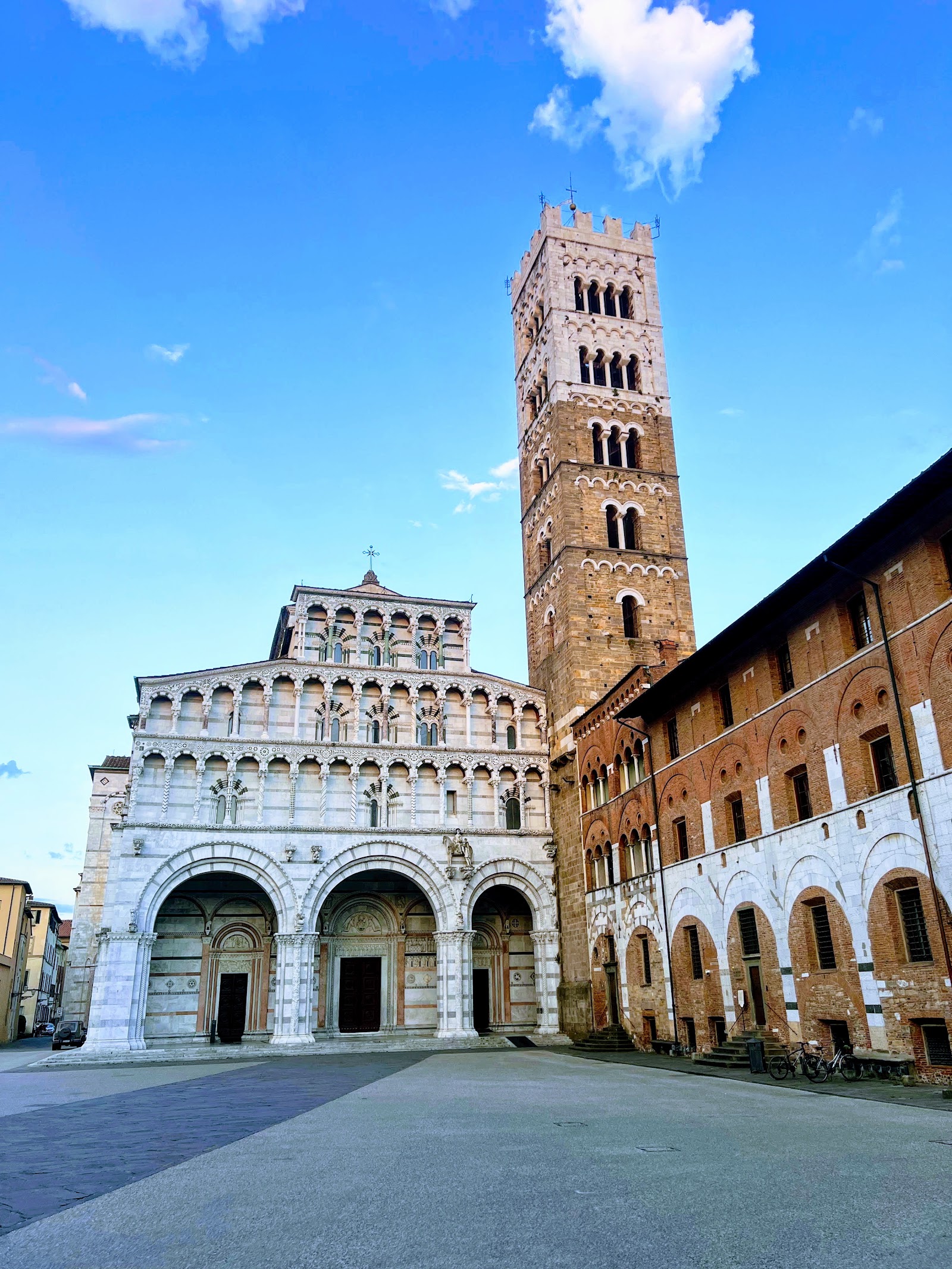
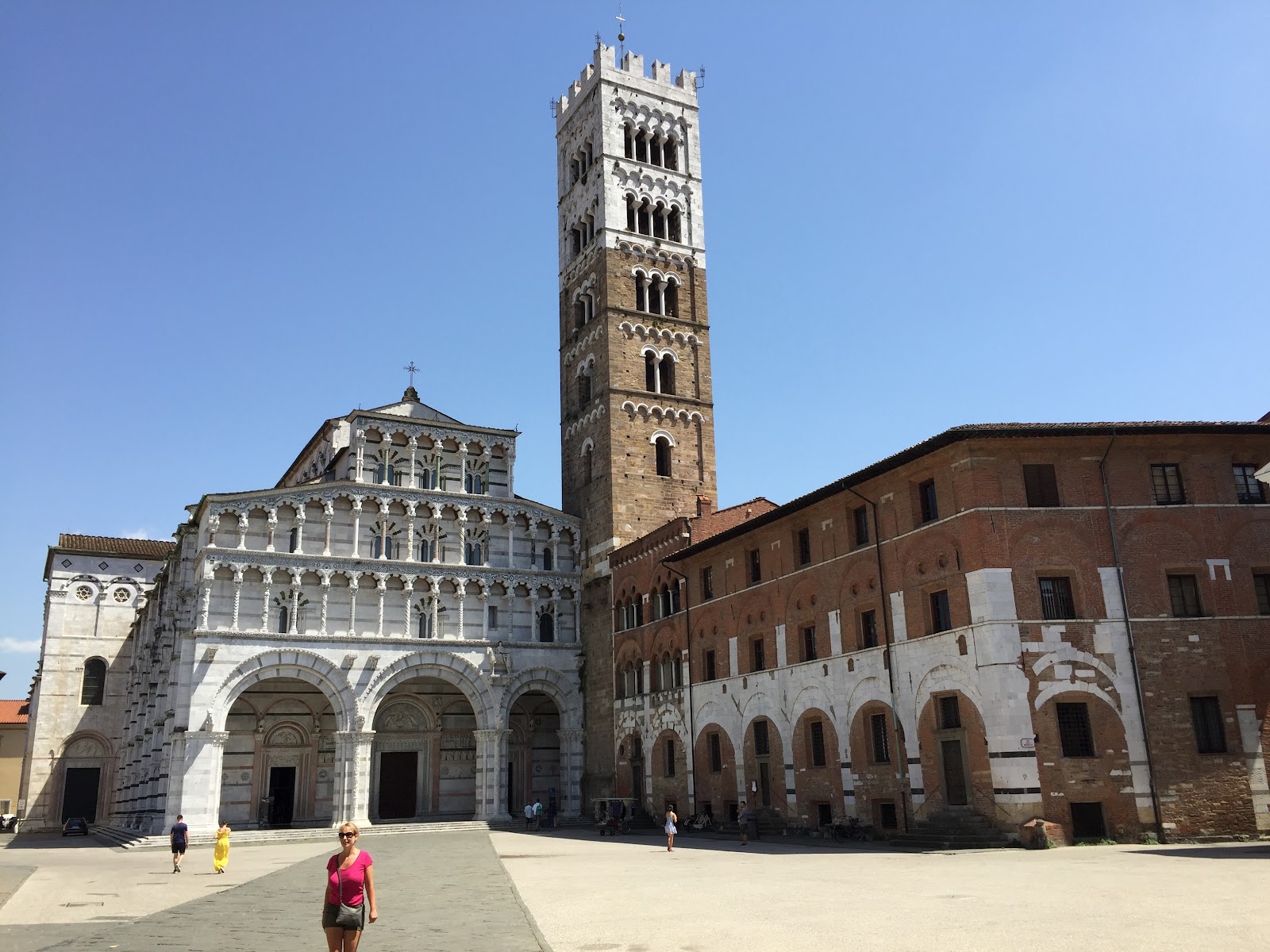
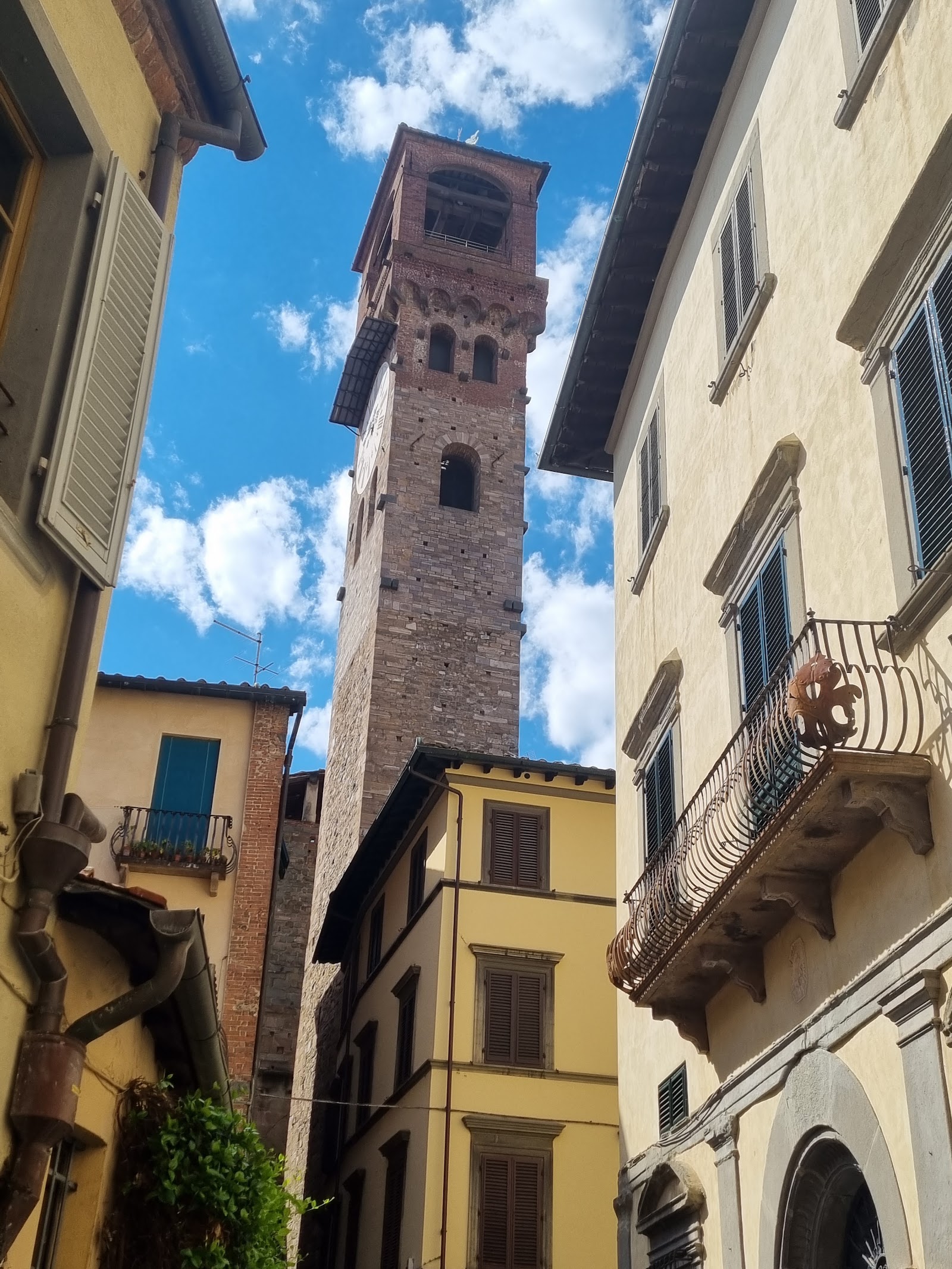
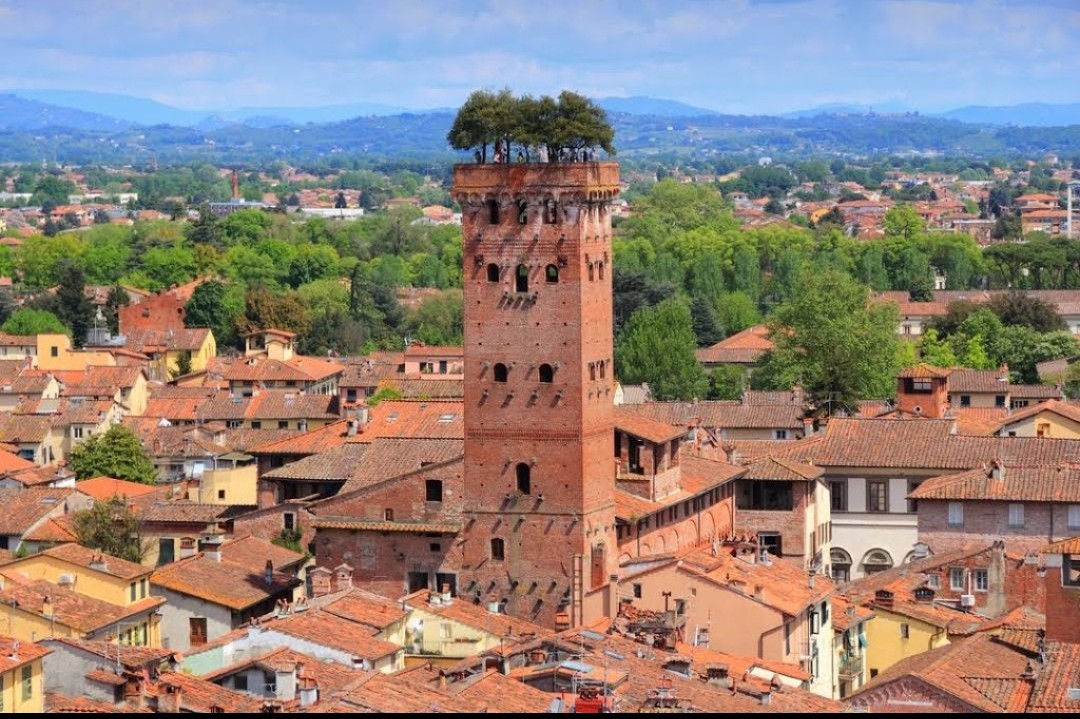
People who come back tend to rent a bike from one of the shops near the walls and do a full circuit before the heat of the day. They also learn to find San Michele in Foro in the late afternoon, when the light hits the stacked arcades of the façade. The Guinigi Tower, with its seven holly oaks growing from the roof, is worth the 232 steps.
Experiences you don't want to miss


Deals in Lucca
Book directly at the provider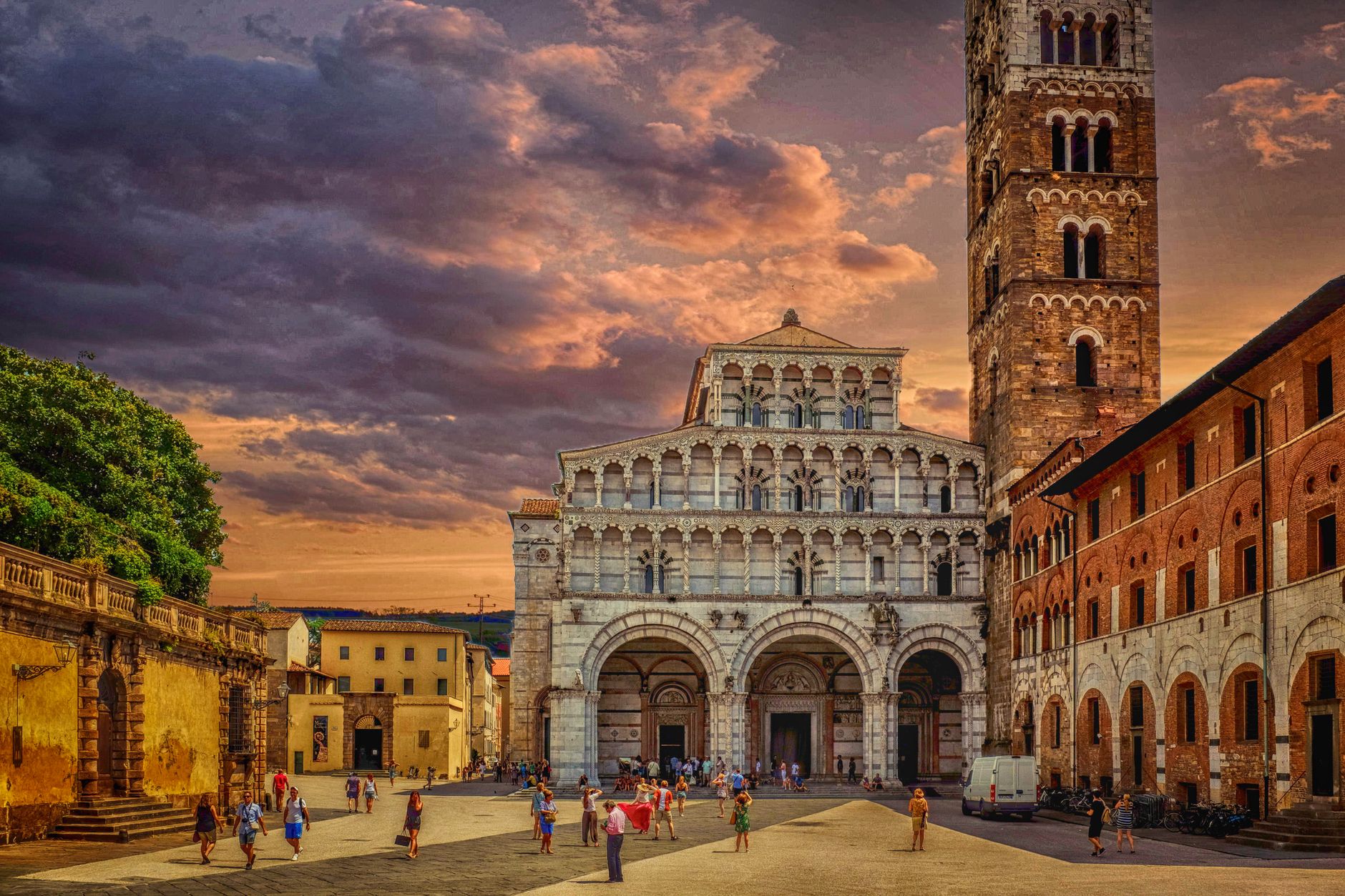

How Lucca came to be
Etruscans settled here first, then Rome made it a colony in 180 BC — the street grid you walk today is largely theirs. The commune declared itself independent in the twelfth century and grew wealthy on silk. After the death of Matilda of Tuscany, Lucca governed itself for centuries with only occasional interruptions, including the short, brutal rule of Castruccio Castracani from 1316 to 1328.
The city held its independence longer than almost anywhere in the region, falling finally to the French in 1799. Napoleon's sister Élisa Baciocchi ran it as a principality from 1805 to 1814. It passed through Spanish hands before being ceded to Tuscany in 1847, and joined unified Italy in 1860.
Who and what shaped it
People who shaped it
Landmark buildings
See Lucca in motion
Plan your visit
On the map
When to go
Summers are warm and sunny, often hitting the mid-thirties in July and August — the walls walk is best done early morning in those months. Spring and autumn bring mild temperatures and far fewer visitors; winters are cool and damp but rarely severe.
Right now
↡ Attractions



Background & history adapted from Wikipedia (CC BY-SA) · specs from Wikidata (CC0) · weather from Open-Meteo · map data © OpenStreetMap contributors · photos from Wikimedia Commons / Unsplash with per-image credit. No third-party reviews or social posts reproduced.