
Arezzo
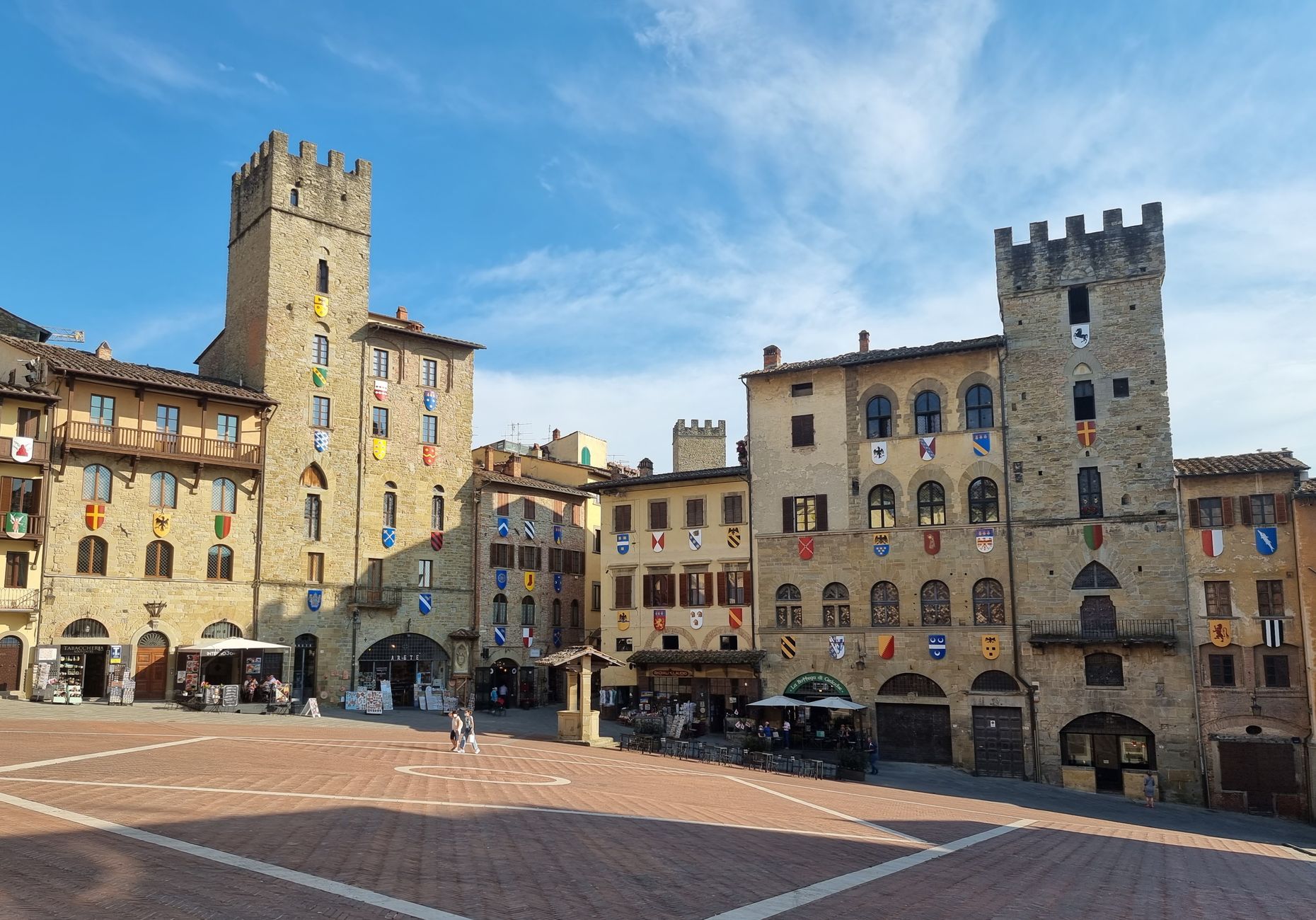
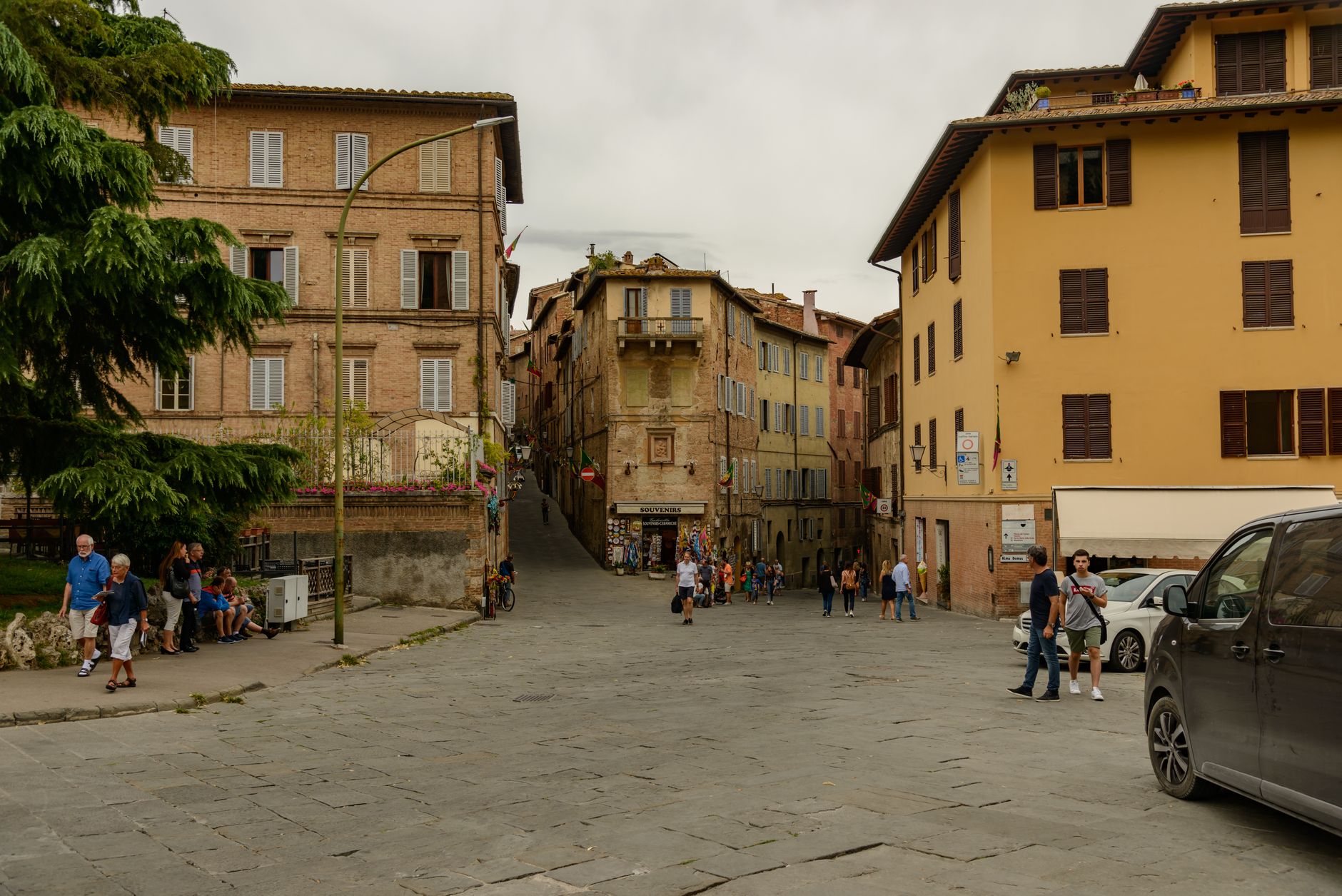
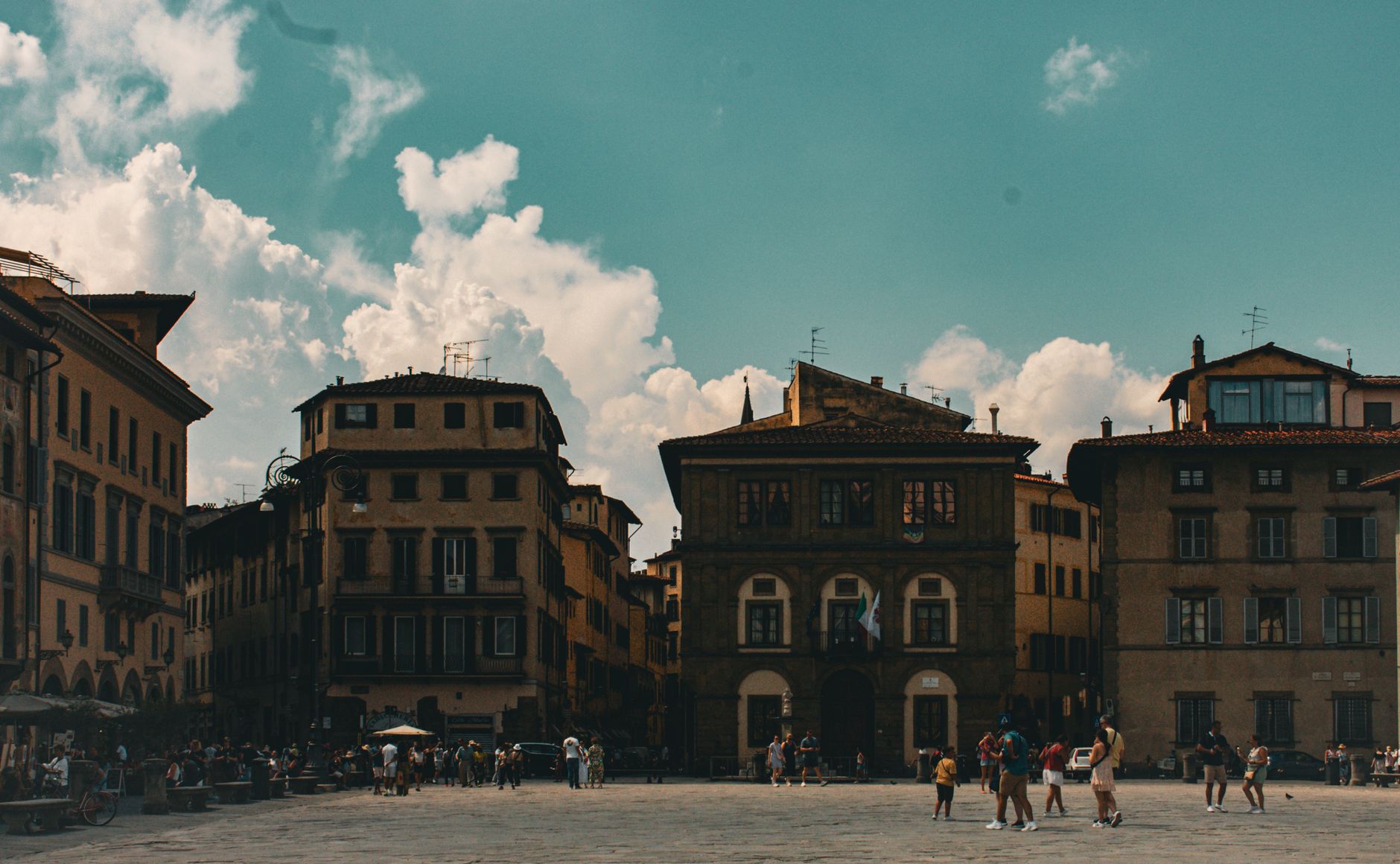
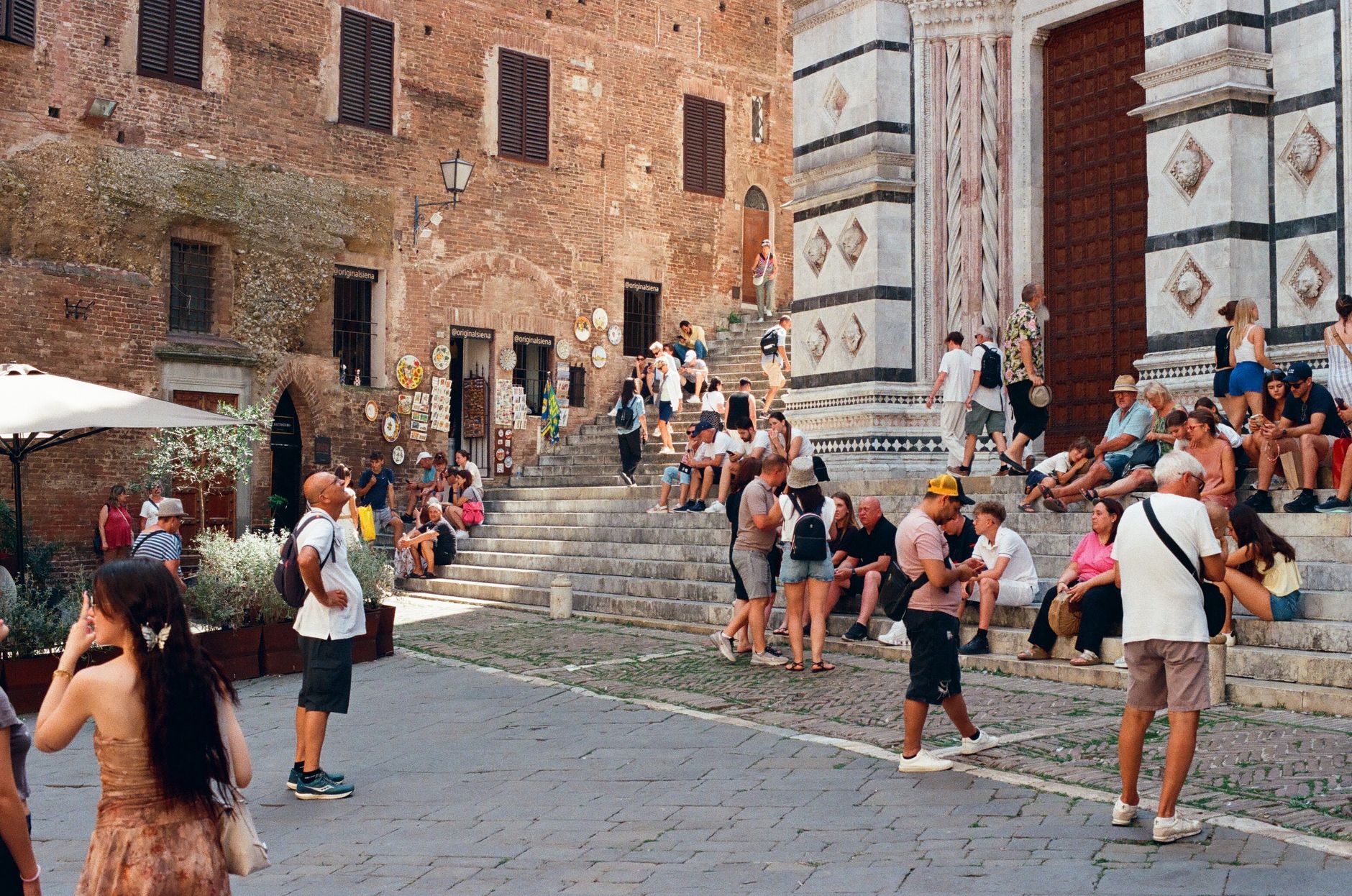
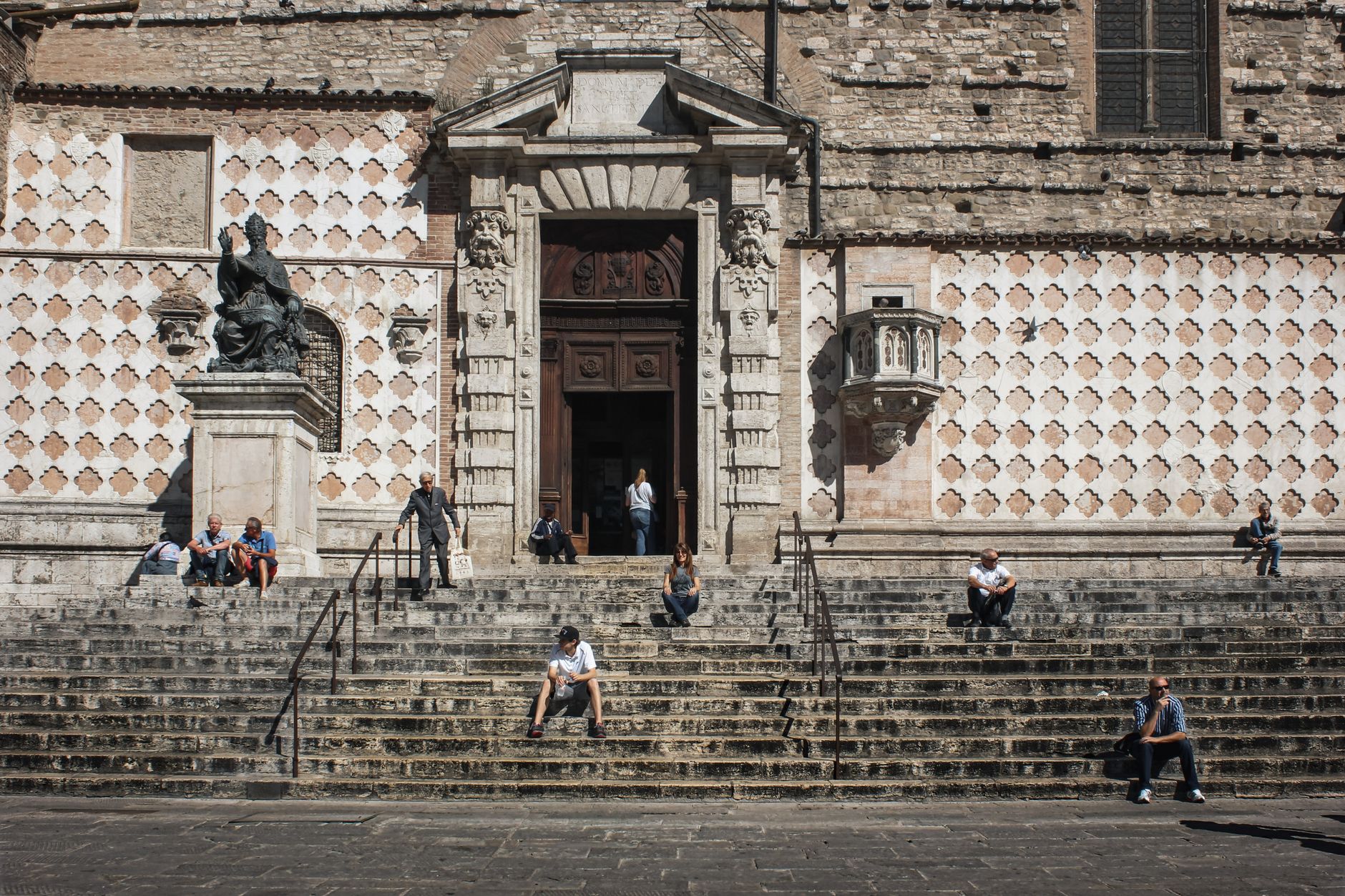
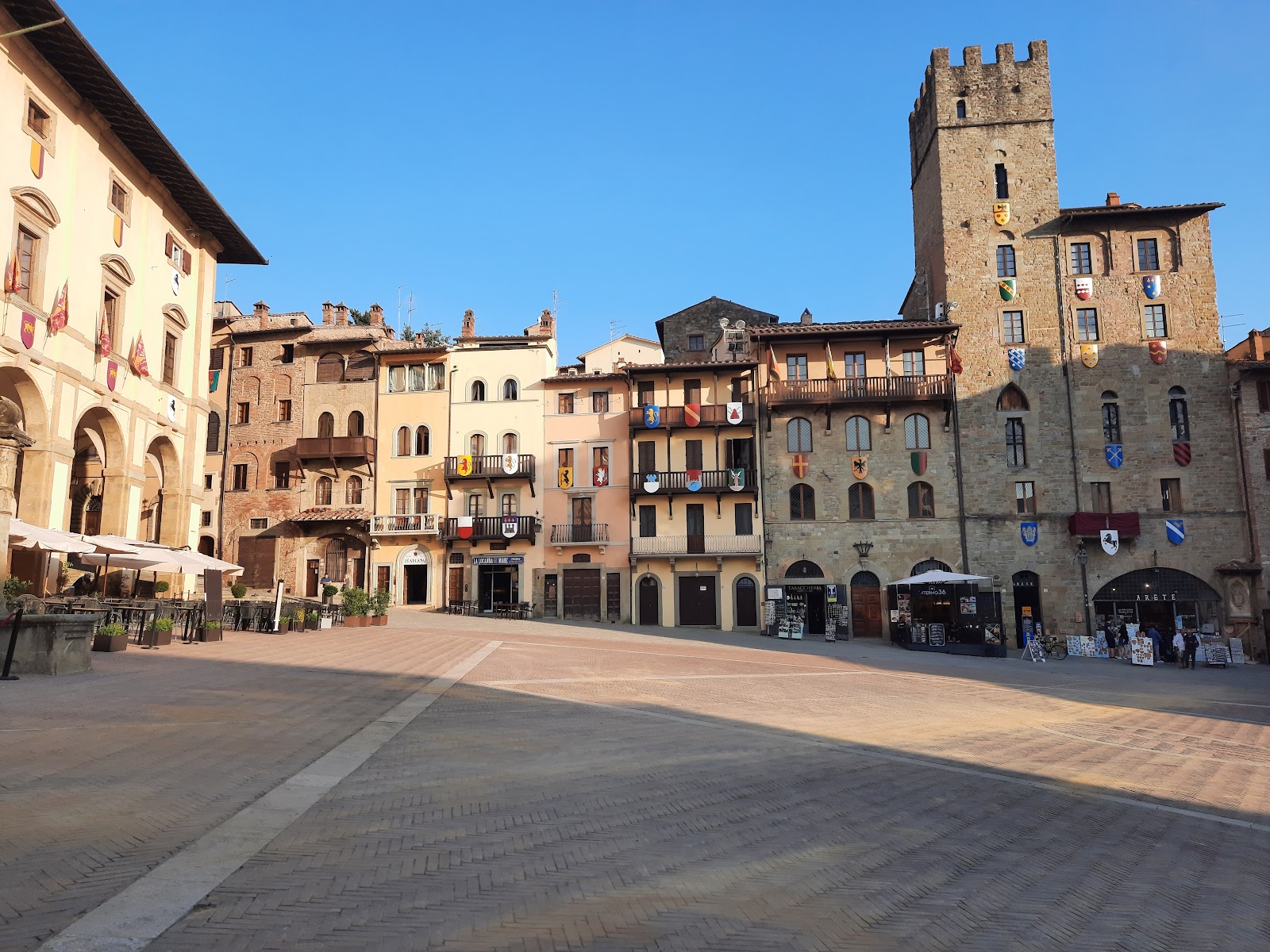
Arezzo has a habit of stopping people mid-stride. You might come for Piero della Francesca's frescoes in the Basilica of San Francesco — painted between 1453 and 1459, they are among the most quietly commanding images in Italian art — and find yourself an hour later standing on the tilted trapezoid of Piazza Grande, watching the city go about its Tuesday. The square drops nearly ten metres from one end to the other, which gives it a theatrical lean that no photograph quite captures.
This is a city that has been consequential for a very long time. Etruscans, Romans, medieval communes, Florentine overlords — each left something you can still touch. It earns its attention without asking for it.
💛 What travellers fall for
People who come back tend to time a visit around the first weekend of the month, when the Fiera Antiquaria fills Piazza Grande with antiques dealers from across the region — old maps, silverware, furniture hauled from country houses. The Giostra del Saracino, a jousting tournament held twice yearly, draws the whole city into its quartieri rivalries in a way that feels nothing like a performance.
Experiences you don't want to miss



Deals in Arezzo
Book directly at the provider
How Arezzo came to be
The Etruscans knew this place as Aritim and counted it among the twelve cities of Etruria. Rome absorbed it in 311 BC, and by the time of Augustus, Arezzo ranked as Italy's third-largest city, its workshops turning out Arretine ware — red-gloss pottery exported across the empire. The name alone carried commercial weight.
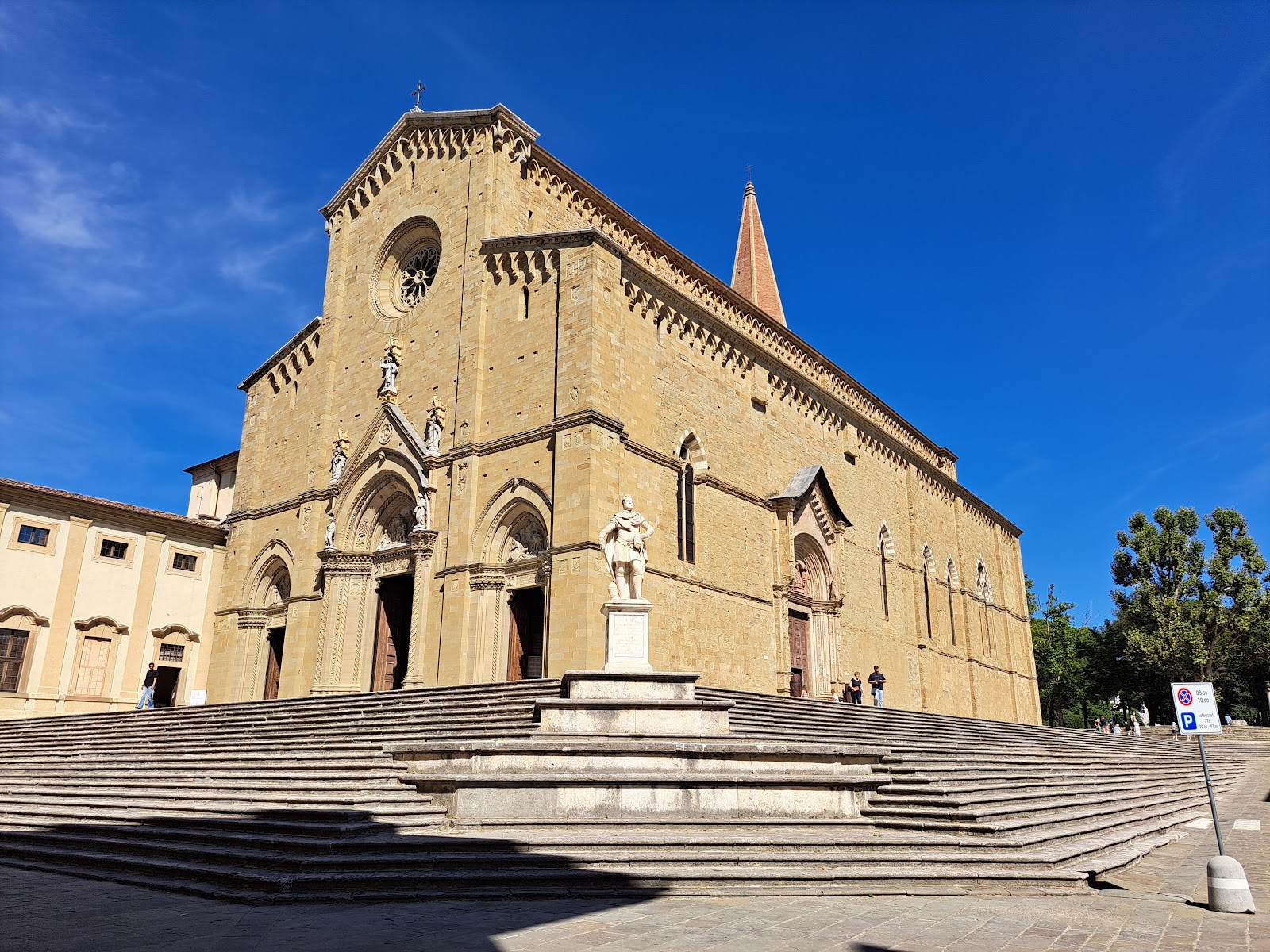
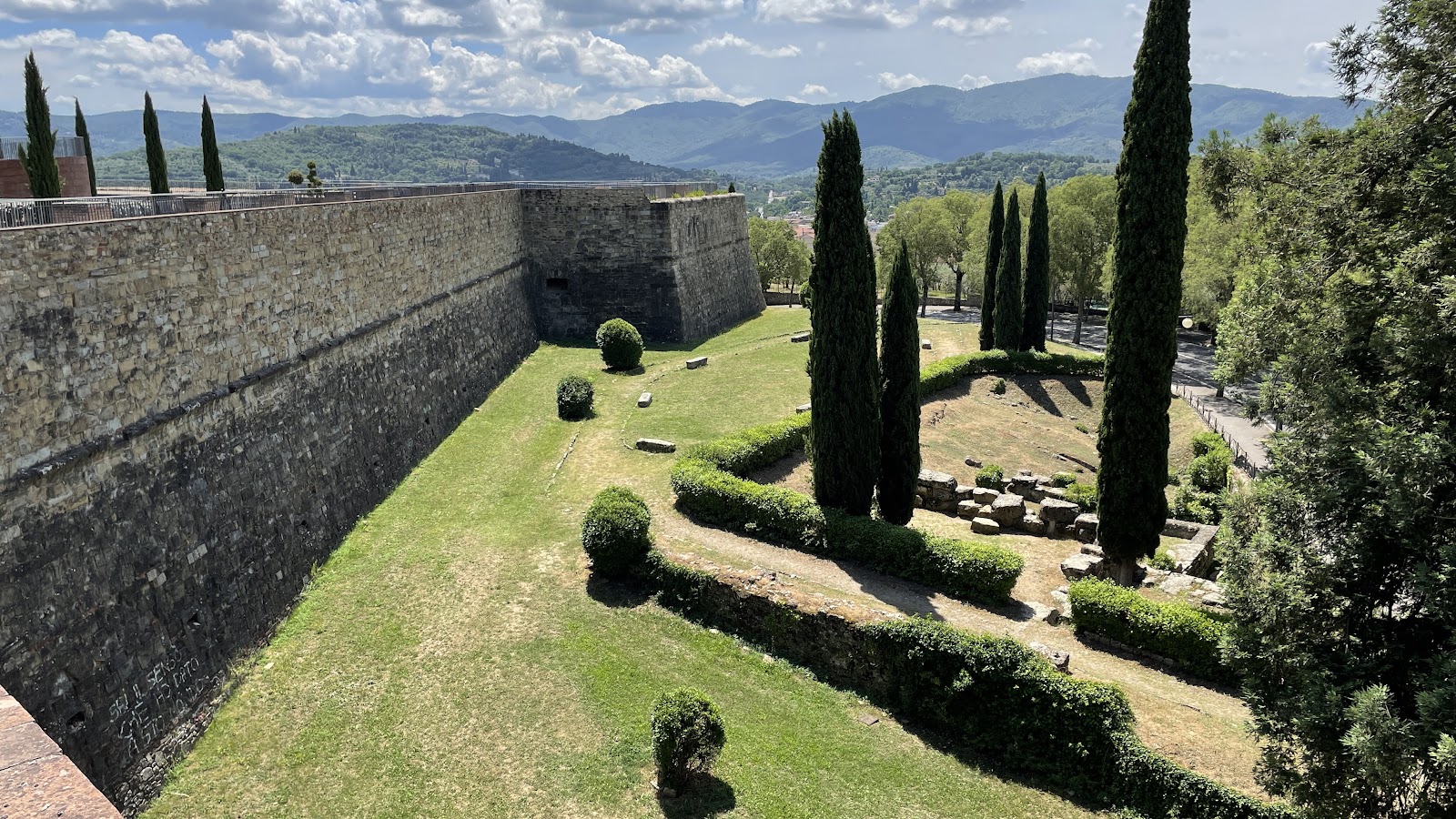
In the medieval period the city threw off its bishop's authority in 1098 and ran itself as a commune for nearly three centuries. It held out as a Ghibelline stronghold long after others fell, until Florence defeated the Ghibellines at Campaldino in 1289 and Arezzo formally yielded in 1384. Florentine rule shaped the city's architecture and patronage networks for generations — Giorgio Vasari, born here in 1511, eventually worked within the court of Cosimo I de' Medici.
Who and what shaped it
People who shaped it
Landmark buildings
See Arezzo in motion
Plan your visit
On the map
When to go
Spring (April–May) and early autumn (September–October) give you mild temperatures and manageable crowds — September also brings the daytime Giostra del Saracino. Summers are warm and dry, occasionally sharp in July and August; winters are cool and quiet, with the city largely to yourself.
Right now
↡ Attractions

Background & history adapted from Wikipedia (CC BY-SA) · specs from Wikidata (CC0) · weather from Open-Meteo · map data © OpenStreetMap contributors · photos from Wikimedia Commons / Unsplash with per-image credit. No third-party reviews or social posts reproduced.