
Casa Museo di Ivan Bruschi
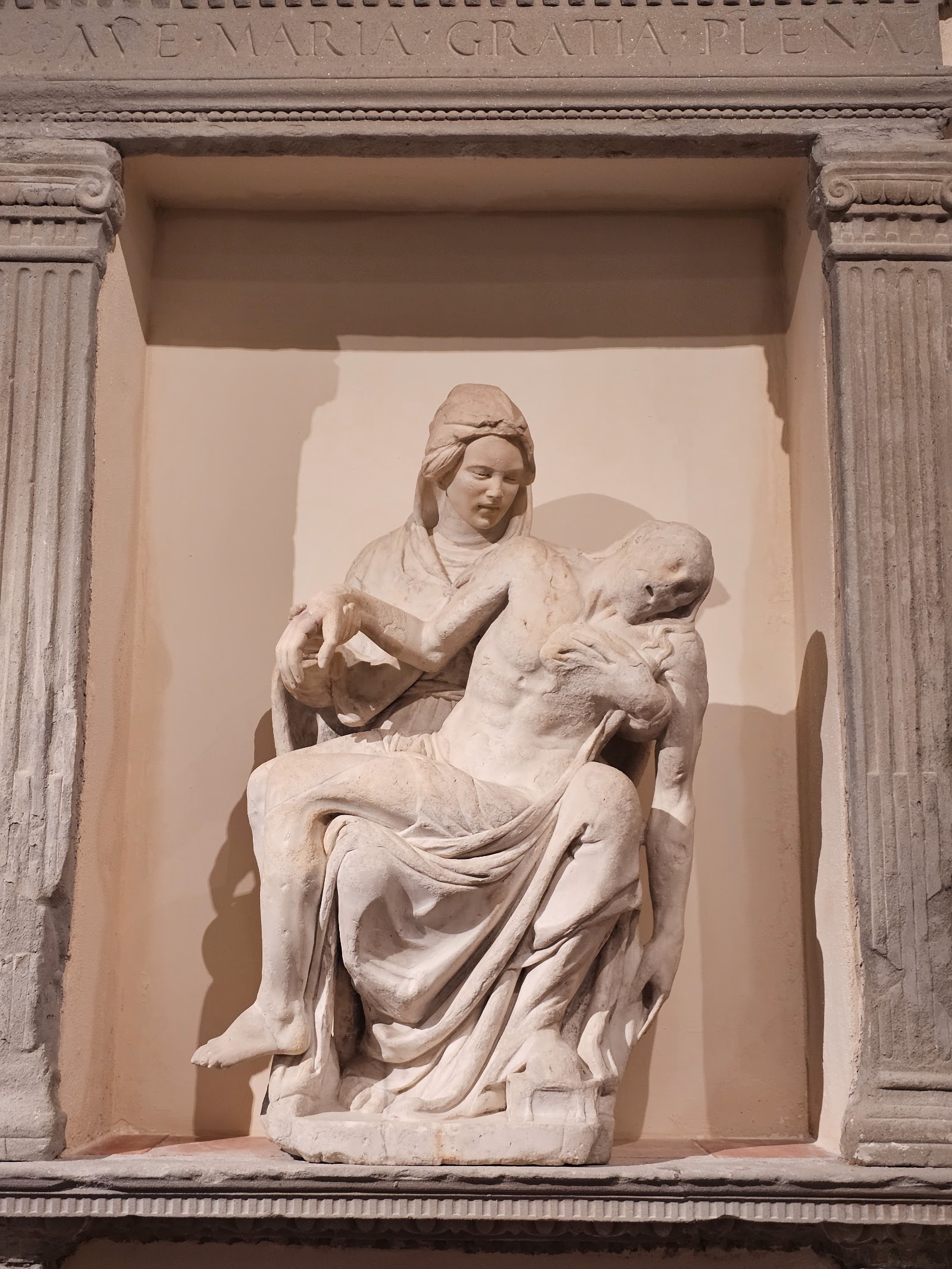
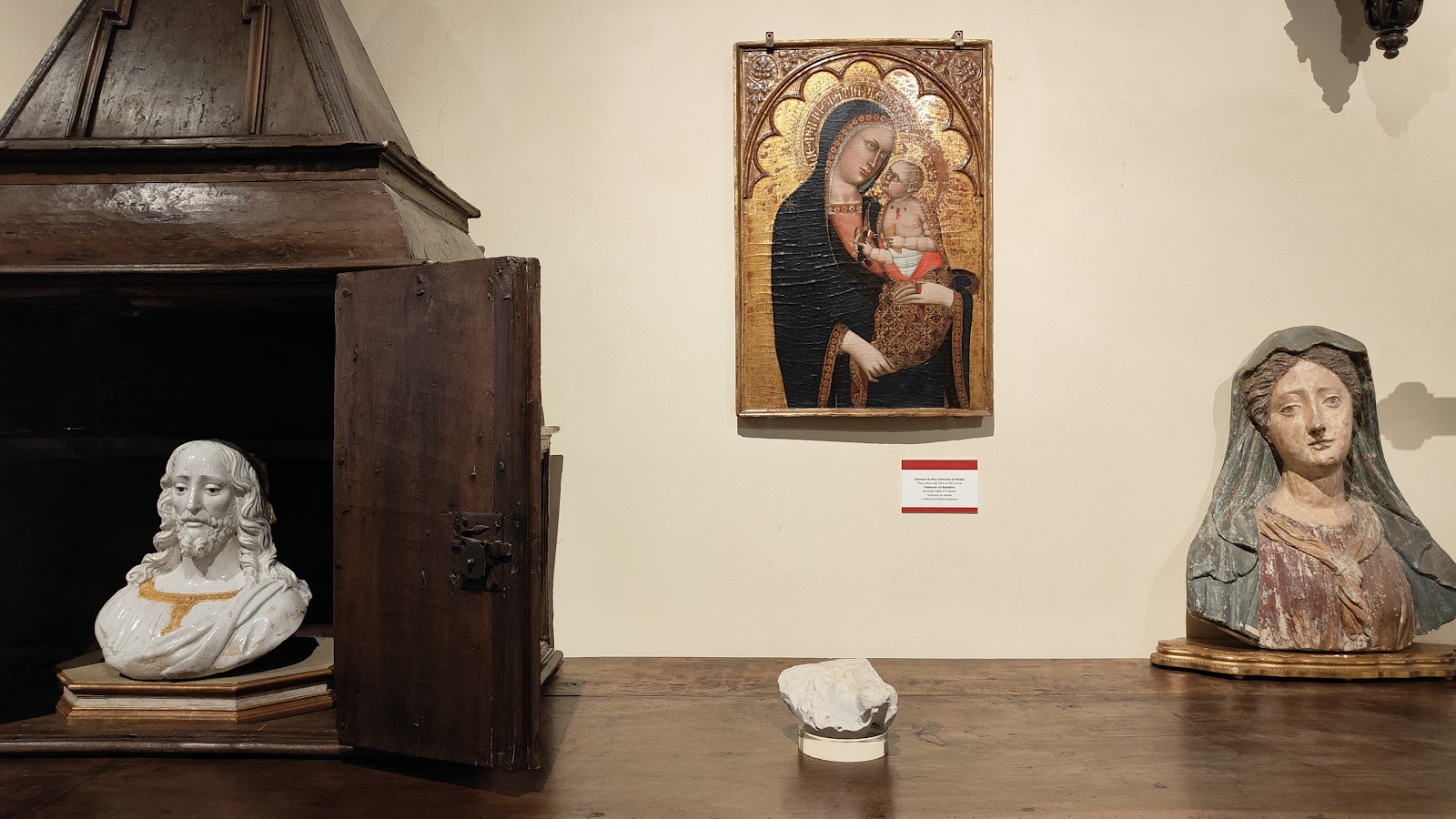
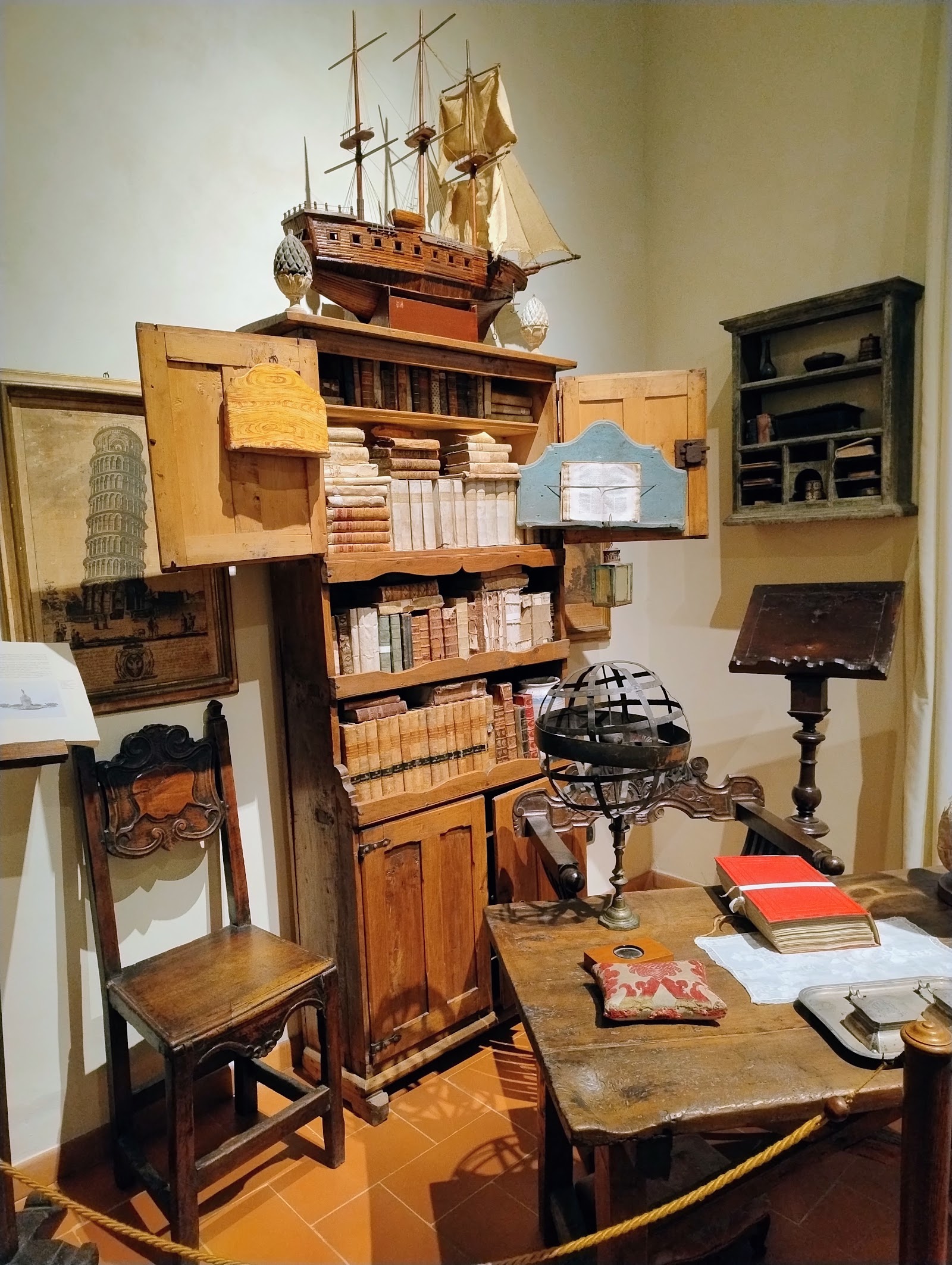
On Corso Italia, behind a facade still bearing the seam where wartime bombing was patched back together, ten thousand objects wait in sixteen rooms across two buildings and four floors. This was Ivan Bruschi's house, and it shows — not in the way of a curated period interior, but in the way of a life spent looking. Etruscan bronzes sit near Della Robbia glazed terracottas, Greek sherds near Renaissance jewelry, coins near weapons near books.
Bruschi was an antiques dealer who founded Arezzo's famous monthly fair in 1968, and his eye was broad rather than specialist. The collection he left behind, opened to the public in 2002, rewards the same kind of wandering attention he must have brought to it himself.
💛 What travellers fall for
People who come back tend to mention the rooftop terrace — it frames the apse of Santa Maria della Pieve in a way you won't find from street level. They also flag the audio guide as genuinely useful here, since labeling on individual objects can be sparse. Go on a weekday to move through the rooms at your own pace.
The story behind Casa Museo di Ivan Bruschi
The building itself predates Bruschi by seven centuries. Constructed in the 13th century and known as the Palazzo del Capitano del Popolo — or Palazzo della Zecca — it passed from the Camaiani family in the 1300s to the city government in the 1400s, serving at various points as a mint for Arezzo's Guelph faction and possibly as a seat of the Captain of Justice. Half of the structure and the square in front were bombed in World War II; the repair is still legible on the facade.
Bruschi, born in Castiglion Fibocchi in 1920, encountered the art critic Roberto Longhi during his university years, opened an antiques shop in Arezzo in 1958, and began acquiring entire collections in the 1960s. After his death in December 1996, the Fondazione Bruschi was established; the Scuola Normale Superiore di Pisa spent four years cataloguing the holdings before the exhibition opened in 2002.
Good to know
Open Wednesday to Sunday, 10am–6pm (closed Mondays and December 25). Admission is €5, €3 reduced, free under 18. Arezzo is under 40 minutes from Florence by fast train; the museum is about a kilometre uphill from the station on Corso Italia.
Where is Casa Museo di Ivan Bruschi?
More tickets & tours for Casa Museo di Ivan Bruschi
Book directly at the provider
What travellers say about Casa Museo di Ivan Bruschi
🥰🥰🥰🥰⭐⭐⭐⭐⭐🤌 I enjoyed visiting this museum. It reminded me Khanenko Museum in Kyiv. I miss...
Their website says reduce for icom members. Woman at the front refused entry. Liar
Located in a historic building in Arezzo, it displays a vast art collection, from ancient Roman artifacts to paintings, books, statues, and sacred objects, in period settings. The view of the Church of the Madonna della Pieve from the terrace is splendid. We visited for free on the first Sunday of the month, but it's worth a more in-depth visit; we'll be back.
This house museum is worth a visit for the quantity and variety of exhibits on display. There are particularly interesting, and even curious, archaeological and historical pieces, furnishings, everyday objects, books, maps, animals, and art pieces. The tour ends on the house's rooftop, offering a beautiful view of the city. A good visit can take one to two hours. The only thing missing is a few chairs for resting in the rooms.
The Ivan Bruschi House Museum, opposite the Romanesque parish church of Santa Maria in Arezzo, was born from the eclecticism and taste of the great antiques dealer whose name it bears. Founded in the 1960s, the collection comprises approximately 8,000 pieces, including archaeological finds, sculptures, paintings by artists such as Tintoretto and Guido Reni, furniture, armor, textiles, jewelry, and art objects from various eras and cultures. Spread across three floors and sixteen rooms of the 14th-century building, the exhibition showcases the value of the collector's countless treasures. The tour includes a charming library and a panoramic terrace overlooking the parish church. At the time of my visit, a small, highly evocative exhibition on the "Tournaments of Tuscany" was available. It is certainly worth a visit.
More of Arezzo
Discover where to stay, what to do and the best deals for your trip.
Explore Arezzo →More attractions in Arezzo
All of Arezzo →
Background adapted from Wikipedia (CC BY-SA) · map data © OpenStreetMap contributors · ratings & place photos via Google · other photos with per-image credit. Ticket links may earn us a commission at no extra cost to you.