
Basilica di San Francesco
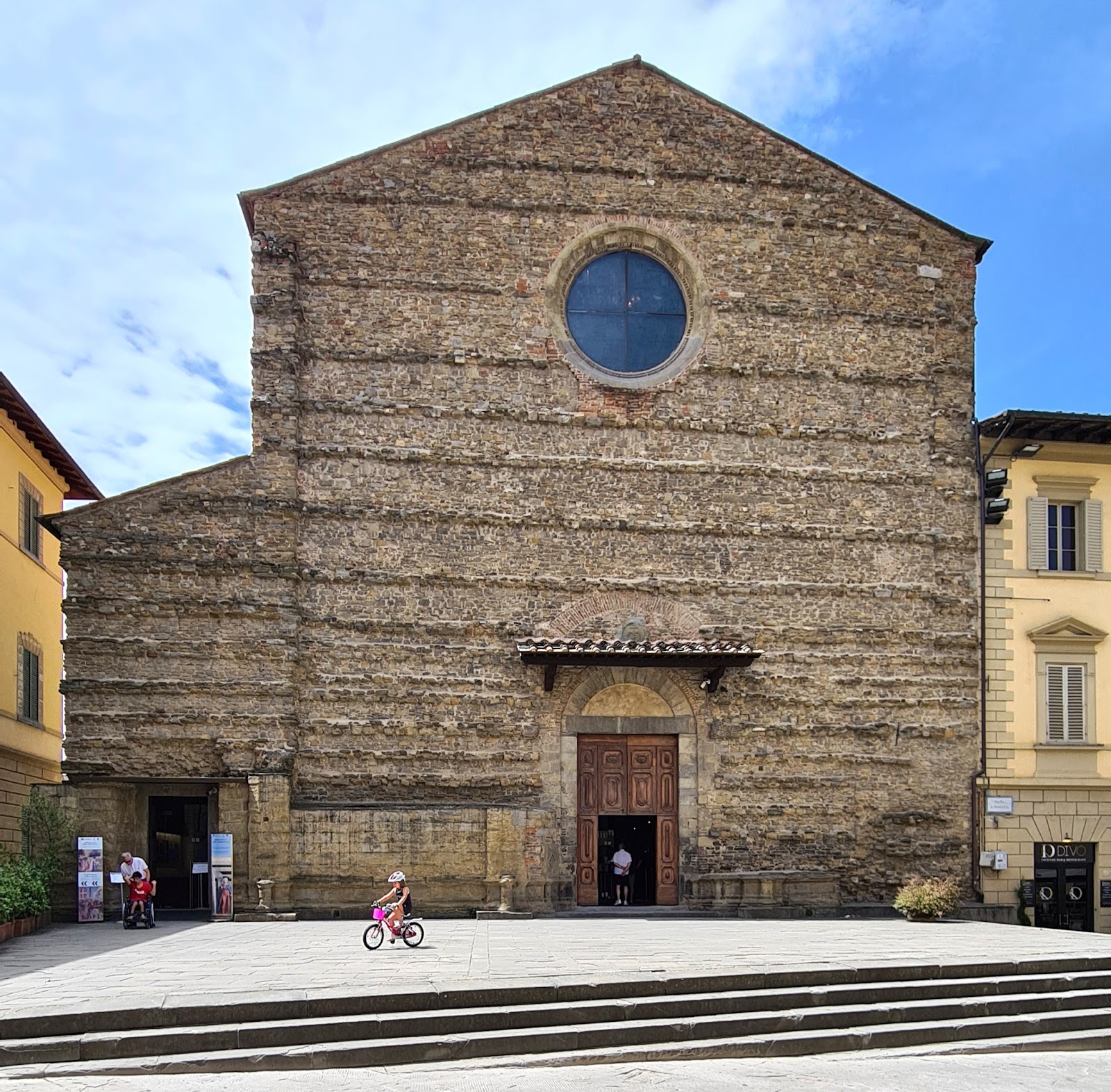
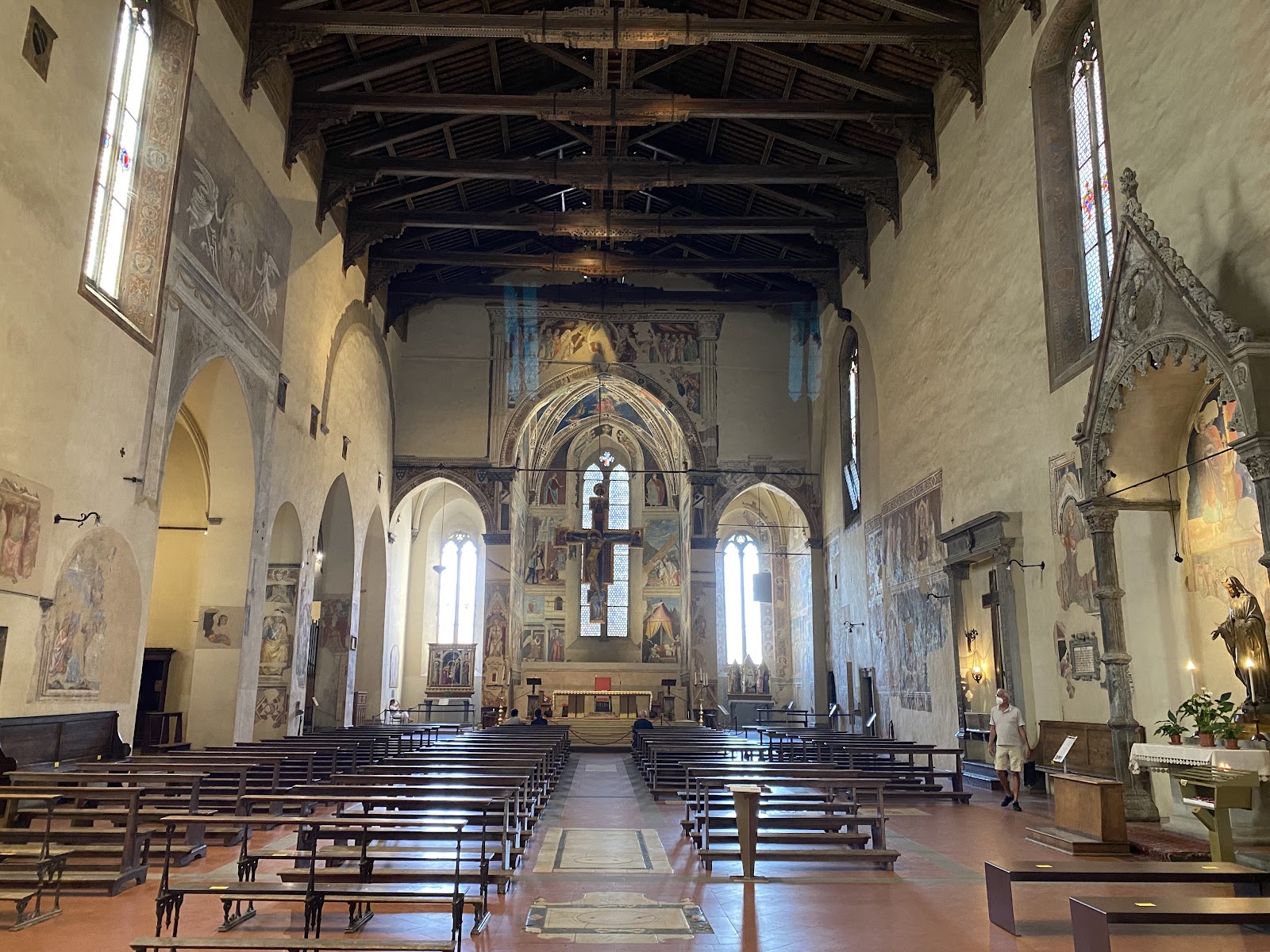
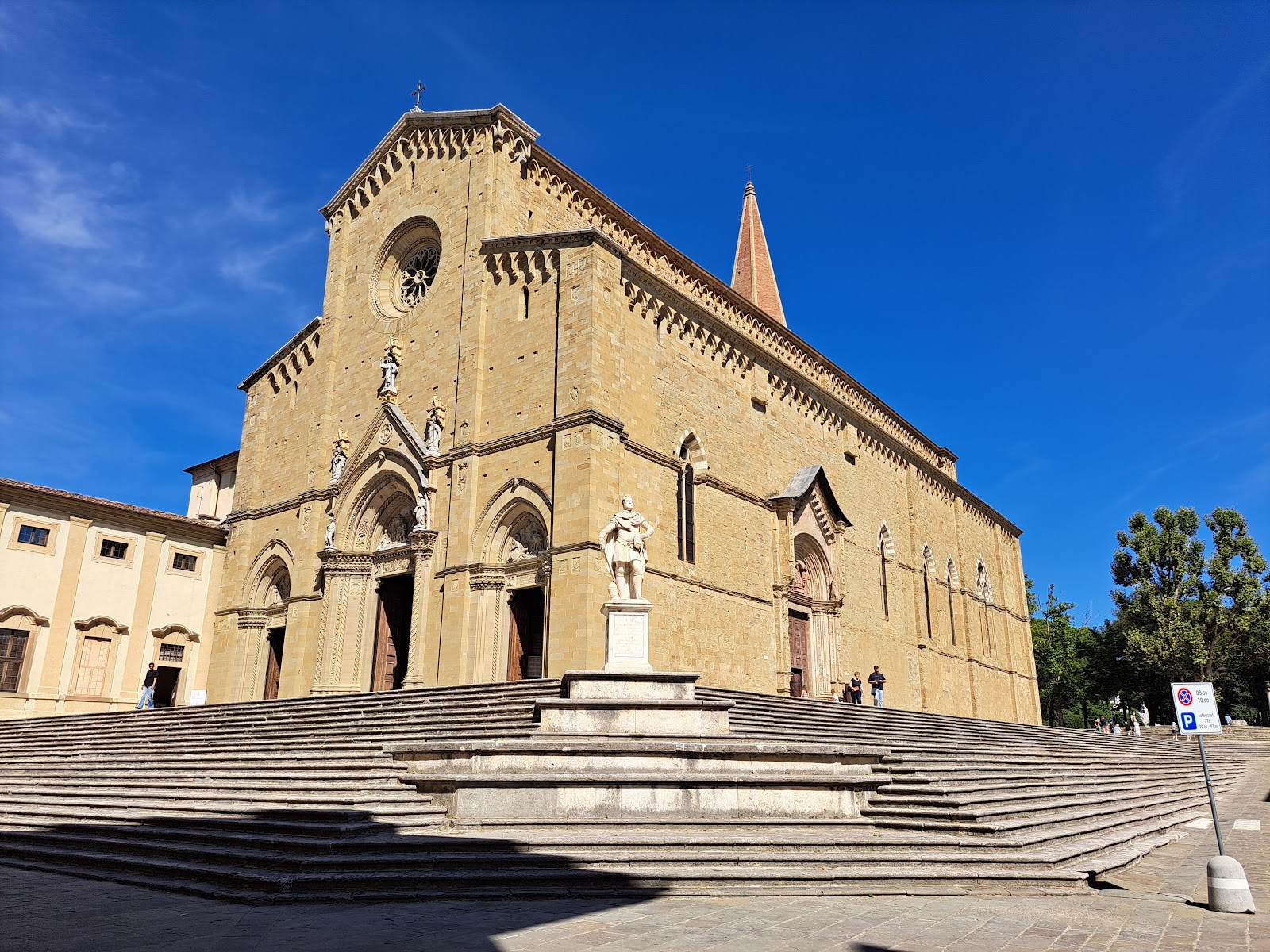
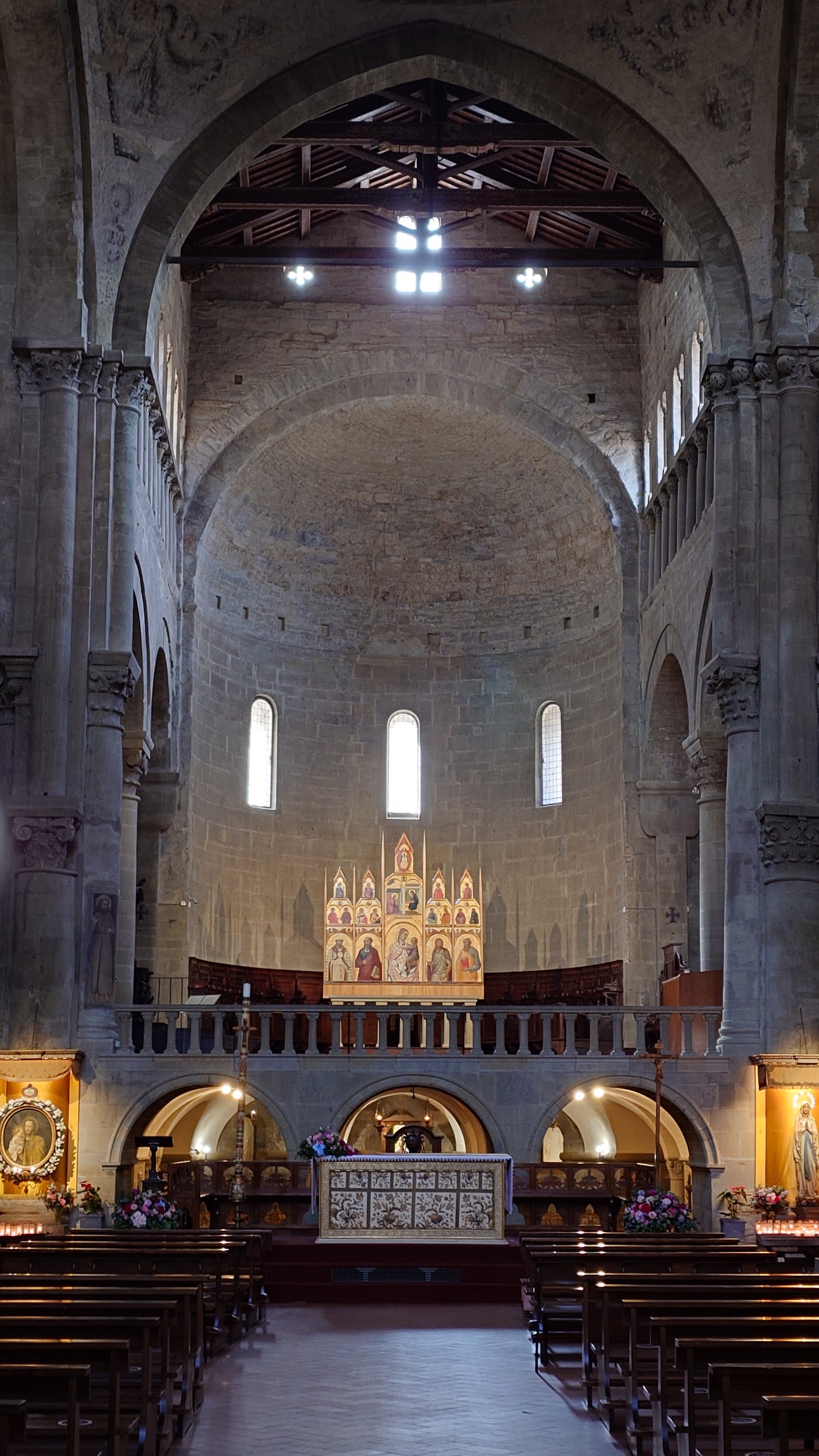
The brick walls of San Francesco have darkened to a deep terracotta over seven centuries, and the facade stops abruptly in travertine at the plinth — the point where a pious woman's bequest ran out in the Middle Ages. Inside, the restraint continues: a wide single nave with almost nothing to distract you from what's at the far end.
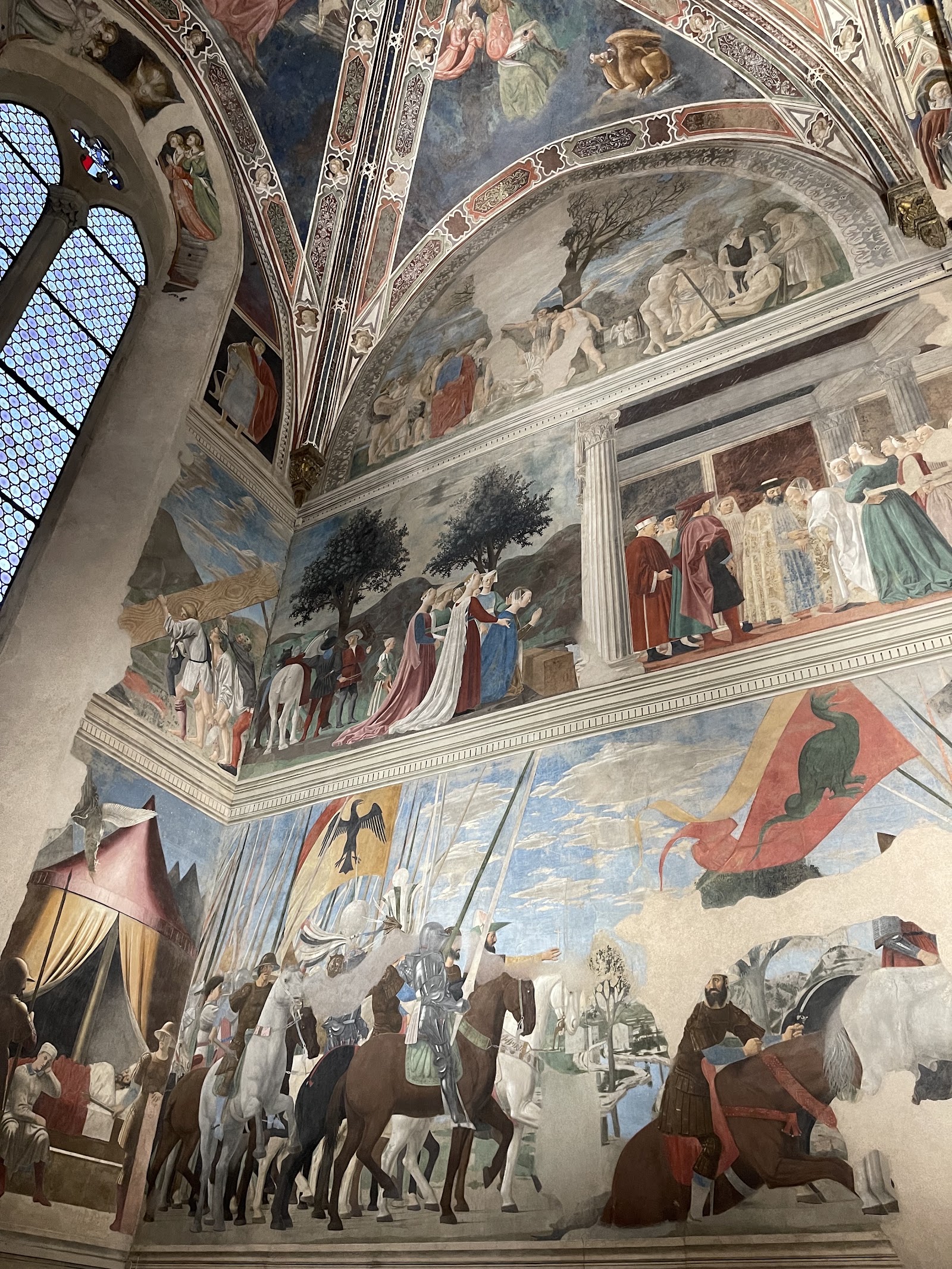
That far end is the Bacci Chapel, where Piero della Francesca spent roughly fourteen years painting the Legend of the True Cross across fifteen scenes. The frescoes, completed in 1466, are among the most studied works of the Italian Renaissance, and standing inside the chapel for your allotted thirty minutes, you understand why people come back to Arezzo specifically for this.
💛 What travellers fall for
People who return tend to book the chapel slot for the first entry of the day, before tour groups arrive. The 10:30 pause for religious service catches some visitors off guard — worth knowing so you can plan around it. The cloister well, commissioned by Ferdinando dei Medici in 1590 and still called La Bufala, is easy to walk past without noticing.
The story behind Basilica di San Francesco
Franciscan friars first settled near Arezzo between 1211 and 1217, moving to Poggio del Sole — then still outside the city walls — by 1232. In 1290, the municipality invited them inside the walls, and a donated house and plot of land gave Fra' Giovanni da Pistoia enough to work with. Construction ran until the 1370s.
The Bacci family, wool merchants of some weight in the city, shaped what the basilica became artistically. In 1447, Bicci di Lorenzo began a fresco cycle in the Cappella Maggiore, painting the evangelists and a Universal Judgment. He died before finishing, and in 1452 Piero della Francesca was called in. He worked on the Legend of the True Cross until 1466. On the altar, a crucifix attributed to Duccio di Boninsegna probably dates to 1289.
Good to know
Chapel access is timed, ticketed separately, and capped at thirty people — book ahead or arrive early on the first Sunday of the month for free admission. Last entry is thirty minutes before closing. Allow at least two hours if you're serious about the frescoes. Shoulders and knees must be covered.
Where is Basilica di San Francesco?
More tickets & tours for Basilica di San Francesco
Book directly at the provider
What travellers say about Basilica di San Francesco
We paid to see the frescoes but you can pretty much see them from the church with no need to pay unless you want to get up closer.
Large and interesting basilica. Most visitors immediately head for the frescos behind the large hanging cross at the pulpit. Be sure to look to the left just as you pass the ticket booth. There is a beautiful chapel serving as a war memorial to Italian casualties.
For most people the attraction of the Basilica di San Francesco boils down to one things: the fresco by Piero della Francesca. And to be fair it is an astonishing piece of work even if it does give you neck ache. His rendering of the History of the True Cross is vivid and alive in a remarkable way. Still the church does offer a few more attractions with other frescoes and creations scattered about. There's plenty of space and quite a lot to enjoy if you like Renaissance religious buildings. I can imagine that it gets busy in the holidays but out of season it was a delight.
Time to visit Piero della Francesca frescos formally limited to 30 mins, but, at least out of season, nobody checks if you leave on time. The rest of the church worth attention as well. You have to pay for ticket reservation no matter if you buy online or onsite. In October it was no problem to have a ticket for same day, only couple of time slots were fully sold out. A backpacks have to be left in a locker at the entrance. There is a toilet inside.
Because of frescoes which are the main attraction in this cathedral, are most important ones around main altar presenting The History of the True Cross from 1400s. In those times most people were illiterate and for them to understand Bible is to make it like a comic books today.....pictures that follow and tell a story. There is another story on the wall, fresco, that was amazing to me. Of archangel Gabriel.
More of Arezzo
Discover where to stay, what to do and the best deals for your trip.
Explore Arezzo →More attractions in Arezzo
All of Arezzo →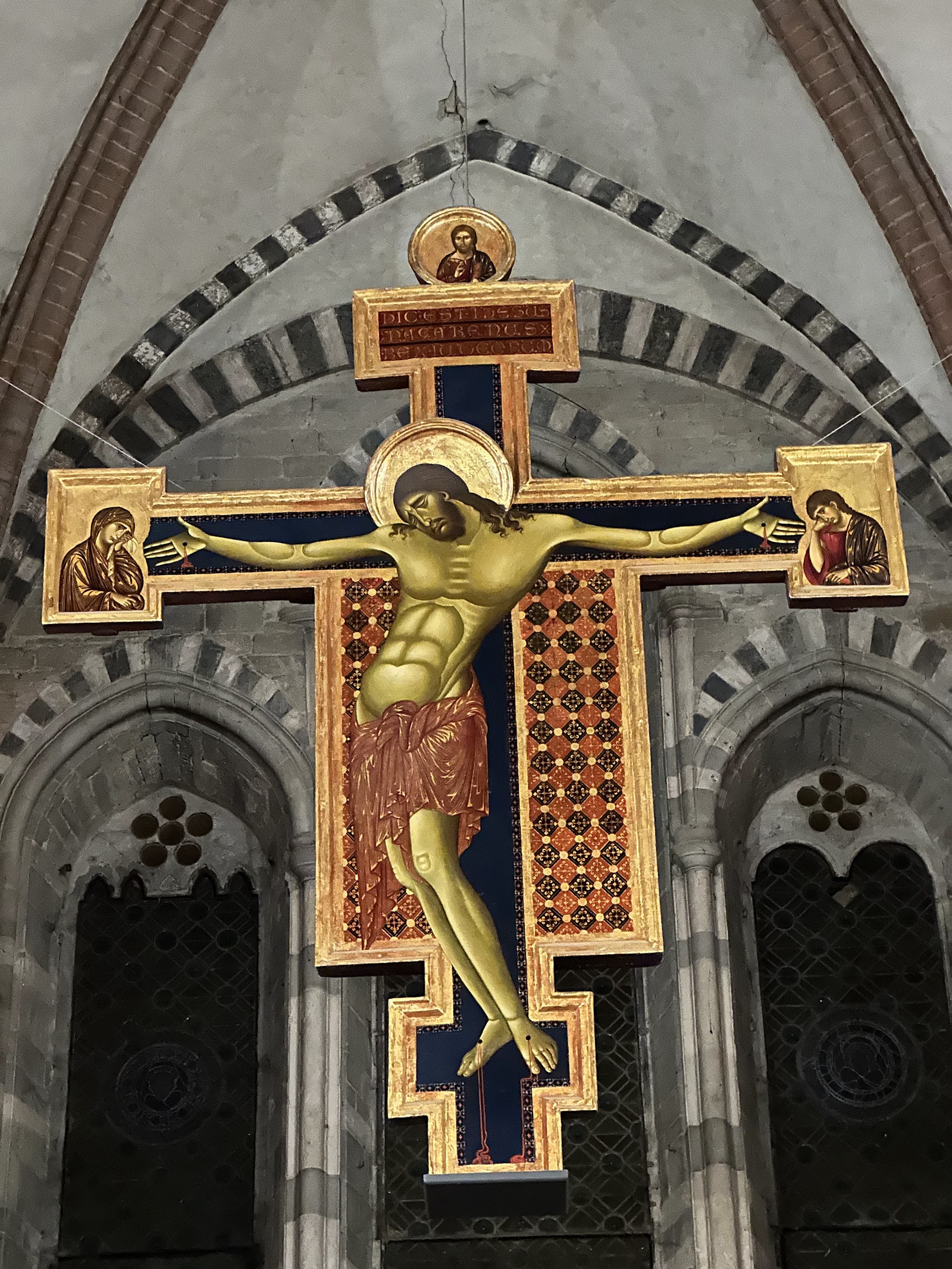
Background adapted from Wikipedia (CC BY-SA) · map data © OpenStreetMap contributors · ratings & place photos via Google · other photos with per-image credit. Ticket links may earn us a commission at no extra cost to you.