
Montalcino
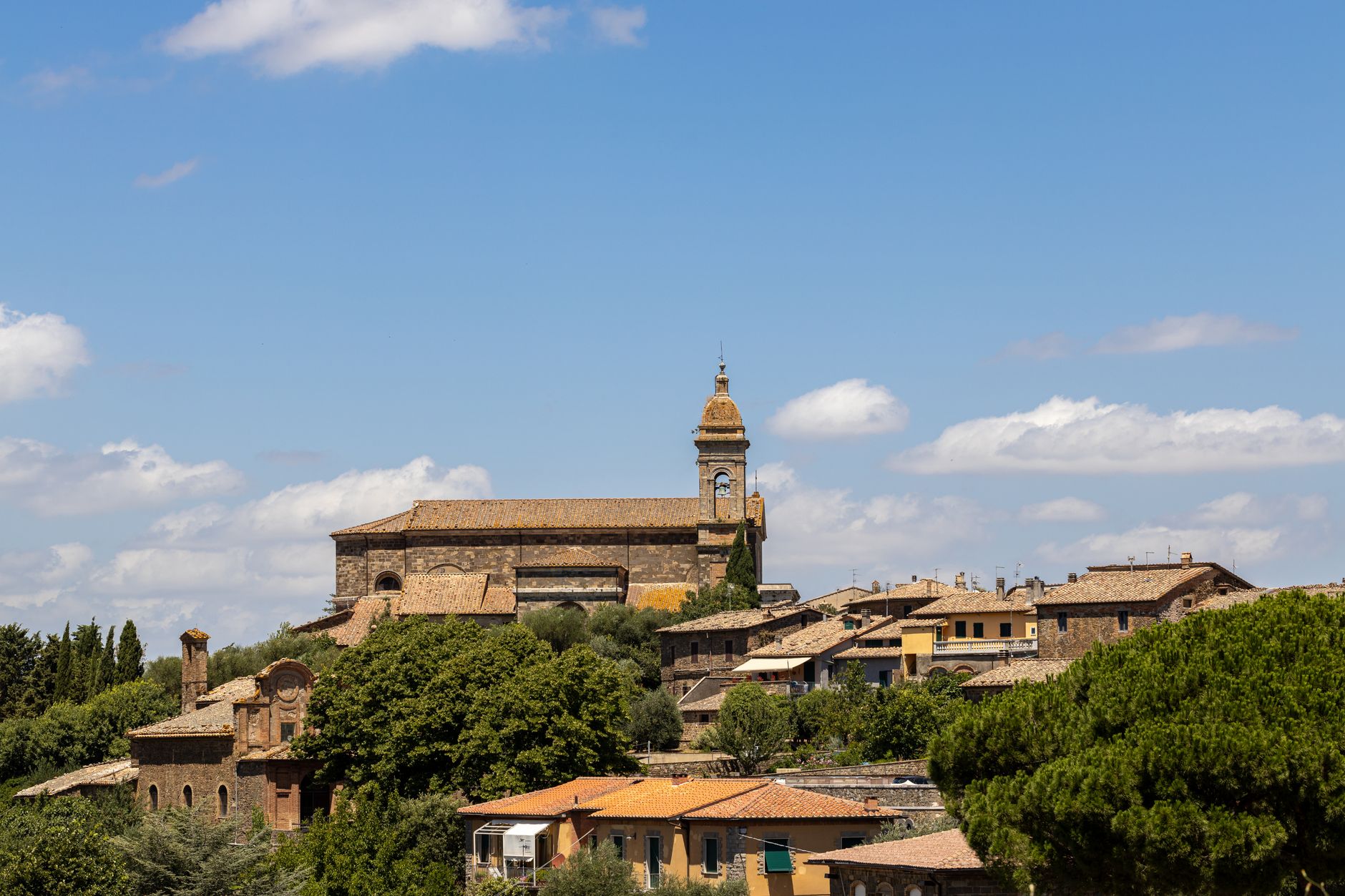
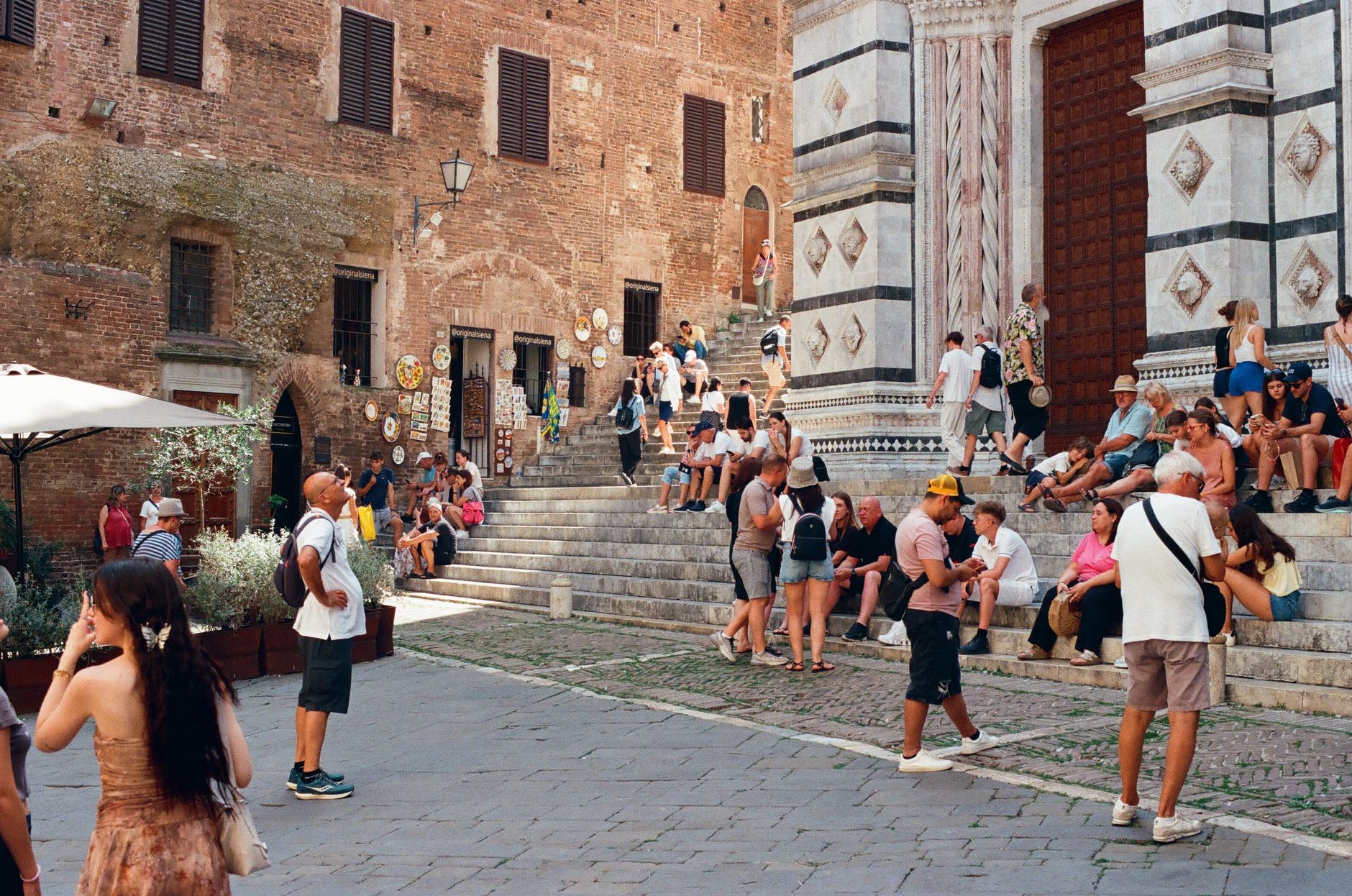
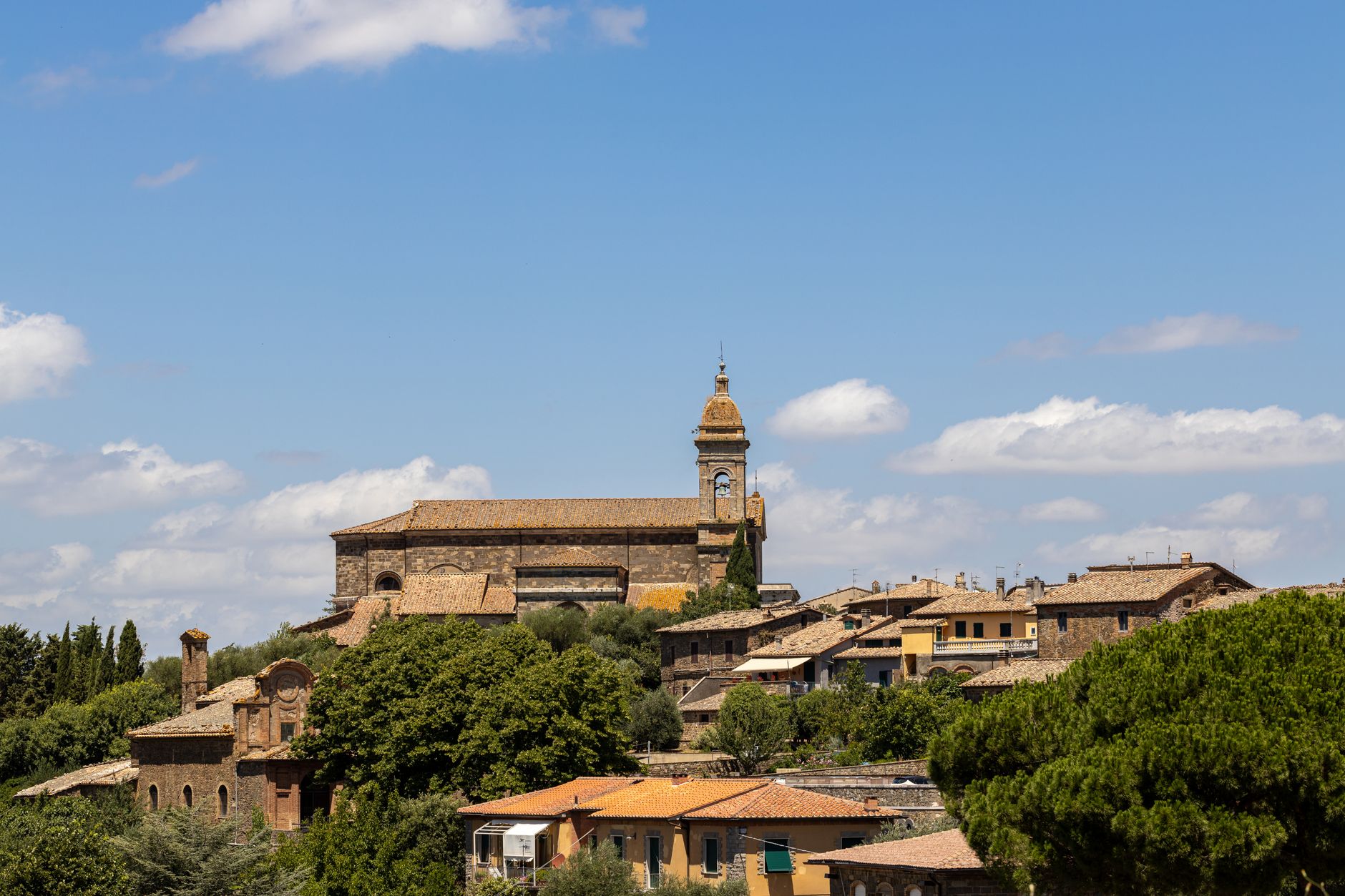
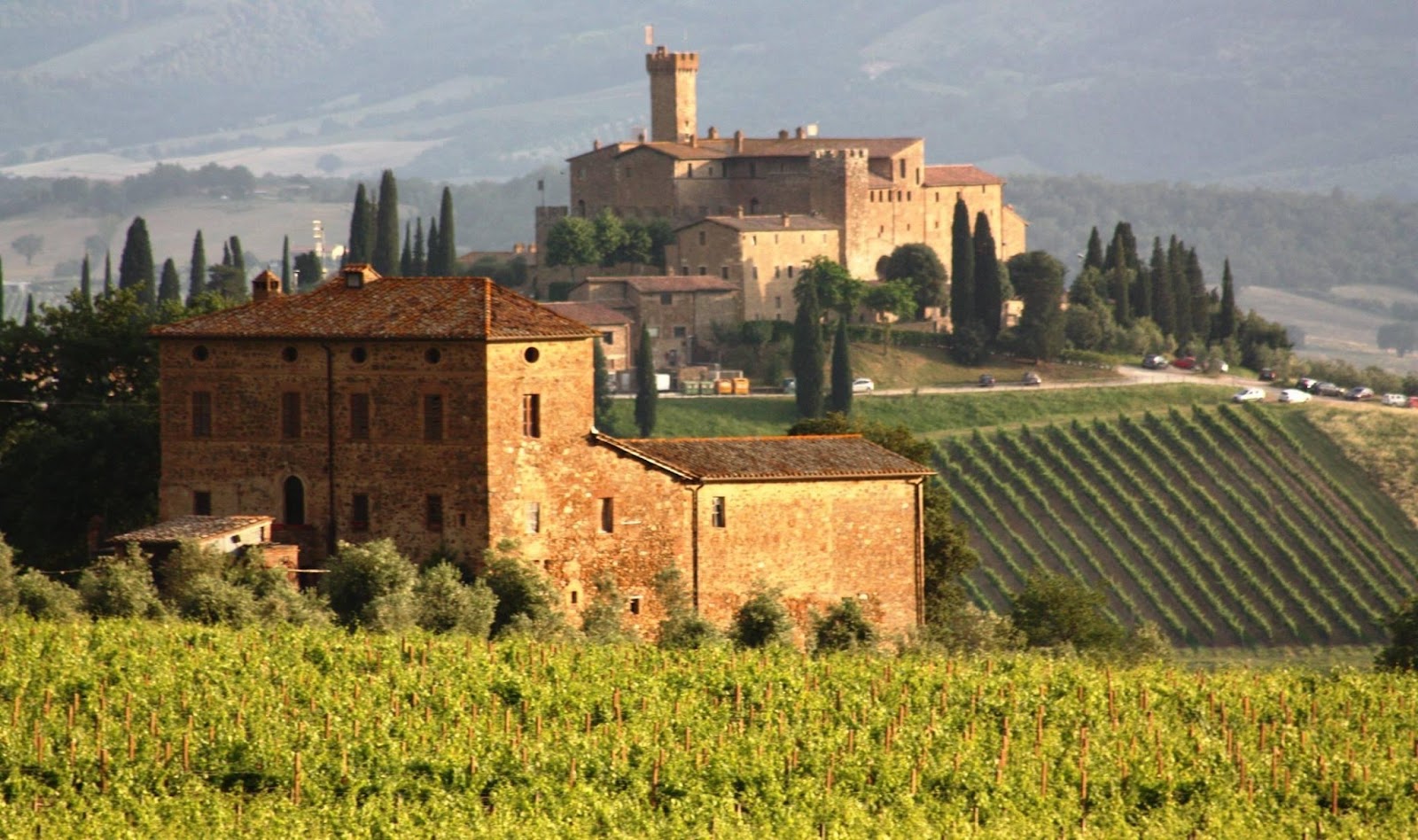
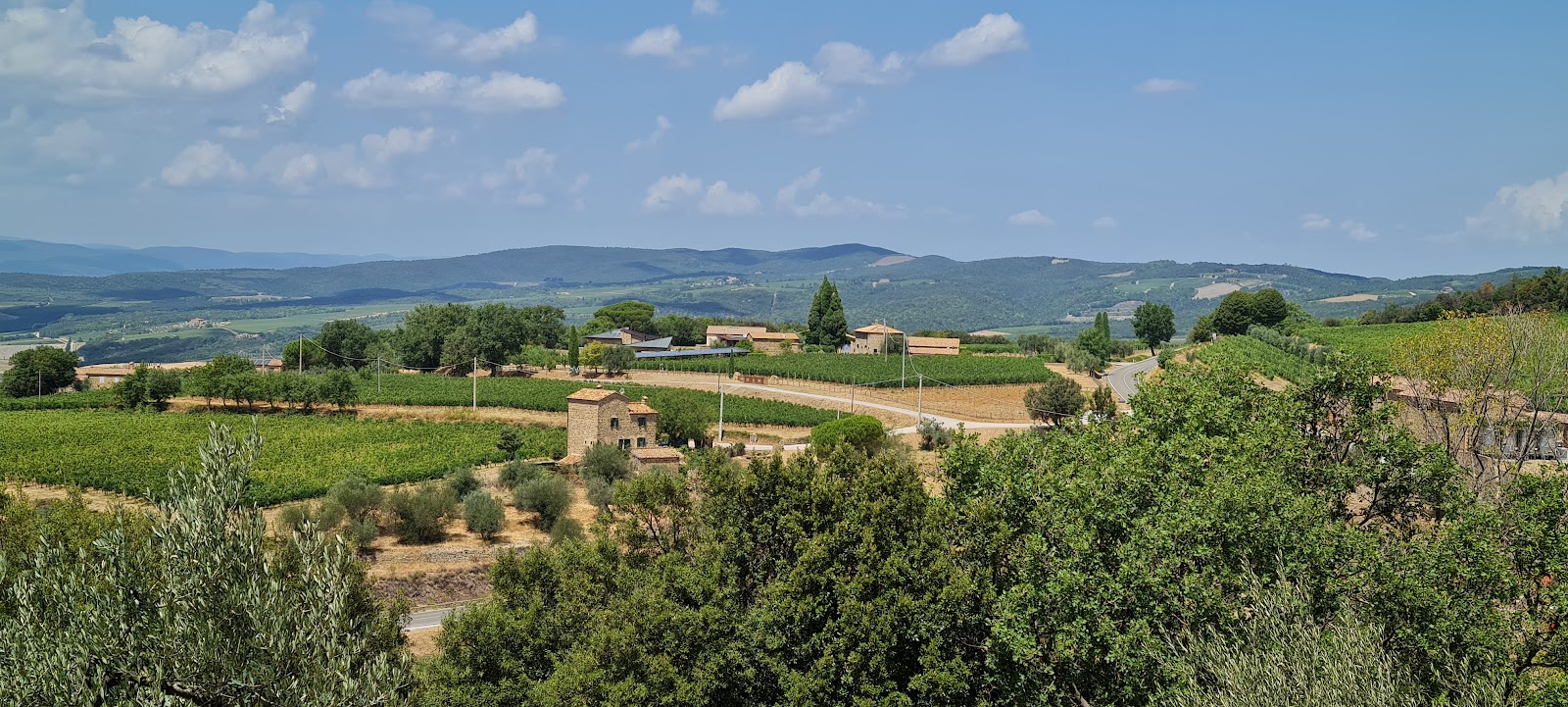
Montalcino sits on a ridge above the Val d'Orcia, a small hill town whose name comes from the oak trees that once blanketed these slopes. What put it on the modern map is wine — specifically Brunello, a Sangiovese that spends years in barrel before release. In the 1960s, eleven producers made it. Today there are more than two hundred, and the Fortezza at the top of town houses an enoteca where you can taste several vintages for a few euros, looking out over the same vineyards that produced them.
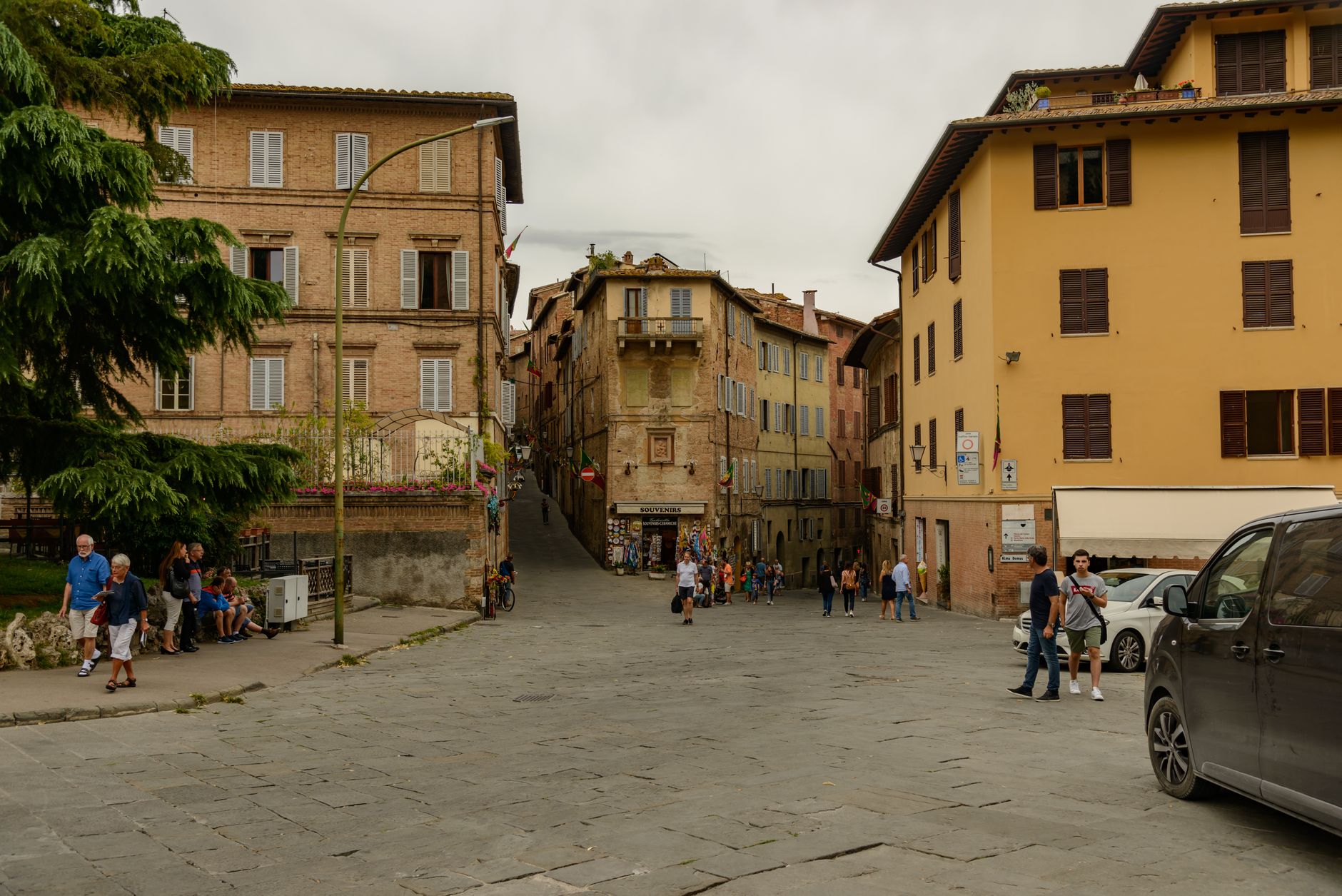
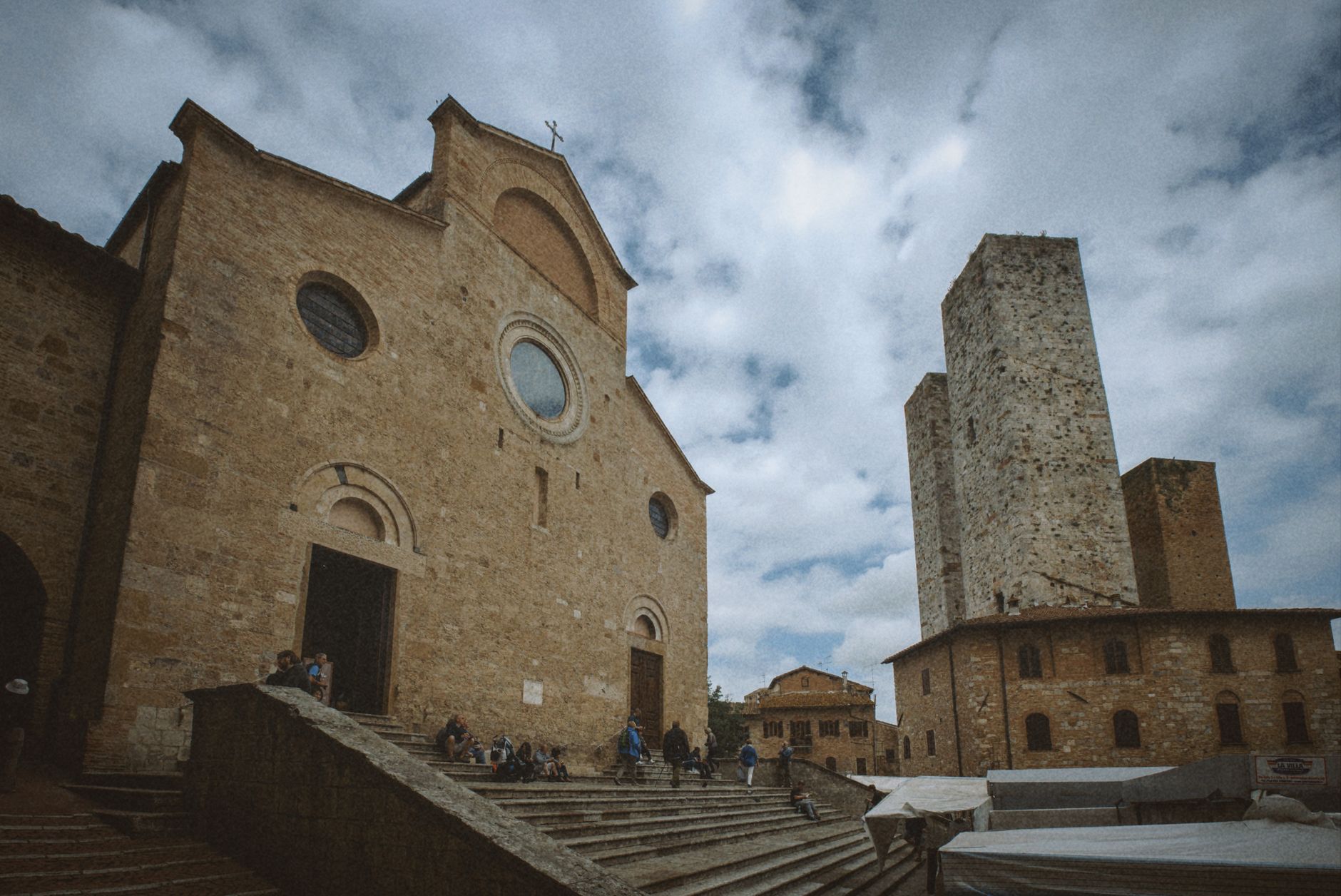
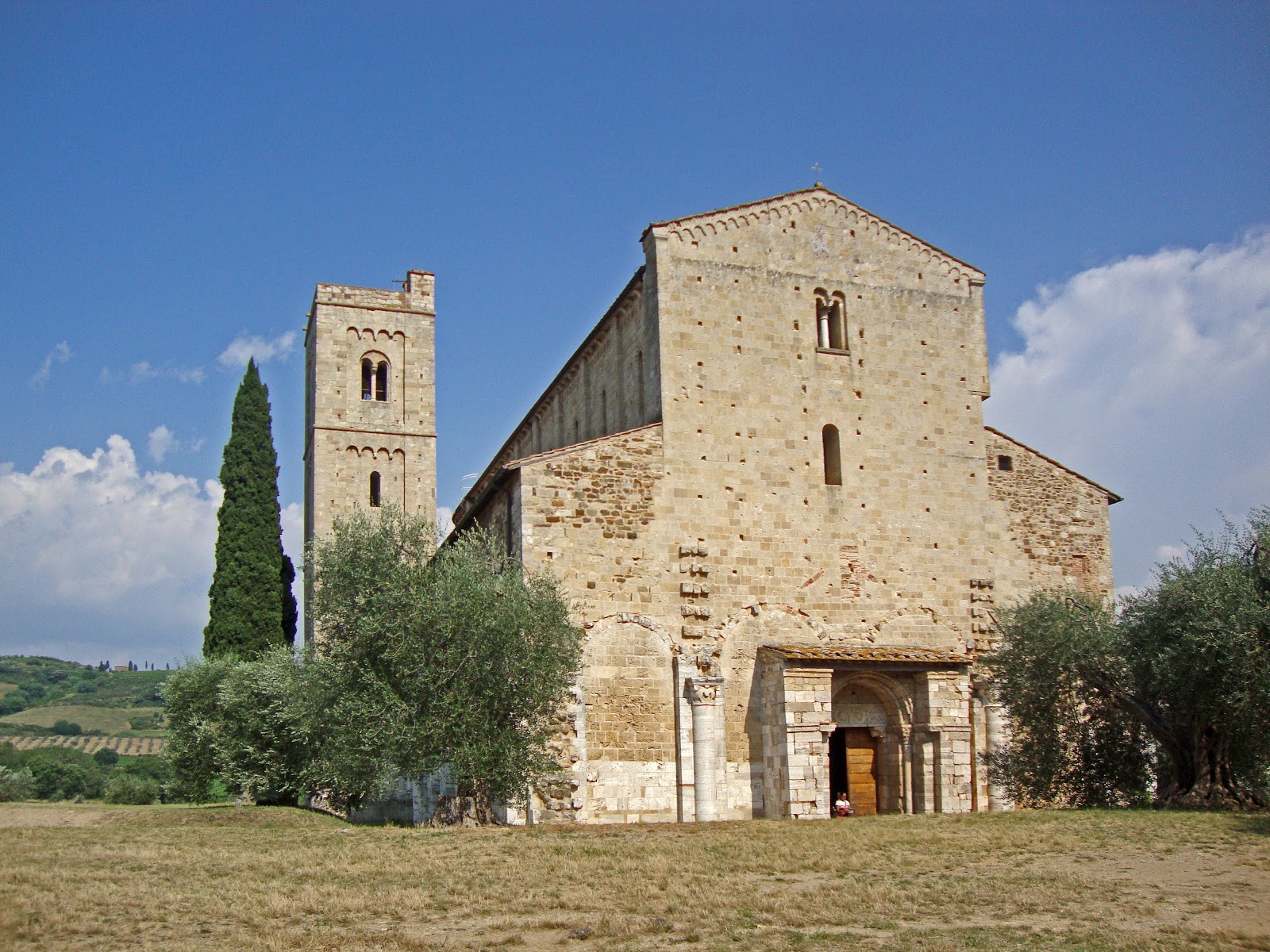
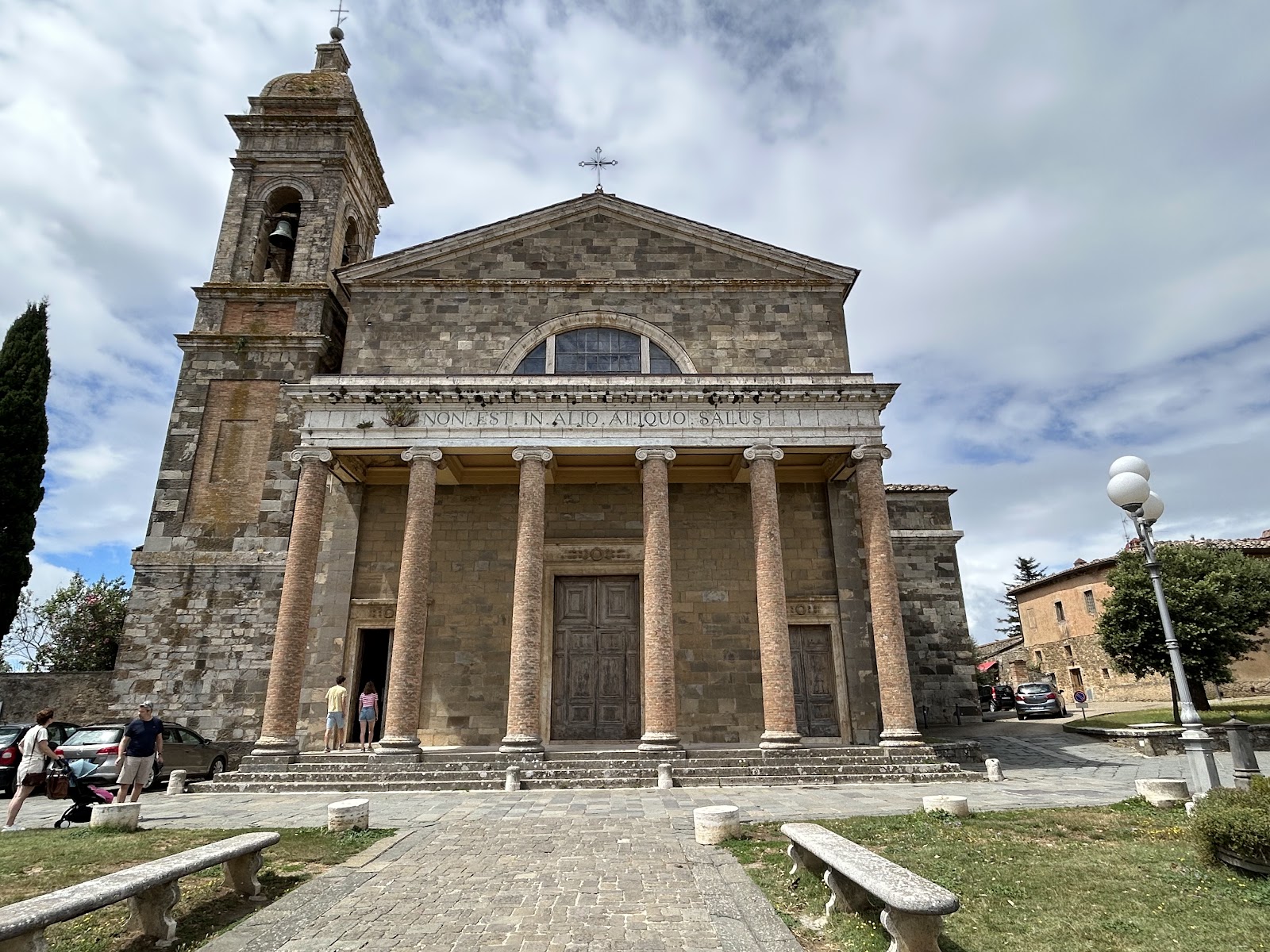
Beyond the wine, Montalcino rewards slower attention. The medieval street plan is intact, the churches hold genuine Sienese school paintings, and ten kilometres south the Abbey of Sant'Antimo — Romanesque, partly alabaster, still home to Benedictine monks who sing Gregorian chant daily — is one of the more quietly affecting places in Tuscany.
💛 What travellers fall for
People who come back tend to time it around the abbey. Sant'Antimo's morning prayers are open to visitors, the acoustics do something particular to plainchant, and the light through the alabaster columns shifts as the service runs. Pair that with a late afternoon tasting at the Fortezza enoteca and you've used the day well.
Experiences you don't want to miss


Deals in Montalcino
Book directly at the providerHow Montalcino came to be
The hill has been settled since Etruscan times, and the name Montalcino appears in records as early as 814 AD, tied to monks from the Abbey of Sant'Antimo. A population surge in the mid-tenth century came from refugees fleeing the collapse of nearby Roselle. The town grew into an independent commune along the Via Francigena — the pilgrim road between France and Rome — before gradually falling under Sienese control. Siena built the pentagonal Fortezza between 1361 and 1363. In 1462, Pope Pius II elevated the town to a diocese.
Its most defining moment came in 1555, when Florence and the Medici conquered Siena. Montalcino refused to surrender and held out for nearly four more years as the seat of a Sienese government-in-exile — earning it the phrase 'the last rock of communal freedom.' It fell in 1559, passed into Florentine hands, and remained there until Italian unification in 1861.
Who and what shaped it
People who shaped it
Landmark buildings
See Montalcino in motion
Plan your visit
On the map
When to go
Summers are warm and dry, with July and August bringing real heat on the exposed ridge. Spring (April–May) and autumn (September–October) offer mild days, clearer air, and the practical bonus of harvest activity in the vineyards. Winters are cold and occasionally foggy, but the town is quiet and the wine caves are open.
Right now
↡ Attractions


Background & history adapted from Wikipedia (CC BY-SA) · specs from Wikidata (CC0) · weather from Open-Meteo · map data © OpenStreetMap contributors · photos from Wikimedia Commons / Unsplash with per-image credit. No third-party reviews or social posts reproduced.