
Montepulciano
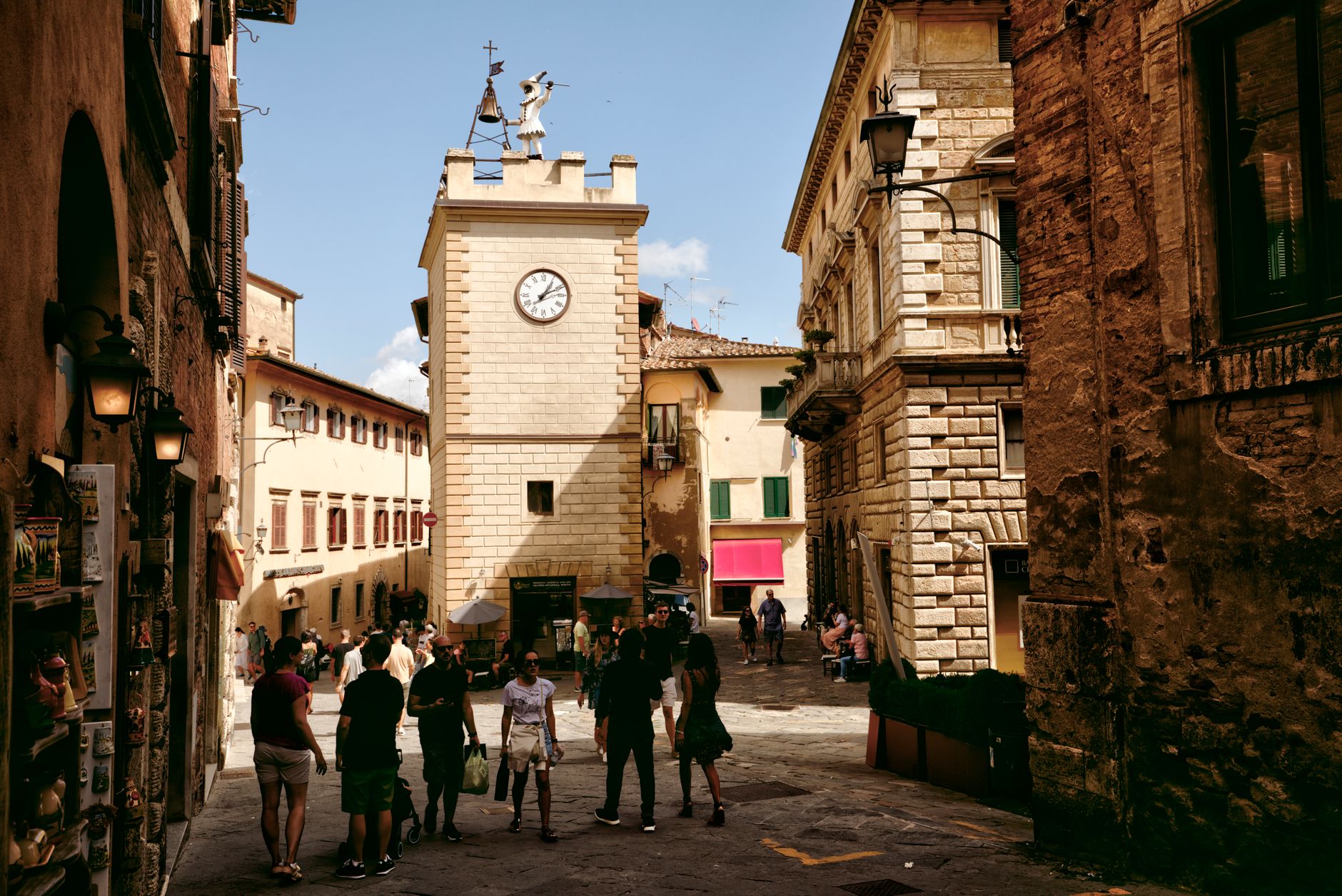
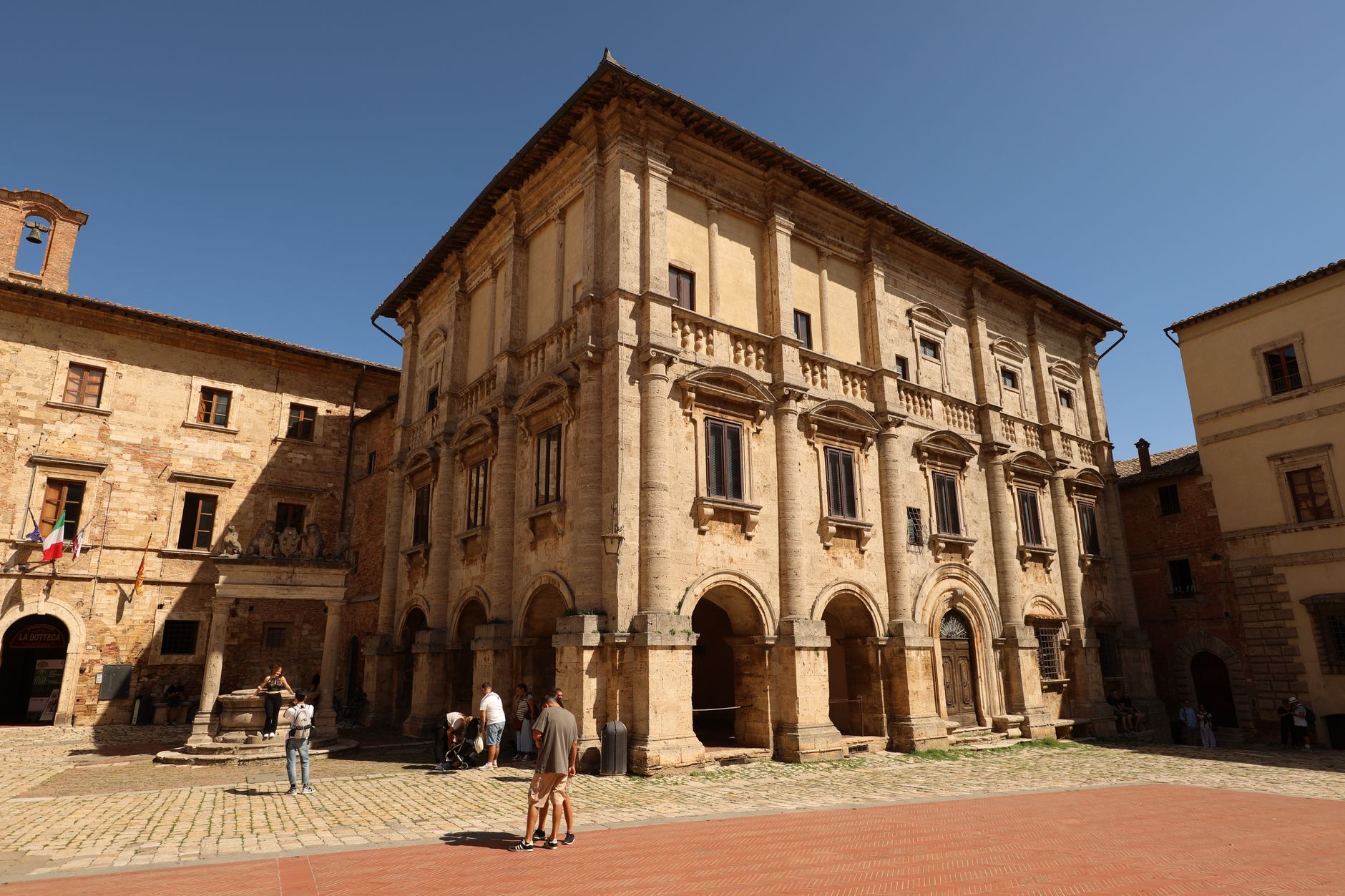
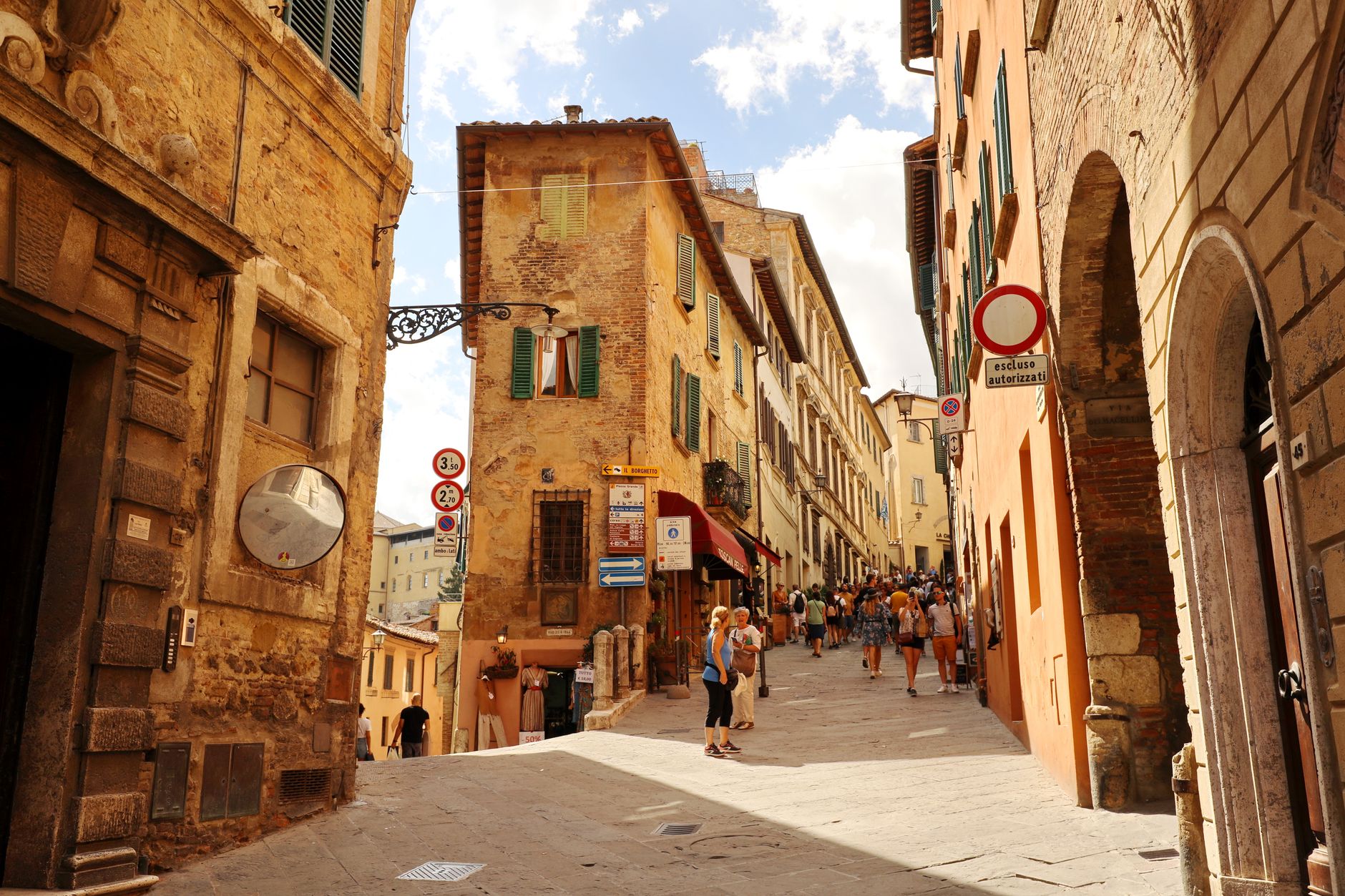
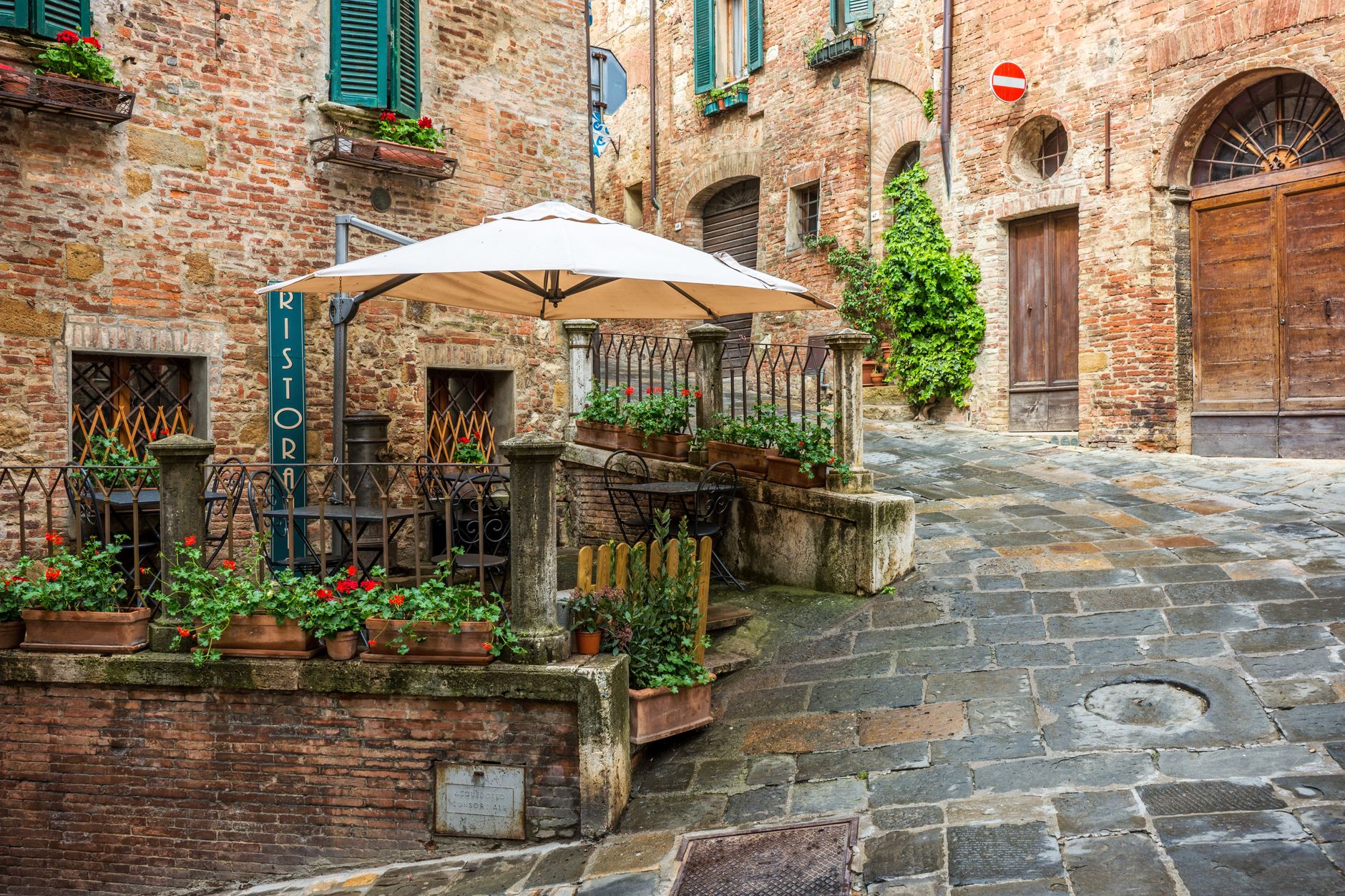
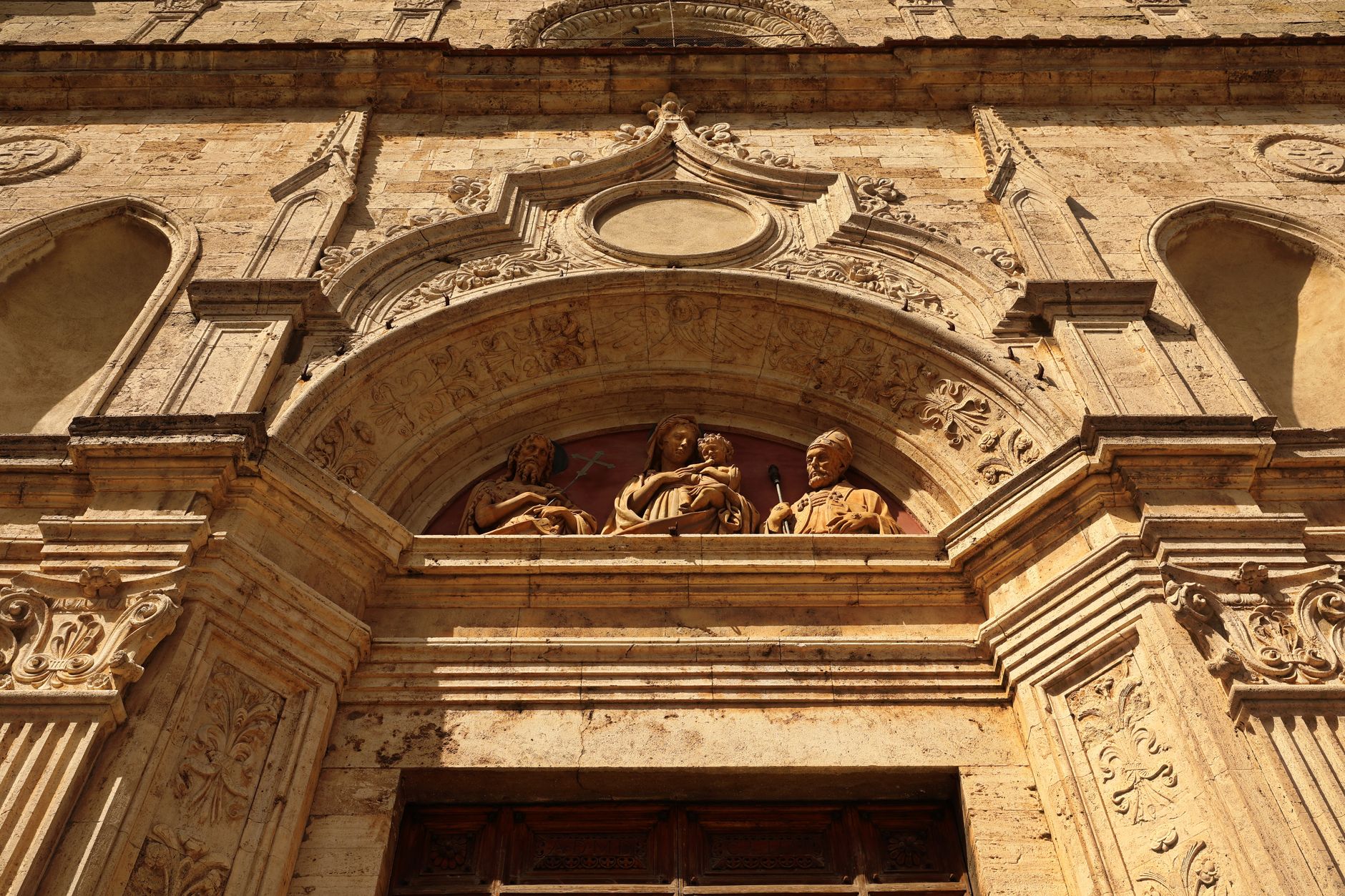
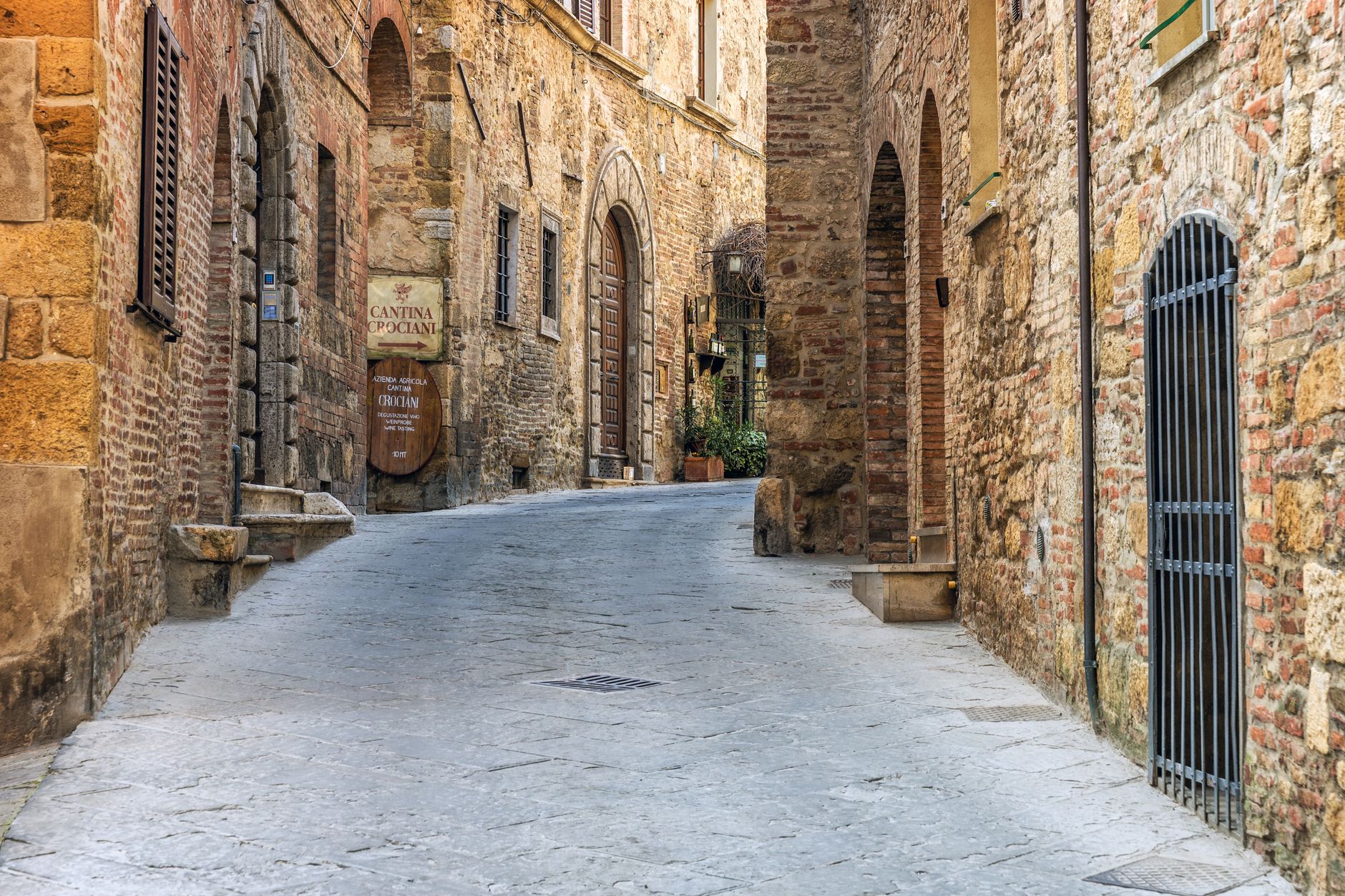
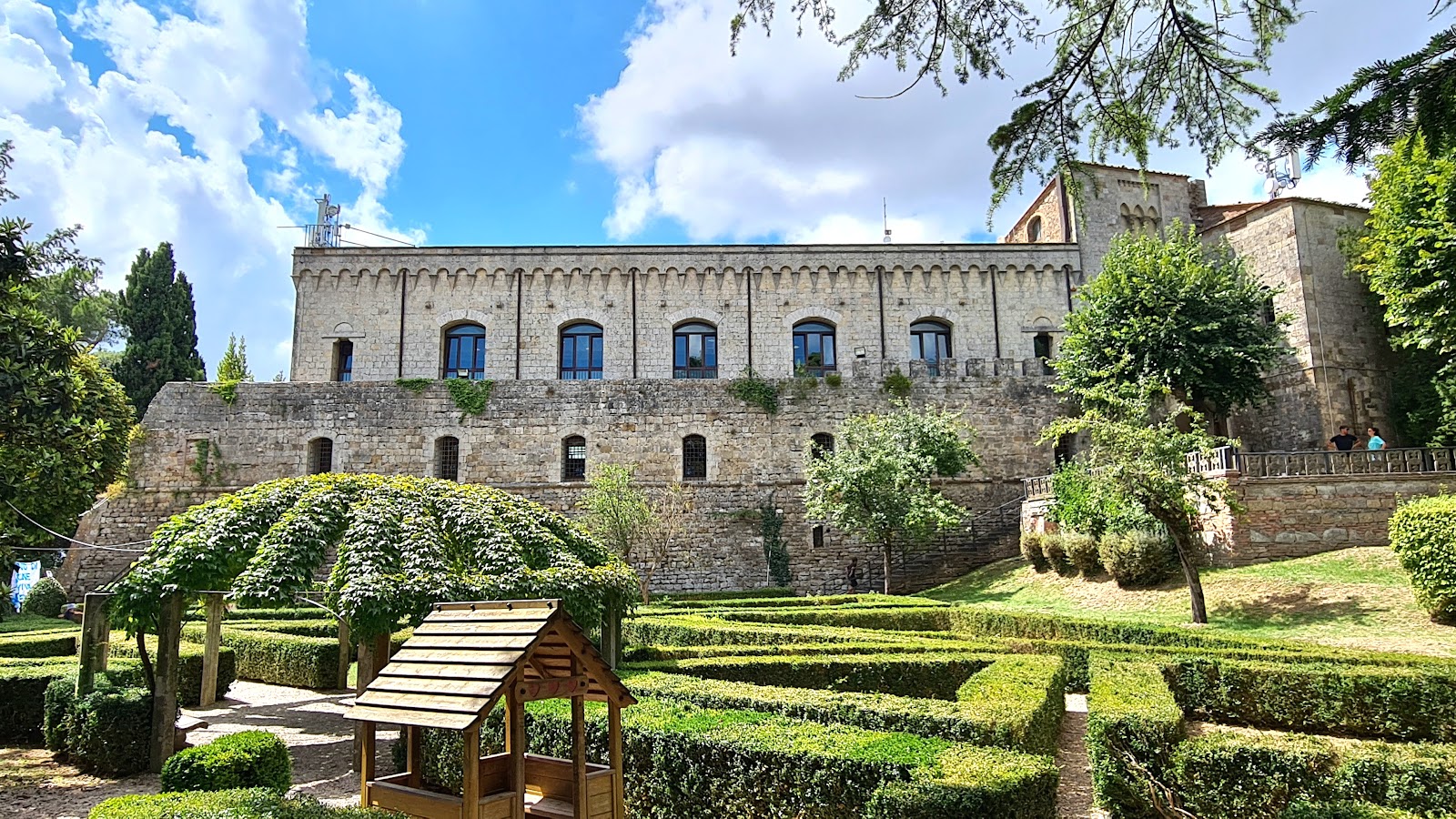
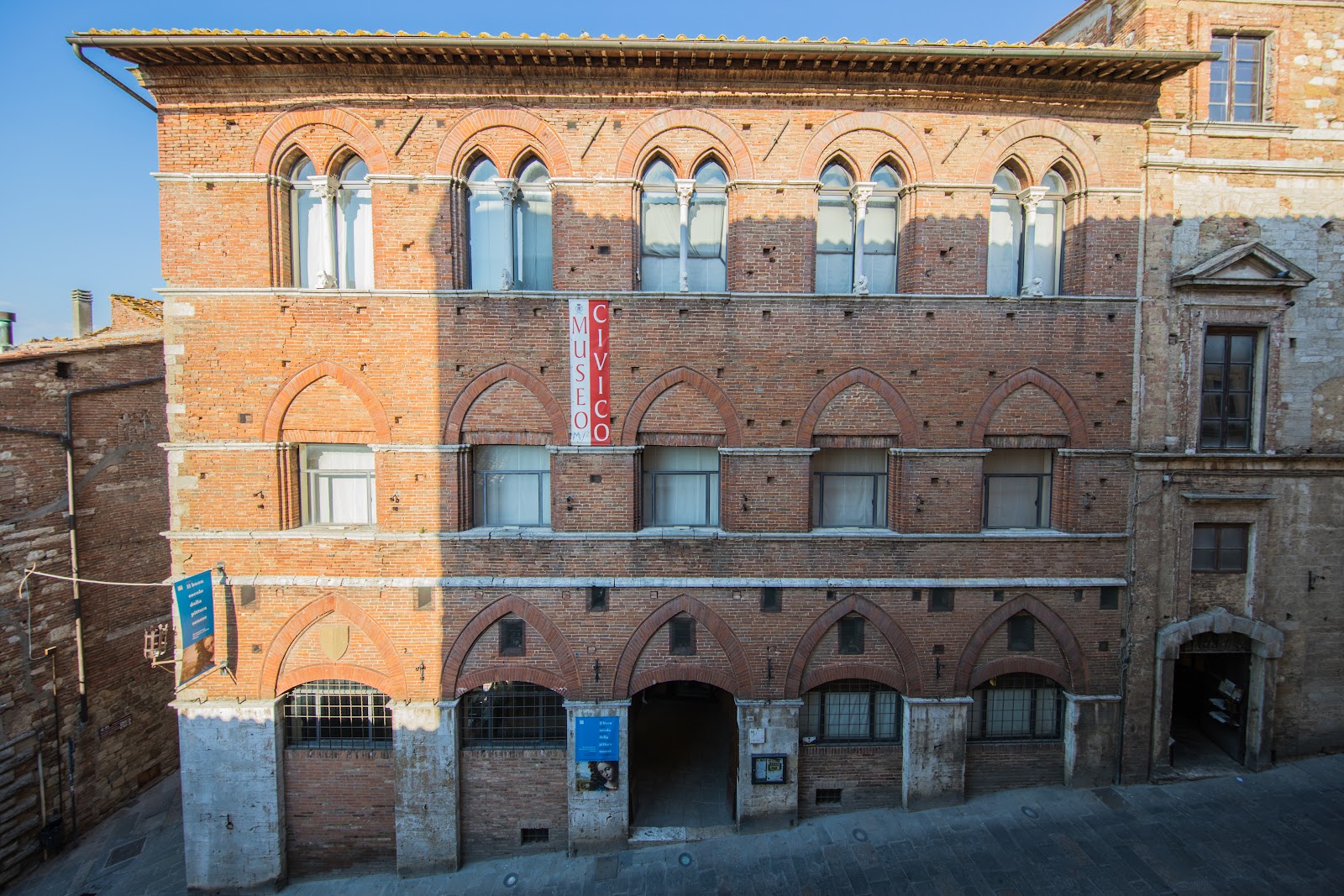
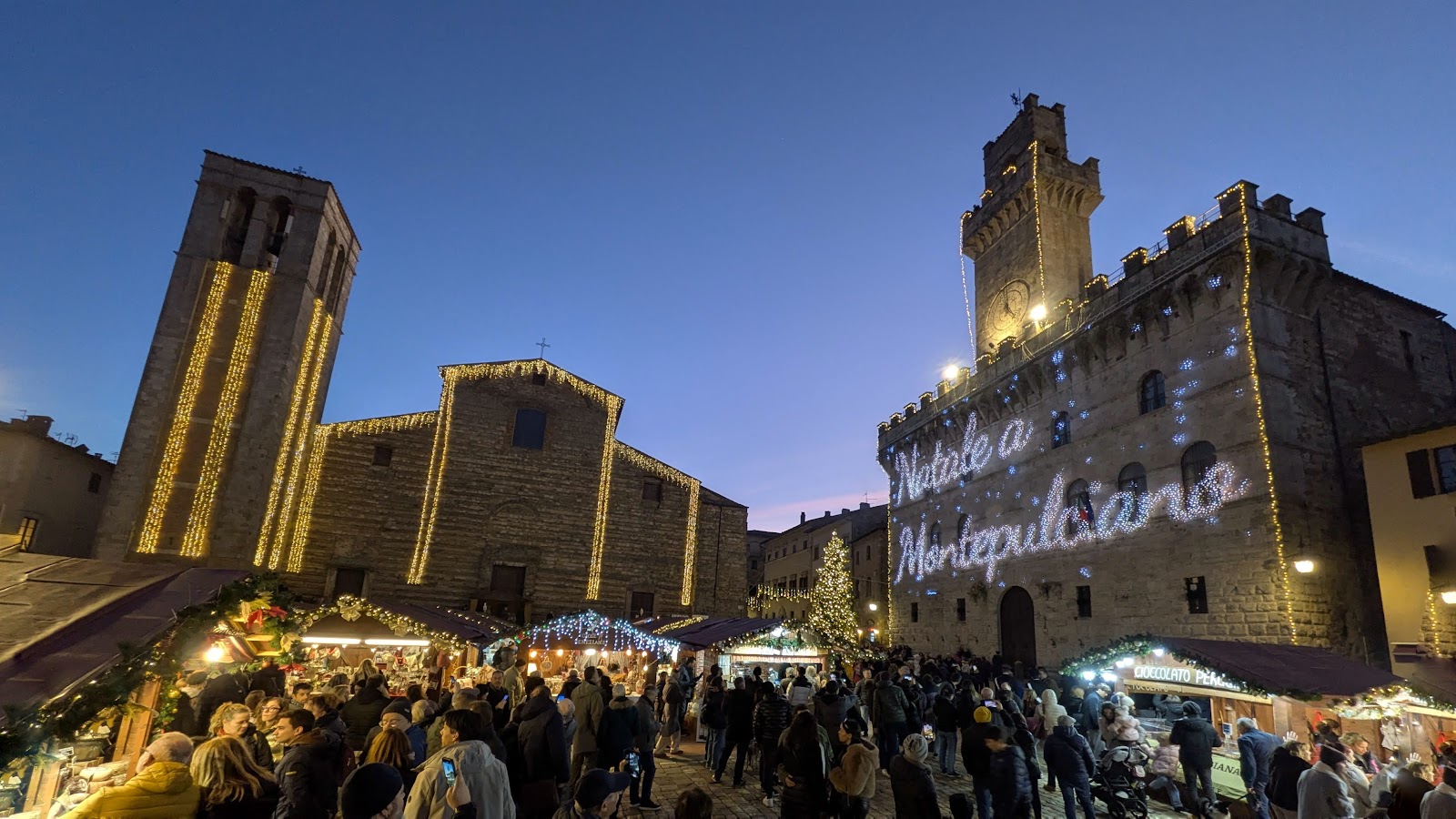
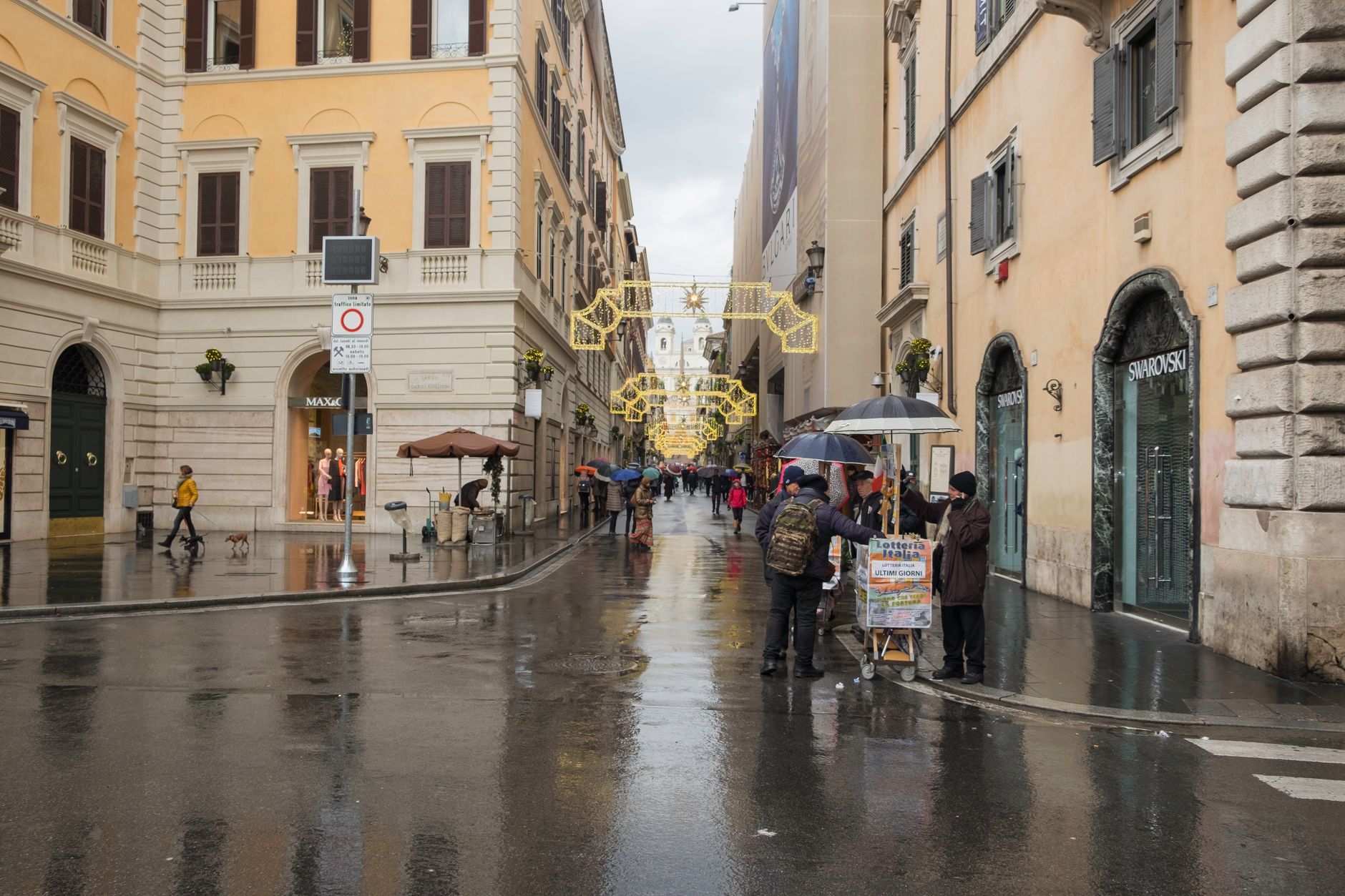
The main street of Montepulciano climbs 1.5 kilometres from the northern gate at Porta al Prato straight up to Piazza Grande, and almost everything worth knowing about this town can be inferred from that single fact: it is vertical, it is deliberate, and it rewards the walk. Palaces by Sangallo, Vignola and Peruzzi line the route in honey-coloured travertine, built during a Renaissance flowering that lasted roughly a century before Florence absorbed Siena in 1559 and Montepulciano lost its strategic reason to be grand.
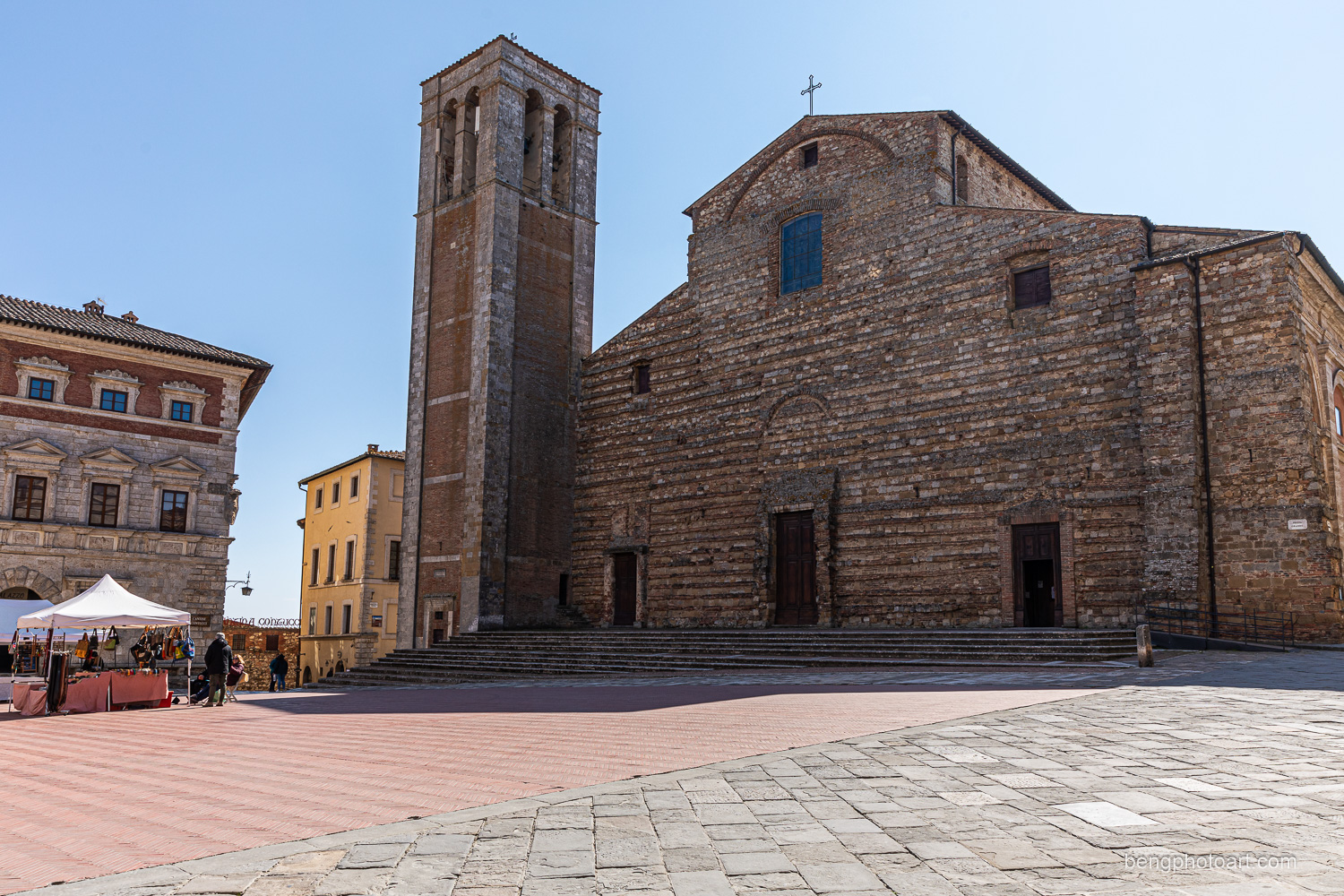
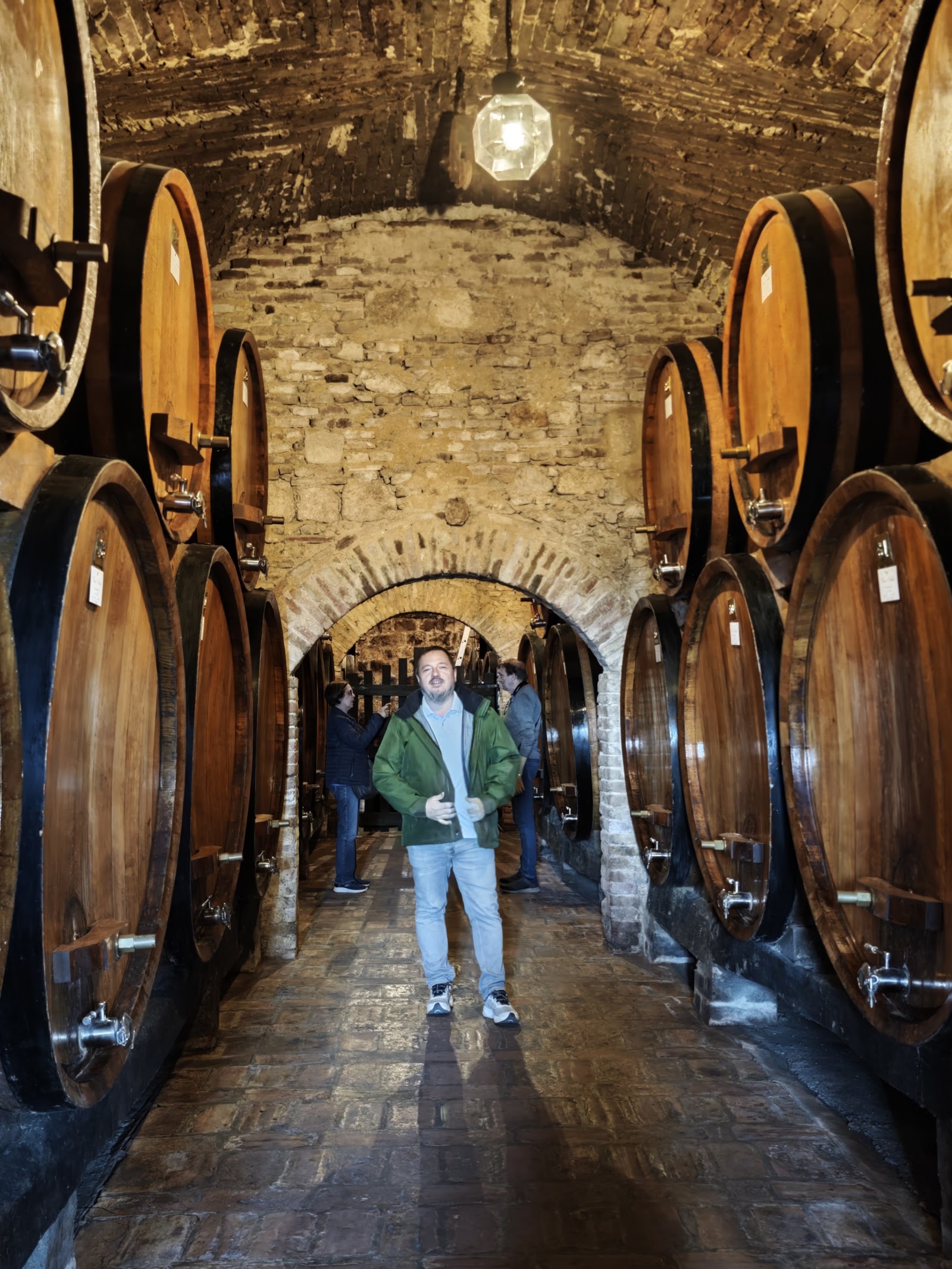
What remained is the architecture, the wine, and the ridge-top square. Vino Nobile di Montepulciano became the first wine in Italy awarded DOCG status, in 1980, and the cellars beneath the palaces are still very much in use. The Cathedral holds a Taddeo di Bartolo triptych from 1401, painted nearly two centuries before the building around it was finished.
💛 What travellers fall for
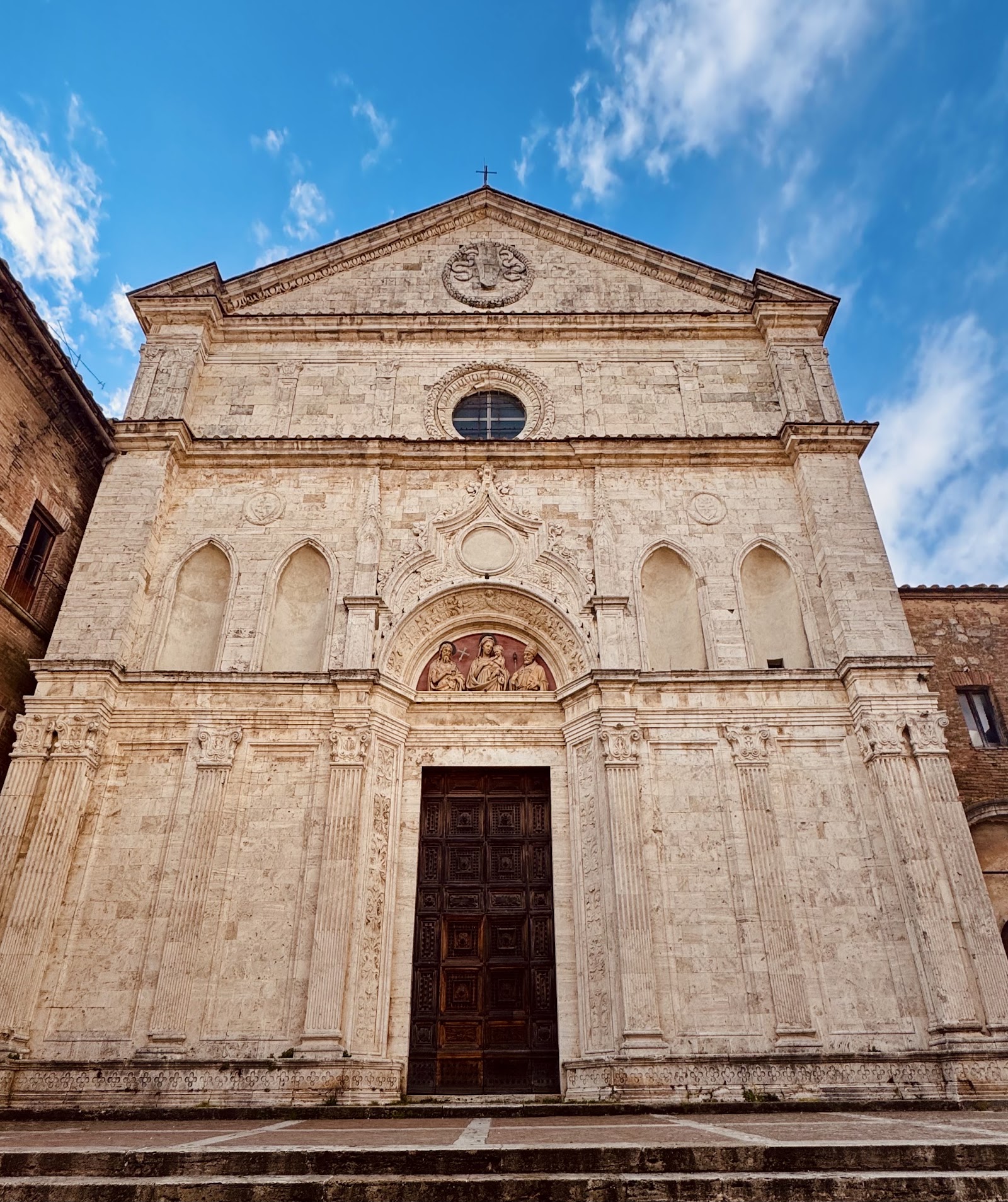
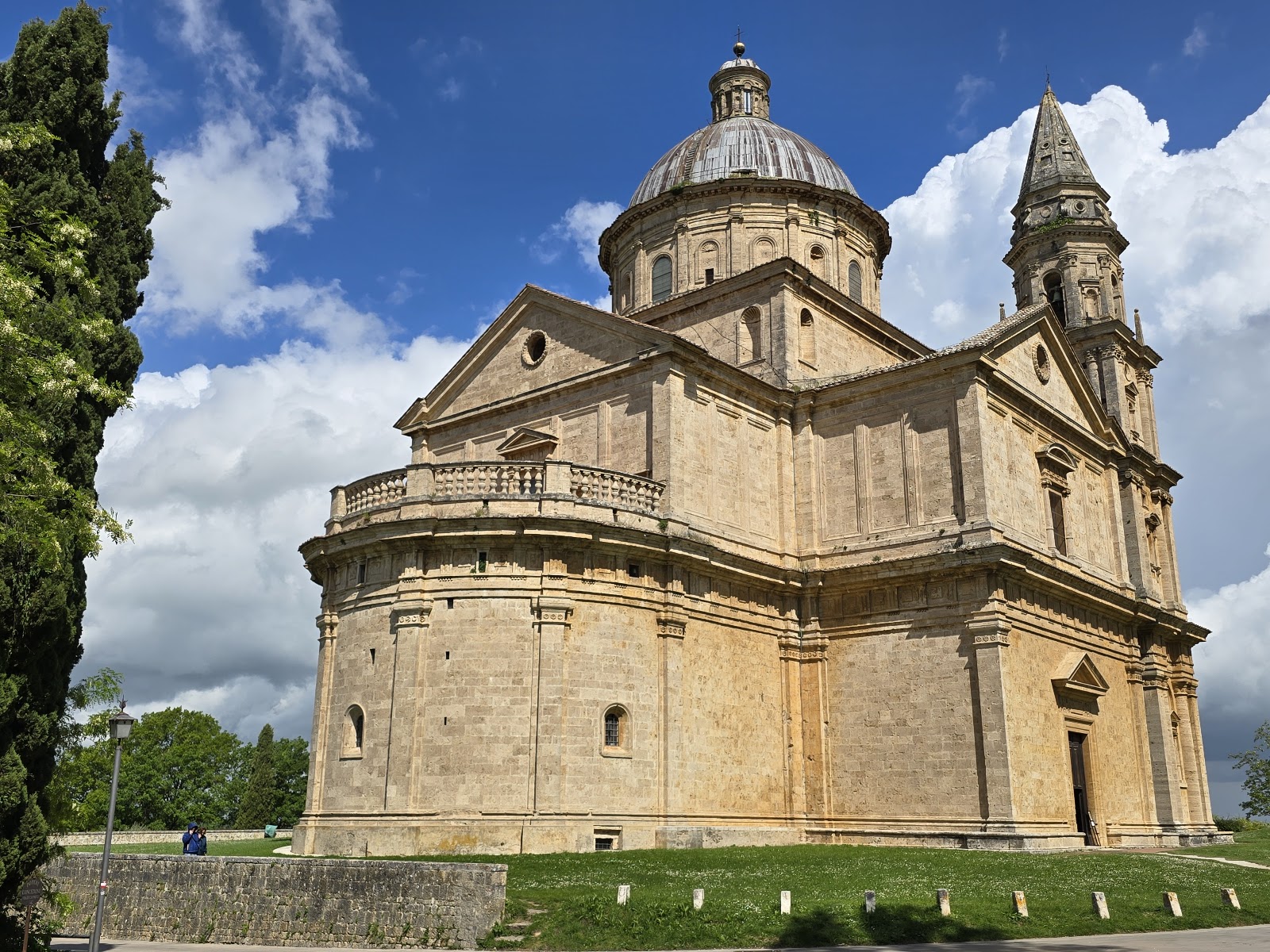
People who come back tend to arrive in the late afternoon, when the tour groups thin out and the light on the travertine of Palazzo Nobili-Tarugi turns the colour of old honey. They also make time to walk down the hill outside the walls to San Biagio — Sangallo's domed sanctuary sits alone on a terrace and reads completely differently from the town above it.
Experiences you don't want to miss


Deals in Montepulciano
Book directly at the providerHow Montepulciano came to be
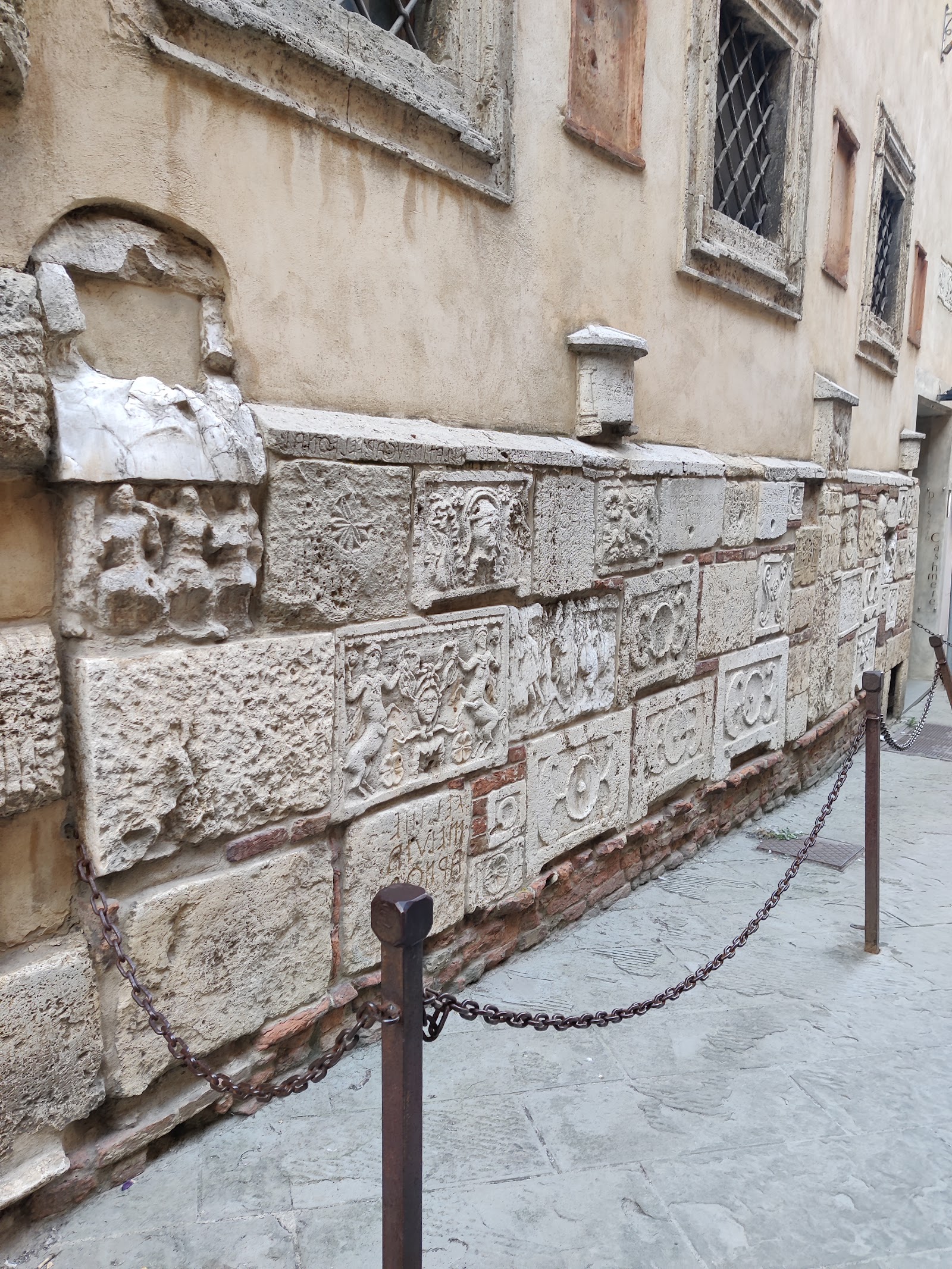
Settlement here goes back to the 4th or 3rd century BC, and legend credits the Etruscan king Lars Porsena with founding the town. The first written record, as 'Mons Politianus', dates to 715 AD. After medieval power struggles between noble families, the Del Pecora clan stabilised things in the 14th century, and from 1390 Montepulciano aligned itself with Florence — a relationship that funded its greatest period of building. Antonio da Sangallo the Elder, Baldassarre Peruzzi, Jacopo Barozzi da Vignola and Ippolito Scalza all worked here across the 15th and 16th centuries.
The town's importance faded after 1559, when Florence's conquest of Siena removed Montepulciano's role as a frontier outpost. It became a bishopric in 1561, the Cathedral was commissioned by Cardinal Giovanni Ricci, and the pace slowed to something more provincial. It joined the unified Kingdom of Italy in 1860 and has been, more or less, exactly what it looks like ever since.
Who and what shaped it
People who shaped it
Landmark buildings
See Montepulciano in motion
Plan your visit
On the map
When to go
Summers are warm and dry — June through August temperatures can reach the mid-80s Fahrenheit — while winters are cold and wet, with January averages sitting just above freezing. Spring and early autumn offer the most comfortable walking weather, and the vineyards in September and October add their own reason to time a visit.
Right now
↡ Attractions


Background & history adapted from Wikipedia (CC BY-SA) · specs from Wikidata (CC0) · weather from Open-Meteo · map data © OpenStreetMap contributors · photos from Wikimedia Commons / Unsplash with per-image credit. No third-party reviews or social posts reproduced.