
Volterra
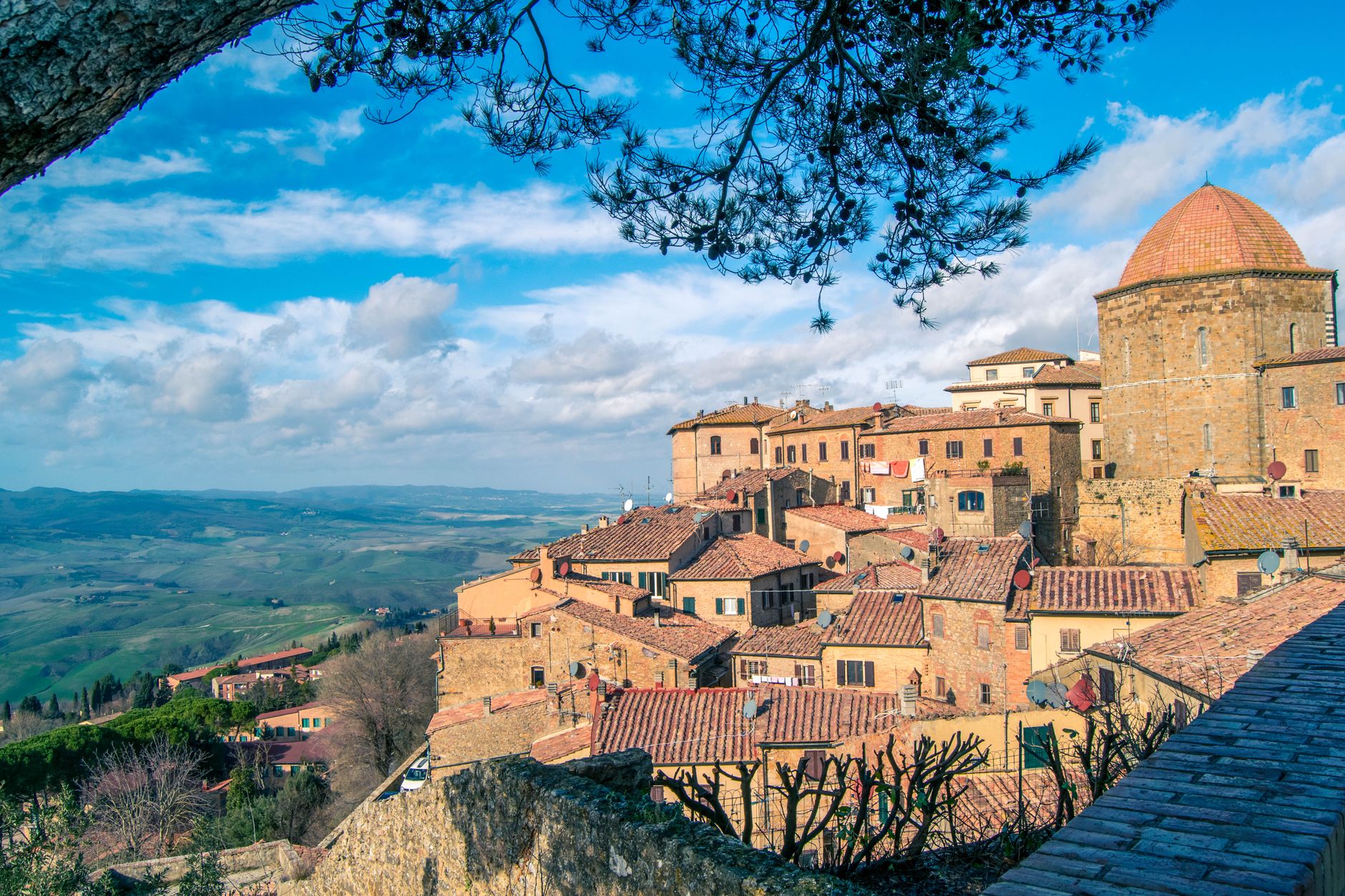
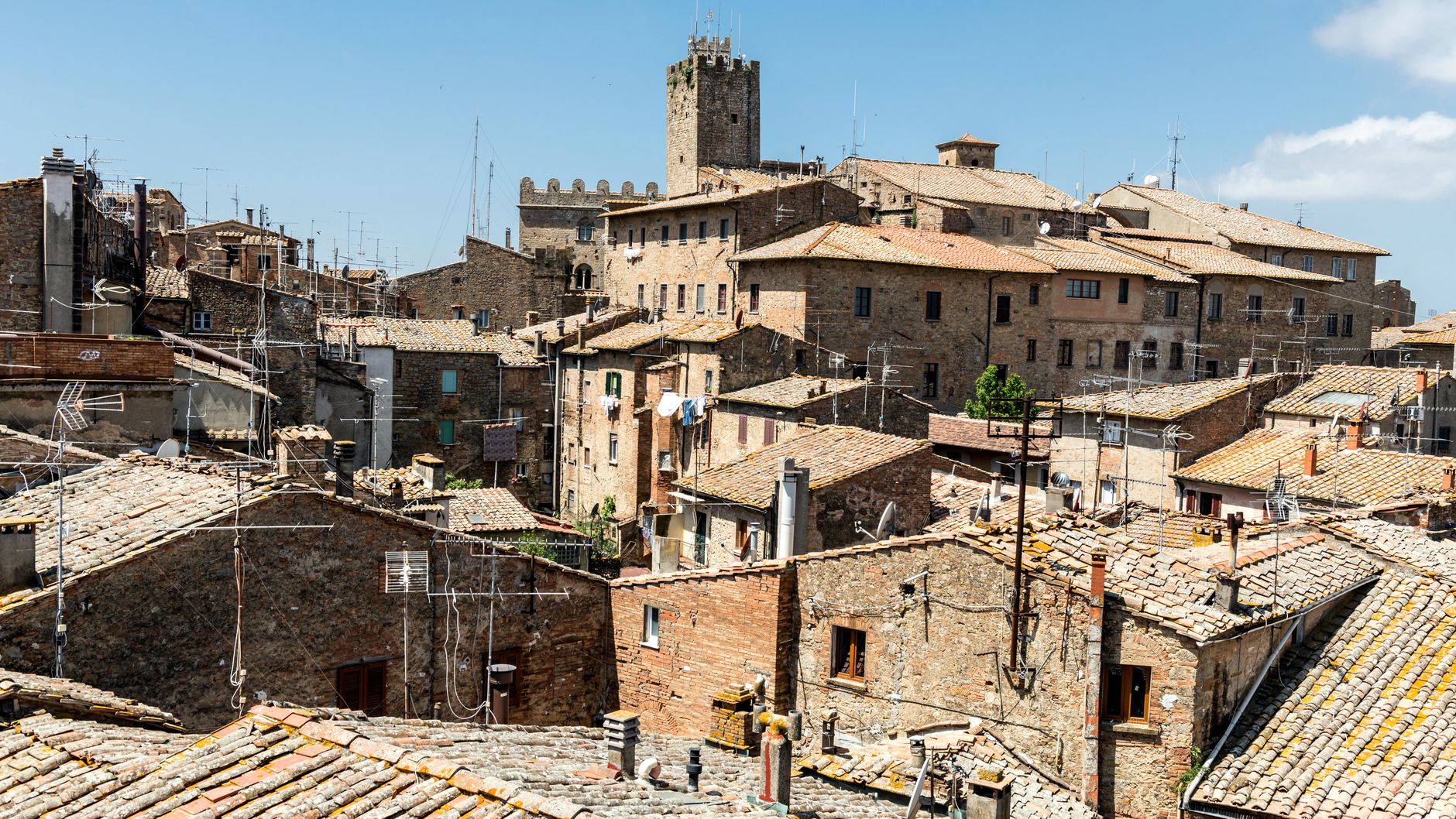
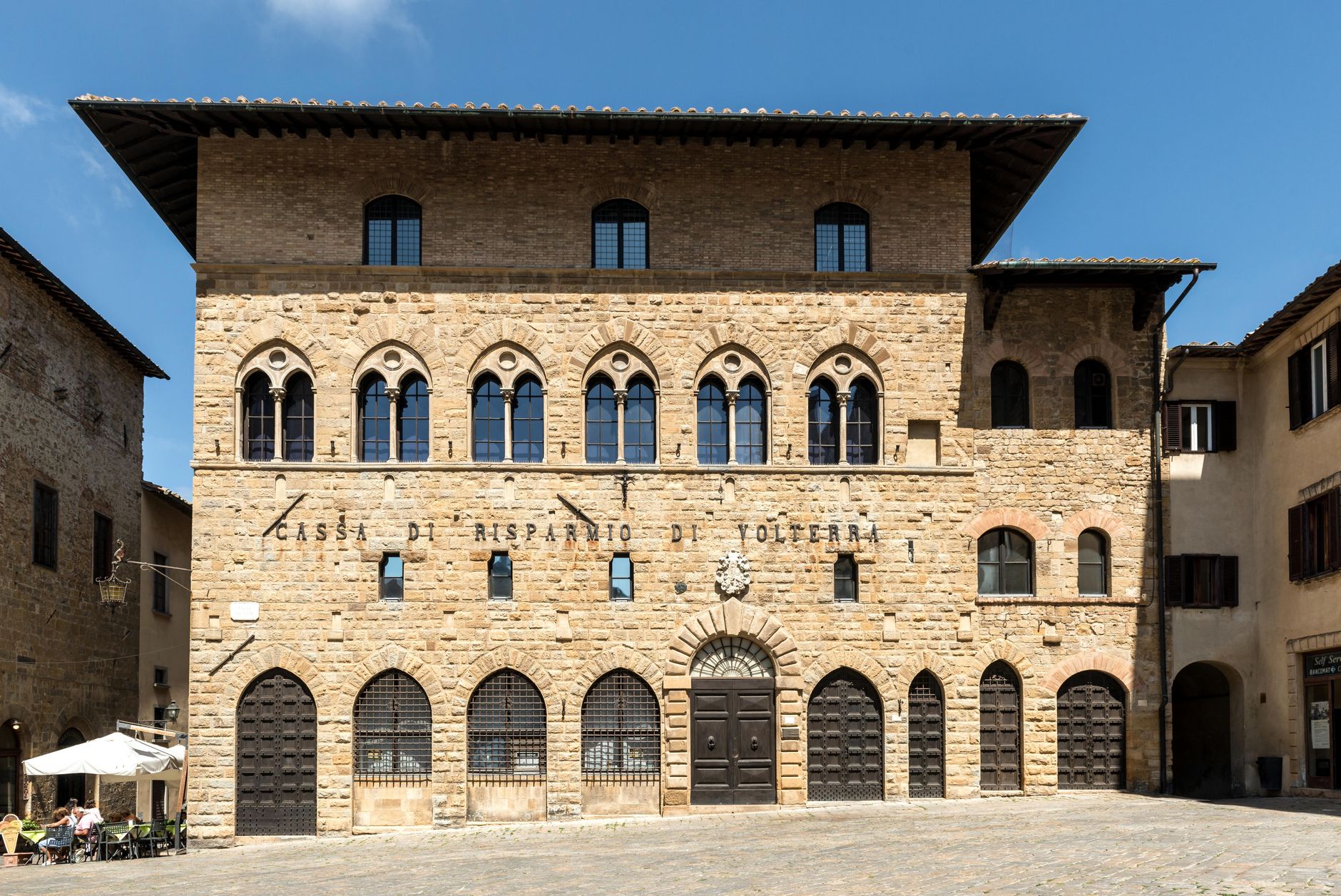
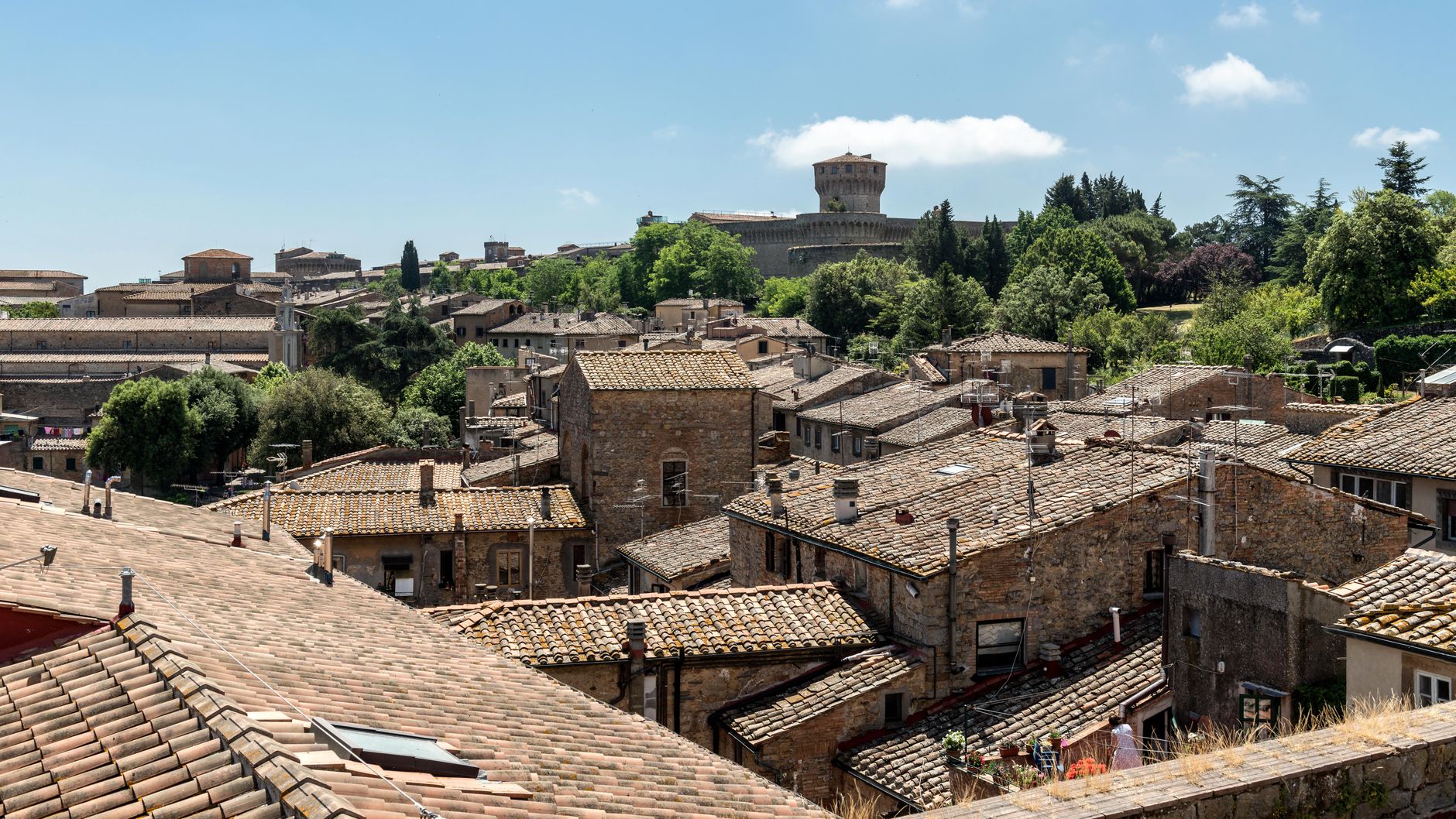
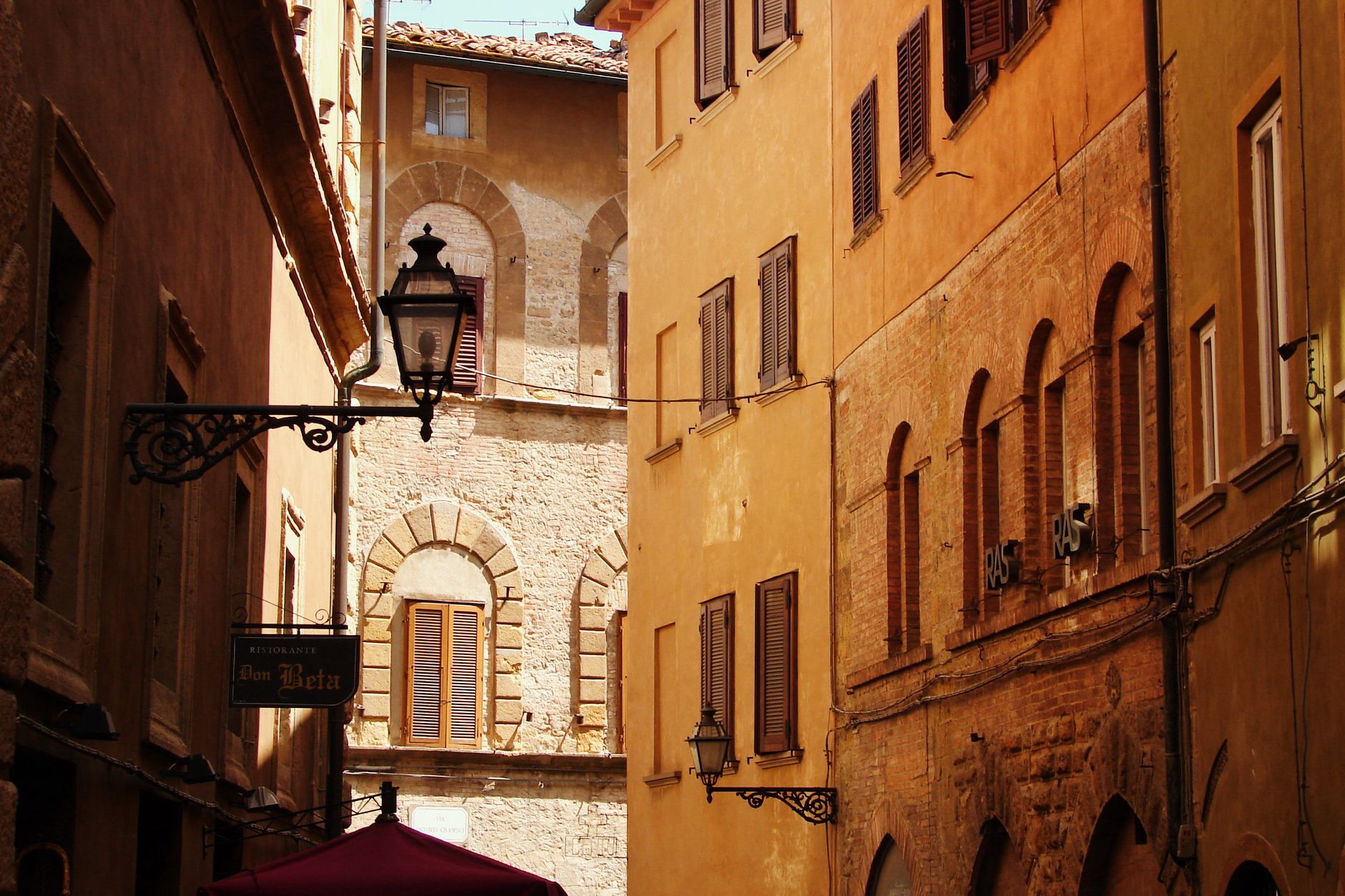
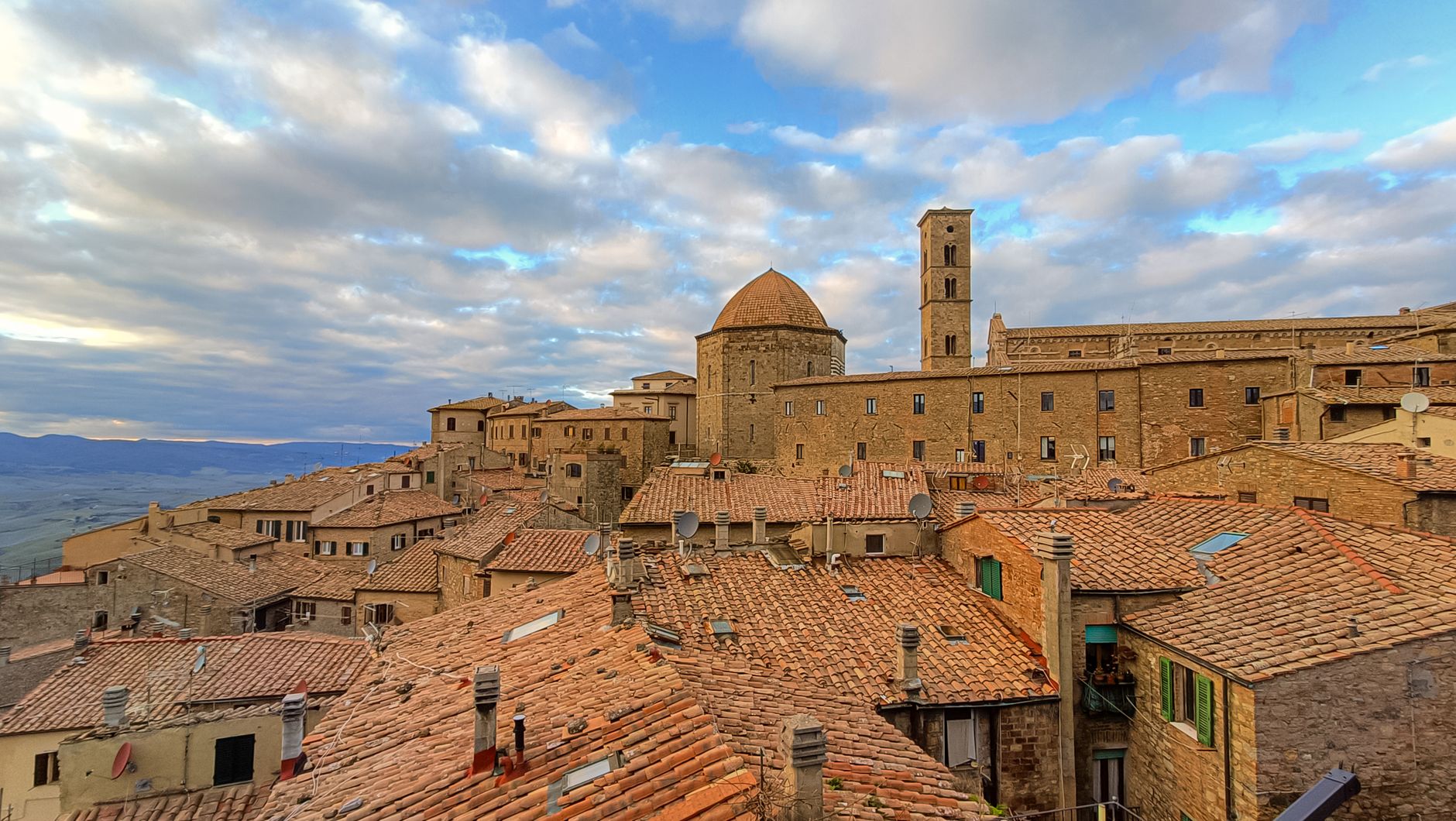
Volterra sits on a ridge so high and exposed that the wind seems permanent, and the stone of its streets — grey-green alabaster underfoot, pale travertine in the walls — gives the whole place a particular mineral quiet. Walk through the Porta all'Arco, an Etruscan gate from the 4th century BC with three worn stone heads still watching from the arch, and you are stepping through something that predates Rome itself.
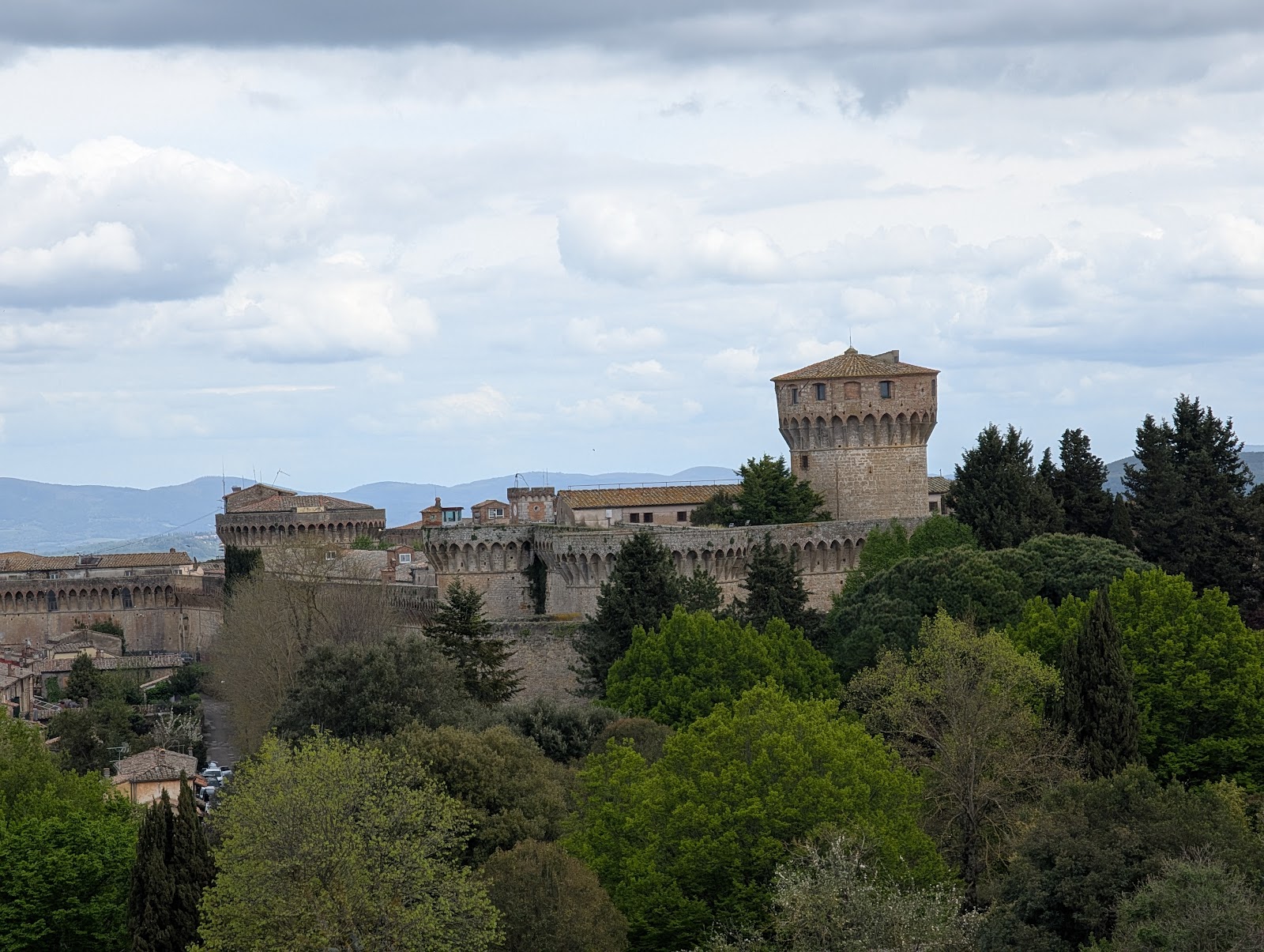
The city has been continuously inhabited since at least the 8th century BC, which means its layers are serious: Etruscan foundations, Roman theatre, medieval town hall, Medici fortress looming on the skyline — and that fortress is still a working maximum-security prison, which tells you something about Volterra's relationship with power.
💛 What travellers fall for
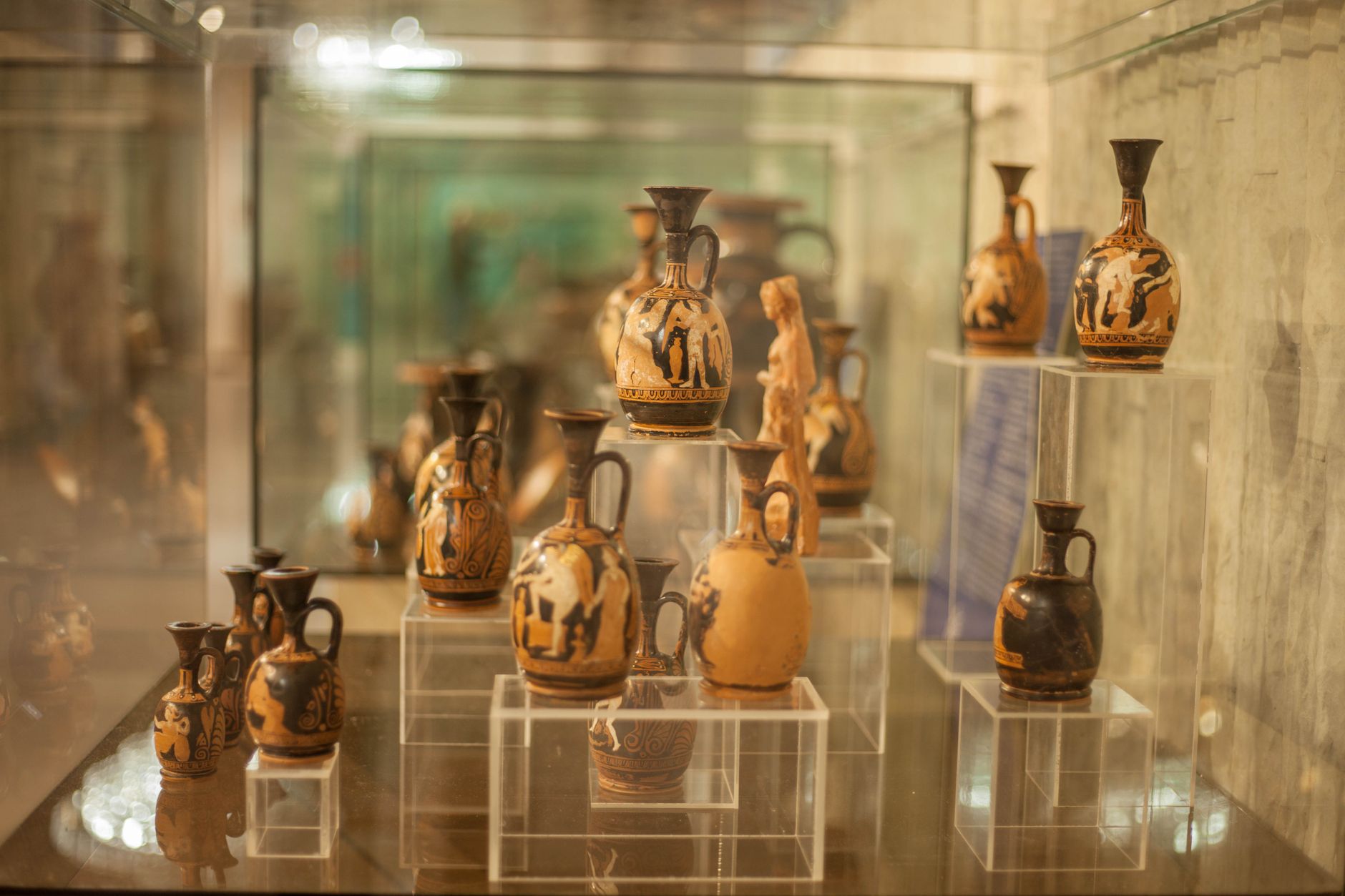
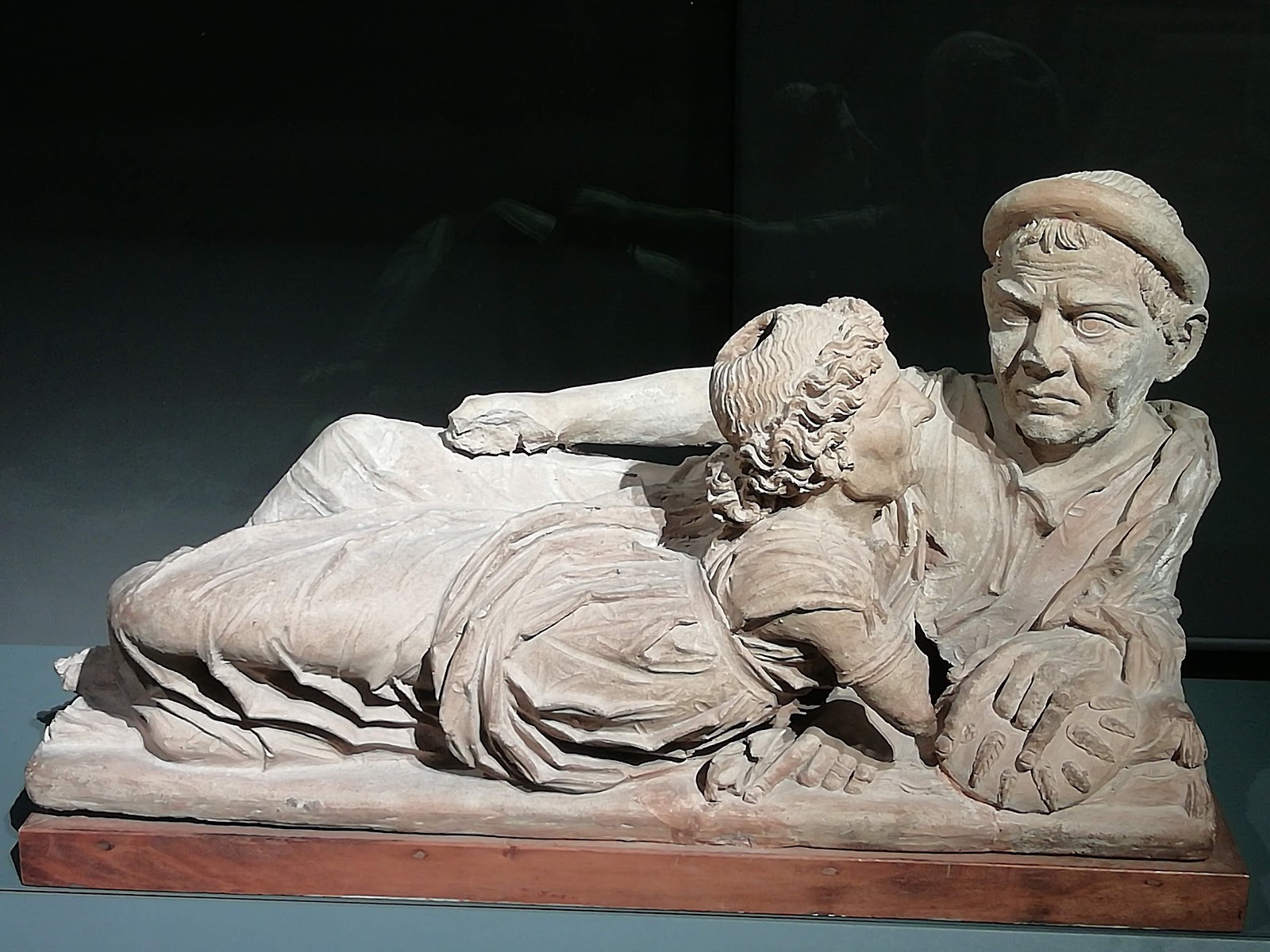
People who come back tend to mention the same few things: arriving on foot through the Porta all'Arco rather than by car, spending longer than expected in the Guarnacci museum with its Etruscan cinerary urns, and eating somewhere small on Via Gramsci before the afternoon light turns the alabaster facades amber.
Experiences you don't want to miss


Deals in Volterra
Book directly at the provider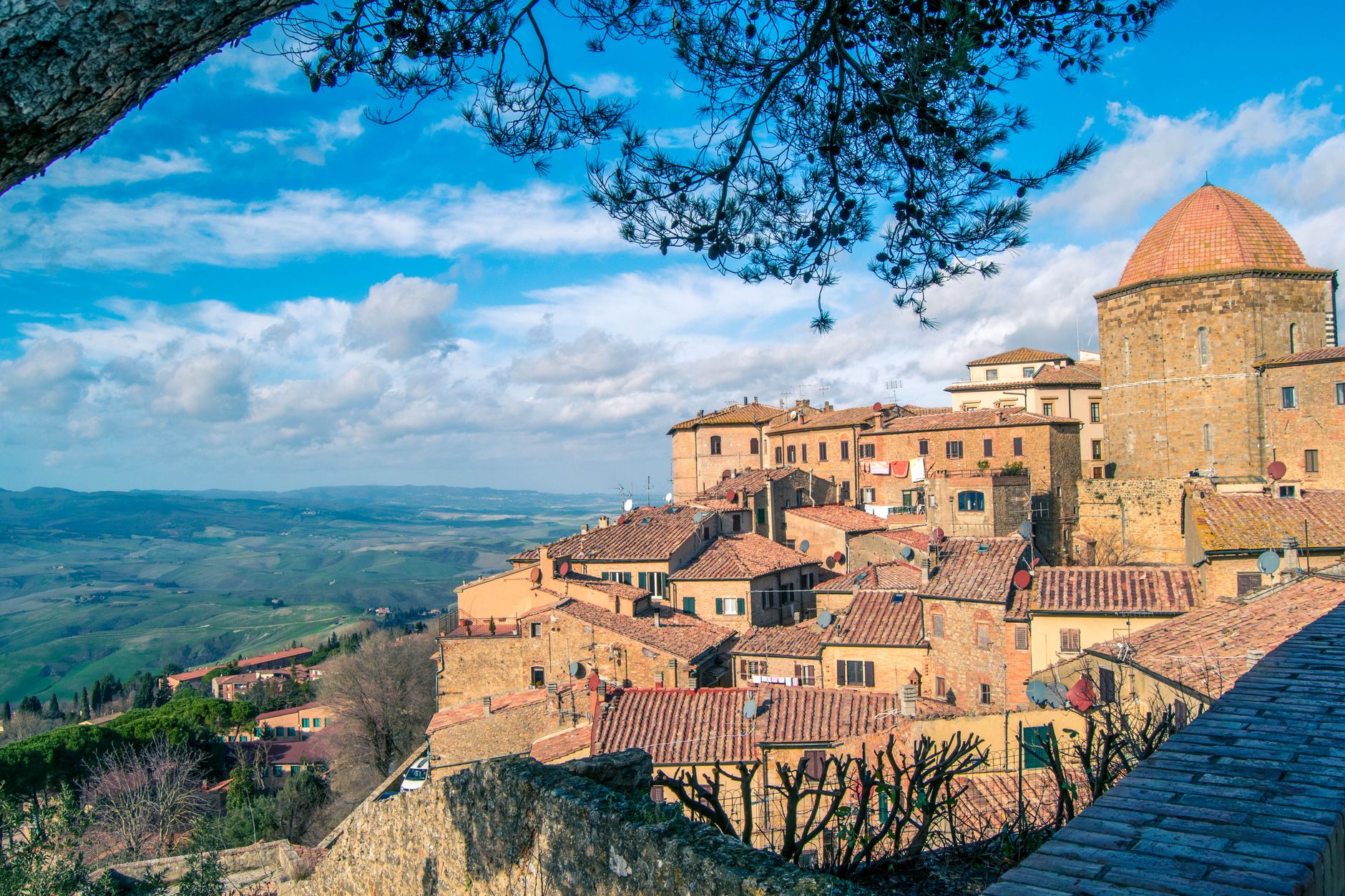
How Volterra came to be
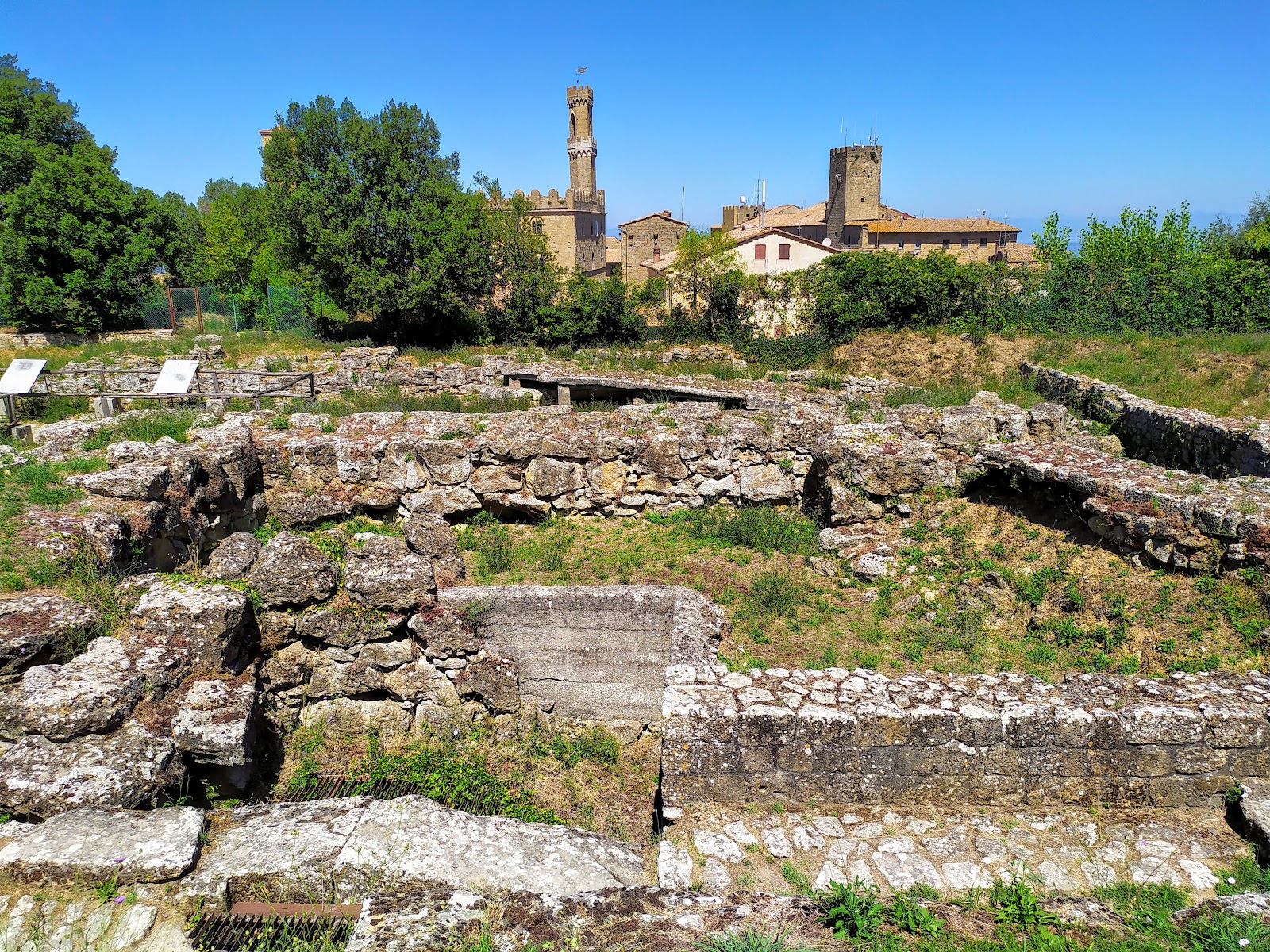
The Etruscans founded Volterra in the 8th century BC and made it one of the twelve cities of the Etruscan League. Its defensive walls eventually stretched over seven kilometres, punctuated by arched gates — the Porta all'Arco being the finest survivor. Rome absorbed the city as a municipium toward the end of the 3rd century BC, though not before a violent confrontation in the 1st century BC that left it diminished.
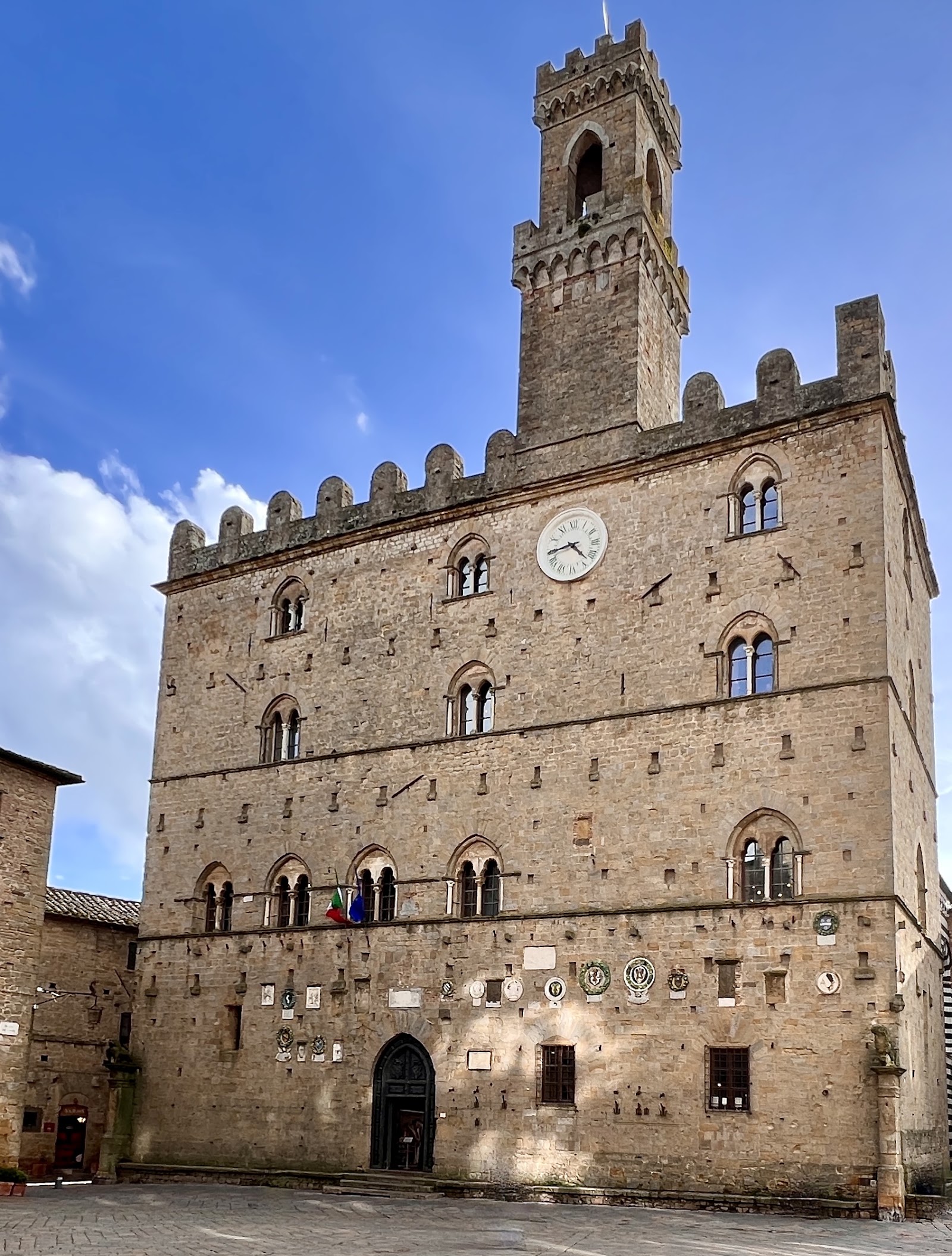
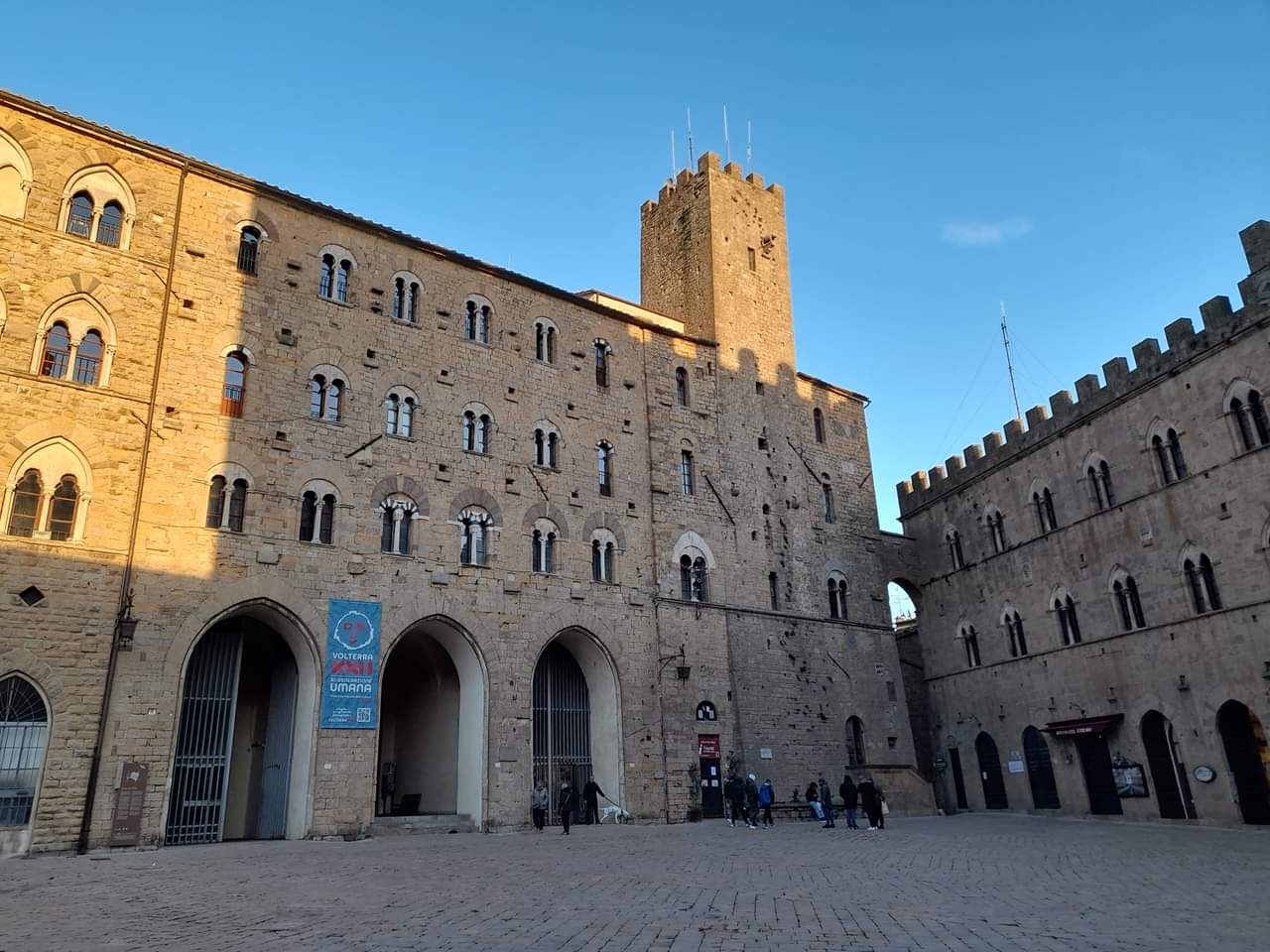
In the mid-13th century, civic power shifted from the bishops to a commune, and the Palazzo dei Priori — begun around 1208, the oldest town hall in Tuscany — became its symbol. That independence ended in 1472 when Florence conquered the city. The Medici burned the old political centre, turned it to grass, and built their fortress directly beside it: a deliberate erasure made permanent in stone.
Who and what shaped it
People who shaped it
Landmark buildings
See Volterra in motion
Plan your visit
On the map
When to go
Spring and early autumn are the most comfortable seasons — mild temperatures and fewer visitors. Summer on the ridge can be warm but rarely oppressive, and the elevation keeps it cooler than the valley towns; winter is cold and sometimes foggy, which suits the place's temperament but limits some site hours.
Right now
↡ Attractions


Background & history adapted from Wikipedia (CC BY-SA) · specs from Wikidata (CC0) · weather from Open-Meteo · map data © OpenStreetMap contributors · photos from Wikimedia Commons / Unsplash with per-image credit. No third-party reviews or social posts reproduced.