
Livorno
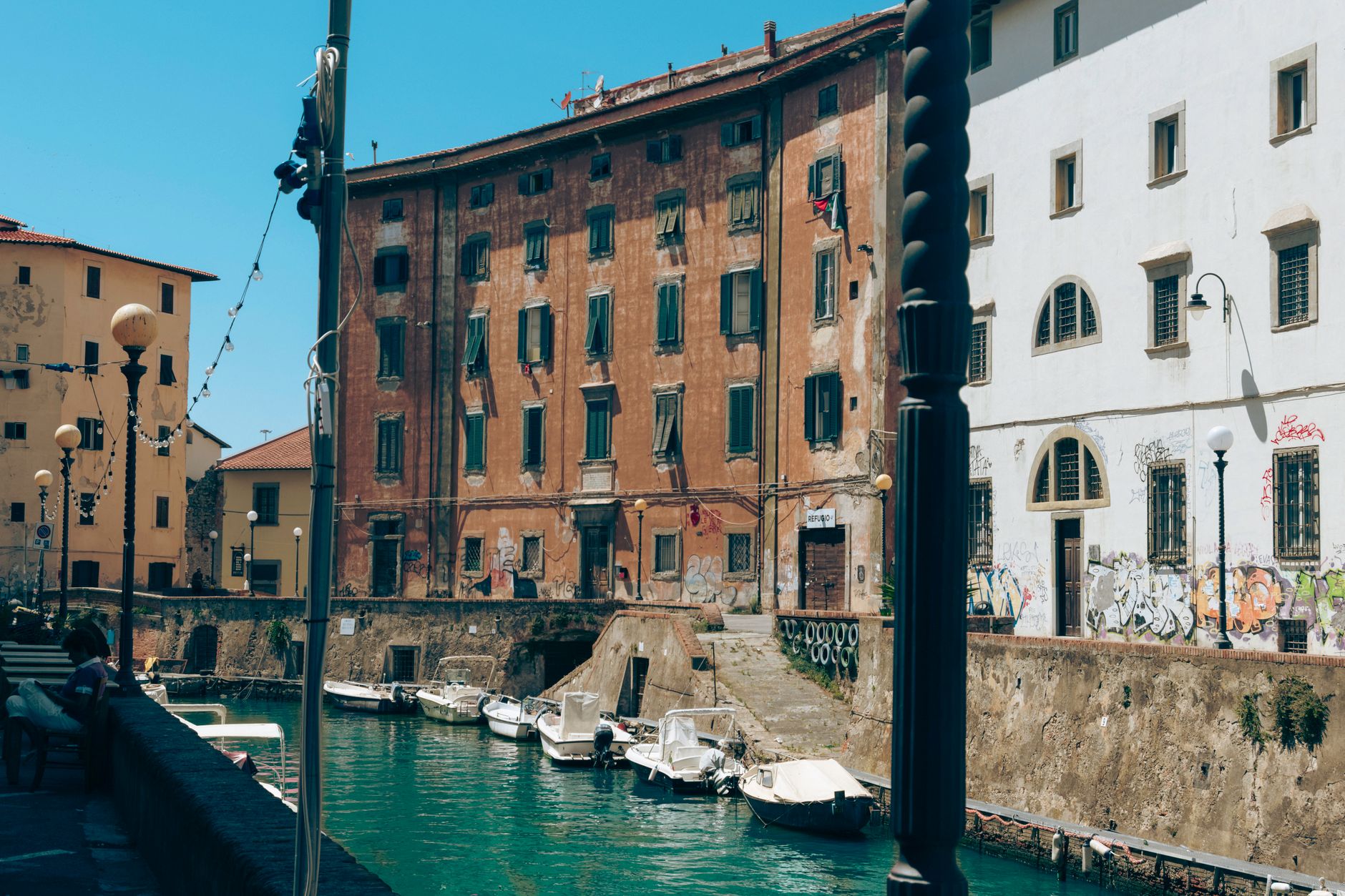

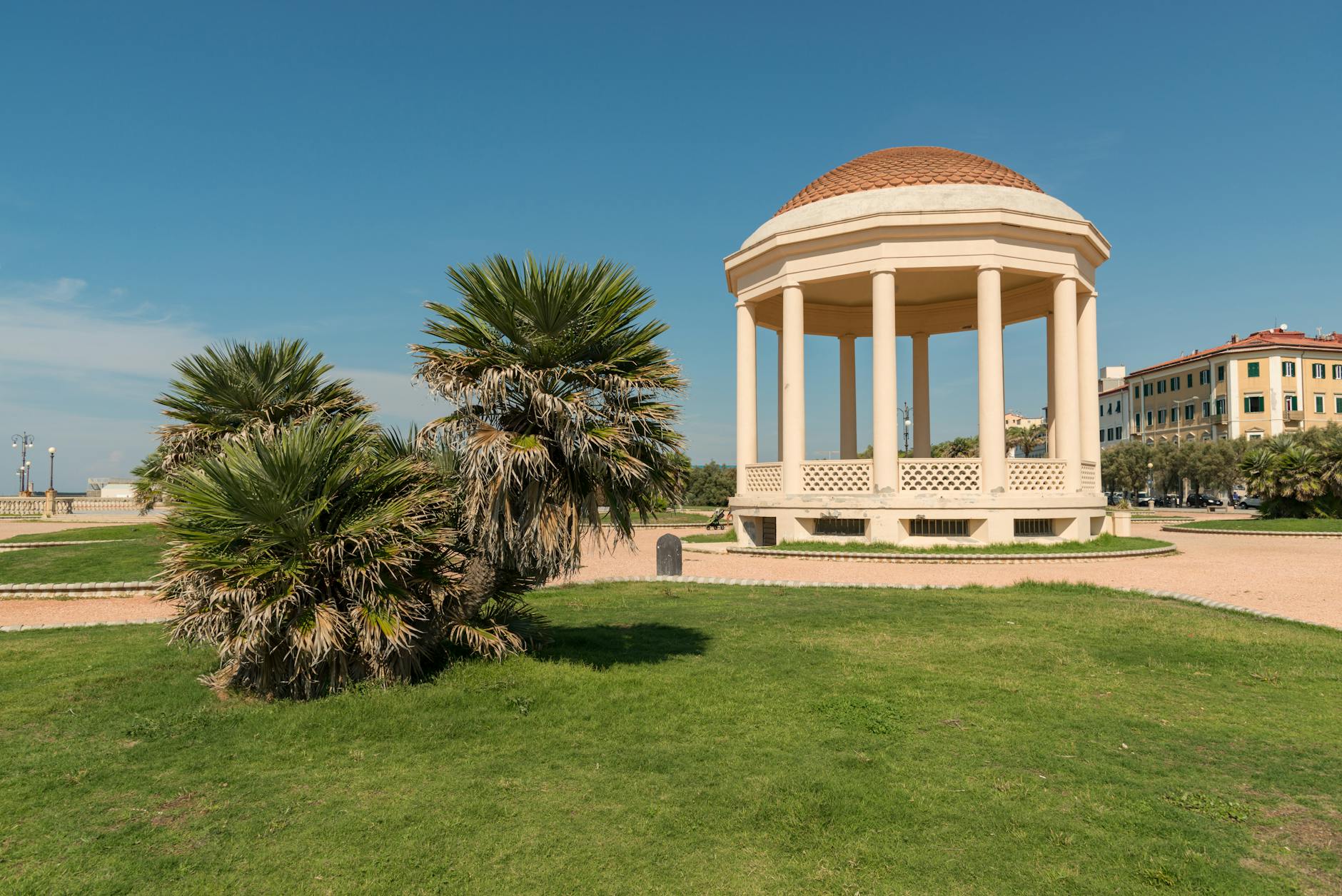
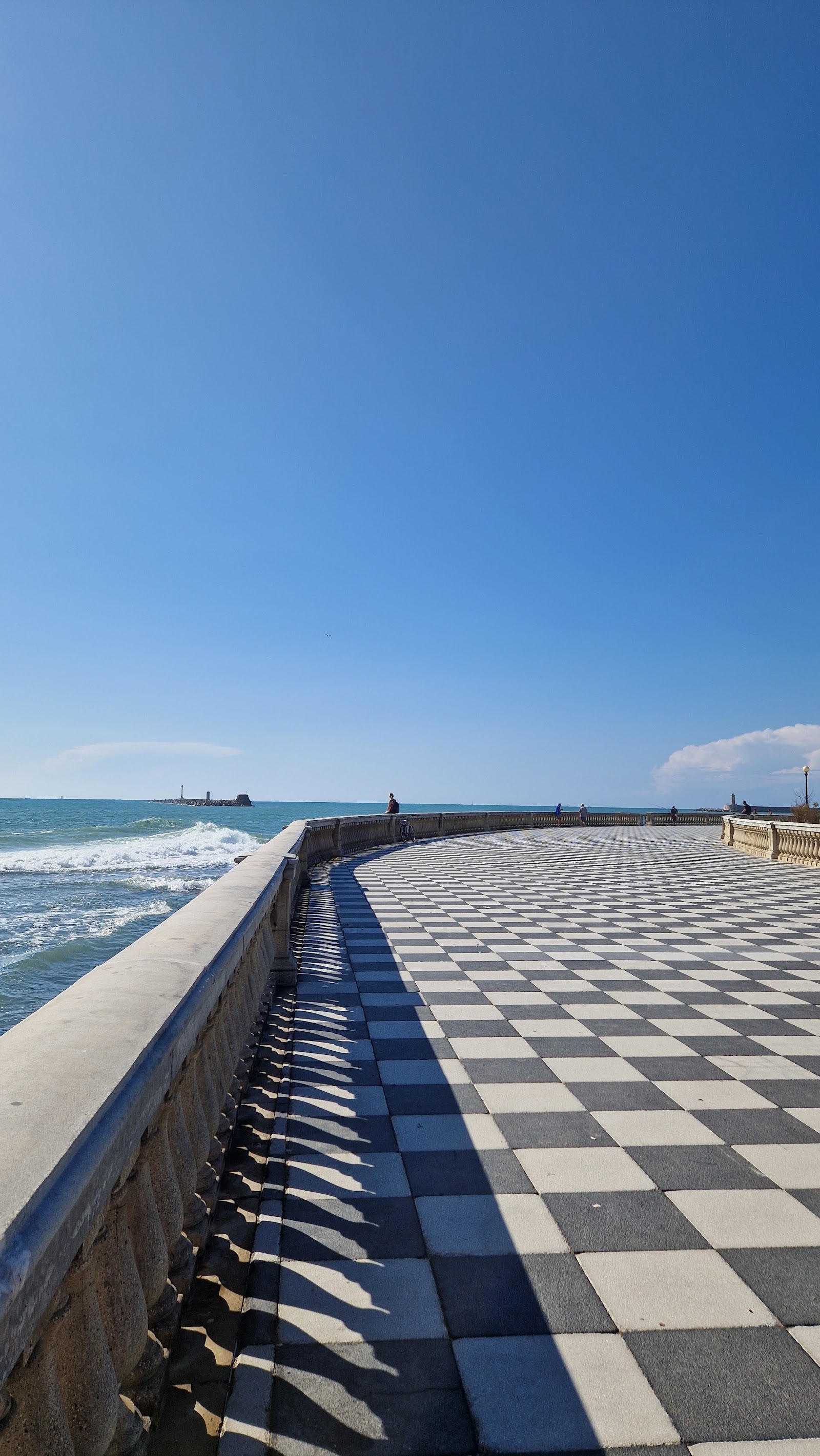
Livorno faces the sea and turns its back on Tuscany's greatest hits, which is exactly why it rewards you. Stand on the Terrazza Mascagni — 8,700 square metres of black-and-white checkerboard stone, a balustrade of 4,000 small columns, the Tyrrhenian stretching out beyond — and you'll understand that this city built its identity on openness, not enclosure.
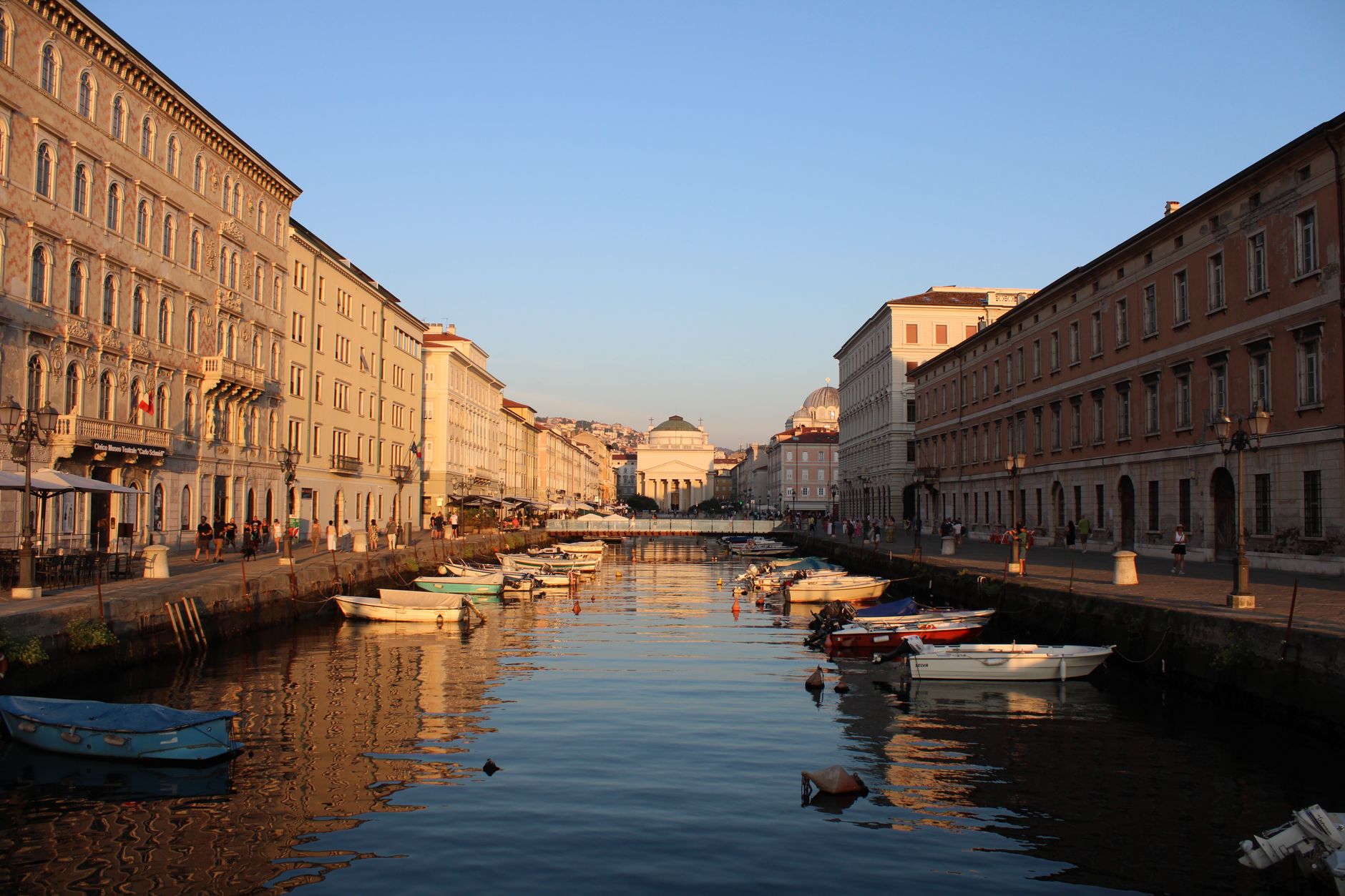
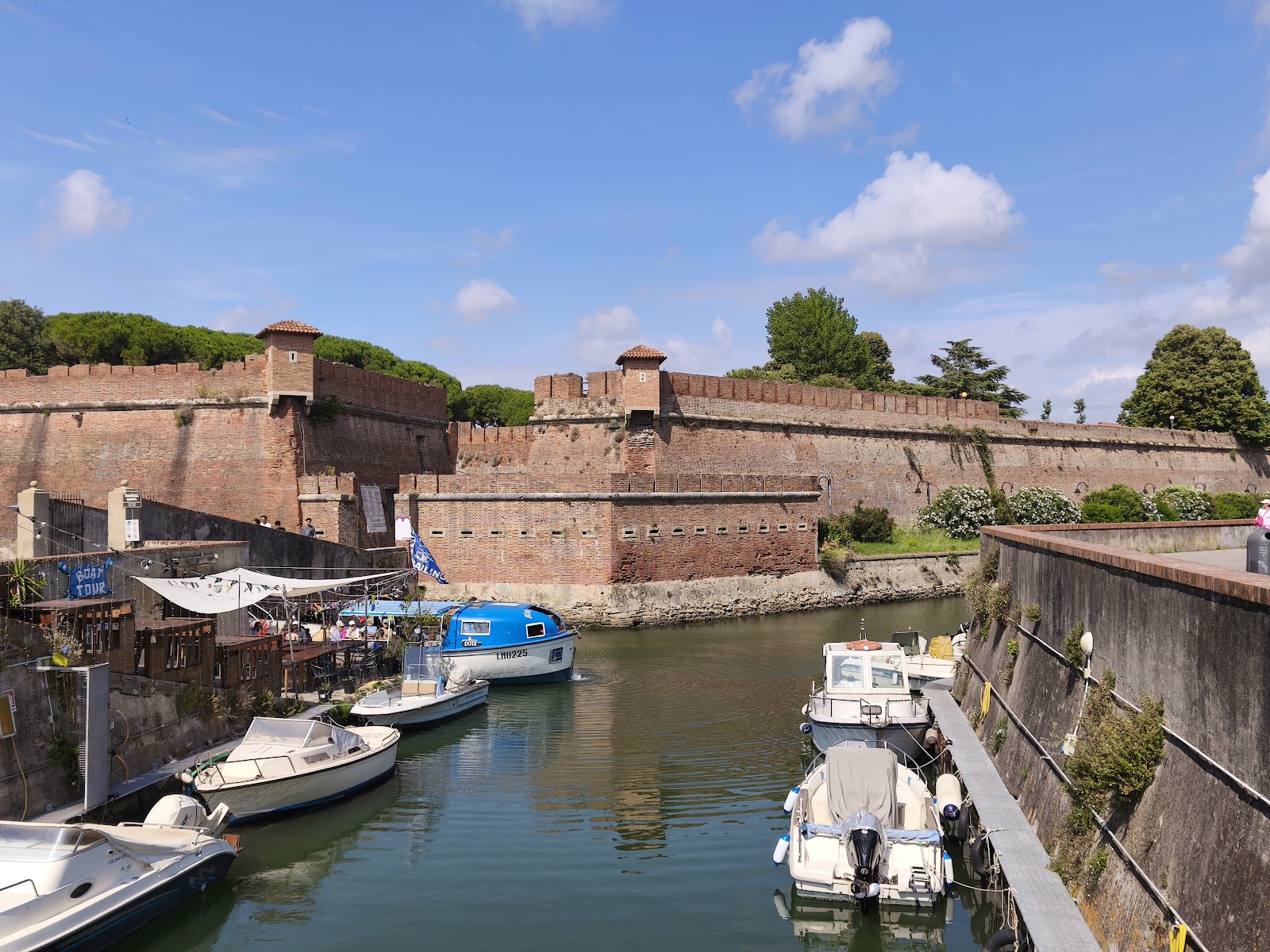
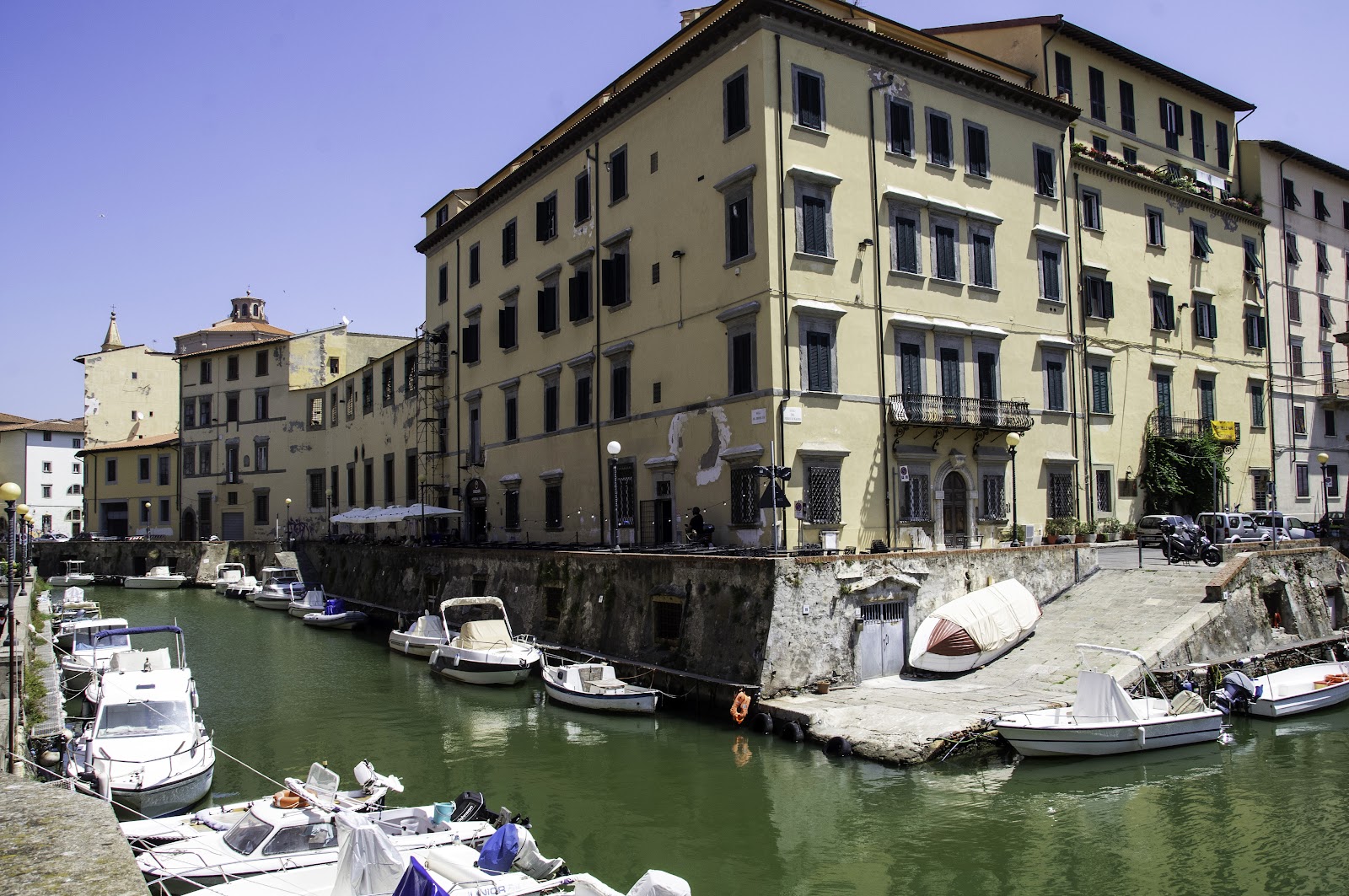
For nearly two centuries it was one of the Mediterranean's great free ports, drawing Greek merchants, Jewish families, English traders and Armenians into a city that genuinely needed them. That layered past is still readable in the canals of Venezia Nuova, the checkered square, the 1962 synagogue, and the streets that produced Modigliani, Mascagni and Fattori.
💛 What travellers fall for
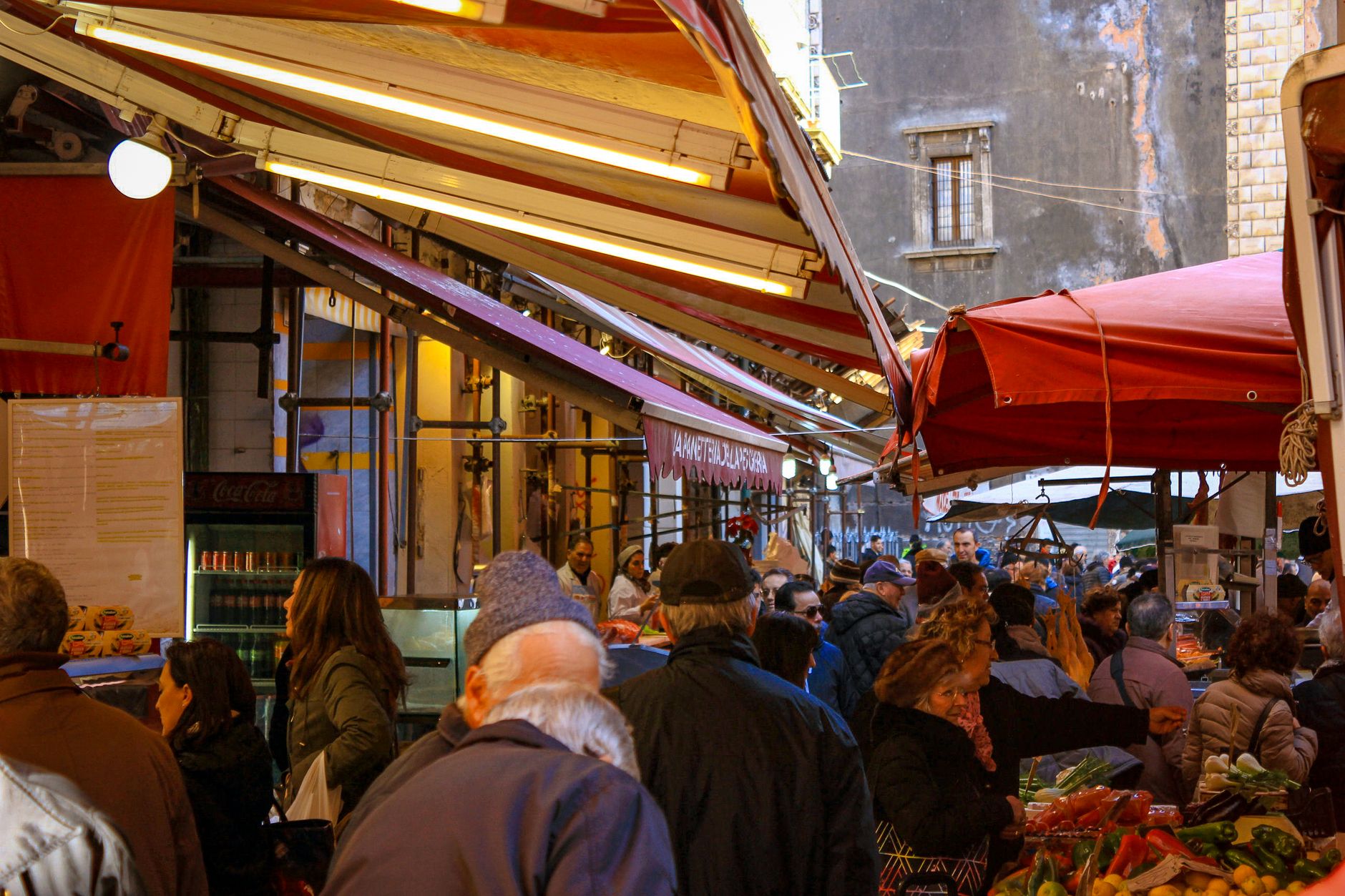
People who come back tend to make straight for the Mercato delle Vettovaglie for a late-morning espresso and whatever looks good at the fish counters, then walk the canal loop around Venezia Nuova before the light changes. The Giovanni Fattori museum in Villa Fabbricotti gets a second visit almost every time — the Macchiaioli rooms hold up.
Experiences you don't want to miss


Deals in Livorno
Book directly at the provider

How Livorno came to be
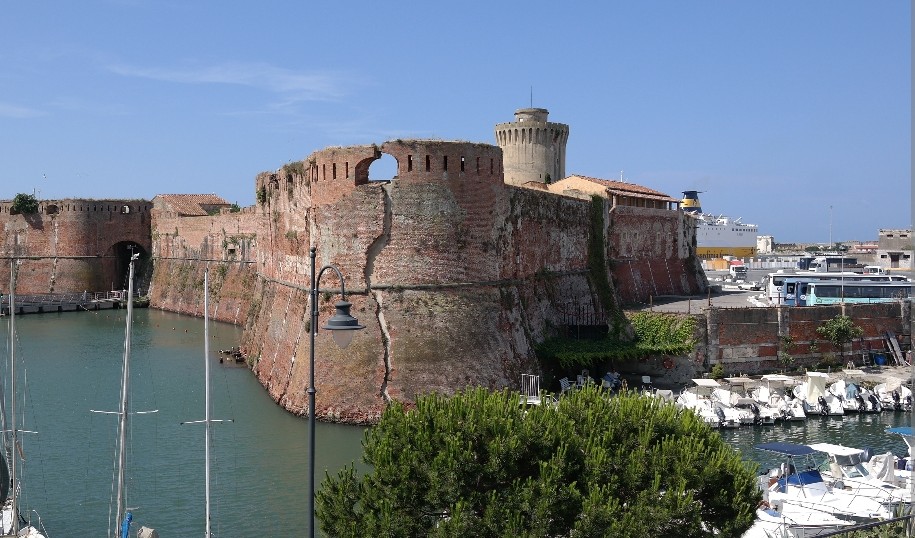
Livorno began as a coastal fortress in 1017, passed through Genoese and then Florentine hands, and might have stayed a minor outpost had the Medici not decided to build a city from scratch. In 1577, Grand Duke Francesco I de' Medici laid the first stone, with architect Bernardo Buontalenti drawing up an idealized grid plan. His brother Ferdinando I then made the decisive move: between 1590 and 1593 he issued the Livornine Constitution, a series of laws granting asylum and commercial freedom to anyone willing to settle and trade — Jews, Greeks, Armenians, English Protestants, Moorish converts.
The free port status that followed in 1591 turned Livorno into a genuinely cosmopolitan place, its diversity written into its churches, its neighborhoods, its food. That era ended with Italian unification in 1861, when the privileges were rescinded and communities began to scatter. World War II then destroyed much of the historic center — the cathedral, the synagogue, broad swaths of the old city — leaving Livorno to rebuild itself yet again, which it did, on its own terms.
Who and what shaped it
People who shaped it
Landmark buildings
See Livorno in motion
Plan your visit
On the map
When to go
Summers are hot and the sea breeze helps, but July and August bring crowds to the waterfront. Spring (April–May) and September offer warm days, clear light and far fewer visitors; winters are mild but can be grey and wet along the coast.
Right now
↡ Attractions

Background & history adapted from Wikipedia (CC BY-SA) · specs from Wikidata (CC0) · weather from Open-Meteo · map data © OpenStreetMap contributors · photos from Wikimedia Commons / Unsplash with per-image credit. No third-party reviews or social posts reproduced.