
Venezia Nuova Quarter
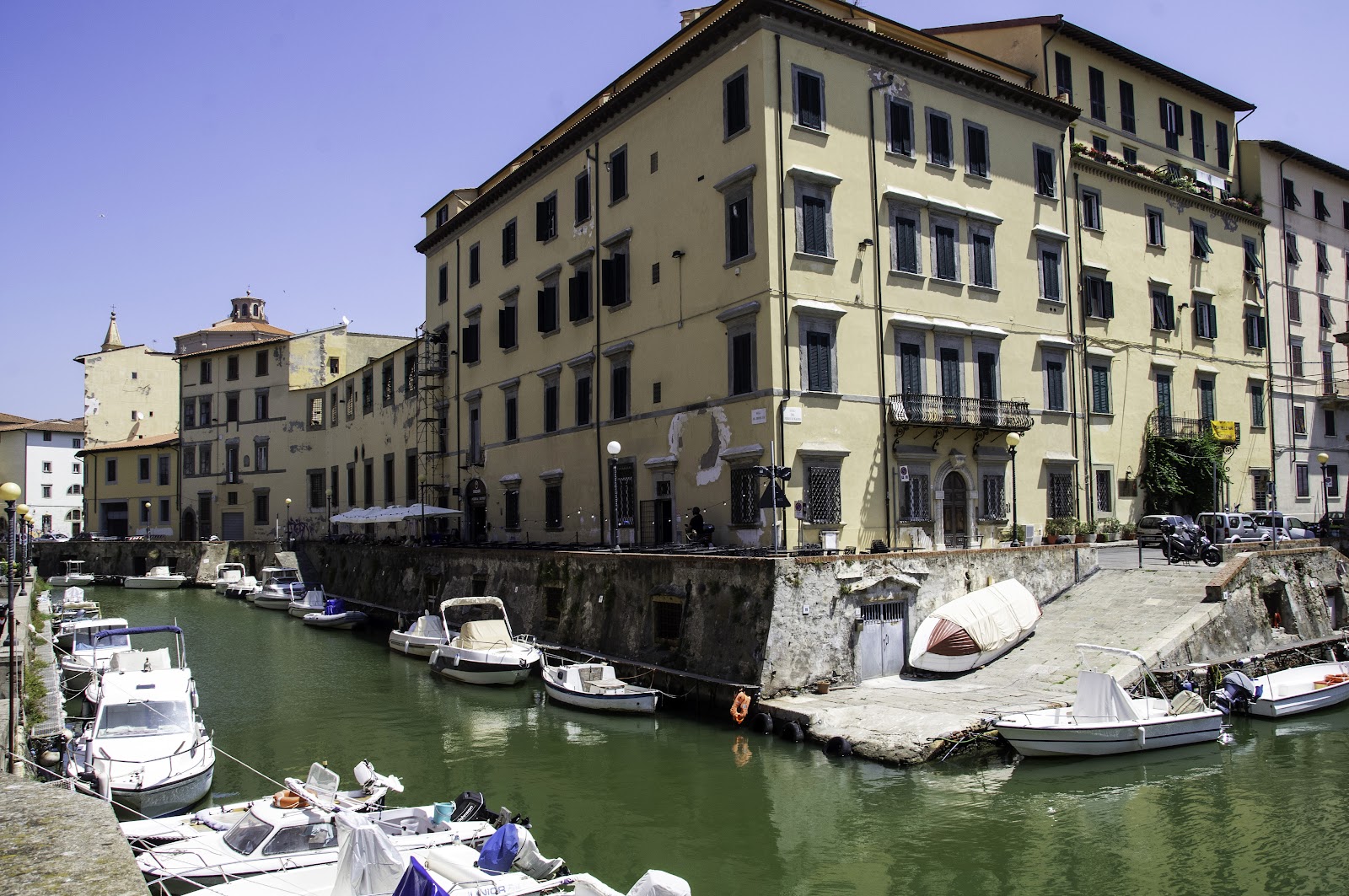
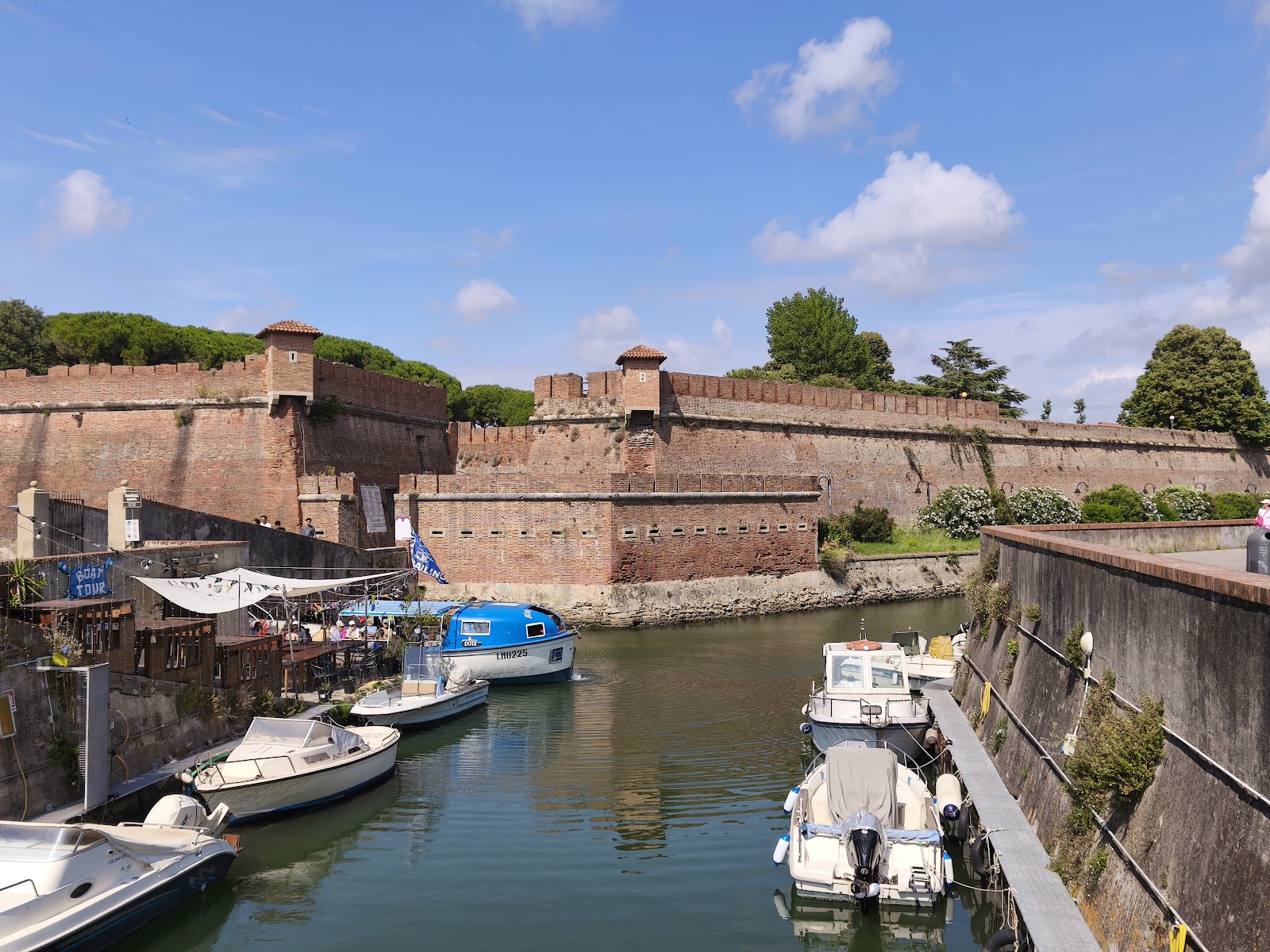
Venezia Nuova is the one part of Livorno's old centre that survived the Second World War largely intact, and walking its canal streets you understand immediately why the loss of the rest still stings. The water here is not decorative — it was the whole point. Merchant families from across Europe moored their goods at ground level and slept above them, and that layered logic still reads in the facades.
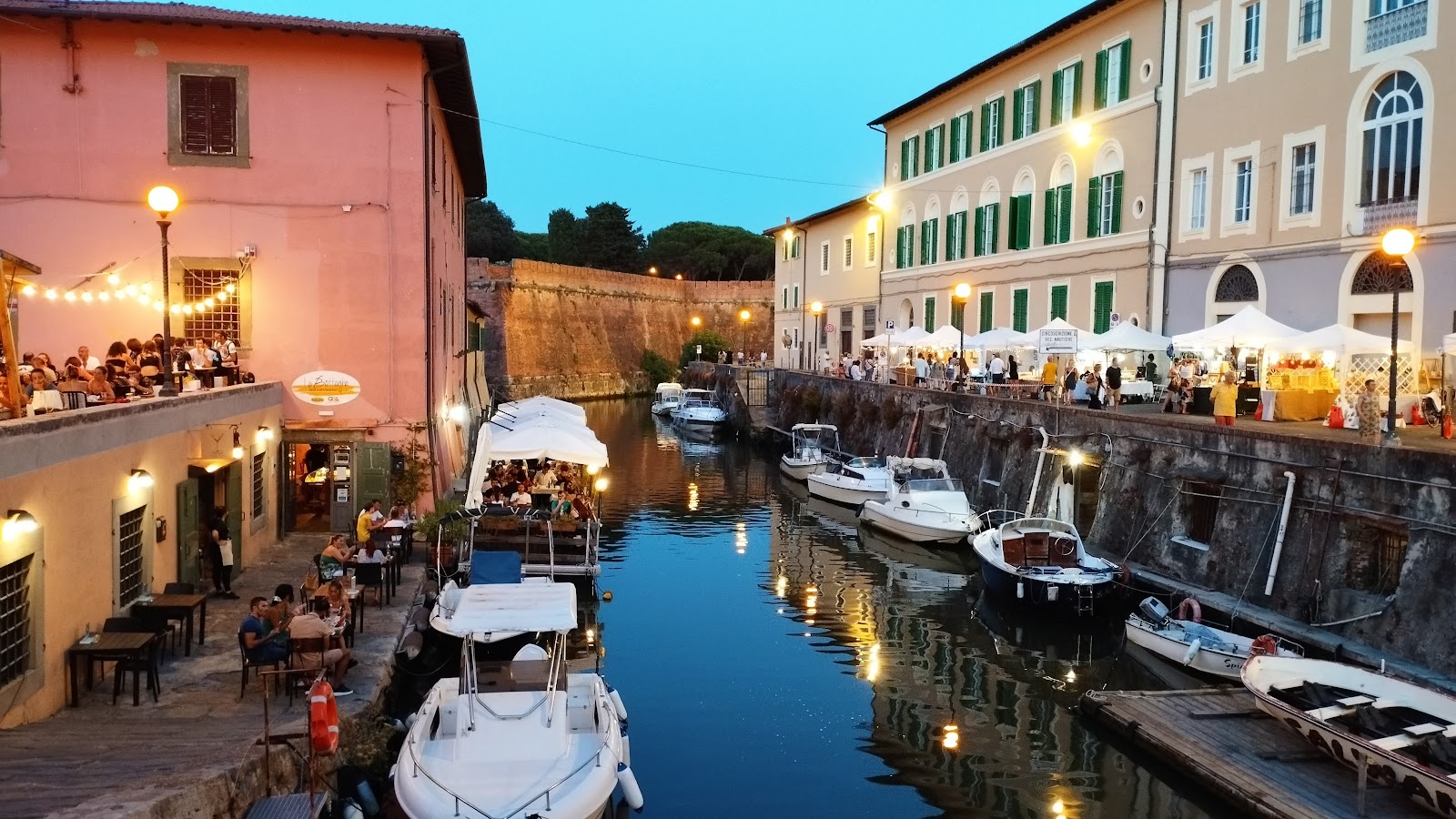
By day the quarter runs on local time: dog walkers, students, the occasional delivery boat pushing a slow wake down the fossi medici. After dark the stone walls catch and throw back light and conversation in equal measure.
💛 What travellers fall for
People who come back tend to start at Ponte San Giovanni Nepomuceno and walk Via Borra slowly — the street where foreign consulates and Livorno's wealthiest merchant families once kept their palaces. They stop for a 5&5 at Gagarin near Mercato Centrale: a chickpea-flour pancake folded into focaccia with black pepper, the city's own street food.
The story behind Venezia Nuova Quarter
In 1629, the Medici Grand Duke Ferdinando I had already spent decades turning Livorno into a free port, drawing merchants from across Europe with grants of legal protection and tax privileges. That year, architect Giovanni Battista Santi laid out the navigable canal network — the fossi medici — over the waters north of the existing city, and Venetian workers built the district using the same techniques they knew from home. The work continued until around 1700.
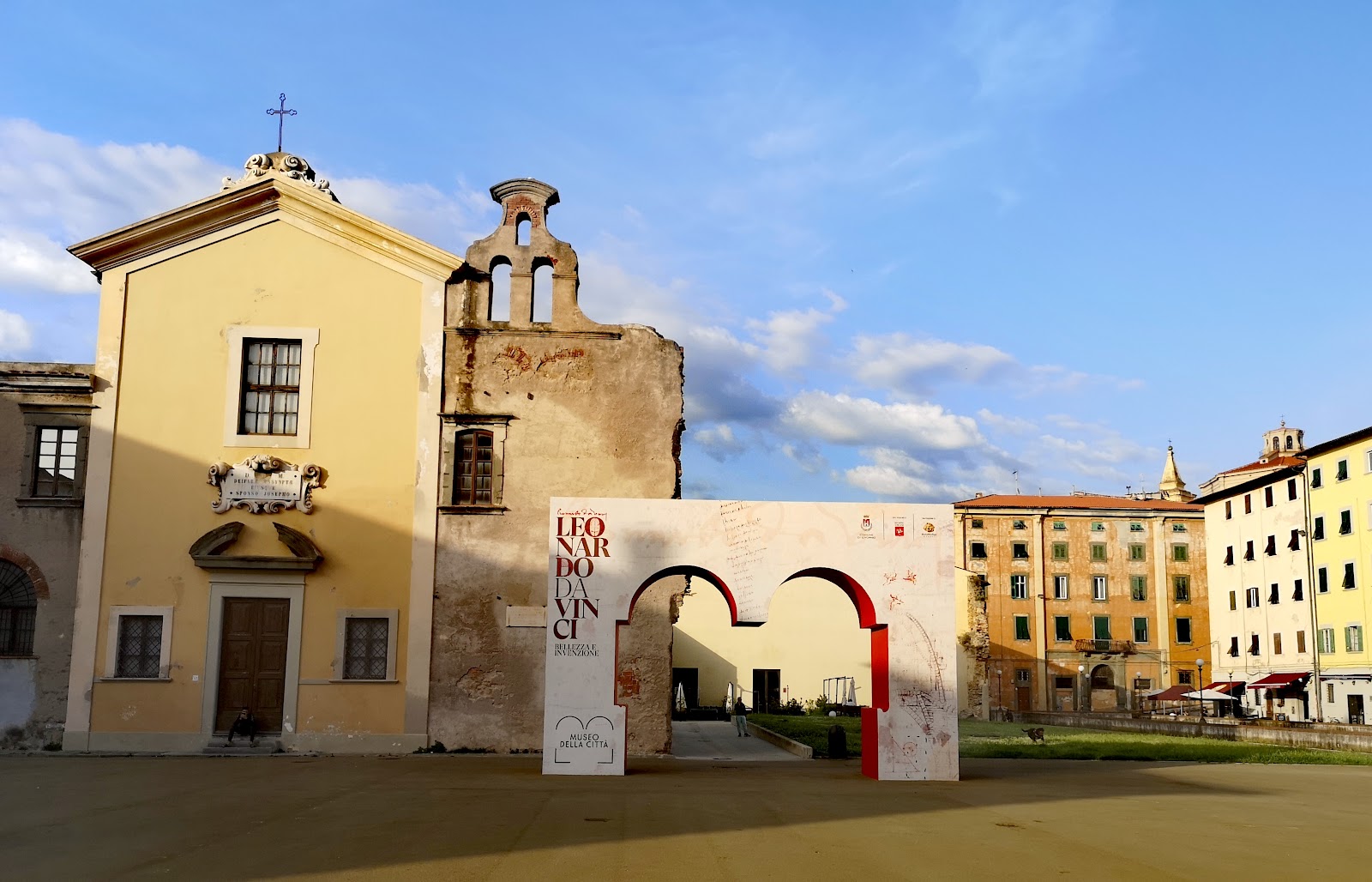
The families who moved in — Finocchietti from Annecy, Huigens, Bertolla, Niccolai Gamba, Bicchierai — built merchant houses with storerooms at water level and living quarters above. Churches followed: Santa Caterina (1720) with its near-fifty-metre dome, San Ferdinando in the early eighteenth century. The 1705 Bottini dell'Olio warehoused oil for export and now holds a library. Allied bombing in the 1940s erased most of historic Livorno; Venezia Nuova, imperfectly, survived.
Good to know
The quarter is a public neighbourhood — no tickets, no gates. Several bus lines (1+, 2+, 5, 10, 21 among them) stop within a short walk. Spring and early autumn give the most comfortable conditions. If you're here in late July, the Effetto Venezia festival fills the canals with concerts and light displays.
April through May and September through October bring mild temperatures and thinner crowds — the best conditions for walking the canal streets at length. Summer is hot, but late July into early August carries the Effetto Venezia festival, which is a reason rather than a deterrent to visit then.
Where is Venezia Nuova Quarter?
More tickets & tours for Venezia Nuova Quarter
Book directly at the provider
What travellers say about Venezia Nuova Quarter
….And “What to do in Livorno in 1 day” Keeping in mind that this city is buzzing of mainly locals, only few are the places that are really worth it in Livorno. The quarter of Venezia and the canals system which is creating a web of waterways connecting the “old” city. Luckily it’s not a fake of the beautiful city of Venice but simply charming quarter surrounded by canals and packed with restaurants e small eateries doing business with locals not with tourists (except visitors coming from everywhere in Tuscany driving here just for good food). For this reason you will probably be surprised by the fact that often these restaurants are closed for lunch… something unthinkable in a touristic city. Just get lost and walk simply around following the canals. There are tours organised to explore the whole canal system via water, best way to do some sightseeing. To mention if you have little time here is a visit to Mercato Centrale coperto also “Mercato delle Vettovaglie” similar to the one in Firenze but with the beauty that it’s still a genuine market; outside there are crowds of locals buying their groceries from the open fruit and veg market nearby. Worth it to try 5&5 (cinque e cinque) at Gagarin (chickpea flour sort of pancake served into focaccia/French salty roll with black pepper… optional fried aubergines as well) just outside the Mercato Centrale, west side. Another place to add is the Terrazza Mascagni… by the seaside, another beautiful place to visit via bus “LAM Blue” (blue line) from via Grande direction south.
Great atmosphere at the weekend, with plenty of bars and restaurants alongside the canal. A shame more money isn't invested in this great area of Livorno.
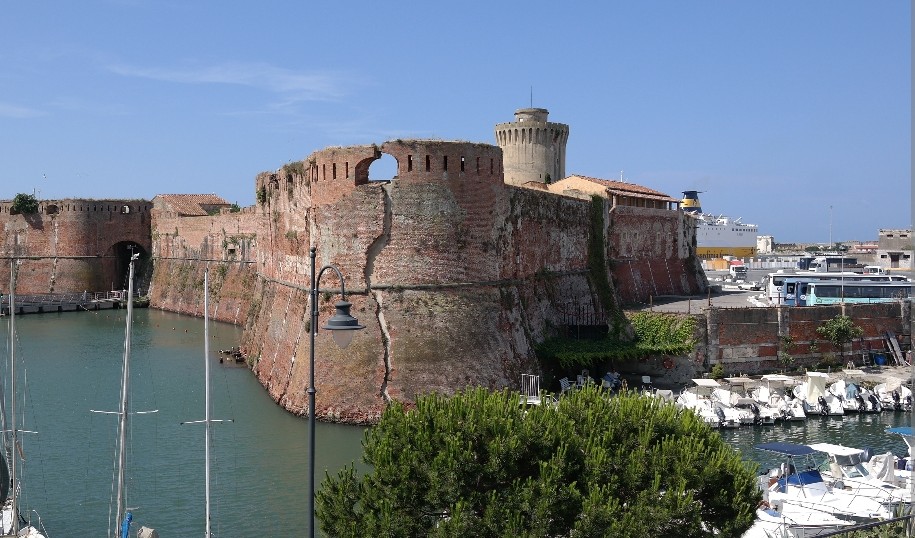
A very charming area of the city. Historic and authentic, it's a great place to take a walk and enjoy the sights. There are cafes and restaurants but being unconsumed by tourism they open at times suitable to locals. It peaks in the area around the fort which is well worth the walk around. Its a must-see area in Livorno and worth walking through several times to get to the other areas in town.
I can't understand so good reviews about this district. Yes, there are canals with boats. But everything around is in a bad condition, so there is no good image of the district. It is dirty, roads are damaged, hard to go with child stroller. A lot of parked cars what also makes hard to walk.
wonderful Quarter, nice walk, bars and Restaurants
More of Livorno
Discover where to stay, what to do and the best deals for your trip.
Explore Livorno →More attractions in Livorno
All of Livorno →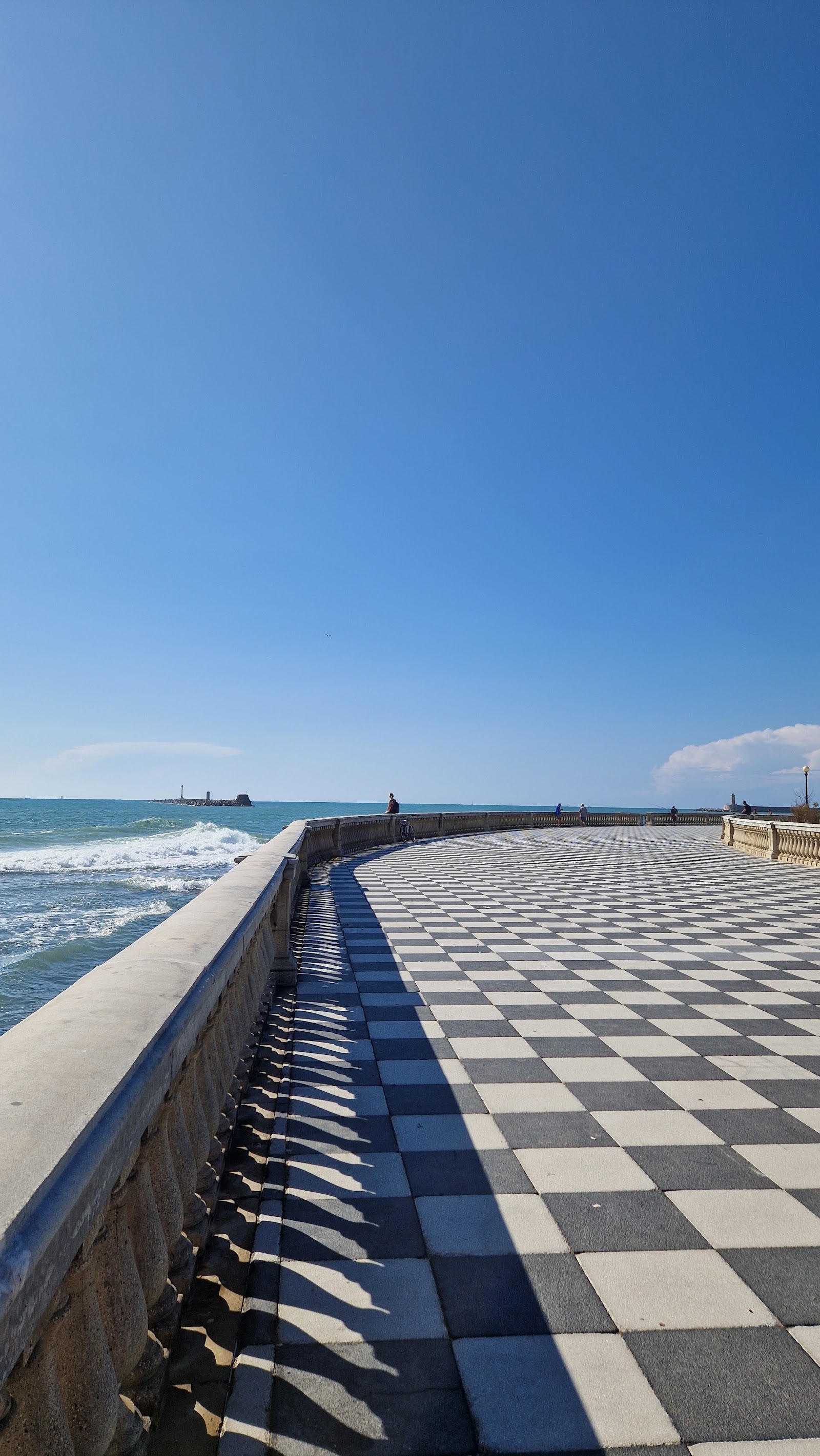

Background adapted from Wikipedia (CC BY-SA) · map data © OpenStreetMap contributors · ratings & place photos via Google · other photos with per-image credit. Ticket links may earn us a commission at no extra cost to you.