
Fortezza Nuova
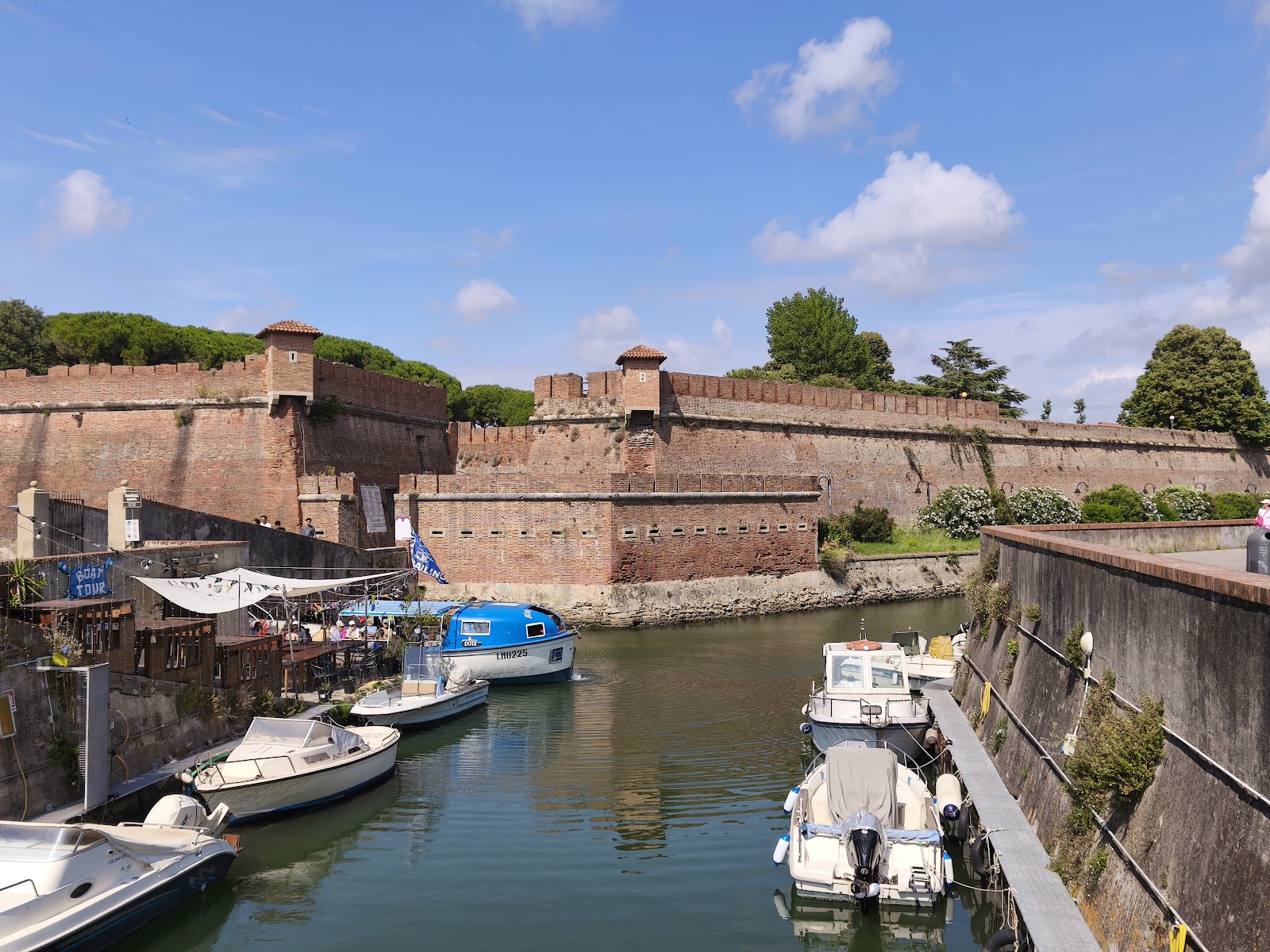
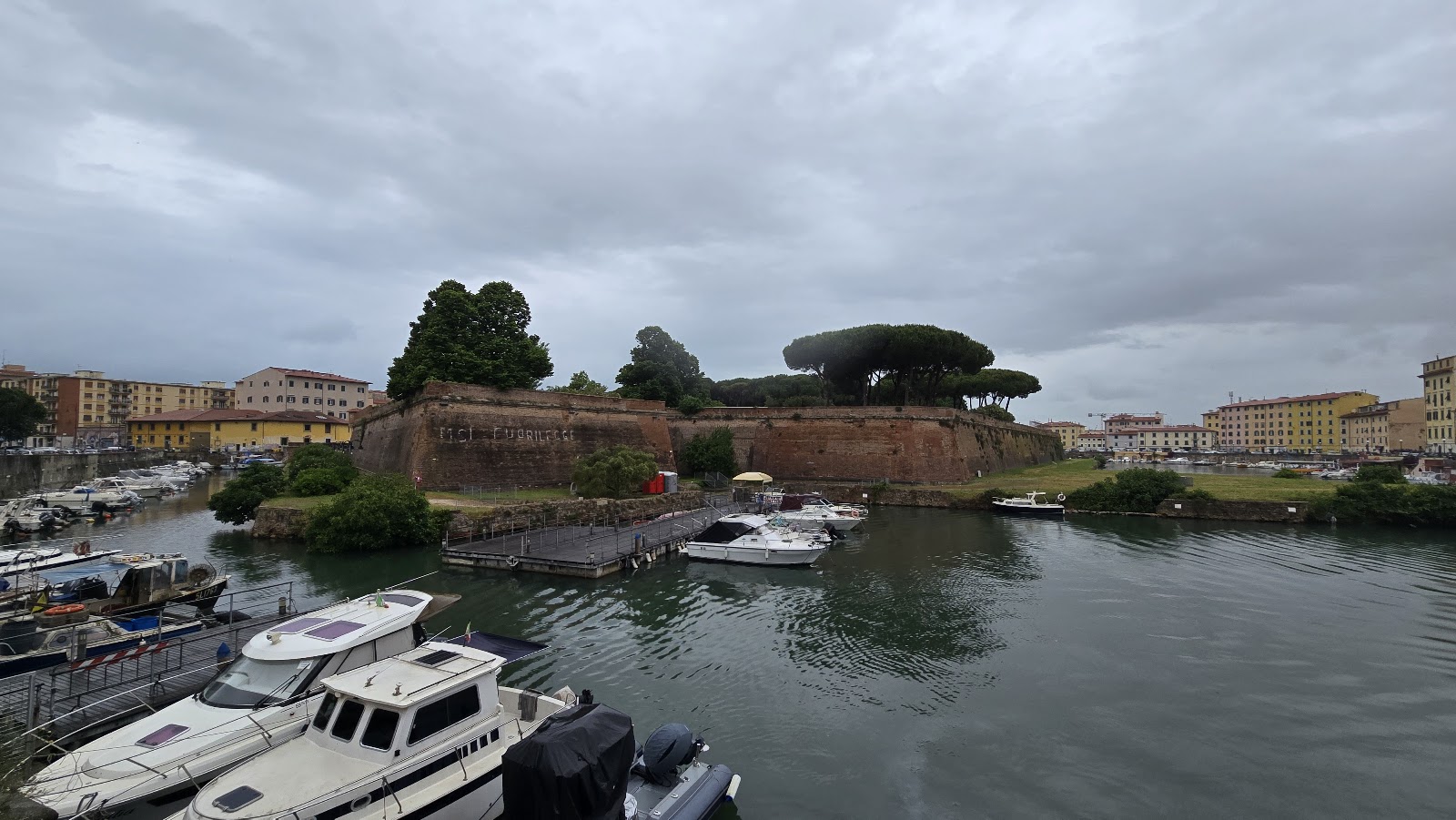
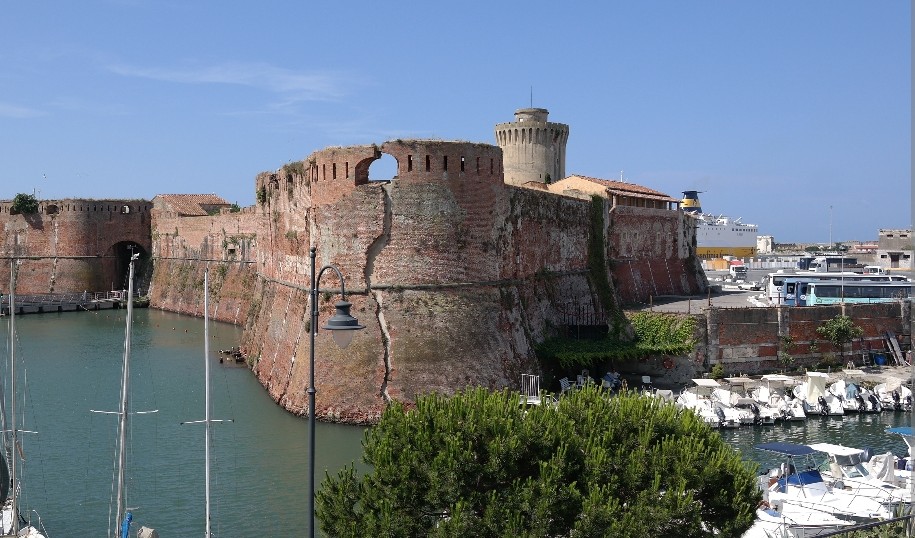
The first thing you notice is the brick — deep red, worn smooth in places, running the full length of walls that once stretched more than 1,500 metres around this five-bastioned fortress. Today those walls still stand, but inside them Livorno has planted a park: 44,000 square metres of grass, shade trees and the occasional food stall, all sitting in what was once one of the Medici's most serious pieces of military engineering.
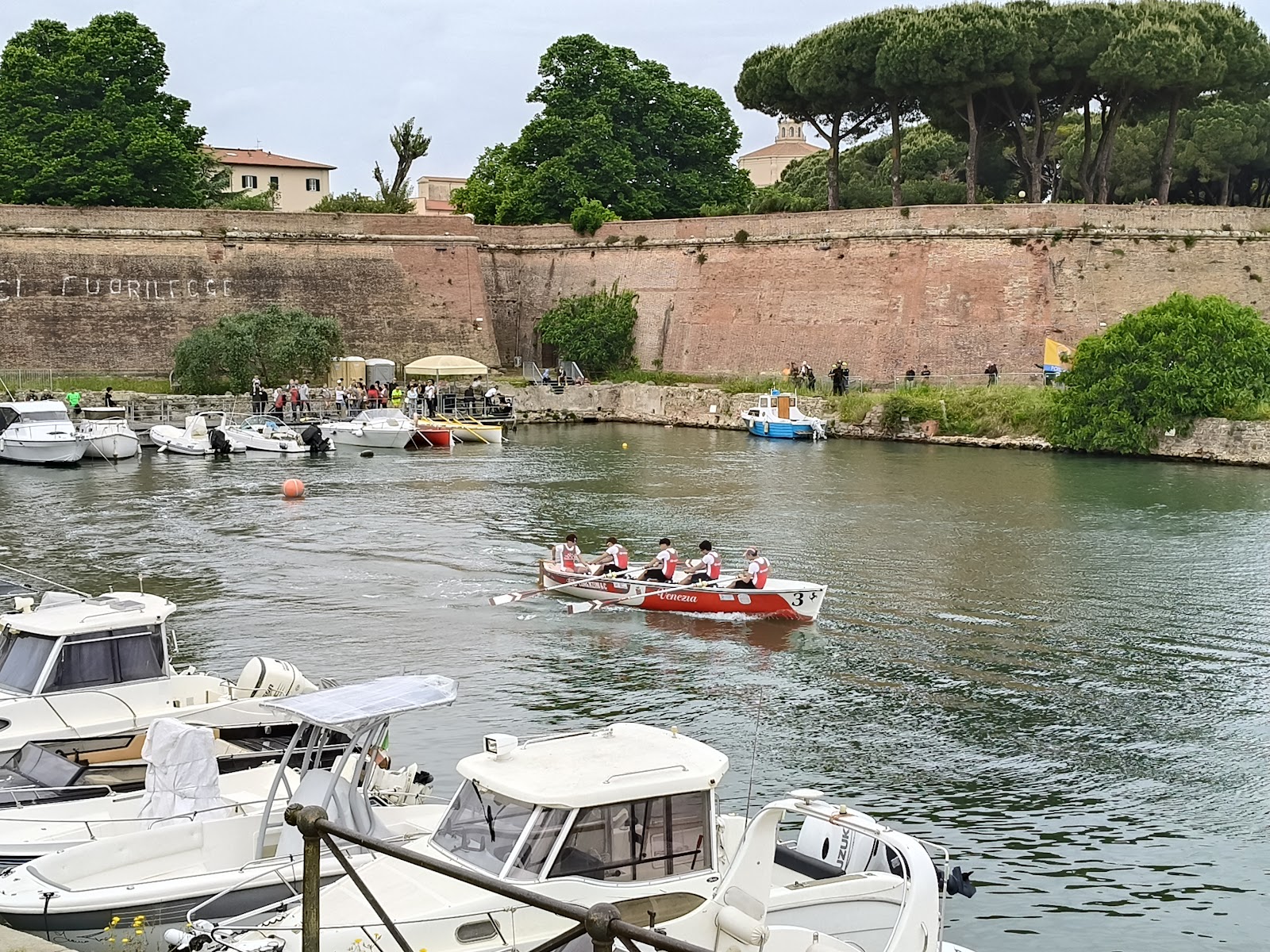
Cross the small bridge at Scali della Fortezza Nuova and the city quiets down almost immediately. The moat still rings the perimeter, the ravelins still jut out from the walls at their calculated angles, and the Sala degli Archi — a vaulted brick hall inside — hosts exhibitions and concerts when the city has something worth showing.
💛 What travellers fall for
People who come back tend to do the full perimeter walk first — roughly three kilometres along the interior walls — then settle somewhere in the shade. The Sala degli Archi is worth checking in advance: whatever is showing there often turns out to be the most interesting hour of the visit. Summer evenings, there are usually food vendors and occasionally live music.
The story behind Fortezza Nuova
Ferdinand I of the Medici laid the foundation stone on 10 January 1590, commissioning Bernardo Buontalenti as primary architect, with Don Giovanni de' Medici also involved in construction. The fortress took nearly fifteen years to complete, emerging around 1604 as one of the largest fortifications in Tuscany by perimeter. Built almost entirely of red brick, it was designed with five bastions and surrounded on all sides by a moat.
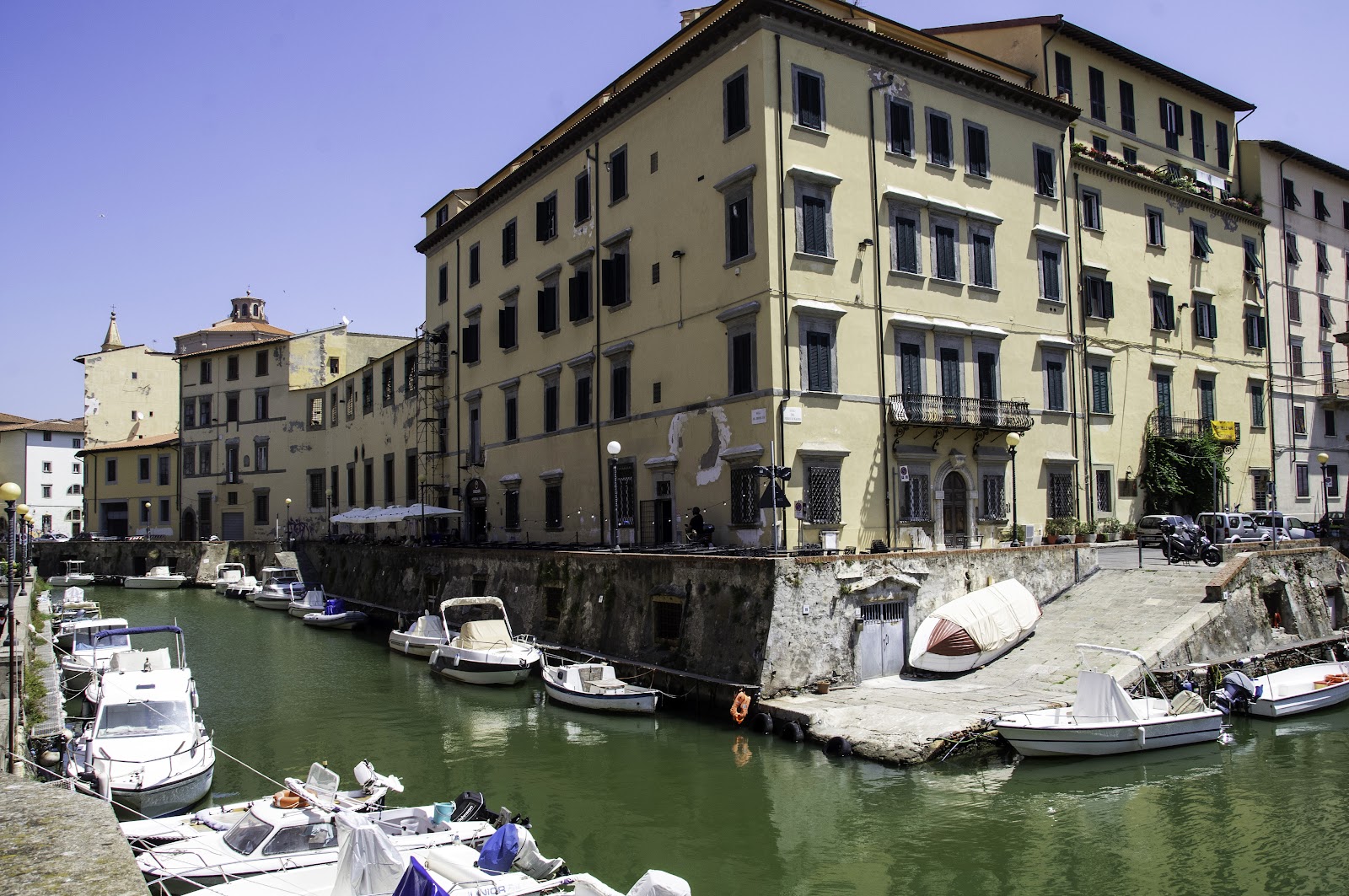
In 1690 roughly sixty percent of the structure was demolished to make room for what became the Venezia Nuova district — the canal quarter you can visit nearby. The fortress served as a military garrison into the early nineteenth century and was used for military purposes through the end of World War II, by which point bombing had destroyed much of what stood inside the walls. The last internal structures came down in 1968; the municipality converted the enclosure into a public park in 1972.
Good to know
Entry is free; the park keeps long hours in summer (until midnight) and shorter ones from mid-September. The walk around the interior perimeter takes a couple of hours at an easy pace. Skip it in November, the wettest month — mid-April through June and the first half of September are the reliable windows.
Summers are warm and sunny with a sea breeze keeping the heat manageable — July highs around 29°C. Spring (mid-April through June) and early September offer the most comfortable conditions for walking the perimeter; November brings the most rain, averaging around 150mm for the month.
Where is Fortezza Nuova?
More tickets & tours for Fortezza Nuova
Book directly at the provider
What travellers say about Fortezza Nuova
Followed gpsmycity introduction walking tour, stared from the Republic Square and ended at the Central Market (unfortunately it was closed on Sunday). It was about 3km and took us a couple of hours. We liked the new fort and the old fort and the canal.
Walking the historic walls of Livorno’s New Fortress is not just a visit—it’s an experience that stays with you long after you leave. The route is designed for independent discovery, allowing you to explore at your own pace while taking in the breathtaking views over the city and its surroundings. Having lived in London for many years, it was especially meaningful to return and see the fortress so beautifully revamped, improved, and clearly well looked after. It’s a transformation that deserves real recognition, and massive credit goes to the organizers for the care and vision they’ve put into preserving and enhancing such an important historic site. The VR in the bookstore adds a fun, immersive twist. The host Sabrina is a real credit to the experience—knowledgeable, professional, and genuinely welcoming. An absolute must-visit!
Sabrina was very knowledgeable and it was a pleasure learning from her!
Place worth to visit in Livorno. A green piece of the city hidden behind old fortification walls with nice view from the top. Miss Sabrina will be happy to share interesting facts about Livorno. I enjoied it much and sincerely recommend.
The 16th-17th century built fortress is now a public space dedicated to open-air activities, shows, and recreation. While not much historical information is displayed, we enjoyed the views of the canals and buildings of the Nuova Venezia neighborhood.
More of Livorno
Discover where to stay, what to do and the best deals for your trip.
Explore Livorno →More attractions in Livorno
All of Livorno →

Background adapted from Wikipedia (CC BY-SA) · map data © OpenStreetMap contributors · ratings & place photos via Google · other photos with per-image credit. Ticket links may earn us a commission at no extra cost to you.