
Cortona
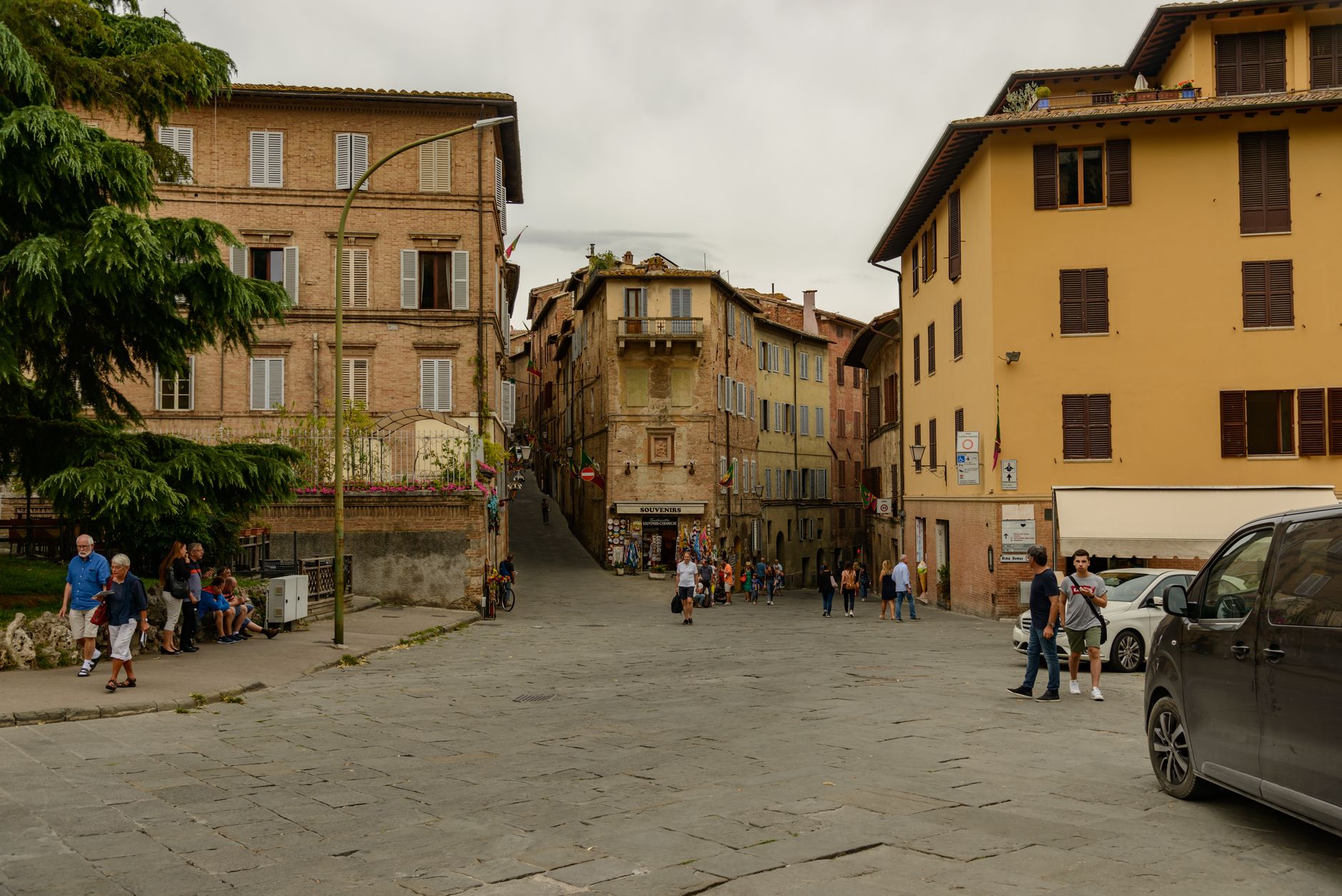
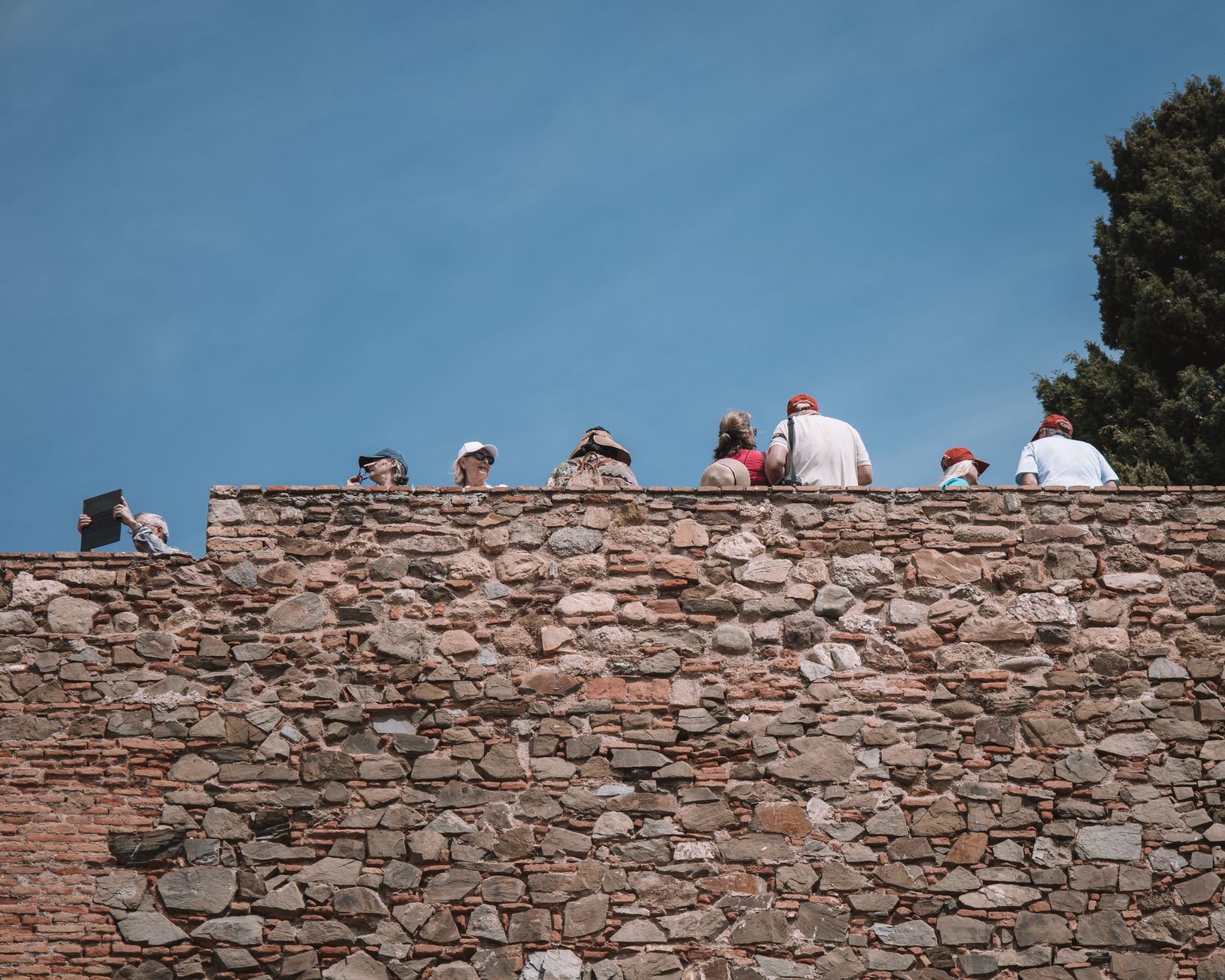
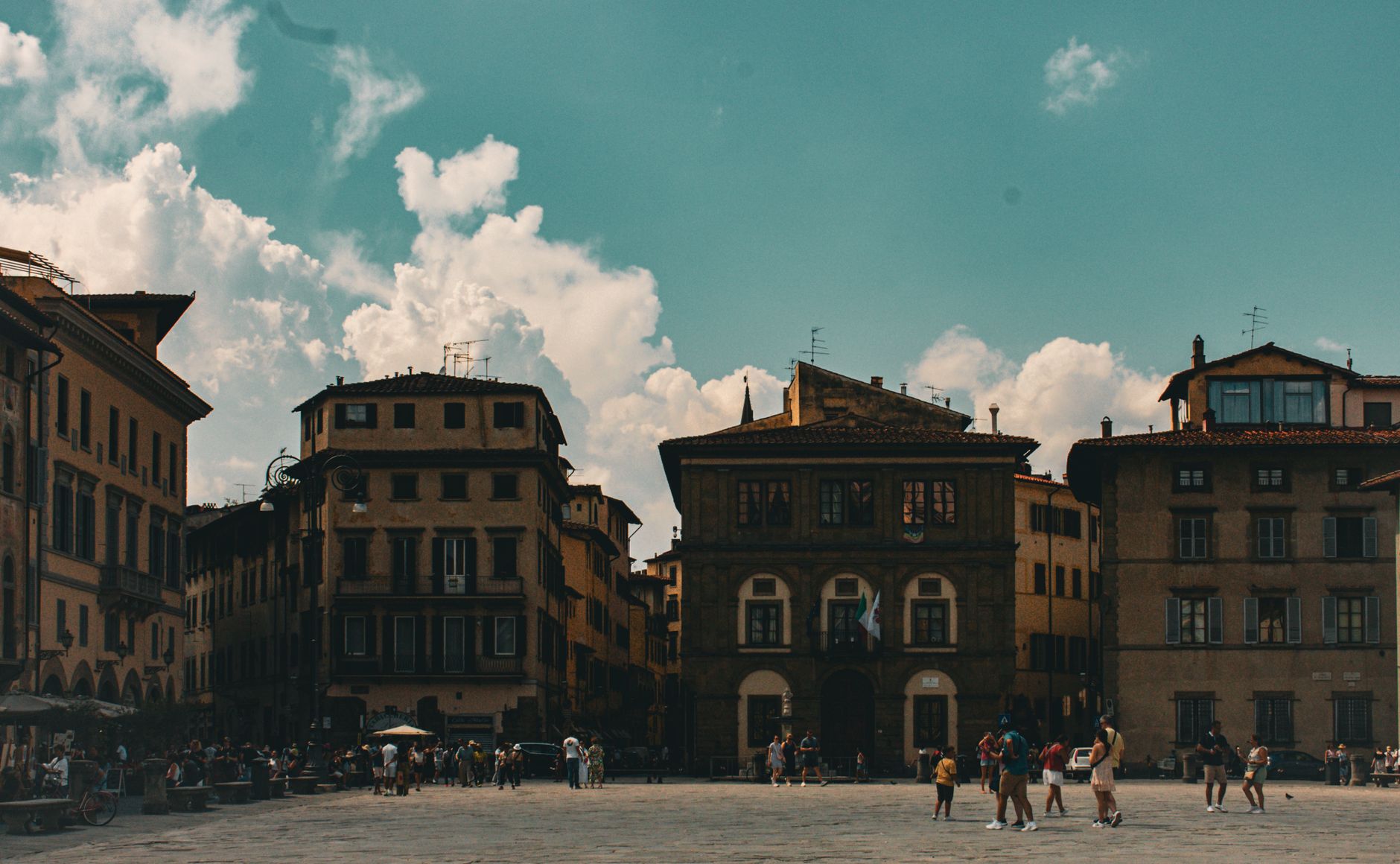
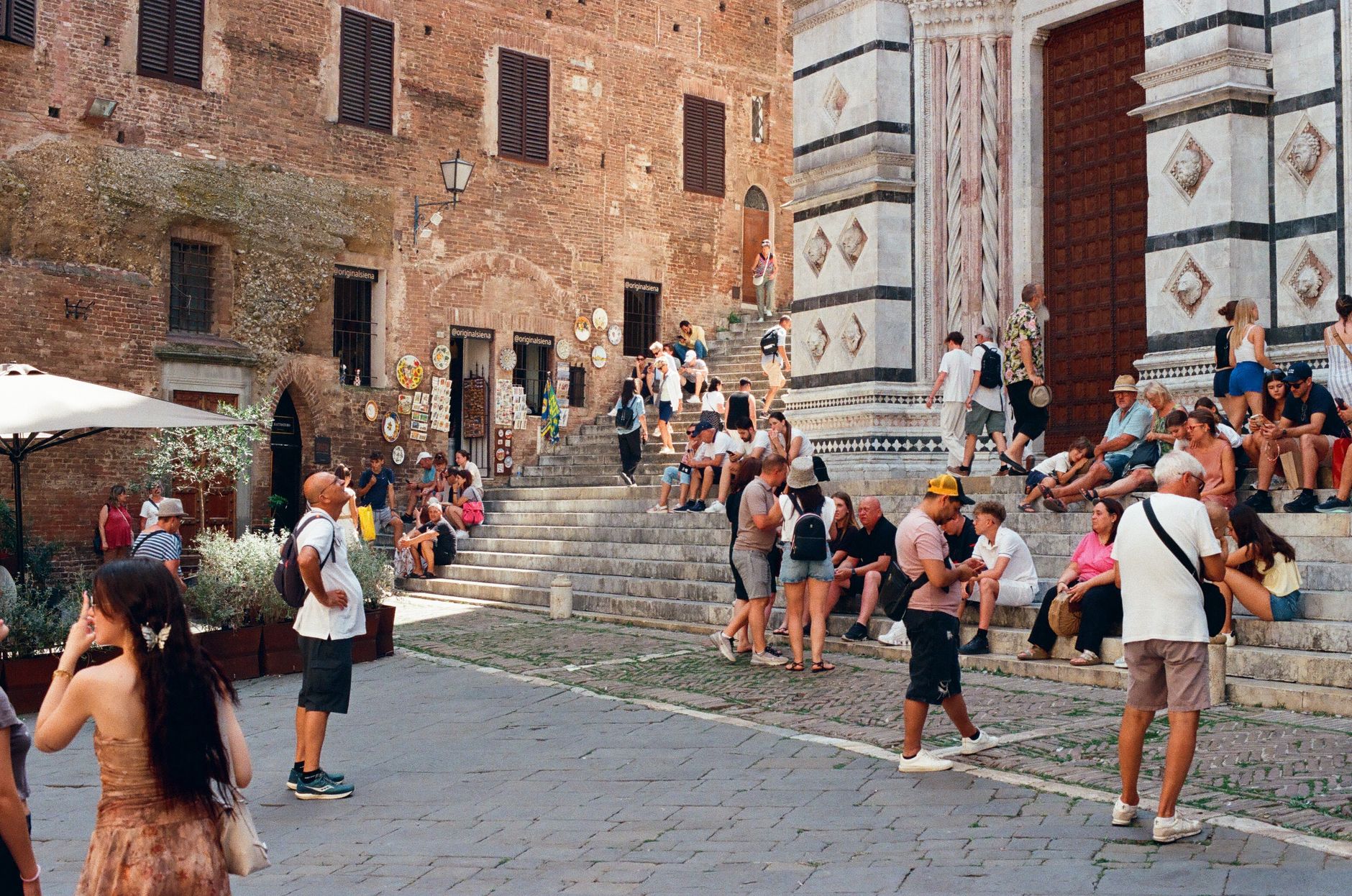
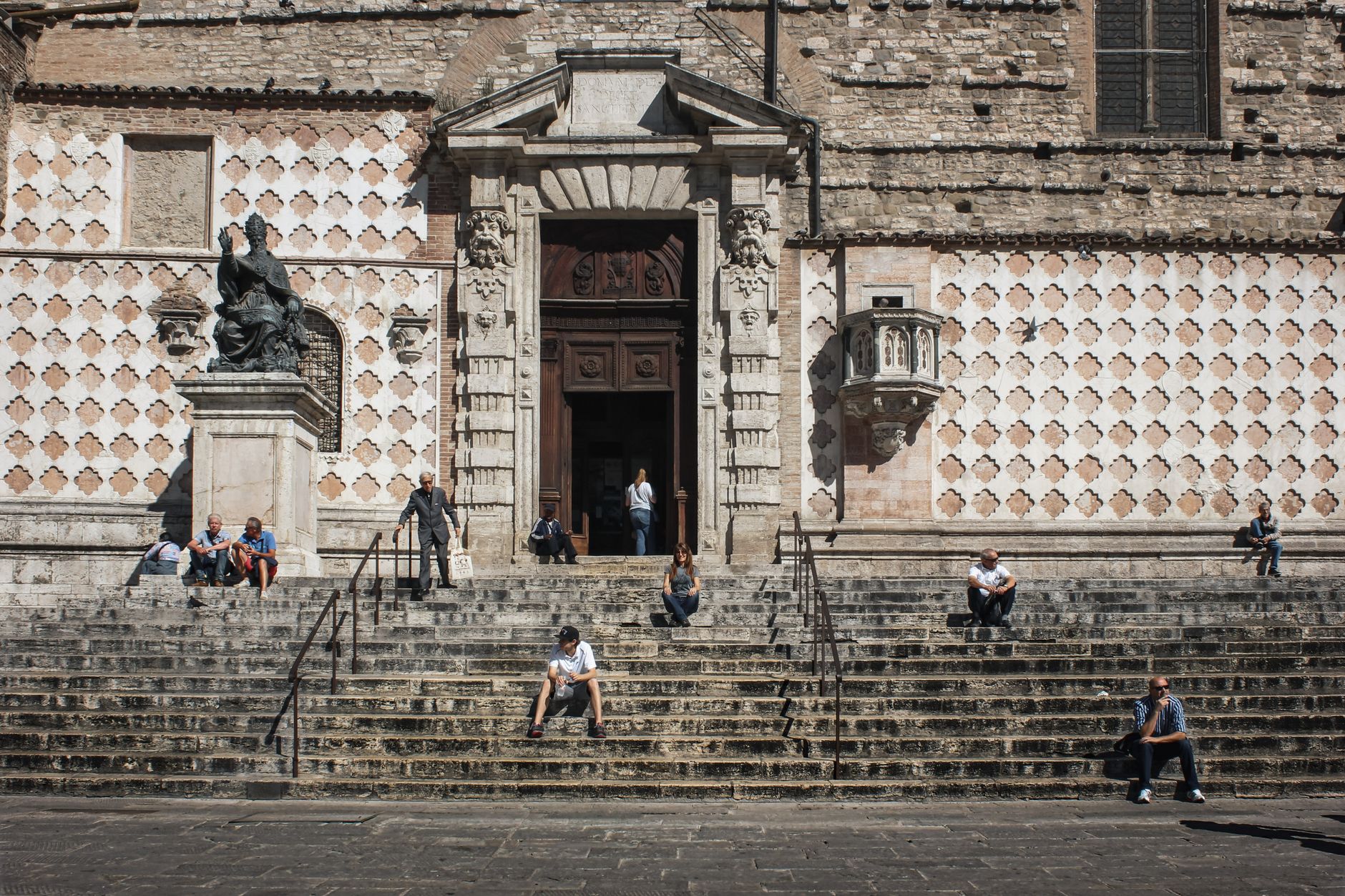
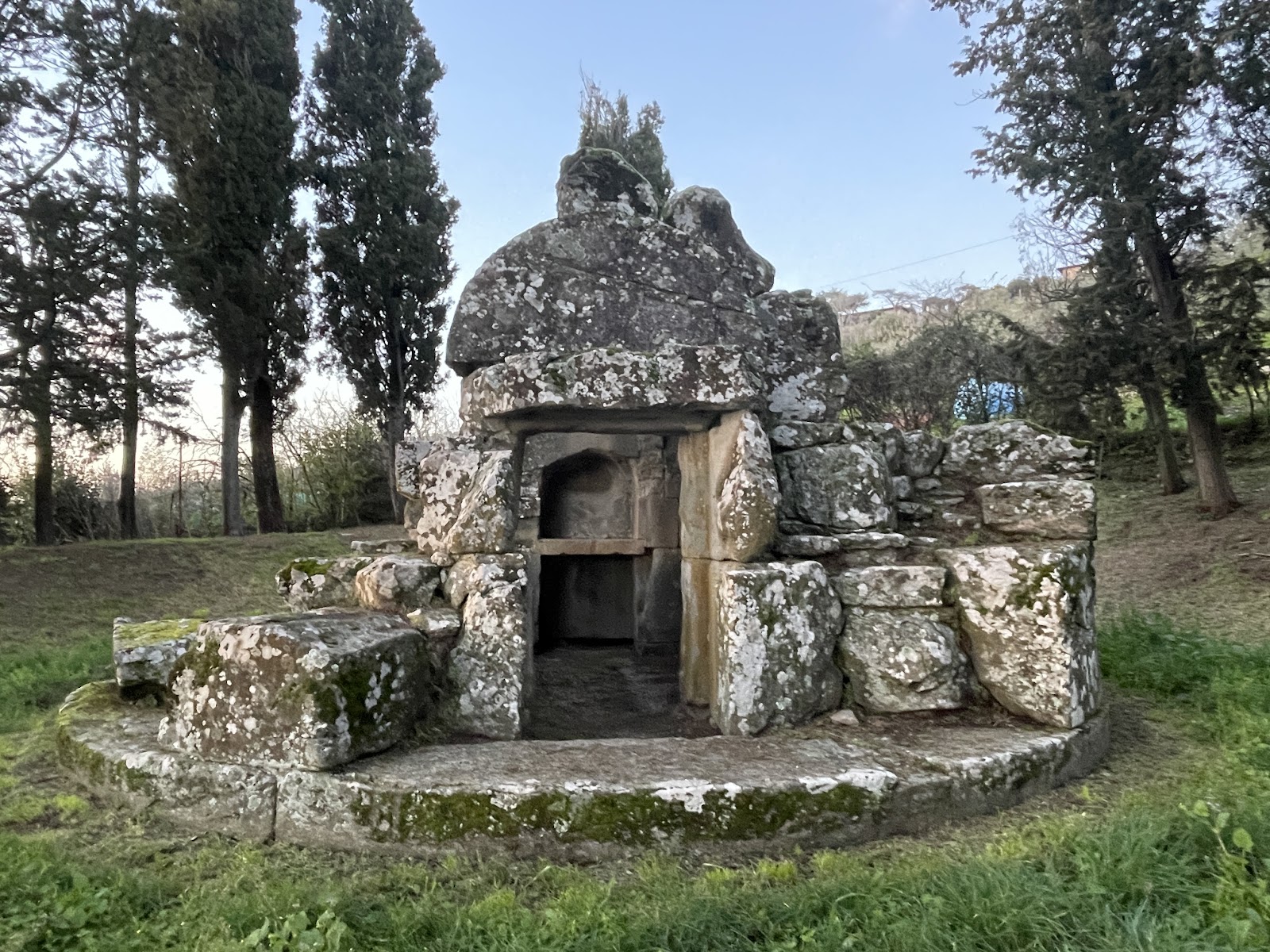
Cortona sits on a steep Etruscan ridge above the Val di Chiana, its stone streets climbing hard enough that you'll feel it in your legs by noon. The town has been here, in one form or another, since the Etruscans called it Curtun and ringed it with walls in the fifth century BC — two kilometres of which still stand, including the double-arched Porta Bifora, the only Etruscan gate to survive.
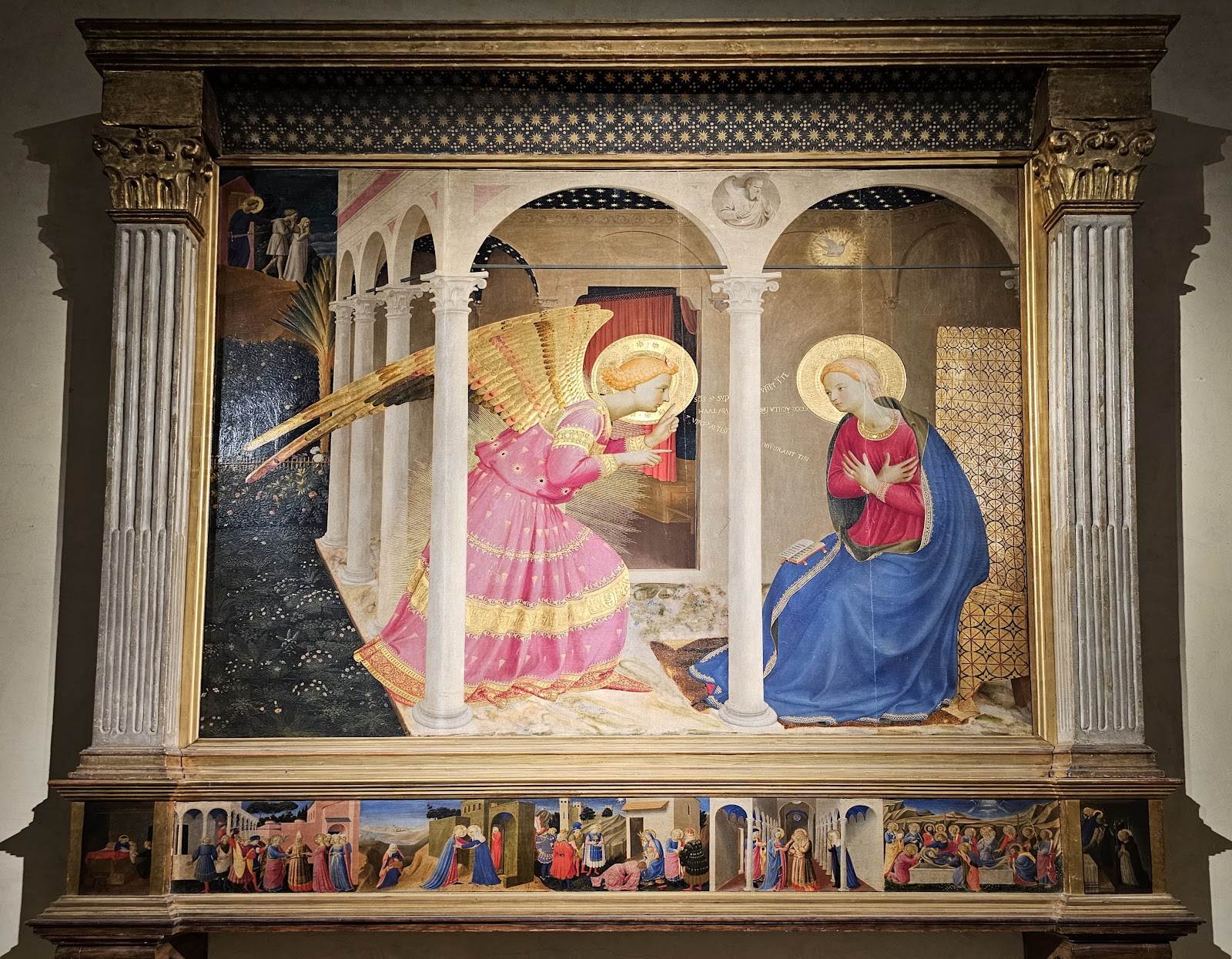
What you find inside those walls is a compact medieval city with a serious art habit: Fra Angelico's Annunciation hangs in the Diocesan Museum, Luca Signorelli's frescoes are scattered through the churches, and the Accademia Etrusca holds an Etruscan bronze chandelier from the fourth century BC that stops most people mid-stride.
💛 What travellers fall for
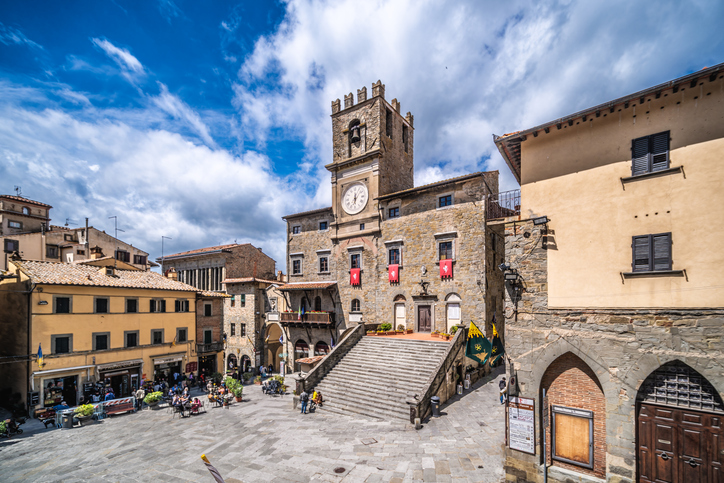
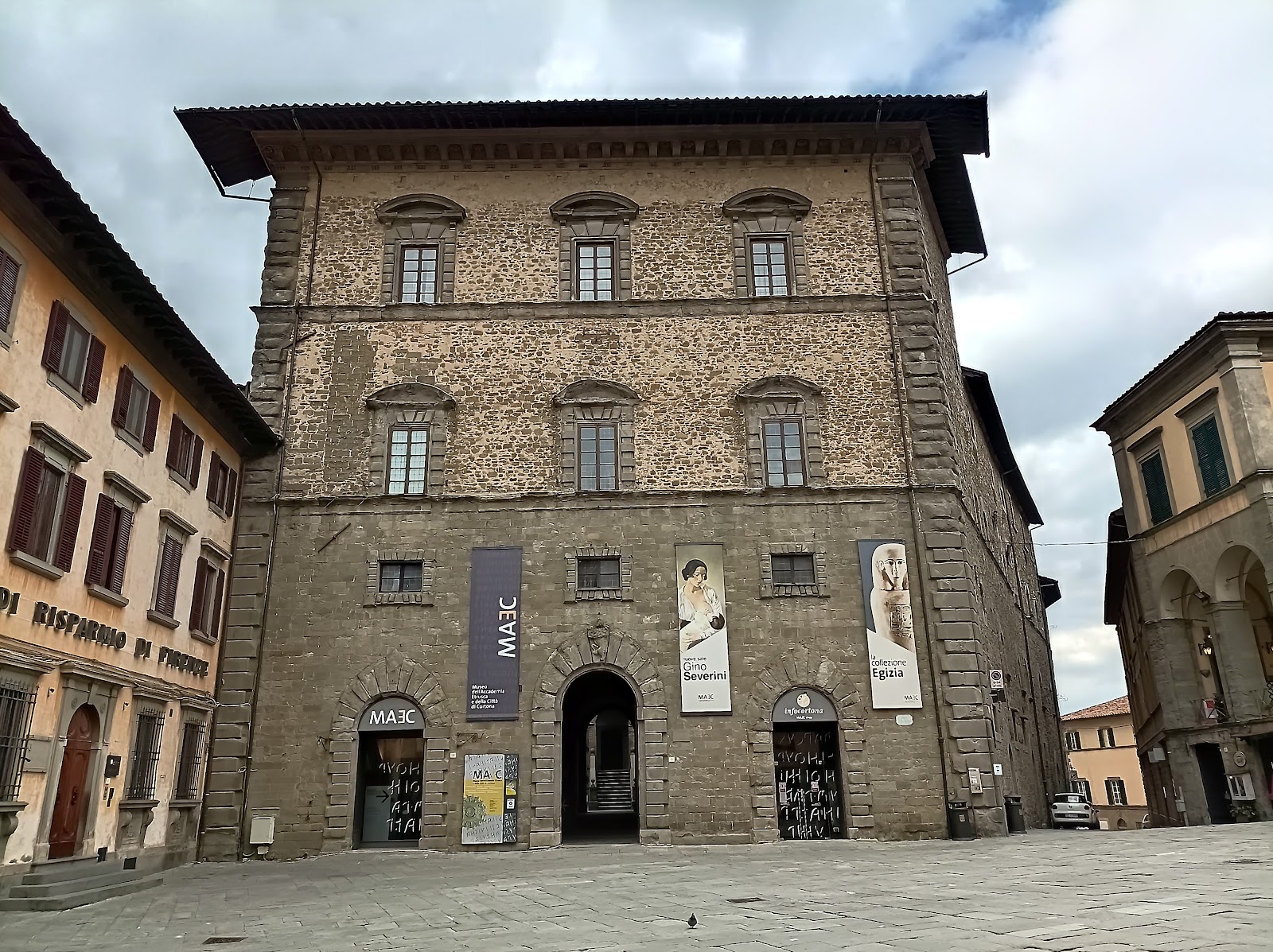
People who come back tend to time it around the Saturday market on Piazza della Repubblica, then slip into the Palazzo Pretorio before the tour groups arrive. The MAEC's Tabula Cortonensis — a bronze tablet with one of the longest Etruscan texts ever found — rewards a second look once you've read anything about it beforehand.
Experiences you don't want to miss


Deals in Cortona
Book directly at the provider
How Cortona came to be
Cortona began as an Umbrian settlement before the Etruscans took it over, built their league city of Curtun, and wrapped it in stone walls that still define the town's outline. Rome absorbed it as a colony, the Goths sacked it in 450 AD, and Arezzo's army did the same in 1258. Out of that wreckage the town reorganised itself as a Commune, eventually fell to a Ghibelline family, and was established as a diocesan seat by Pope John XXII in 1325.
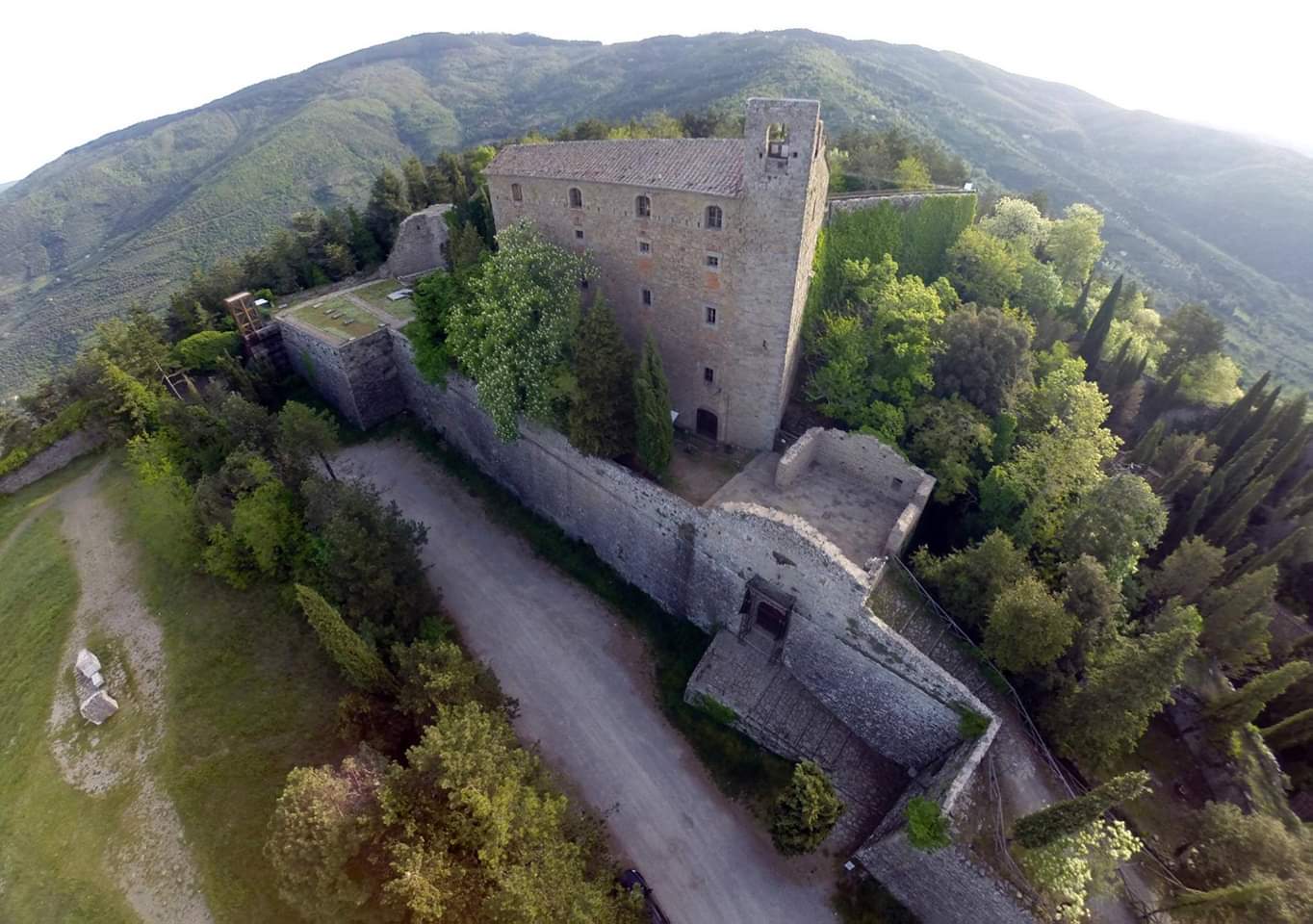
The Medici purchased Cortona in 1411 from Ladislaus of Naples and left their mark in stone: Cosimo I raised the Fortress of Girifalco in 1556 on top of layered Etruscan, Roman, and medieval ruins. When the senior Medici line died out in 1737, the House of Lorraine stepped in — a handover that barely rippled the surface of a city already ancient by any measure.
Who and what shaped it
People who shaped it
Landmark buildings
See Cortona in motion
Plan your visit
On the map
When to go
Summers on the ridge run hot and dry, with temperatures that make the midday streets quiet for good reason. April through June and September through October bring cooler air and clear light — the kind of conditions that make the views across the Val di Chiana worth the climb.
Right now
↡ Attractions


Background & history adapted from Wikipedia (CC BY-SA) · specs from Wikidata (CC0) · weather from Open-Meteo · map data © OpenStreetMap contributors · photos from Wikimedia Commons / Unsplash with per-image credit. No third-party reviews or social posts reproduced.