
Siena
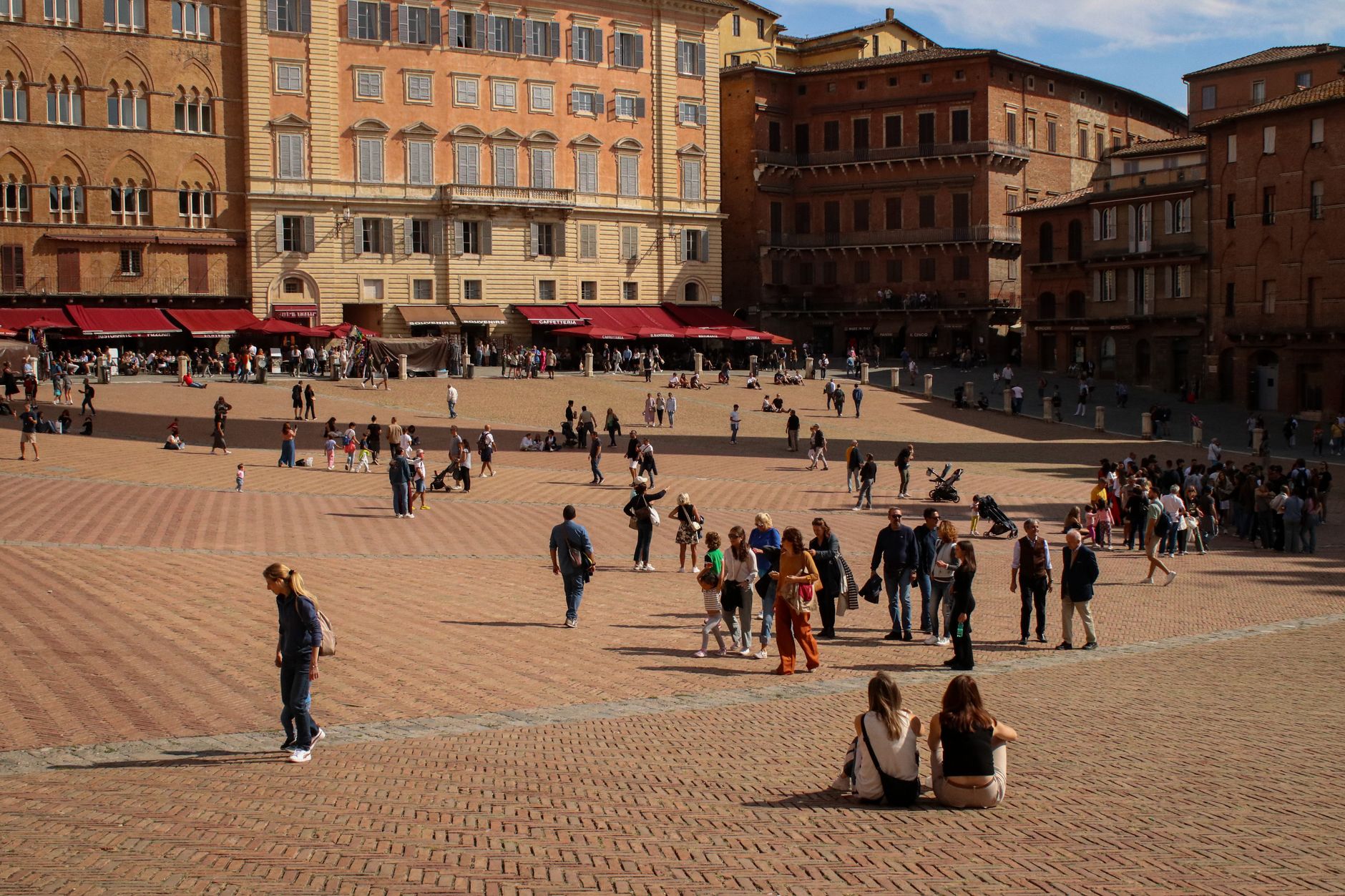
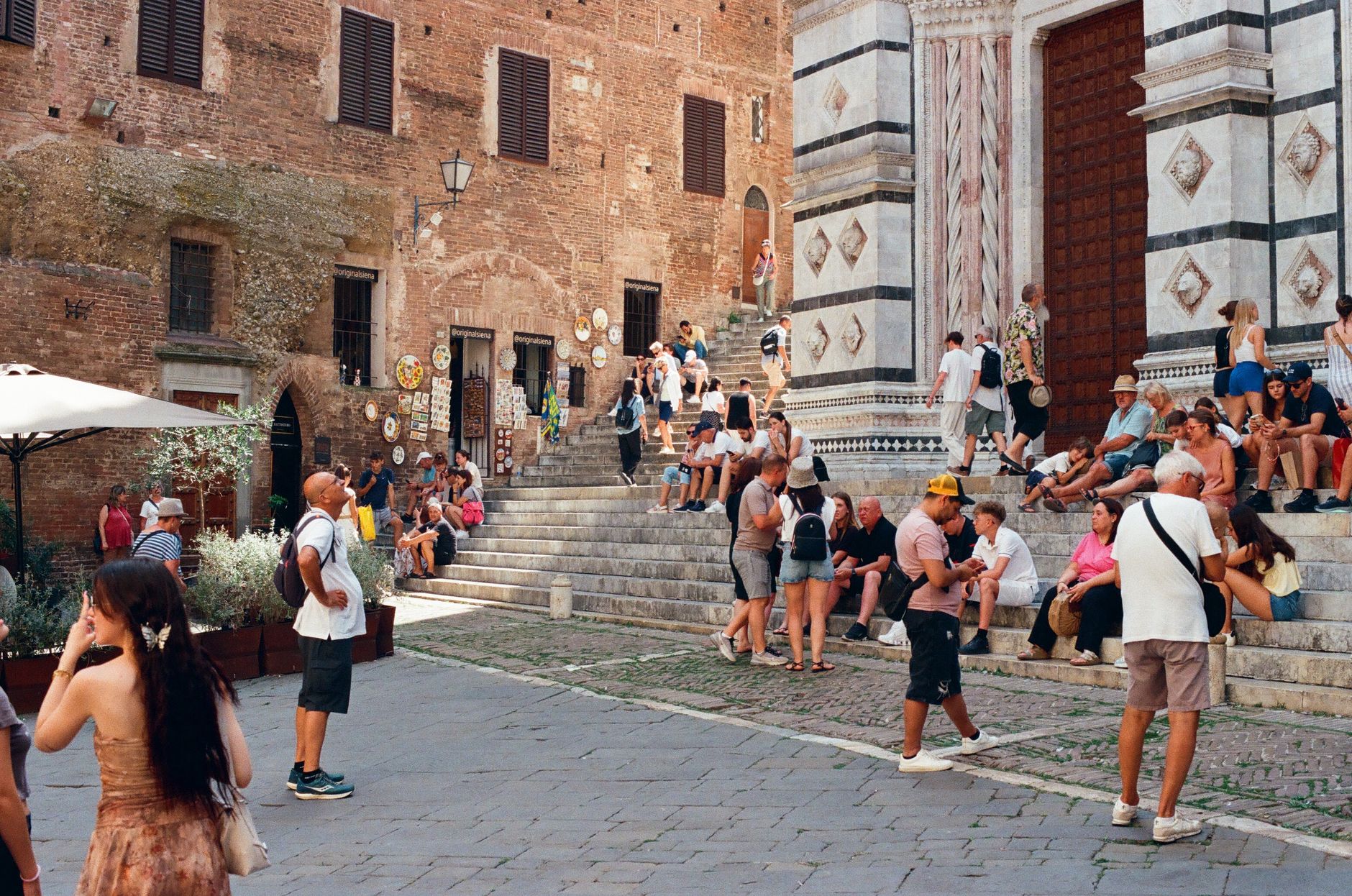
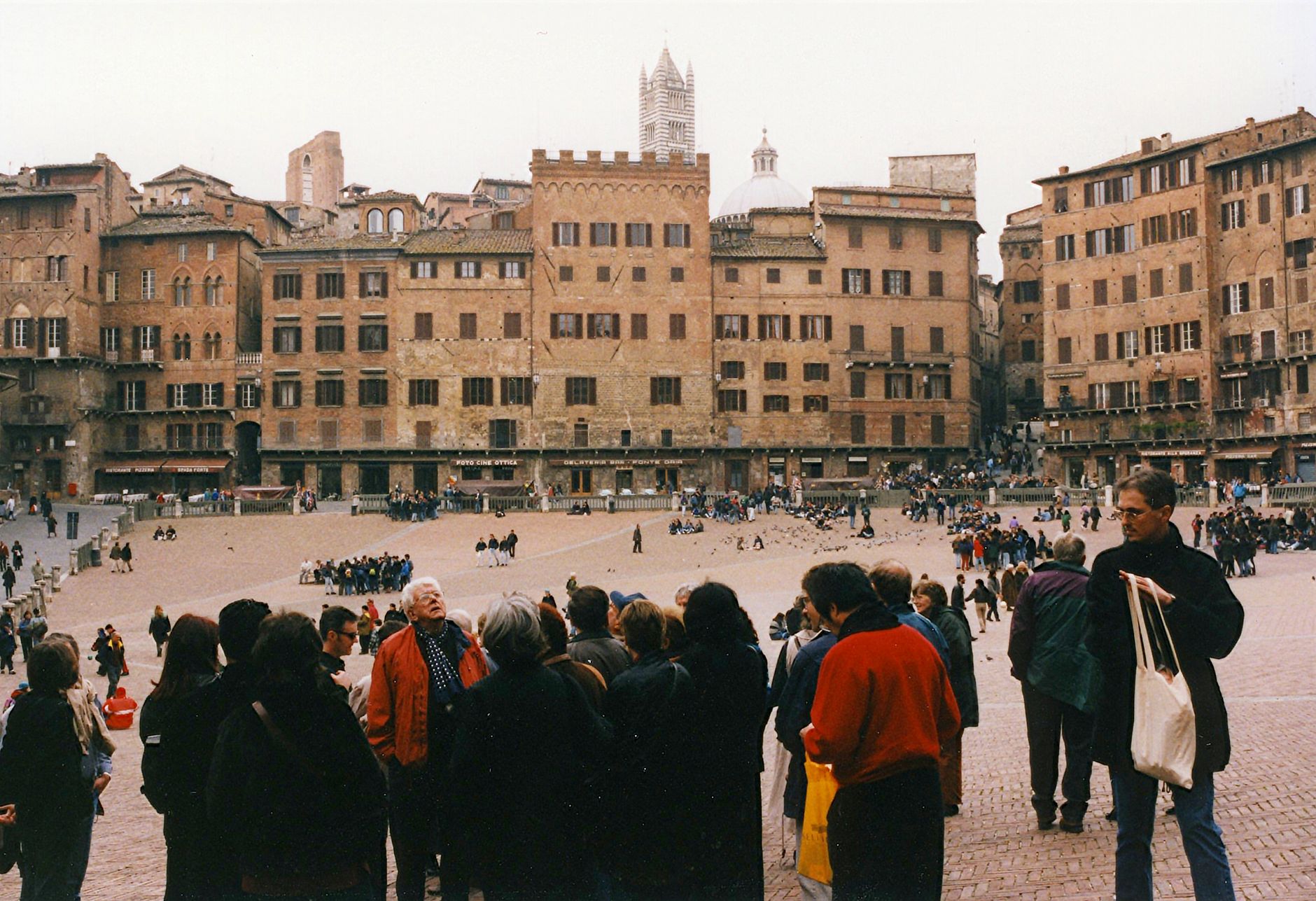
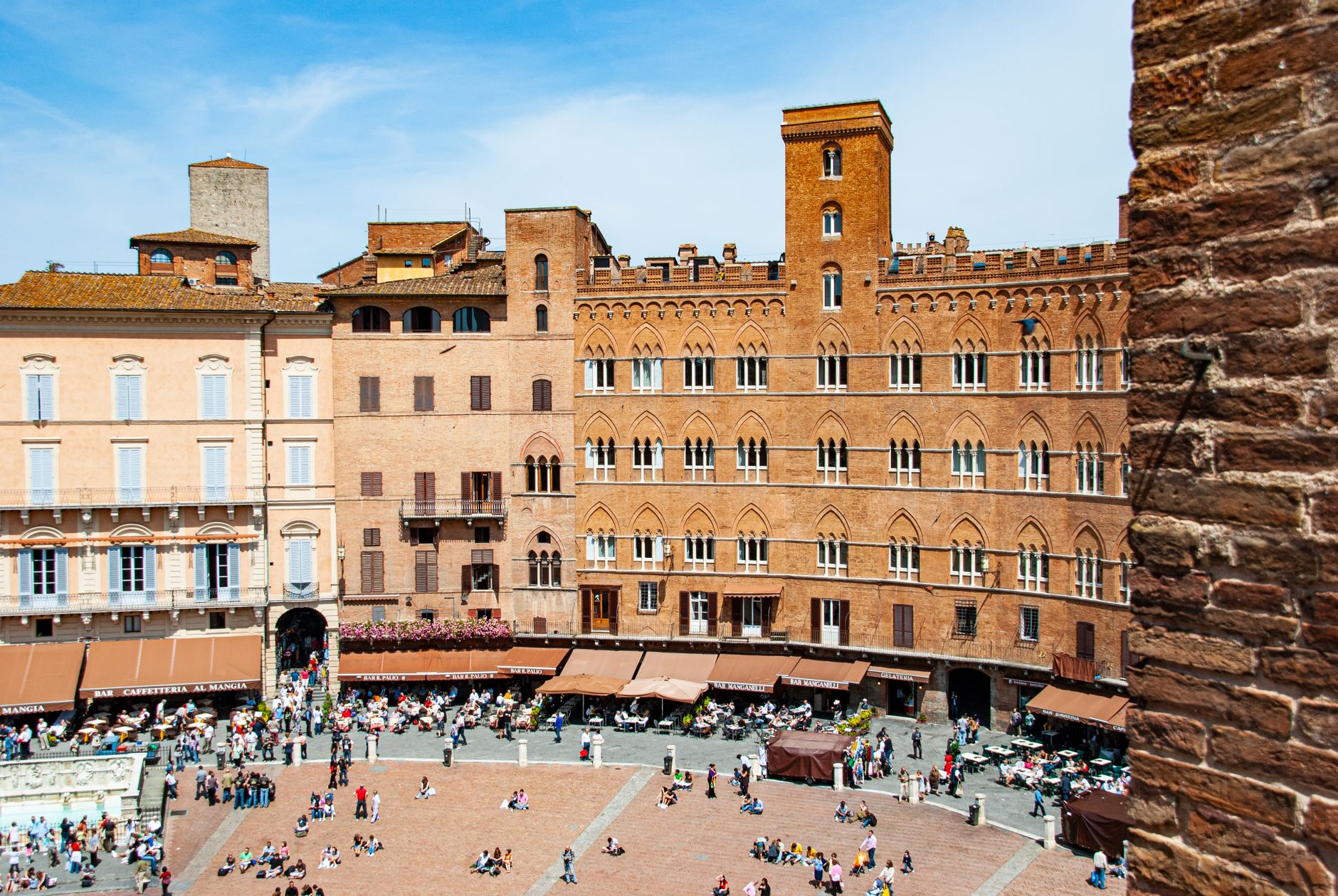
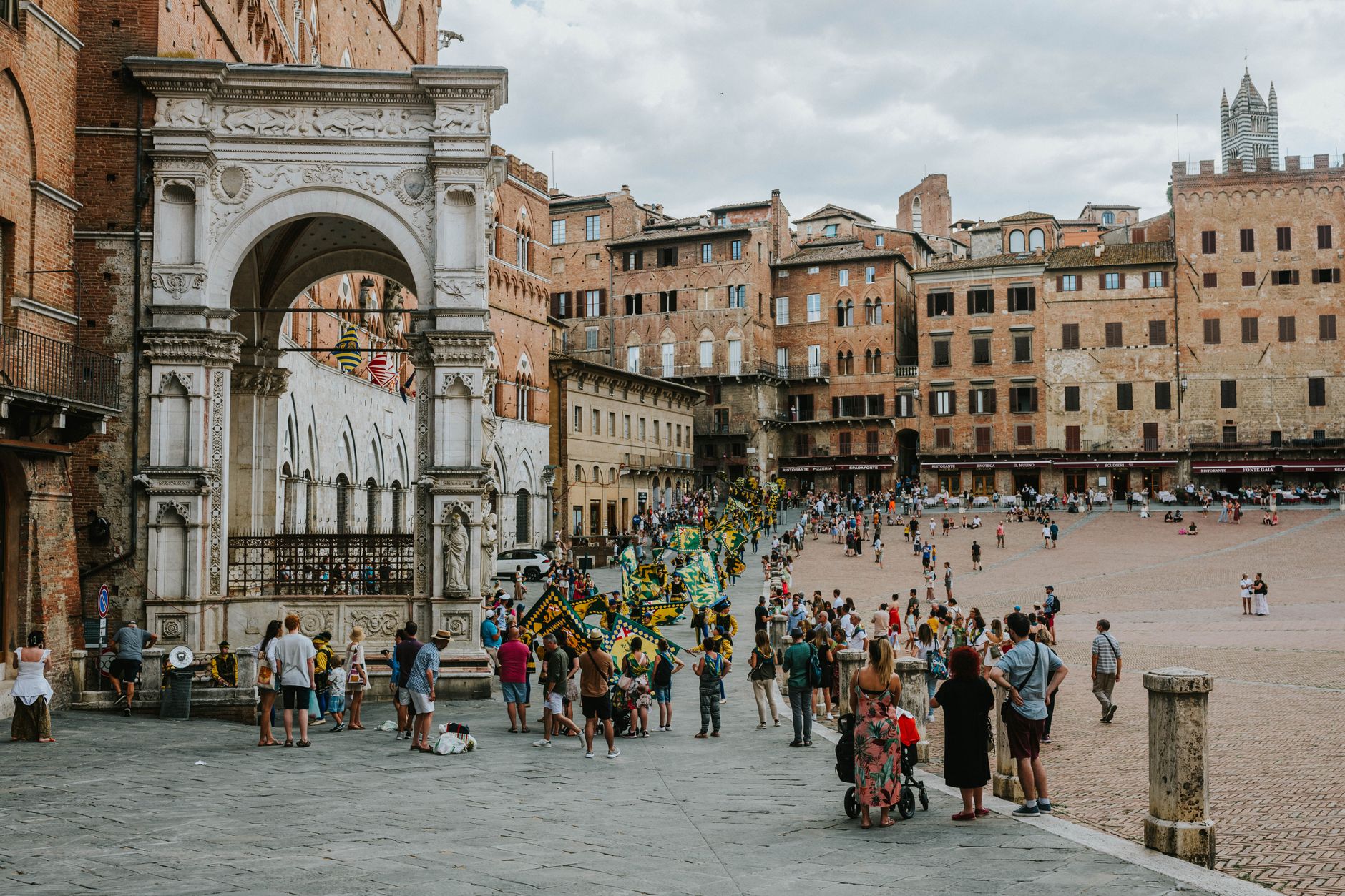
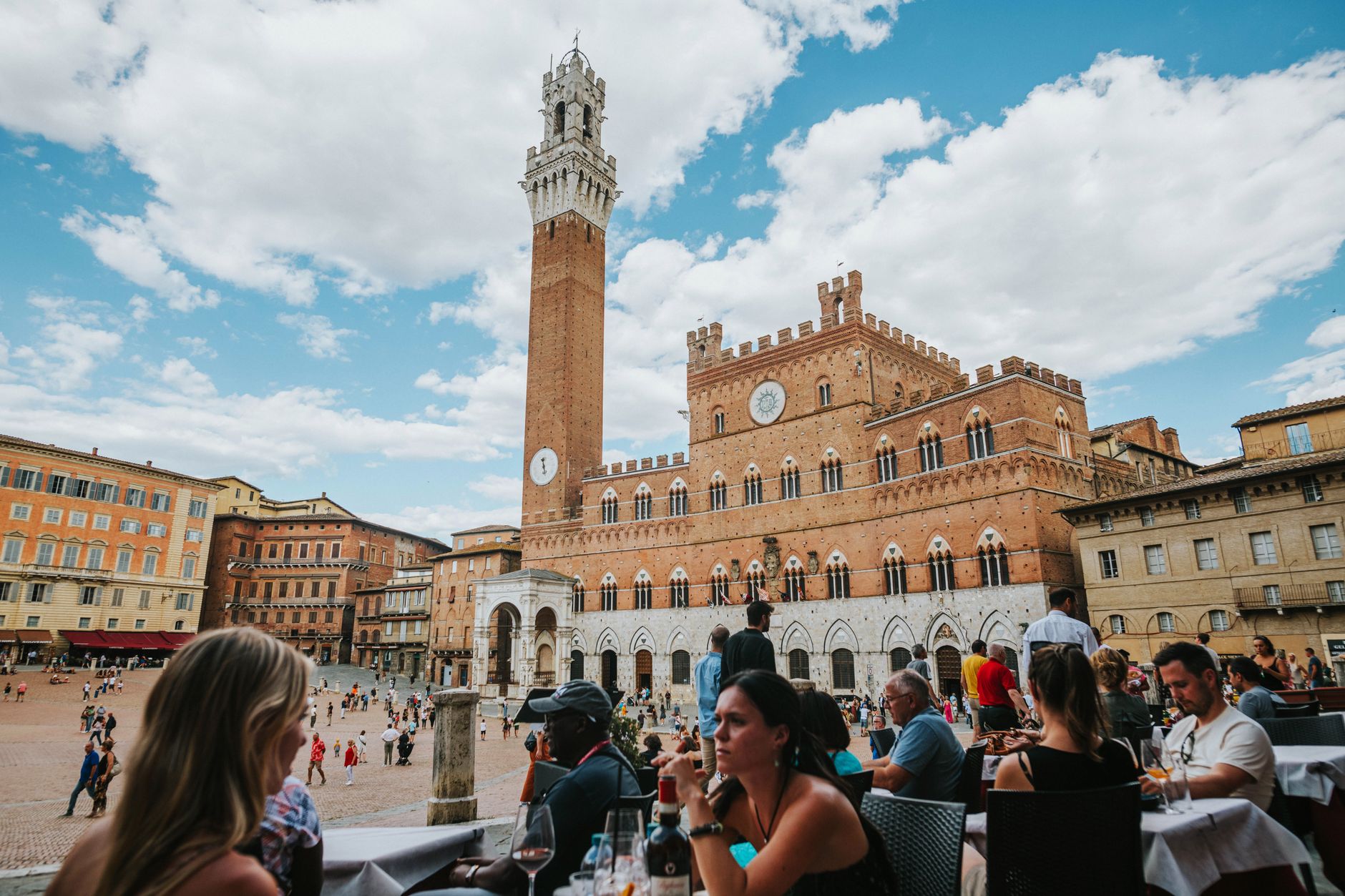
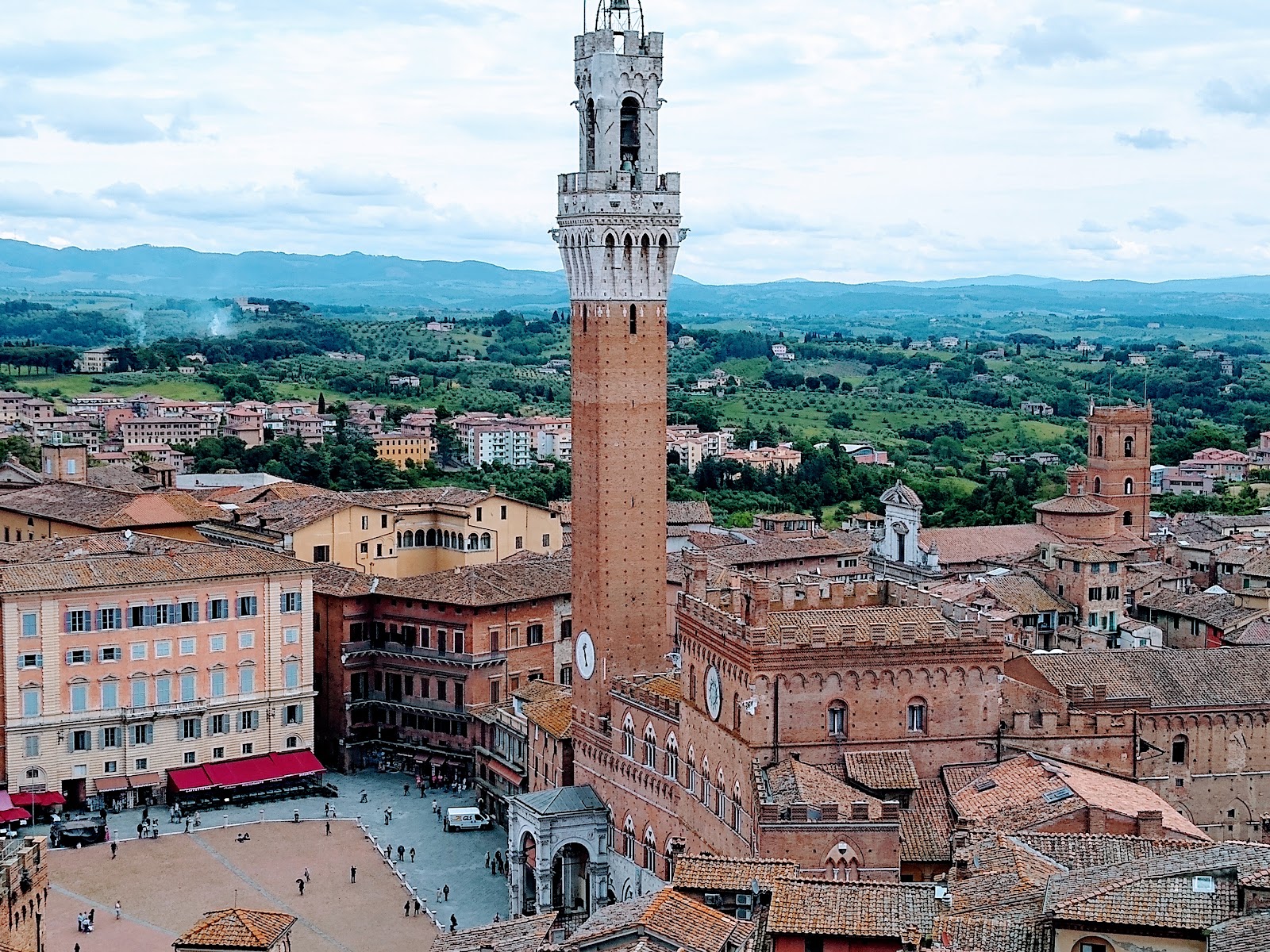
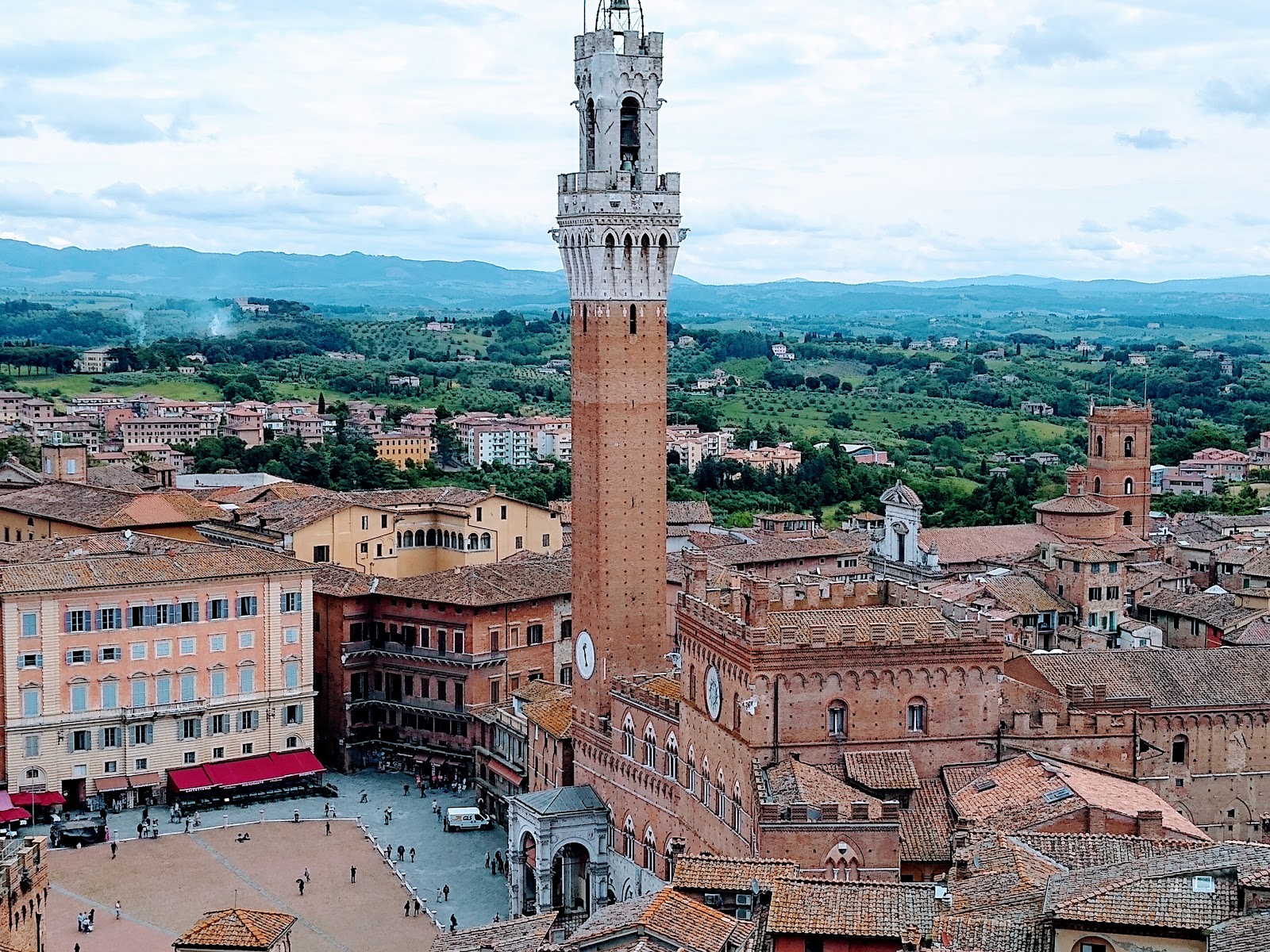
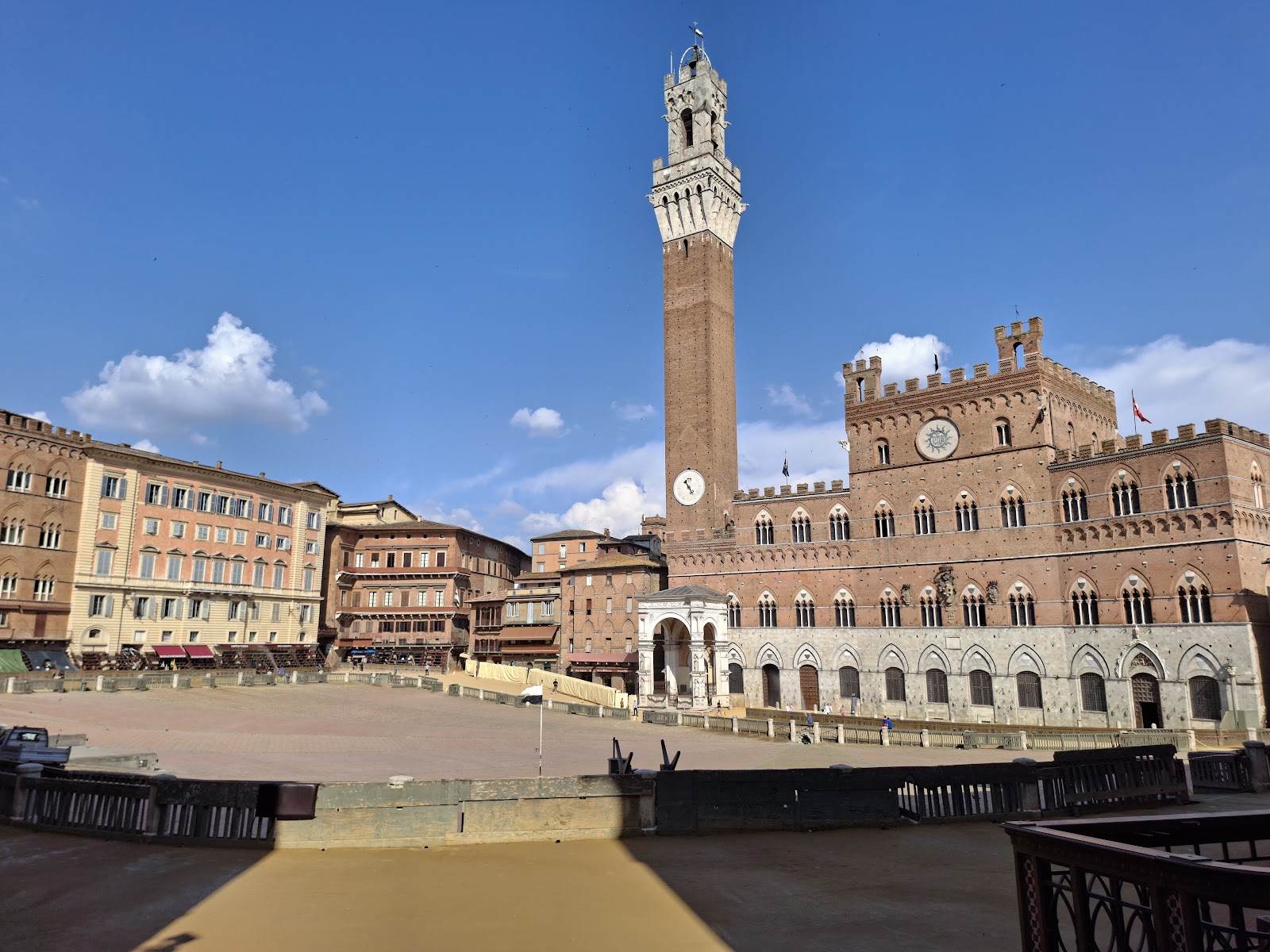
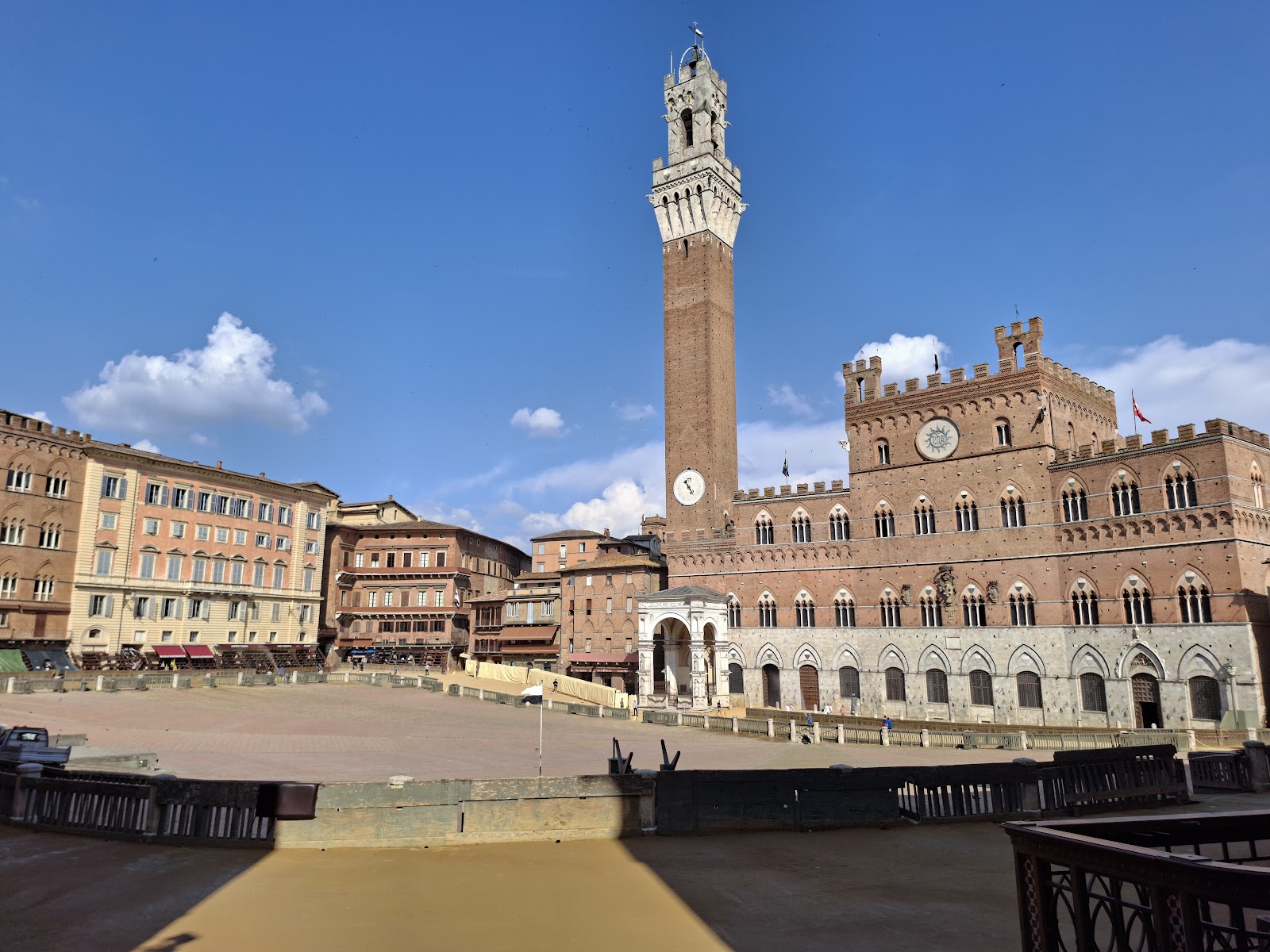
Siena is a city organised around a piazza shaped like a scallop shell, its nine brick segments a quiet monument to the oligarchs who built it. Stand at the low point of the Piazza del Campo on a weekday morning, before the crowds arrive, and the Torre del Mangia rises 88 metres above you — still the second-tallest tower in medieval Italy — while pigeons trace slow circles around the Palazzo Pubblico's Gothic cornice.
The city runs on its contrade, the seventeen ward-organisations that divide Siena into something closer to rival city-states than neighbourhoods. Twice a year, on July 2 and August 16, ten of them race bareback horses around the Campo in about sixty seconds. The rest of the year, that civic intensity sits just beneath the surface.
💛 What travellers fall for
People who come back tend to arrive on a Sunday afternoon, when the Duomo floor mosaics are uncovered and the morning services have cleared. They know to take the escalator from the railway station through Porta Siena shopping centre to Porta Camollia — it shaves the worst of the climb. And they always find time for the Lorenzetti frescoes inside the Palazzo Pubblico, which repay a second look.
Experiences you don't want to miss


Deals in Siena
Book directly at the provider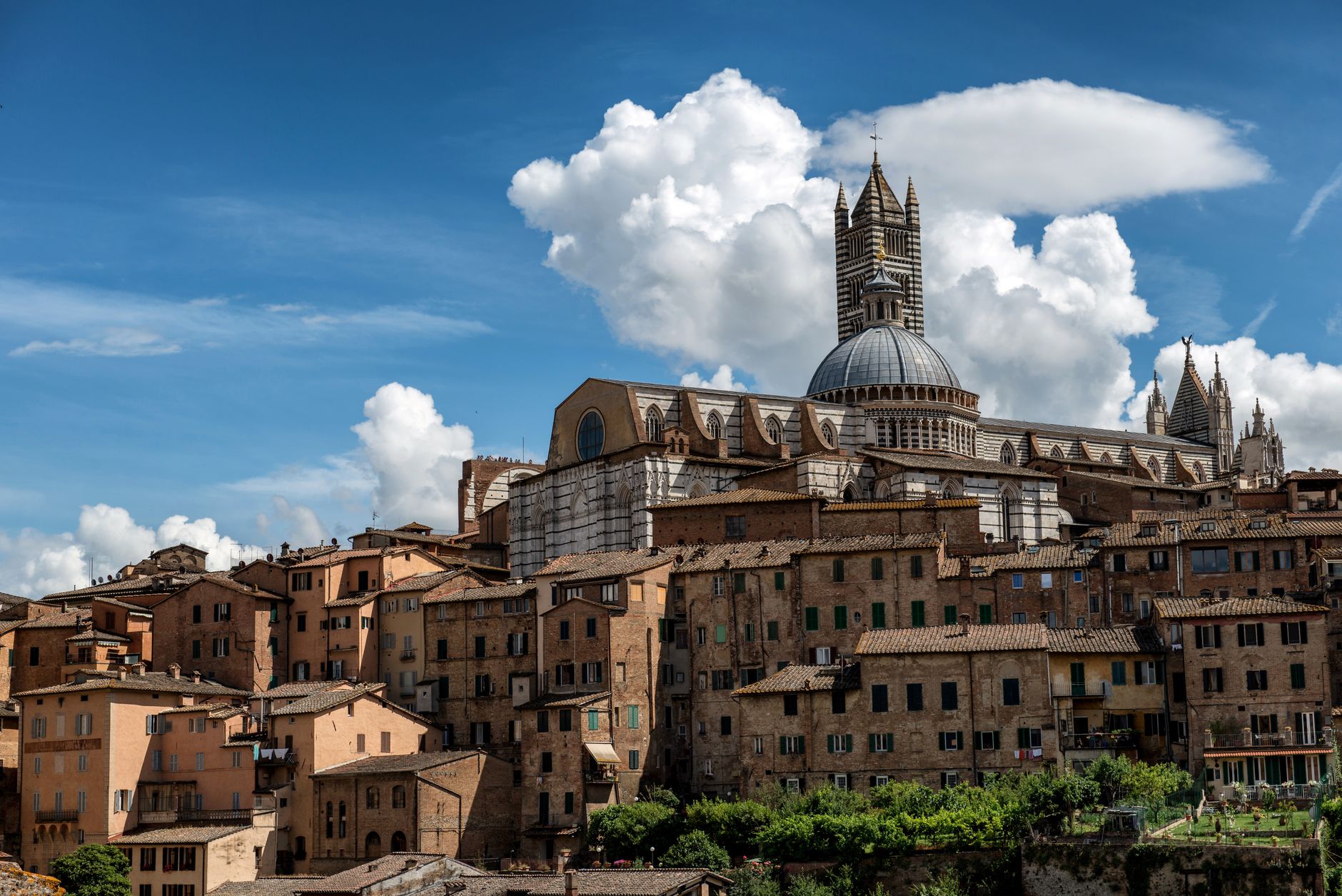
How Siena came to be
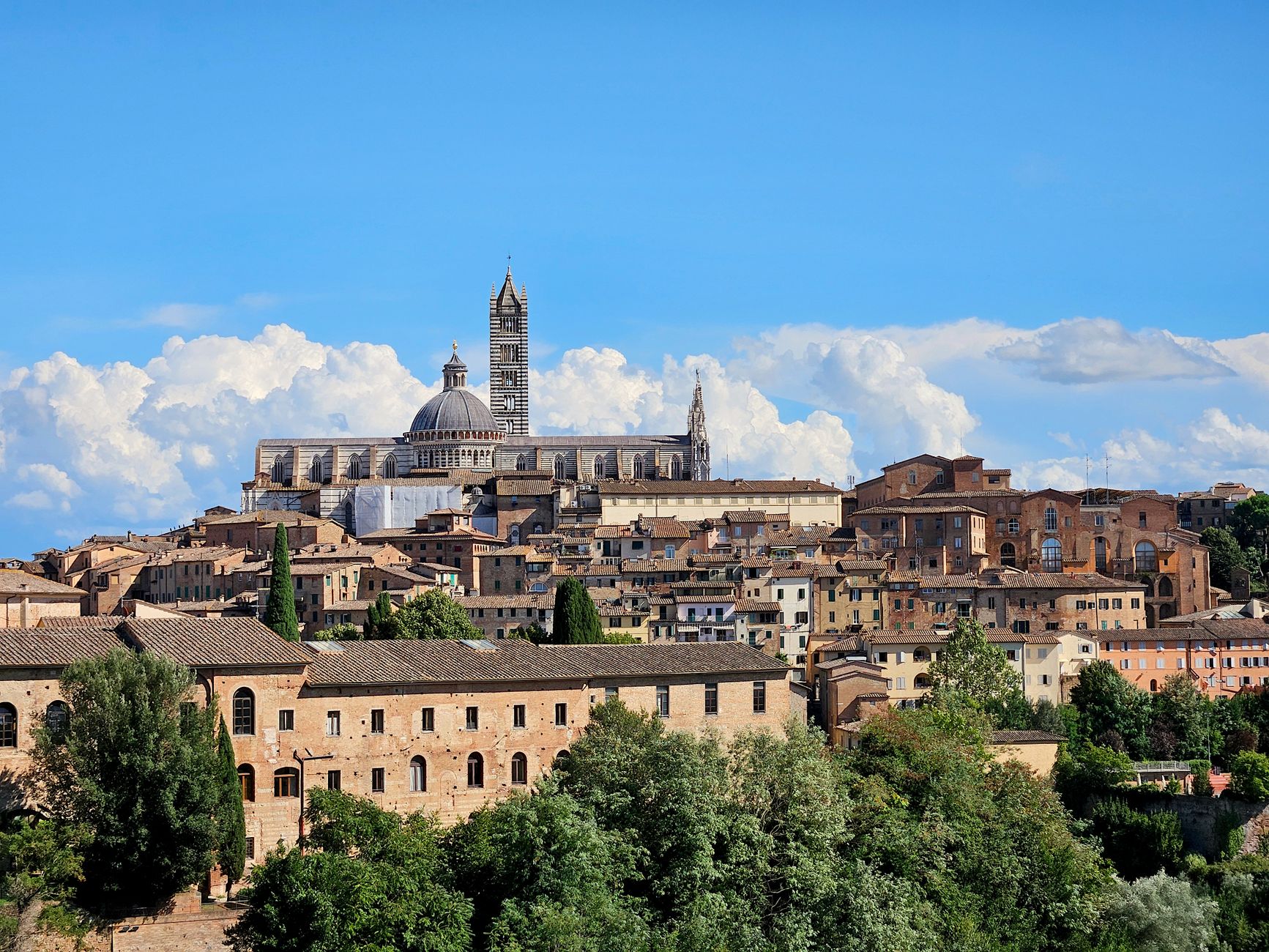
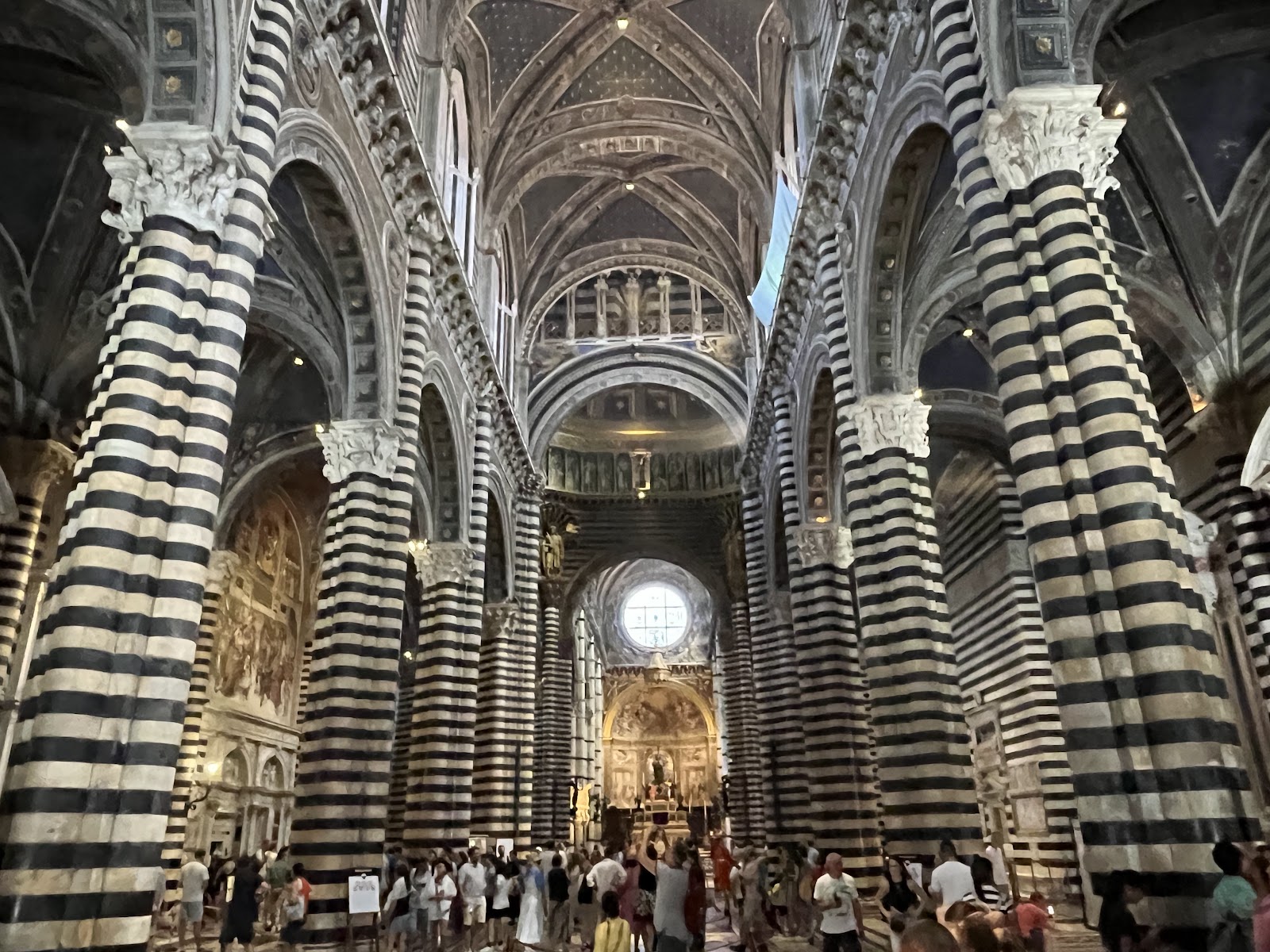
Siena's roots go back to an Etruscan settlement the Romans formalised as Saena Julia under Augustus. It became a self-governing commune in the 12th century, and its high-water mark came on September 4, 1260, when Sienese forces defeated Florence at the Battle of Montaperti. The following decades, under the rule of the Noveschi — the Council of Nine — produced the Cathedral, the Palazzo Pubblico and the city walls that still define the skyline.
Then the Black Death arrived in 1348 and killed three-fifths of the population. The Republic of Siena never fully recovered, surrendering to Spanish forces in 1555 and ceding to Florence two years later. What remained was the art, the architecture and Monte dei Paschi — the world's oldest continuously operating bank, founded here in 1472.
Who and what shaped it
People who shaped it
Landmark buildings
See Siena in motion
Plan your visit
On the map
When to go
Summers are hot and dry, with July temperatures regularly above 32°C — the Palio weeks are crowded and baking. Spring (April–May) and autumn (September–October) bring mild days and thinner crowds, making them the steadiest time to visit. Winters are cool and occasionally foggy, but the city is quieter than almost anywhere else in Tuscany.
Right now
↡ Attractions
Background & history adapted from Wikipedia (CC BY-SA) · specs from Wikidata (CC0) · weather from Open-Meteo · map data © OpenStreetMap contributors · photos from Wikimedia Commons / Unsplash with per-image credit. No third-party reviews or social posts reproduced.