
Emilia-Romagna
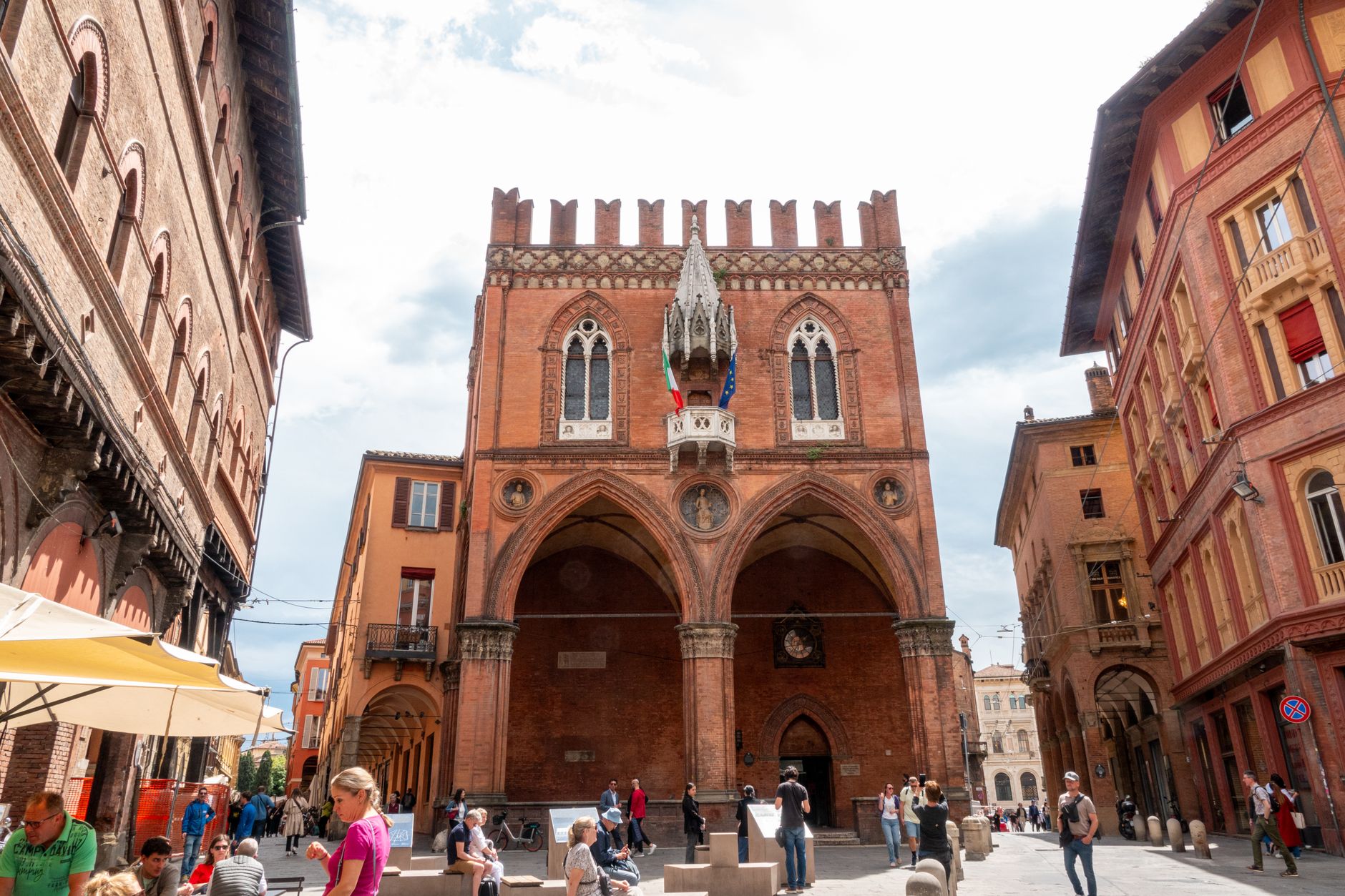
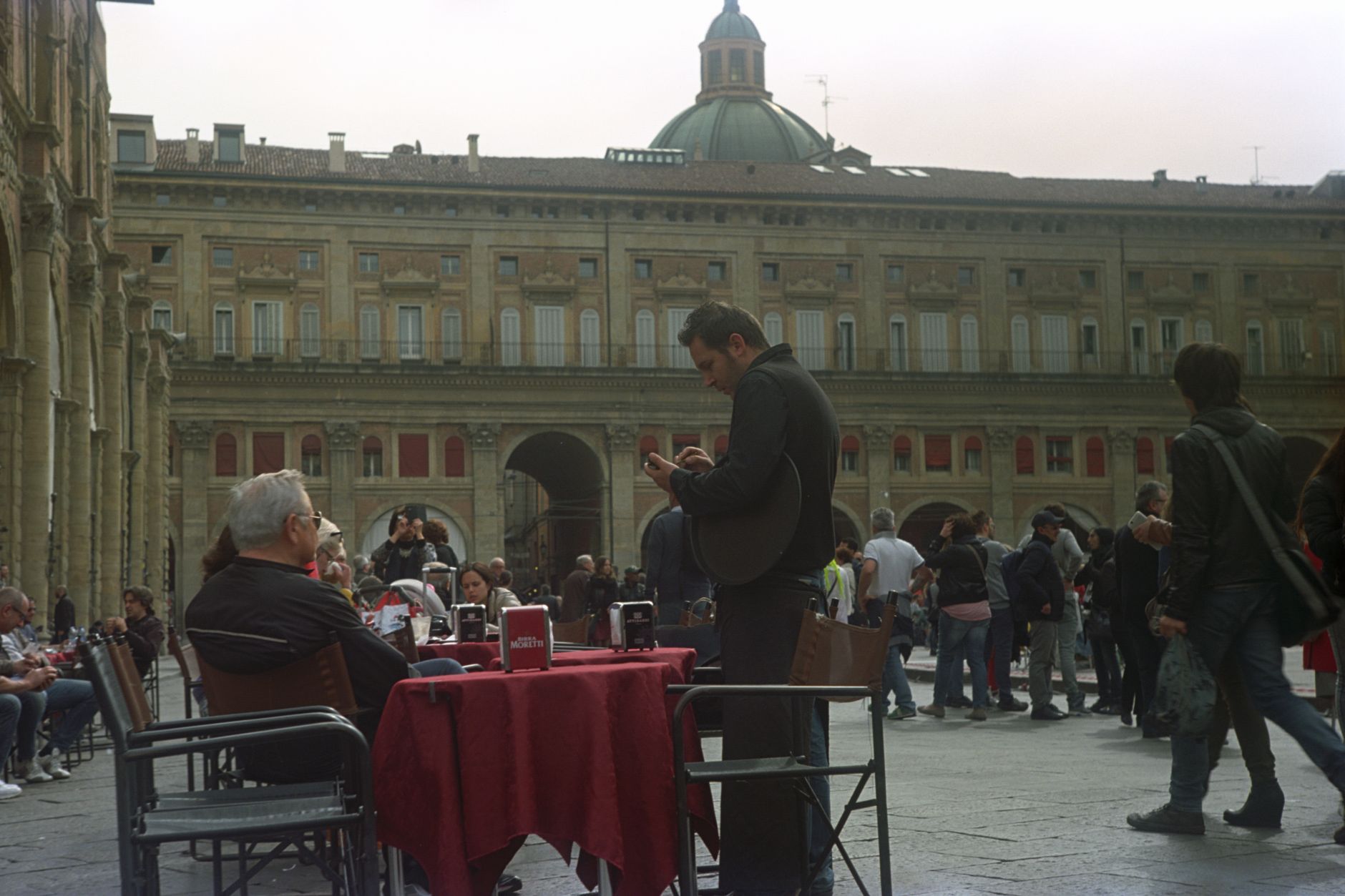
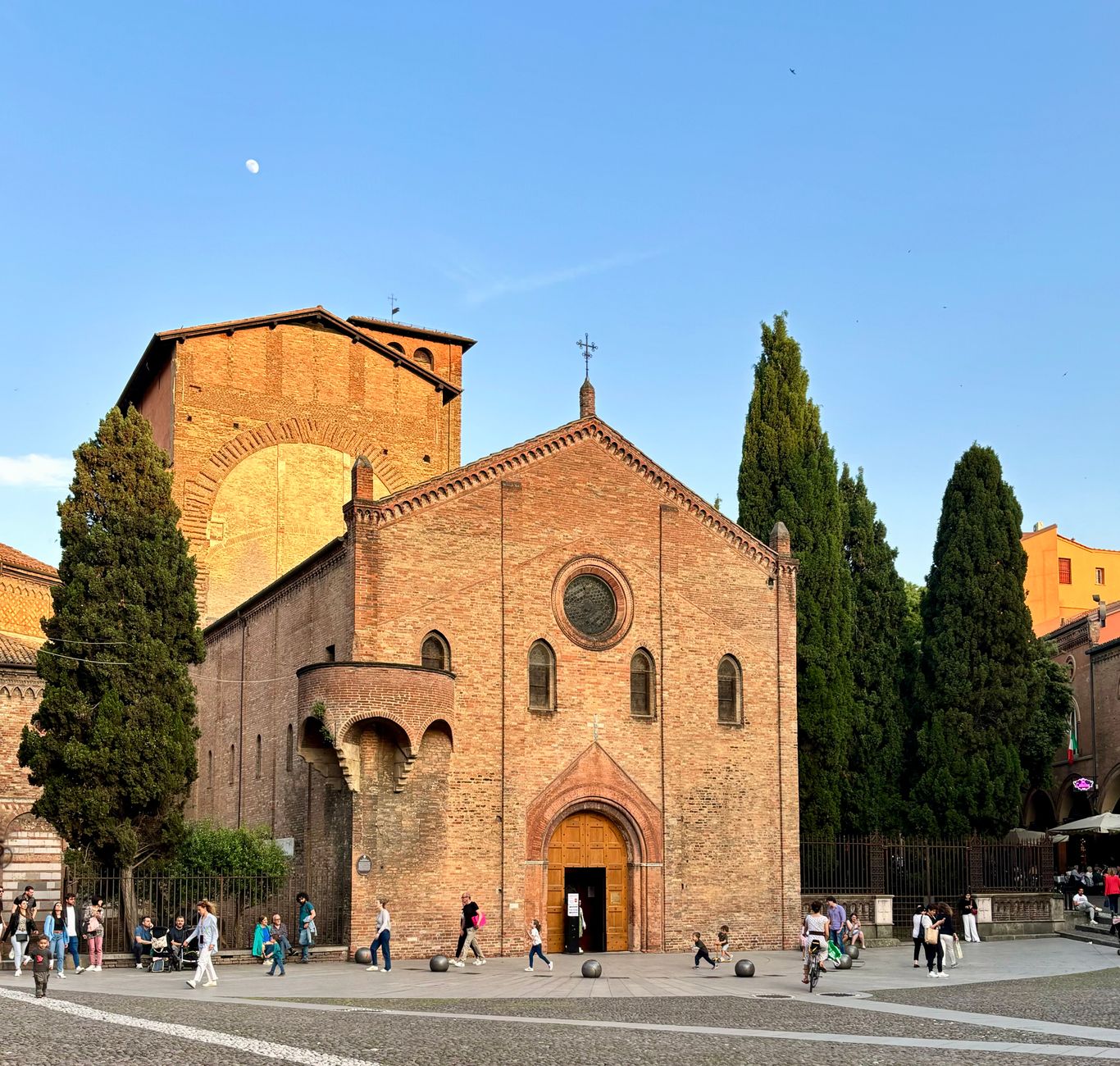
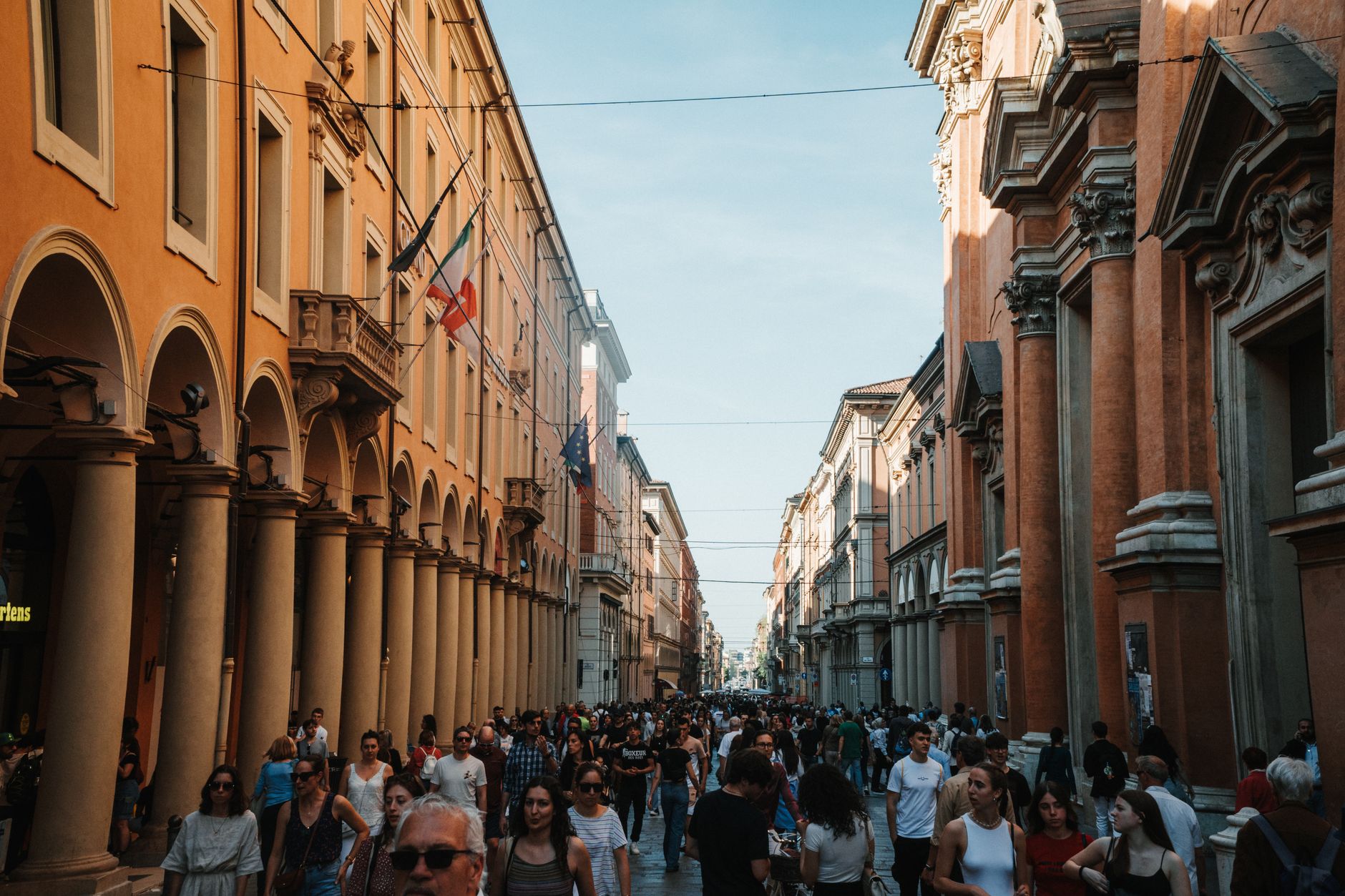
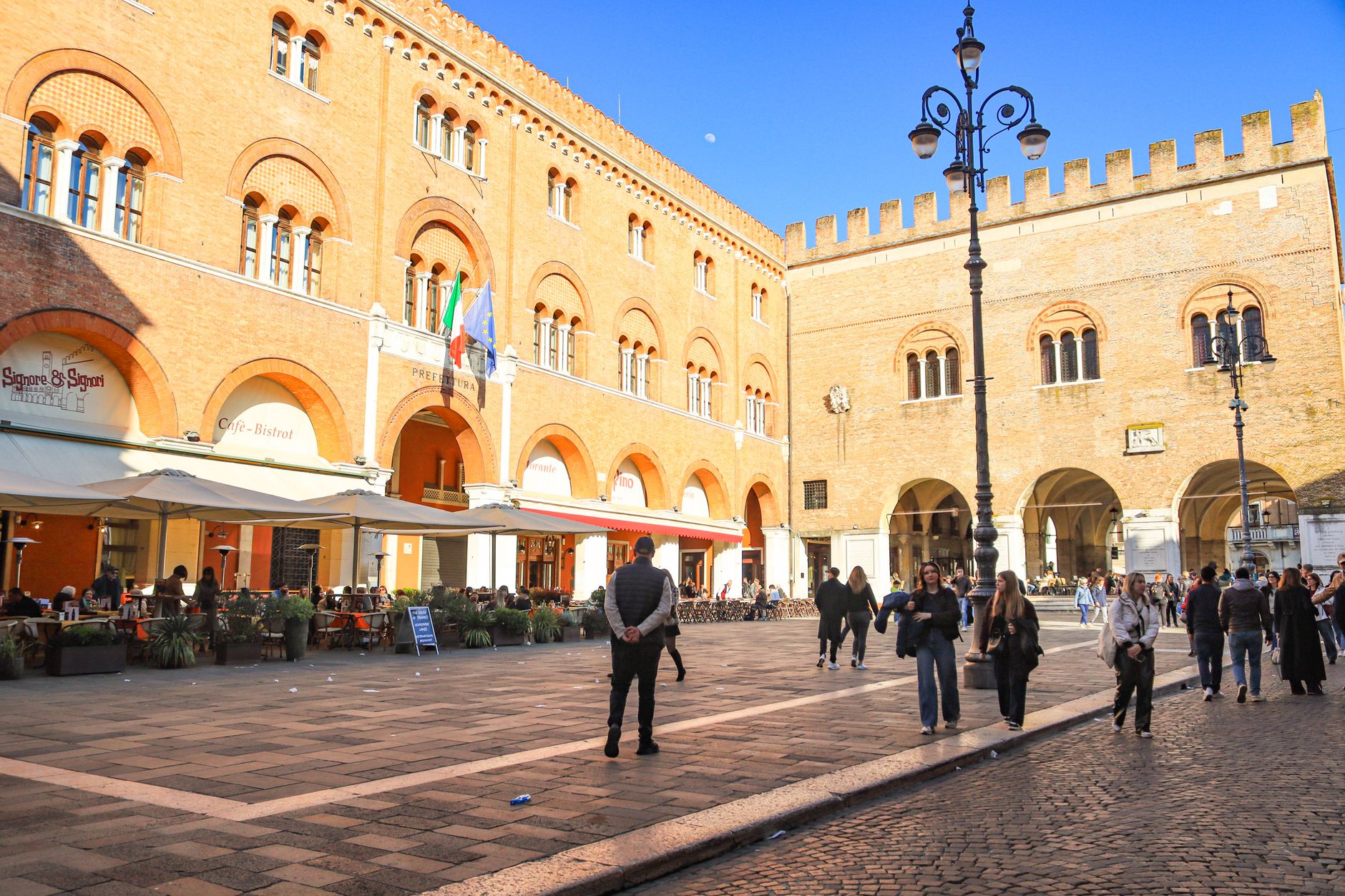
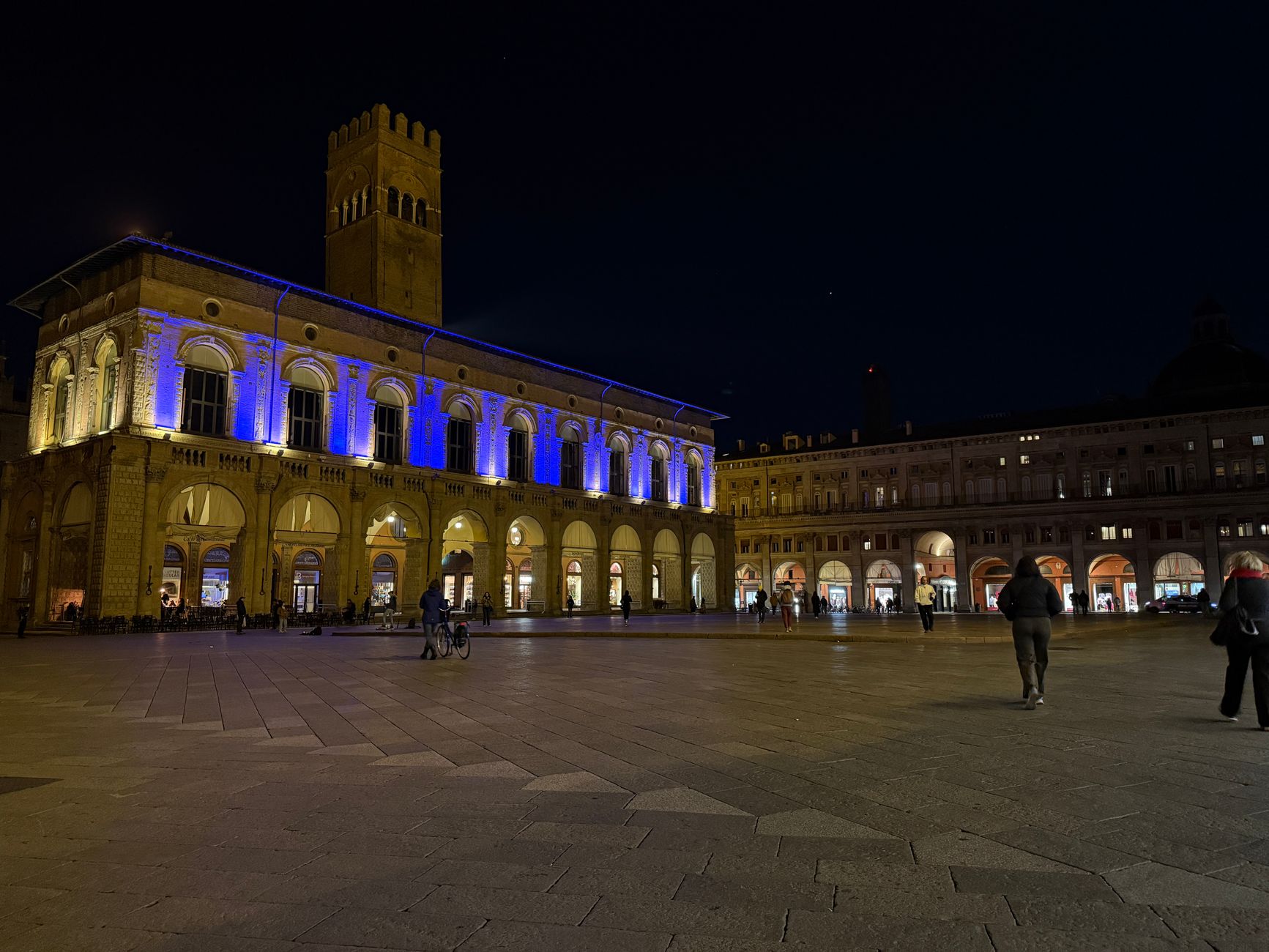
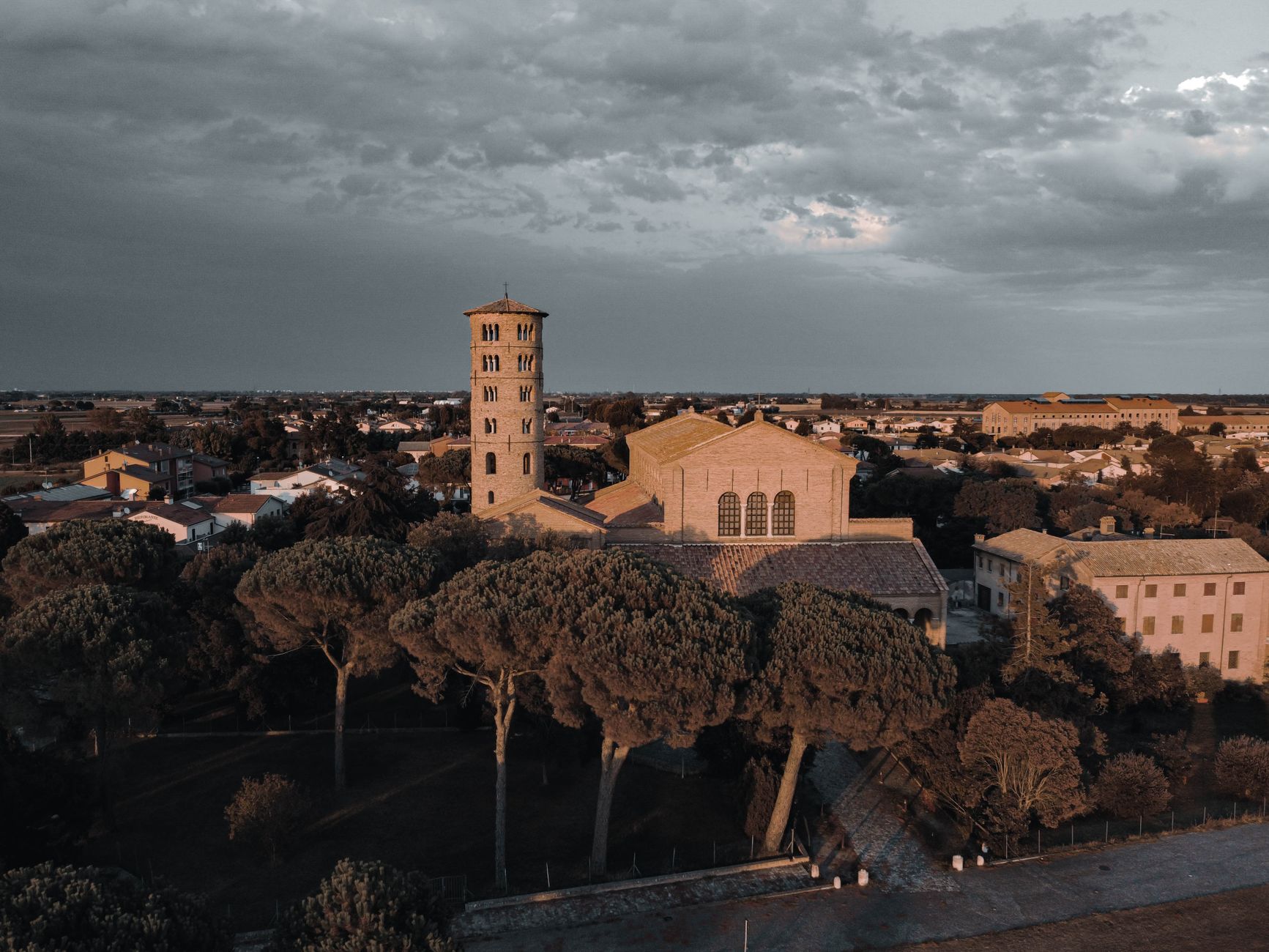
The road that gave this region its name — the Via Aemilia, laid down in 187 BC — still runs through it, roughly straight, connecting Piacenza to Rimini across the Po Valley. Towns grew up along it, each one accumulating its own cathedral, its own towers, its own specific obsession: Parma with cured ham and opera, Modena with balsamic vinegar and fast cars, Ravenna with mosaics that have outlasted every empire that passed through.
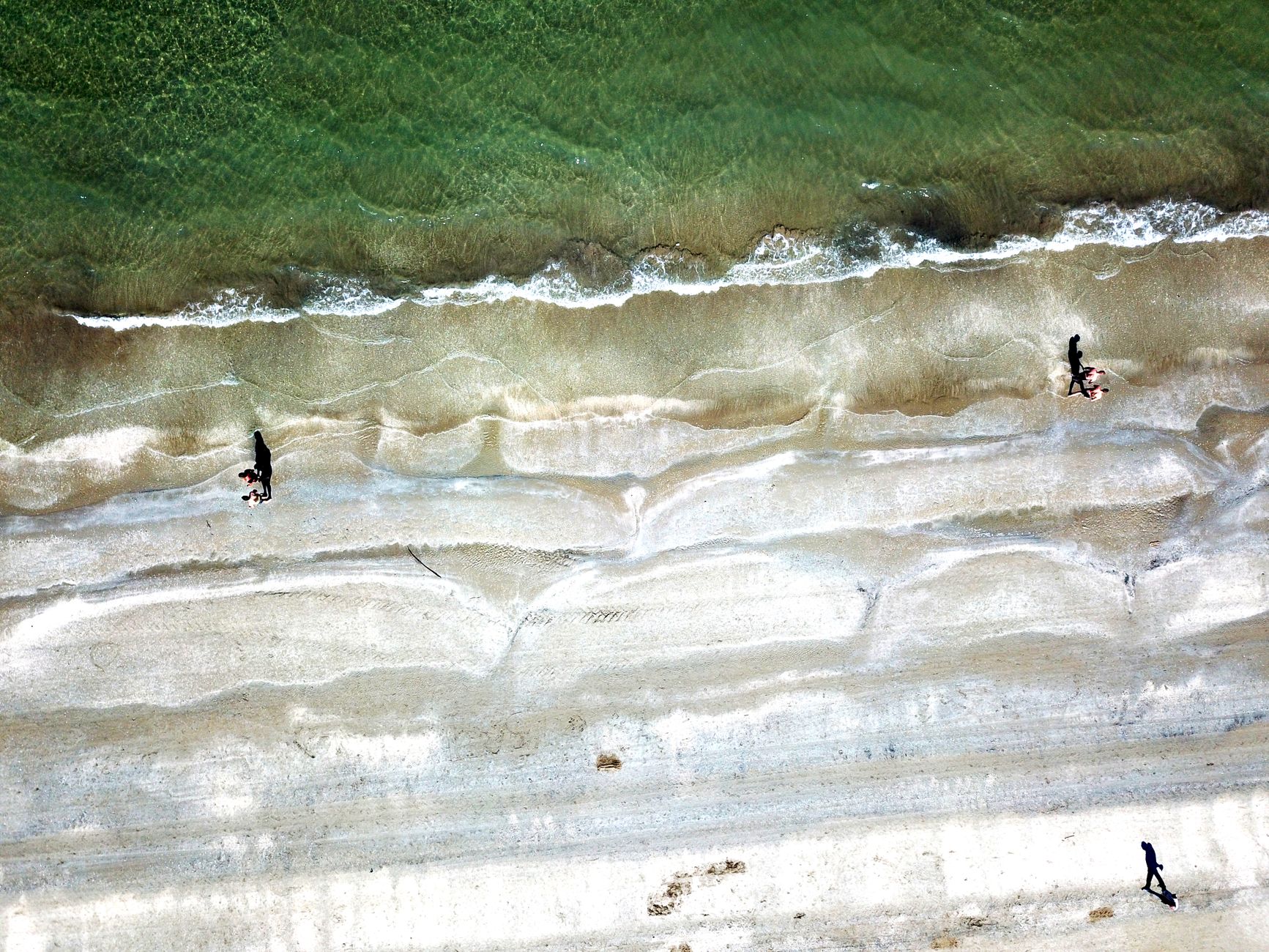
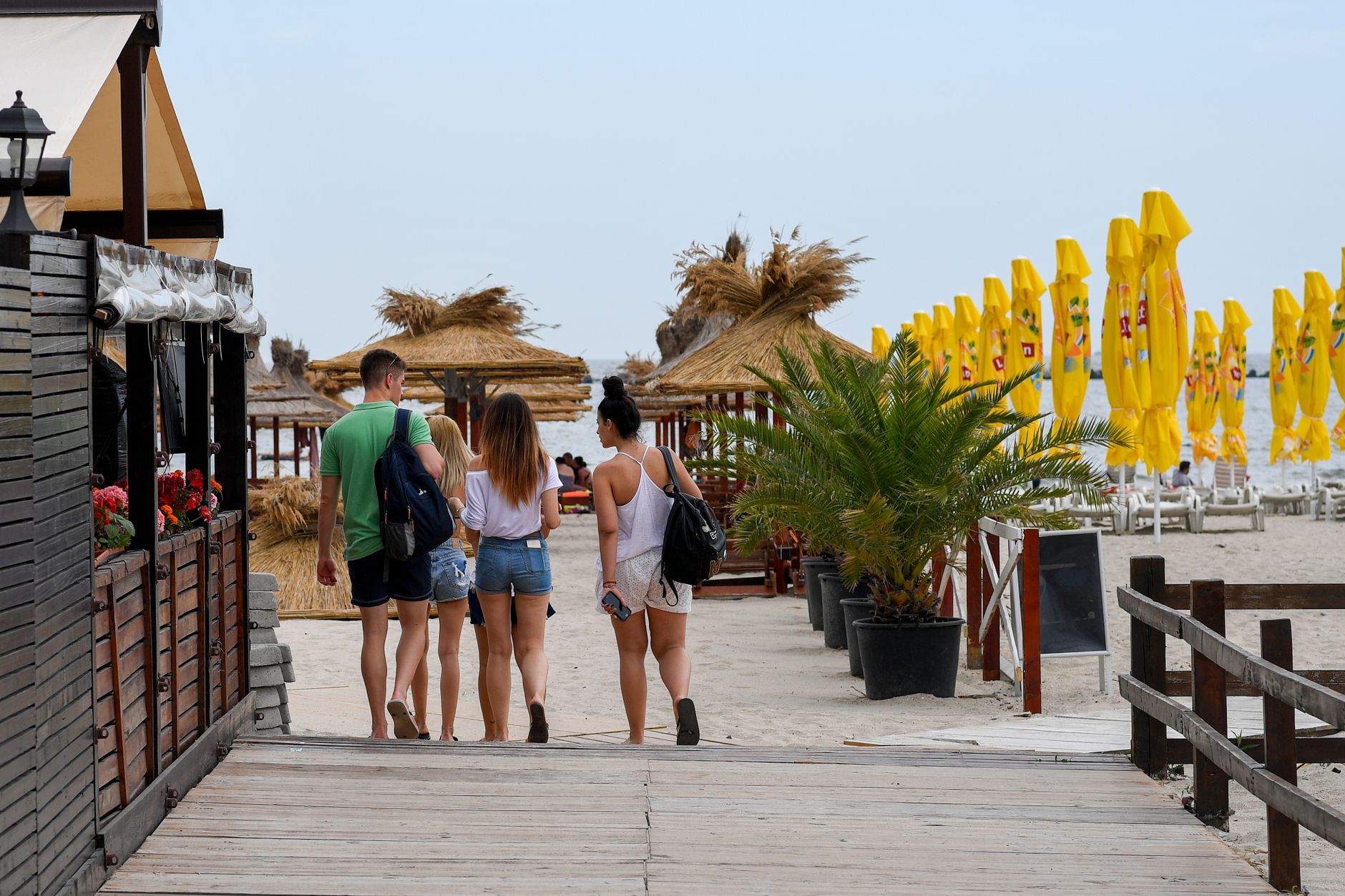
Emilia-Romagna is two half-regions stitched together by history and geography, and the seam shows in good ways. The Adriatic coast pulls in summer crowds; the Apennines in the south offer ski slopes in winter; the flatlands between grow the wheat and raise the pigs that built one of Europe's most serious food cultures.
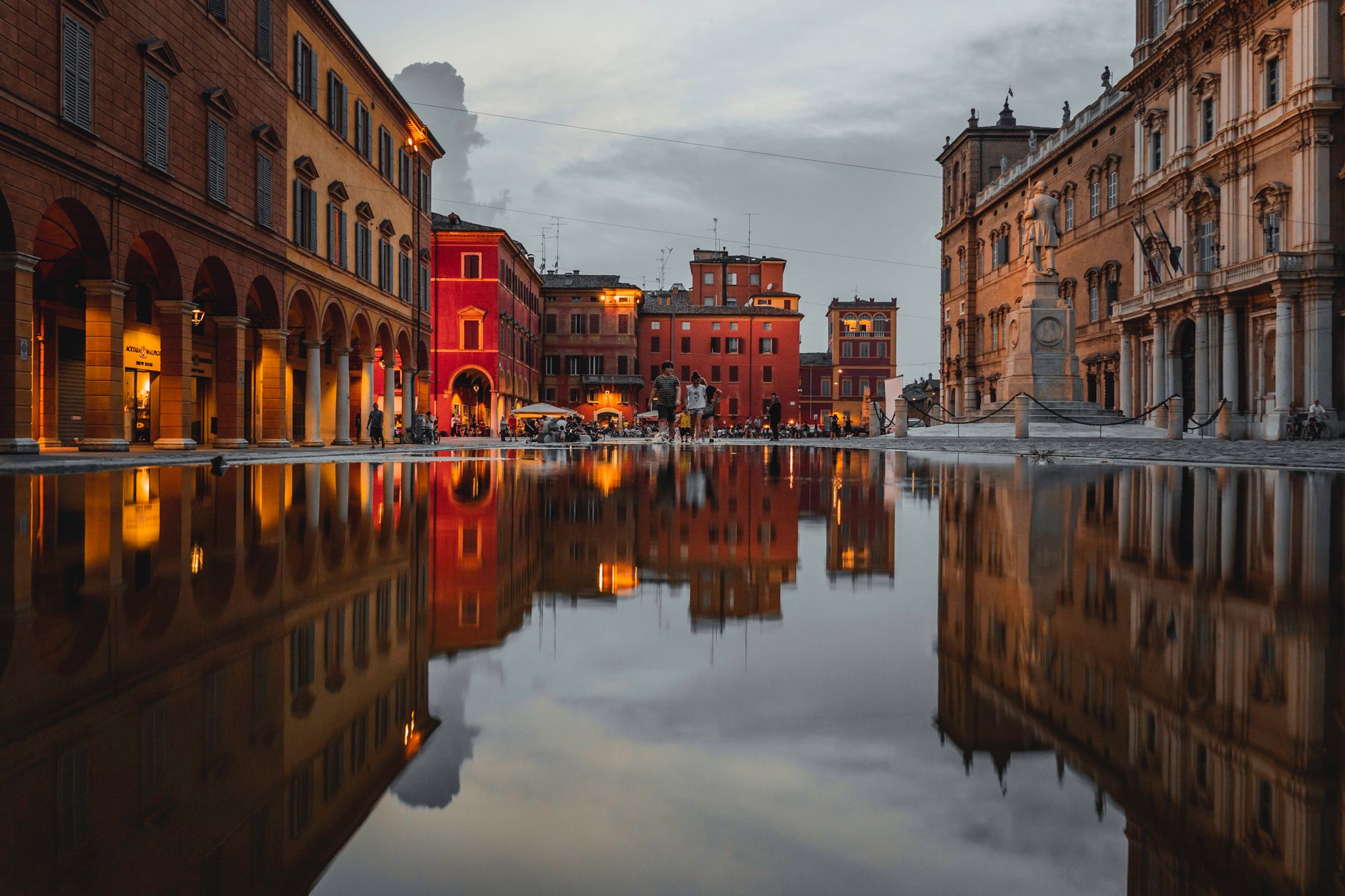
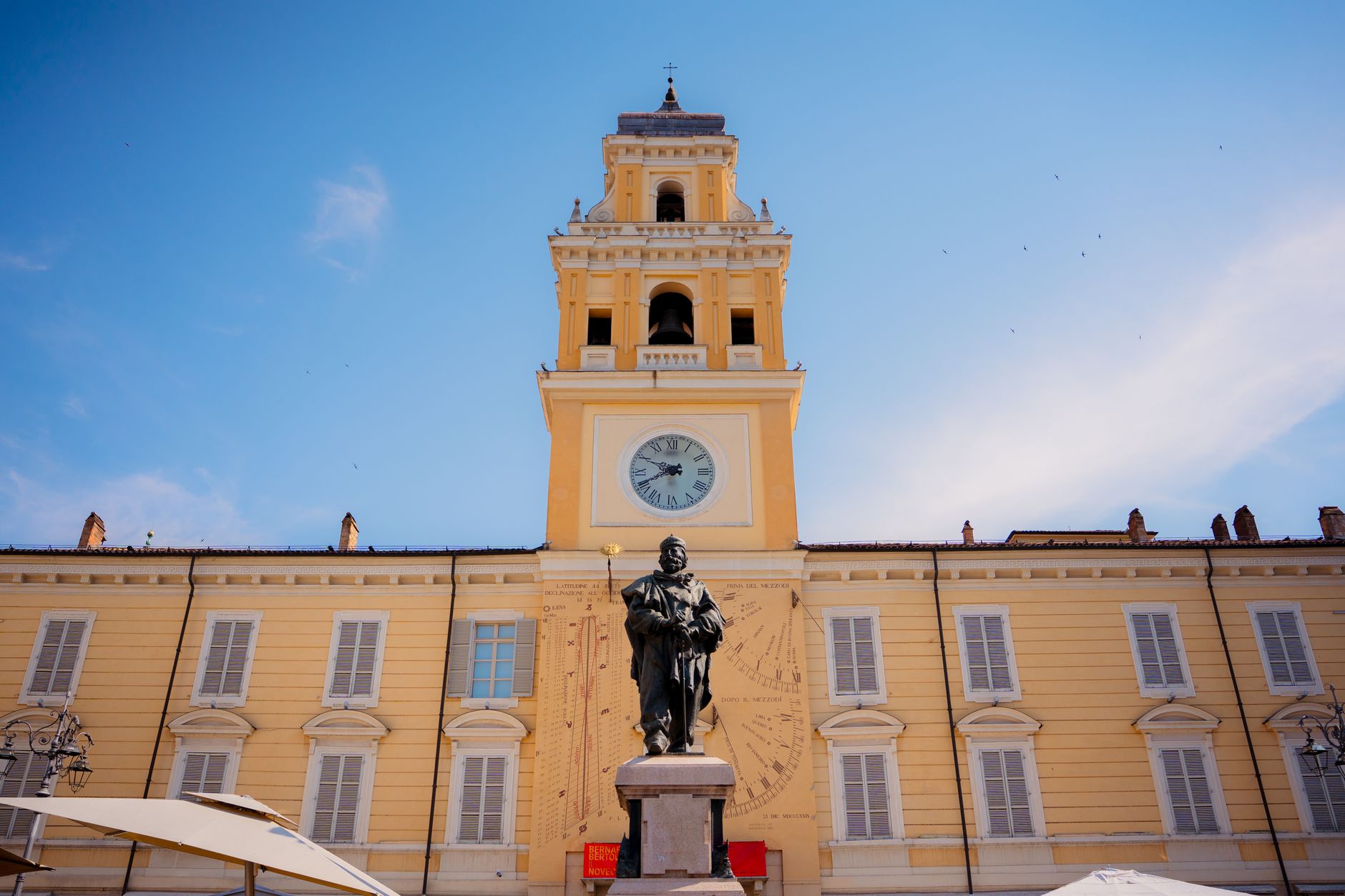
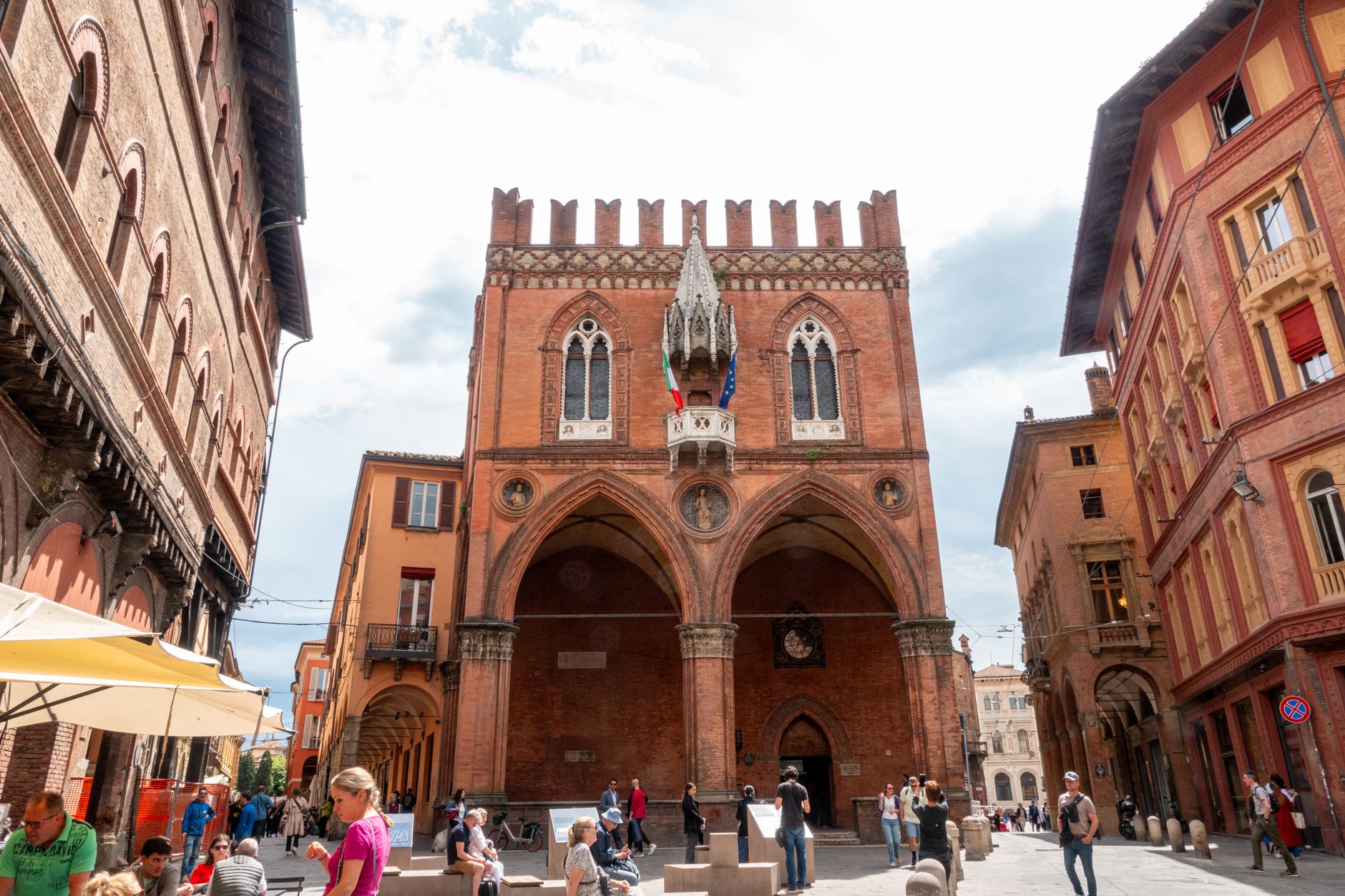
Popular cities in Emilia-Romagna
💛 What travellers fall for
People who've spent time here tend to say the same thing: slow down on the food. A plate of handmade tortellini in brodo in Bologna, a sliver of Parmigiano-Reggiano eaten standing at a counter in Parma — these are not embellishments. Budget a morning for a proper market, and don't plan too much after.
Experiences you don't want to miss


How Emilia-Romagna came to be
The name comes from the Roman road. When the consul Marcus Aemilius Lepidus built the Via Aemilia in 187 BC, settlements crystallised along its spine, and the land took its identity from the pavement beneath it. Centuries of contested rule followed — Lombard kings, Charlemagne's Frankish empire after 774, Byzantine governors holding the eastern strip called Romagna. In 754, Pepin the Short handed Romagna to the papacy, a donation that shaped the region's political character for over a thousand years.
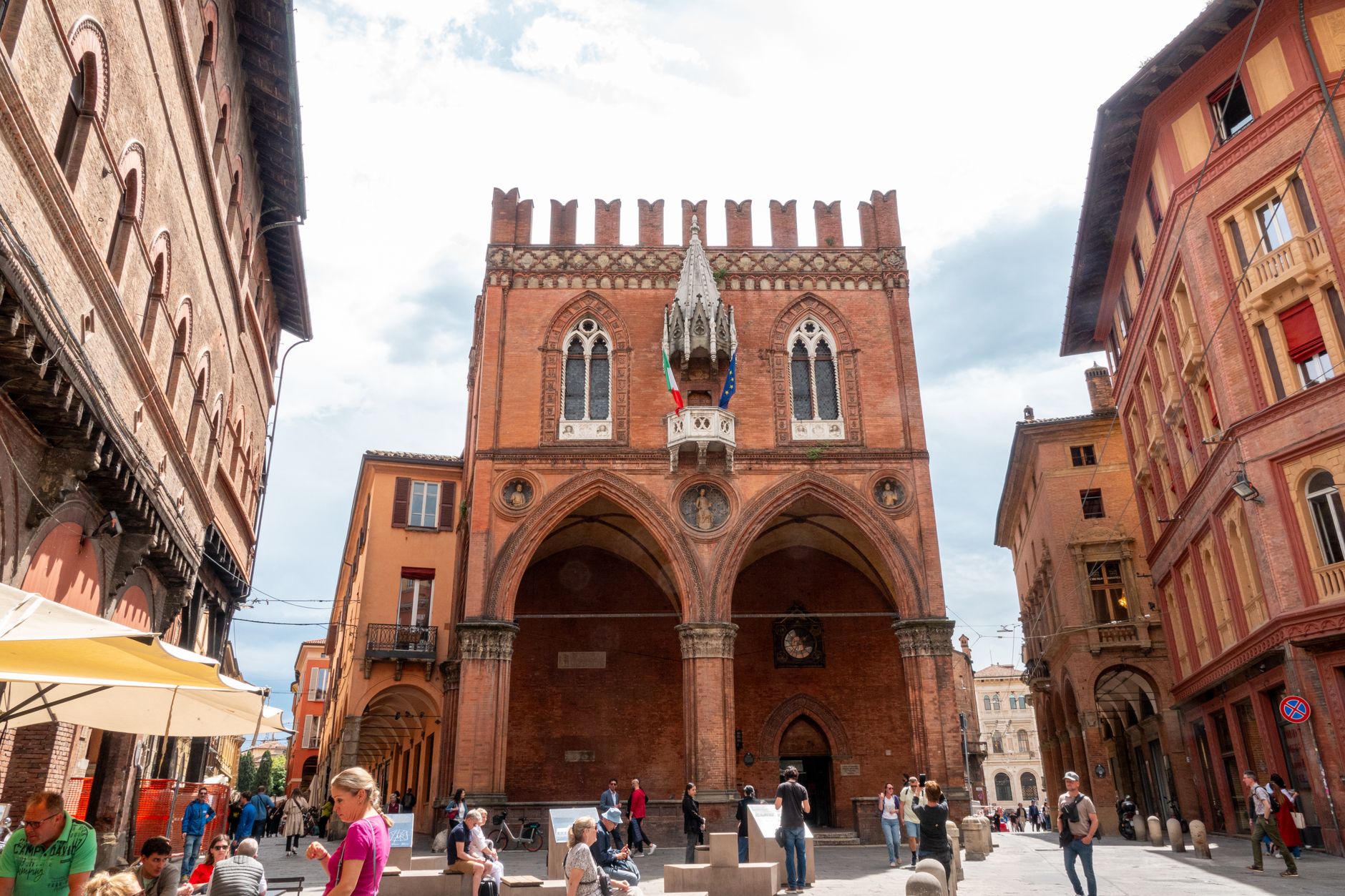
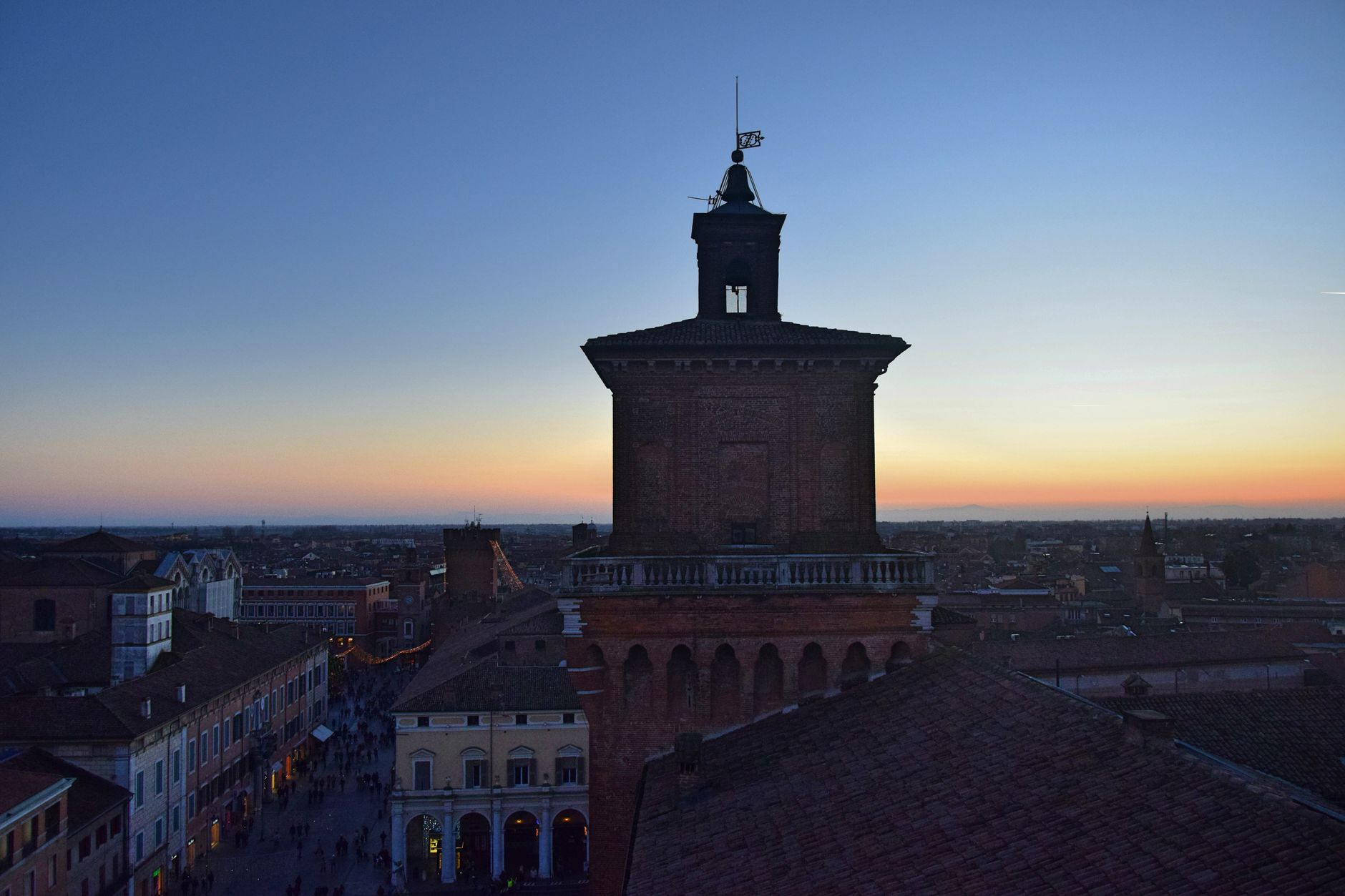
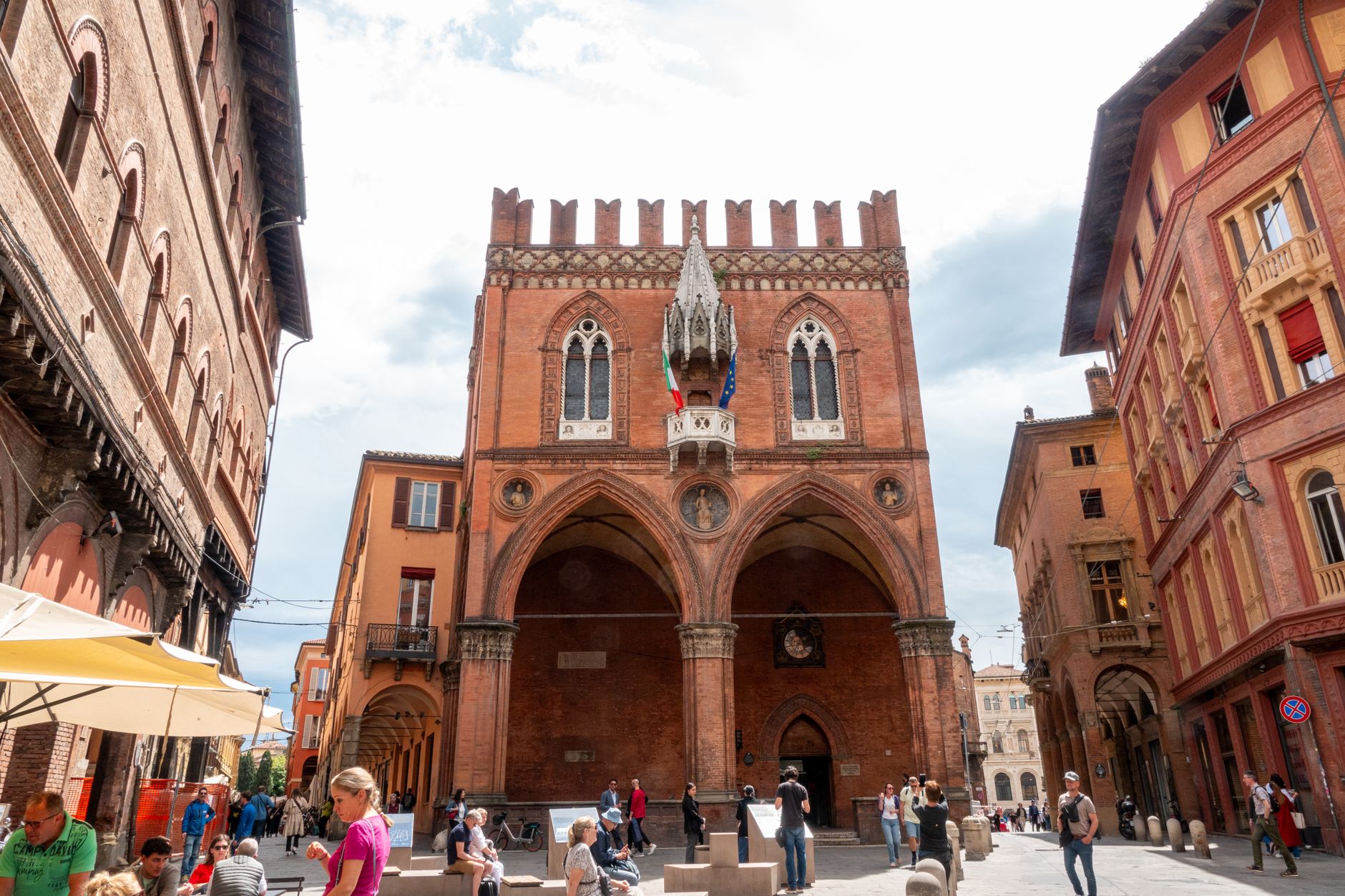
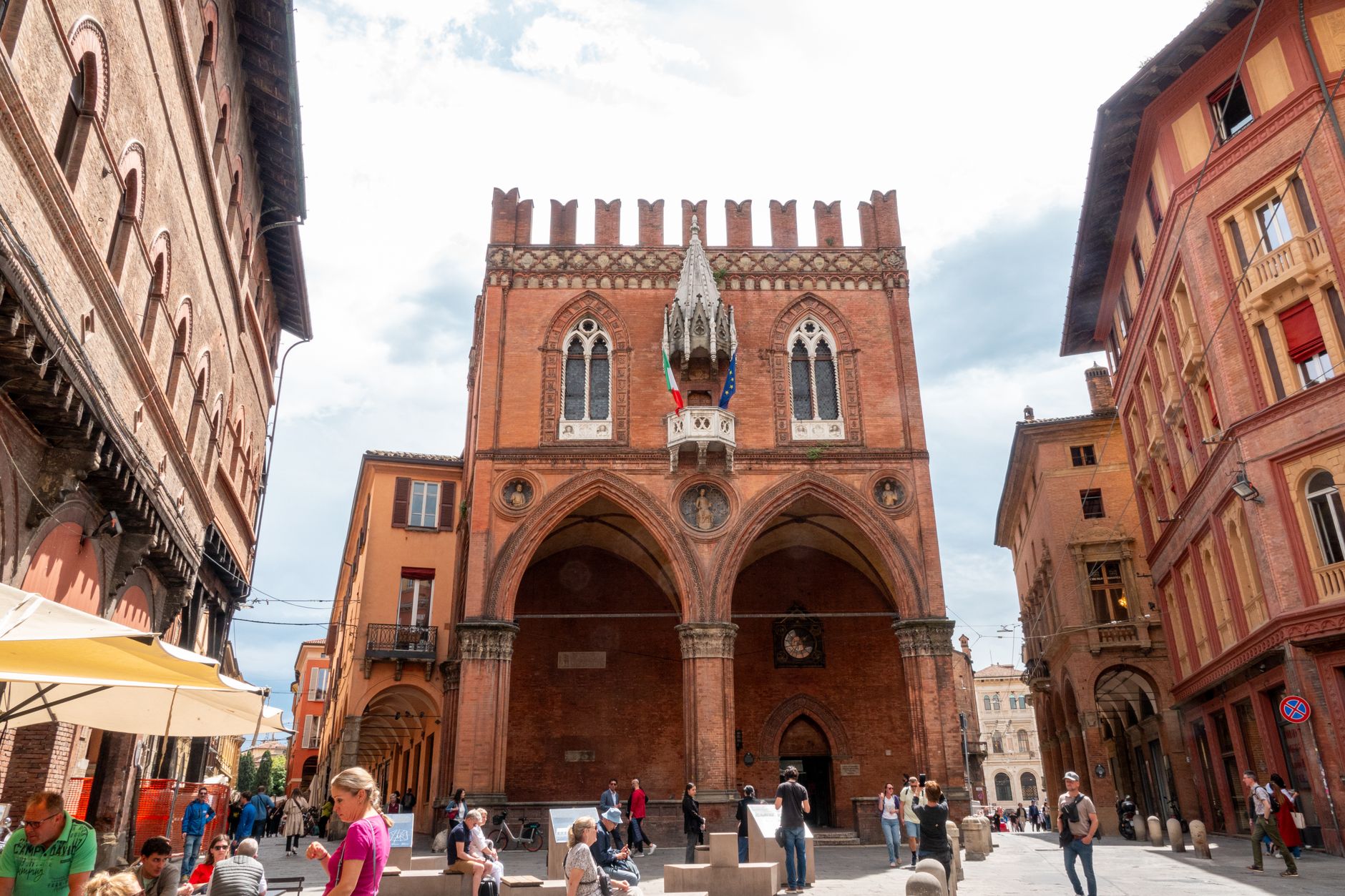
By the medieval period, wealthy city-states were raising towers to signal status — Bologna alone had more than a hundred — while civic buildings like Piacenza's Palazzo Gotico announced a new era of independent communes. Unification into the Kingdom of Italy came in 1861; the region's current boundaries were drawn in 1948.
Who and what shaped it
People who shaped it
Landmark buildings
See Emilia-Romagna in motion
Plan your visit
On the map
When to go
Summers are hot and humid in the Po Valley, cooler and drier in the Apennine foothills. Winters can be grey and cold with occasional fog settling over the flatlands — the Adriatic coast gets more wind and light. Spring and September offer the most reliable weather for moving around comfortably.
Right now
↡ Cities
No places match these filters.
Background & history adapted from Wikipedia (CC BY-SA) · specs from Wikidata (CC0) · weather from Open-Meteo · map data © OpenStreetMap contributors · photos from Wikimedia Commons / Unsplash with per-image credit. No third-party reviews or social posts reproduced.