
Modena
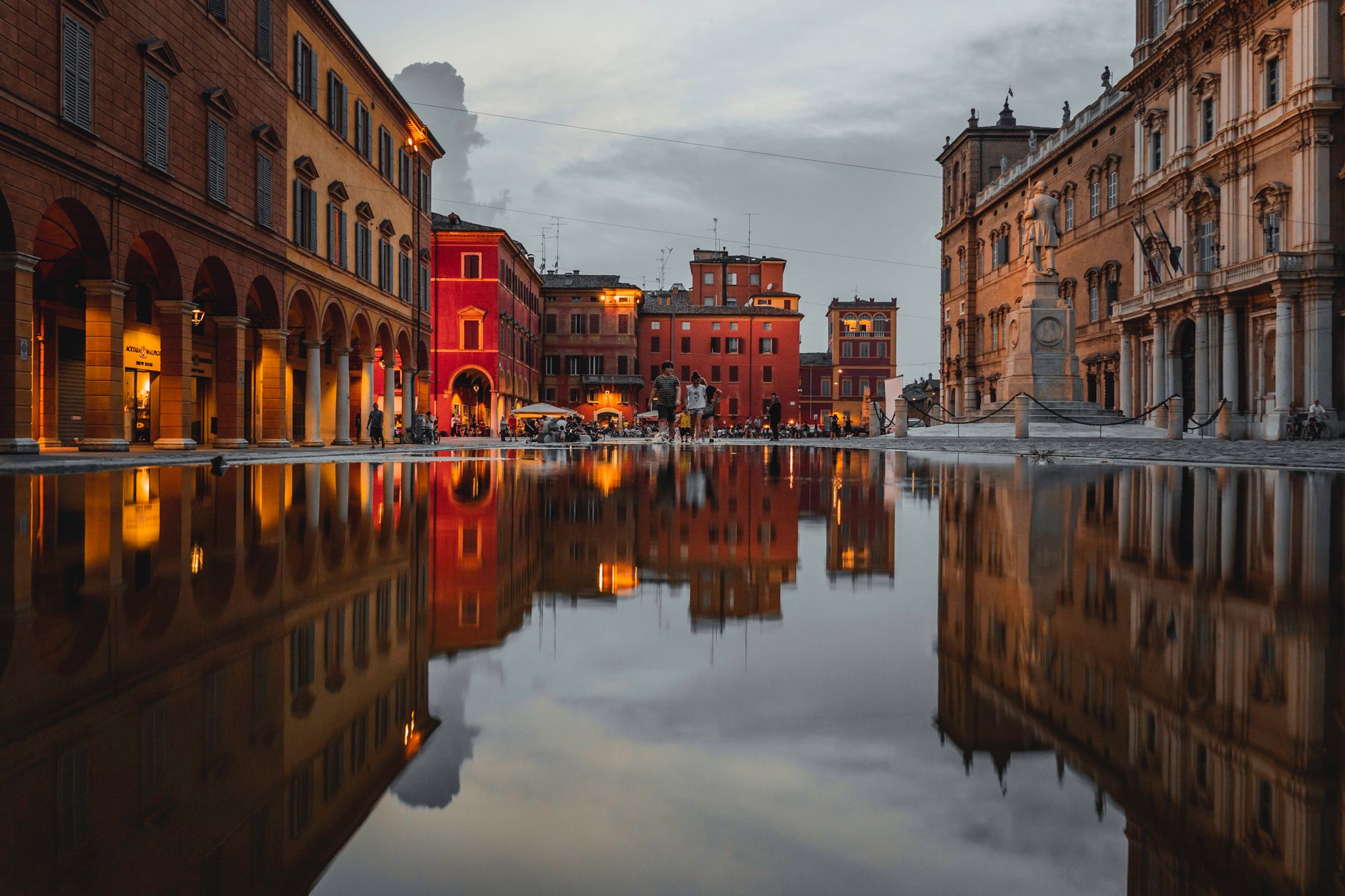
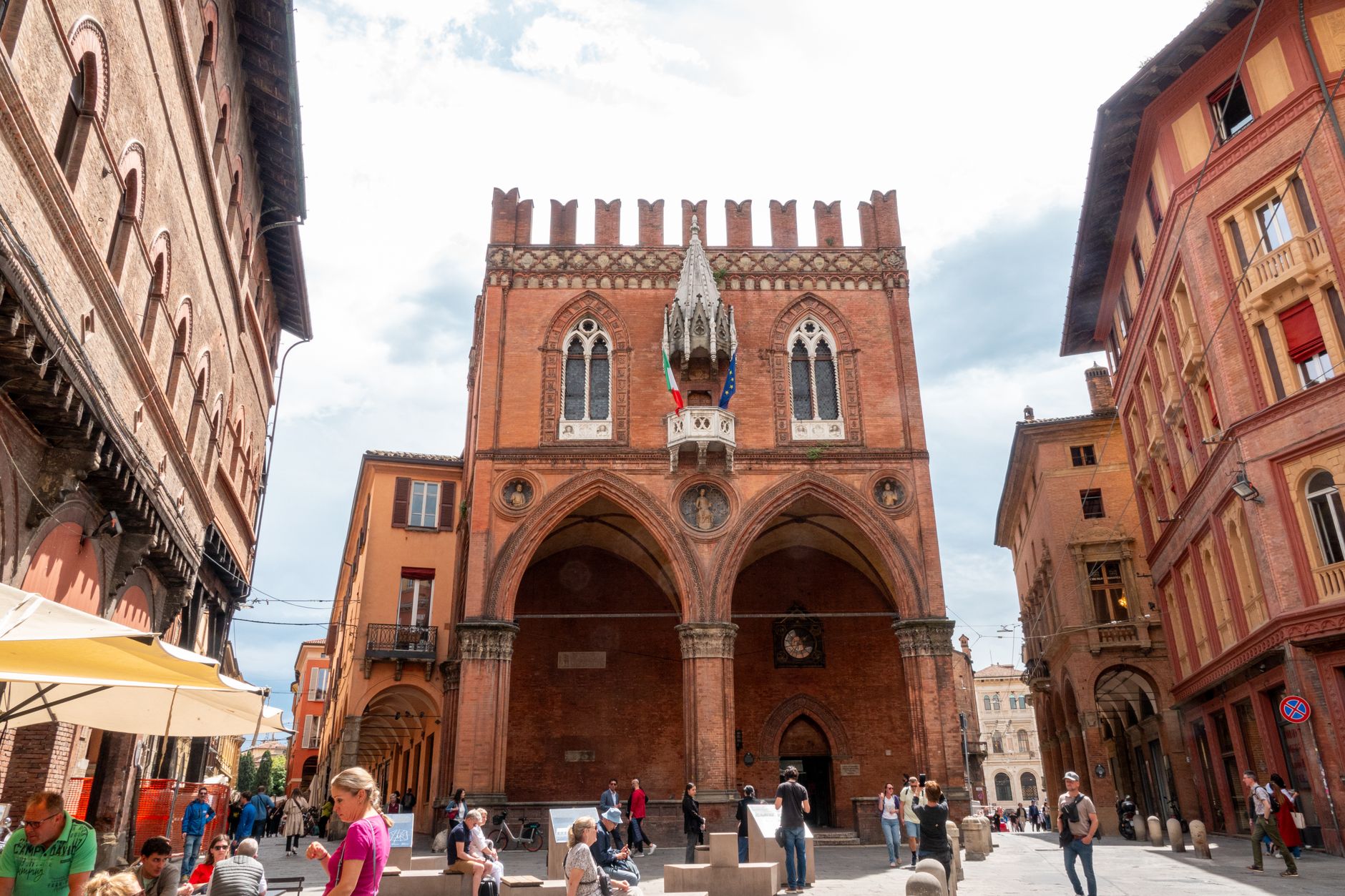
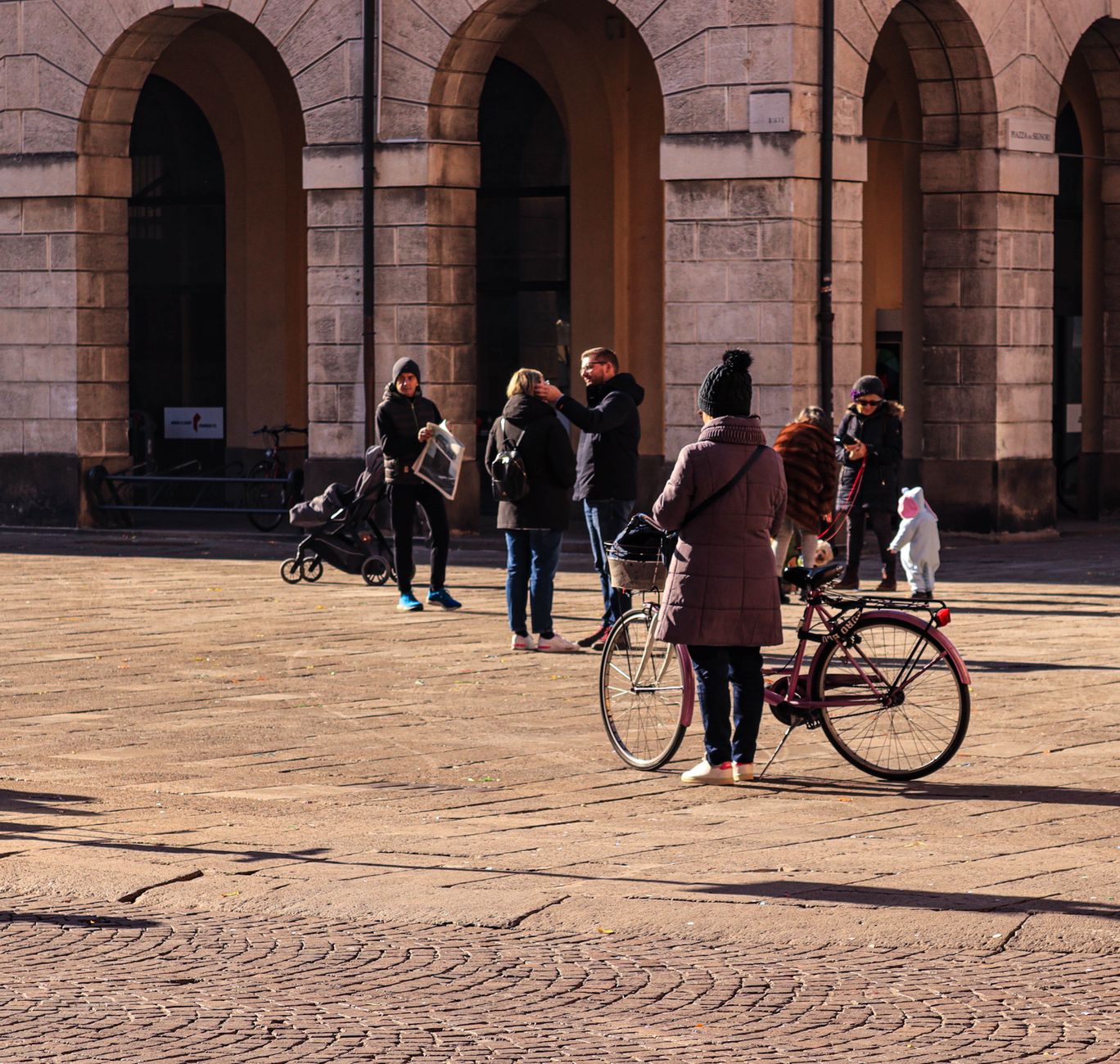
Stand in Piazza Grande on a weekday morning and you'll find Modena doing what it has done for centuries: going about its business with quiet authority. The Duomo rises on one side, its Romanesque facade carved by Wiligelmo in the twelfth century; the Torre della Ghirlandina tilts almost imperceptibly behind it. This is a city that produces things — opera voices, racing cars, aged balsamic vinegar — and takes each of them with equal seriousness.
Modena sits on the Via Aemilia, the old Roman road that still more or less organises life in Emilia-Romagna. It is compact enough to cover on foot, rich enough to keep you longer than you planned.
💛 What travellers fall for
People who come back tend to time a visit around the Mercato Albinelli — the covered market open since 1931 — for an early breakfast at one of the counters inside. They also make a point of climbing the Ghirlandina: the views cost €4 and the staircase is genuinely steep, which keeps the top to yourself.
Experiences you don't want to miss


Deals in Modena
Book directly at the provider
How Modena came to be
Rome planted the colony of Mutina here in 183 BCE along the Via Aemilia, and the road's straight logic still runs through the city plan. In 43 BCE the fields outside town were the site of the Battle of Modena, where Mark Antony faced the forces of Octavian. The city was refortified by Bishop Ludovicus at the end of the ninth century, and on 9 June 1099 the architect Lanfranco broke ground on the cathedral that would define Modena's skyline.
The Este family, who ruled Ferrara, absorbed Modena in 1289. When Duke Cesare I moved his capital here from Ferrara in 1598, Modena became a proper court city — the Palazzo Ducale followed in 1634, built to project that ambition. Este rule ran until Napoleon arrived in 1796; by 1859 Modena was part of a unified Kingdom of Italy.
Who and what shaped it
People who shaped it
Landmark buildings
See Modena in motion
Plan your visit
On the map
When to go
Summers are hot and humid, with July and August temperatures regularly above 30°C; winters are cold, often foggy, and occasionally sharp. April through June and September through October give the most comfortable conditions for walking the streets.
Right now
Background & history adapted from Wikipedia (CC BY-SA) · specs from Wikidata (CC0) · weather from Open-Meteo · map data © OpenStreetMap contributors · photos from Wikimedia Commons / Unsplash with per-image credit. No third-party reviews or social posts reproduced.