
Forlì
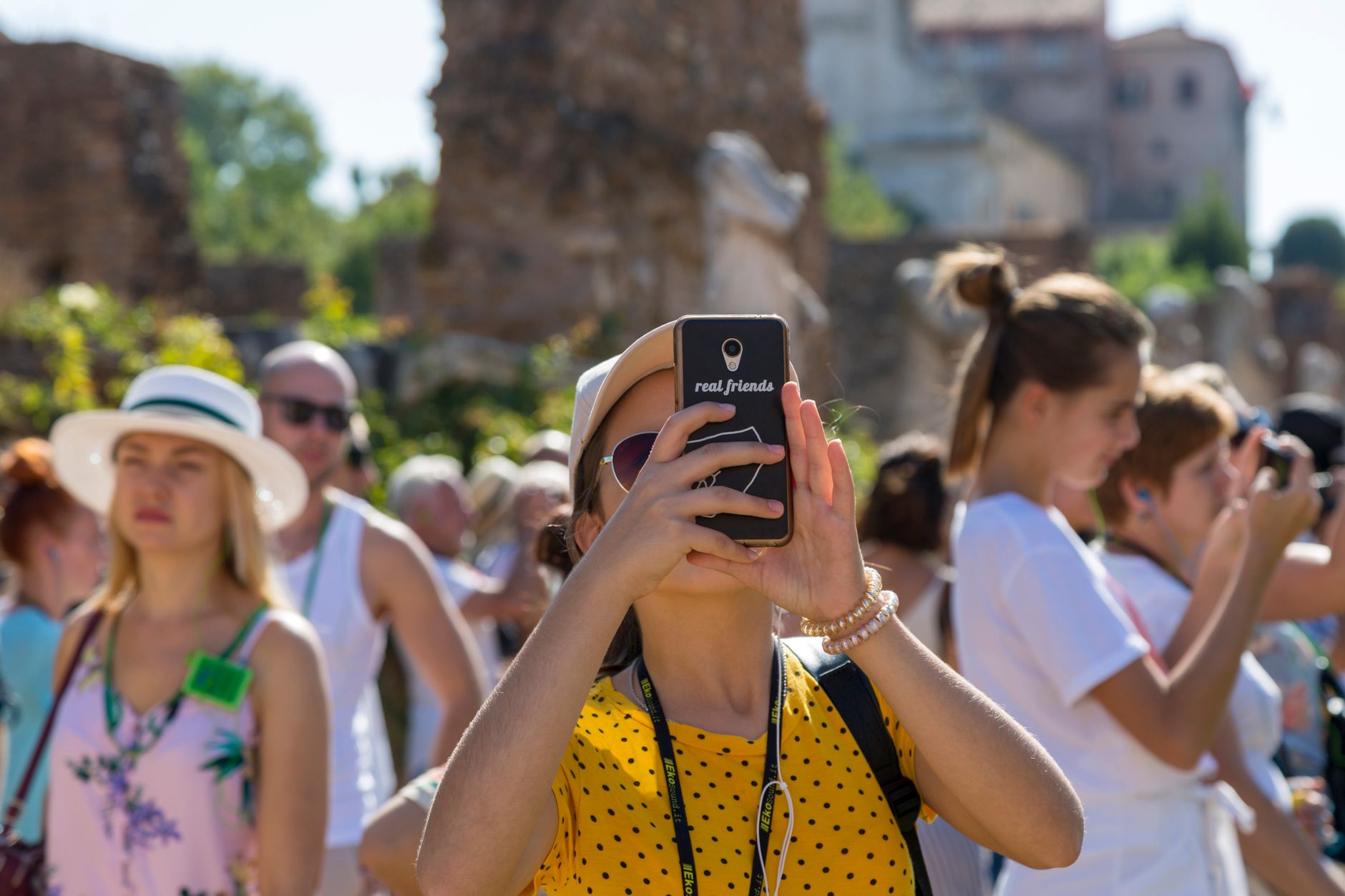
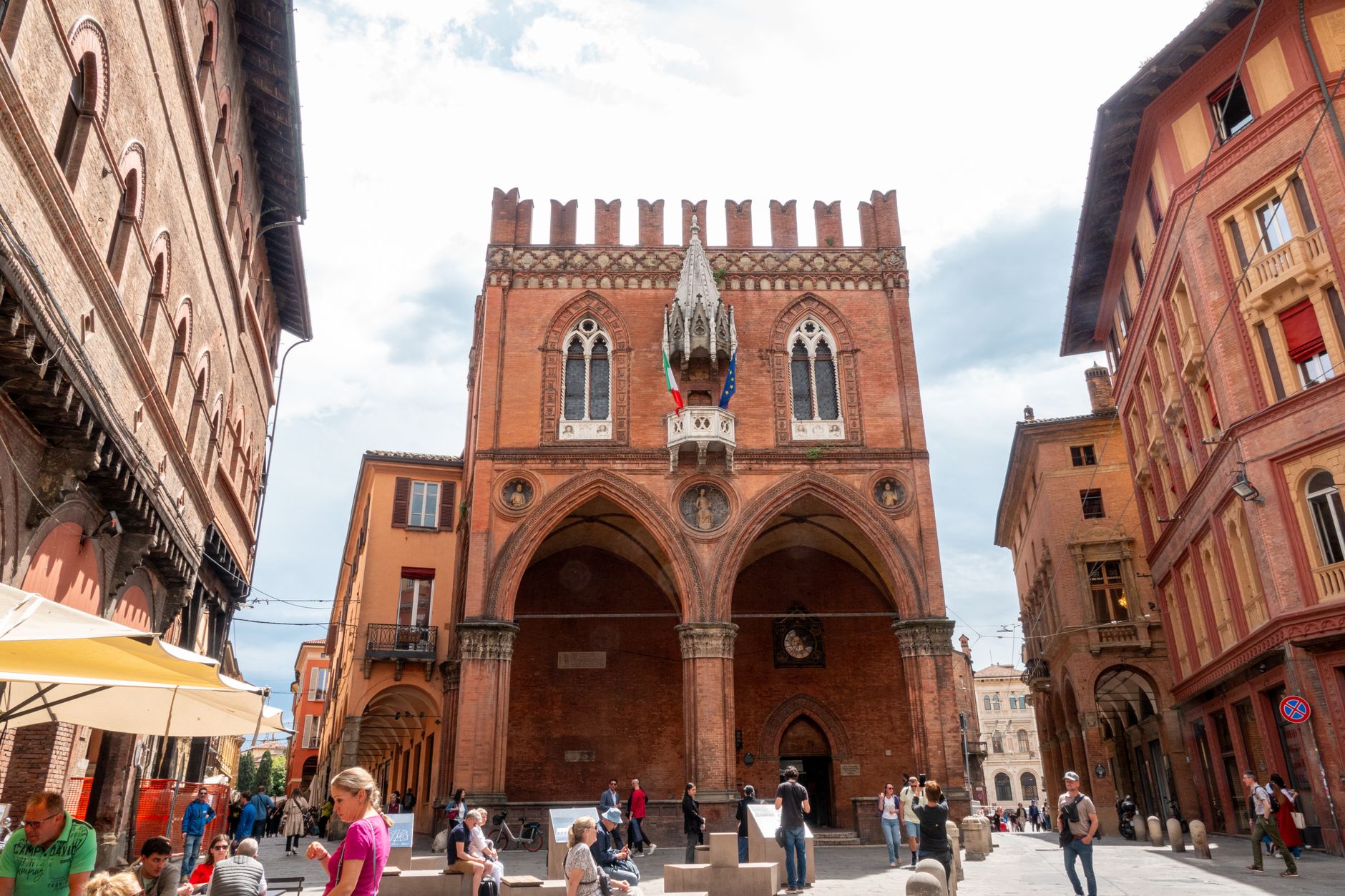
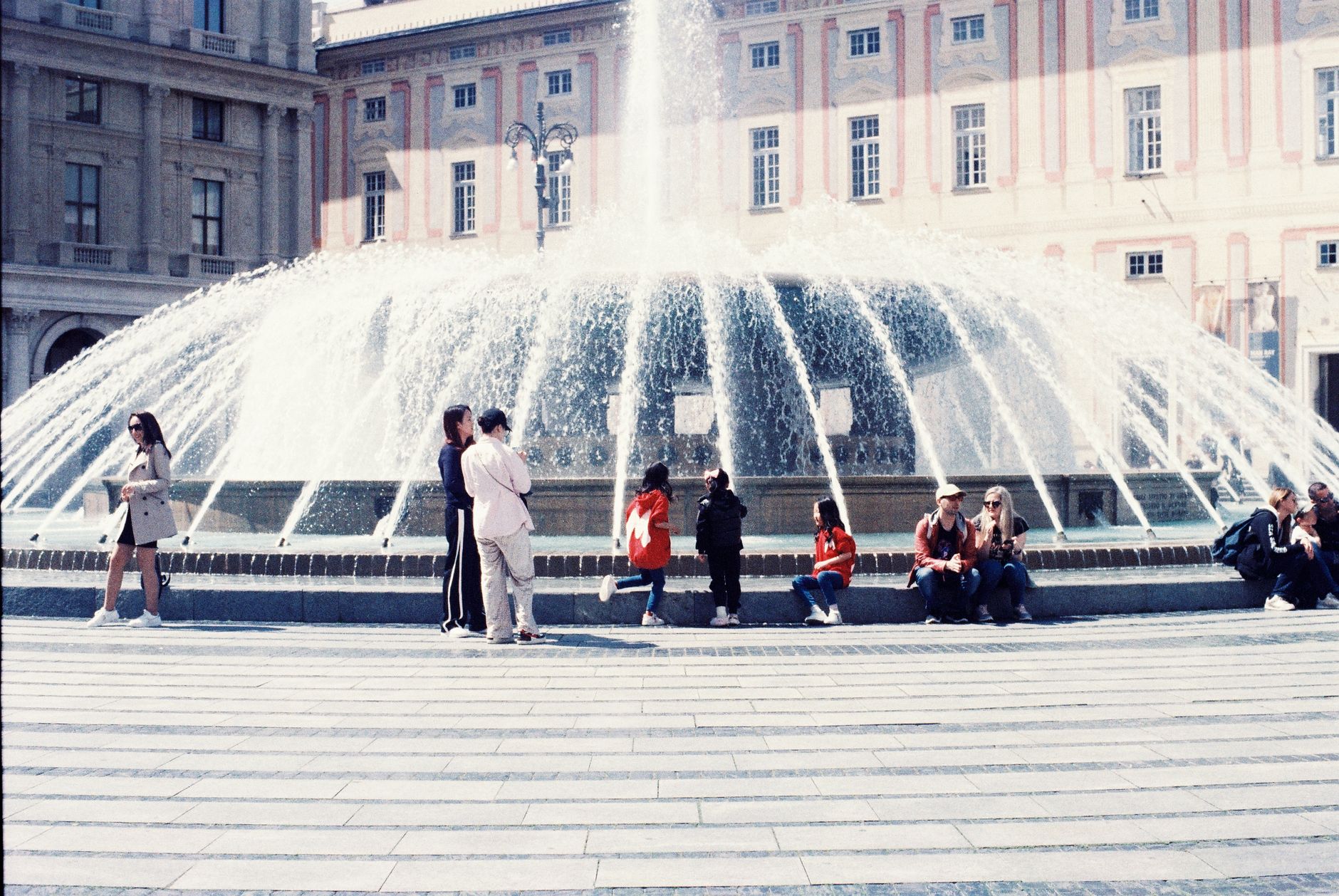
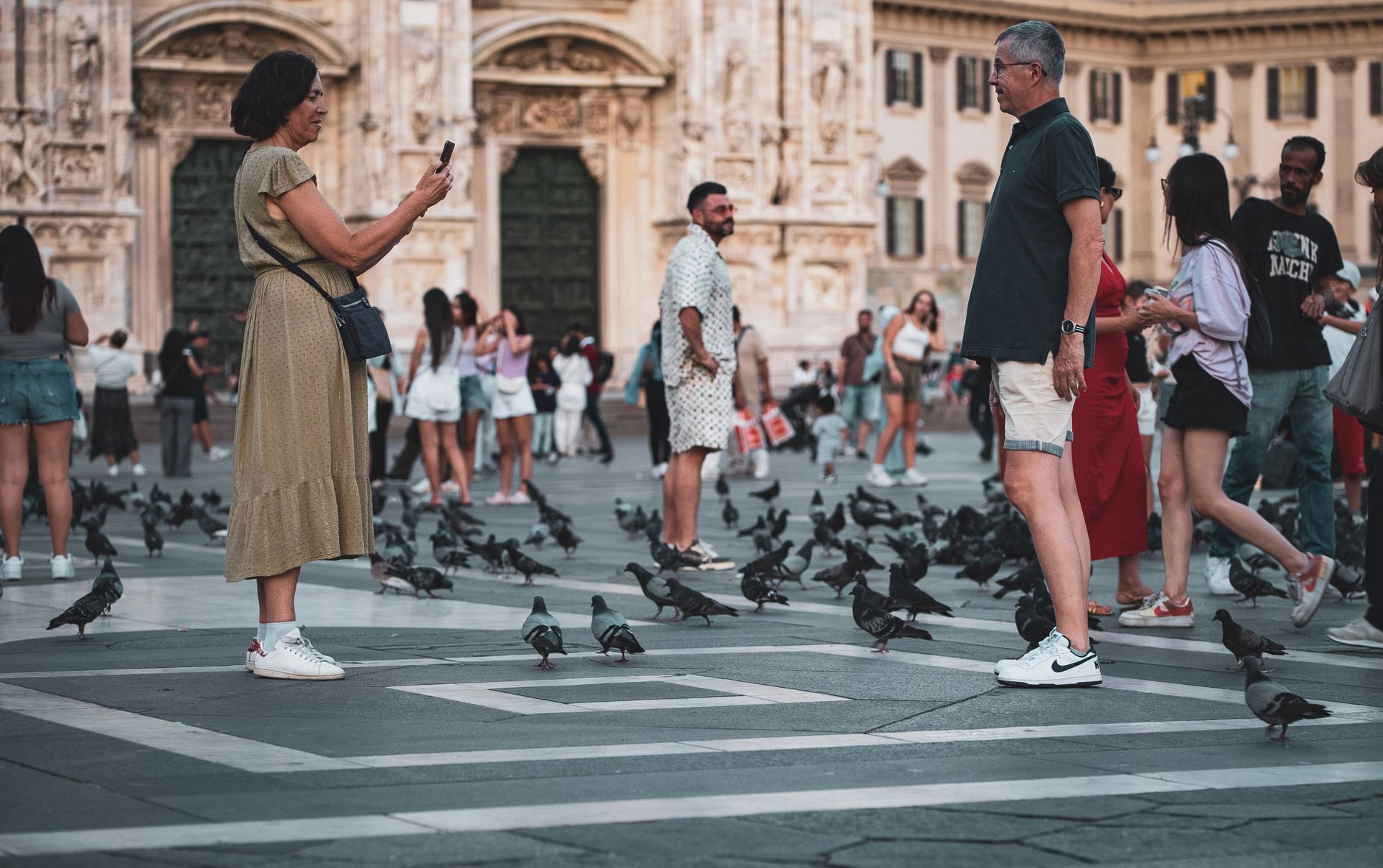
Forlì announces itself through its main square: Piazza Aurelio Saffi is enormous, sun-bleached, and anchored by a 12th-century bell tower that climbs over 70 metres above the rooftops. This is a city that was substantially rebuilt in the 1920s and 30s — wide rationalist boulevards, monumental post offices, confident brick — and the result is a place with an unusual double identity, medieval and Mussolini-era modernism side by side.
Few visitors come here on purpose, which is part of why it works. The University of Bologna has a campus here, so the cafes fill with students rather than tour groups. Piazza Saffi hosts a regular market, the Rocca di Ravaldino opens its fortress gates on weekends, and the Palazzo del Podestà stands in its Gothic brick as it has since 1460.
💛 What travellers fall for
People who keep coming back tend to time a visit around the market in Piazza Saffi, then walk north to Porta Schiavonia — the one surviving city gate, Baroque-patched but still medieval at its core — before following the Montone River for a while. The Rocca di Ravaldino is free on weekends and usually quiet enough that you can take your time.
Experiences you don't want to miss


Deals in Forlì
Book directly at the provider


How Forlì came to be
Rome planted Forum Livii here in 188 BC, shortly after the Via Aemilia was laid through the Po plain — the road that still, in essence, runs through the city. It was destroyed in the civil wars of Marius and Sulla, rebuilt, became a medieval commune, and by the 13th century served as the imperial court seat for the Romagna. The Ordelaffi family ruled from 1315; it was Pino Ordelaffi III who completed the Rocca di Ravaldino in 1480, the fortress later associated with Caterina Sforza, who held it against Cesare Borgia until 1500.
The city's current face owes much to the 1920s and 30s, when Italian Rationalism replaced older fabric with broad avenues and civic monuments. Napoleon had passed through in 1797; in November 1944, Allied forces liberated a city that had taken serious damage from wartime bombing. What stands now is a layered thing — Roman grid, medieval tower, rationalist post office, all on the same square.
Who and what shaped it
People who shaped it
Landmark buildings
See Forlì in motion
Plan your visit
On the map
When to go
Forlì has a classic Po Valley climate: cold, often foggy winters and hot, humid summers. March through May and September through October give you mild temperatures and manageable light — the best conditions for the square and the walk to the city gate.
Right now
Background & history adapted from Wikipedia (CC BY-SA) · specs from Wikidata (CC0) · weather from Open-Meteo · map data © OpenStreetMap contributors · photos from Wikimedia Commons / Unsplash with per-image credit. No third-party reviews or social posts reproduced.