
Ravenna
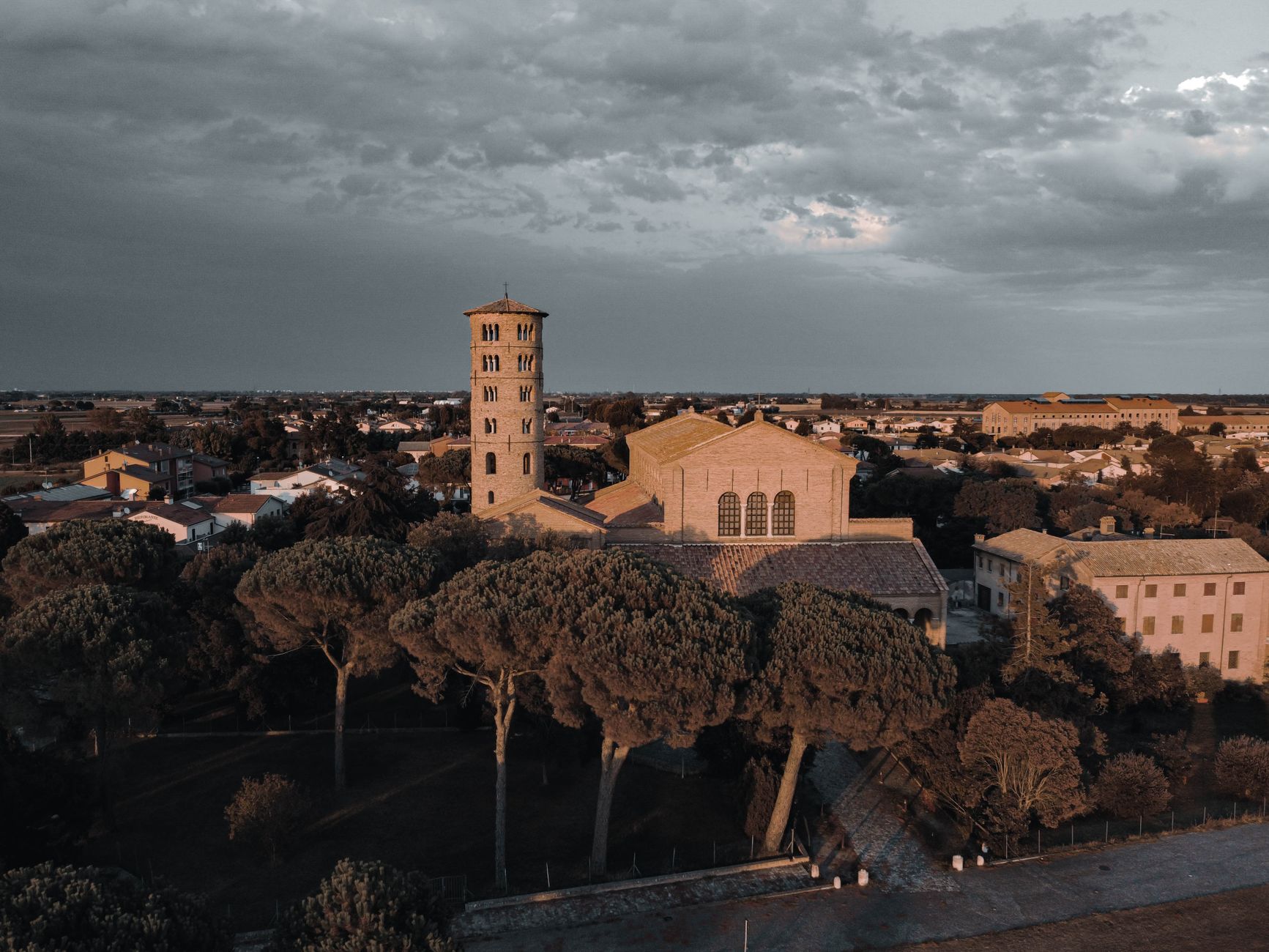
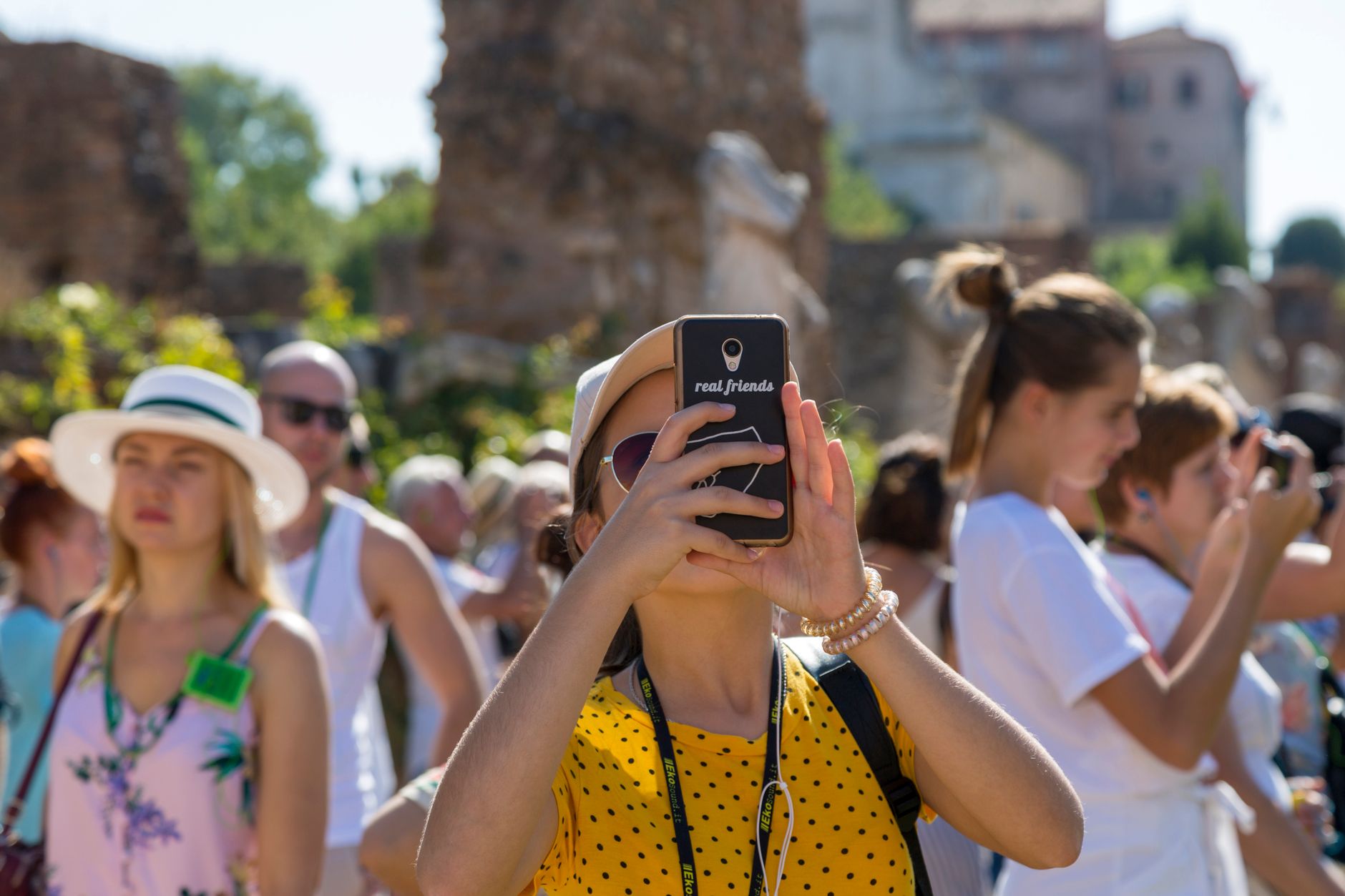
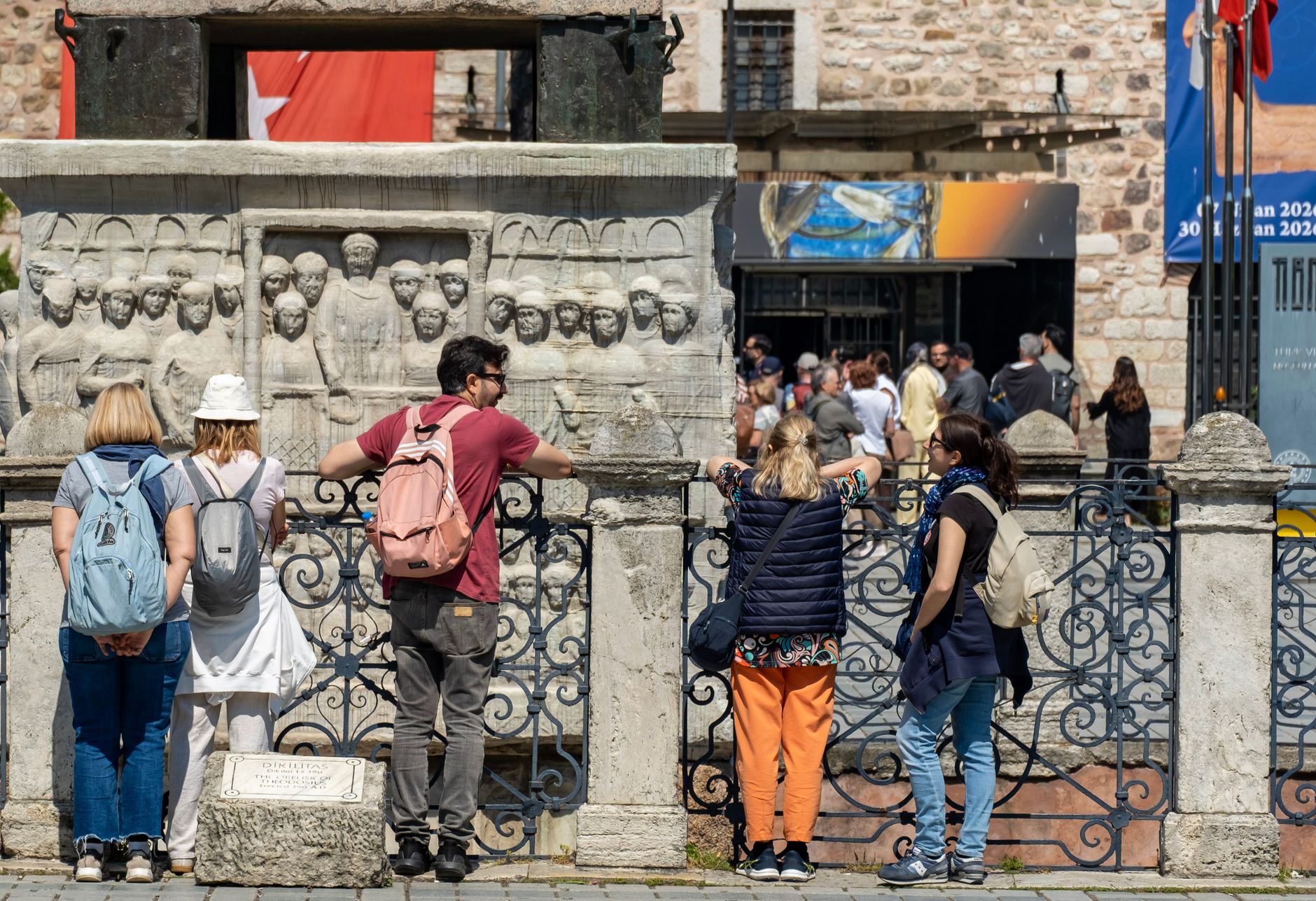
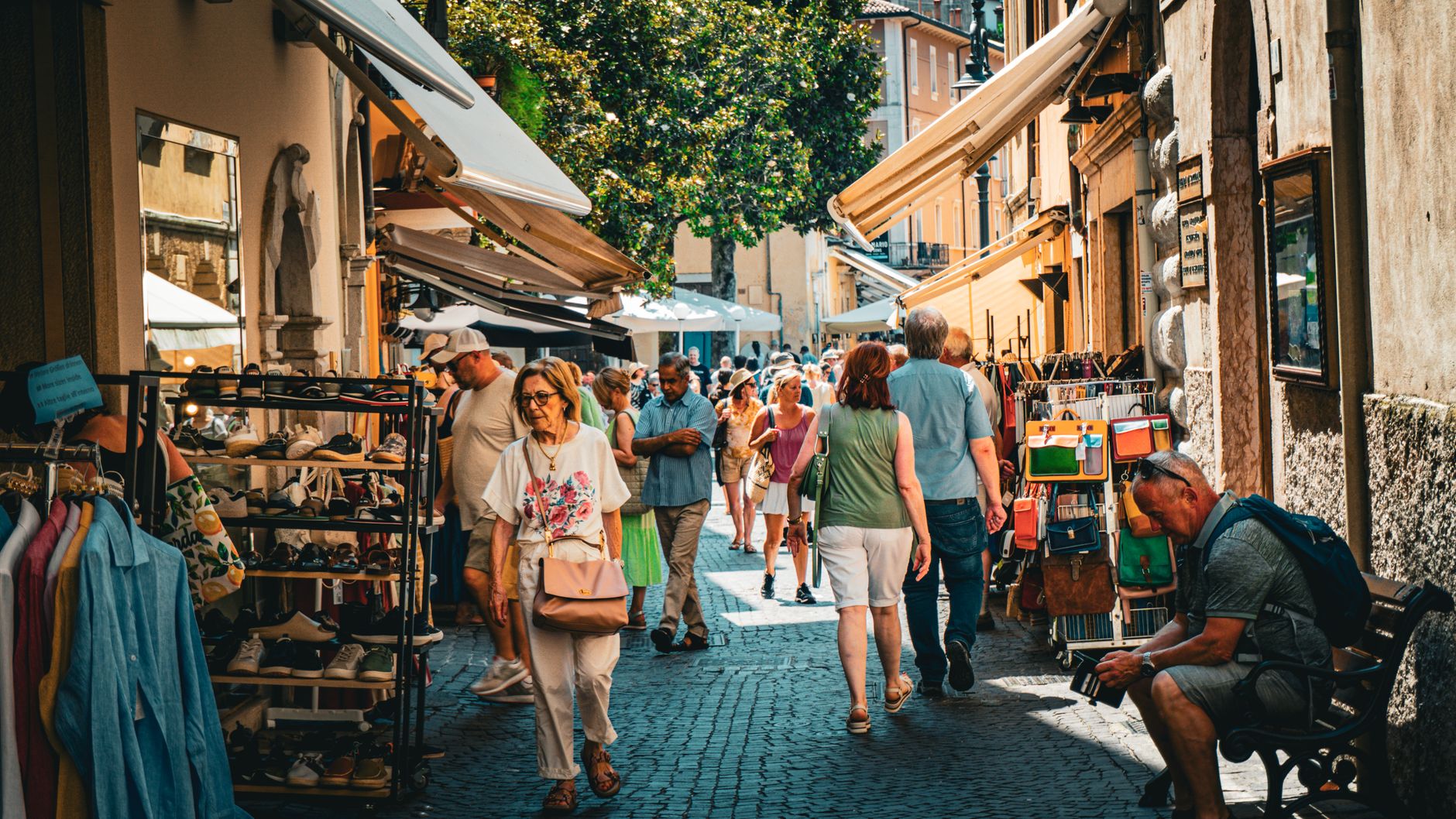
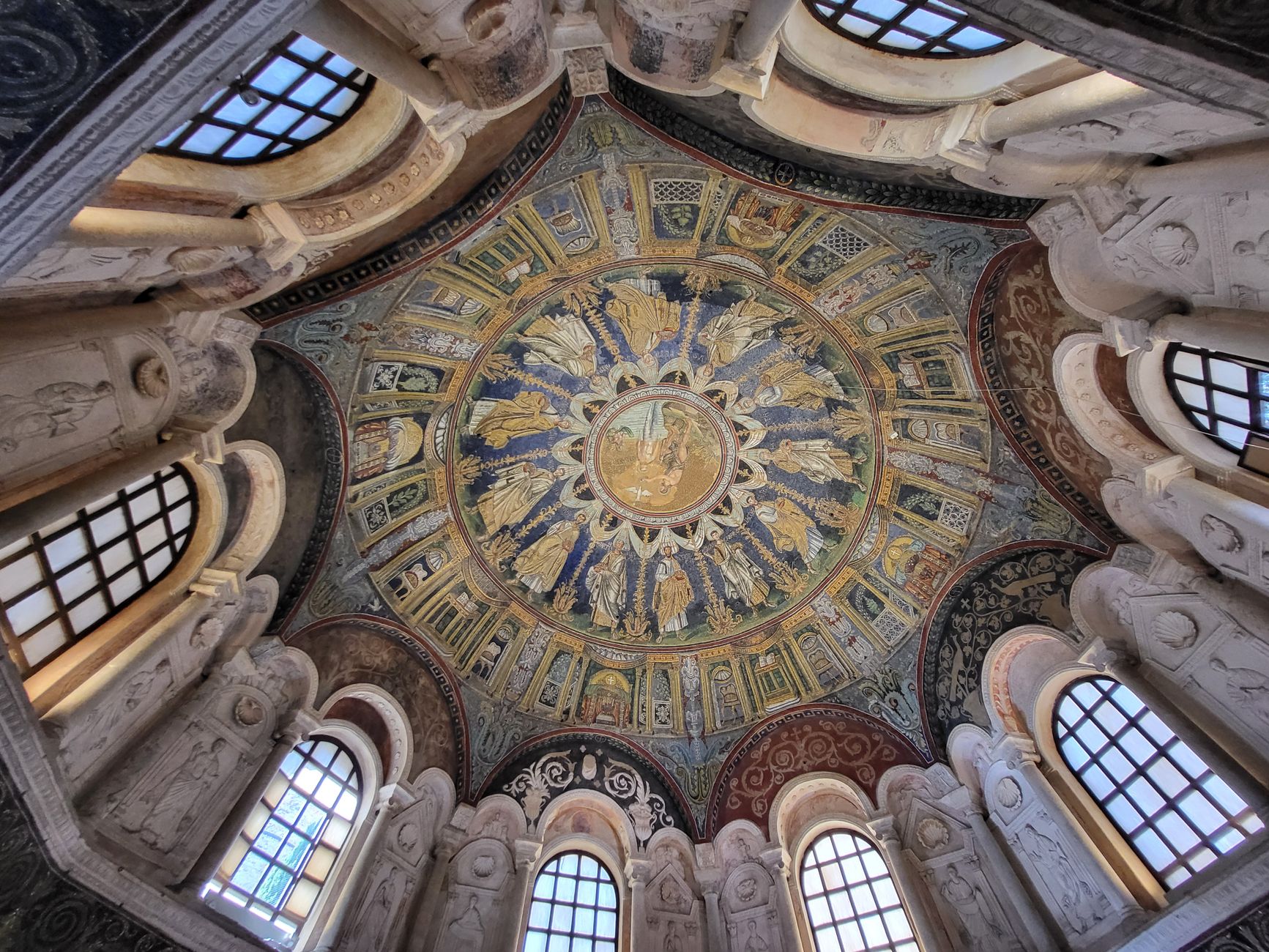
Ravenna stops you in your tracks before you've worked out why. The streets are low, flat, unremarkable — and then you step inside a fifth-century church and the walls are on fire with gold and lapis lazuli. The mosaics here aren't decorative flourishes; they are the reason the city exists in the collective memory of Western art, and they have been staring back at visitors since the time of the late Roman emperors.
Eight monuments across the city share a single UNESCO listing, all built between the 5th and 6th centuries. That concentration in one small, walkable place is almost improbable.
💛 What travellers fall for
People who come back tend to do the monuments across two days rather than one, leaving San Vitale for a morning when the light through the alabaster windows is at its clearest. Many end the second evening at the Tomb of Dante — quieter than the basilicas, and oddly affecting for a city that wasn't even his home.
Experiences you don't want to miss


Deals in Ravenna
Book directly at the provider

How Ravenna came to be
Ravenna's improbable centrality to Western history began in 402 CE, when the Western Roman Emperor Honorius moved his court here from Milan — the surrounding marshes offered better defence against the barbarian incursions pressing down from the north. The city became the capital of the Western Roman Empire and remained so until the empire's dissolution in 476.
What followed was, architecturally, even richer. Odoacer, then the Ostrogothic king Theodoric (reigned 493–526), ruled from Ravenna and built ambitiously. After Theodoric, the Byzantine general Belisarius took the city in 540 for Emperor Justinian I, who completed San Vitale — sponsored by a local banker named Julius Argentarius — and made Ravenna the seat of an imperial exarchate. The mosaics of that era, including the imperial portraits in San Vitale, remain the most significant examples of Byzantine art outside Istanbul.
Who and what shaped it
People who shaped it
Landmark buildings
See Ravenna in motion
Plan your visit
On the map
When to go
Summers are warm and humid, occasionally very hot in July and August. Spring (April–May) and autumn (September–October) bring mild temperatures and fewer crowds — the better seasons for walking between sites without fatigue.
Right now
Background & history adapted from Wikipedia (CC BY-SA) · specs from Wikidata (CC0) · weather from Open-Meteo · map data © OpenStreetMap contributors · photos from Wikimedia Commons / Unsplash with per-image credit. No third-party reviews or social posts reproduced.