
Imola
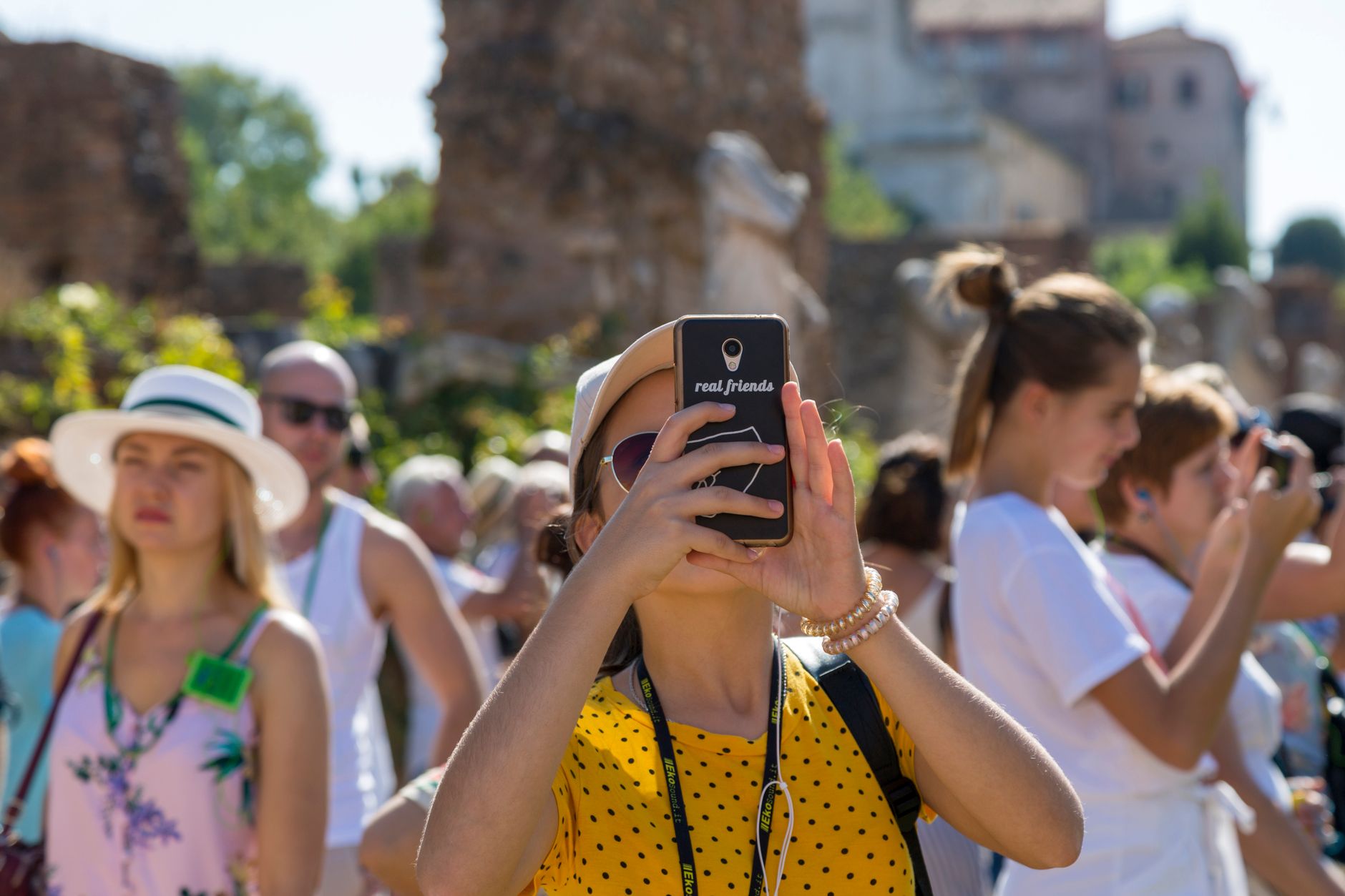
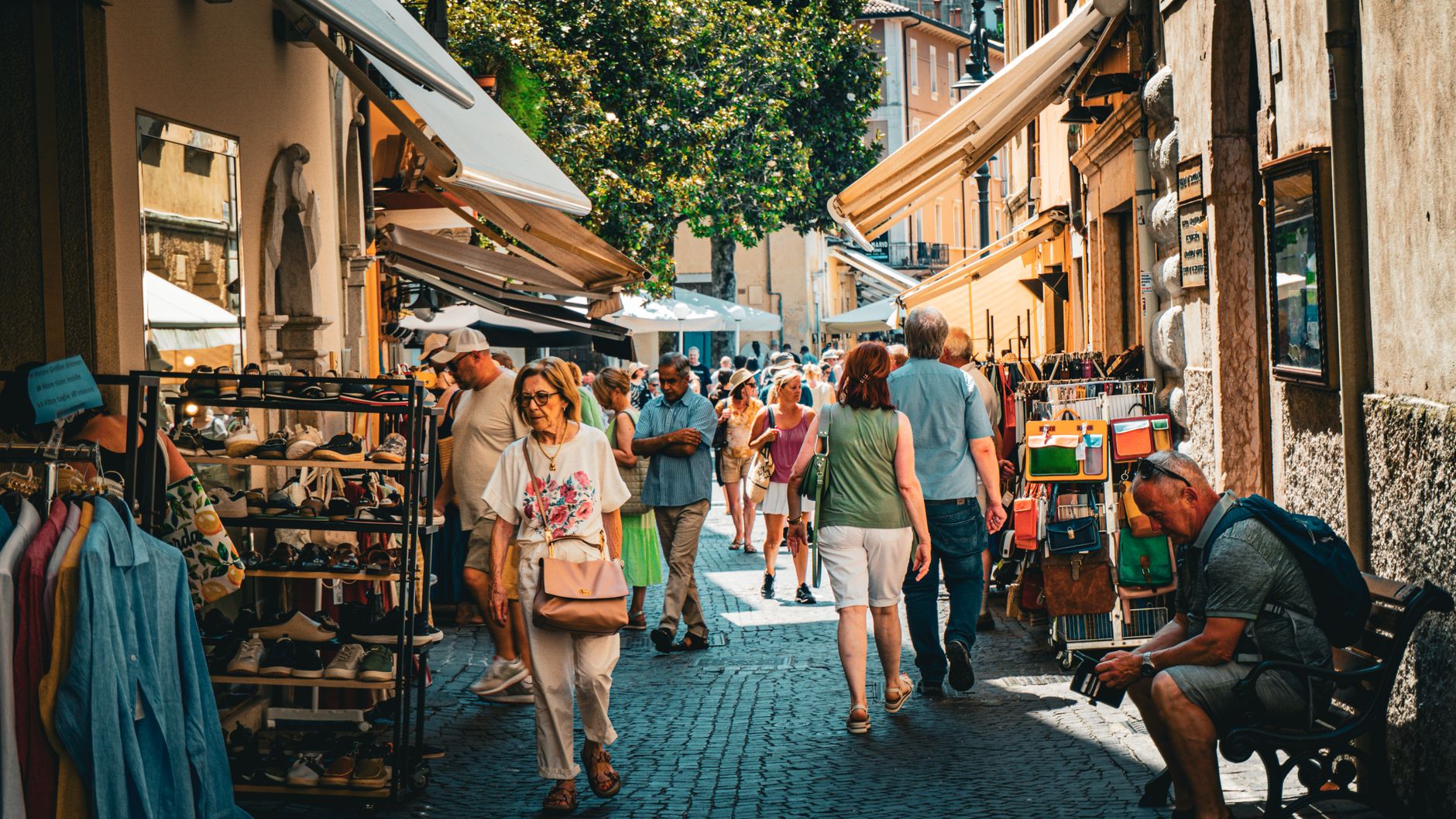
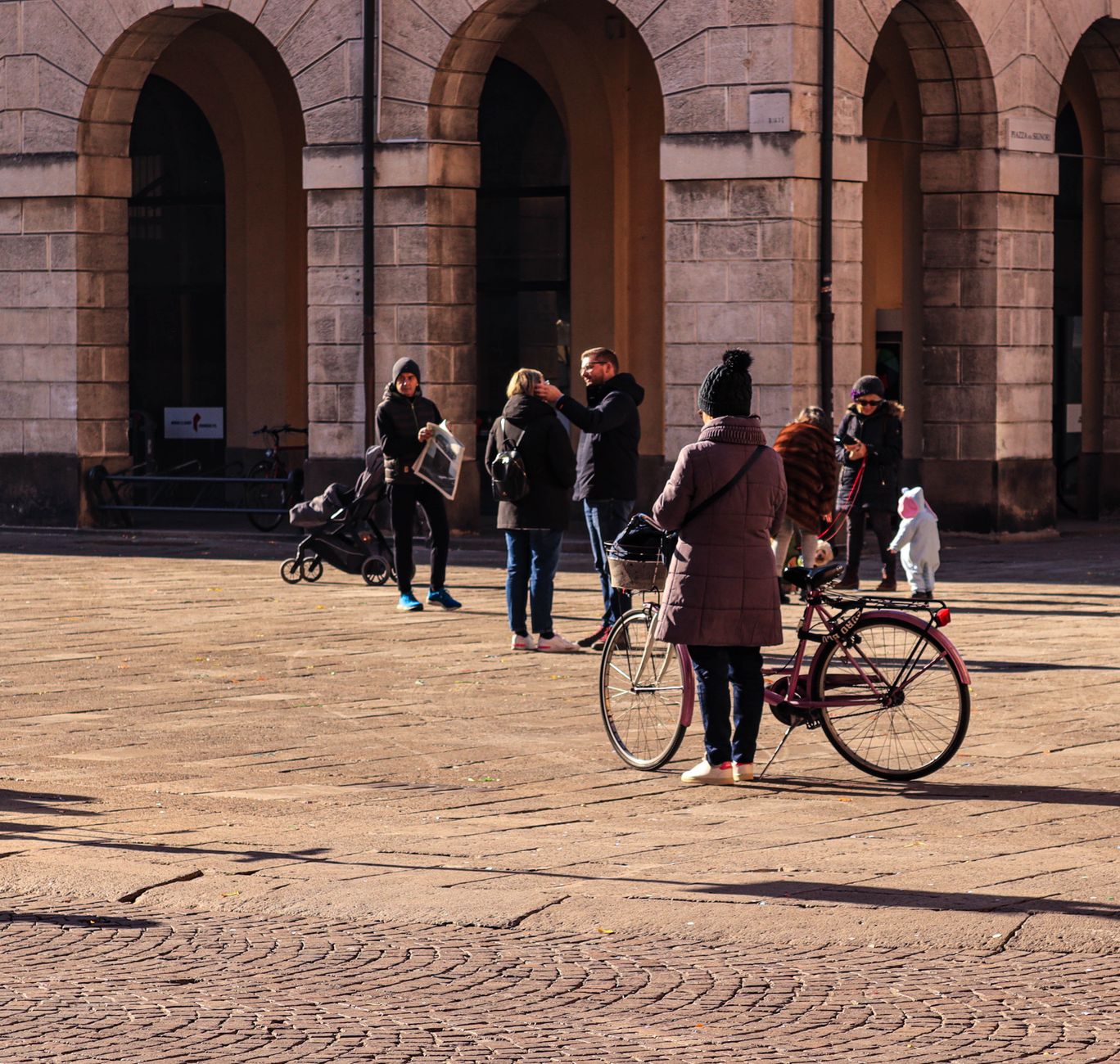
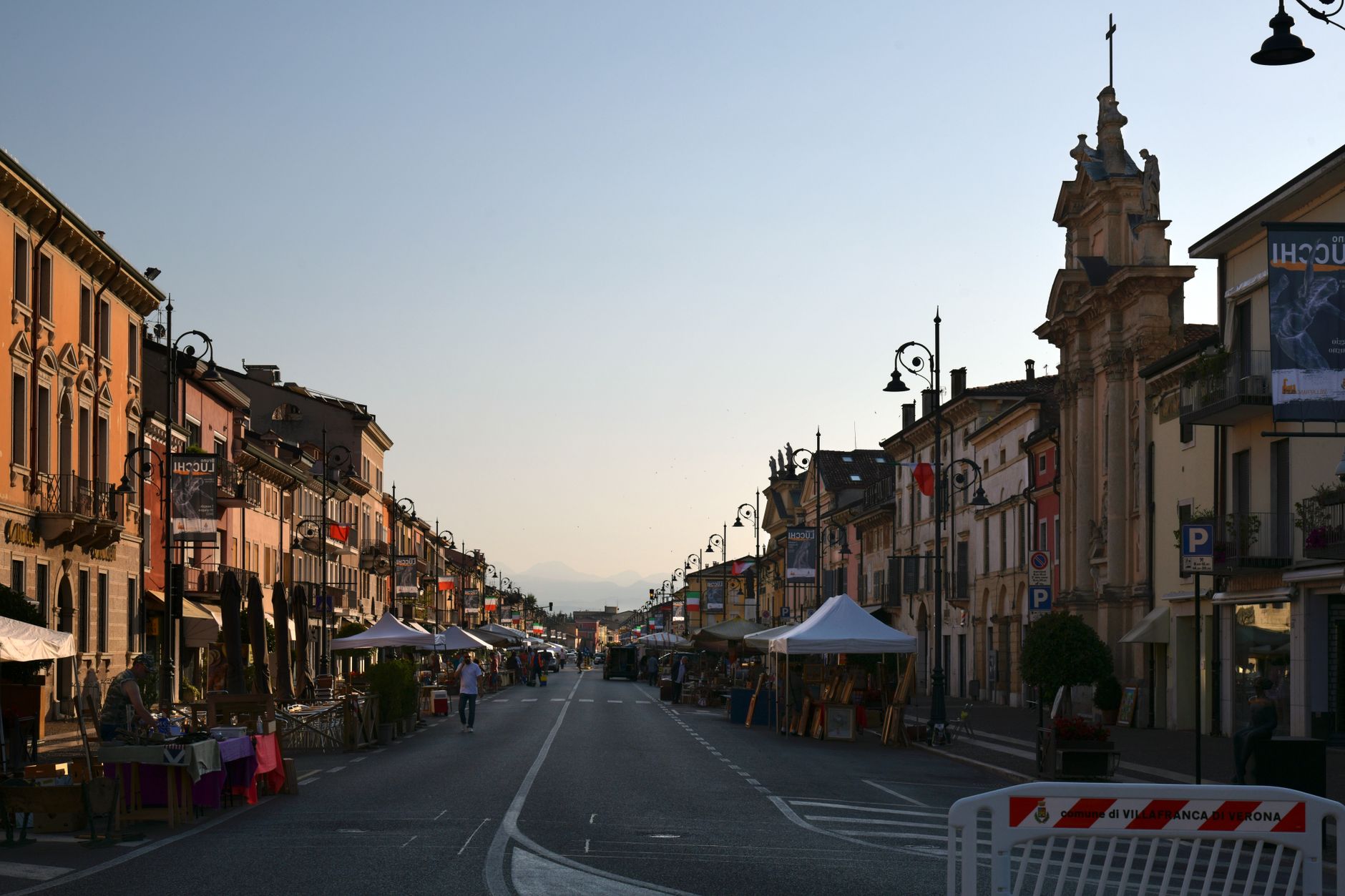
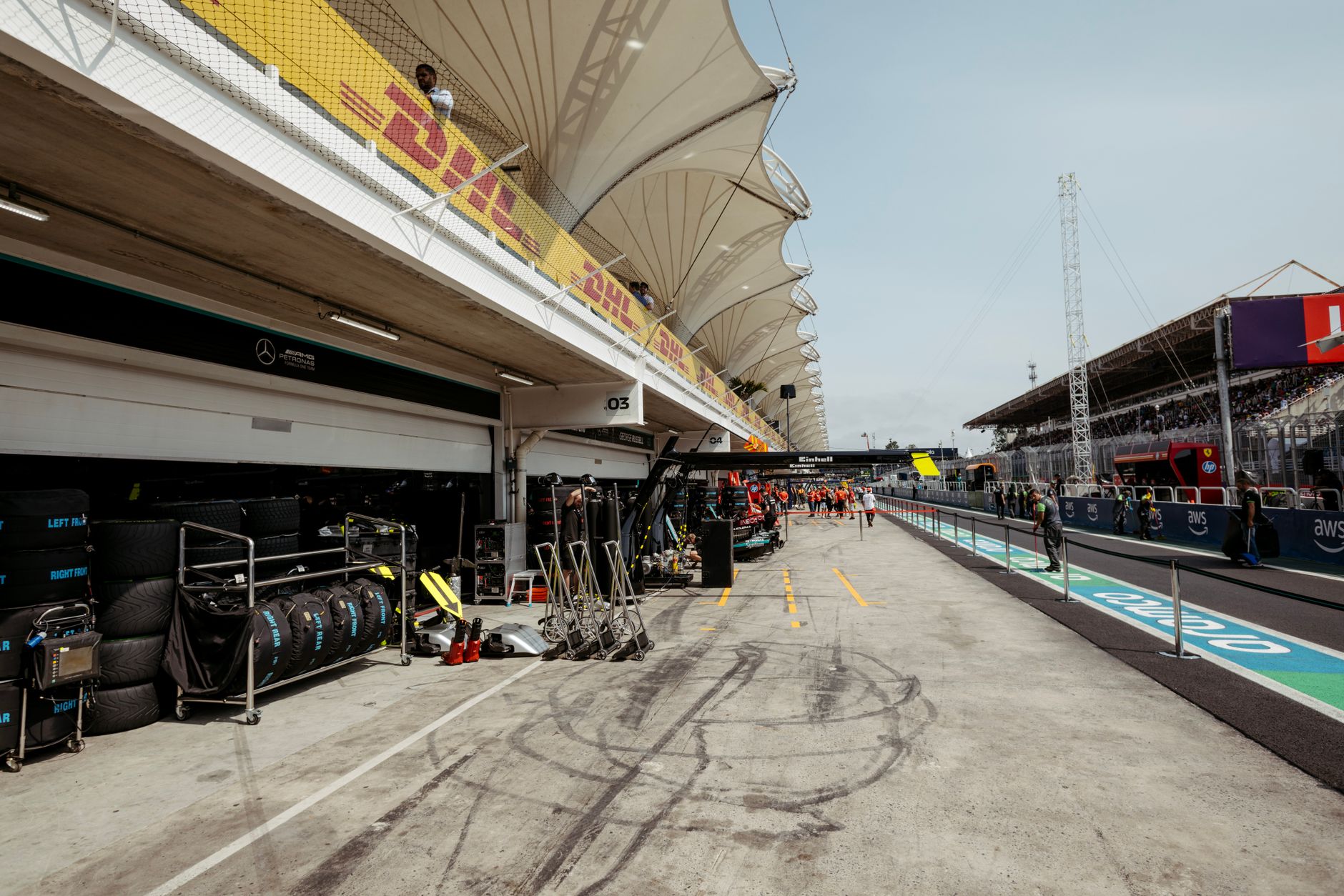
Imola sits forty kilometres east of Bologna, compact enough to walk across in an afternoon, yet carrying two thousand years of accumulated character. The Romans planted a forum here, the Sforzas built a fortress, and in 1950 someone laid the foundation stone of a racing circuit that would become one of motor sport's most storied addresses. That circuit still defines Imola's global reputation, but the town around it — the ceramics tradition, the baroque pharmacy with its 457 majolica vases, the cathedral consecrated in 1271 — runs quietly alongside it, largely on its own terms.
Piazza Matteotti, the main square, has the enclosed Florentine geometry of a place that was planned to impress. The streets off it hold a sequence of 15th-century palaces and a hospital pharmacy that opened in 1794 and has barely changed since. Imola rewards unhurried attention.
💛 What travellers fall for
People who return tend to mention the Farmacia dell'Ospedale unprompted — the carved wooden cabinets, the rows of antique majolica, the way the whole room feels suspended in 1794. They also time a visit for the days the Autodromo opens the track to cyclists, which turns an ordinary afternoon into something rather specific.
Experiences you don't want to miss



Deals in Imola
Book directly at the provider
How Imola came to be
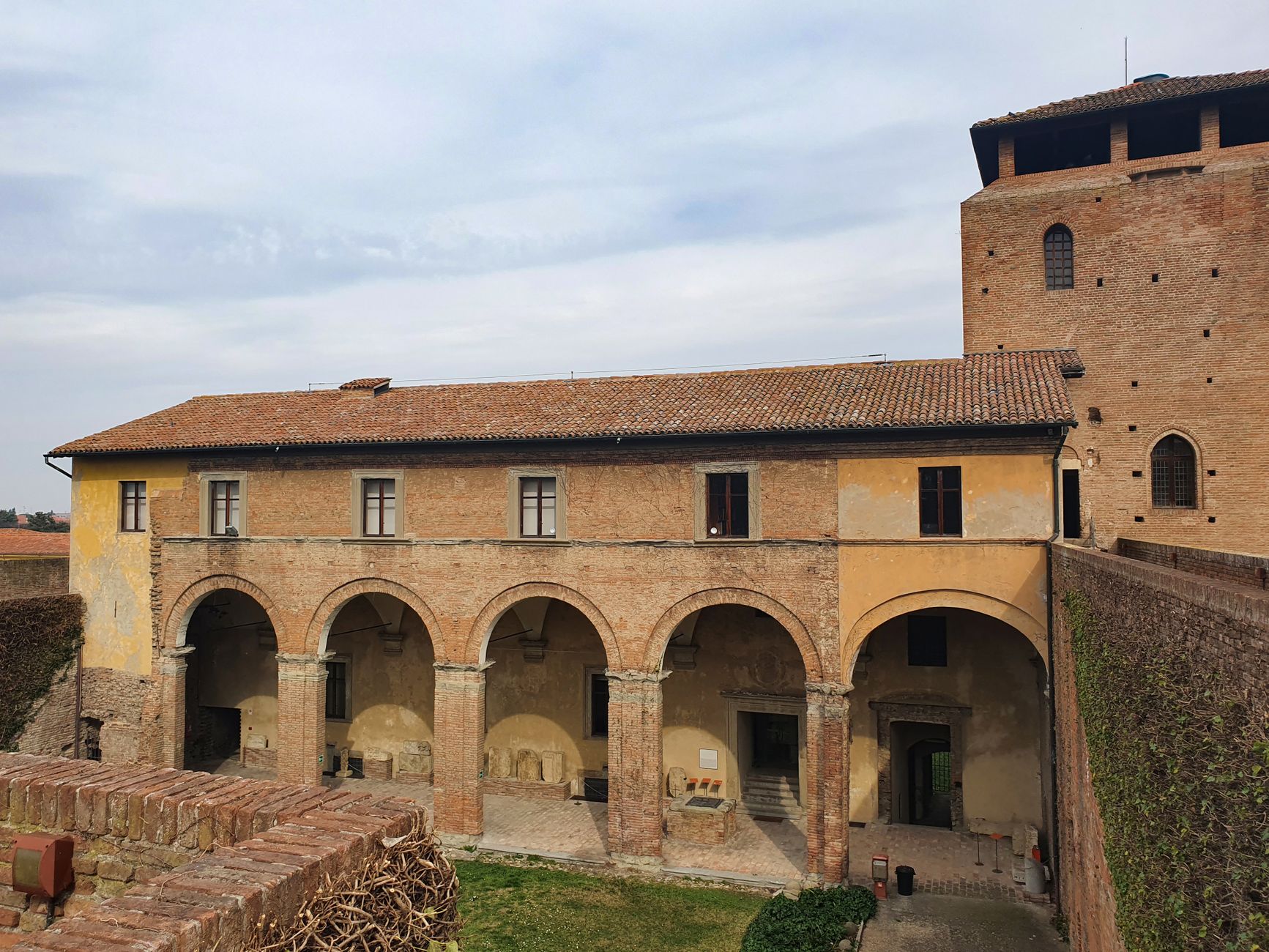
The Romans established Forum Cornelii here around 82 BCE under the dictator Sulla — a market and agricultural hub that would later become a stop on the Via Aemilia. Byzantine forces devastated the settlement in the 6th century, but it was rebuilt, and by the 7th century the Lombards were calling it Imola, a name attached to their hilltop fortress. The city grew into an independent commune in the 11th century before the Sforzas expanded the existing fortress in the 1400s into the Rocca that still anchors the skyline.
In 1504 the town passed to the Papal States, a relationship that would persist — with Napoleonic interruptions in 1797 and 1800 — until 1860, when Imola joined the Kingdom of Sardinia on the path to a unified Italy. One of its native sons, Andrea Costa, went on to become a founding figure of the Italian Socialist Party; another, Lamberto Scannabecchi, became Pope Honorius II.
Who and what shaped it
People who shaped it
Landmark buildings
See Imola in motion
Plan your visit
On the map
When to go
Summers run hot, with highs between 28 and 32°C, making early morning the sensible time to walk the historic centre. Spring and early autumn bring milder temperatures and are generally the most comfortable seasons for time spent outdoors.
Right now
Background & history adapted from Wikipedia (CC BY-SA) · specs from Wikidata (CC0) · weather from Open-Meteo · map data © OpenStreetMap contributors · photos from Wikimedia Commons / Unsplash with per-image credit. No third-party reviews or social posts reproduced.