
Reggio Emilia
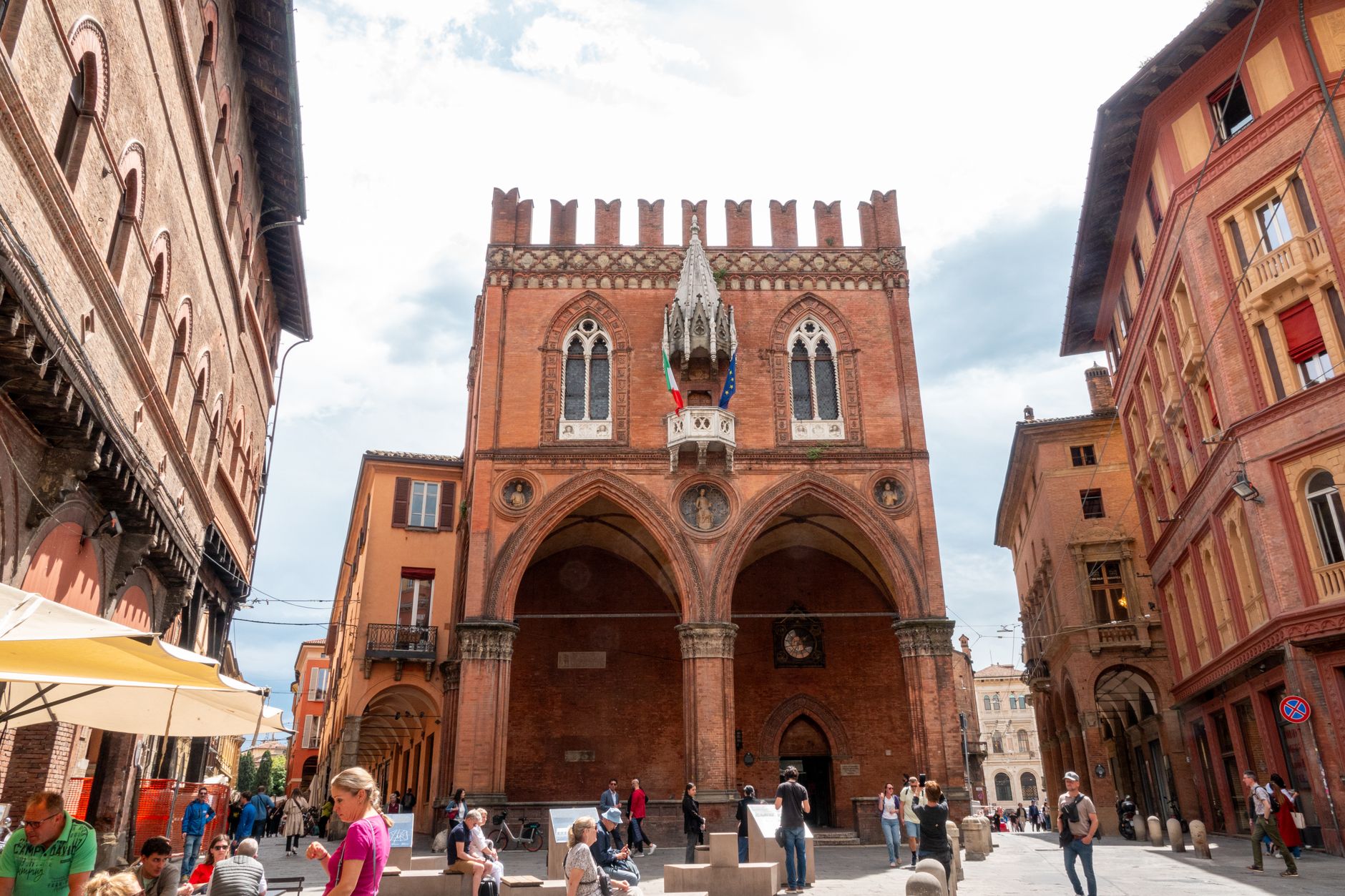
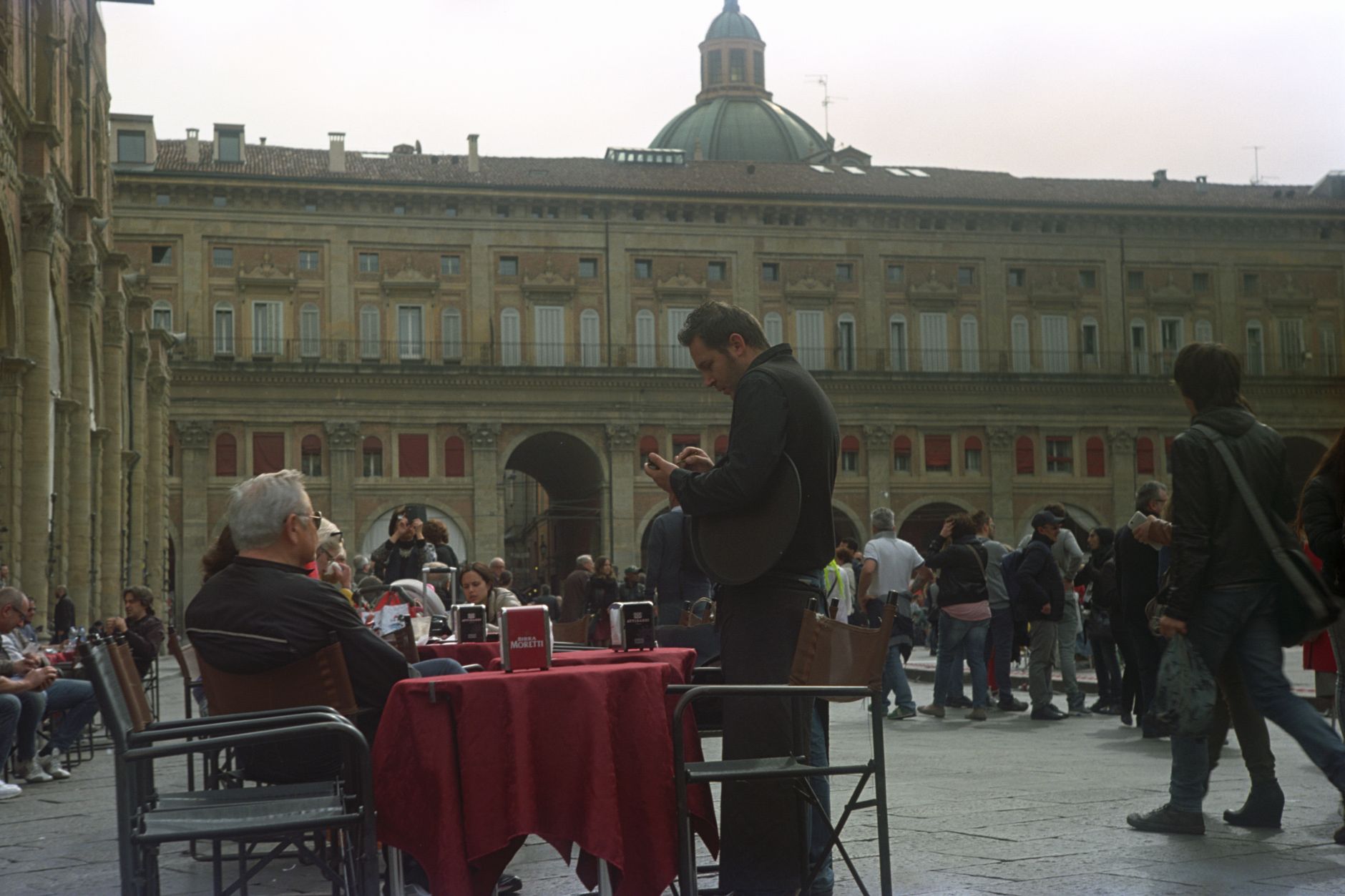
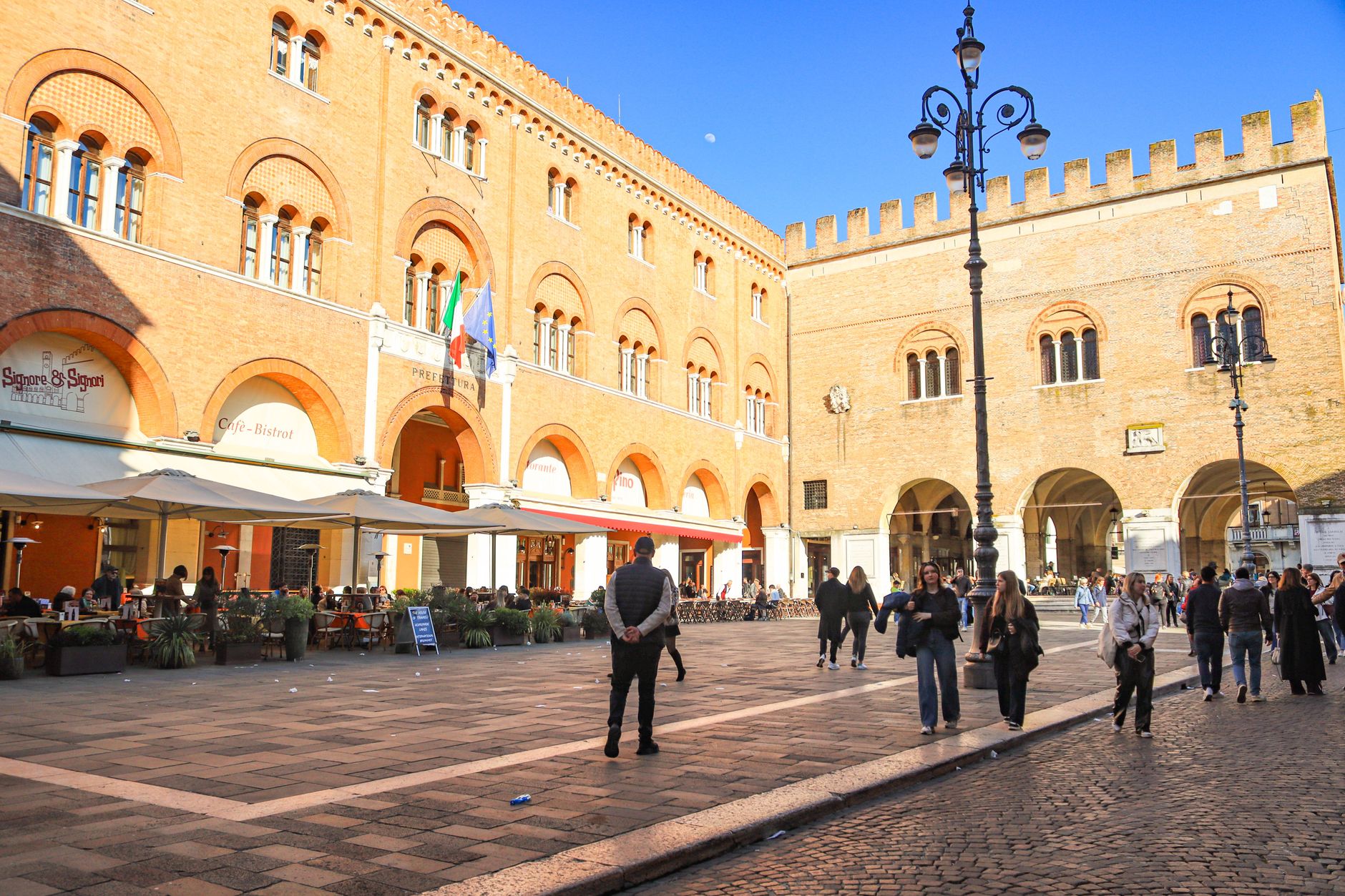
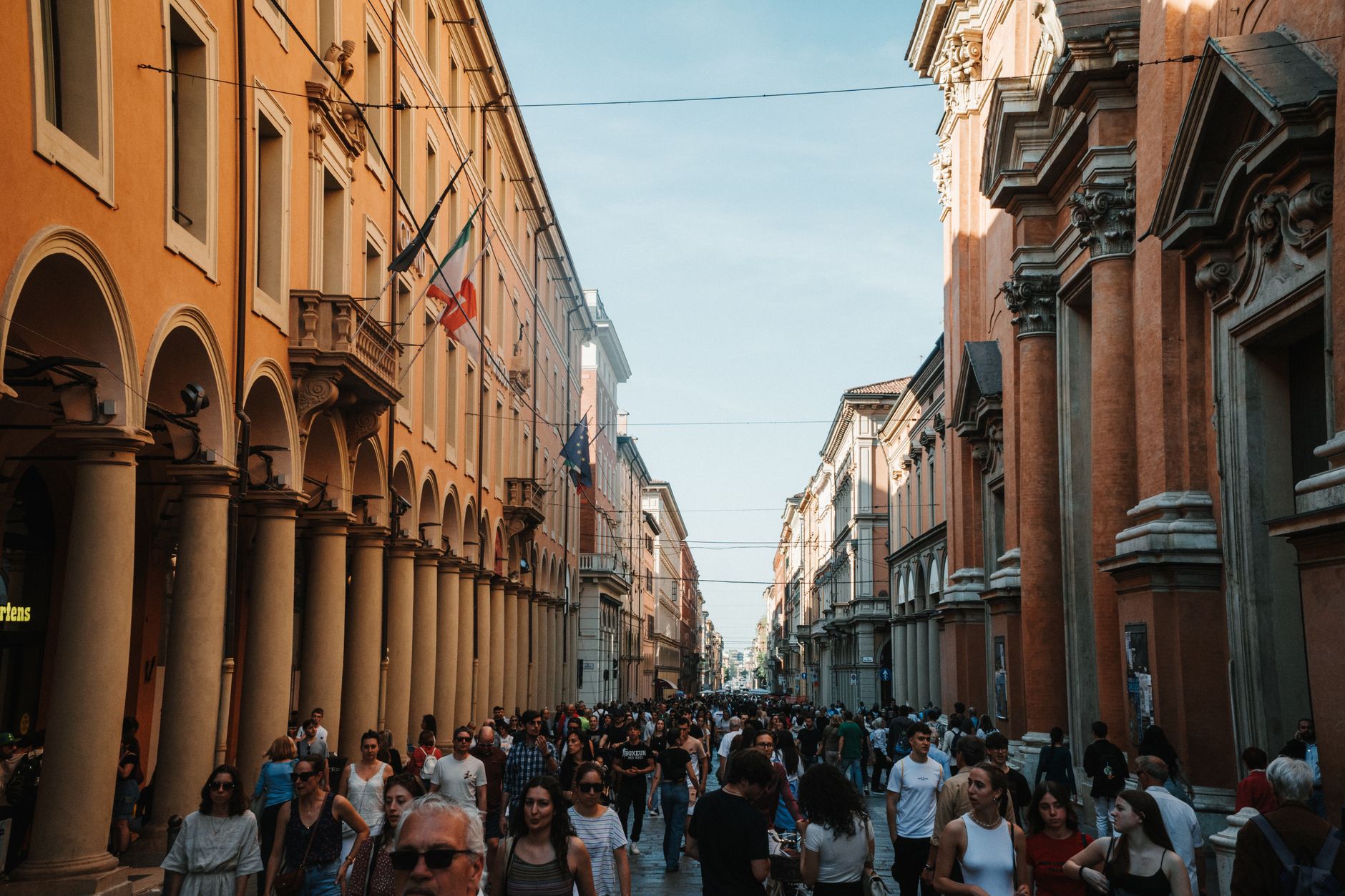
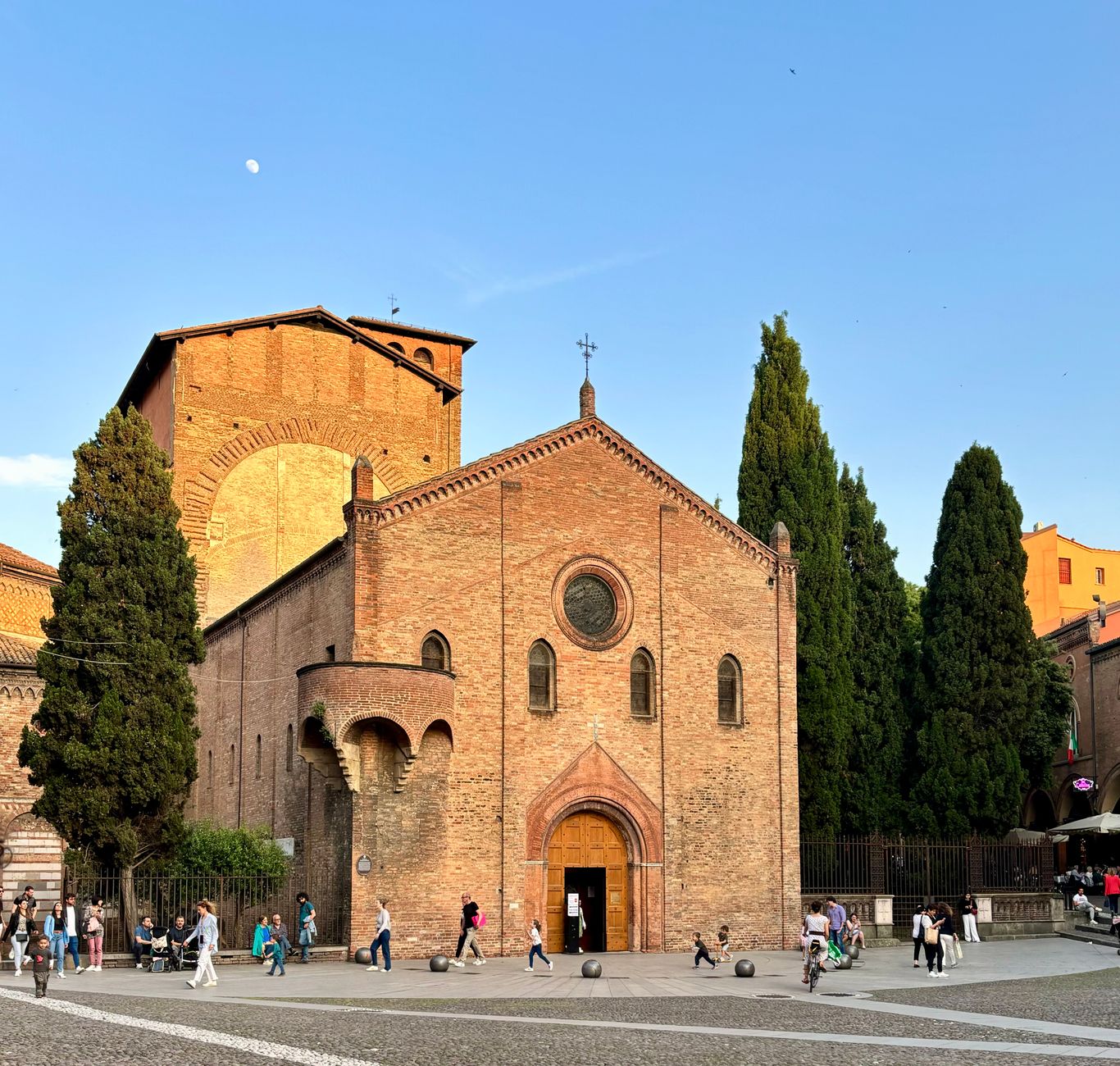

Reggio Emilia is the city where the Italian flag was born. On 7 January 1797, the Cispadane Republic was proclaimed here, and local women sewed the first tricolore — a fact the city carries with quiet civic pride, not pageantry. The Tricolour Flag Hall sits on Piazza Prampolini, the main square, where a market sets up on Tuesday, Thursday and Friday mornings among the Cathedral, the Baptistery and the Bishop's Palace.
The city also gave the world Ludovico Ariosto, author of Orlando Furioso, and — unexpectedly — the Polish national anthem, composed here in 1797 by Józef Wybicki. What Reggio Emilia is perhaps most known for today, though, is its approach to early childhood education, developed from the 1960s onward by teacher Loris Malaguzzi, whose influence on how children learn spread far beyond Emilia-Romagna.
💛 What travellers fall for
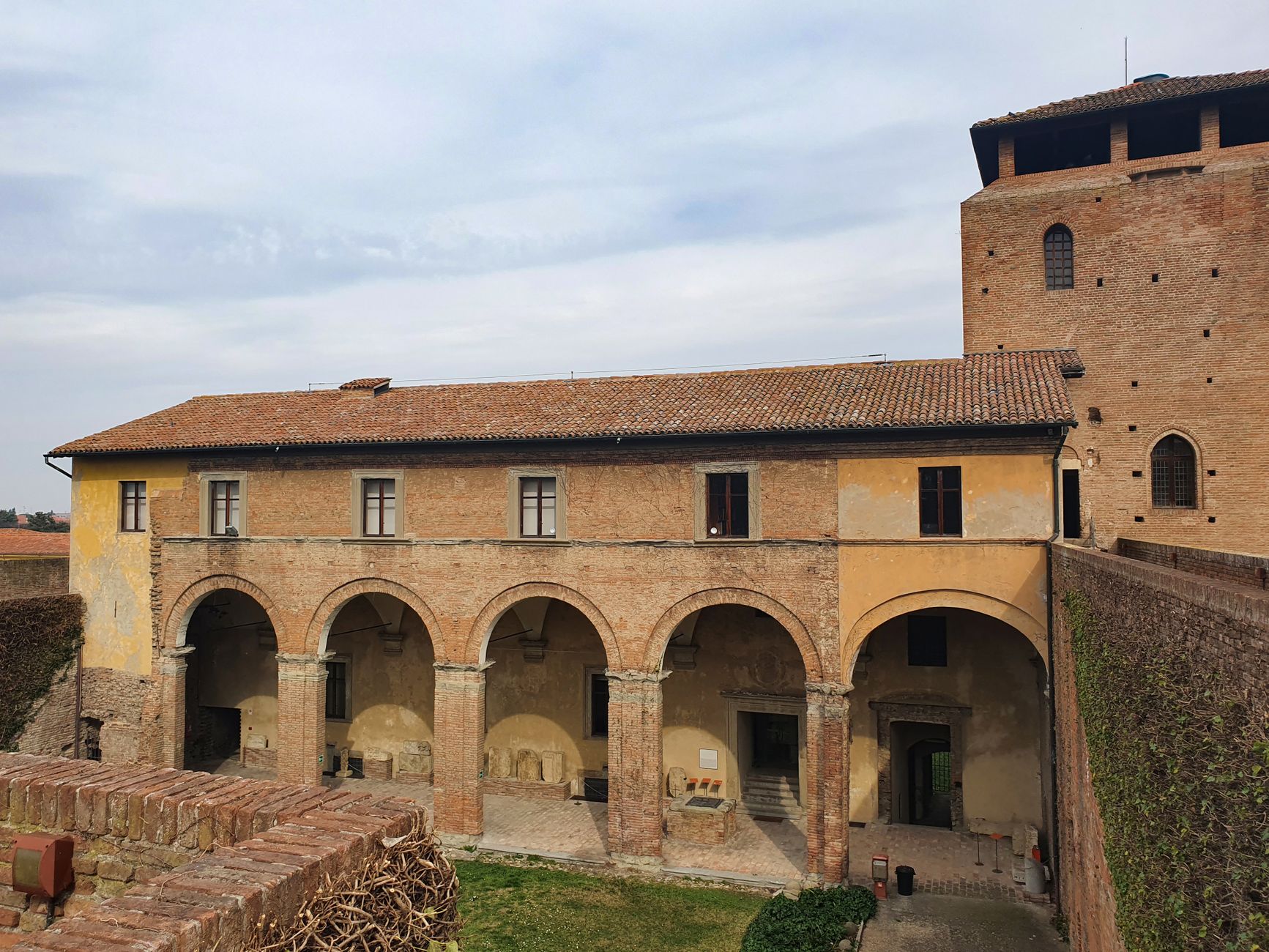
People who come back tend to time a morning around the Piazza Prampolini market, then walk to the Chiostri di San Pietro — the 16th-century monastery returned to the city after restoration in 2019 — before the lunch hour closes everything. The Calatrava station out on the edge of town is worth the bus ride just to stand inside it.
Experiences you don't want to miss




Deals in Reggio Emilia
Book directly at the provider


How Reggio Emilia came to be
The city's bones go back to 187 BC, when the Roman consul Marcus Aemilius Lepidus drove the Via Aemilia through the Po plain from Piacenza to Rimini. Reggio grew along that road, and the hexagonal outline of its old centre still traces the line of ancient walls. The main buildings you see today are largely 16th and 17th century — the Cathedral dates to an 857 foundation, though it was remade in the 15th century, and the Palazzo Capitano del Popolo has stood since 1280.
The defining moment came in 1797, when the Cispadane Republic chose Reggio as the site of its proclamation and adopted the green, white and red flag that would eventually become Italy's. In the same year, Polish officer Józef Wybicki wrote what would become Poland's national anthem while stationed in the city. A century and a half later, Loris Malaguzzi began building his municipal preschool network here from 1963 onward — a pedagogical experiment that by 1991 had drawn international attention.
Who and what shaped it
People who shaped it
Landmark buildings
See Reggio Emilia in motion
Plan your visit
On the map
When to go
Summers are genuinely hot — July and August regularly push above 30°C — and winters can be raw, with fog settling in from autumn and temperatures occasionally dropping below -10°C. The sweet spots are late spring (May sees highs around 24°C) and September, when the heat softens and the city is quieter.
Right now
Background & history adapted from Wikipedia (CC BY-SA) · specs from Wikidata (CC0) · weather from Open-Meteo · map data © OpenStreetMap contributors · photos from Wikimedia Commons / Unsplash with per-image credit. No third-party reviews or social posts reproduced.