
Cesena
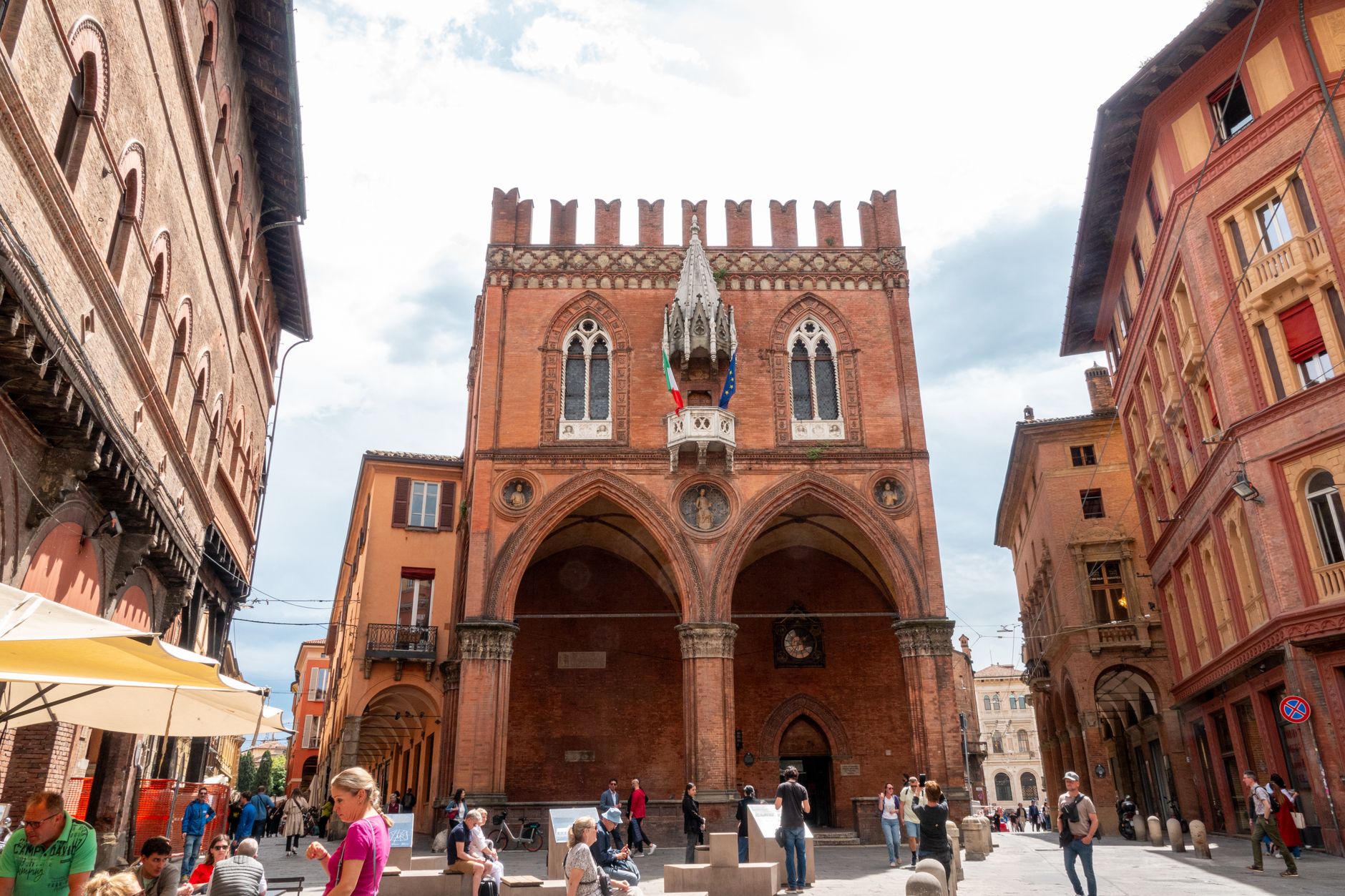
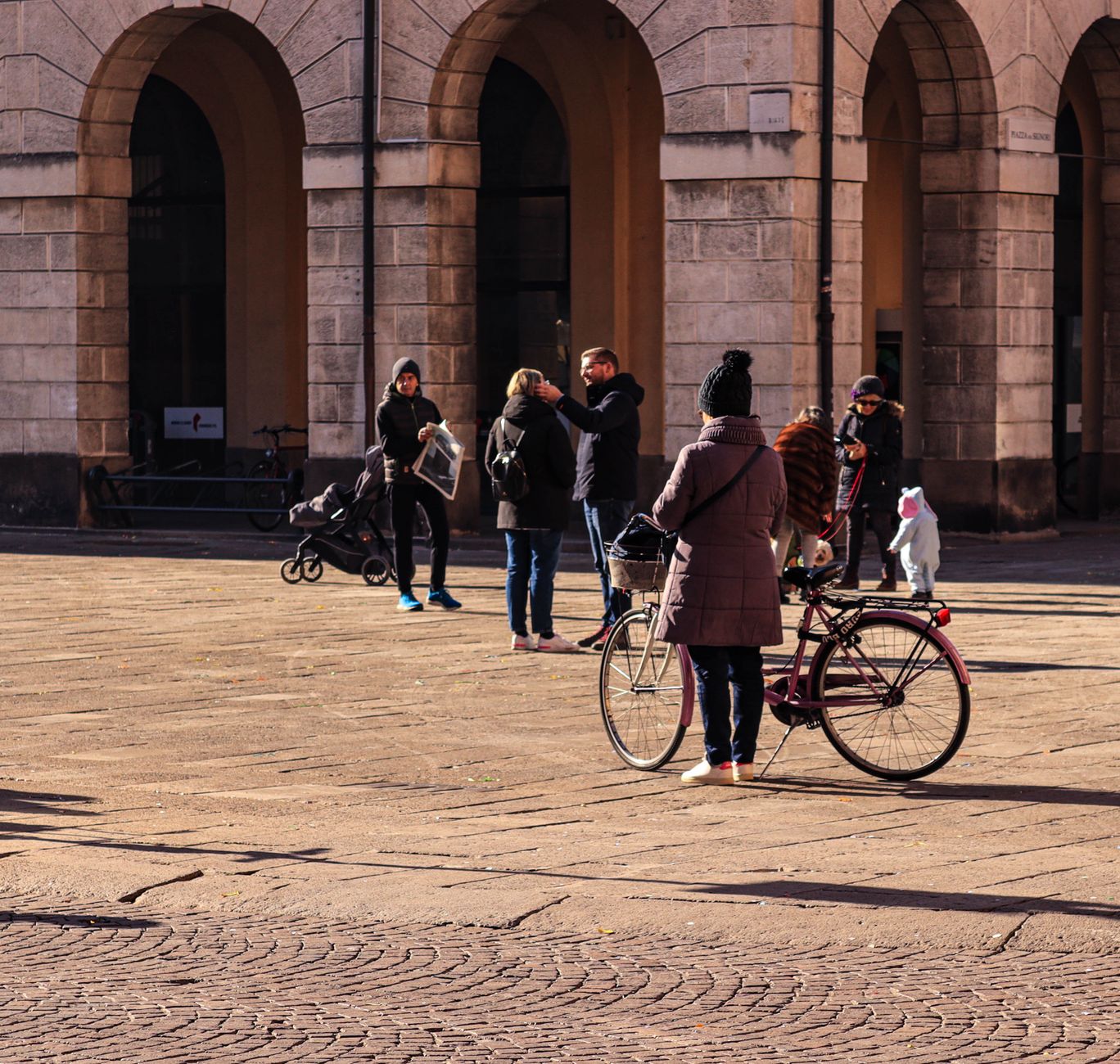
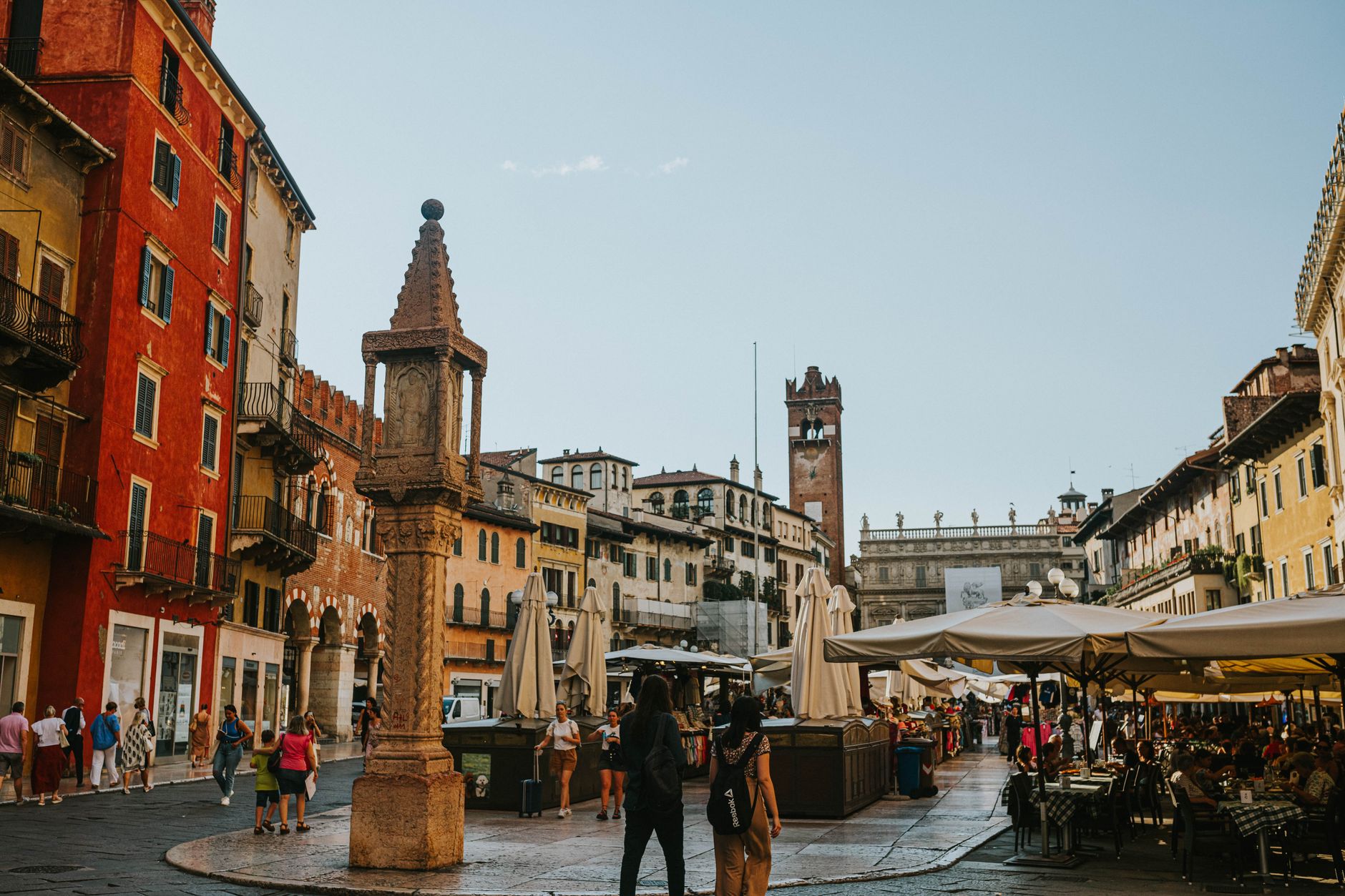
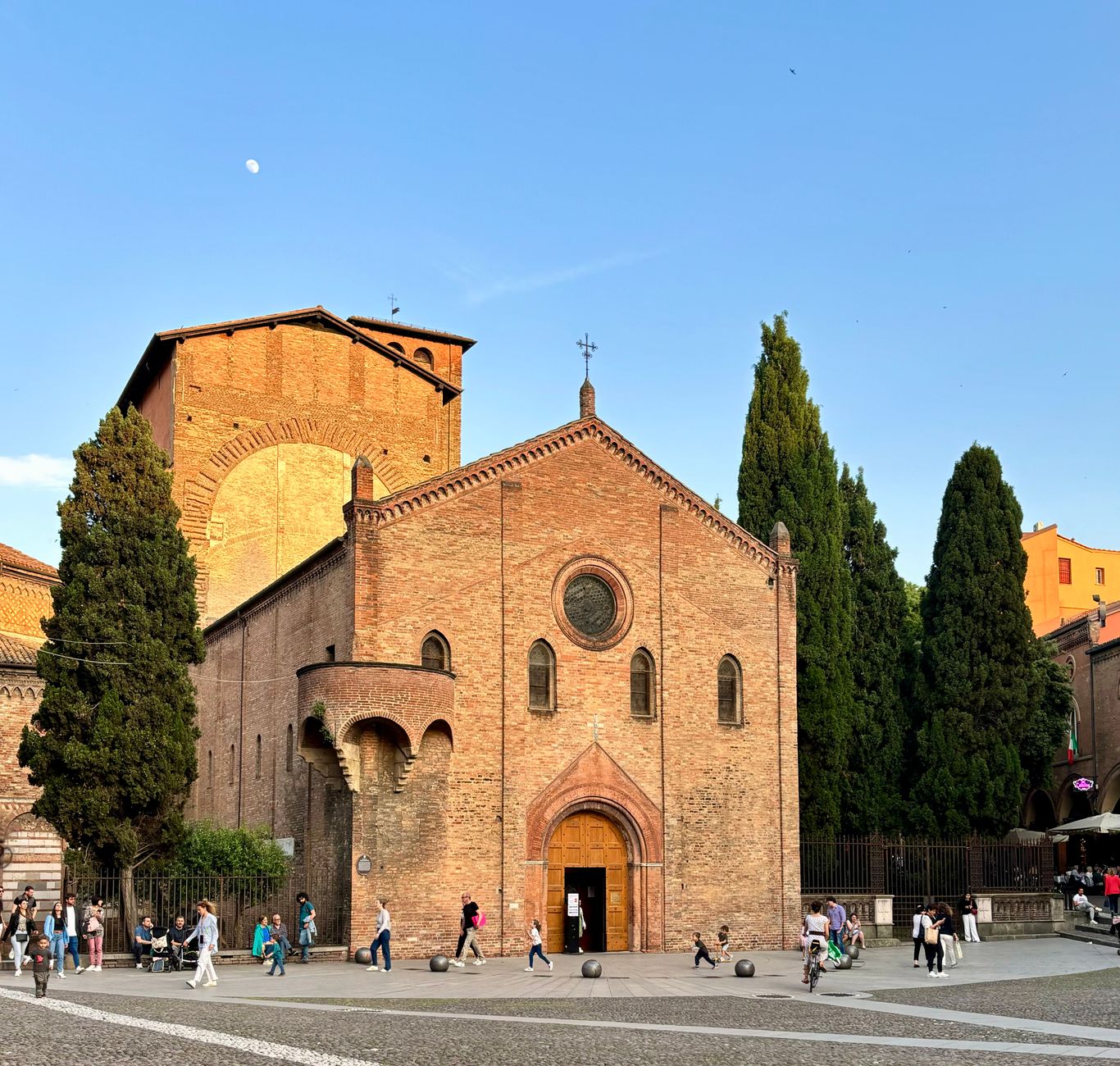
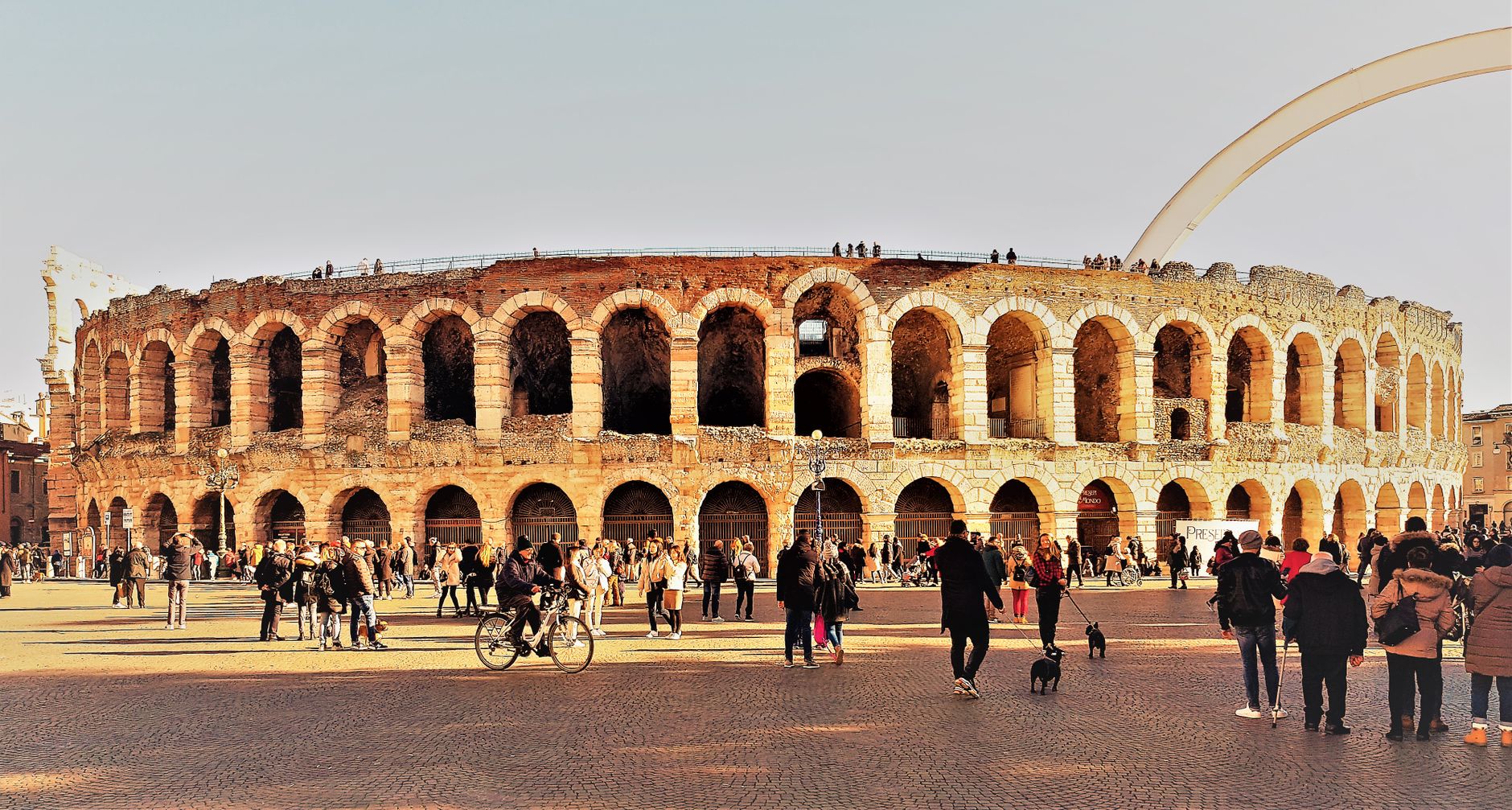
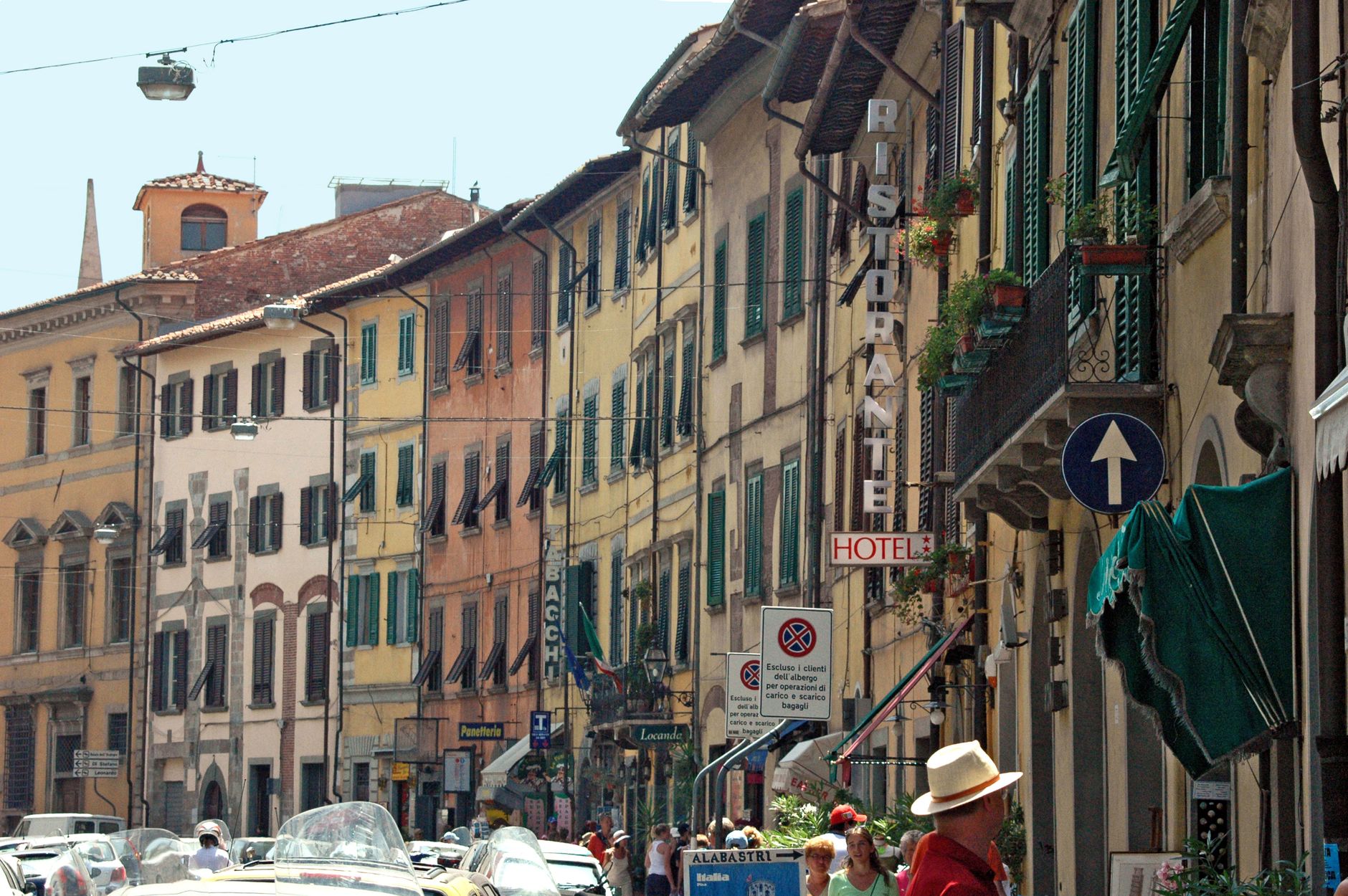
Cesena sits on the Via Emilia between Forlì and the Adriatic coast, quiet enough that you can actually hear the fountain in Piazza del Popolo. That fountain — the Fontana Masini, finished in 1591 — anchors a square that has been the city's political and social centre since the early 1400s, flanked by porticoed palazzi and a 16th-century Venetian loggia that has no business being this far inland.
What keeps Cesena from blurring into the background of Emilia-Romagna is a specific kind of civic seriousness. It gave Europe its first public library in 1452, produced two popes and a bishop who became a third, and watched Cesare Borgia use its hilltop fortress as a prison. The city carries all of that without making a fuss about it.
💛 What travellers fall for
People who come back tend to go straight to the Biblioteca Malatestiana before the tour groups arrive — the chained codices and original reading desks are best appreciated in near-silence. They also mention the walk up to Santa Maria del Monte at dusk, when the abbey's dome catches the last light and the whole valley below goes quiet.
Experiences you don't want to miss


Deals in Cesena
Book directly at the provider

How Cesena came to be
The Romans took Caesena from its Umbrian or Etruscan founders in the 3rd century BC and made it a garrison town; it was later destroyed in the wars between Marius and Sulla. The Donation of Pepin handed it to the Papacy in 754, after which it shuttled between papal authority and the archbishops of Ravenna for centuries, with a brief run as a communal republic from 1183 to 1198.
The Malatesta family defined the city's most visible era. After Antipope Clement VII's troops devastated Cesena in 1377, the papacy granted the vicariate to Galeotto Malatesta, whose dynasty held it until 1465. In that window, Novello Malatesta commissioned the Biblioteca Malatestiana and Cardinal Albornoz began the Rocca. The Holy See reclaimed the city in 1465, and by the 18th century Cesena had produced Pope Pius VI and Pope Pius VII — both born here — earning it the title 'city of the three popes.'
Who and what shaped it
People who shaped it
Landmark buildings
See Cesena in motion
Plan your visit
On the map
When to go
Summers are hot and humid, with temperatures regularly above 30°C; the porticoed streets offer some relief. Spring and September bring mild days and manageable crowds, making them the most practical windows for exploring on foot. Winters are cold and occasionally foggy, as is typical of the Po plain.
Right now
Background & history adapted from Wikipedia (CC BY-SA) · specs from Wikidata (CC0) · weather from Open-Meteo · map data © OpenStreetMap contributors · photos from Wikimedia Commons / Unsplash with per-image credit. No third-party reviews or social posts reproduced.