
Piacenza
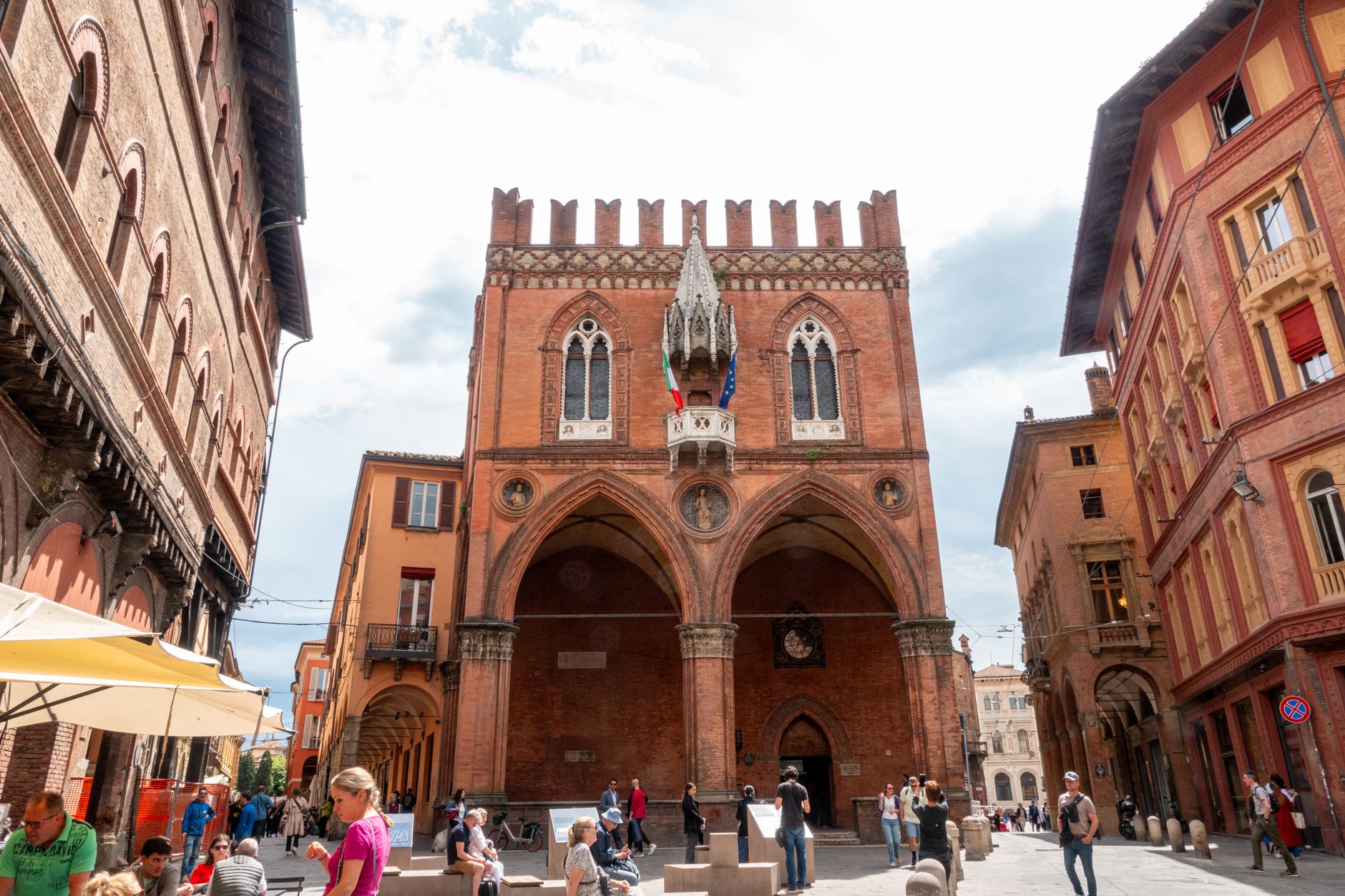
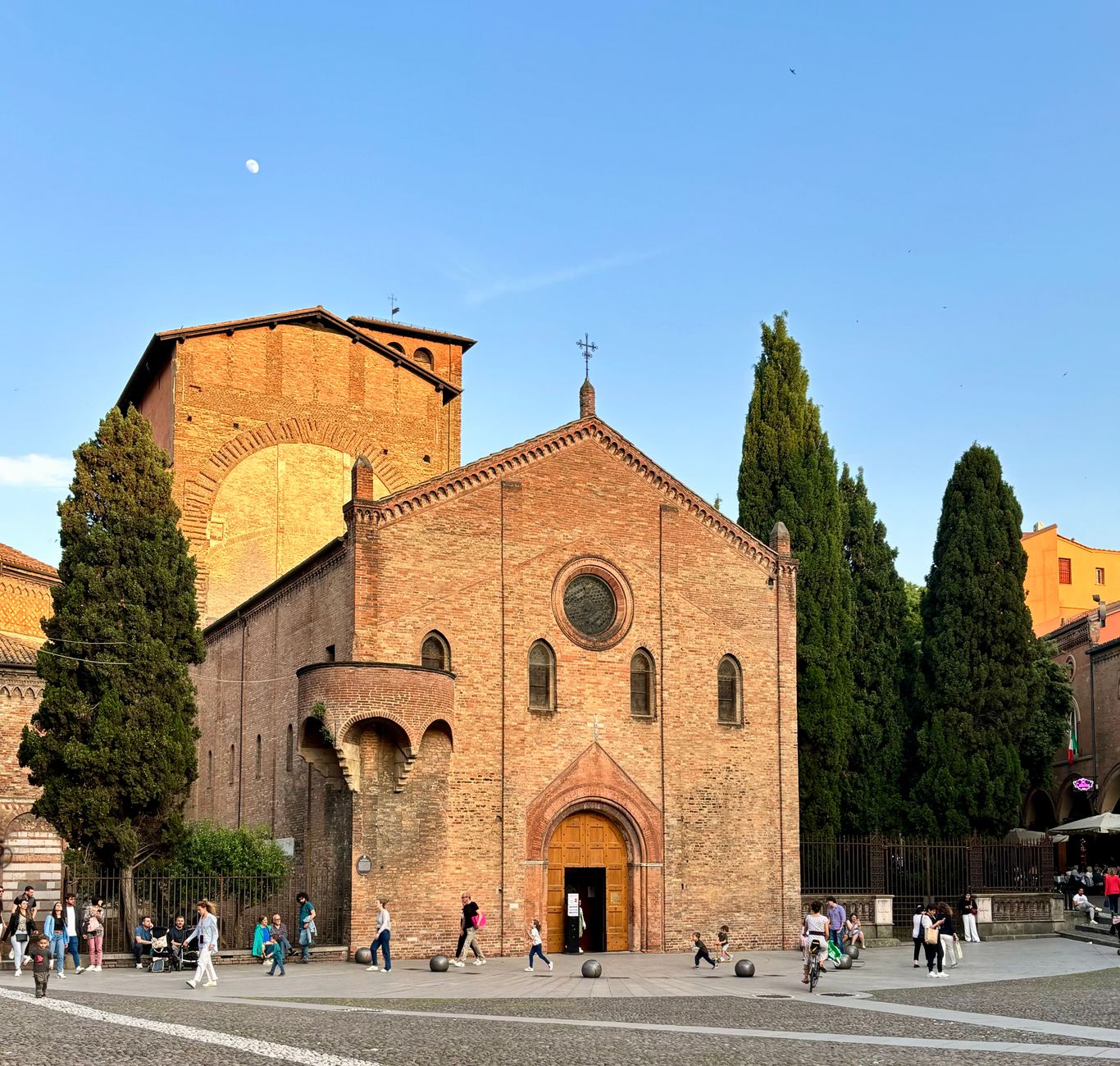
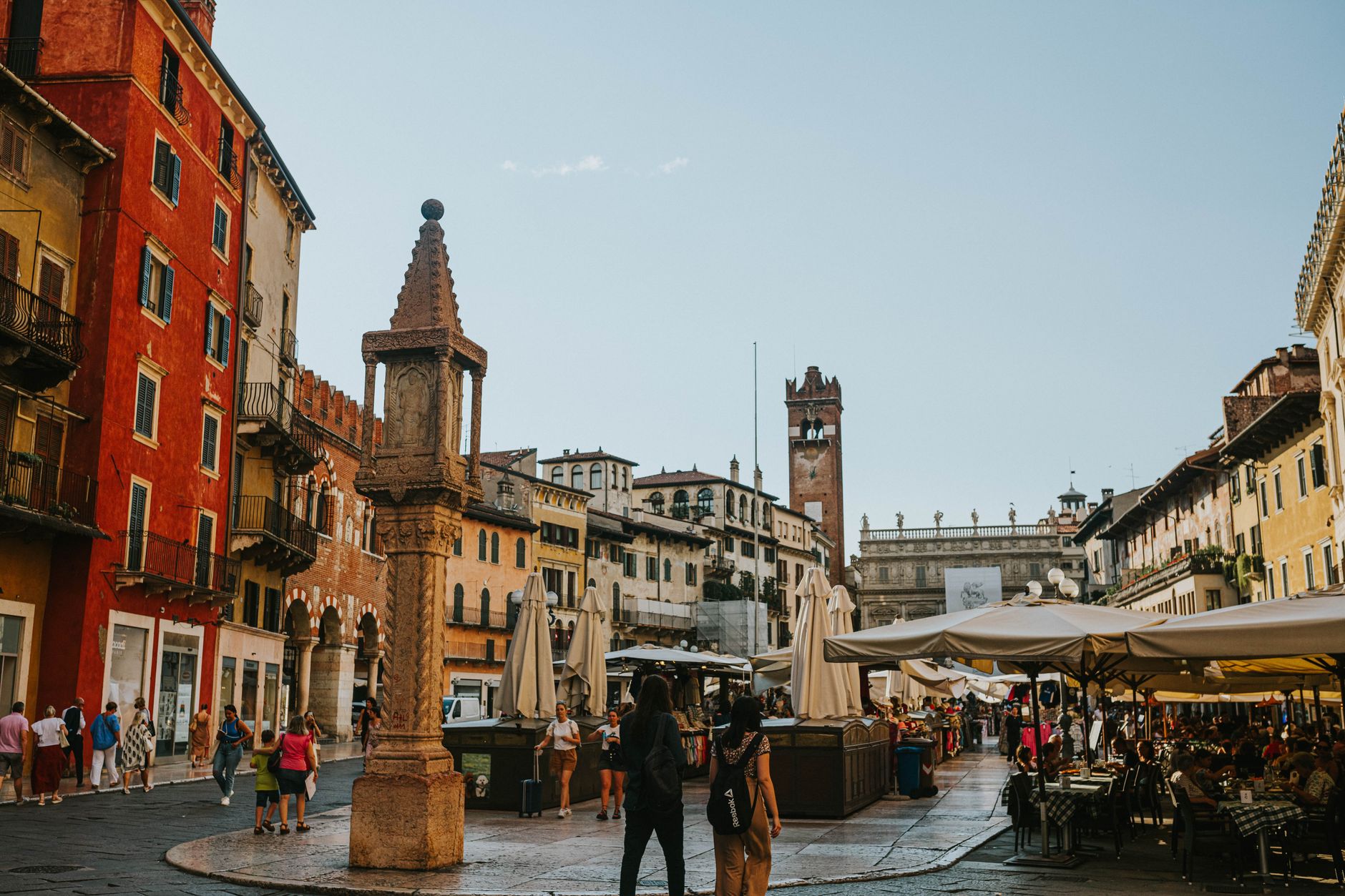
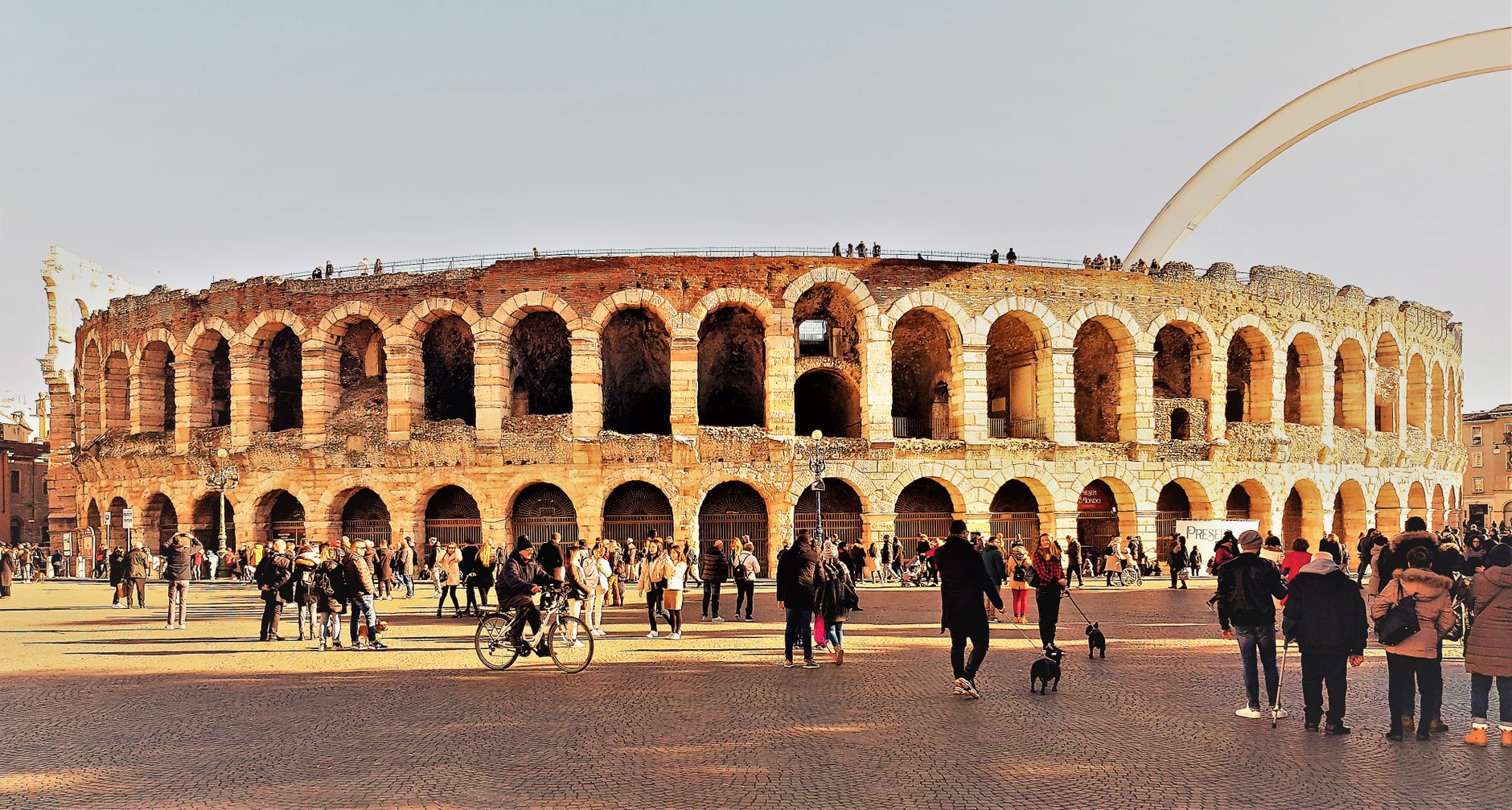
Piacenza sits at the top of the Via Aemilia, the Roman road that still more or less organises life in Emilia-Romagna, and the city has been quietly absorbing history ever since it was planted here as a colony in 218 BC. The piazza at its centre holds two bronze equestrian statues of Farnese dukes — cast in the early 1600s and among the first true Baroque works of their kind in Italy — and locals walk past them every morning without breaking stride.
This is a city that rewards slowing down. The cathedral took over a century to build and its dome ended up painted by Guercino. The Palazzo Farnese was never finished, yet it houses one of the stranger objects in Italian archaeology: a bronze sheep's liver mapped with Etruscan divination zones. Piacenza earns its attention through accumulation, not spectacle.
💛 What travellers fall for
People who come back tend to mention the same few things: arriving by train from Milan in under an hour and feeling the city's scale shift immediately to something walkable, spending longer than planned in the Palazzo Farnese's archaeological rooms, and eating lunch somewhere off Piazza Cavalli where the bill stays reasonable. The Duomo, they say, is best on a quiet weekday morning.
Experiences you don't want to miss



Deals in Piacenza
Book directly at the provider
How Piacenza came to be
Rome founded Placentia in 218 BC as a military colony guarding the Po plain, and within a decade it had survived siege by Carthaginian forces and a sack by Gauls. By 187 BC it was the western terminus of the Via Aemilia, the road that gave the region its name. Through the medieval period the city was governed by bishops, then became a free commune and a leading voice in the Lombard League that pushed back against Frederick Barbarossa in the 12th century.
In 1545, Pope Paul III carved out a Duchy of Parma and Piacenza for his son Pier Luigi Farnese, and the dynasty left its mark in stone — most visibly in the vast, never-completed Palazzo Farnese begun in 1568. The city's modern identity was sealed in 1860, when 37,089 of 37,585 voters chose annexation into the Kingdom of Sardinia, earning Piacenza the title Primogenita dell'Unità di Italia — first-born of Italian unification.
Who and what shaped it
People who shaped it
Landmark buildings
See Piacenza in motion
Plan your visit
On the map
When to go
Summers are hot and humid, with temperatures regularly above 30 °C and little breeze from the Po plain. Winters are cold, often foggy, and occasionally sharp. April through June and September through October offer the clearest skies and the most comfortable temperatures for walking the city.
Right now
Background & history adapted from Wikipedia (CC BY-SA) · specs from Wikidata (CC0) · weather from Open-Meteo · map data © OpenStreetMap contributors · photos from Wikimedia Commons / Unsplash with per-image credit. No third-party reviews or social posts reproduced.