
Parma
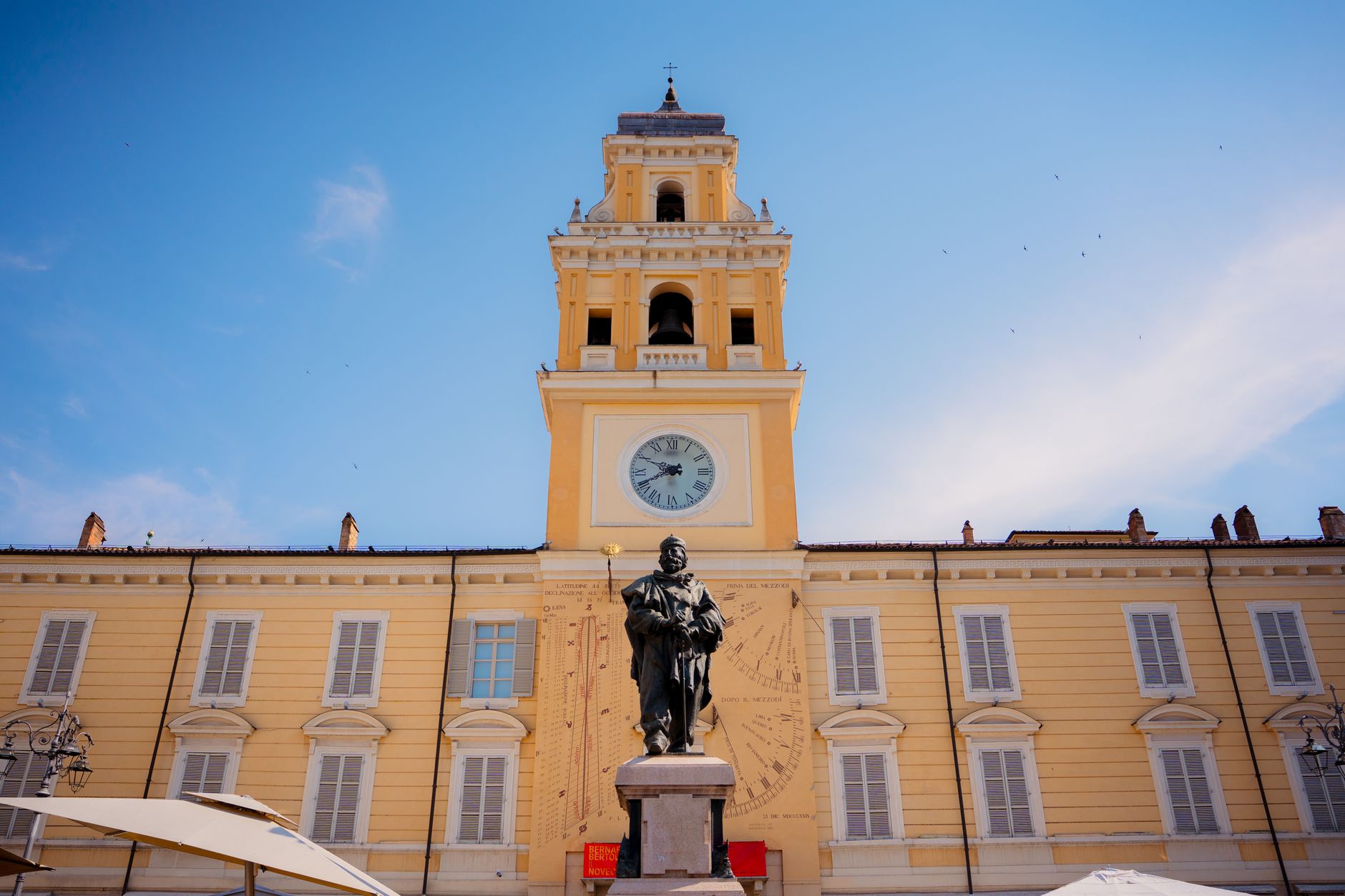
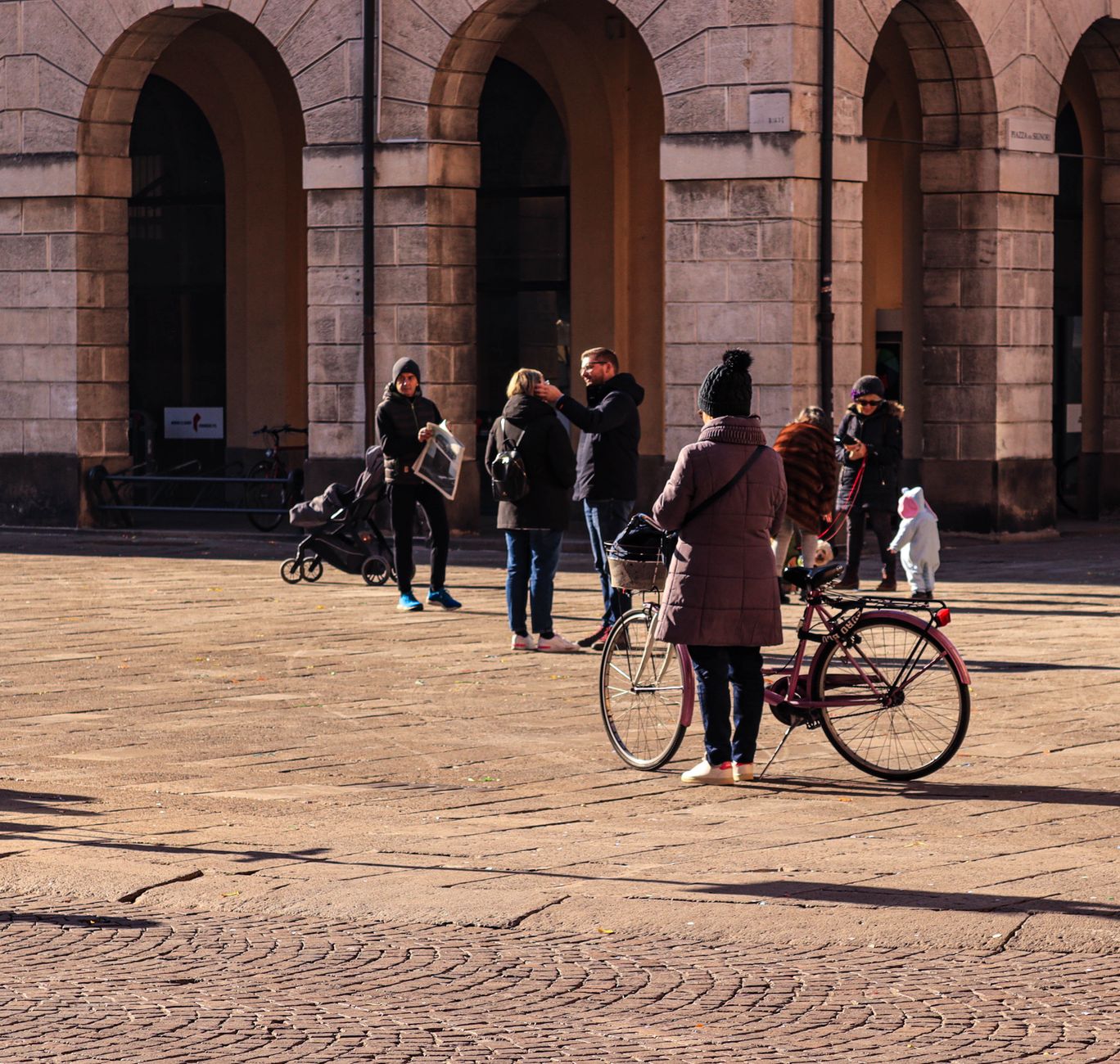
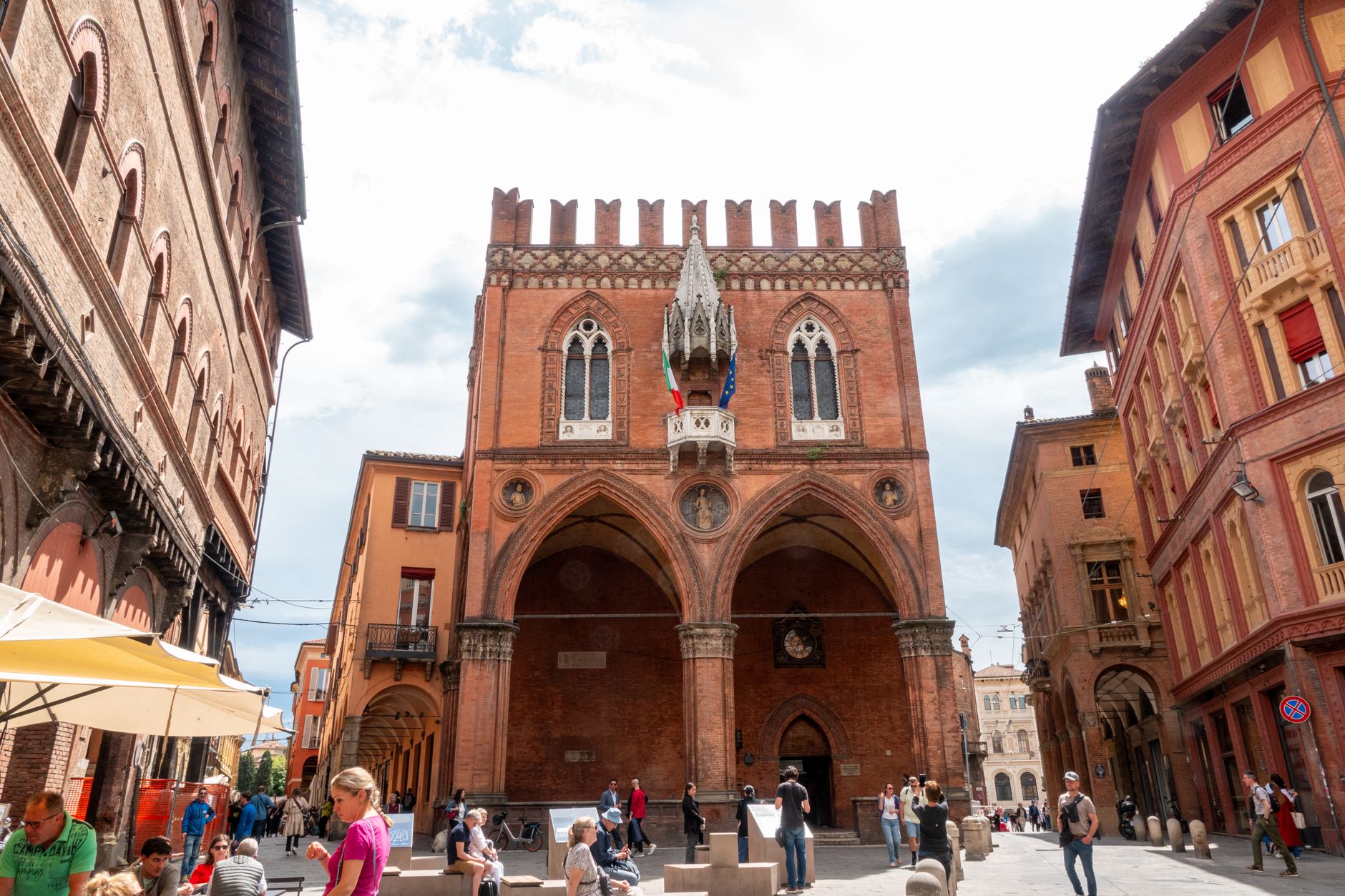
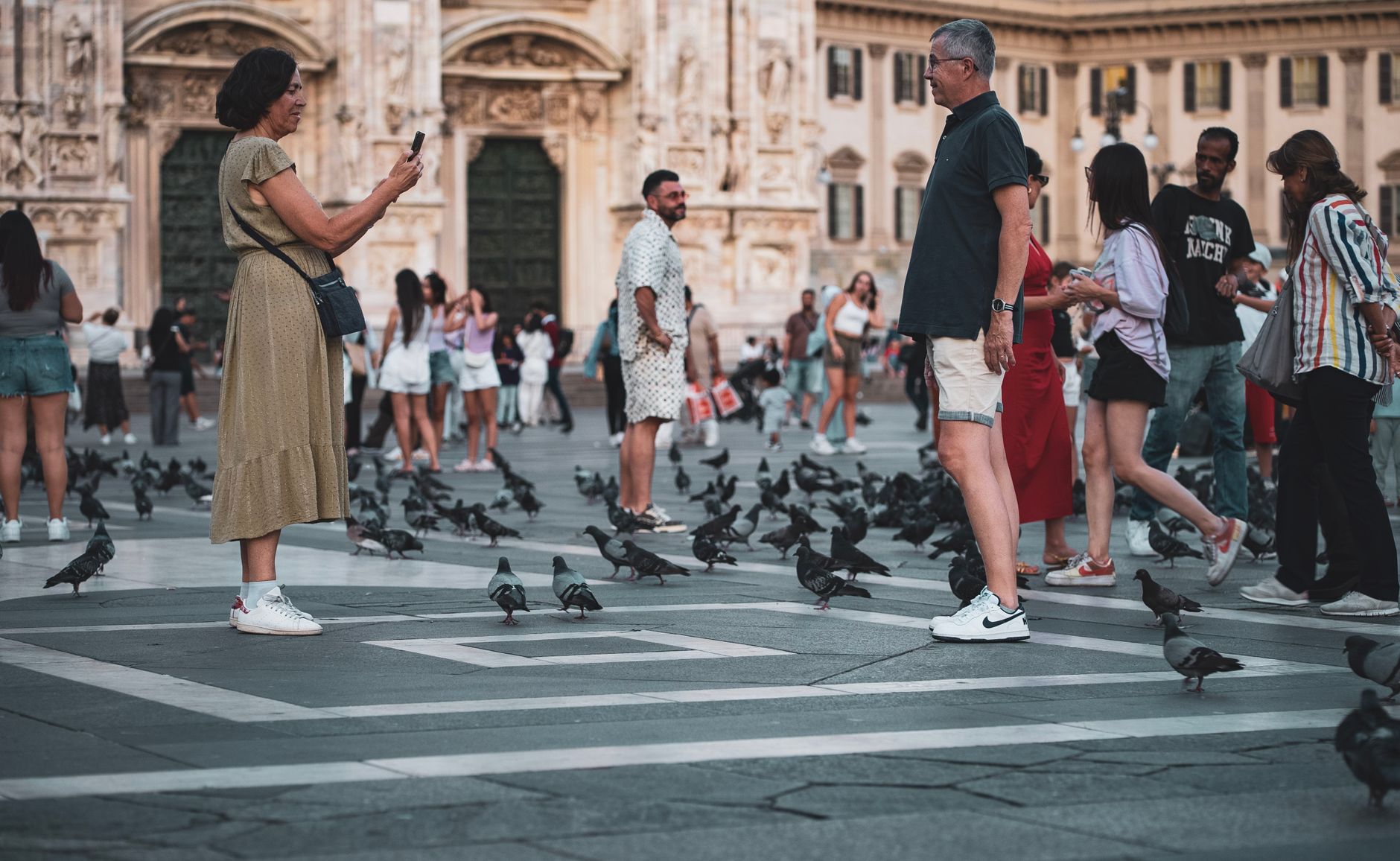
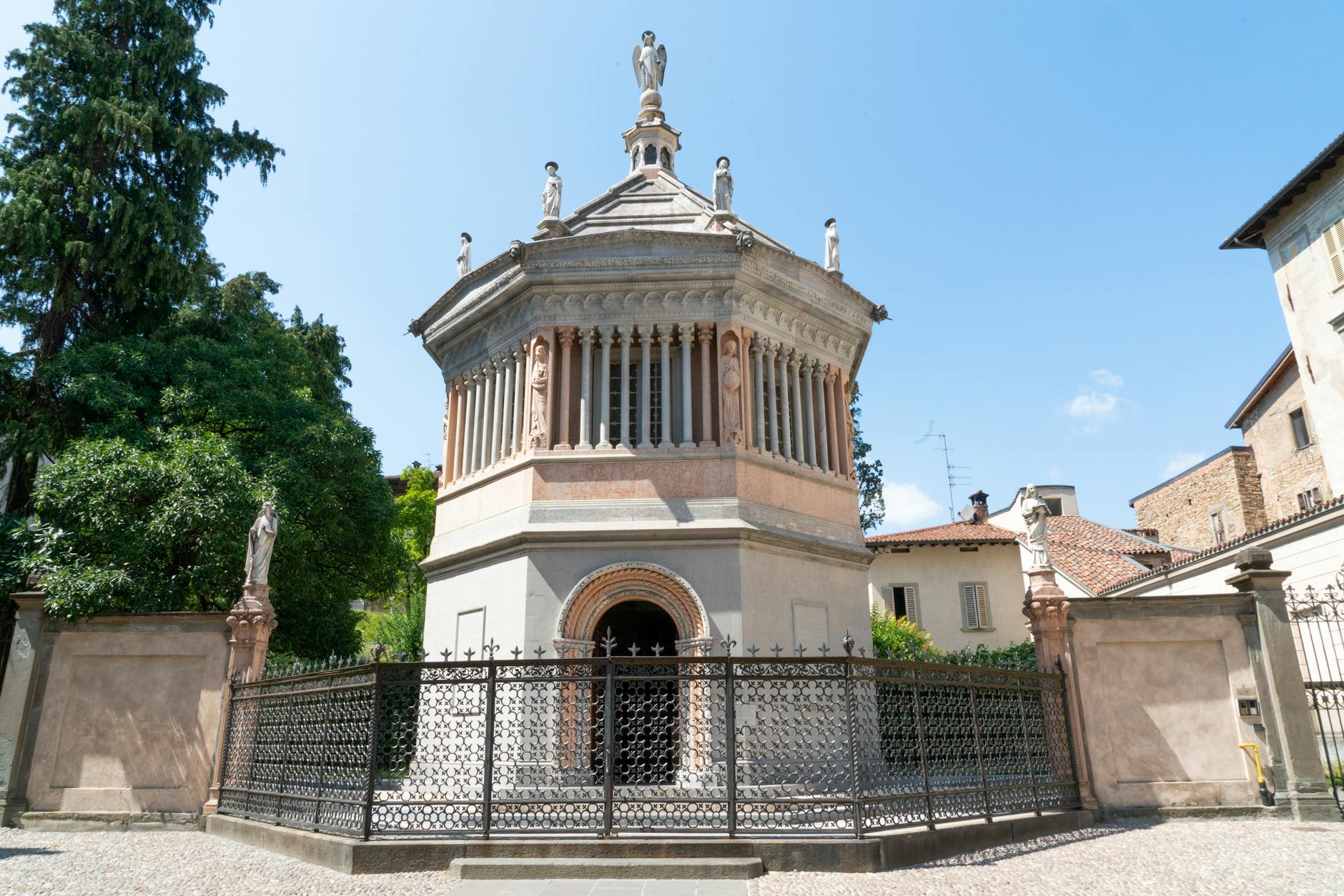
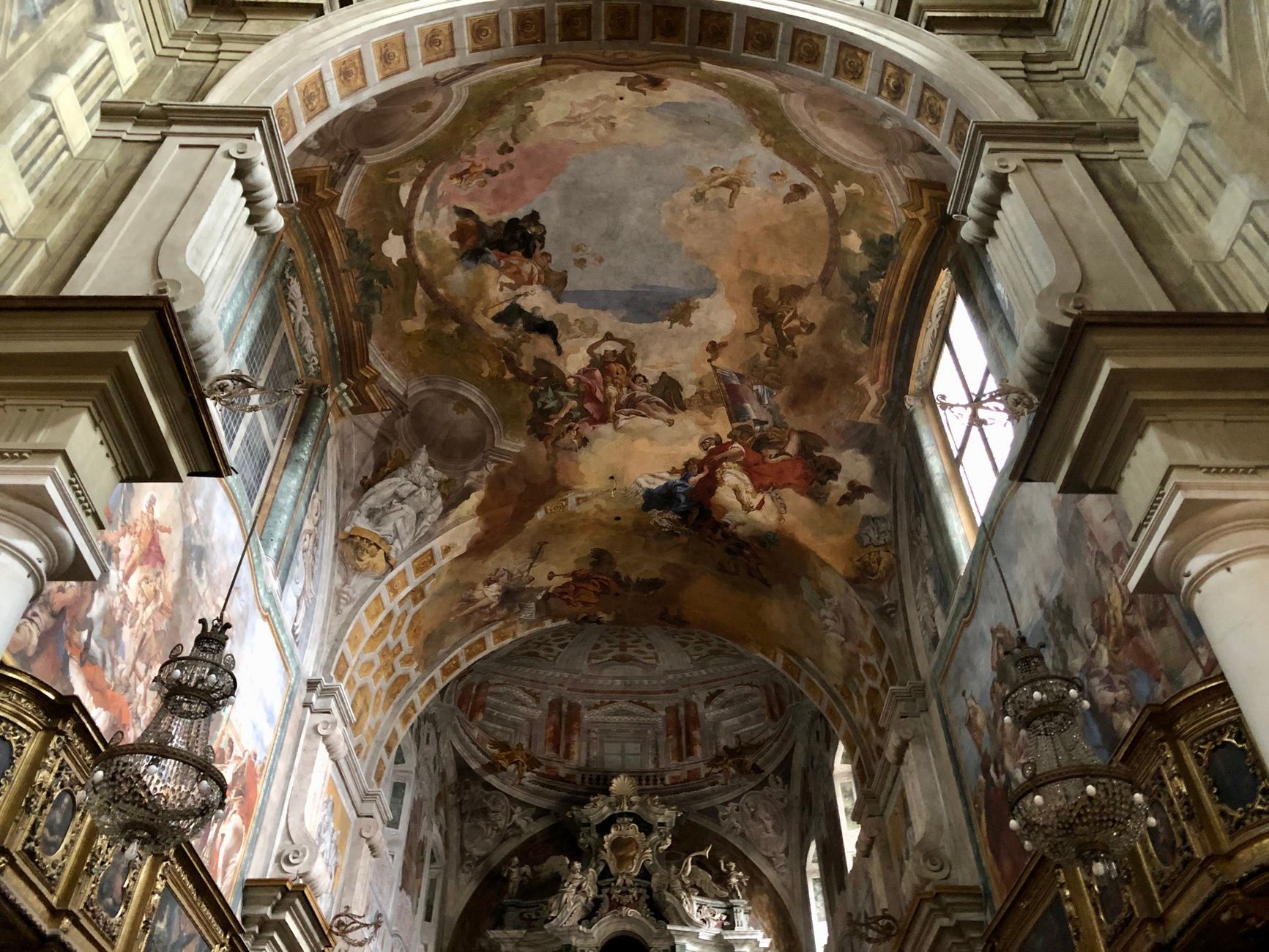
The first thing Parma teaches you is proportion. The Baptistery — octagonal, pink Verona marble, started in 1196 — stands close enough to the Duomo that you can take both in without moving your feet, and the relationship between them feels considered rather than accidental. Inside the cathedral's cupola, Correggio painted the Assumption of the Virgin in 1530 and made the ceiling dissolve into sky. The city has been producing things at that level — in food, music, type design, film — for a long time, and it carries the fact quietly.
Parma sits on the Via Aemilia, the old Roman road that still more or less organises Emilia-Romagna, and that geography has always made it a place where things pass through and occasionally stay. The Farnese dukes arrived in 1545, built the Palazzo della Pilotta and the Teatro Farnese, and left behind a city that still moves at a pace they might recognise.
💛 What travellers fall for
People who come back tend to anchor their days at Piazza Garibaldi — the Roman forum underneath it gives the coffee a faint geological weight — then work outward. The Camera della Badessa in the Abbey of San Paolo, decorated by Correggio and rarely crowded, is the room that stays with them longest. Book it in advance; the numbers are controlled.
Experiences you don't want to miss



Deals in Parma
Book directly at the provider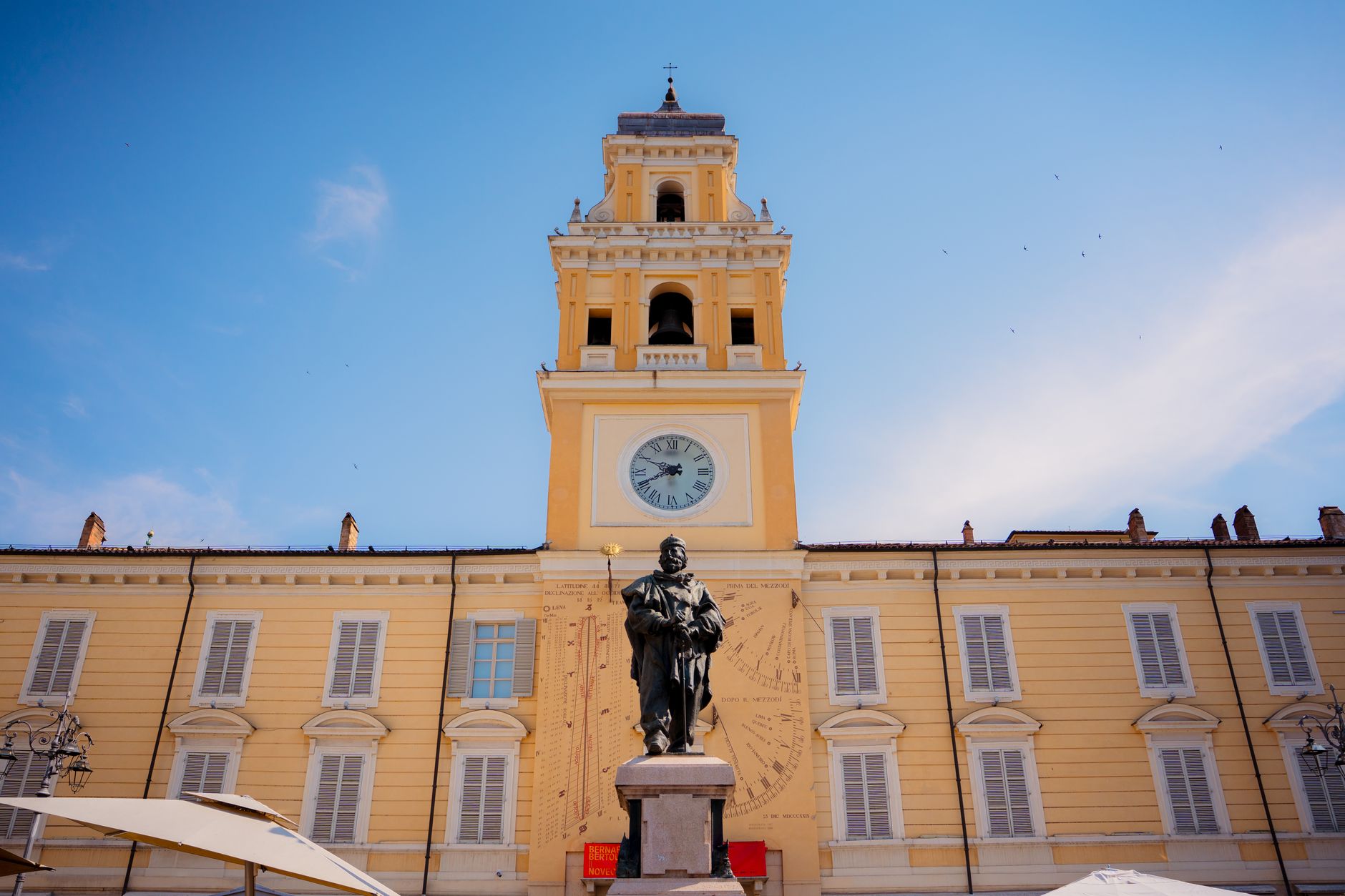

How Parma came to be
Rome planted a colony here in 183 BC, settling two thousand families at the junction of the Via Aemilia and Via Claudia. The city was destroyed in 43 BC and rebuilt under Augustus, who gave it the honorific 'Julia' for its loyalty to the imperial line. Attila sacked it in 452; Byzantines renamed it Chrysopolis; Lombards took it in 569; Franks made it a county capital in 774. By around 1140 it had become an independent commune — a 1149 treaty with Piacenza is the earliest document showing it governed by consuls.
In 1545 Pope Paul III detached Parma from the Papal States and handed the new duchy to his son Pier Luigi Farnese. The family ruled until 1731 and left the city's grandest architecture. After the Congress of Vienna in 1815, the duchy passed to Maria Luigia of Austria — Napoleon's second wife — who governed it until her death in 1847, fourteen years before Parma joined unified Italy.
Who and what shaped it
People who shaped it
Landmark buildings
See Parma in motion
Plan your visit
On the map
When to go
Summers are hot and humid, with temperatures regularly above 30°C; winters are cold and foggy, sometimes sharply so. April through June and September through October give you mild days and the clearest light for the cathedral's stonework.
Right now
Background & history adapted from Wikipedia (CC BY-SA) · specs from Wikidata (CC0) · weather from Open-Meteo · map data © OpenStreetMap contributors · photos from Wikimedia Commons / Unsplash with per-image credit. No third-party reviews or social posts reproduced.