
Rimini
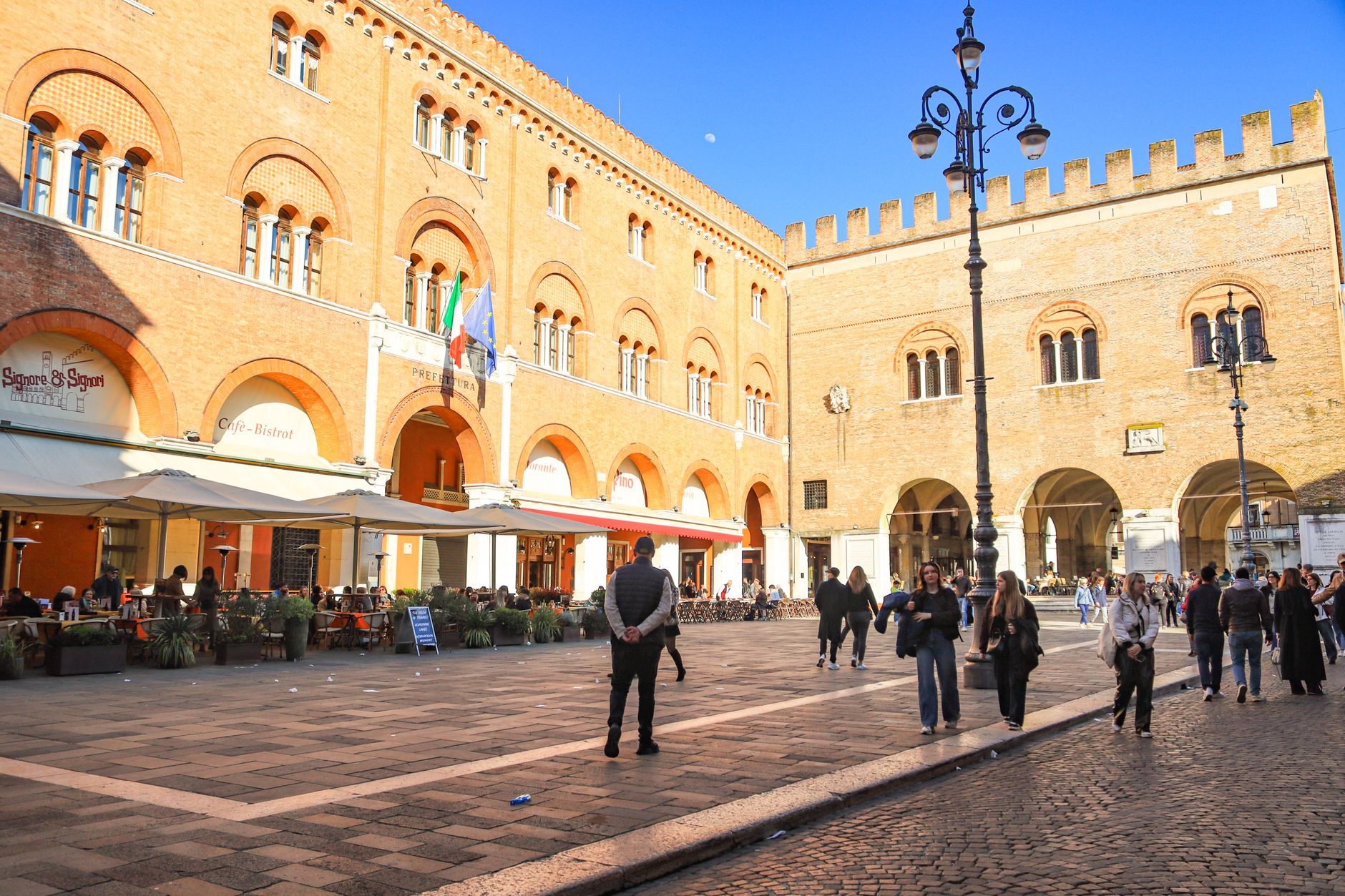
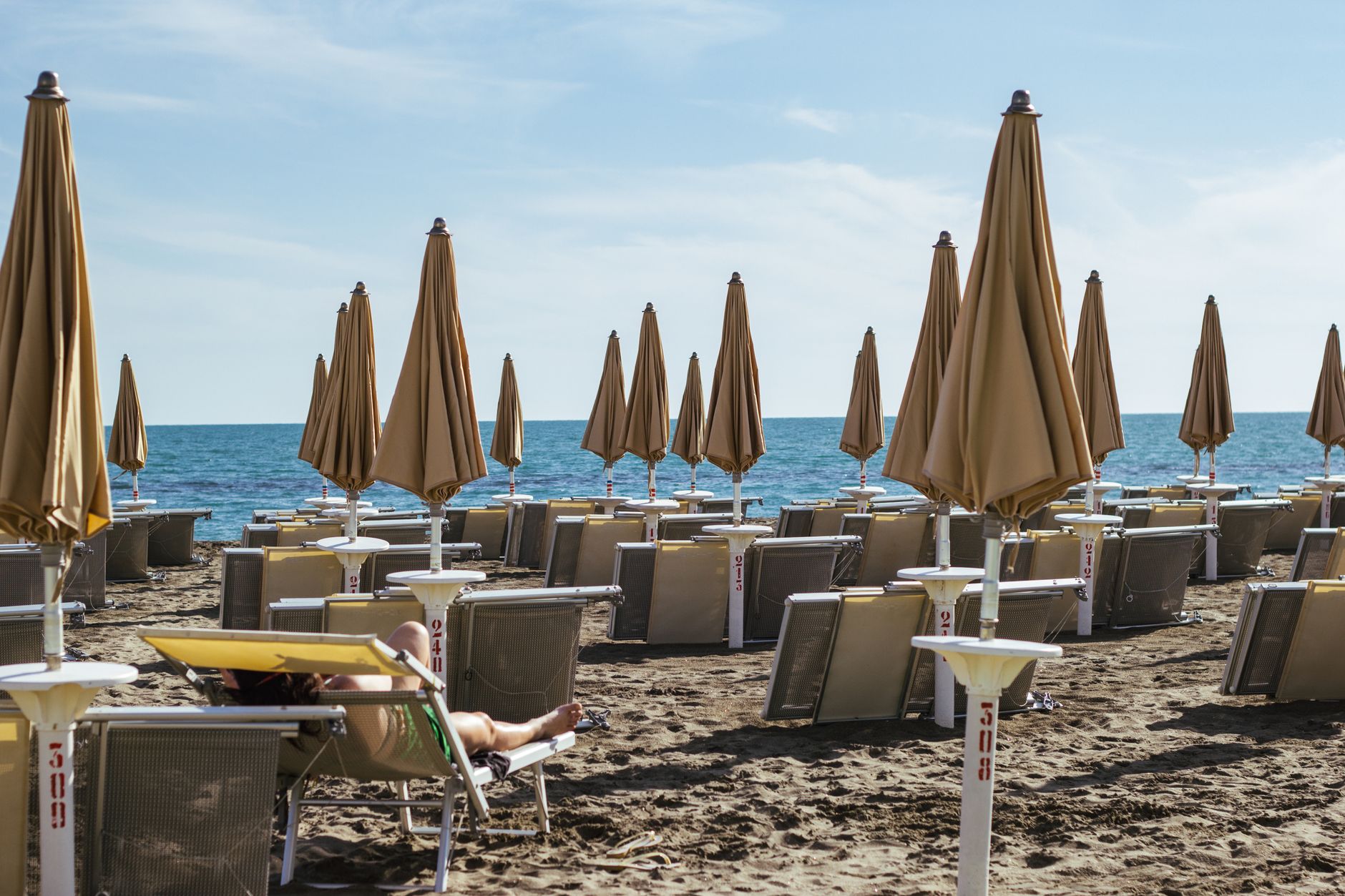
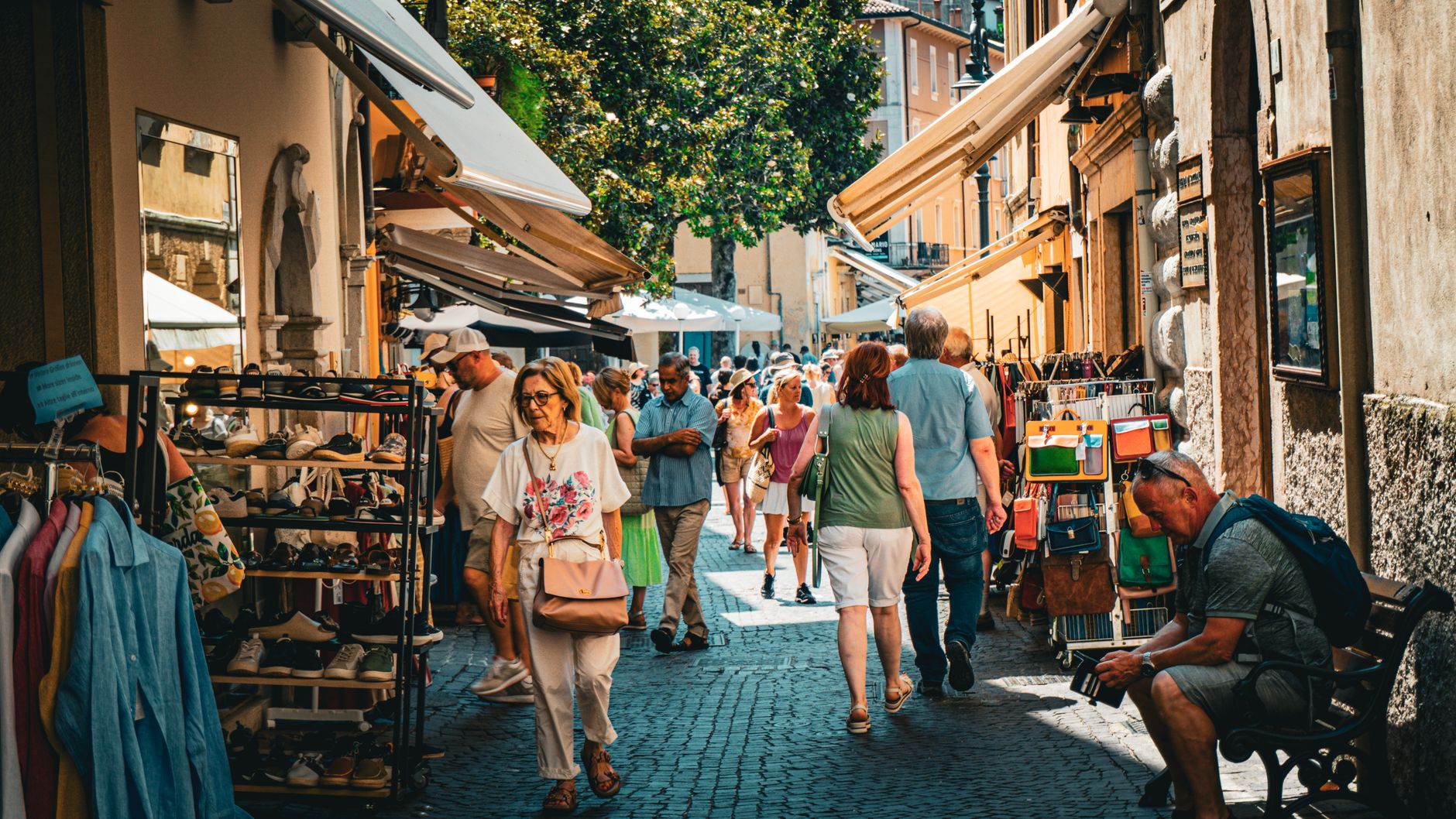
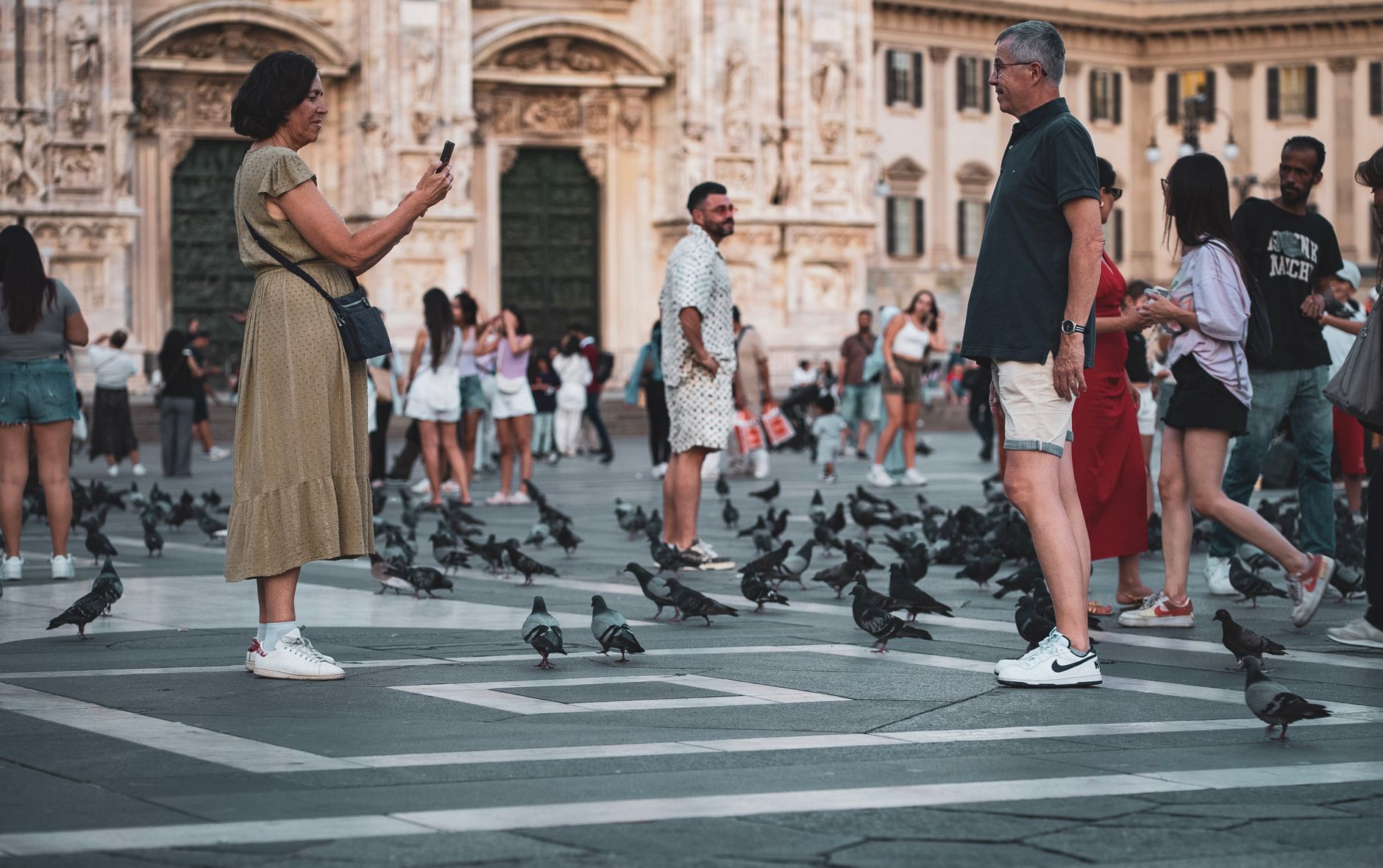
Rimini keeps two lives running at once. The beach strip — kilometres of sun loungers, Adriatic light, and the particular chaos of Italian summer — is one city. A ten-minute walk inland and you're standing under the Arch of Augustus, erected in 27 BC, the oldest triumphal arch in northern Italy still holding its original shape. Both versions are real, and neither cancels the other out.
This was Ariminum, a Roman colony founded in 268 BC at the mouth of the Marecchia River, and Caesar himself addressed his legions here after crossing the Rubicon. The Forum where he spoke is now Piazza Tre Martiri. That continuity — empire to beach resort, without apology — is what makes Rimini worth more than a single afternoon.
💛 What travellers fall for
People who keep coming back tend to go straight for the Bridge of Tiberius at dusk, when the stone turns gold and the locals walk dogs along the bank. They also learn early that the Tempio Malatestiano has limited winter hours — check before you go — and that the Domus del Chirurgo, tucked under its glass shelter in Piazza Ferrari, is almost always uncrowded.
Experiences you don't want to miss




Deals in Rimini
Book directly at the provider
How Rimini came to be
Rome planted Ariminum here in 268 BC as a strategic colony on the Adriatic, and the city spent the following centuries at the centre of things — aligned with Caesar's popular faction, host to a church council that failed to settle the Arian controversy in 359 CE, and eventually an independent commune before the Malatesta family seized control in 1334.
The family's most lasting act was commissioning Leon Battista Alberti to wrap a Gothic Franciscan church in a marble Renaissance shell around 1446 — the Tempio Malatestiano, unfinished at Sigismondo Pandolfo Malatesta's death in 1468 and still slightly raw for it. The city joined the Kingdom of Italy in 1860, opened its first bathing establishment in 1843, and rebuilt itself as a mass-tourism destination after the destruction of 1944. Federico Fellini, born here, spent a career turning that particular coastal light and provincial memory into cinema.
Who and what shaped it
People who shaped it
Landmark buildings
See Rimini in motion
Plan your visit
On the map
When to go
Summers are hot and sunny, with July and August temperatures regularly above 30°C and the beach at full capacity. Spring and early autumn are mild and much quieter; winters are cool and occasionally foggy, but the Roman monuments and the Tempio are easier to have to yourself.
Right now
Background & history adapted from Wikipedia (CC BY-SA) · specs from Wikidata (CC0) · weather from Open-Meteo · map data © OpenStreetMap contributors · photos from Wikimedia Commons / Unsplash with per-image credit. No third-party reviews or social posts reproduced.