
Cervia
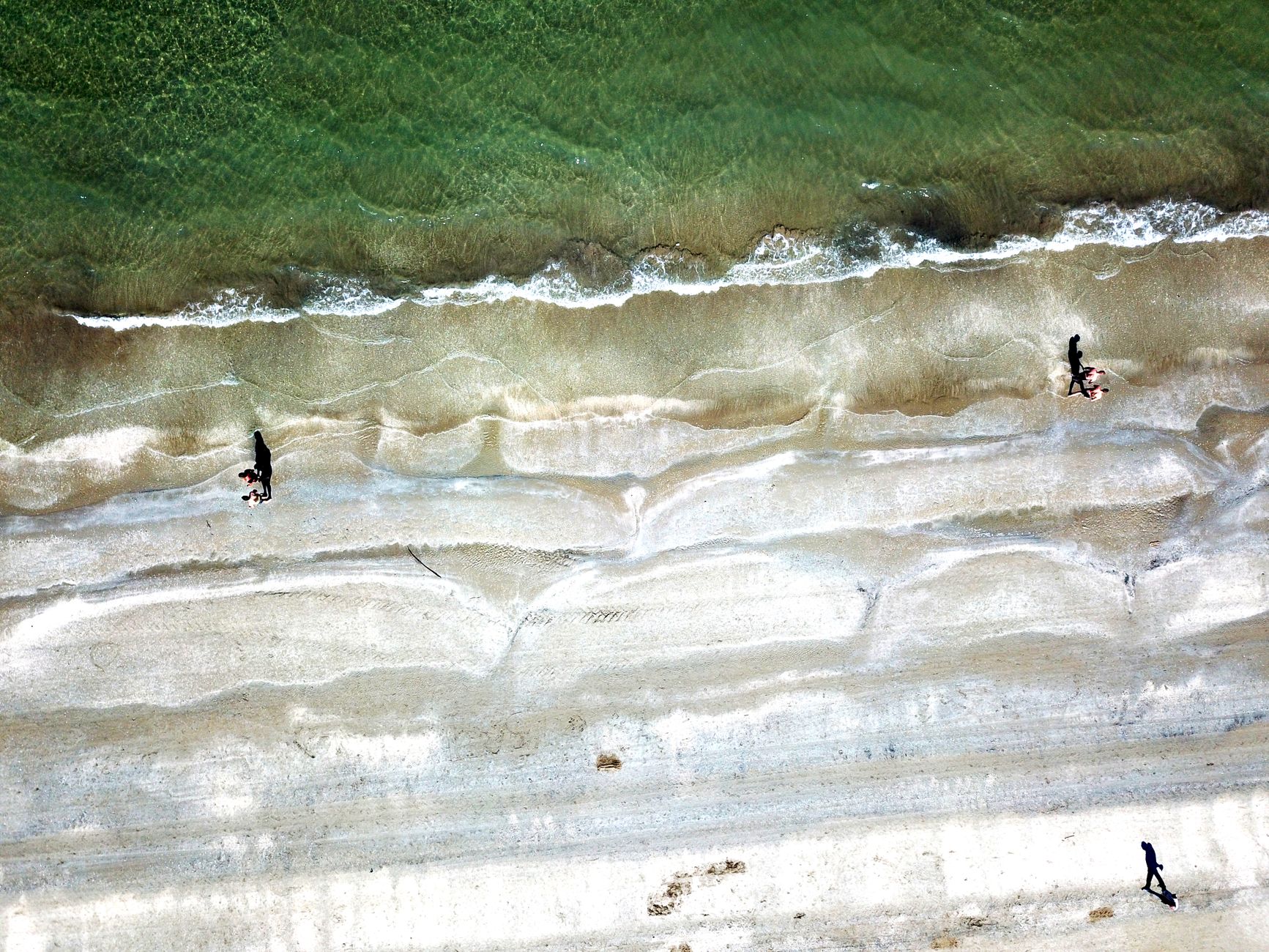
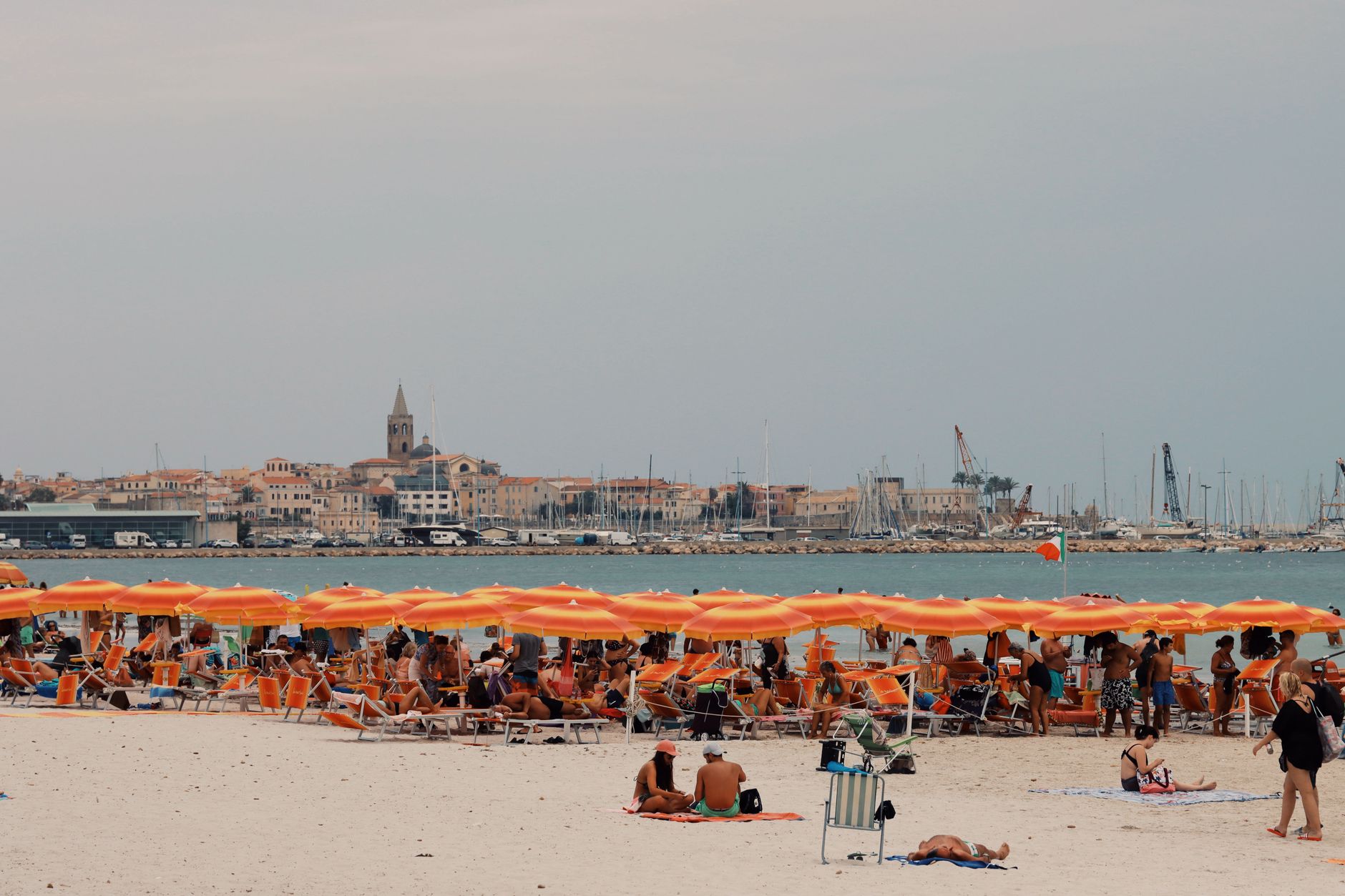
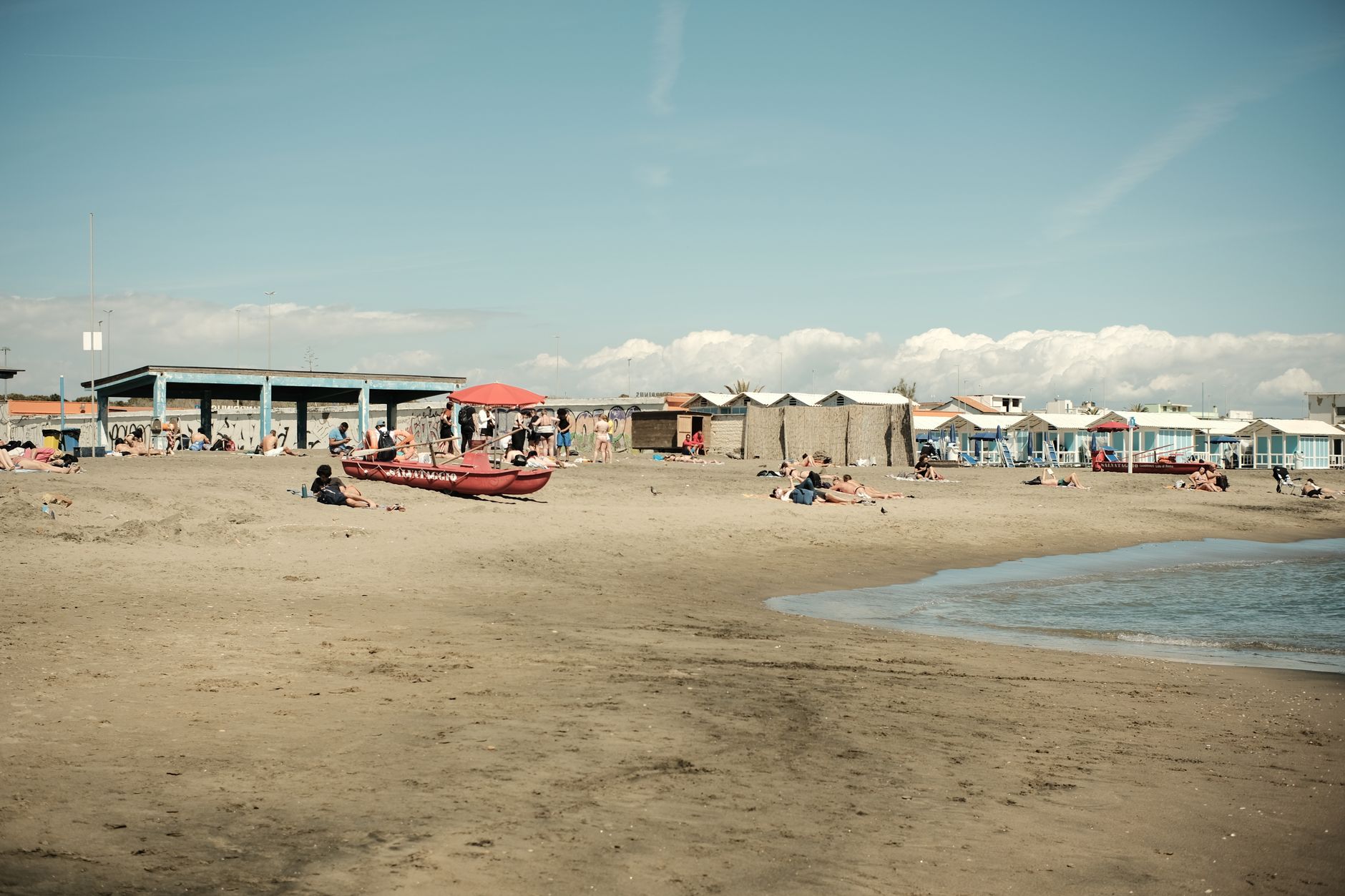
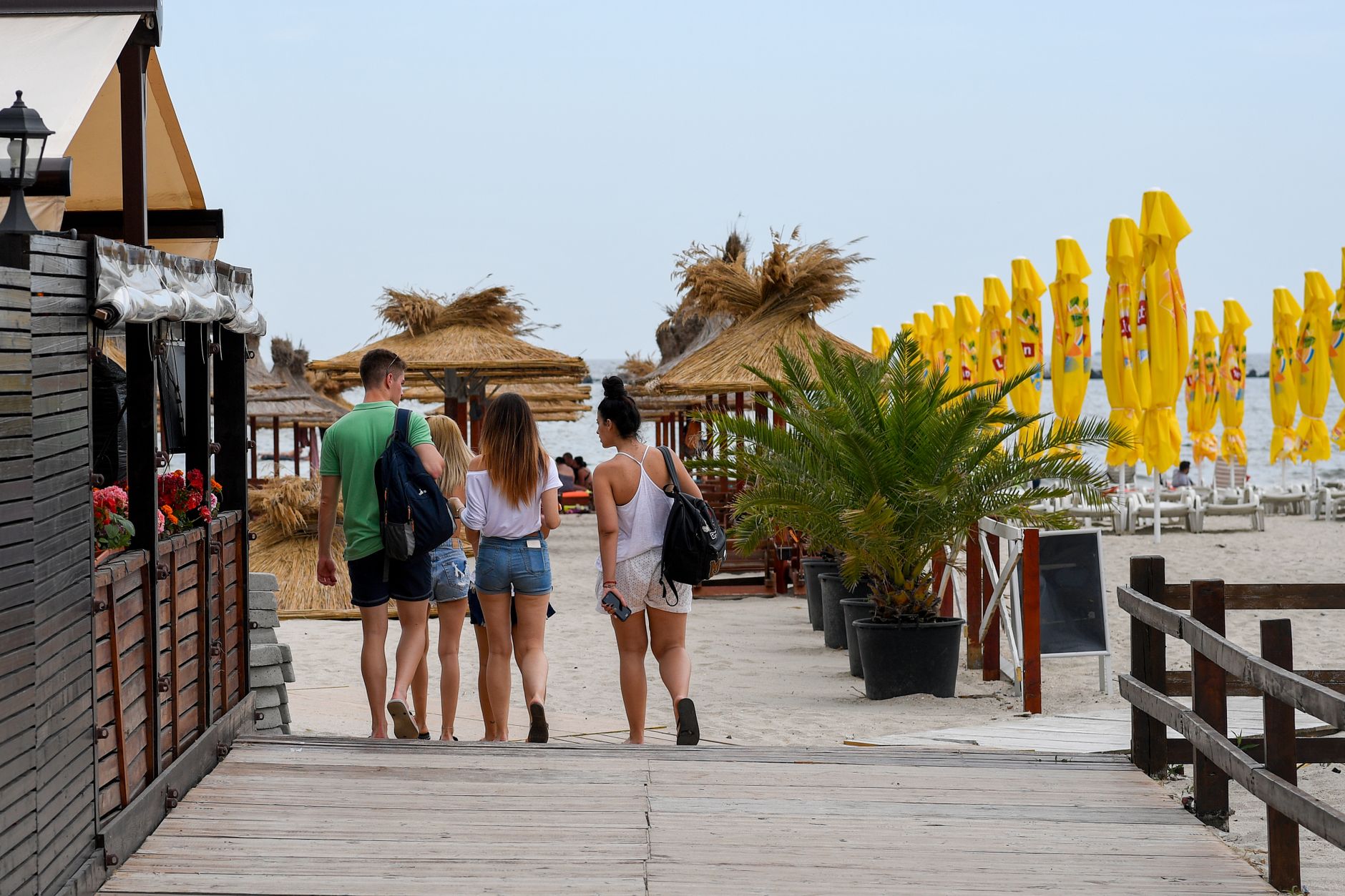
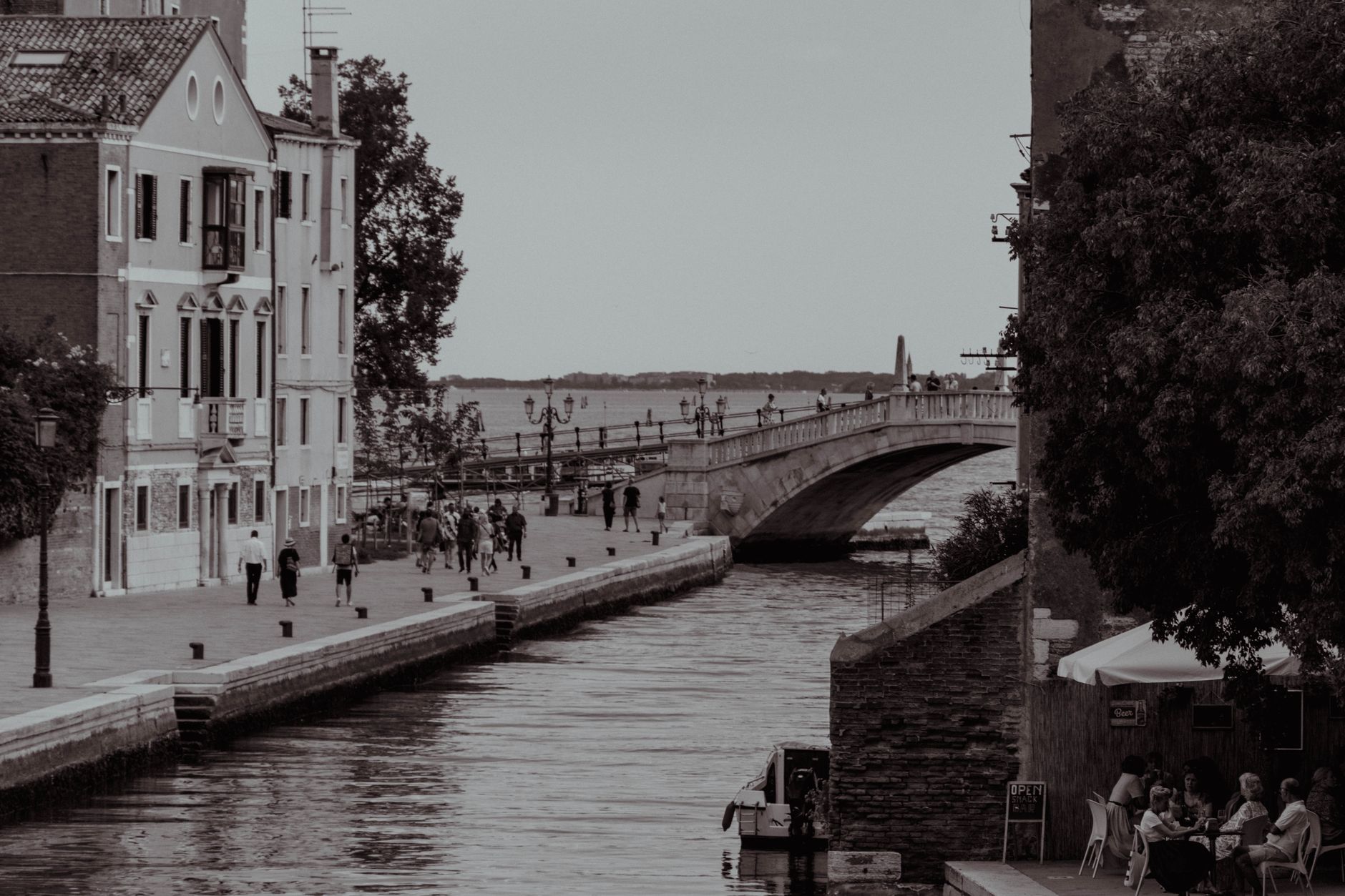
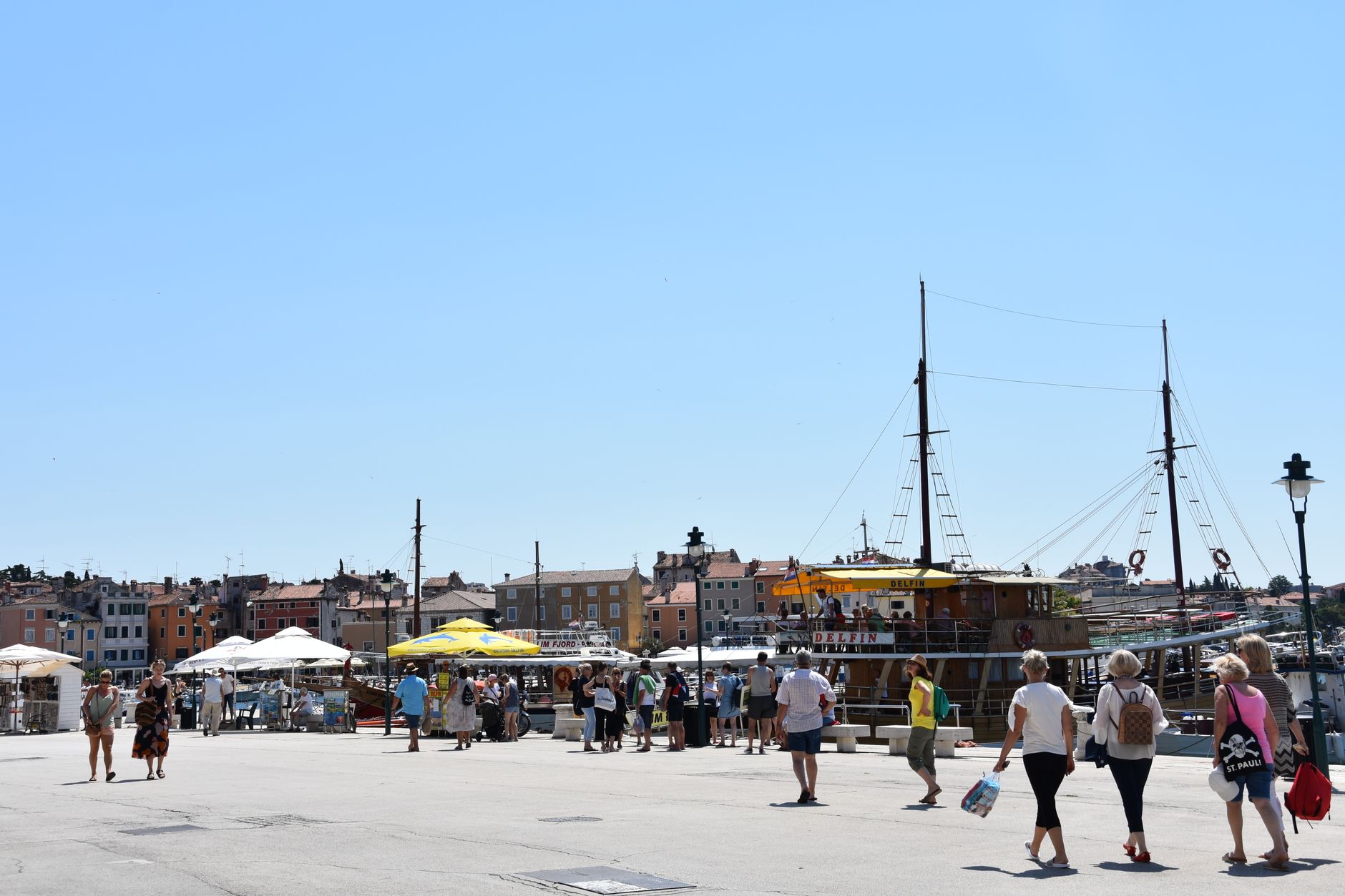
Cervia smells of salt before you see it. The town sits on the Adriatic coast of Emilia-Romagna, and the flat, glittering pans that produced its wealth for centuries still work at its edge, tended by guides who'll walk you through ten basins and explain why this particular salt — fine-grained, low in sodium chloride — was once traded as far as Venice.
The town itself is an almost complete Baroque set-piece, built between 1698 and 1714 after Pope Innocent XII ordered the old medieval city demolished and relocated. Two architects, one commission, fourteen years: the result is a compact grid of streets that still holds its original proportions, anchored by a cathedral, a town hall, and a central square paved with river pebbles.
💛 What travellers fall for
People who come back tend to time their visit around the salt-pan season — April through October — and book a morning guide slot before the heat sets in. The MUSA salt museum earns its own hour, and the Church of the Suffrage rewards anyone who notices the 14th-century crucifix hanging quietly beside a Callido organ from 1788.
Experiences you don't want to miss





Deals in Cervia
Book directly at the provider


How Cervia came to be
People have been working this coastline since the Bronze Age — a shepherds' camp at Montaletto dates back three thousand years, and the salt marshes were likely active by Etruscan times. The Romans knew the place as Ficocle. By 997 it carried the name Cervia, a medieval town with a castle attributed to Frederick Barbarossa, seven churches, and a Palace of Priors.
Then, in November 1697, Pope Innocent XII ordered the whole thing moved. The old city was too prone to malaria, the argument went, and within a year construction had begun on Cervia Nuova. Architect Francesco Fontana designed both the Cathedral of Santa Maria Assunta — commissioned 1699, finished 1702 — and the Palazzo Comunale, completed 1712. The Torre San Michele, built between 1689 and 1691 from a drawing attributed to Michelangelo Buonarroti, had already gone up just before the move, originally to watch for Saracen raids. Artisanal salt production ran until 1959, when industrial methods took over, leaving the landscape intact but the old rhythms changed.
Who and what shaped it
People who shaped it
Landmark buildings
See Cervia in motion
Plan your visit
On the map
When to go
Summers are long and genuinely hot — July days regularly reach 32°C with nearly ten hours of sun — while January is grey and cold, dropping to around 3°C at night. The shoulder months, particularly May and September, give you warm afternoons, a working sea breeze, and far fewer people on the beach.
Right now
Background & history adapted from Wikipedia (CC BY-SA) · specs from Wikidata (CC0) · weather from Open-Meteo · map data © OpenStreetMap contributors · photos from Wikimedia Commons / Unsplash with per-image credit. No third-party reviews or social posts reproduced.