
Ferrara
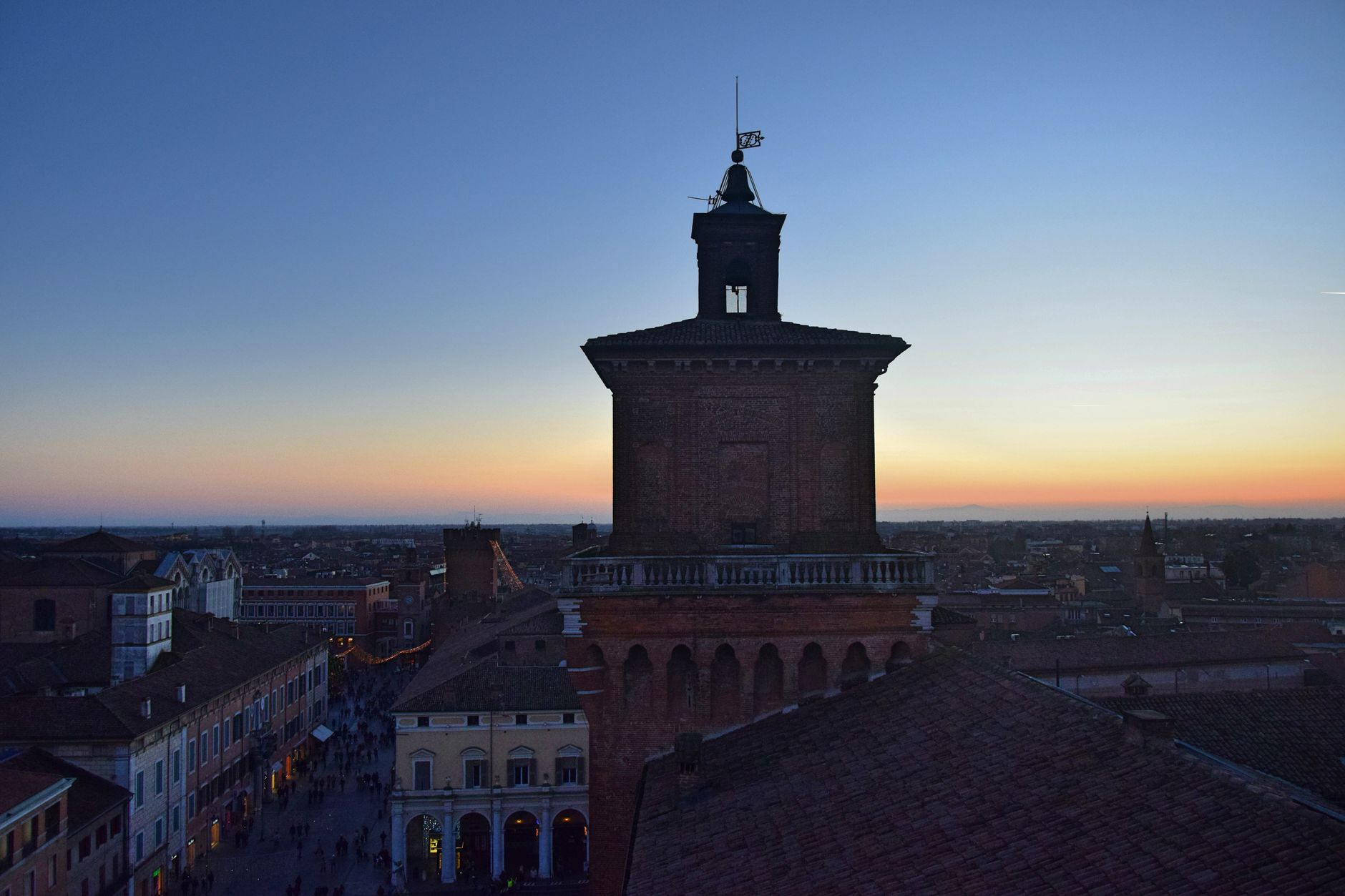
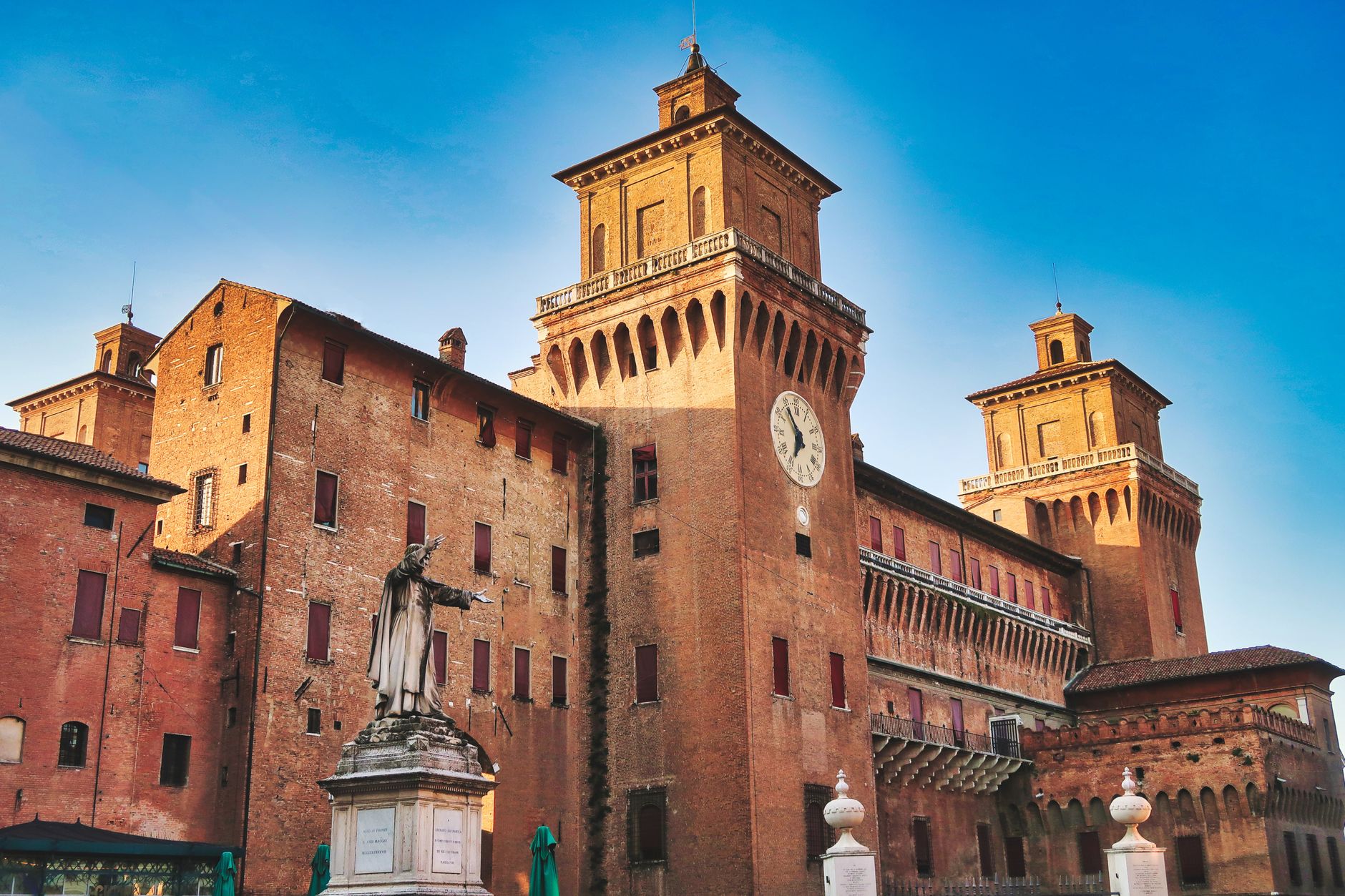
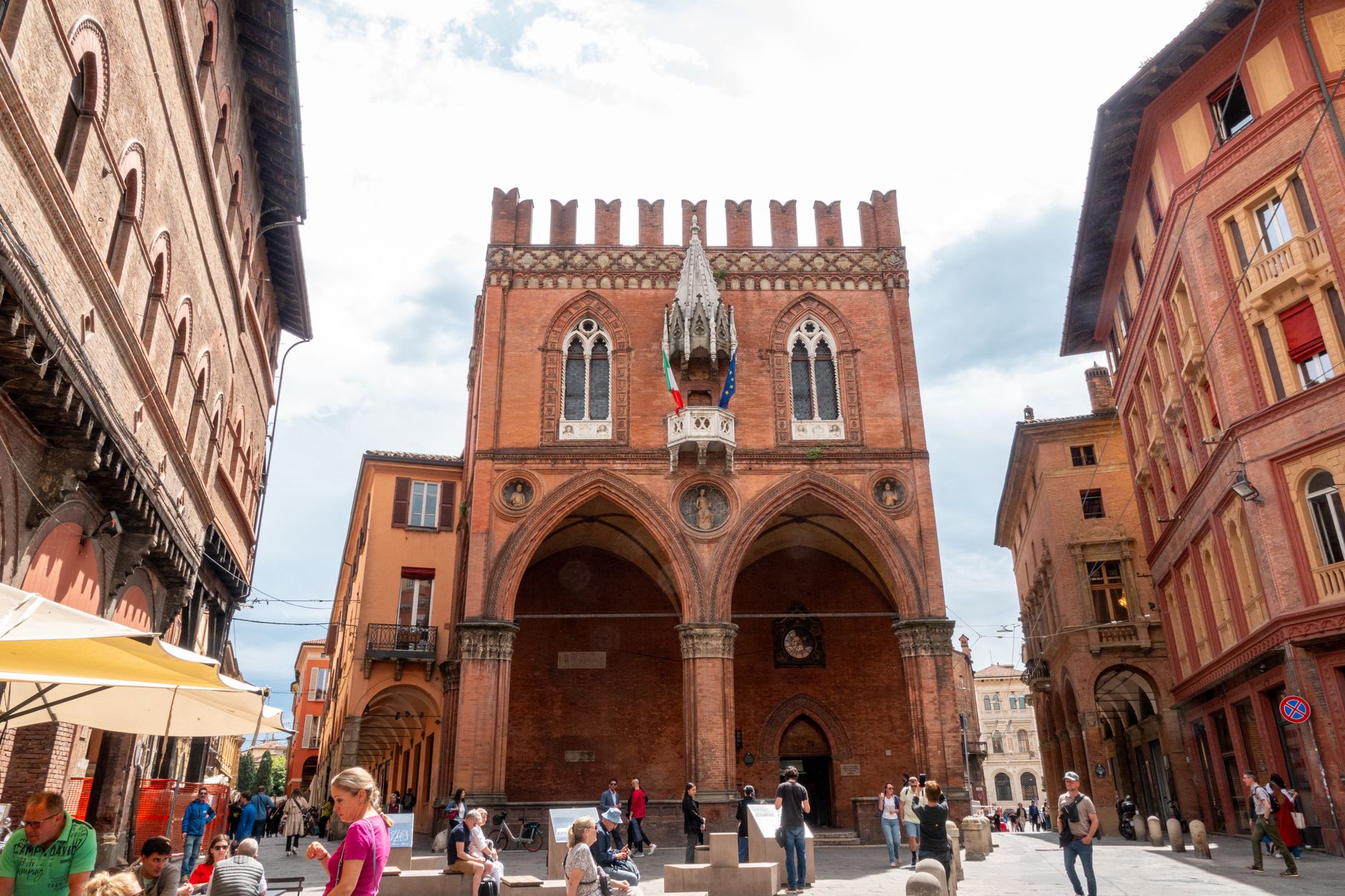
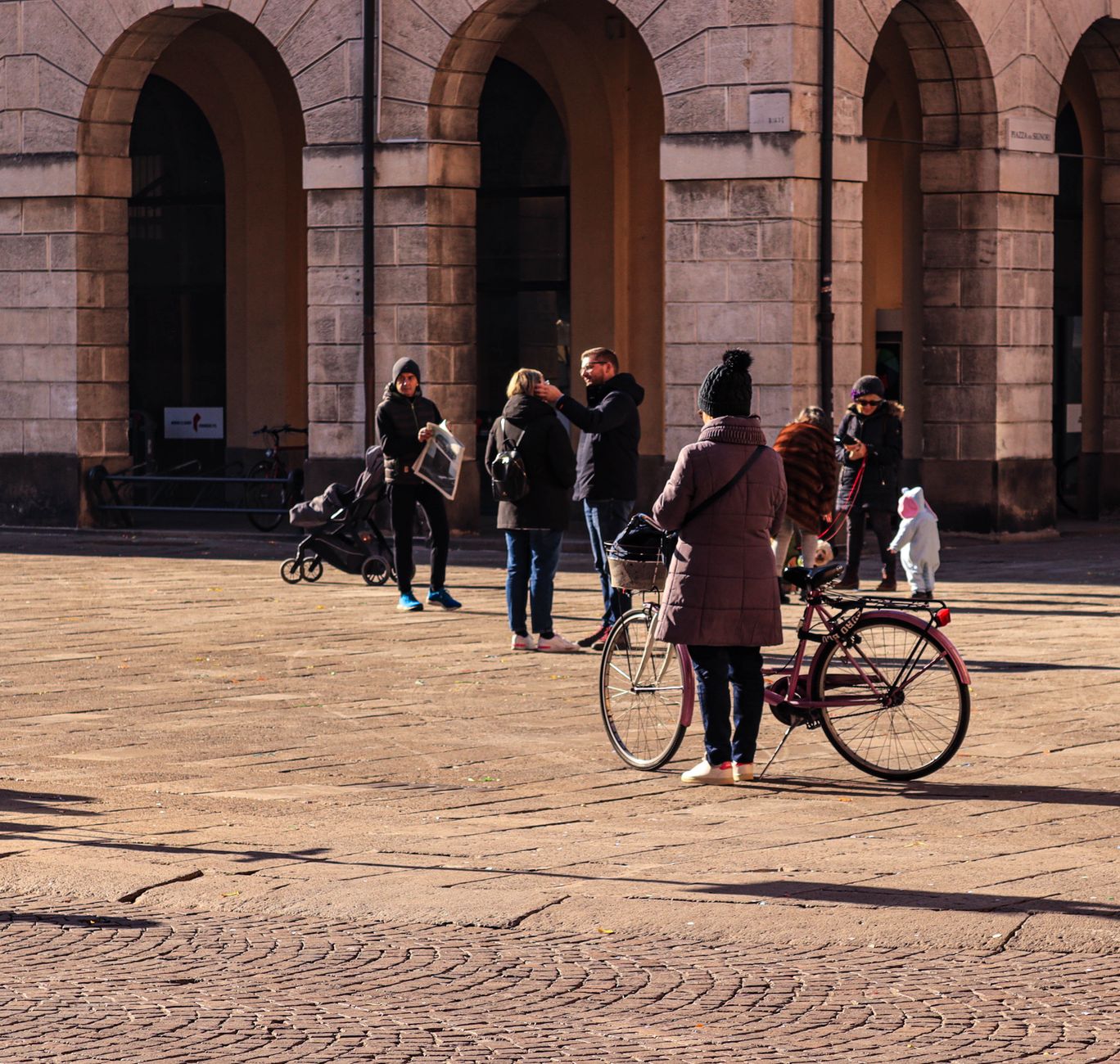
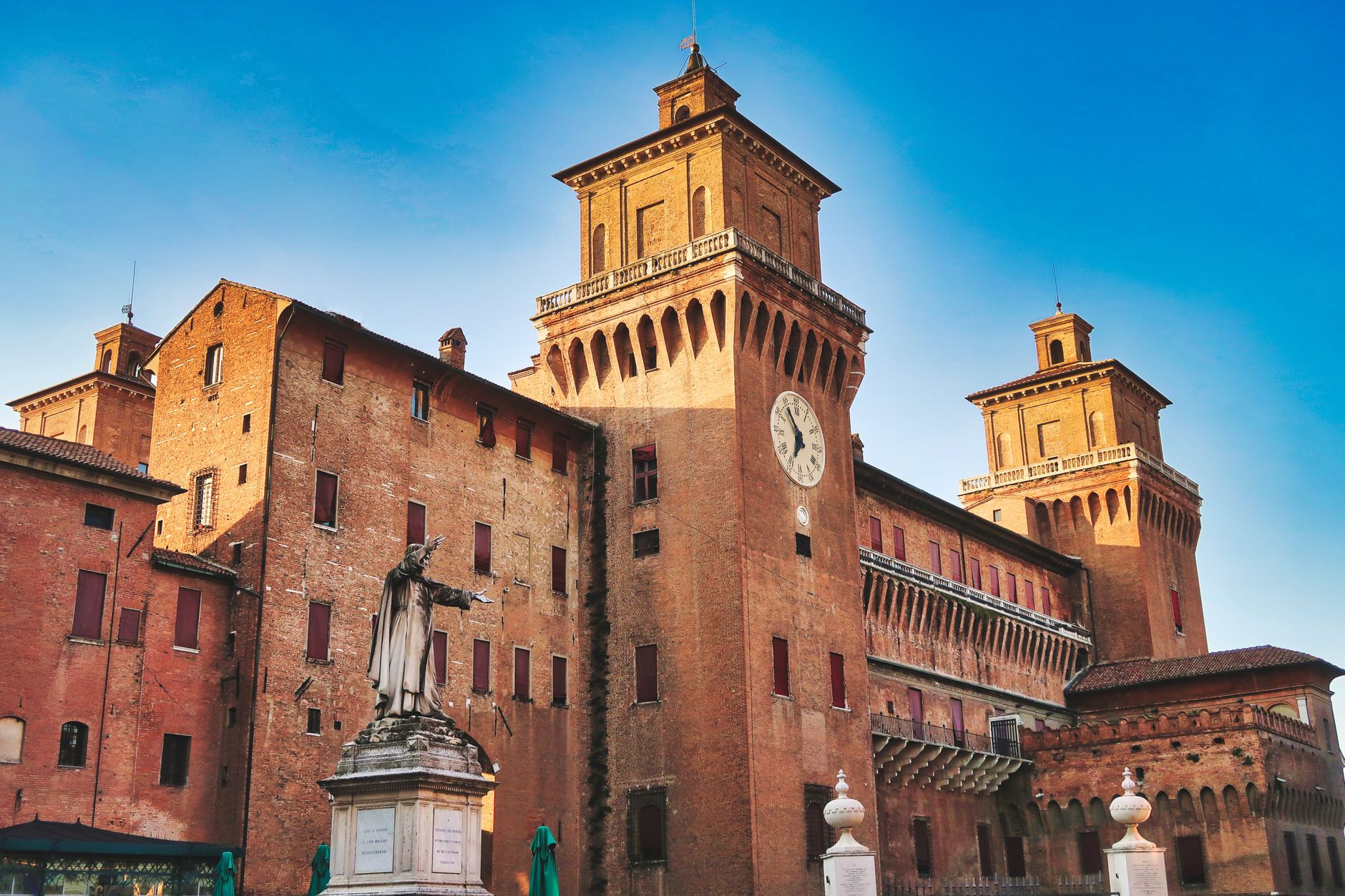
Ferrara is a city where the cars stop at the edge and the bicycles take over. The centro storico is largely closed to traffic, so what you hear instead is the tick of gears and the scrape of footsteps on medieval stone. The Este dynasty built this place into one of the great Renaissance courts of Europe, and the bones of that ambition are still standing — a moated castle at the city's heart, nine kilometres of brick walls enclosing a grid of streets that UNESCO decided was worth protecting in perpetuity.
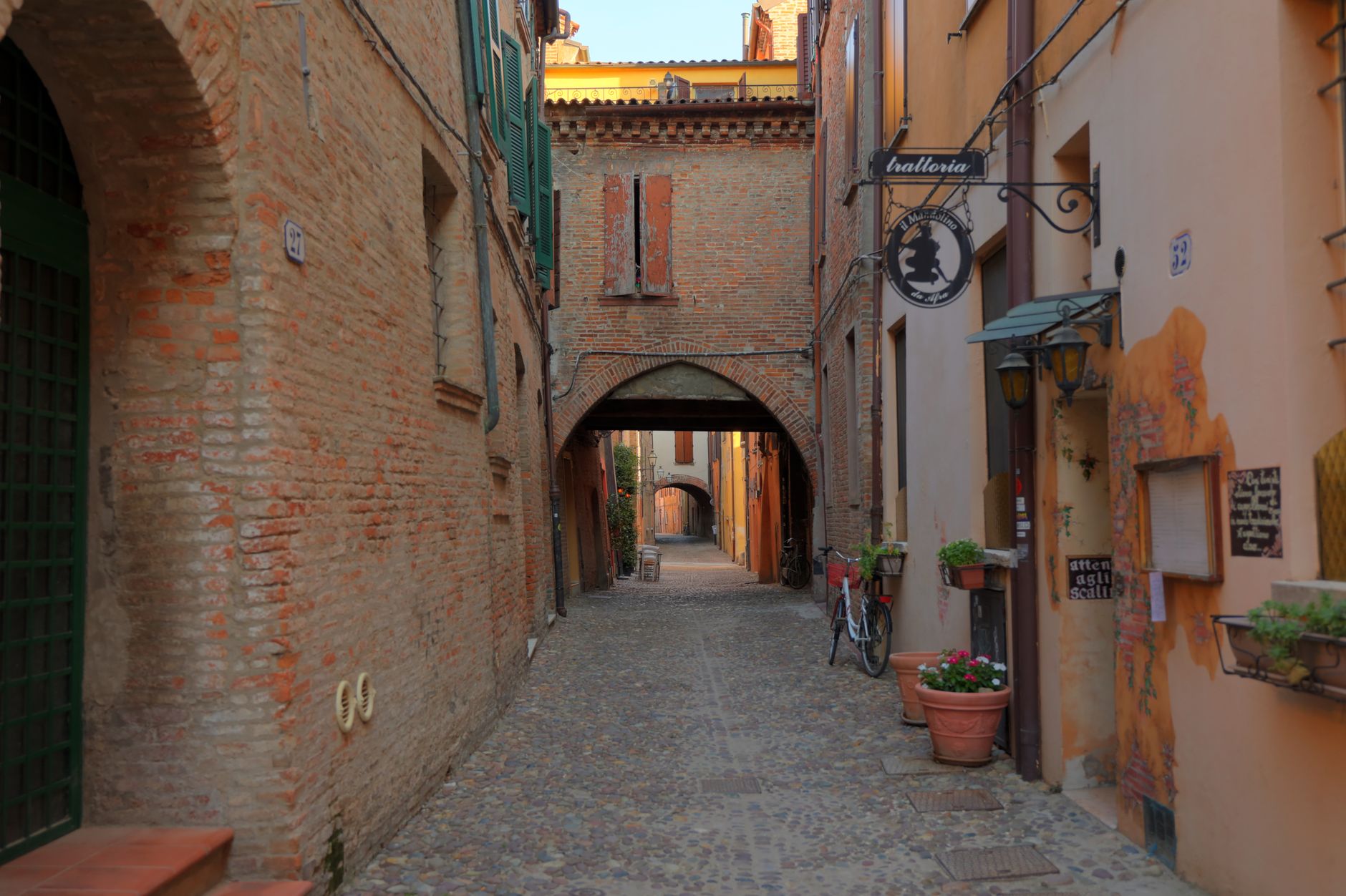
The Palazzo dei Diamanti alone is worth the detour from Bologna: 8,500 marble blocks cut into diamond points cover the façade, a trick of geometry that still stops people mid-stride. Nearby, Via delle Volte threads between medieval arches with a quiet that feels almost conspiratorial.
💛 What travellers fall for
People who come back tend to rent a bicycle from the station and spend an afternoon on the walls — the full circuit takes about an hour and puts the whole city in perspective. The Palazzo Schifanoia's cycle-of-months frescoes, with Borso d'Este presiding over each panel, reward a second look once you know who you're looking at.
Experiences you don't want to miss




Deals in Ferrara
Book directly at the provider
How Ferrara came to be
Settlement at this bend of the Po di Volano goes back to the seventh century, and the first written record — a document from the Langobardic king Aistulf — dates to 753 or 754. Control passed from Lombards to Franks to the Holy See, and by the twelfth century the city was caught between imperial and papal ambitions, with Matilda of Tuscany and later Frederick I each leaving their mark.
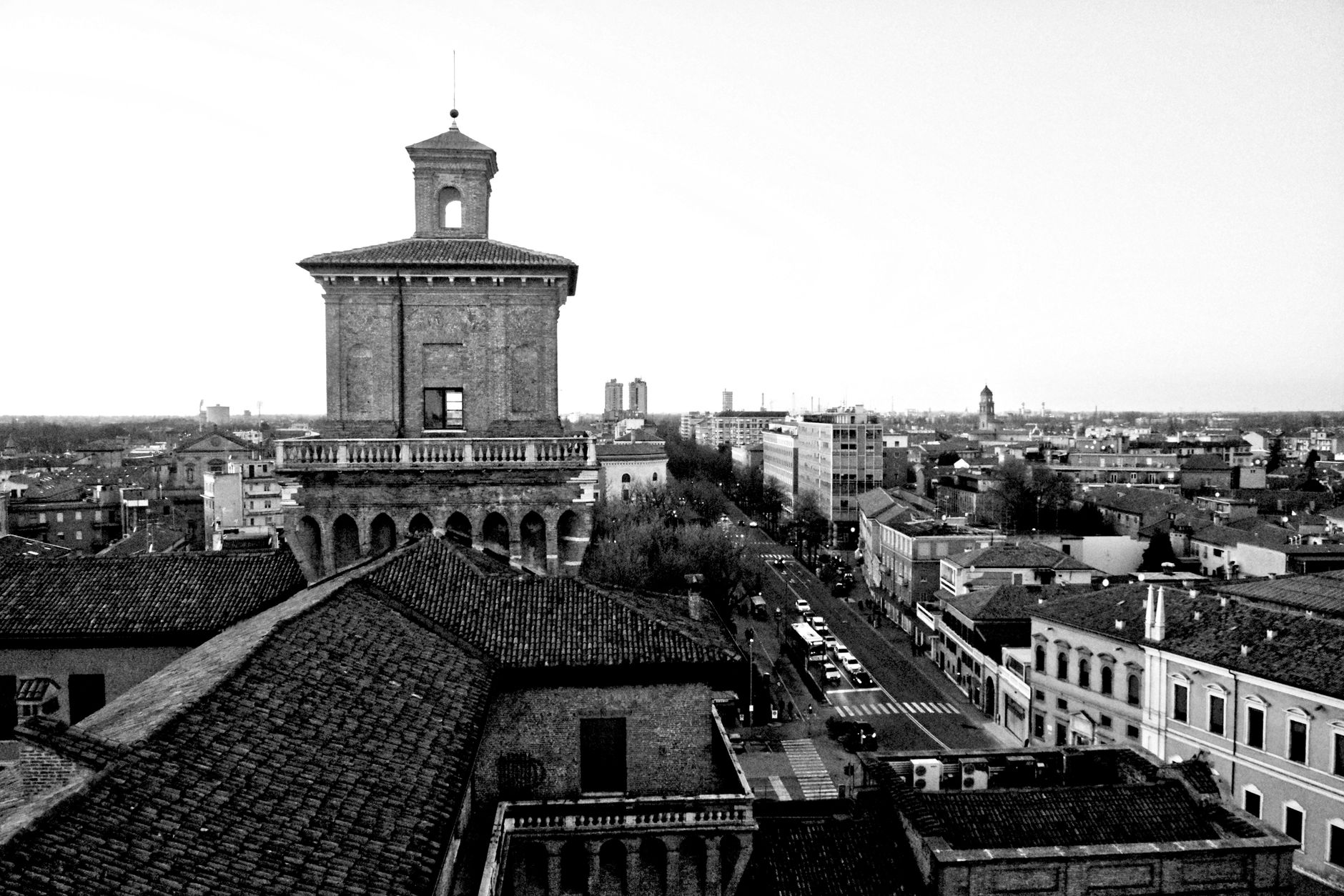
The House of Este seized control in 1242 and turned Ferrara into something remarkable. Borso d'Este was made duke in 1471; Ercole I commissioned the Addizione Erculea, a planned urban expansion that doubled the city's footprint and gave it the walls — built largely between 1492 and 1520 — that still define it. The university, founded in 1391, drew Nicolaus Copernicus and Paracelsus through its doors. In 1598 Ferrara passed to the Papal States, and the Este court dispersed, but the architecture they left behind proved more durable than their dynasty.
Who and what shaped it
People who shaped it
Landmark buildings
See Ferrara in motion
Plan your visit
On the map
When to go
Summers are hot and humid, with July temperatures regularly above 30°C and a flatness in the air that the Po Valley amplifies. Winters are cold, often foggy, and occasionally sharp. April through June and September through October offer the most comfortable conditions for walking the walls or moving between palaces.
Right now
Background & history adapted from Wikipedia (CC BY-SA) · specs from Wikidata (CC0) · weather from Open-Meteo · map data © OpenStreetMap contributors · photos from Wikimedia Commons / Unsplash with per-image credit. No third-party reviews or social posts reproduced.