
Riccione
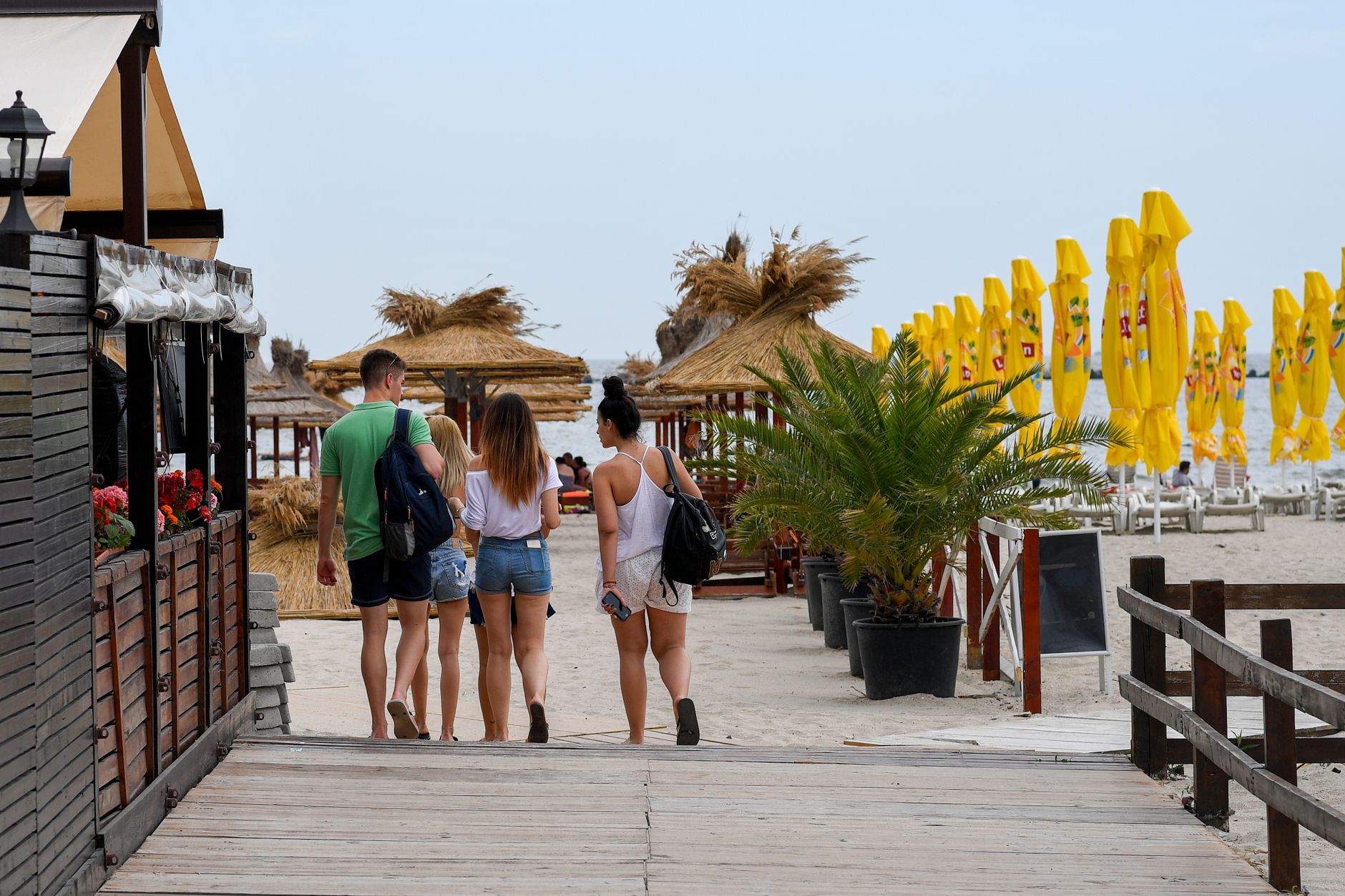
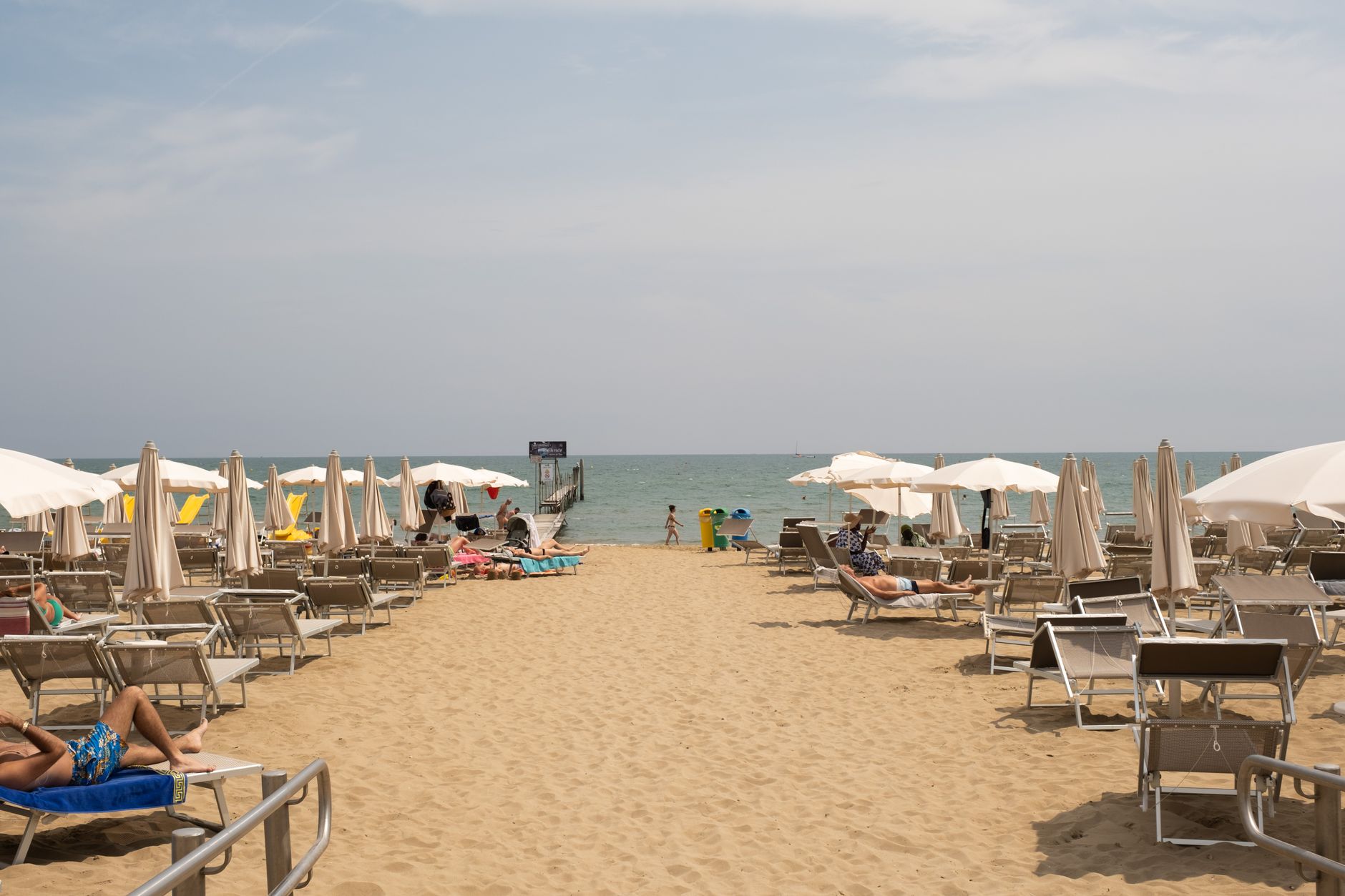
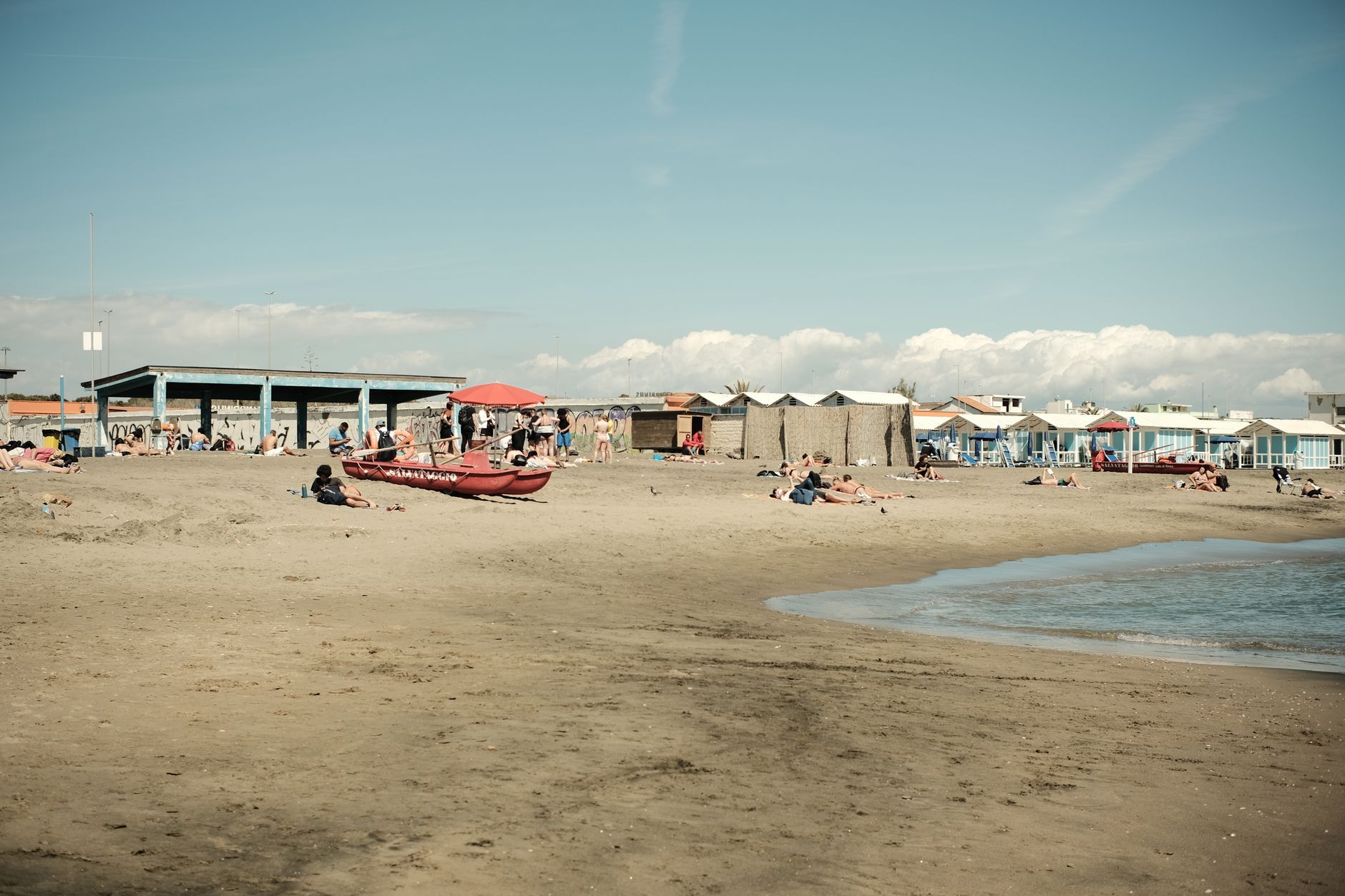
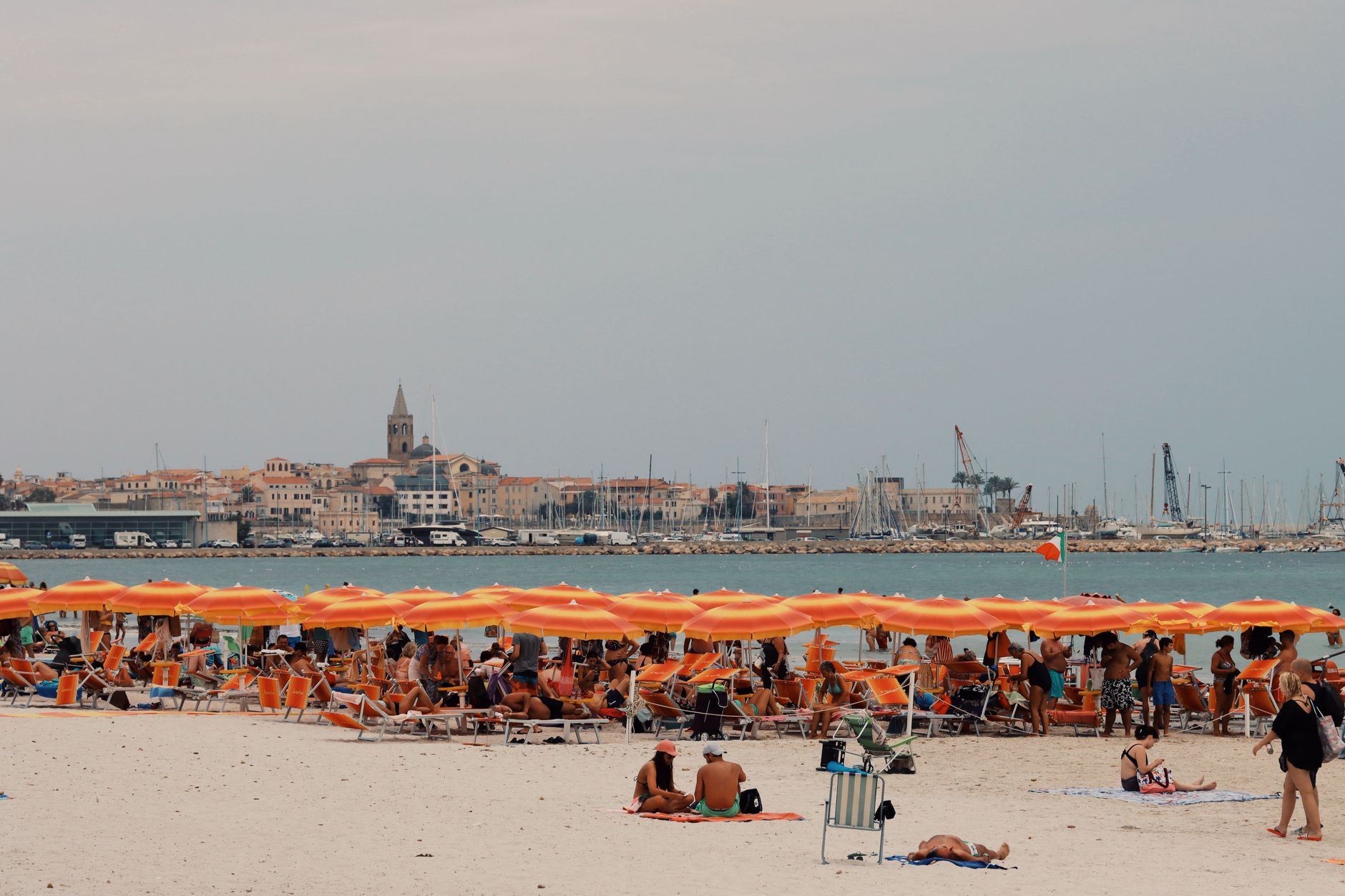
Riccione runs on a particular rhythm: the train pulls in less than a hundred metres from Viale Ceccarini, and within minutes you're on a broad promenade lined with fashion boutiques, their awnings angled against the Adriatic glare. The town earned its nickname — capital of the Italian summer — through sheer repetition of this scene, season after season, since the 1950s.
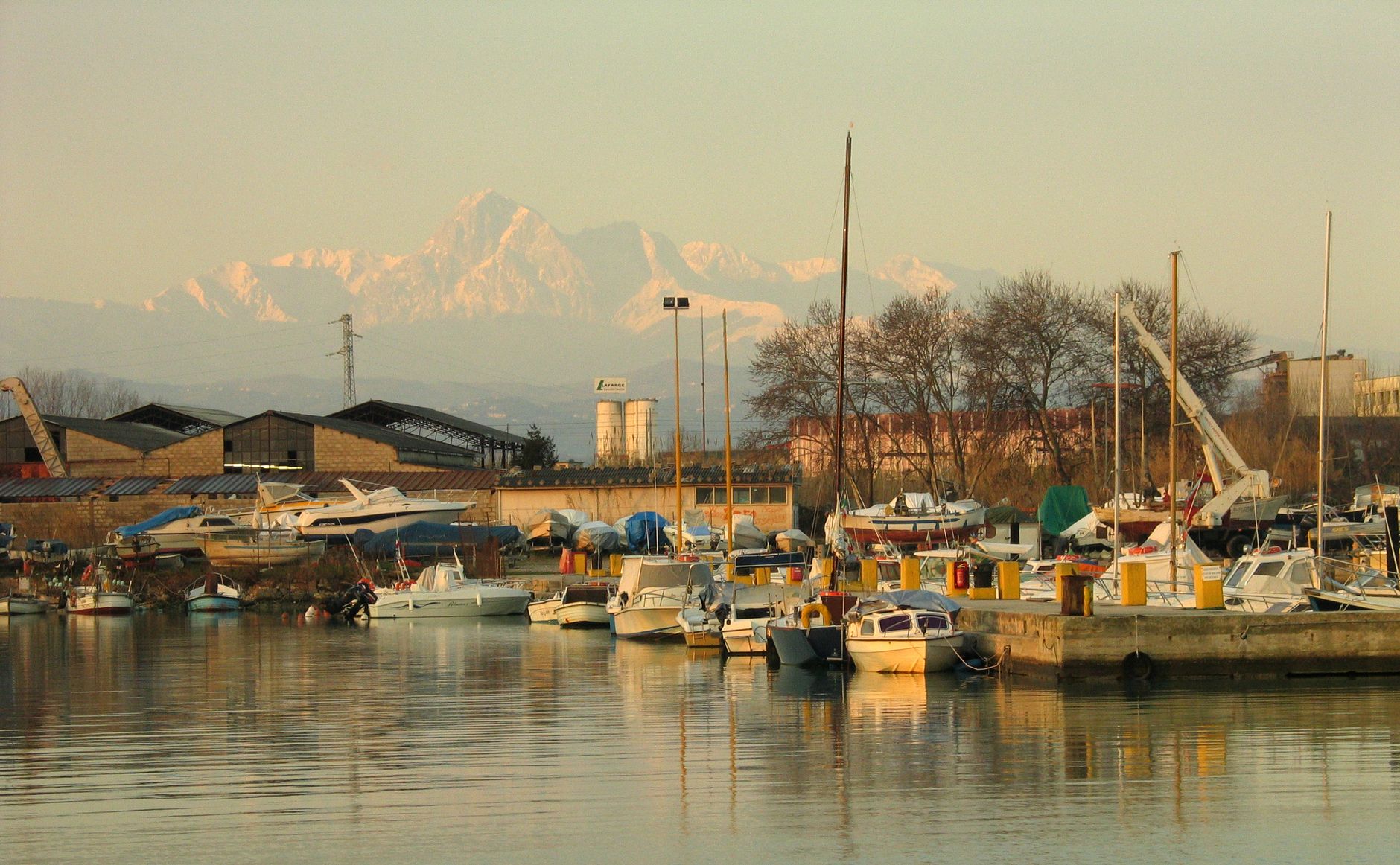
But there's more sediment here than beach umbrellas suggest. On the hill at 71 metres above sea level, a medieval castle built by the Agolanti family between 1324 and 1343 still stands, restored and open. Down by the water, a 1926 fishing launch called the Saviolina sits moored in the port, protected by the Ministry of Cultural Heritage since 1998.
💛 What travellers fall for
People who keep coming back tend to mention the same morning: walking Viale Ceccarini before the shops open, when it belongs entirely to cyclists and café staff setting out chairs. They also point to Villa Franceschi — the Art Nouveau seaside residence that now holds the Gallery of Modern and Contemporary Art — as the town's quietest, most rewarding hour.
Experiences you don't want to miss



Deals in Riccione
Book directly at the provider

How Riccione came to be
Roman settlement under the name Arcioni dates to around the 2nd century BC, though human presence here reaches back to the Neolithic. The Agolanti family, Florentine in origin, arrived in 1260 and built the castle that still crowns the hill. Real transformation came after the railway arrived in 1861, and then accelerated sharply: by 1885, twelve villas stood along Viale Viola; by 1895, the first state beach concessions had been granted. Riccione became its own municipality only in 1922, separating from Rimini.
The 1916 earthquakes centred on Rimini razed roughly 80 percent of Riccione's buildings — which explains why so much of what you see today dates from the interwar years. The Grand Hotel Riccione opened in 1929, designed by Rutilio Ceccolini in Liberty style; the Palazzo del Turismo followed in 1938, clad in white travertine. By 1933 the town counted 1,300 villas and 84 hotels, drawing 30,000 tourists a year. Mussolini's wife Rachele acquired a seaside villa in 1934 and the family returned there for the next two decades.
Who and what shaped it
People who shaped it
Landmark buildings
See Riccione in motion
Plan your visit
On the map
When to go
Summers are warm and sunny with sea breezes keeping the heat manageable on the beach; expect highs around 28–30°C in July and August. Spring and early autumn are mild and clear — ideal for walking — while winters are cool, quiet and occasionally foggy off the Adriatic.
Right now
Background & history adapted from Wikipedia (CC BY-SA) · specs from Wikidata (CC0) · weather from Open-Meteo · map data © OpenStreetMap contributors · photos from Wikimedia Commons / Unsplash with per-image credit. No third-party reviews or social posts reproduced.