
Umbria
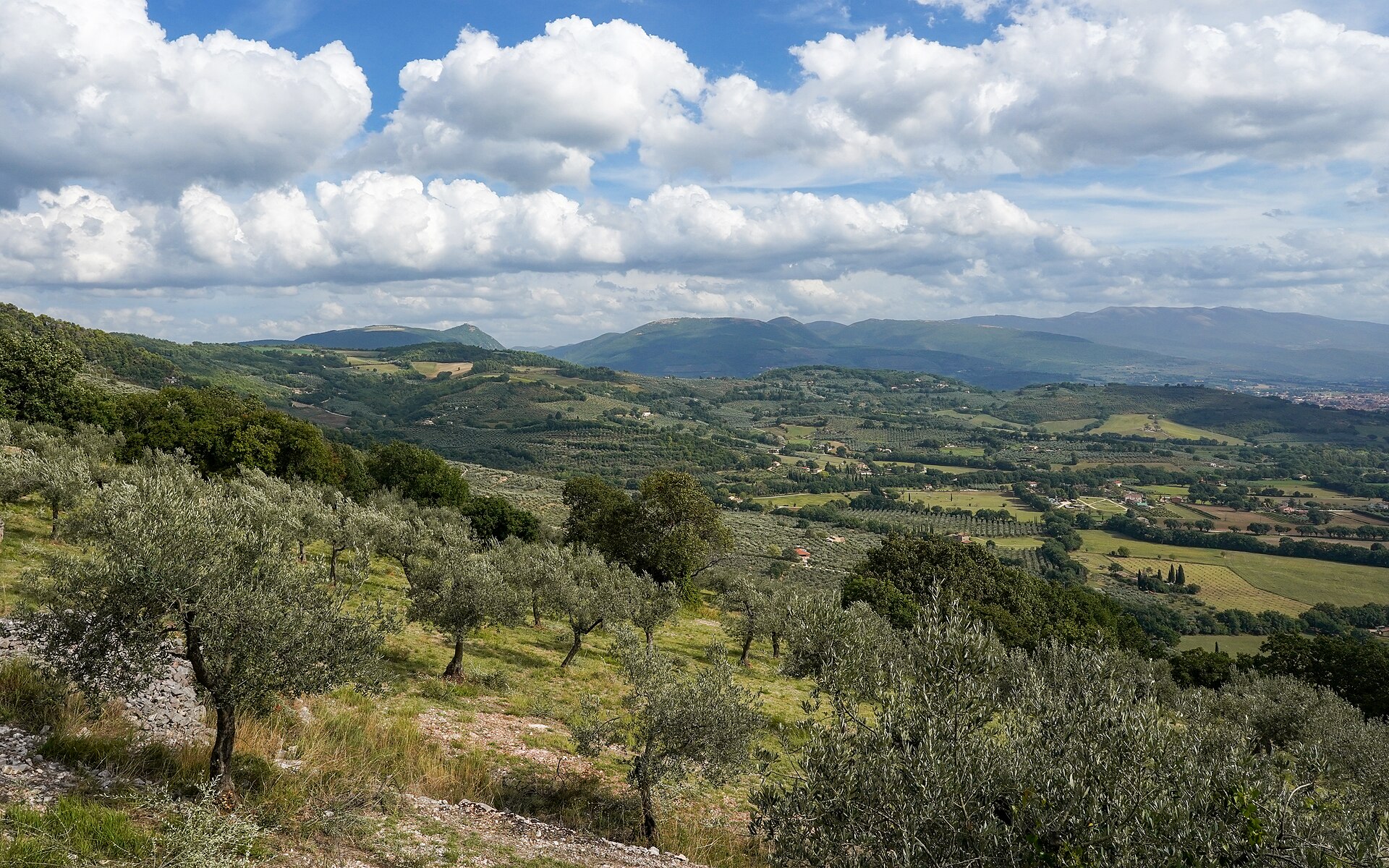
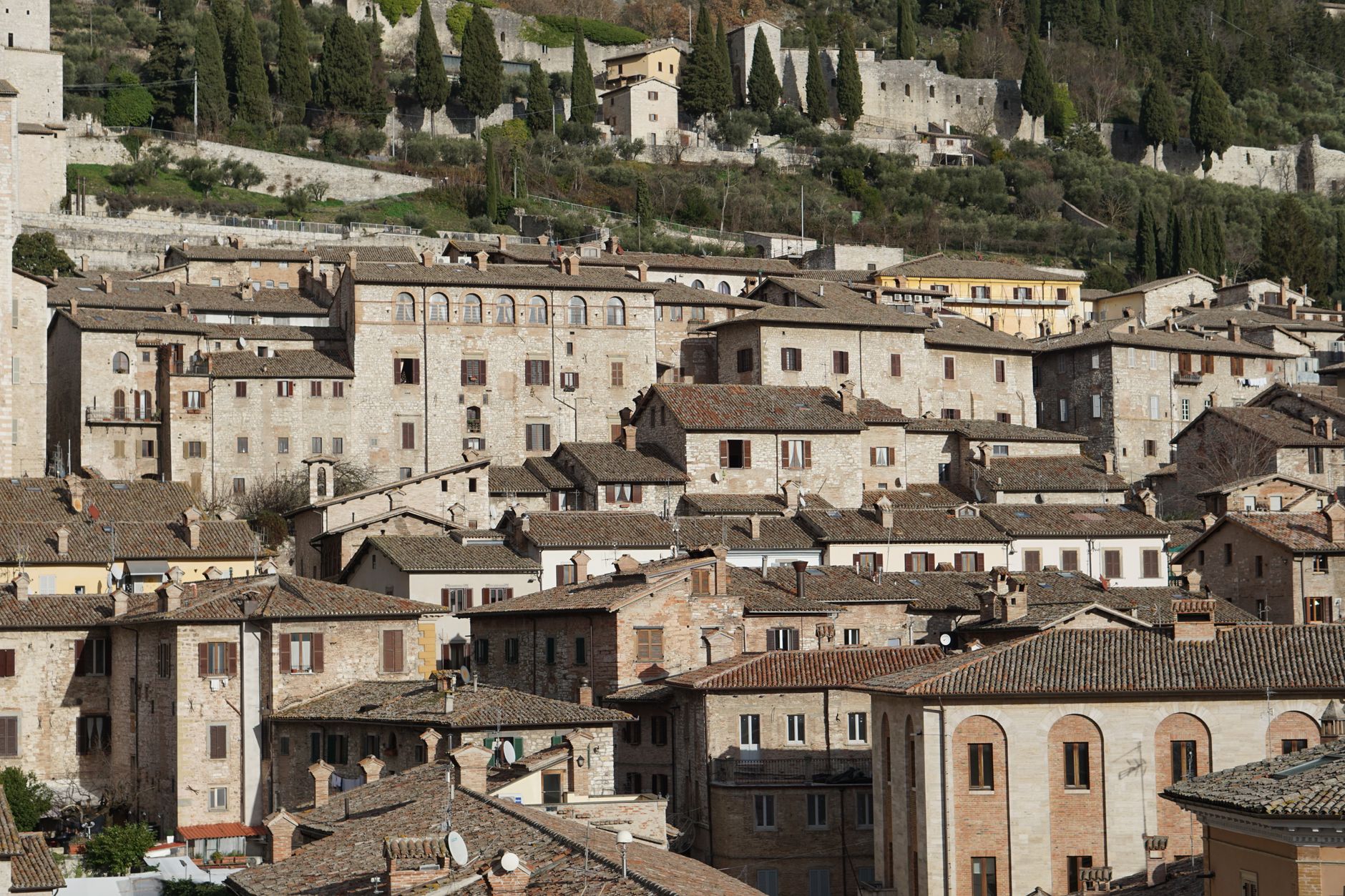
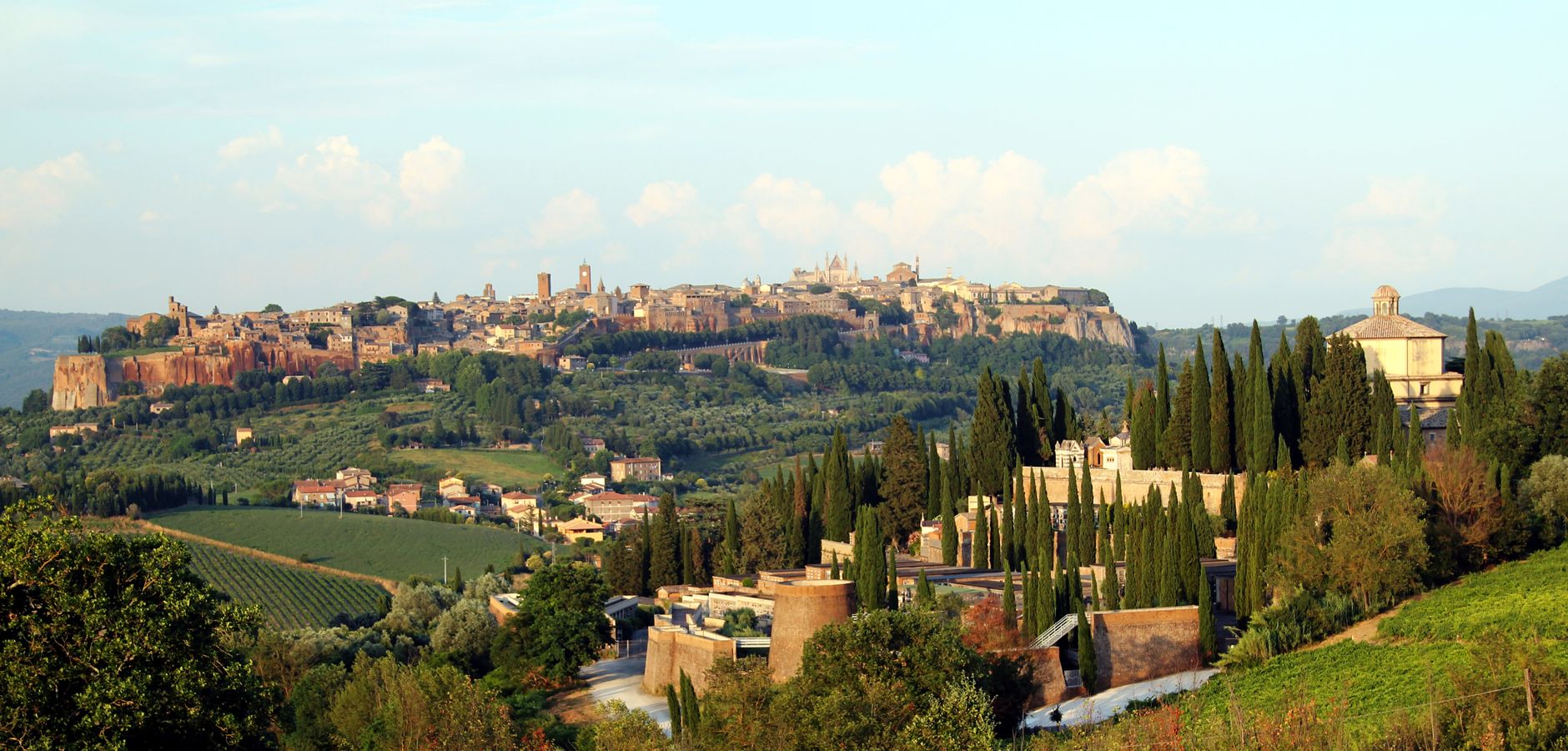
Umbria is the only landlocked region in central Italy, and that insularity shows — in the best way. The hill towns here feel less rehearsed than their Tuscan neighbours, the light falls differently on stone that hasn't been polished for mass tourism, and the landscape of oak woods and river valleys moves at its own pace.
This is the region that produced St. Francis of Assisi, trained Raphael, and gave the world some of the most consequential early Renaissance frescoes outside Florence. Perugia, the capital, anchors the north; Assisi, Spoleto, Gubbio, and Orvieto each hold their own gravitational pull. A week here barely scratches the surface.
Popular cities in Umbria
Experiences you don't want to miss


How Umbria came to be
The Umbri, an ancient Italic people, gave the region its name and settled here around the 6th century BC before being gradually absorbed into Roman territory between the 4th and 2nd centuries BC. After Rome's decline, the Lombards established the Duchy of Spoleto in the 6th century — a political entity that lasted into the 13th century. The papacy then held Umbria for centuries, interrupted only by Napoleon, until 1860 when Piedmontese forces under Victor Emmanuel II annexed the region during the Risorgimento. Umbria formally joined the Kingdom of Italy the following year.
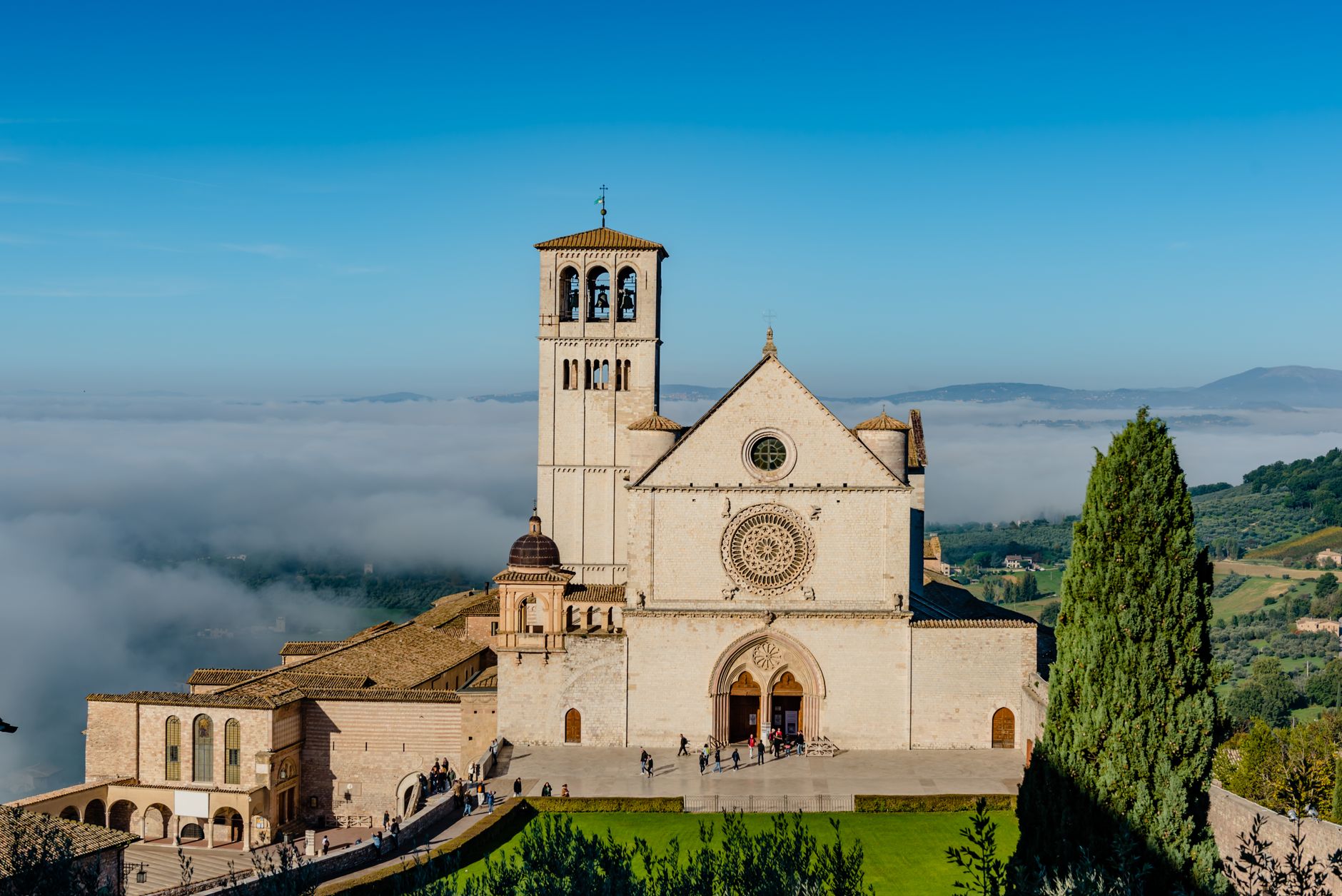
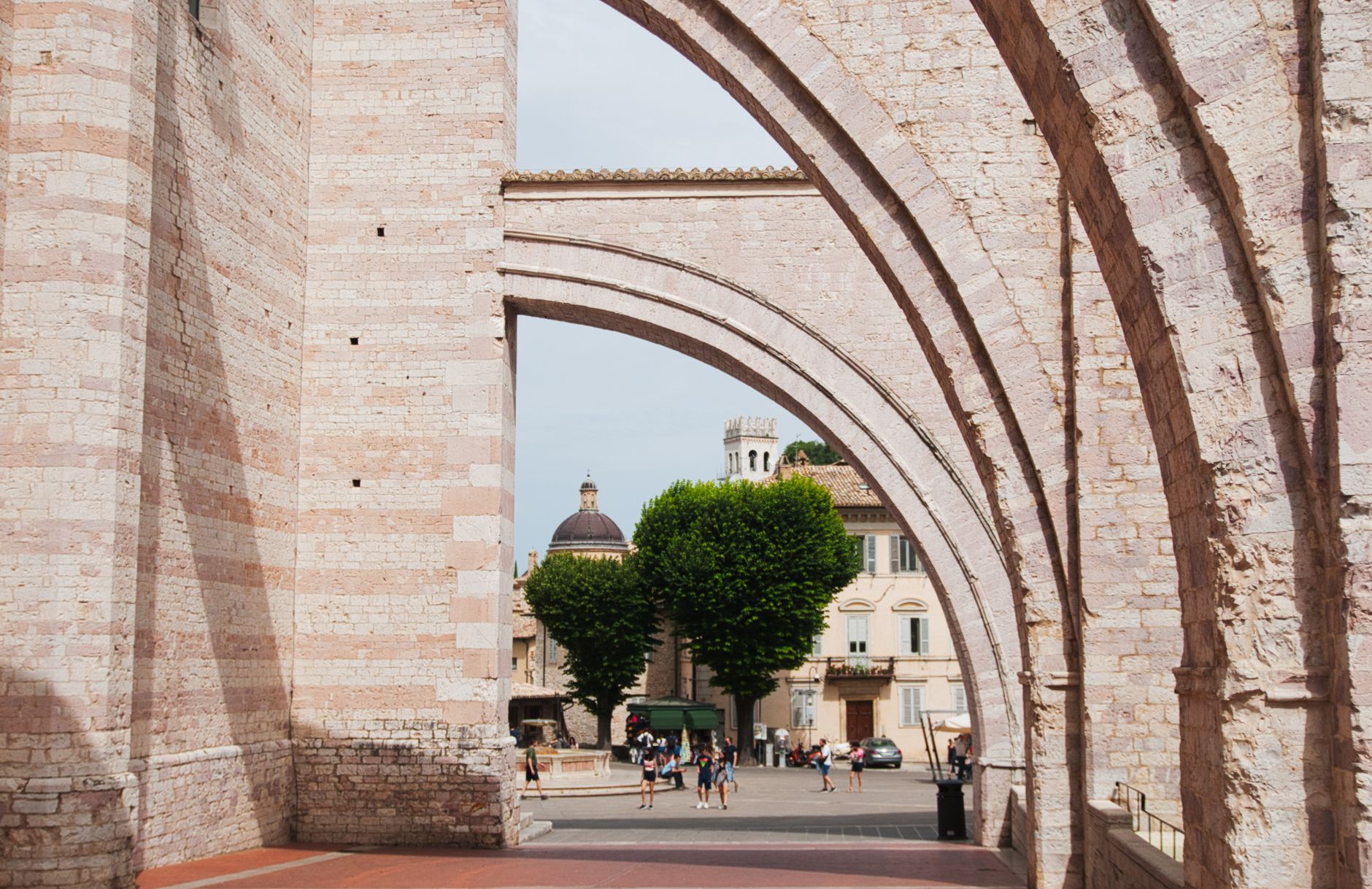
The region's cultural weight accumulated steadily through the medieval and Renaissance periods. Perugino, born at Città della Pieve, left frescoes in Perugia's Sala del Cambio and likely taught Raphael. Luca Signorelli's apocalyptic frescoes in Orvieto's cathedral are widely considered a direct influence on Michelangelo's Sistine Chapel ceiling. The Basilica di San Francesco in Assisi, begun in 1228, became one of the great repositories of early Renaissance painting in Italy.
Who and what shaped it
People who shaped it
Landmark buildings
See Umbria in motion
Plan your visit
On the map
When to go
Spring and autumn bring mild temperatures and green or golden landscapes — the most comfortable seasons for walking between hill towns. Summers are warm and dry, occasionally hot in July and August; winters are cold and sometimes foggy in the valleys, with snow possible on higher ground.
Right now
↡ Cities
No places match these filters.
Background & history adapted from Wikipedia (CC BY-SA) · specs from Wikidata (CC0) · weather from Open-Meteo · map data © OpenStreetMap contributors · photos from Wikimedia Commons / Unsplash with per-image credit. No third-party reviews or social posts reproduced.