
Perugia
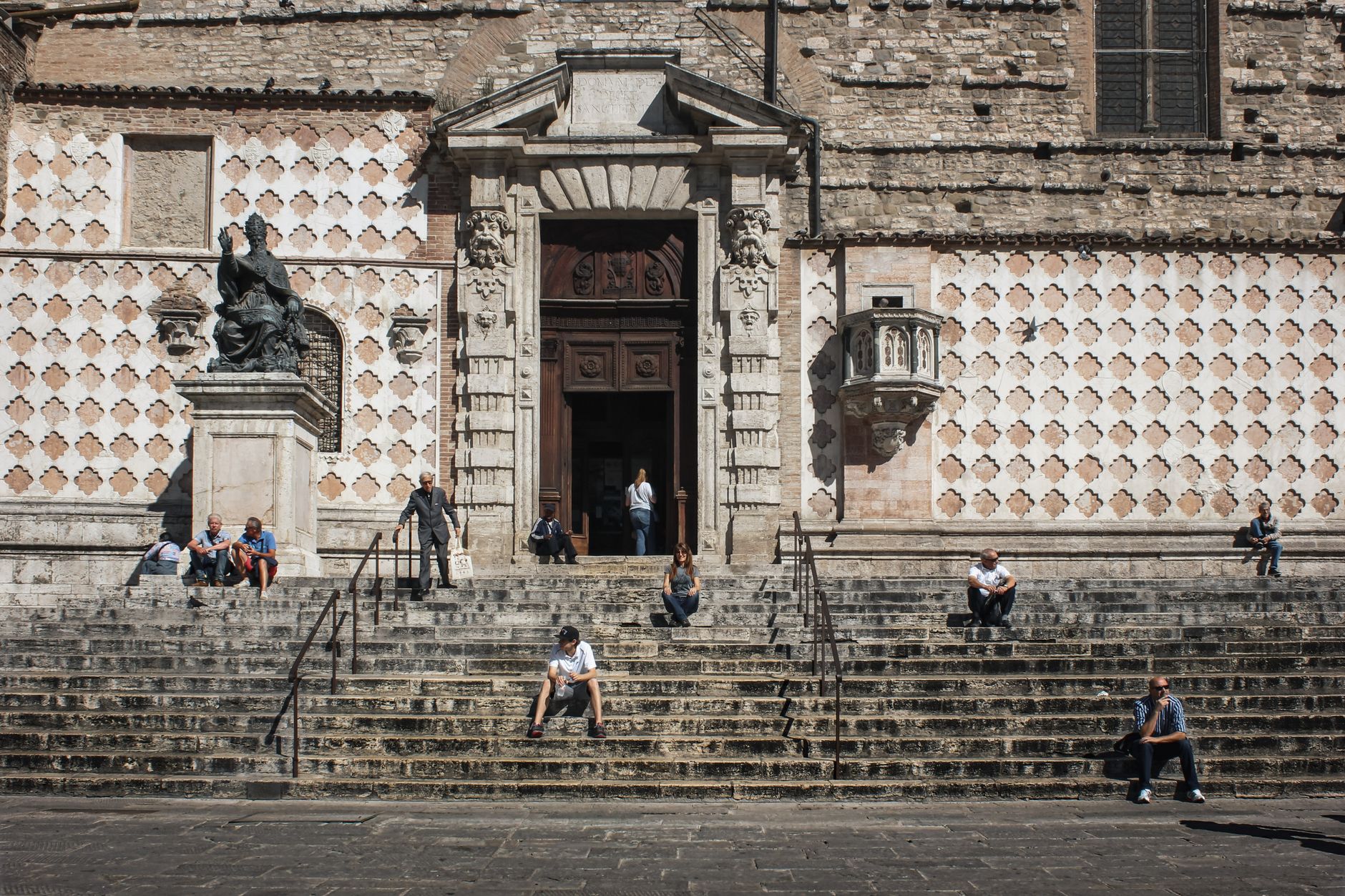
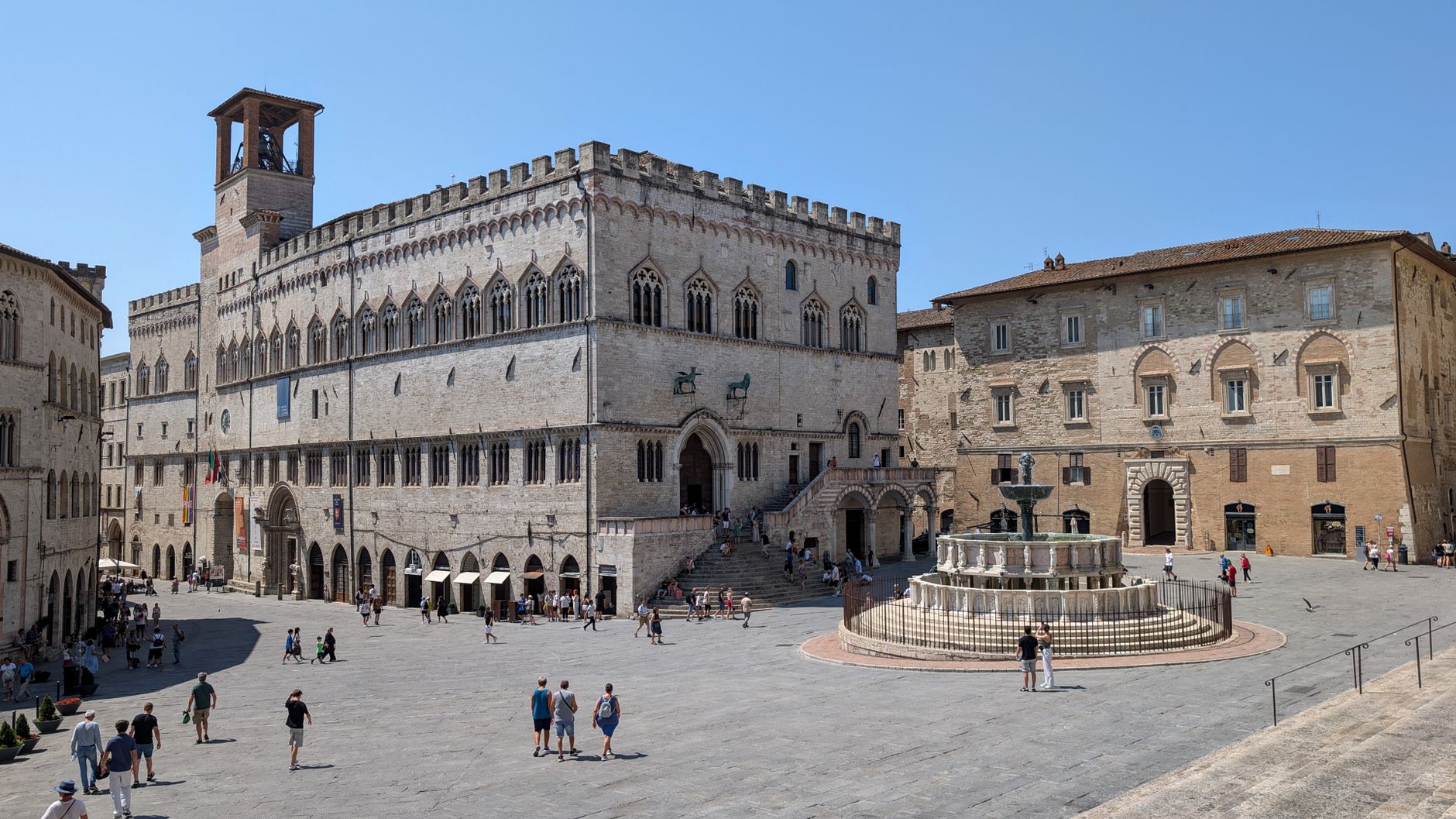
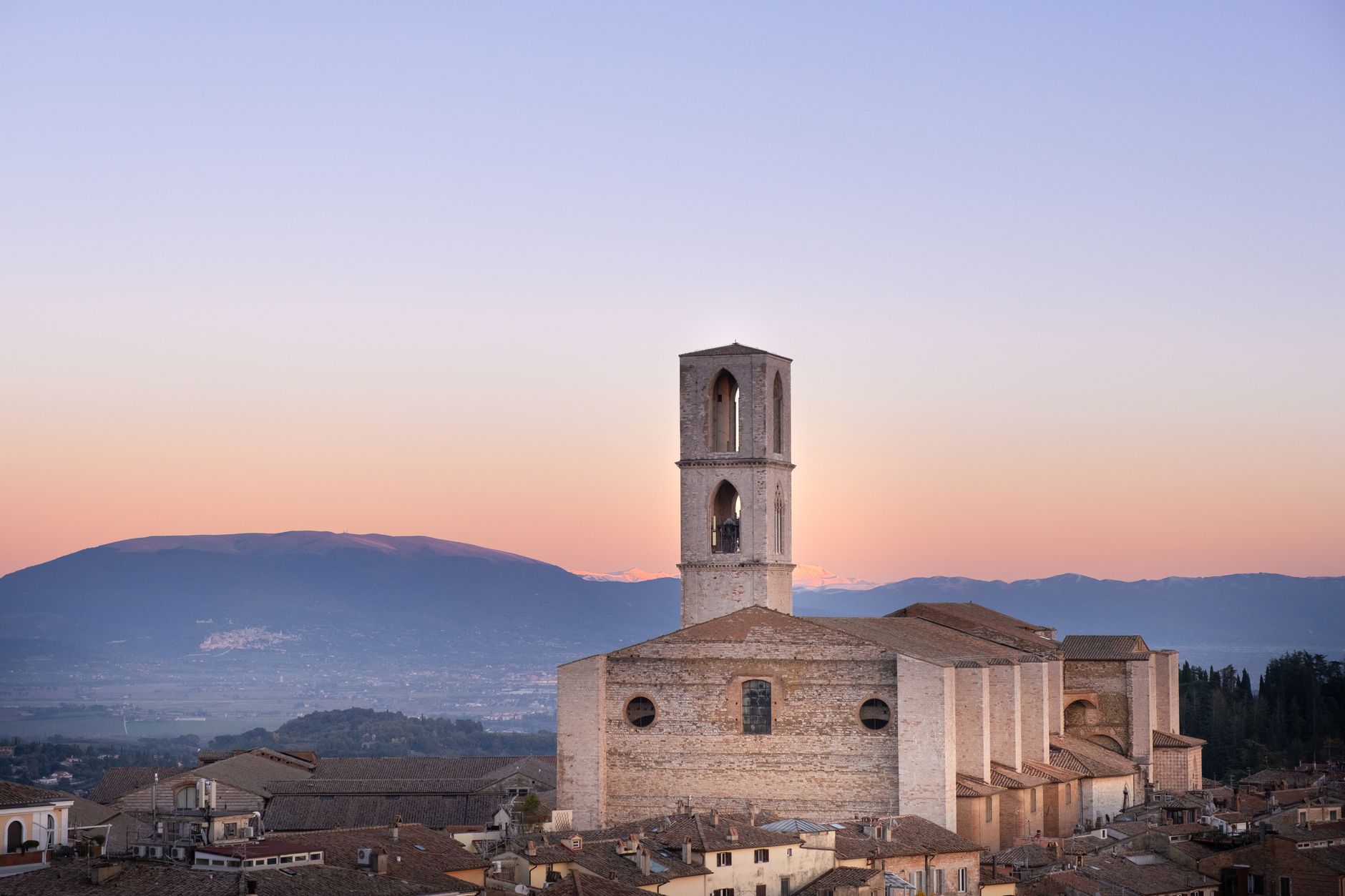
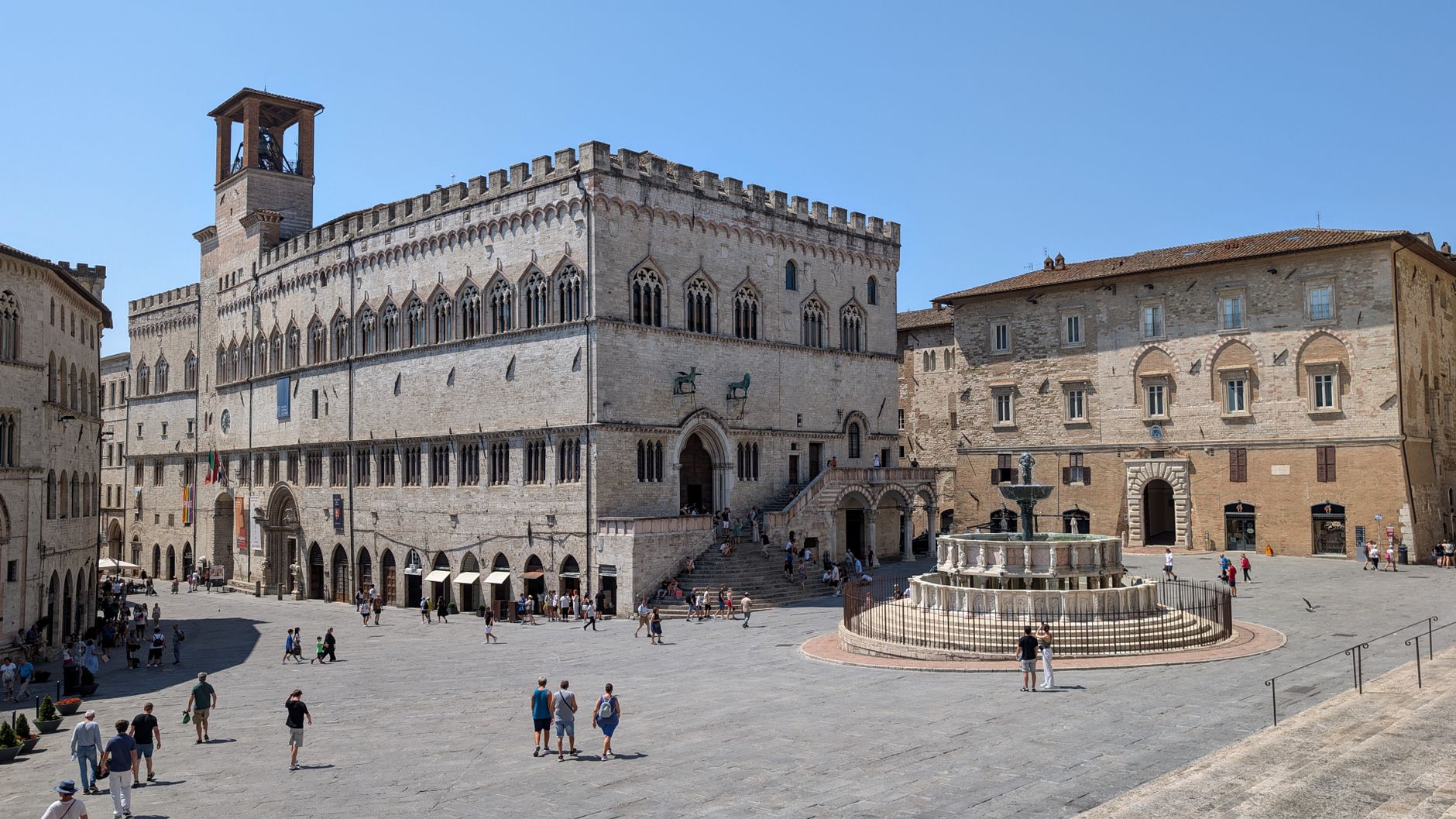
Perugia sits on a ridge above the Umbrian plain, its Etruscan bones still visible in the stone arch at the northern gate — an arch old enough that Octavian had his name carved into it after rebuilding the city he'd just besieged. The medieval core runs along a single long spine, Corso Vannucci, which ends at the Fontana Maggiore: two marble polygonal basins carved by Nicola and Giovanni Pisano in the 1270s, their panels cycling through the months, the zodiac, and the liberal arts.
This is a university city, which means it stays alive after dark and keeps its prices honest. The Palazzo dei Priori — 150 years in the building, finished in 1443 — holds the National Gallery of Umbria across 40 rooms, including eight paintings by the city's own Pietro Perugino. The chocolates, the frescoes, and the Etruscan walls are all within ten minutes of each other.
💛 What travellers fall for
People who return tend to go straight to the Collegio del Cambio — Perugino's frescoes in the old money-changers' hall, painted between 1452 and 1457, are easier to see on a second visit when you're not also trying to find the place. Late afternoon, almost no one else is there.
Experiences you don't want to miss



Deals in Perugia
Book directly at the provider
How Perugia came to be
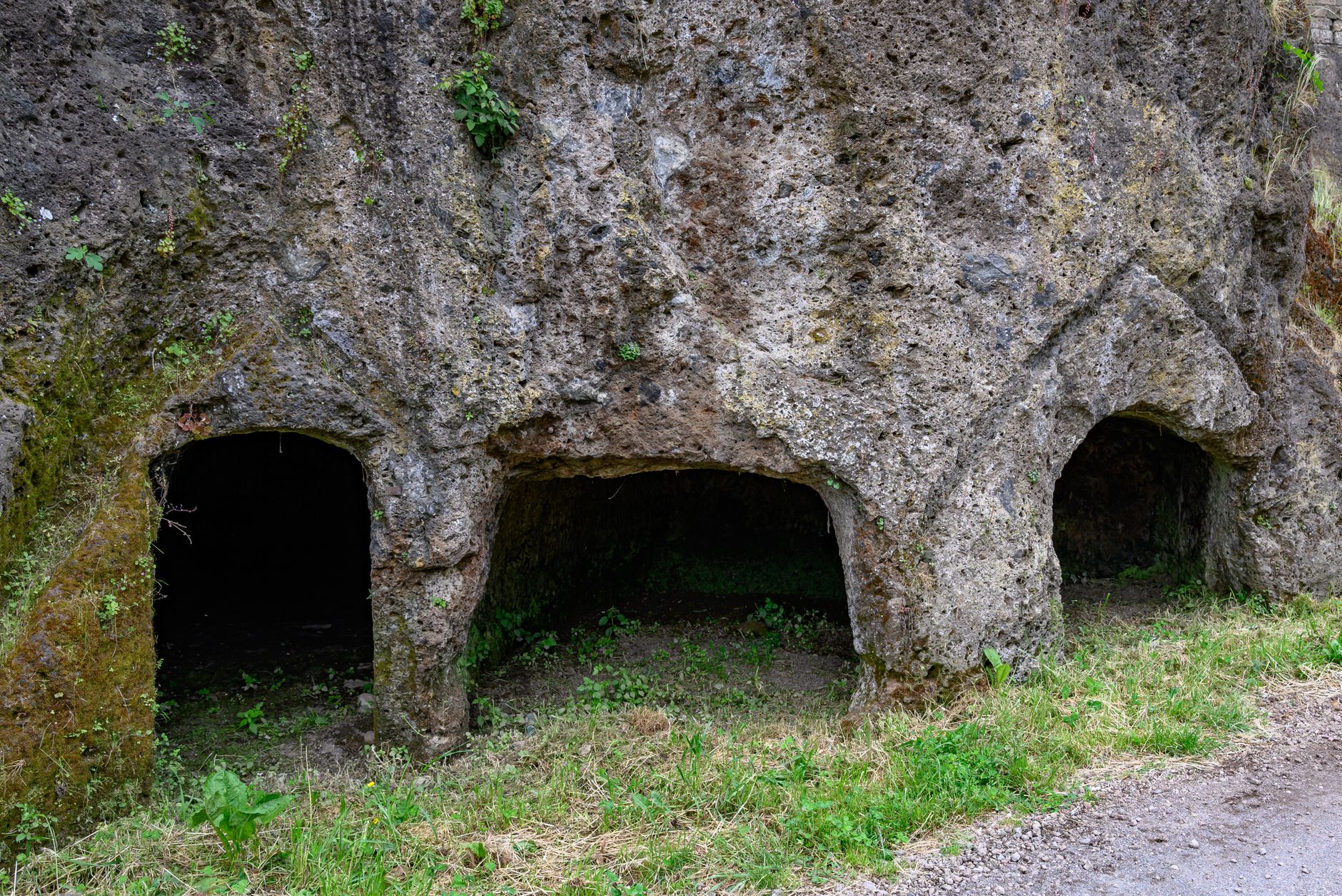
The Etruscans founded the city around the sixth century BC, and Perugia was already one of the twelve cities of the Etruscan Confederation when it first appears in written Roman sources — in an account of a military campaign in 310 or 309 BC. It sided with Rome through the Second Punic War, then found itself on the wrong side of a civil conflict in 41–40 BC, when Lucius Antonius took refuge here and was defeated by Octavian after a siege that ended with the city's senators executed. Octavian rebuilt it and left his name on the stonework.
The medieval centuries were combative: the commune fought Foligno, Assisi, Spoleto, Todi, Siena, and Arezzo at various points, caught between Guelf loyalty to the papacy and the ambitions of local strongmen. The condottiere Braccio Fortebraccio took the city in 1416; the Oddi and Baglioni families contested it after him. It became a formal papal possession in 1540, joined the Risorgimento in 1859, and entered unified Italy the following year.
Who and what shaped it
People who shaped it
Landmark buildings
See Perugia in motion
Plan your visit
On the map
When to go
Summers on the ridge are warm but rarely as punishing as the valley below; winters are cold and occasionally foggy. April through June and September through October give you mild days and the best light on the pale stone.
Right now
Background & history adapted from Wikipedia (CC BY-SA) · specs from Wikidata (CC0) · weather from Open-Meteo · map data © OpenStreetMap contributors · photos from Wikimedia Commons / Unsplash with per-image credit. No third-party reviews or social posts reproduced.