
Città di Castello
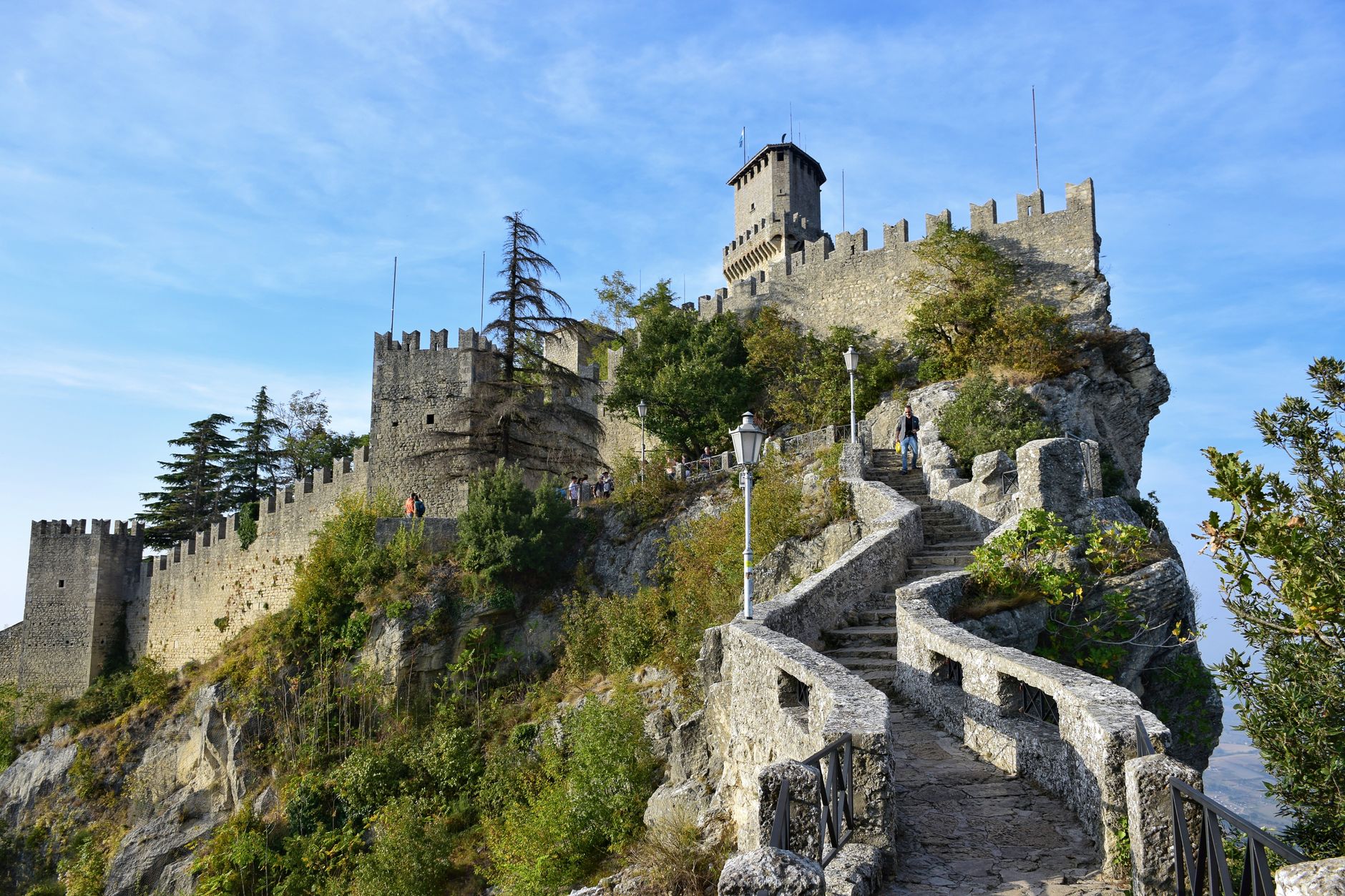
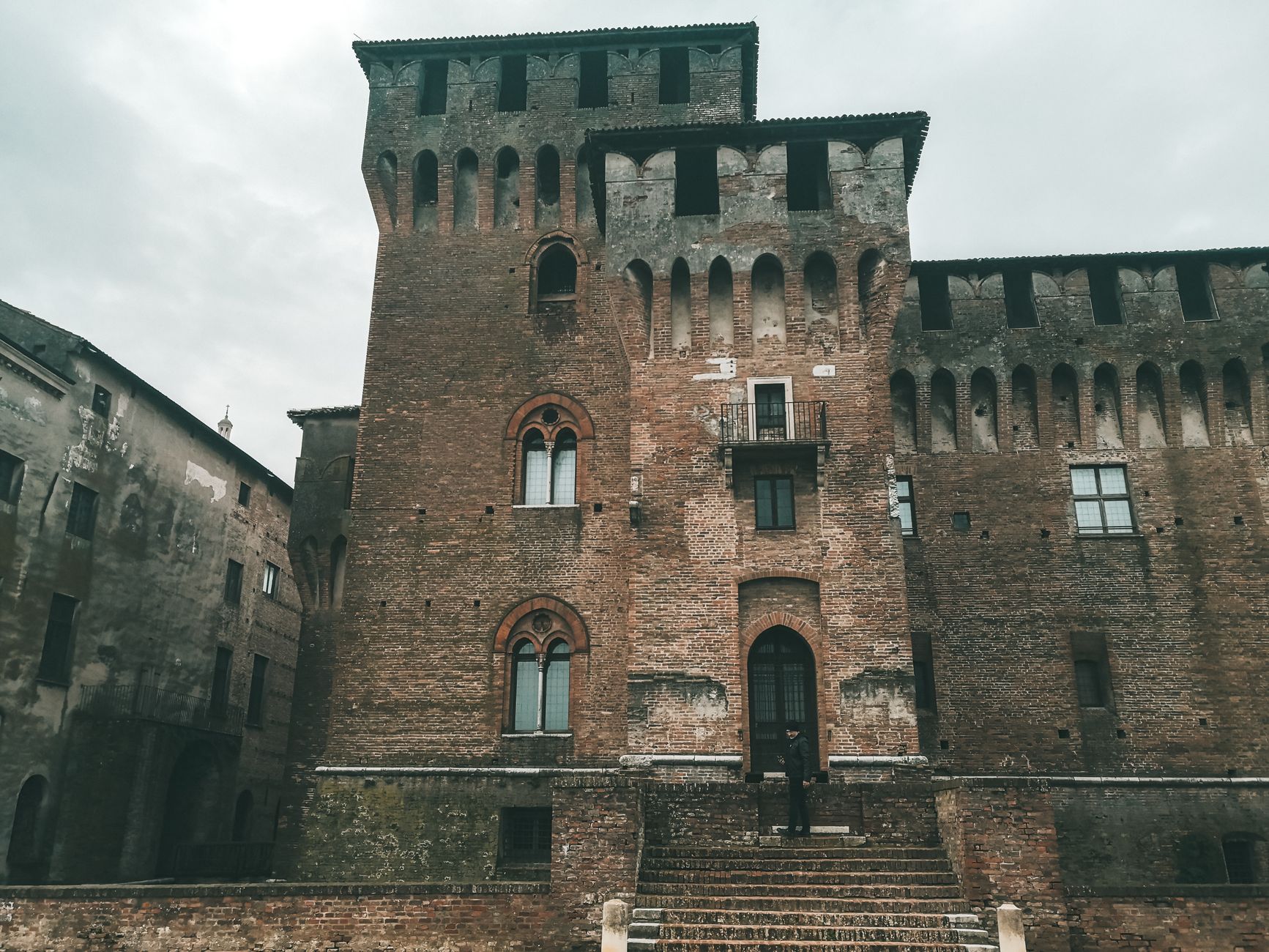
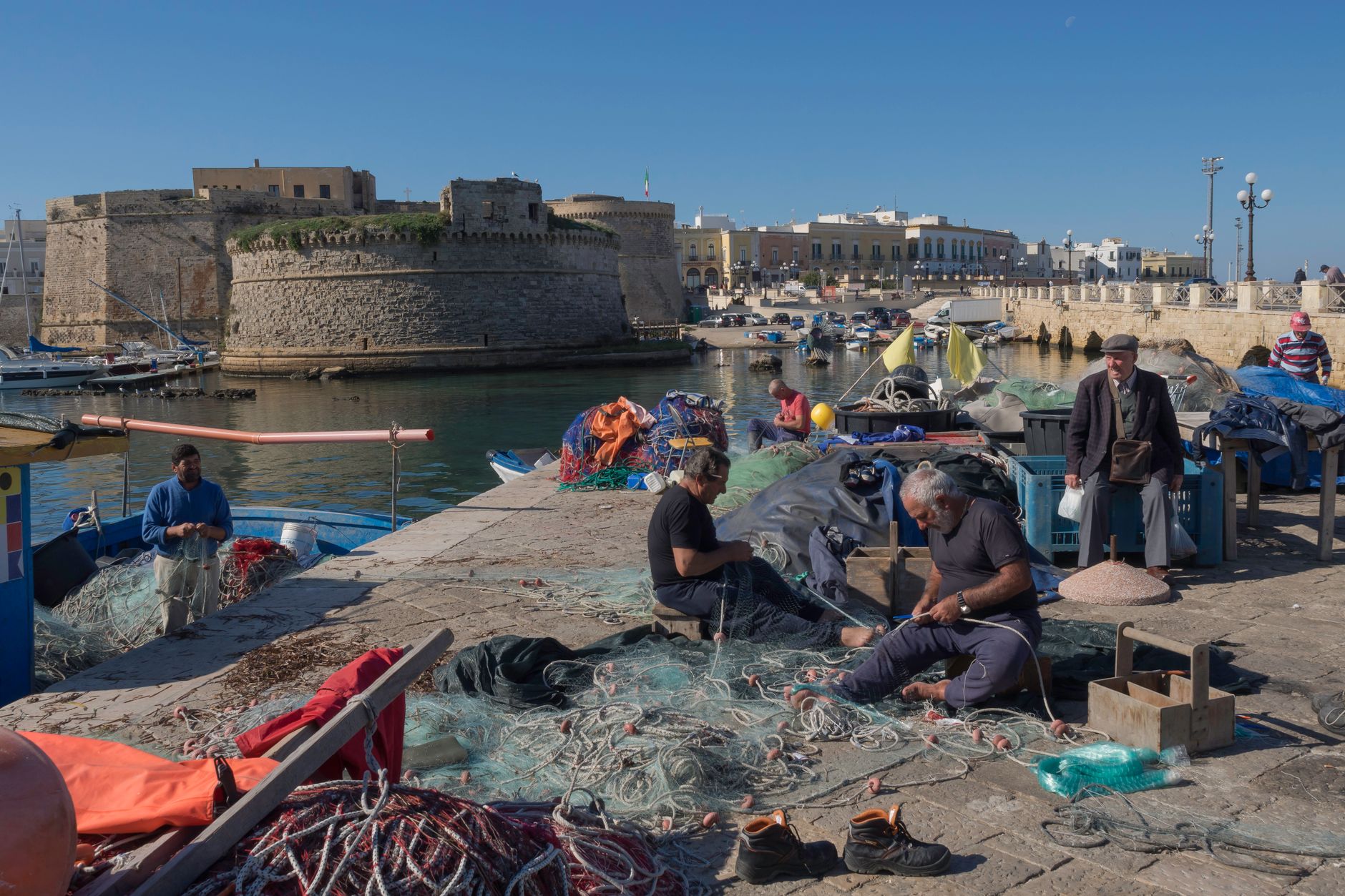
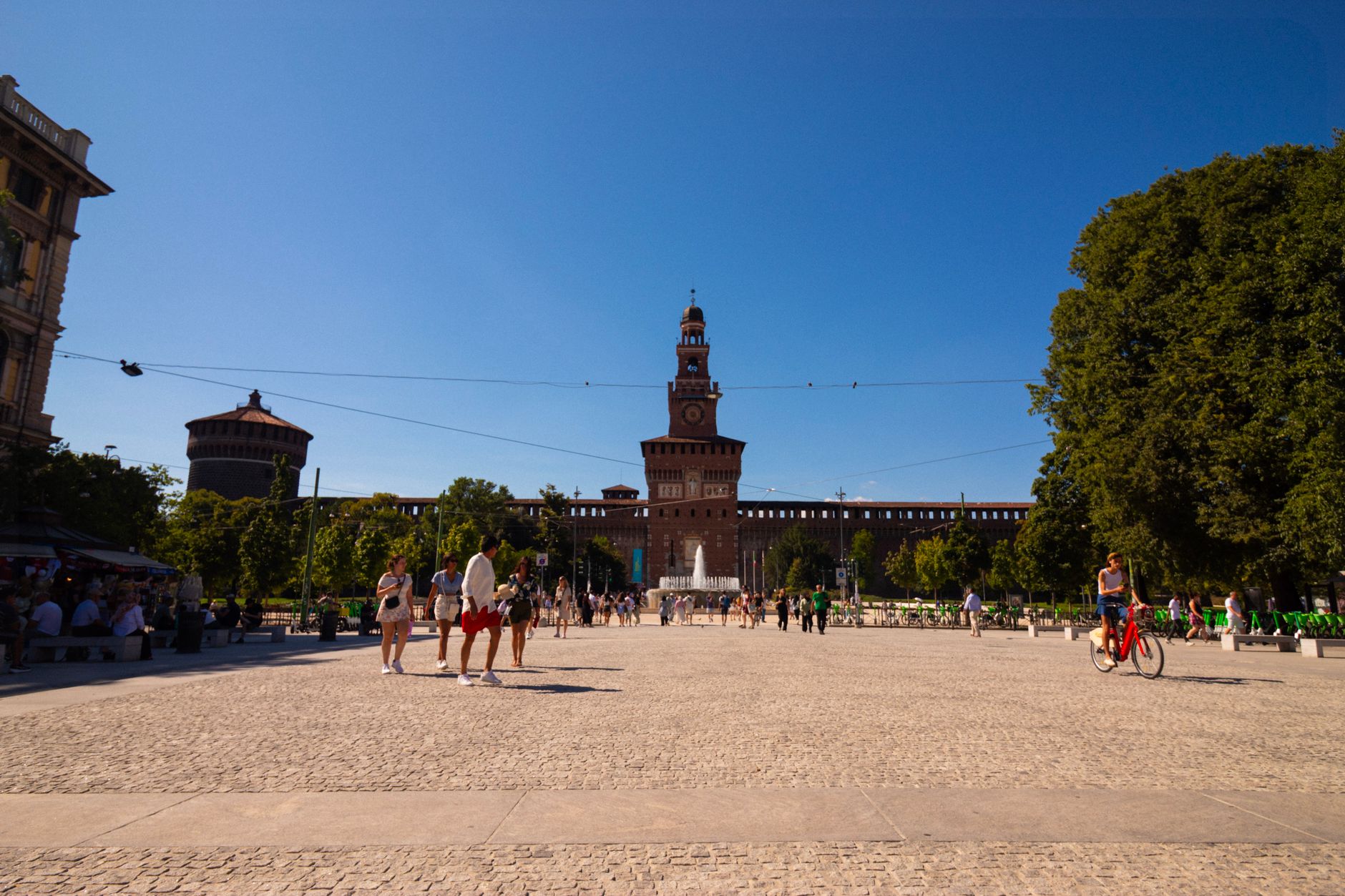
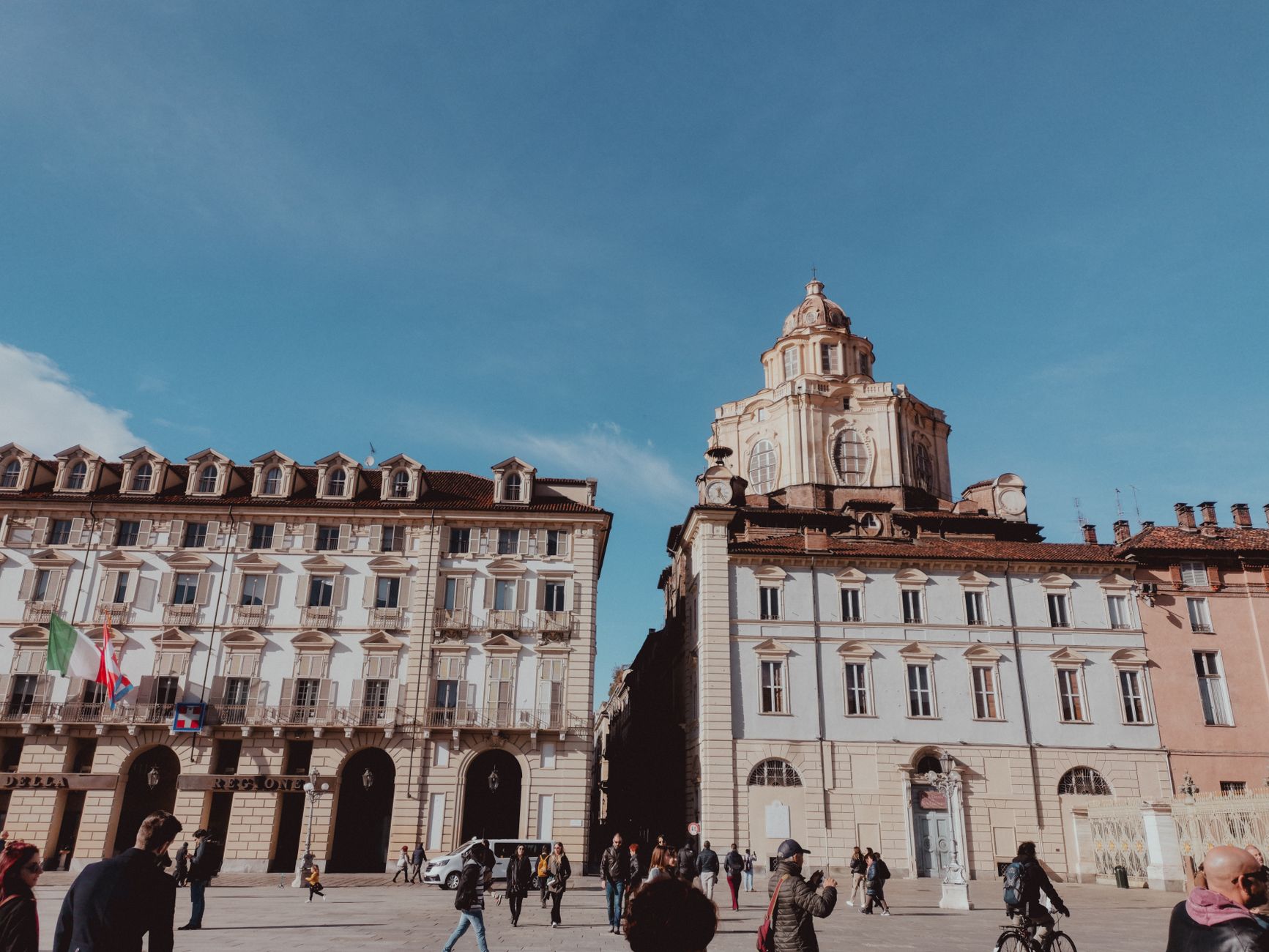
Città di Castello sits in the upper Tiber valley where Umbria quietly edges toward Tuscany, and its centre still follows the Roman street grid of Tifernum Tiberinum — a name Pliny the Younger used when writing home from his nearby villa. The town he called beautiful and of which he was self-appointed patron has not entirely changed its character since.
What draws people here now, beyond the medieval piazzas and the Palazzo Vitelli's sgraffito facade, is Alberto Burri — the local doctor who started painting in a Texas prisoner-of-war camp in 1944 and became one of the defining figures of postwar art. Two of his own collections are housed here, in buildings he personally arranged.
💛 What travellers fall for
People who come back tend to make straight for the Palazzo Albizzini before the tour groups arrive — the rooms are small and the Burri works are hung close, so you get them almost privately in the morning light. The Tipografia Grifani Donati, still printing on 19th-century presses around the corner, is worth an unscheduled half-hour if the door is open.
Experiences you don't want to miss




Deals in Città di Castello
Book directly at the provider


How Città di Castello came to be
The Umbrians were here first, then Rome, which made the settlement a municipium called Tifernum Tiberinum on the left bank of the Tiber. Lombard raids damaged it in 601 AD, after which the town was refortified and renamed Castrum Felicitatis — Castle of Happiness — for the fertility of the surrounding land. By around the year 1000 it had become Città dei Castelli, a name referencing the cluster of smaller fortifications nearby.
The commune established genuine political independence in the 12th century. Its richest period came under the Vitelli family in the 15th and 16th centuries, whose patronage brought Ghirlandaio, Signorelli, Raphael, Rosso Fiorentino and Vasari to work here. The city then drifted into Papal State control until the French arrived in 1798, and it joined the Kingdom of Italy in 1860.
Who and what shaped it
People who shaped it
Landmark buildings
See Città di Castello in motion
Plan your visit
On the map
When to go
Summers in the upper Tiber valley are warm and occasionally humid, with July and August temperatures regularly above 30°C. Spring (April–May) and autumn (September–October) are cooler and more comfortable for walking the centre; winters are mild by Apennine standards but can bring fog to the valley floor.
Right now
Background & history adapted from Wikipedia (CC BY-SA) · specs from Wikidata (CC0) · weather from Open-Meteo · map data © OpenStreetMap contributors · photos from Wikimedia Commons / Unsplash with per-image credit. No third-party reviews or social posts reproduced.