
Foligno
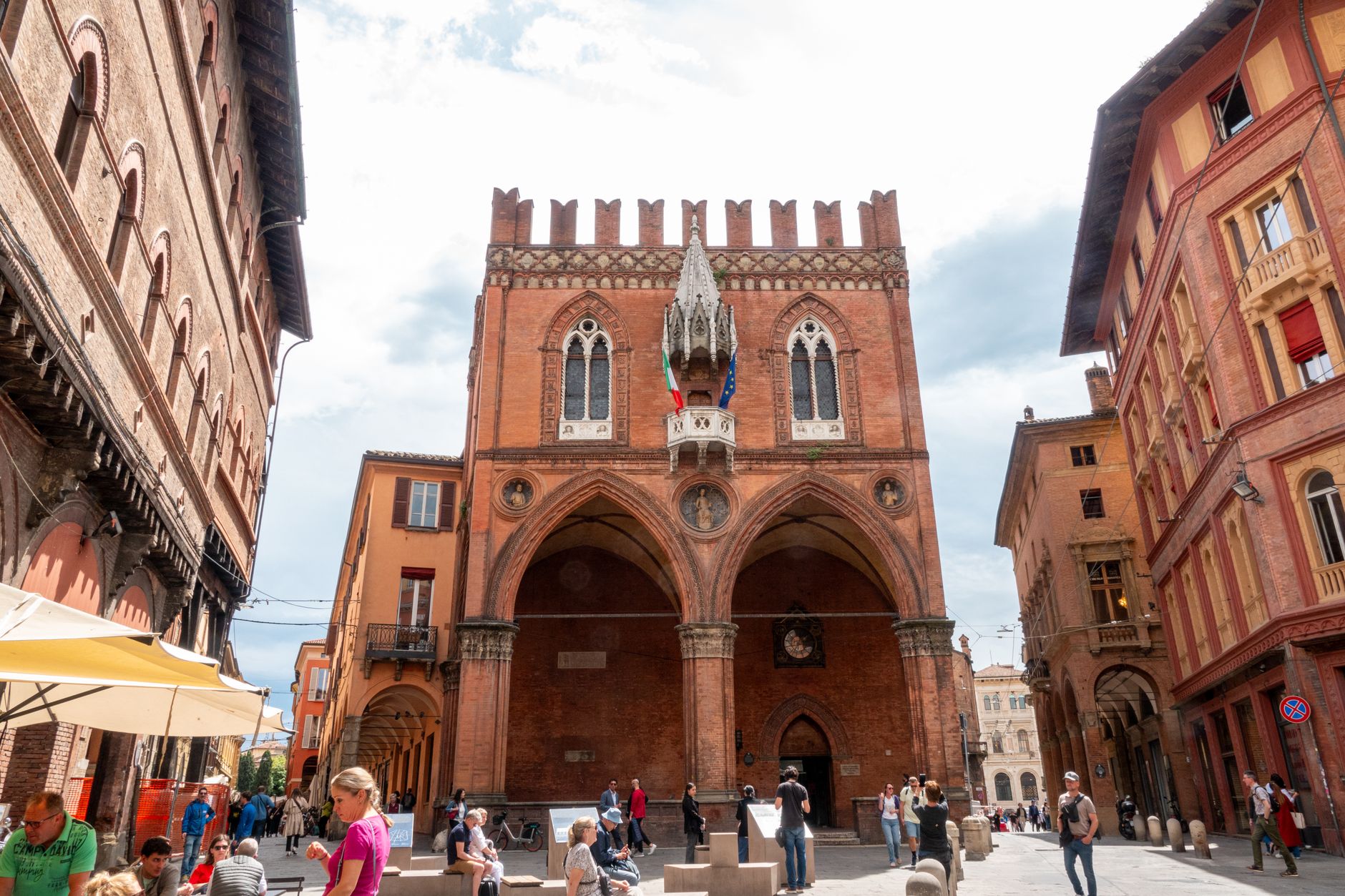
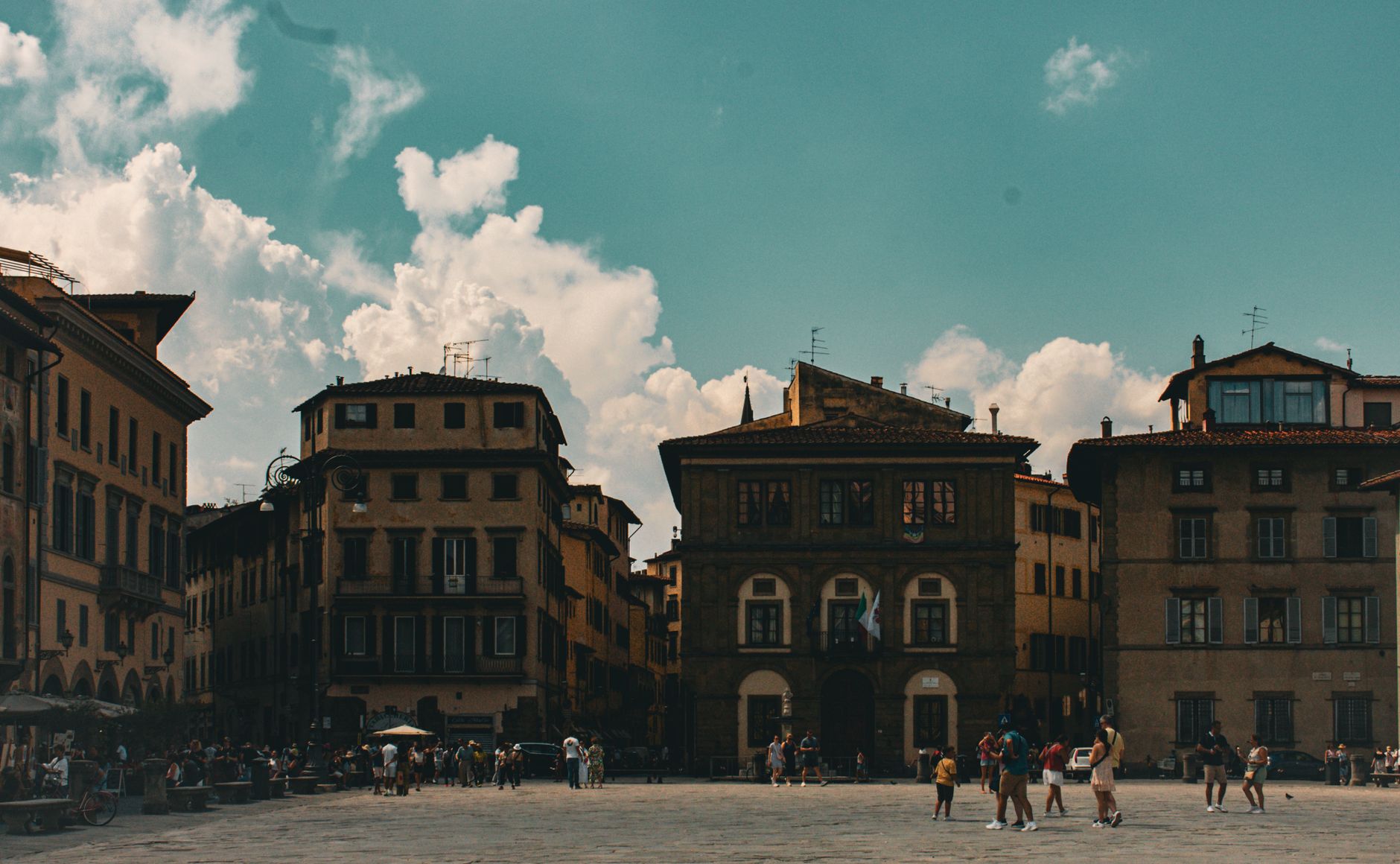
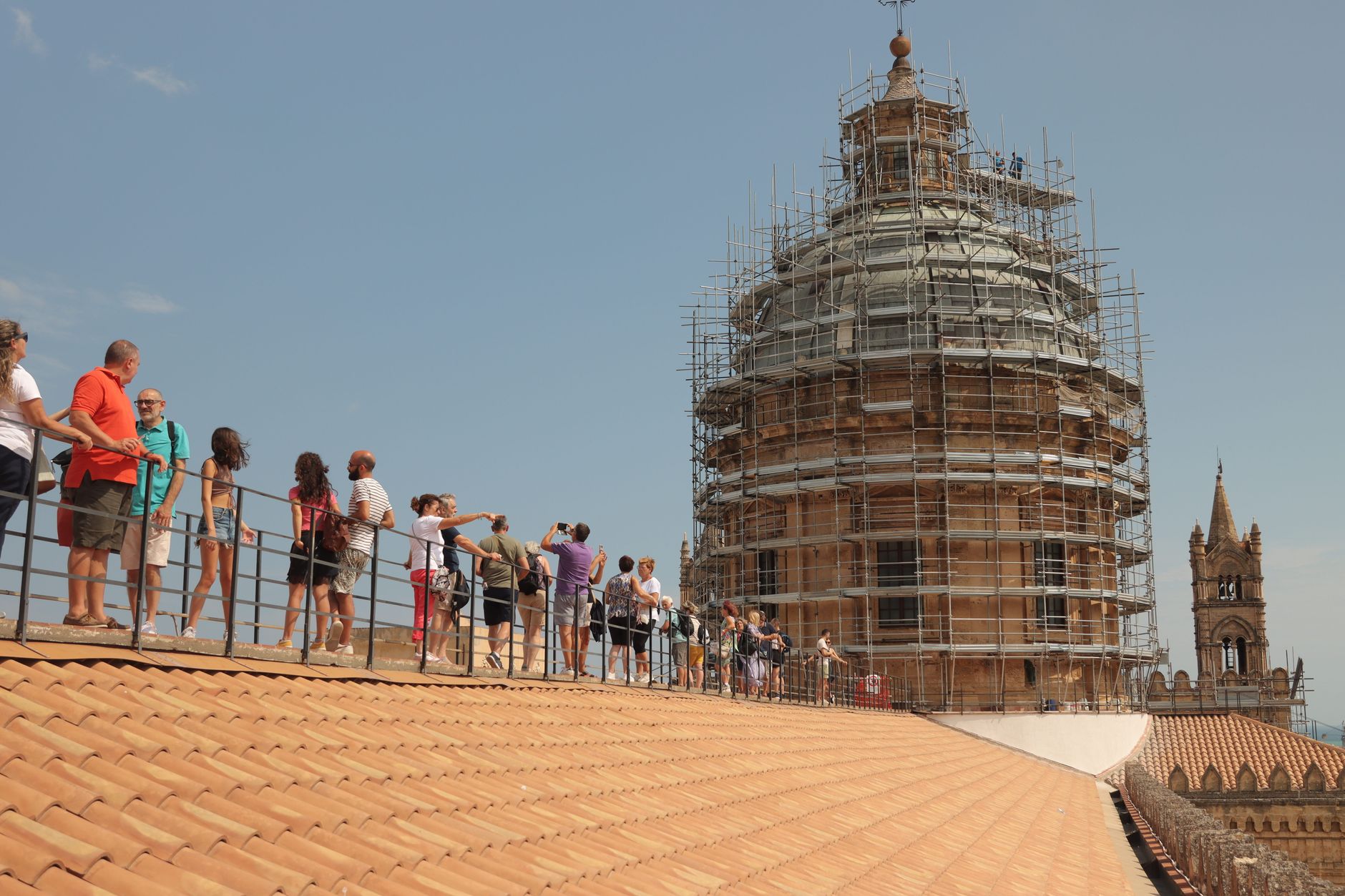
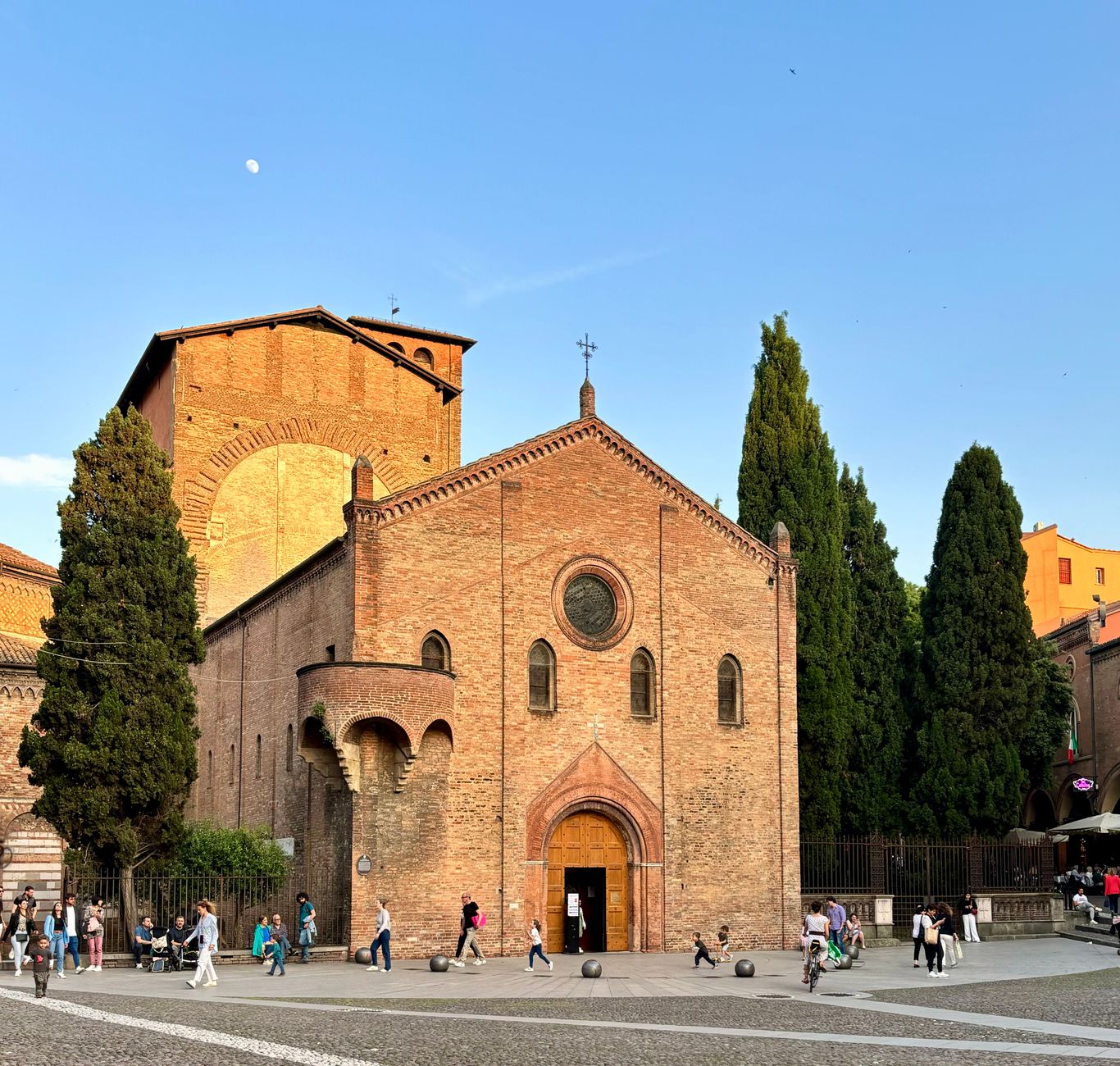
Foligno sits in the flat heart of the Umbrian valley, the Topino river running quietly past its edge, and it tends to catch people off guard. The other towns on this stretch of the Via Flaminia — Assisi, Spoleto, Perugia — get the crowds; Foligno gets the locals. What you find here is a working city with a serious medieval core: the twin-faced Cathedral of San Feliciano, a Palazzo Trinci full of early-15th-century frescoes attributed to Gentile da Fabriano, and a small oratory where a Perugino fresco waits in near-silence.
The city carries its history lightly. It was Roman Fulginium, then Lombard, then ruled by the Trinci family for over a century before the papacy arrived. It was bombed in WWII and badly shaken by the 1997 earthquake. The rebuilding shows, but so does everything that survived.
💛 What travellers fall for
People who come back tend to make straight for the Oratory of the Nunziatella — a single room, a Perugino Baptism of Christ on the wall, and almost no one else there. Then Palazzo Trinci, which holds far more than its modest entrance suggests. Save a morning for the market in Piazza della Repubblica and eat wherever the construction workers eat.
Experiences you don't want to miss


Deals in Foligno
Book directly at the provider

How Foligno came to be
The city's name traces back to Fulginia, an Umbrian goddess, and Roman Fulginium earned a mention in Cicero before its citizens joined the Social War against Rome in 91 BCE. It absorbed the usual sequence of late-antique disruptions — Alaric, Attila, Odoacer, Totila — before the Lombards folded it into the Duchy of Spoleto in 571. Rebuilding gathered pace in the mid-8th century, and by the 12th the city was expanding outward around a Benedictine church.
The Trinci family took power in 1305 and held it for well over a century, commissioning the palazzo that still bears their name. In 1439, Cardinal Vitelleschi besieged the city for the papacy, ending the Trinci era. Foligno then remained in the Papal States until Italian unification in 1860 — interrupted only briefly by Napoleon. In 1470, the Palazzo Orfini became the site of Italy's first printed edition of the Divine Comedy, produced by Johannes Numeister under the patronage of Emiliano degli Orfini.
Who and what shaped it
People who shaped it
Landmark buildings
See Foligno in motion
Plan your visit
On the map
When to go
Summers in the Umbrian valley are warm and can be humid; the surrounding hills offer no coastal breeze. Spring and October bring mild temperatures and clear light. Winter is cold and occasionally foggy on the valley floor, but the city empties of tourists entirely.
Right now
Background & history adapted from Wikipedia (CC BY-SA) · specs from Wikidata (CC0) · weather from Open-Meteo · map data © OpenStreetMap contributors · photos from Wikimedia Commons / Unsplash with per-image credit. No third-party reviews or social posts reproduced.