
Spello
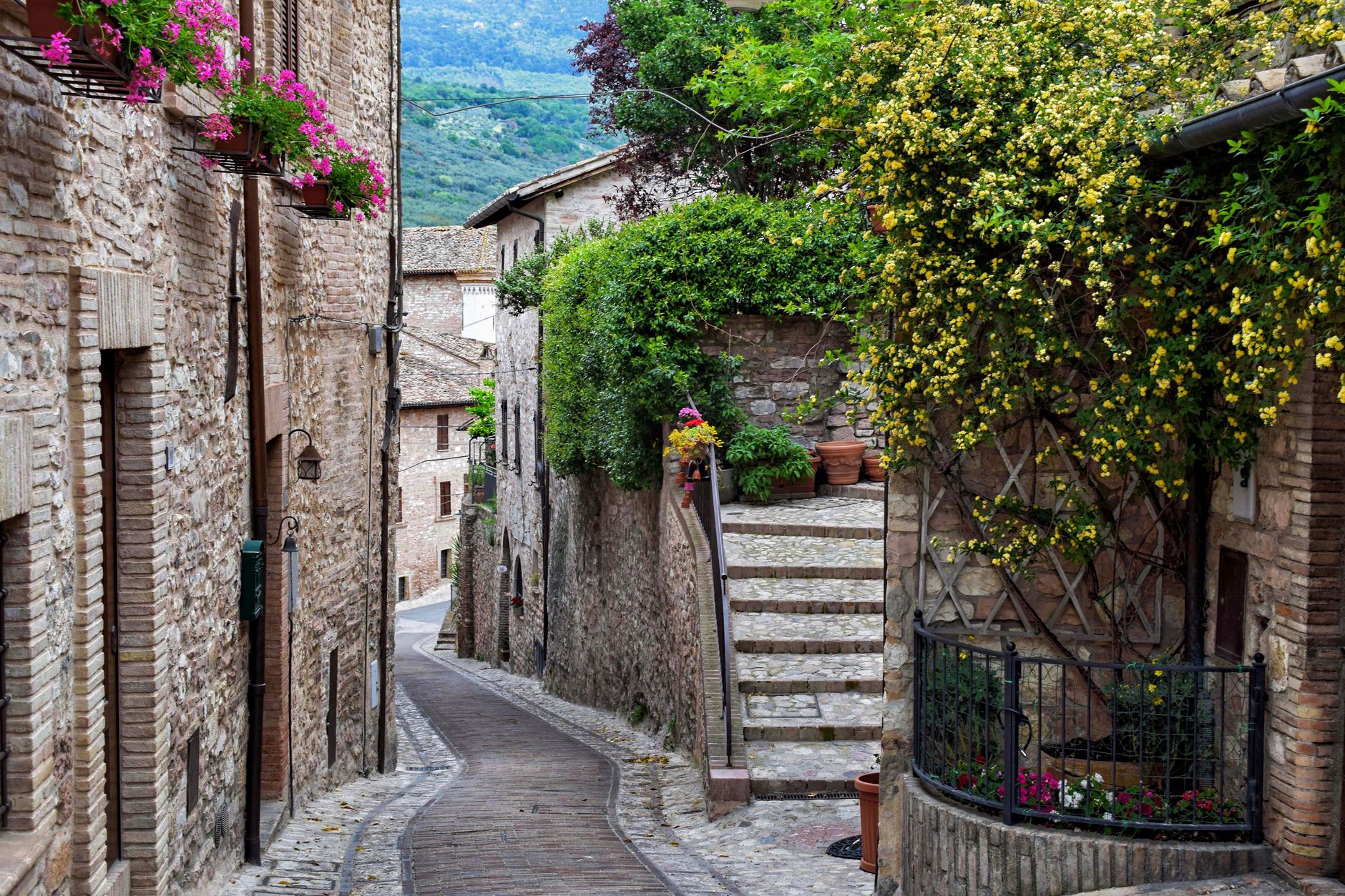
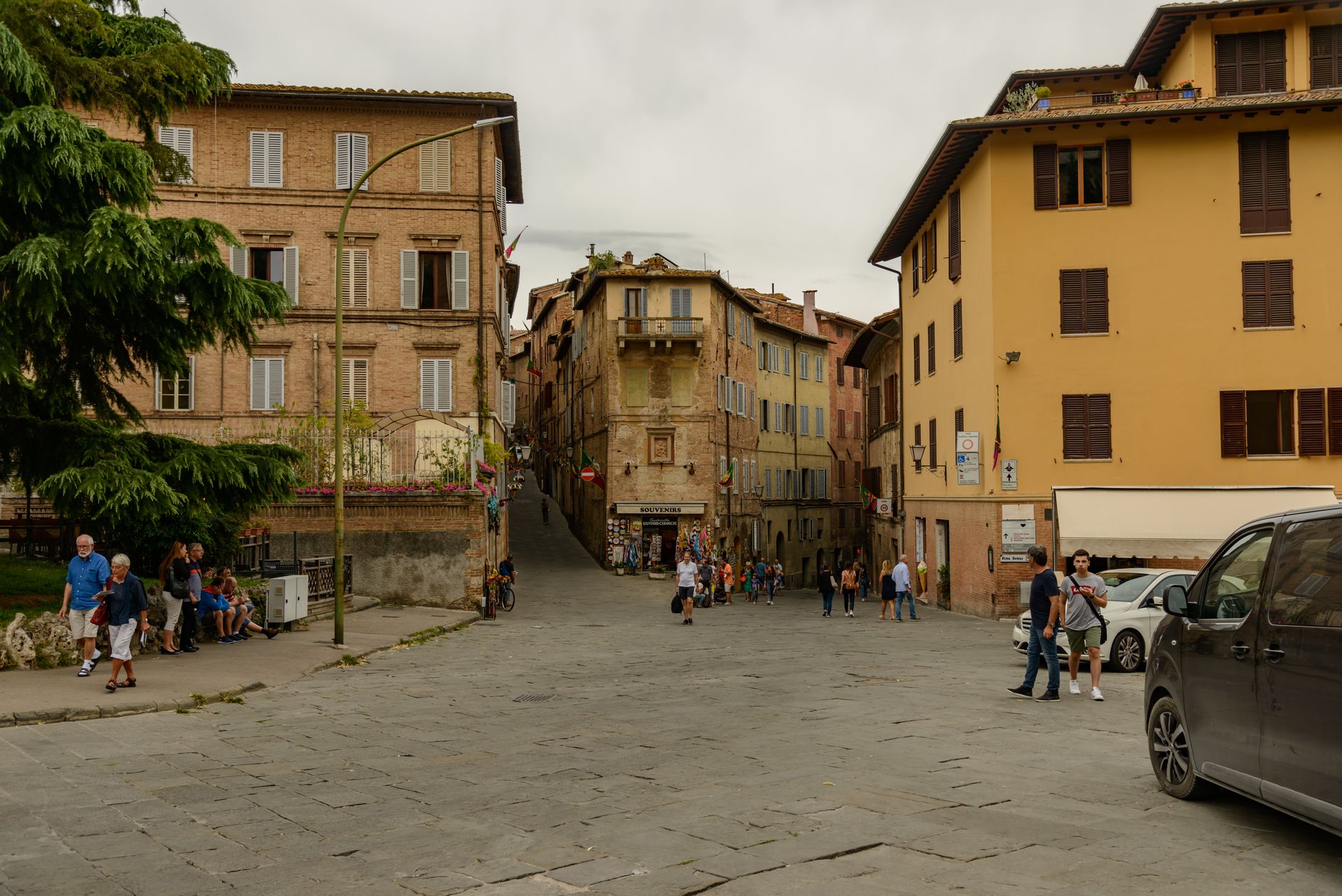
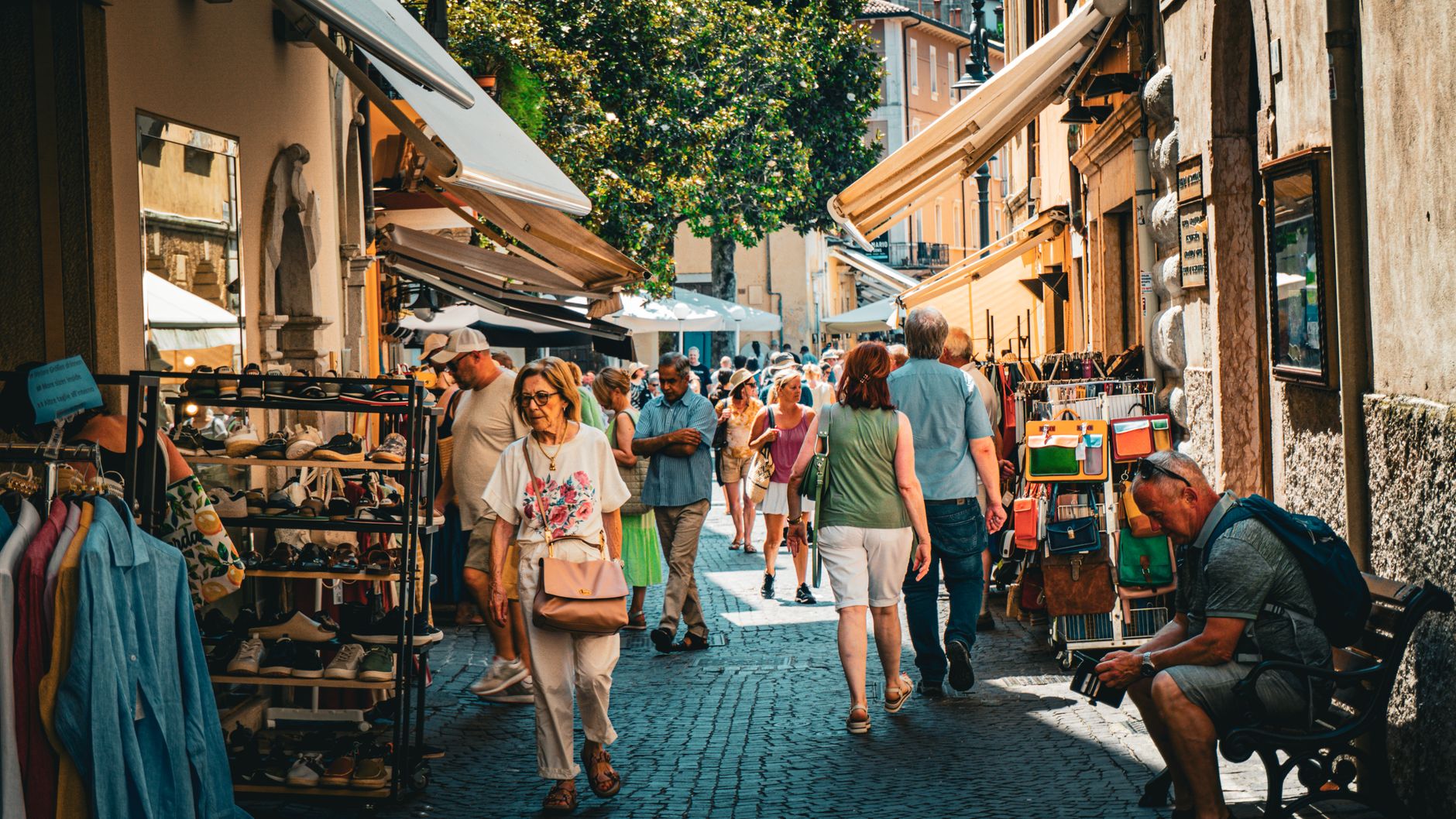
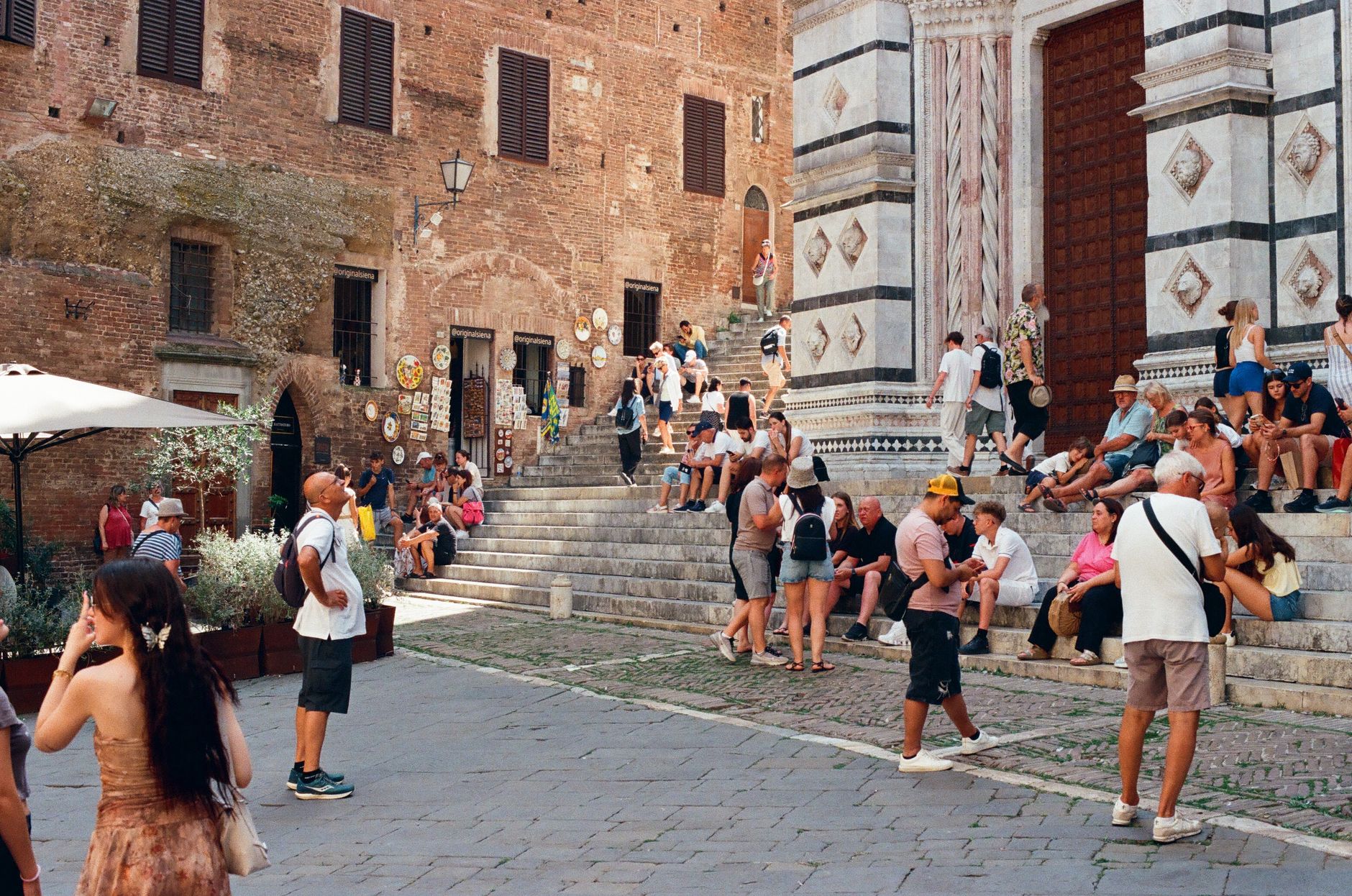
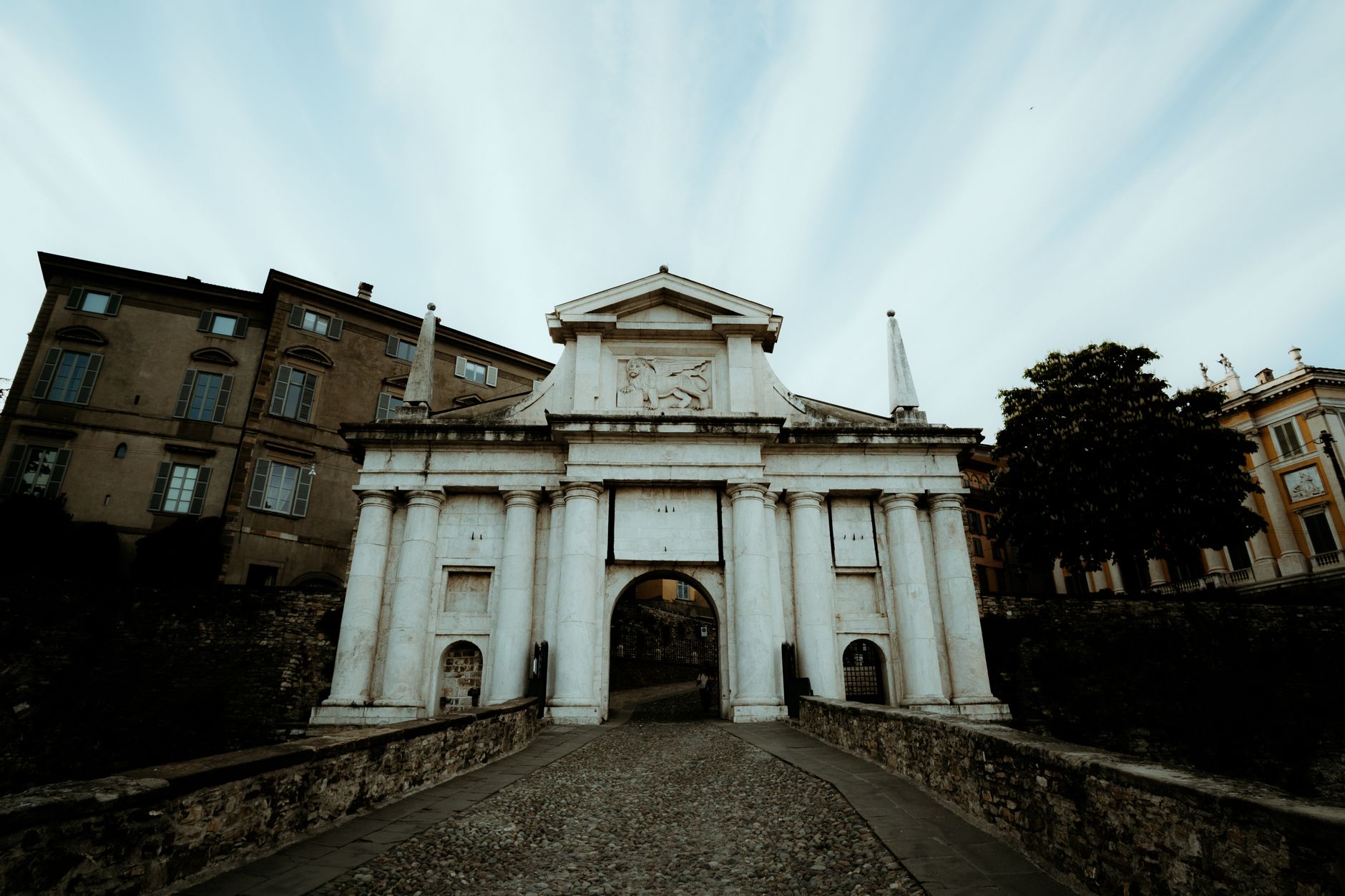
The train from Assisi takes ten minutes, and most people on it are going somewhere else. That's the first thing to know about Spello: it asks to be chosen. Walk up from the station through Porta Consolare — a gateway the Romans cut into the hillside in the first century BC — and the town opens into pink-stone lanes that have been inhabited continuously since the Umbrians settled here in the seventh century BCE.
What draws people back is the layering. A Roman villa with five hundred square metres of mosaic floor was only discovered in 2005, during the digging of a car park. Pinturicchio frescoes glow inside Santa Maria Maggiore. The poet Propertius may have been born here. None of this is announced loudly.
💛 What travellers fall for
People who return tend to arrive on a weekday morning, go straight to the Villa dei Mosaici before the tour groups find it, then take the long way up through the lanes to Porta Venere to look at those two twelve-sided towers in the afternoon light. The Pinturicchio chapel in Santa Maria Maggiore rewards a second visit — the detail in the floor tiles alone.
Experiences you don't want to miss



Deals in Spello
Book directly at the providerHow Spello came to be
Augustus established the Roman colony of Colonia Iulia Hispellum here around 41 BC, and the town's bones are still Roman: the gates, the amphitheatre ruins, the mosaic villa unearthed beneath what was almost a car park. Emperor Constantine later issued a rescript renaming it Flavia Costante and ordering the construction of a temple to the Gens Flavia, along with gladiatorial games.
The medieval centuries were harder. Totila sacked it in 546, the Lombards took it in 571, and Frederick II's army damaged San Lorenzo in 1238. The Baglioni family of Perugia ruled from the late fourteenth century until 1583, and their patronage left the most lasting mark — commissioning Pinturicchio, Perugino and Alunno to fill the churches with Renaissance painting. Pope Leo XII made Spello a city by papal brief in 1828; Piedmontese soldiers arrived in September 1860 and folded it into the new Kingdom of Italy.
Who and what shaped it
People who shaped it
Landmark buildings
See Spello in motion
Plan your visit
On the map
When to go
Summers are warm and dry — the best months to walk the lanes in the evening when the stone holds the heat of the day. Winters are mild by Italian hill-town standards, with more rain than the warmer months, and the town is notably quieter from November through February.
Right now
Background & history adapted from Wikipedia (CC BY-SA) · specs from Wikidata (CC0) · weather from Open-Meteo · map data © OpenStreetMap contributors · photos from Wikimedia Commons / Unsplash with per-image credit. No third-party reviews or social posts reproduced.