
Assisi
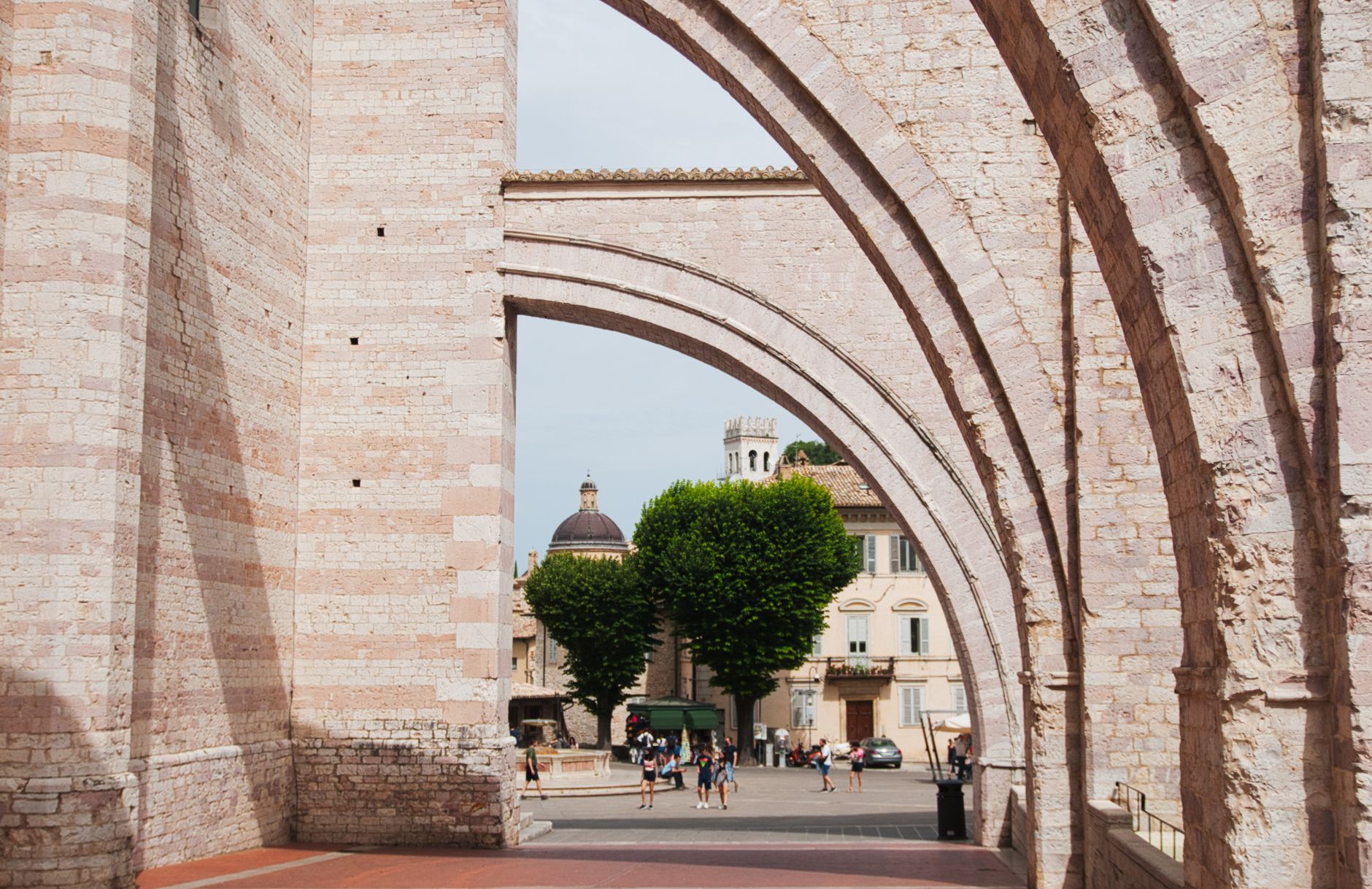
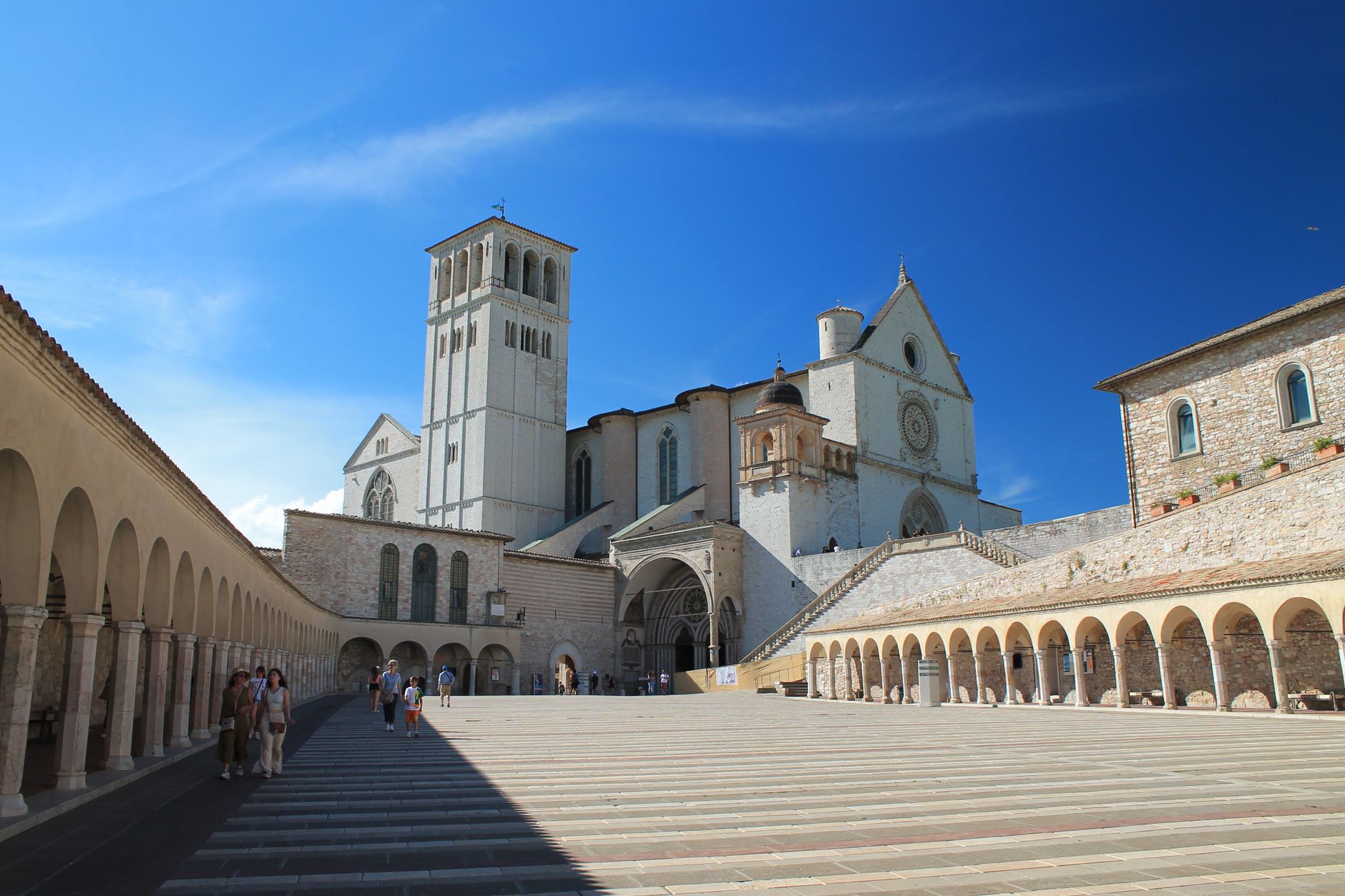
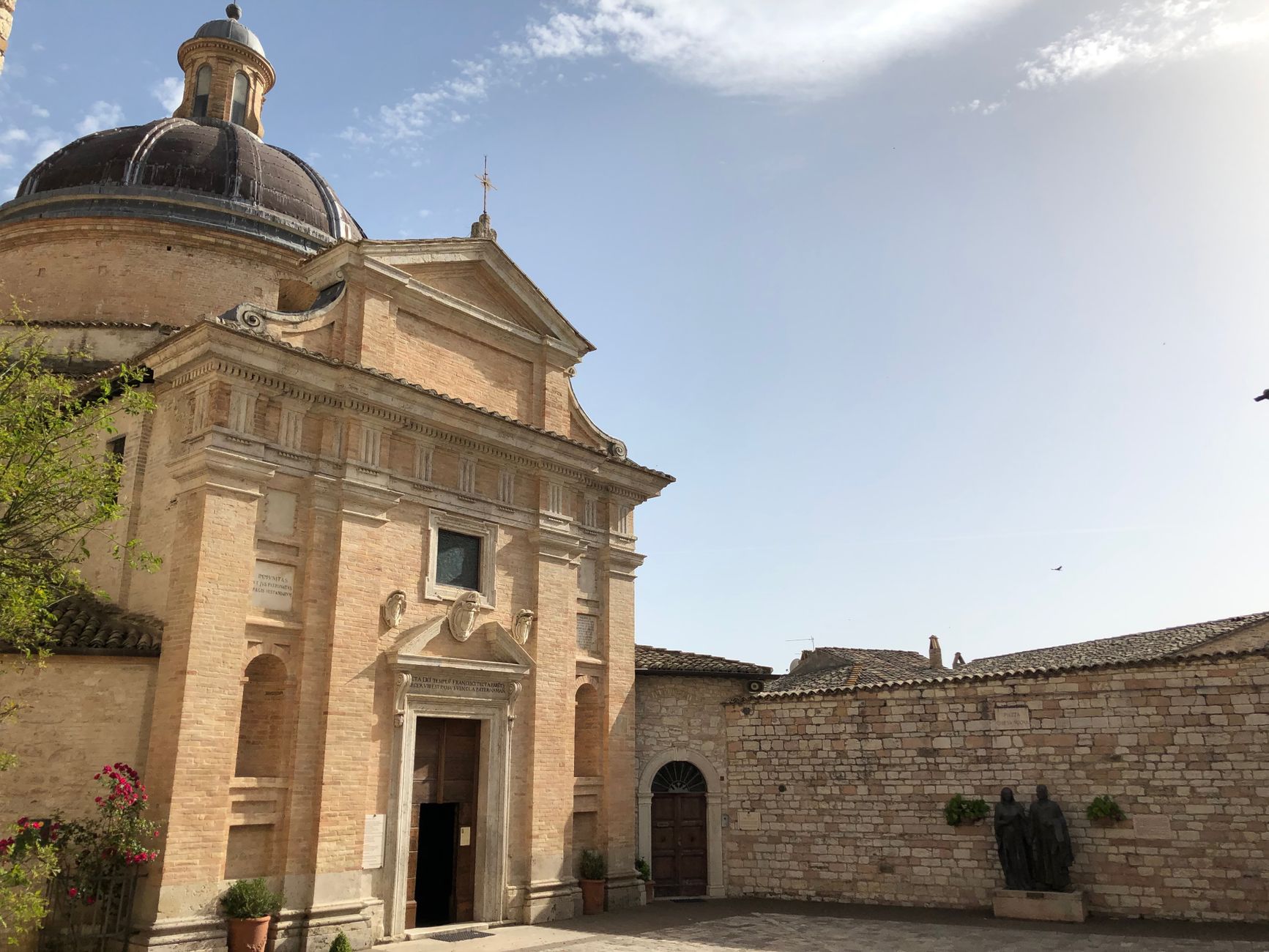
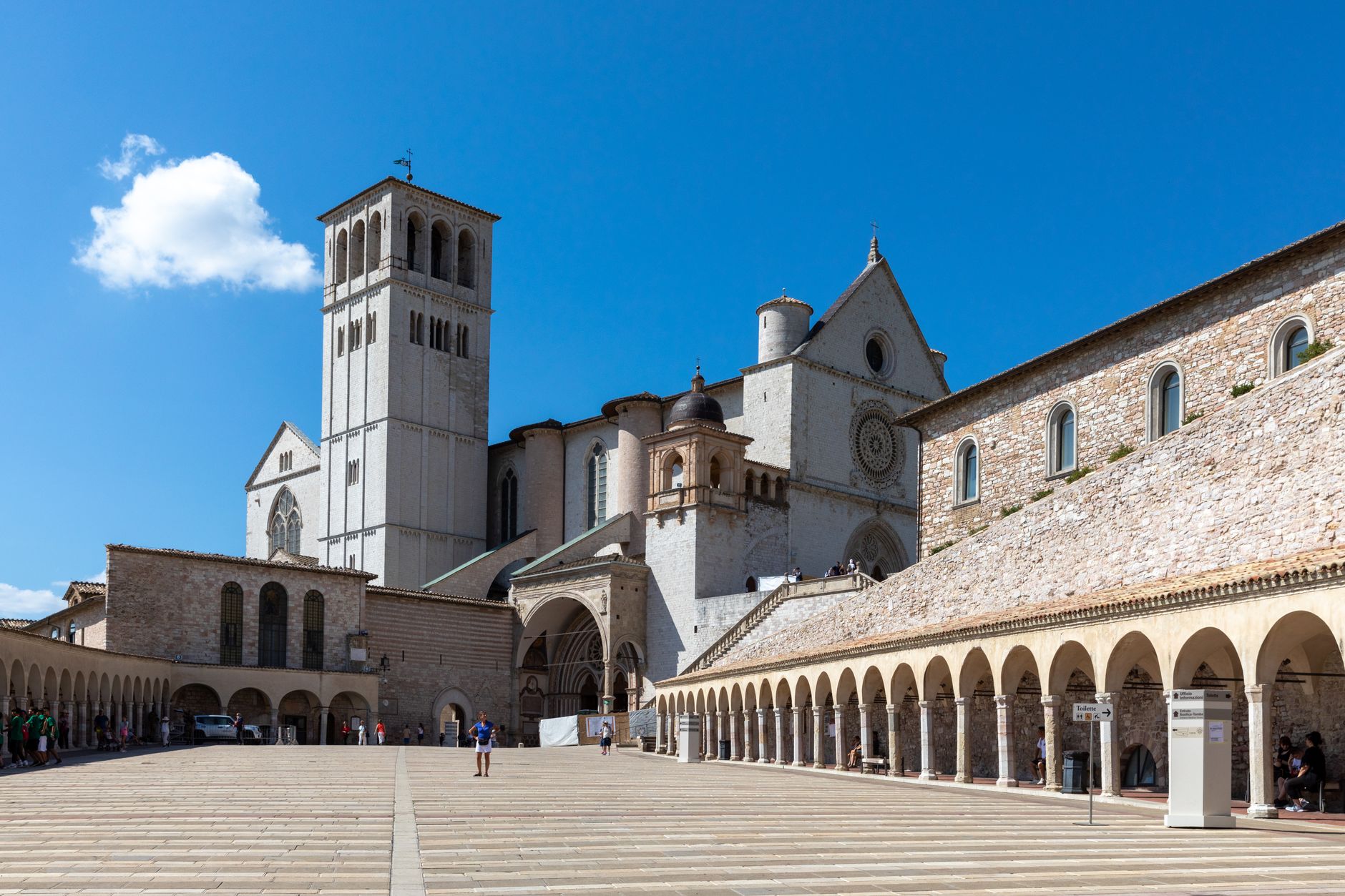
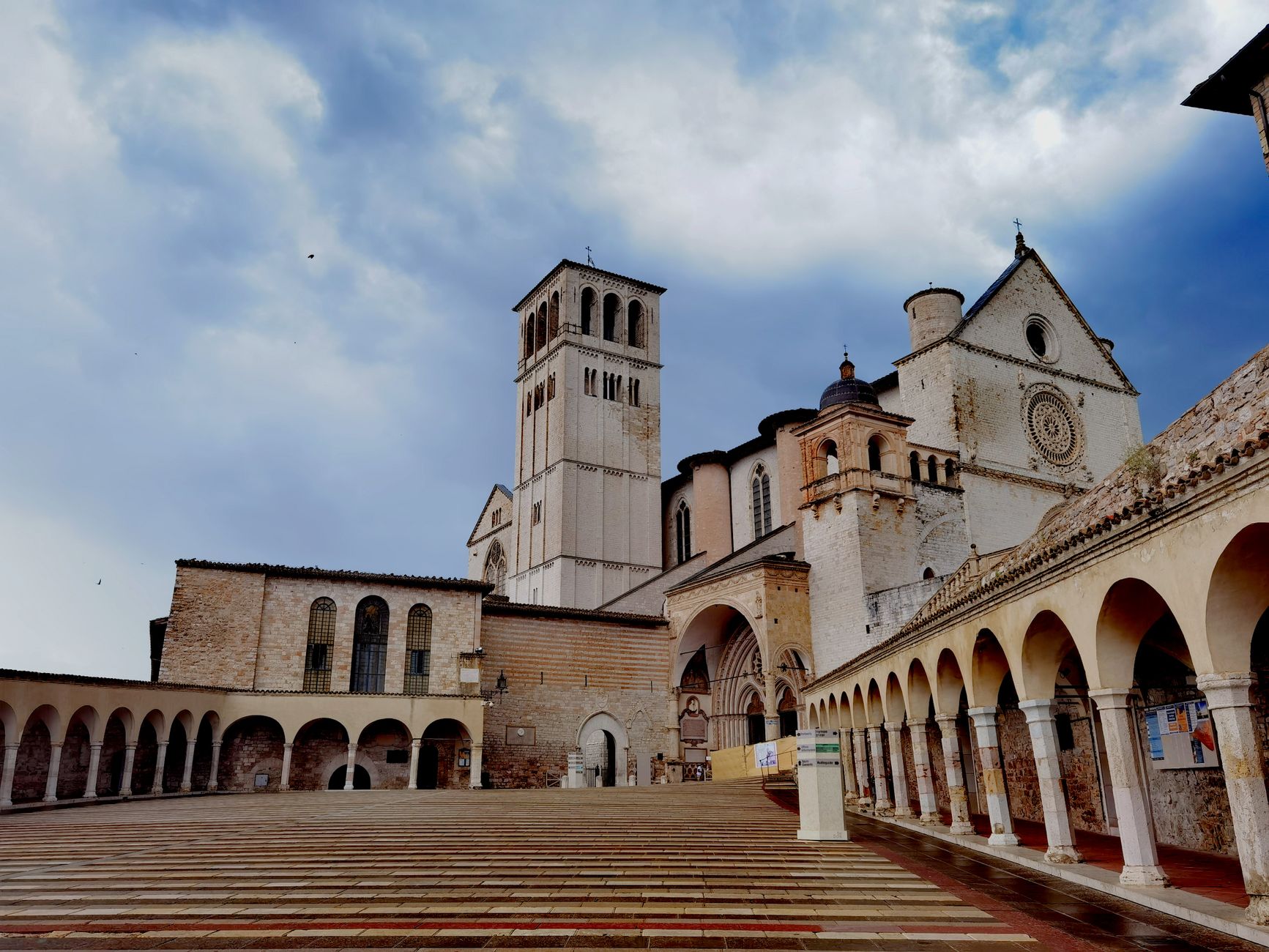
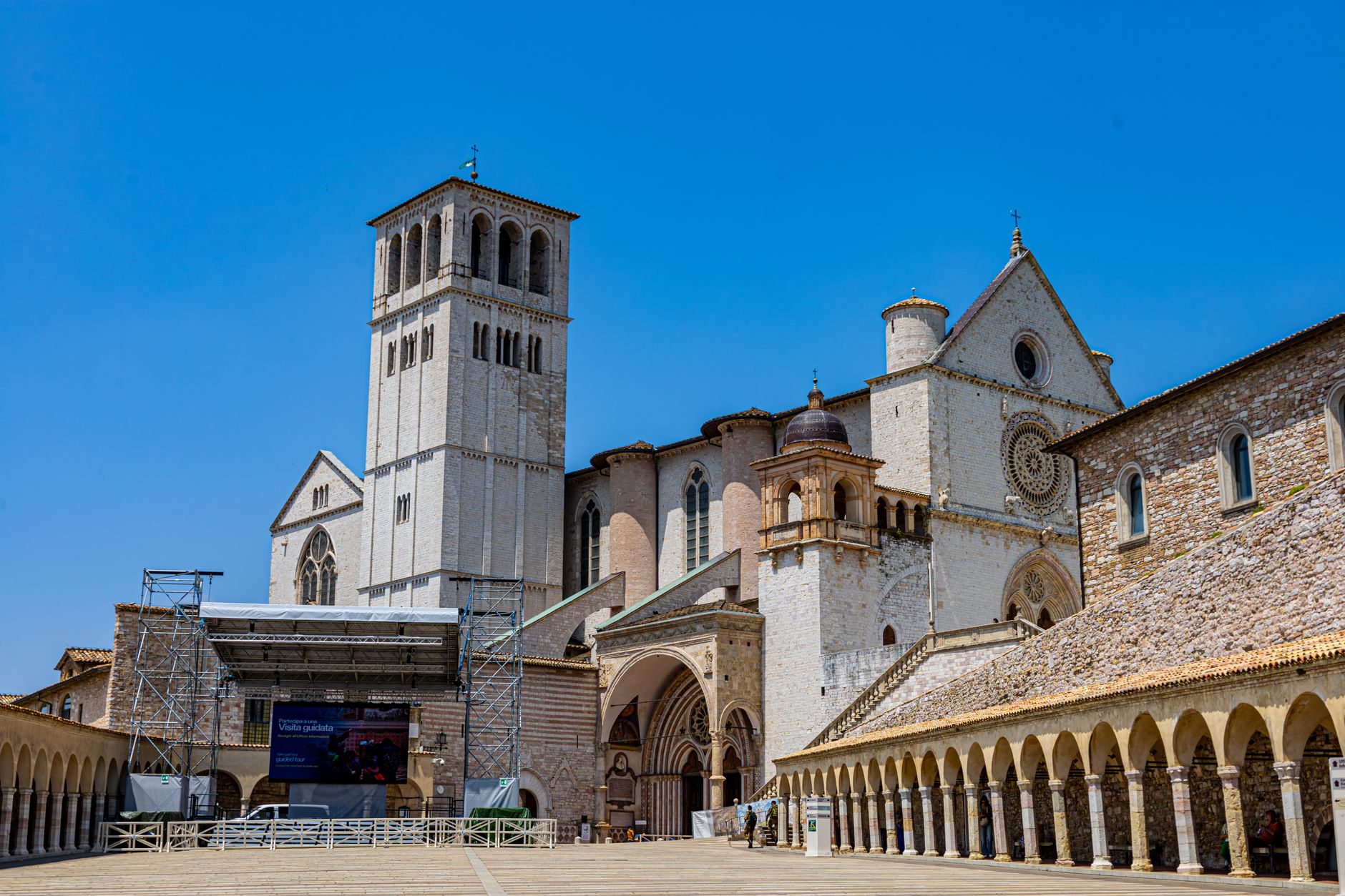
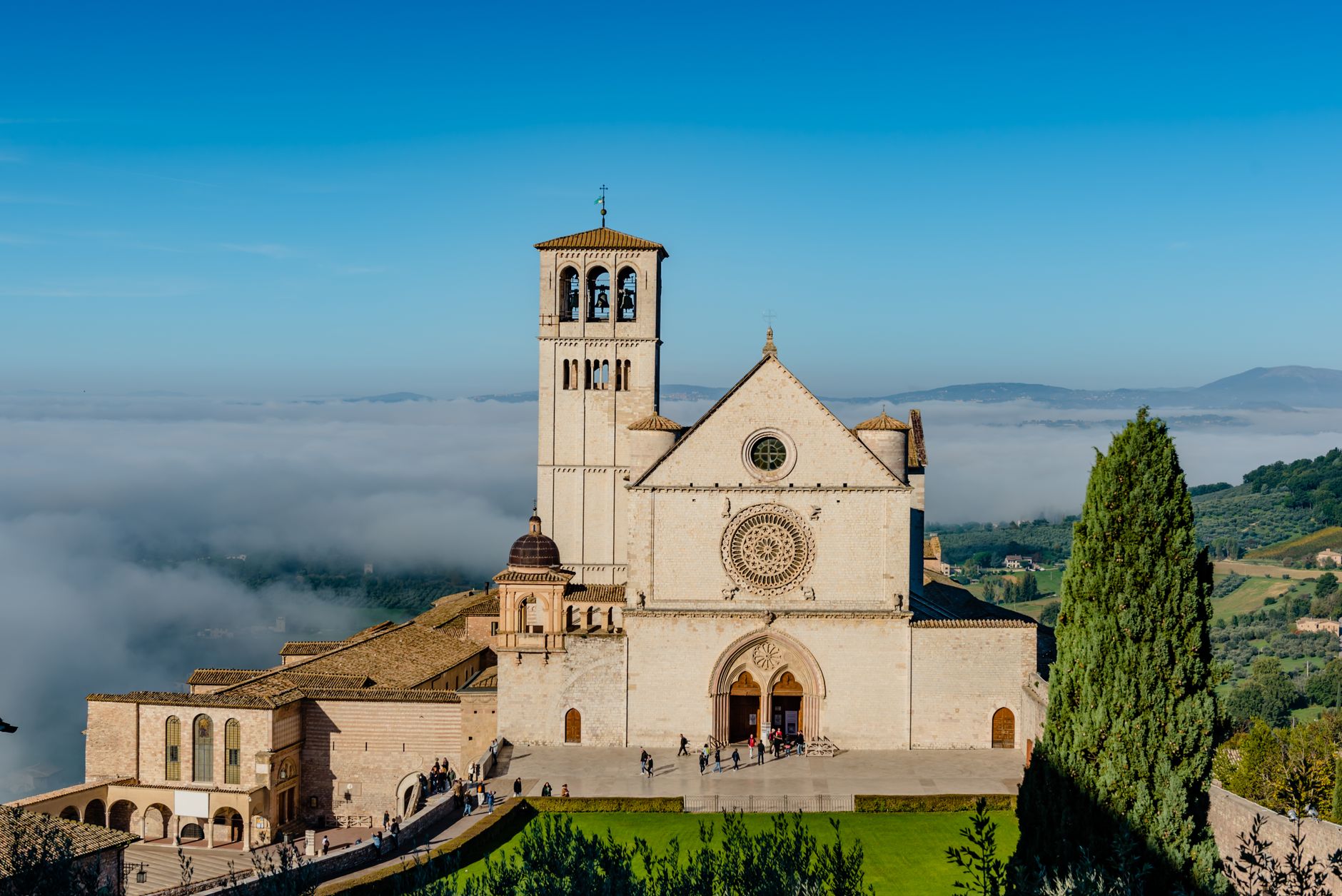
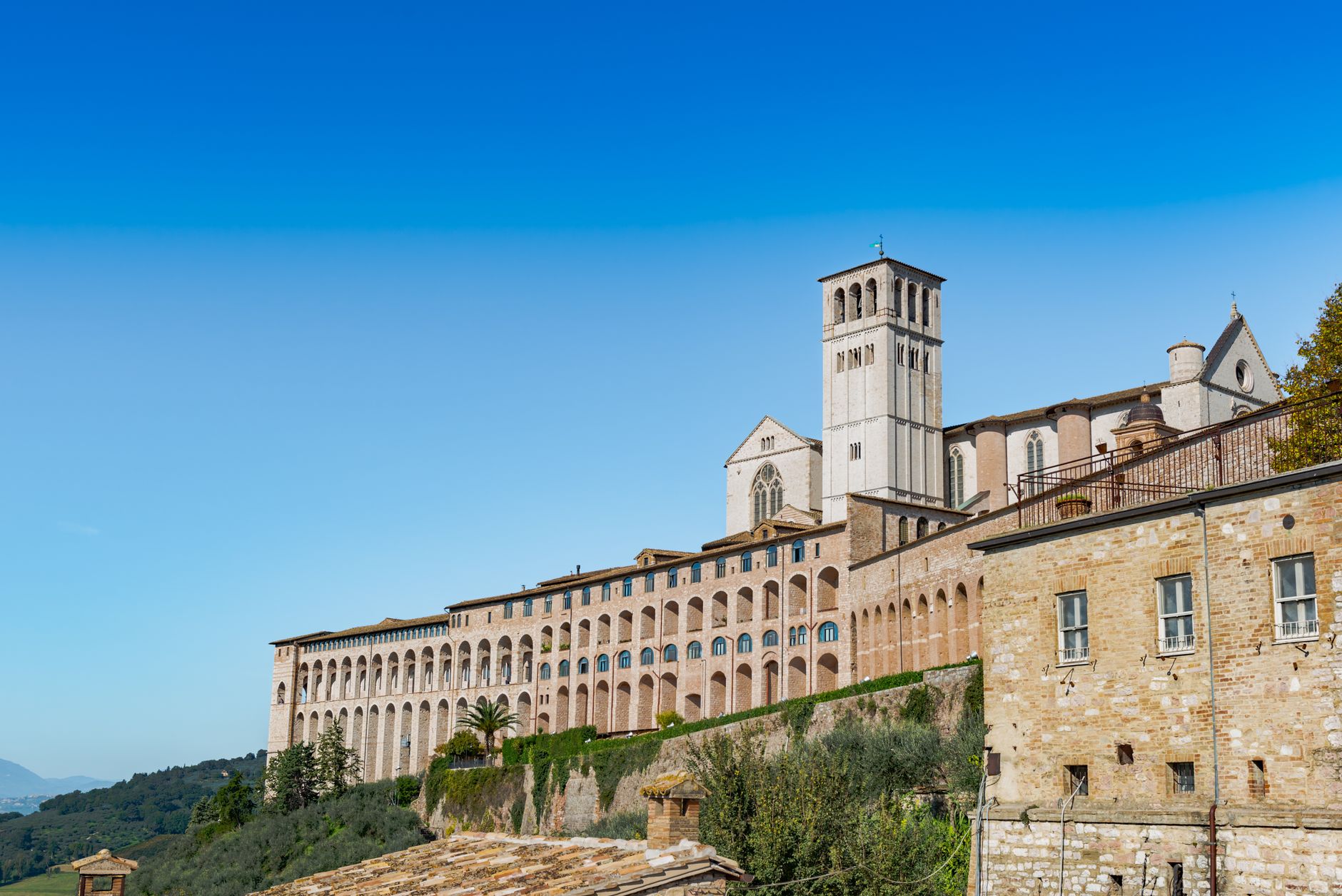
Assisi rises in pale stone tiers up the flank of Monte Subasio, and the first thing you notice is the light — how it comes off the limestone at midday in a way that makes the whole town look slightly overexposed. The Basilica of San Francesco anchors the western edge of the hill, its two stacked churches holding eight centuries of fresco work by Cimabue, Giotto, Simone Martini, and Pietro Lorenzetti.
This is a small city that has been drawing people for a very long time — pilgrims first, then art historians, then everyone else. The streets are narrow, the gradient is real, and beneath the paving stones of Piazza Comune, a Roman forum still exists in the dark.
💛 What travellers fall for
People who come back tend to time their arrival for early morning, before the tour groups reach the Basilica's Lower Church. They also mention the Temple of Minerva on Piazza Comune — a near-intact Roman temple from the first century BC that most visitors walk past on their way to a coffee. Don't walk past it.
Experiences you don't want to miss



Deals in Assisi
Book directly at the provider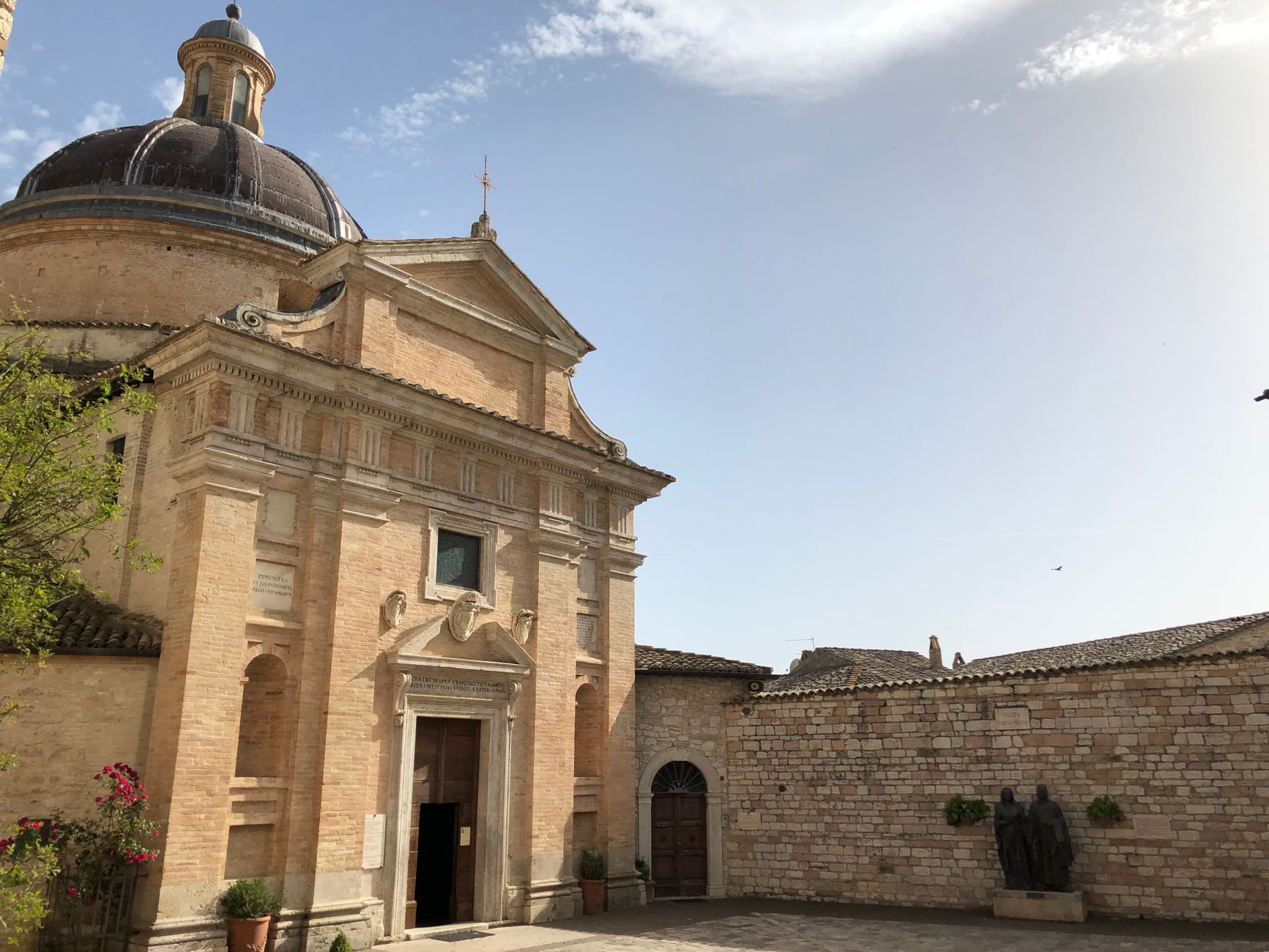
How Assisi came to be
The hill was settled by Umbrians around 1000 BC, later taken by Etruscans, then folded into the Roman world after the Battle of Sentinum in 295 BC. The Romans built Asisium across a series of terraces — the forum beneath today's Piazza Comune is what remains. Christianity arrived in 238 AD; the Ostrogoths under Totila destroyed much of the town in 545.
Assisi became a commune in the 12th century, fought repeatedly with Perugia, and eventually passed to the Papal States. It was a local boy, born Giovanni di Pietro di Bernardone in 1182 and nicknamed Francesco, who permanently fixed the city's identity — founding the Order of Friars Minor in 1208 and dying here in 1226. Construction of the Basilica began the very year of his canonization, 1228. The twin earthquakes of 1997 damaged the building severely, but it reopened within two years.
Who and what shaped it
People who shaped it
Landmark buildings
See Assisi in motion
Plan your visit
On the map
When to go
Summers are warm and dry, with temperatures that make the uphill walk through the centro storico genuinely tiring by afternoon. Spring and autumn are cooler and clearer — October especially, when the light on the stone is at its best and the crowds have thinned. Winters are cold and occasionally snowy, but the city empties out almost entirely.
Right now
Background & history adapted from Wikipedia (CC BY-SA) · specs from Wikidata (CC0) · weather from Open-Meteo · map data © OpenStreetMap contributors · photos from Wikimedia Commons / Unsplash with per-image credit. No third-party reviews or social posts reproduced.