
Spoleto
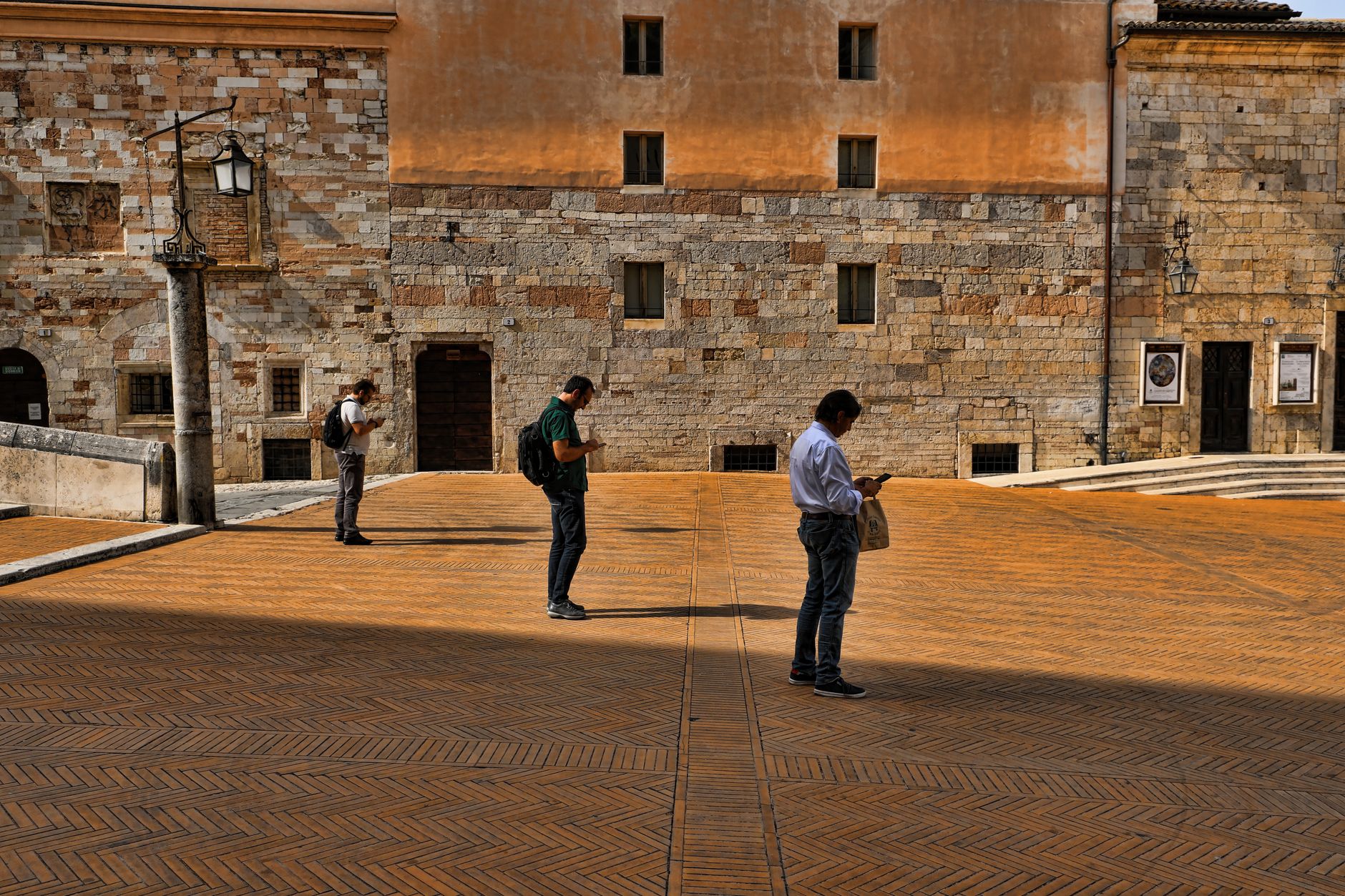
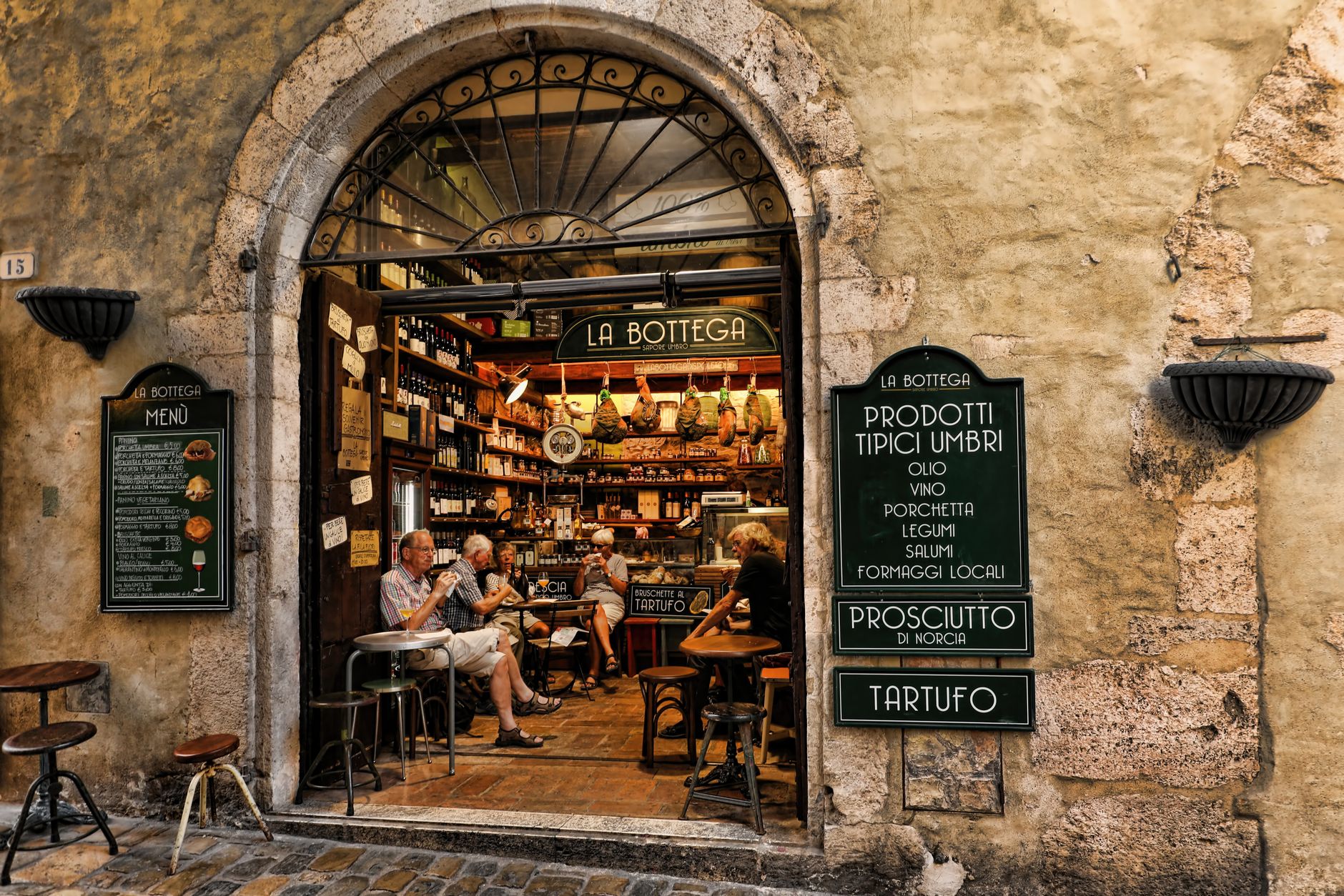
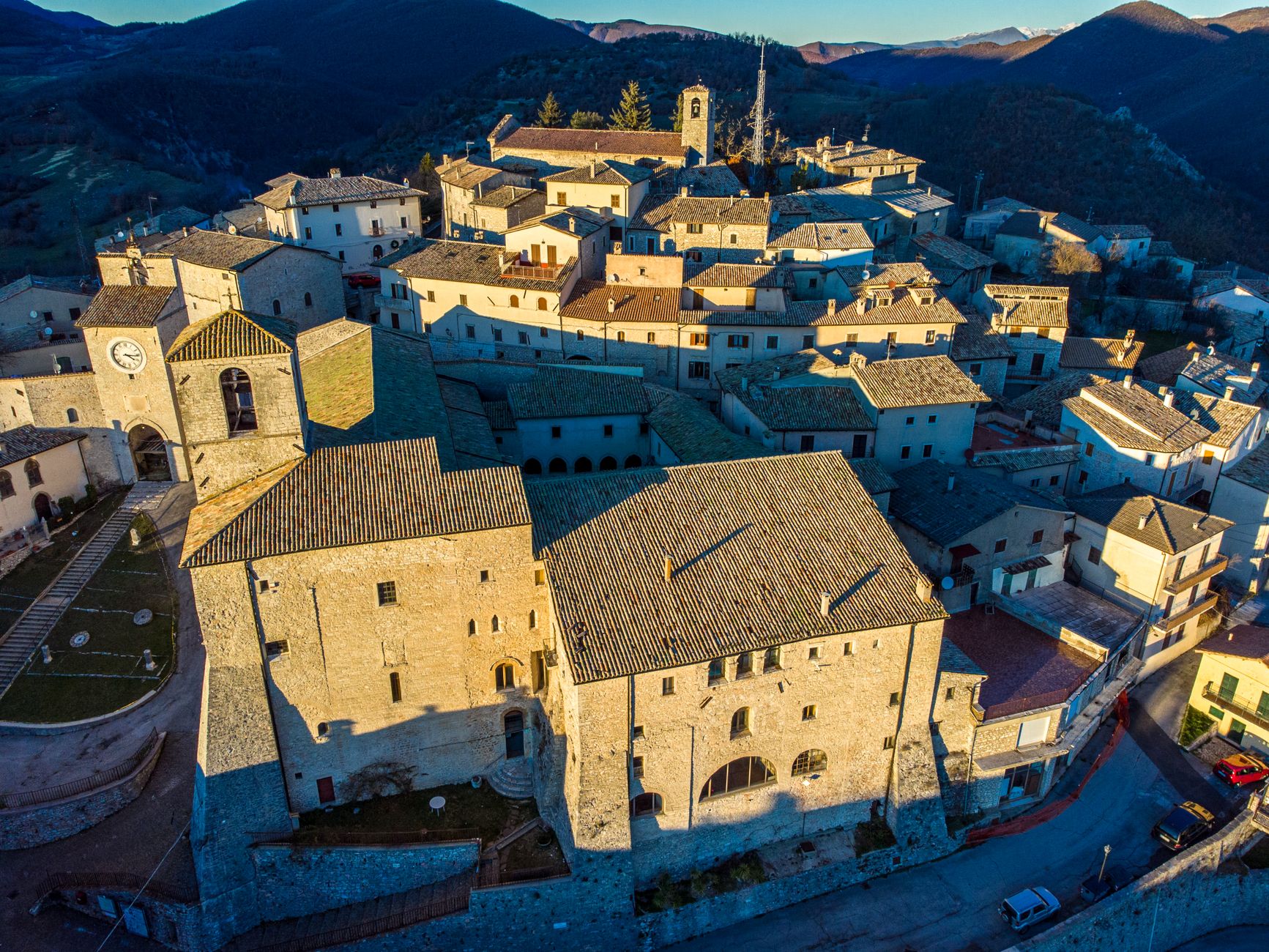
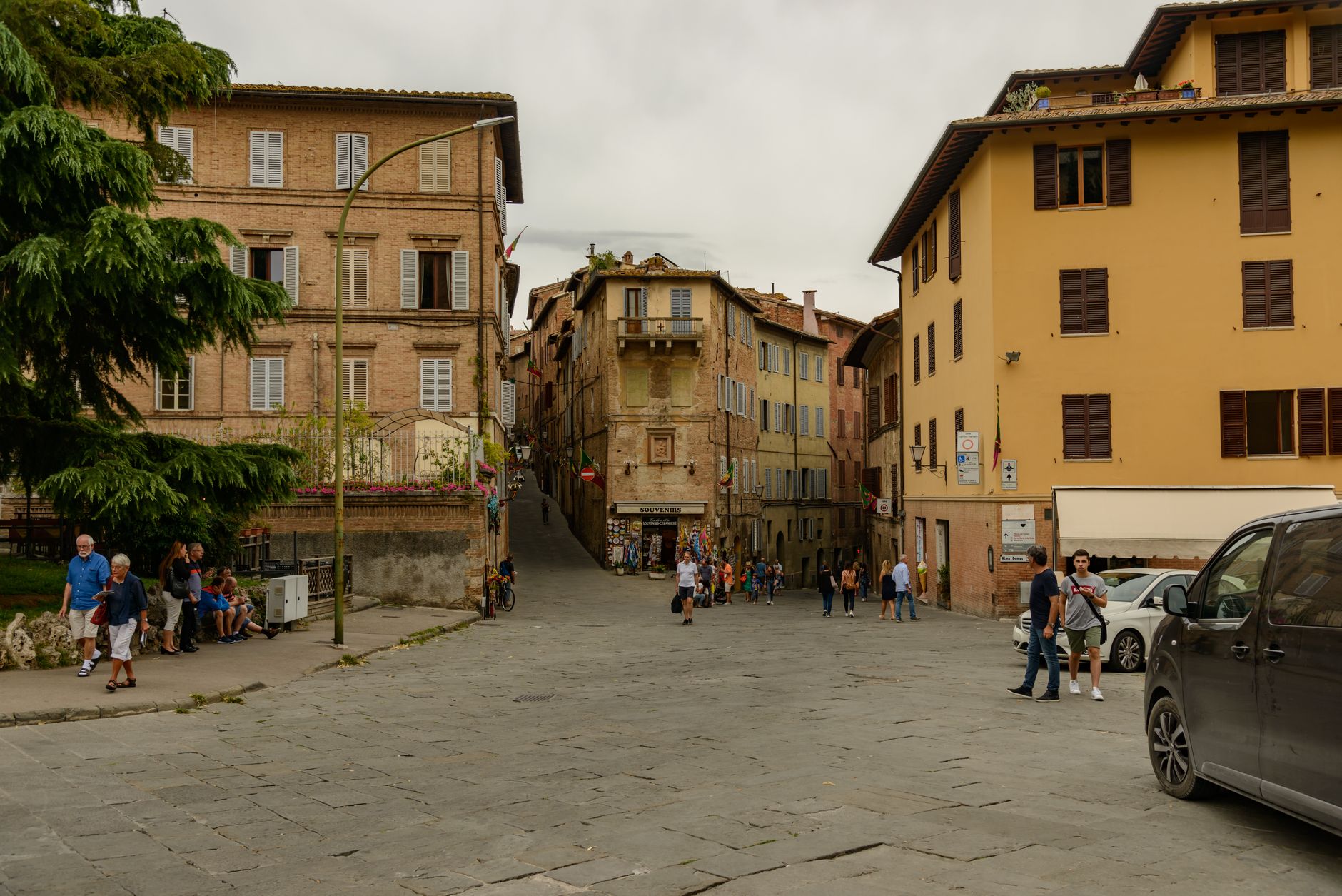
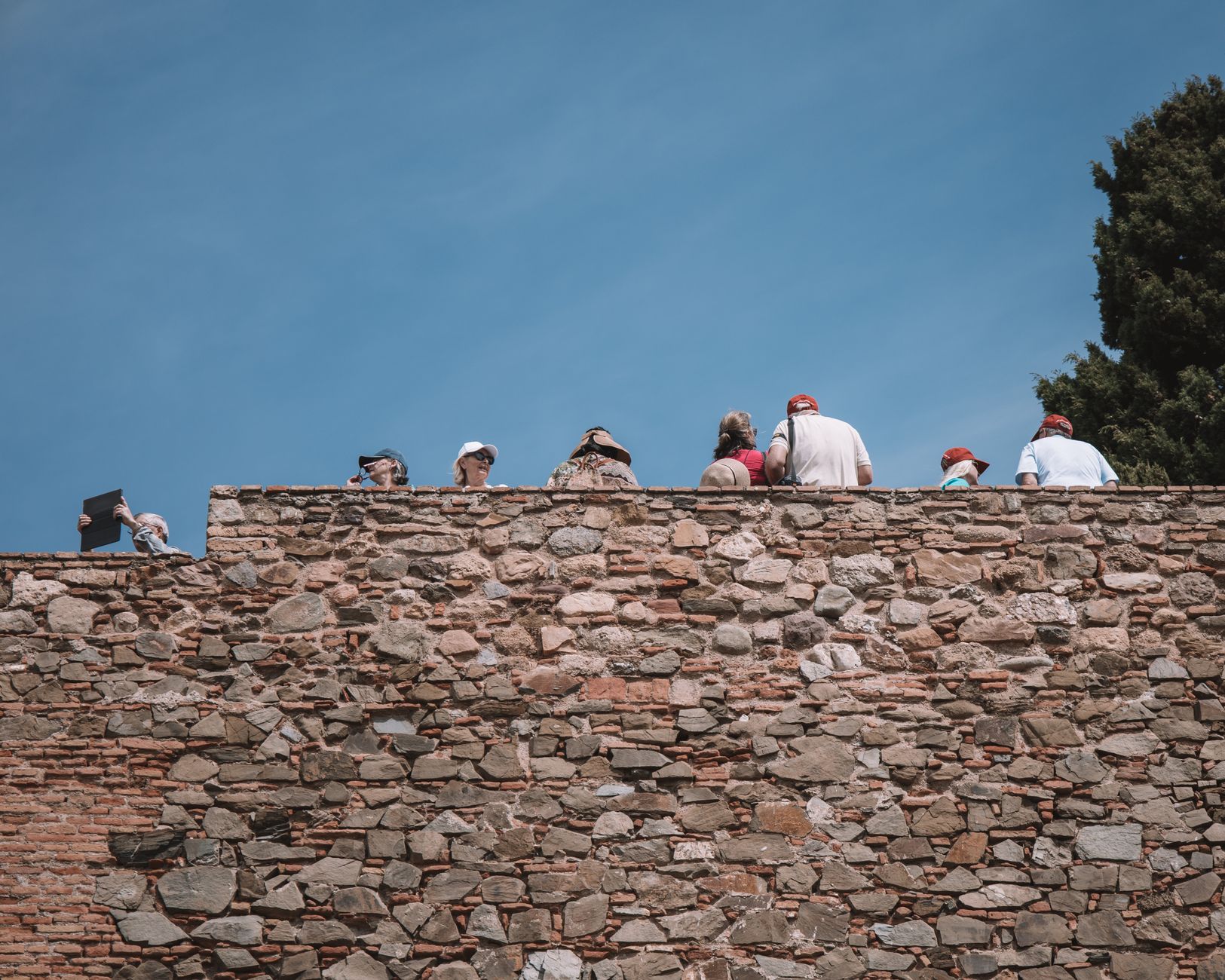
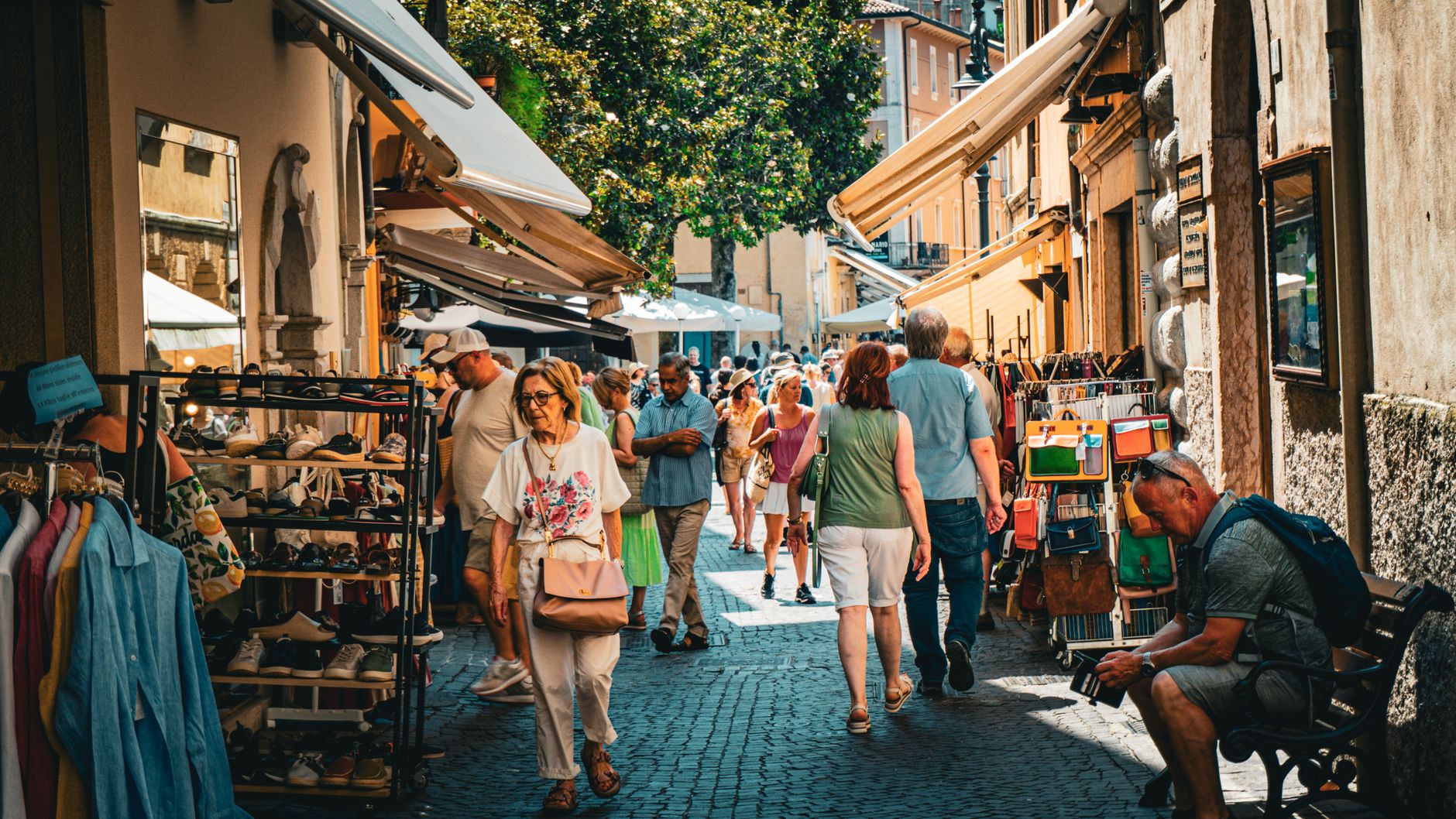
Spoleto earns your attention slowly. You arrive at the train station on the flat plain below, ride a free escalator through the hillside, and surface inside a medieval city where a Roman arch still frames the entrance to what was once the forum. The layers here are unusually legible — a first-century house with mosaic floors, a fifth-century basilica, a Romanesque cathedral rebuilt after Barbarossa burned the place down in 1155, a fourteenth-century fortress commanding the ridge above it all.
The city is compact and steep enough that walking it requires commitment, but the payoff is proportion: you can cover two thousand years of architecture in an afternoon without once consulting a map.
💛 What travellers fall for
People who come back tend to walk the Ponte delle Torri at dusk, when the 80-metre-high aqueduct bridge empties of day-trippers and the light goes amber on the gorge below. They also make a point of looking up at Filippo Lippi's frescoes in the cathedral apse — his last work, finished here before he died in Spoleto in 1469.
Experiences you don't want to miss




Deals in Spoleto
Book directly at the provider


How Spoleto came to be
Spoleto was already old when Rome came for it. Founded by the Umbri around the tenth century BC, it passed through Etruscan hands before becoming a Roman colony in 241 BC — producing, in that era, soldiers, orators and grammarians notable enough to be mentioned by Cicero and Livy. When the Western Empire collapsed, it became something larger: the seat of the Lombard Duchy of Spoleto from 576 AD, a power that controlled much of central Italy for two centuries and left behind monuments now recognised as a UNESCO World Heritage serial site.
The medieval city was effectively remade after 1155, when Frederick Barbarossa sacked and burned it. The cathedral rose from those ruins and was consecrated in 1198 by Pope Innocent III — the same year Spoleto was folded into the Papal State, where it remained until Italian unification in 1860.
Who and what shaped it
People who shaped it
Landmark buildings
See Spoleto in motion
Plan your visit
On the map
When to go
Spring (April–May) and early autumn (September–October) are the most comfortable seasons — mild temperatures and fewer crowds on the steep streets. Summers are warm and occasionally humid; winters are cold and quiet, with some sites keeping reduced hours.
Right now
Background & history adapted from Wikipedia (CC BY-SA) · specs from Wikidata (CC0) · weather from Open-Meteo · map data © OpenStreetMap contributors · photos from Wikimedia Commons / Unsplash with per-image credit. No third-party reviews or social posts reproduced.