
Orvieto
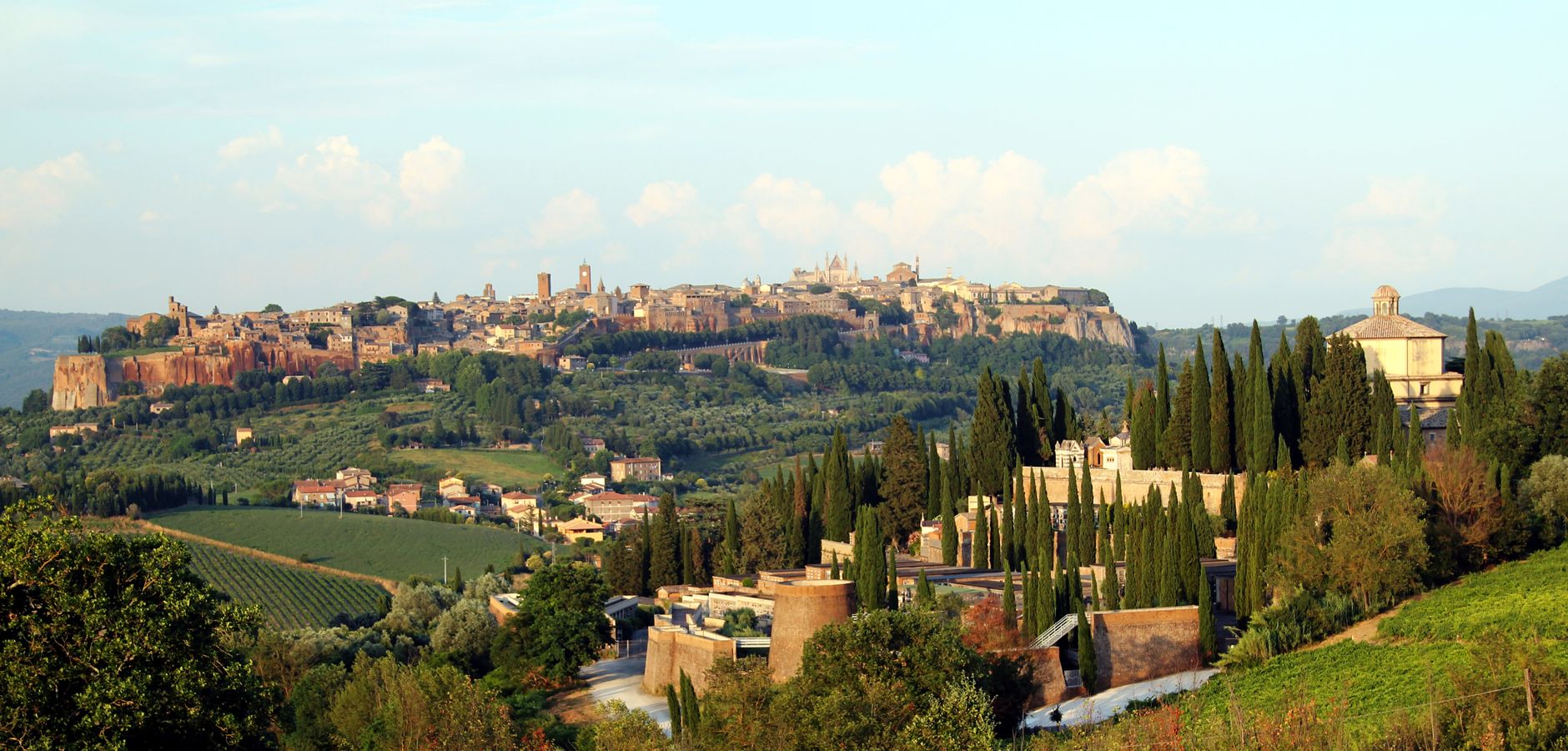
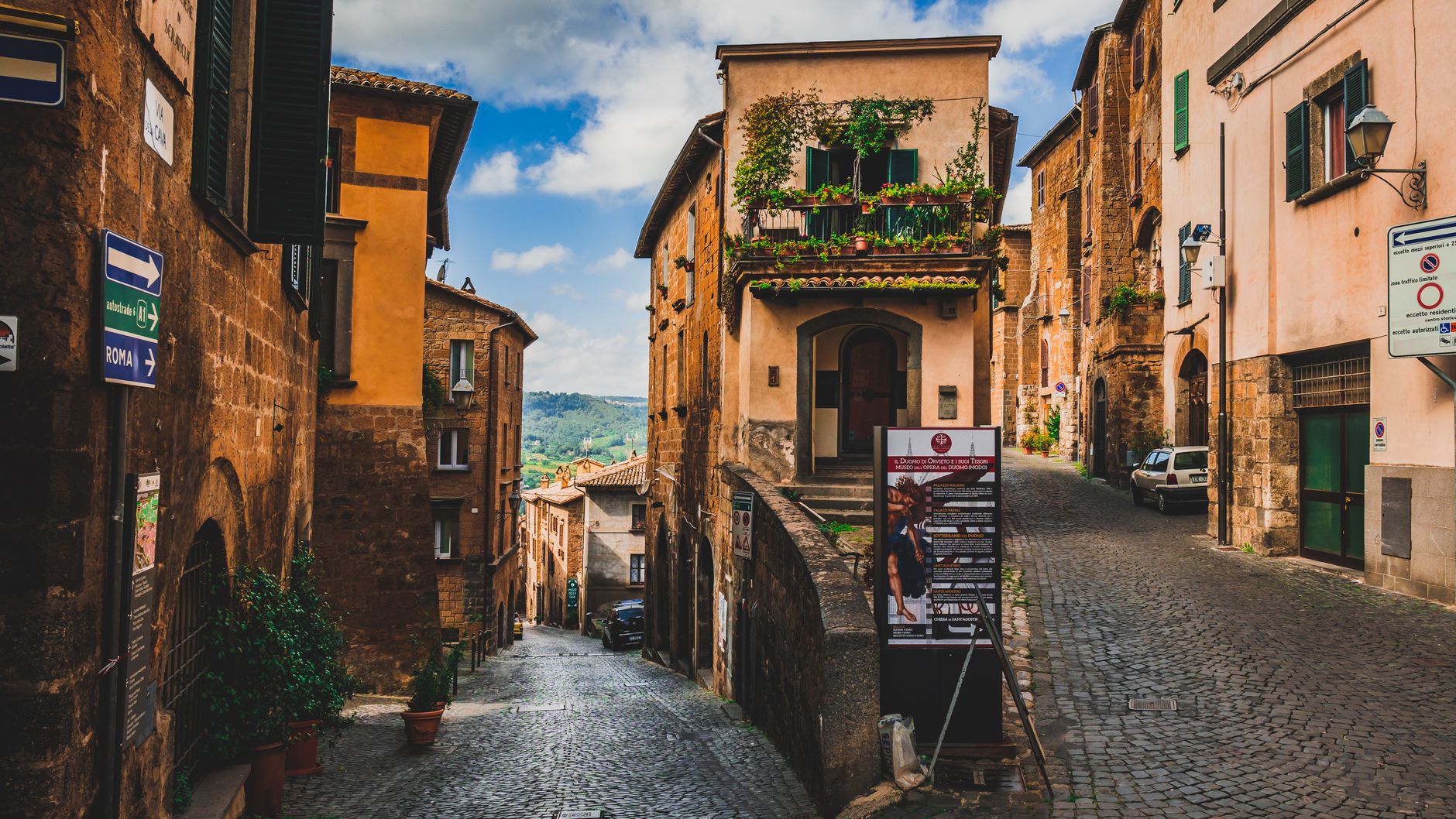
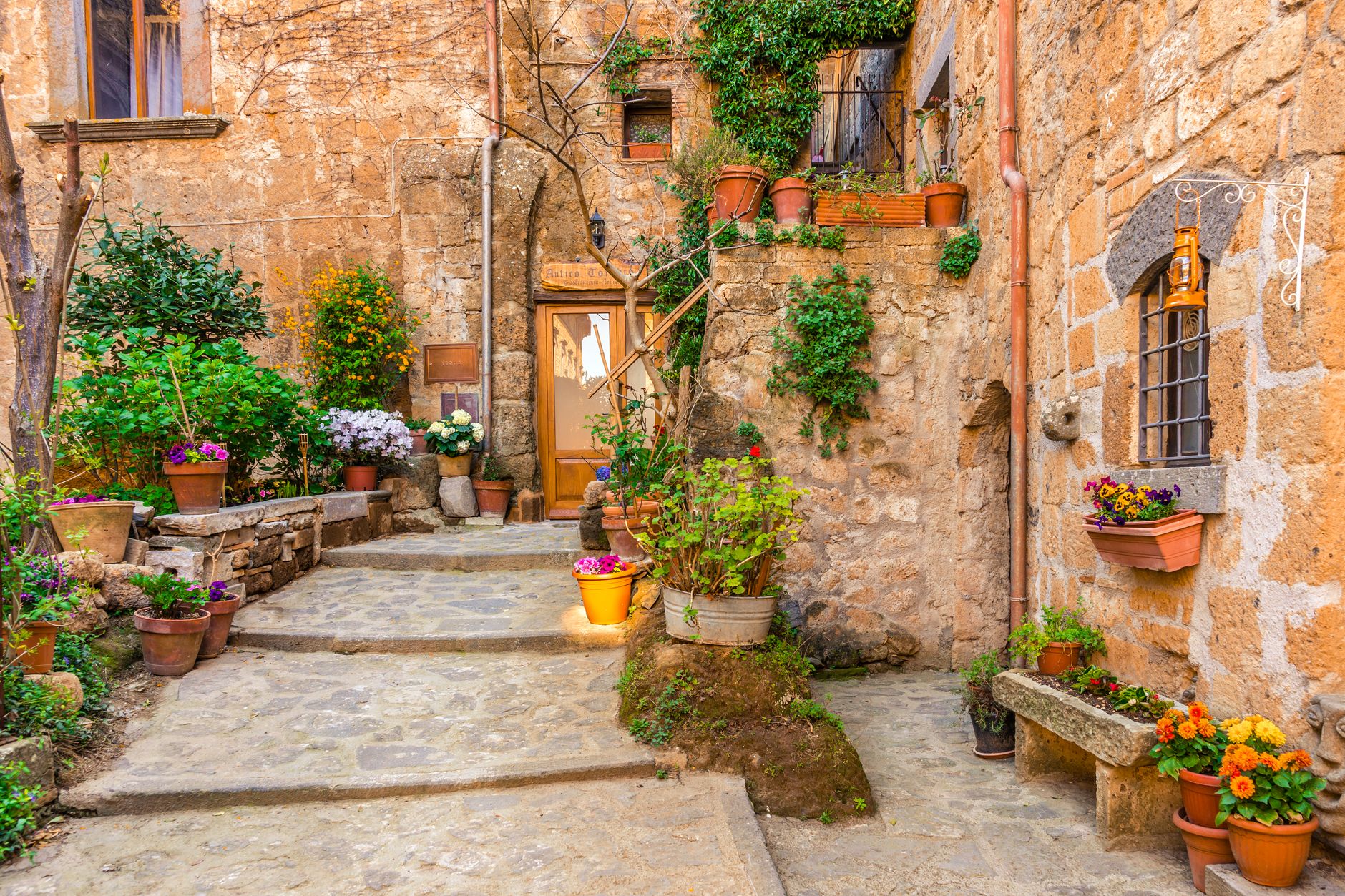
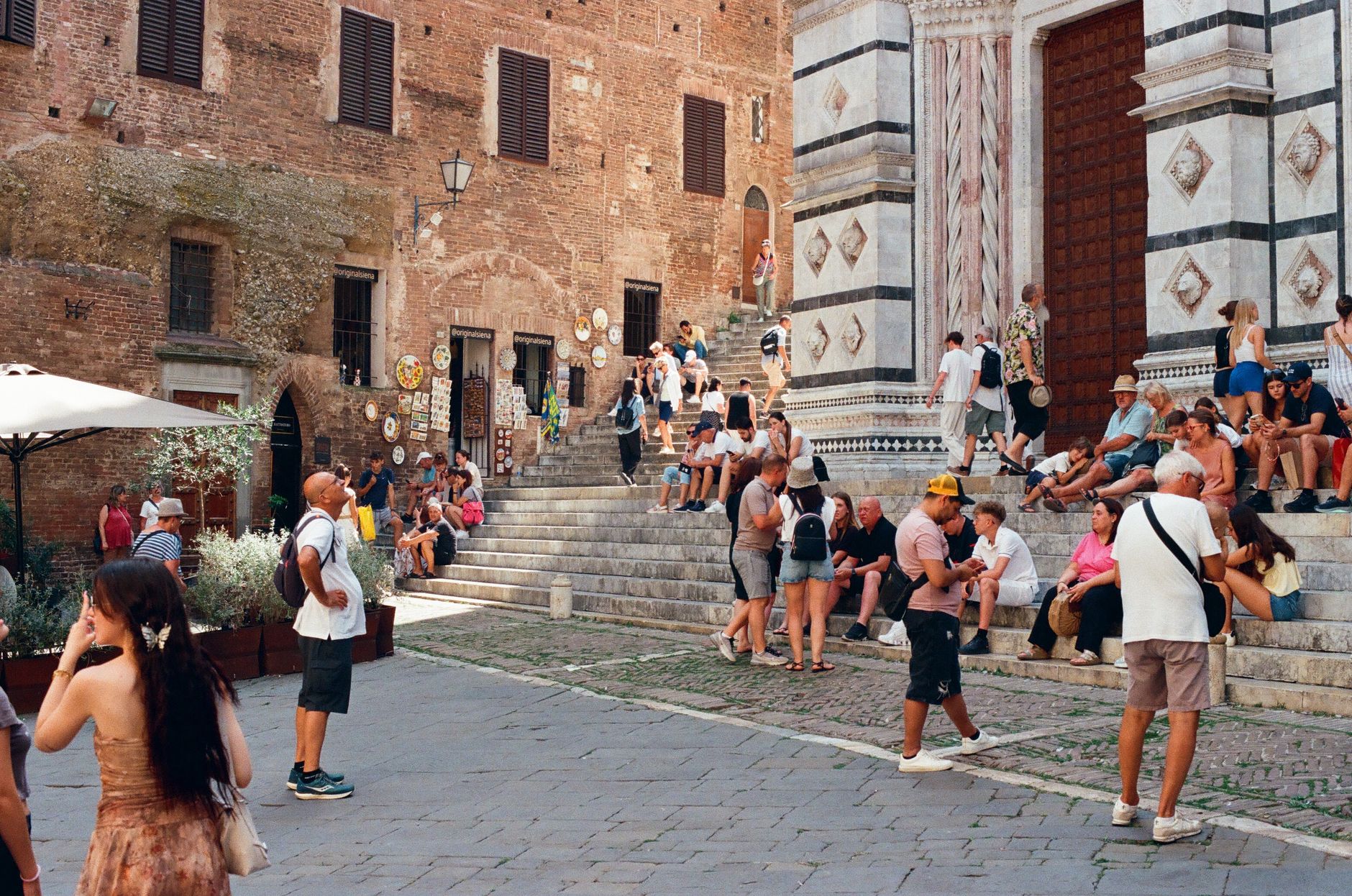
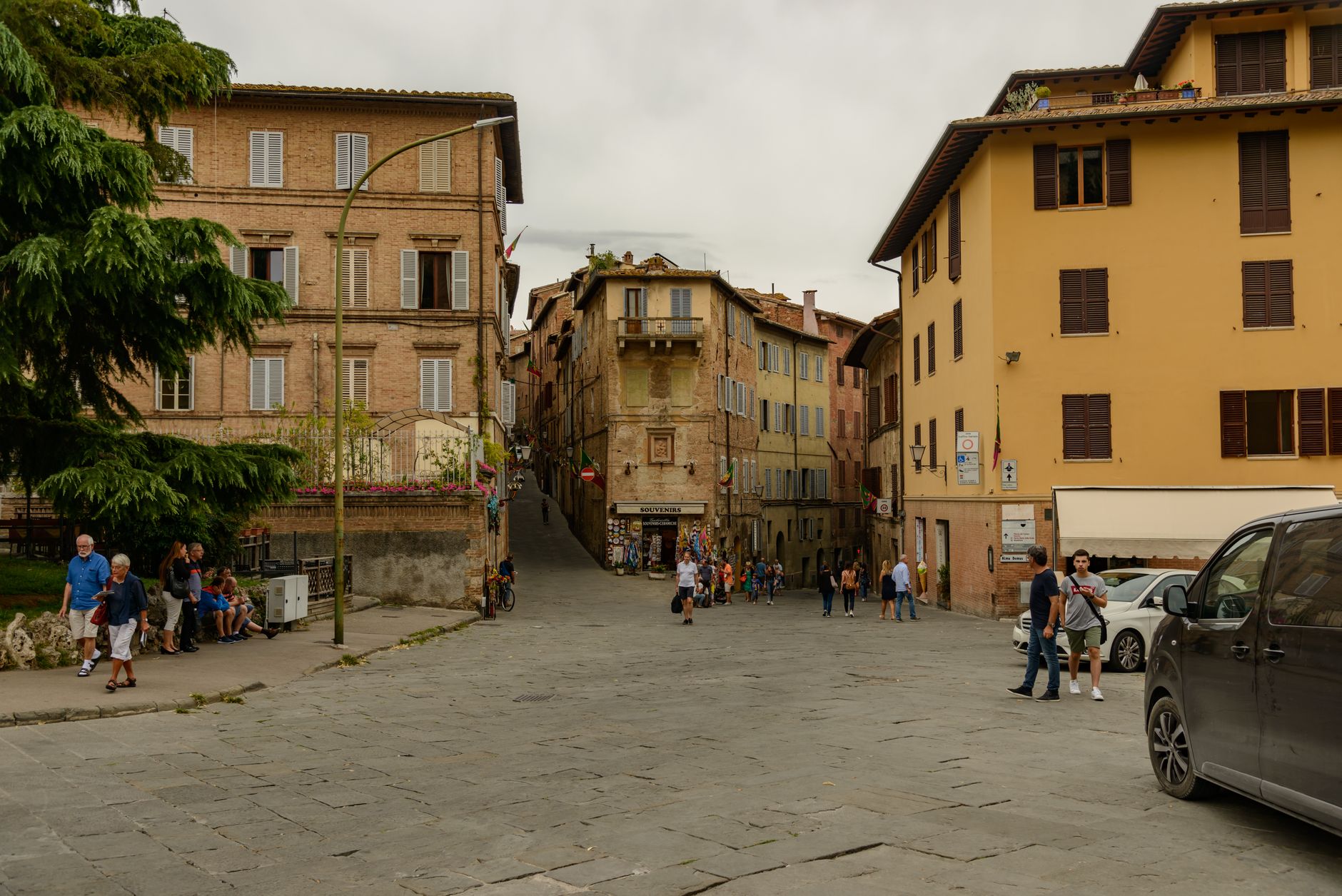
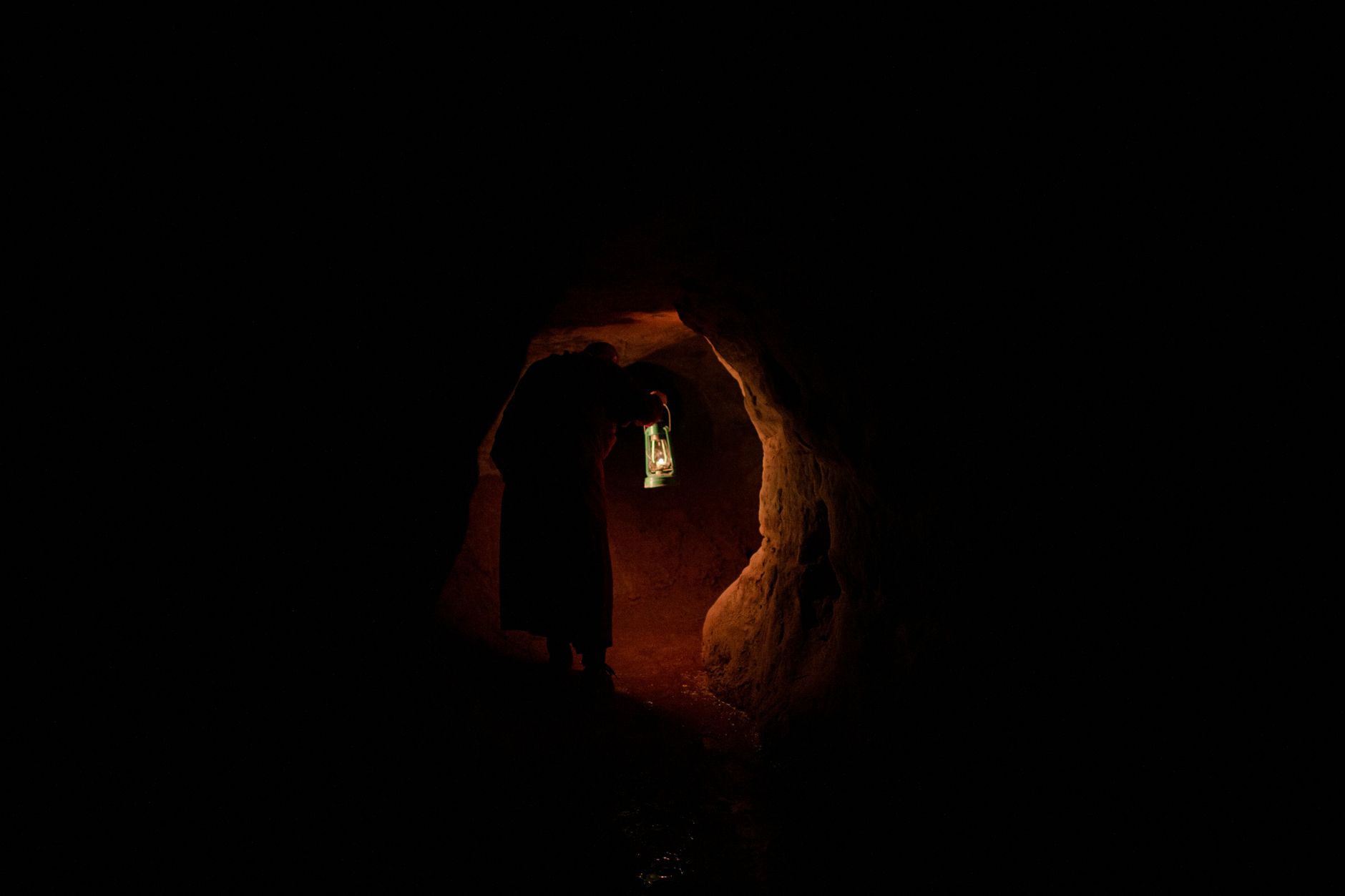
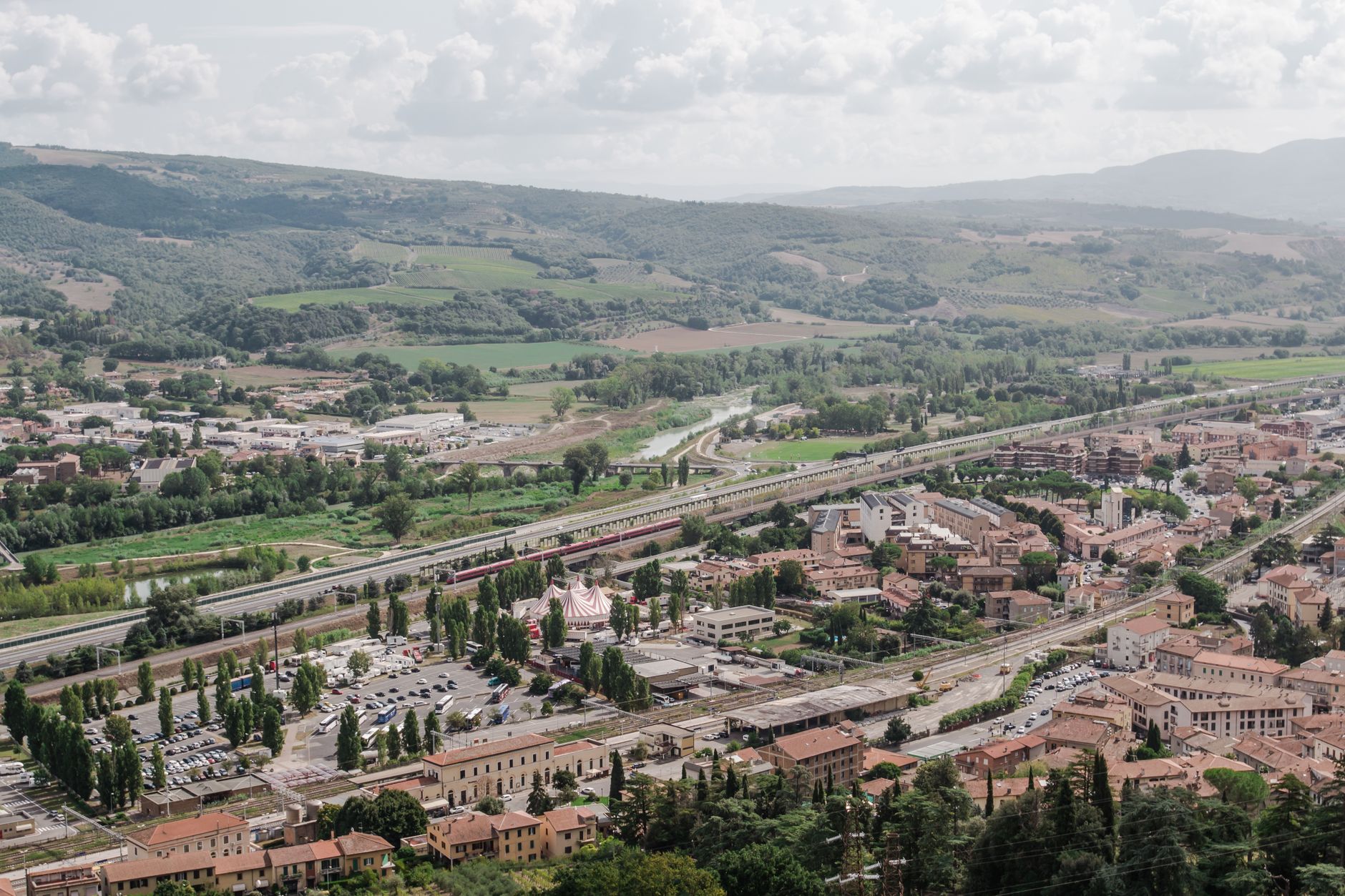
Orvieto sits on a flat-topped plug of volcanic tuff rising sheer from the valley floor — the kind of geography that stops you mid-sentence. The town has occupied this cliff since at least the 9th century BC, and the rock itself is as much a part of the place as anything built on top of it: beneath the streets lie around 1,200 carved chambers and a web of tunnels that the city has been quietly excavating for millennia.
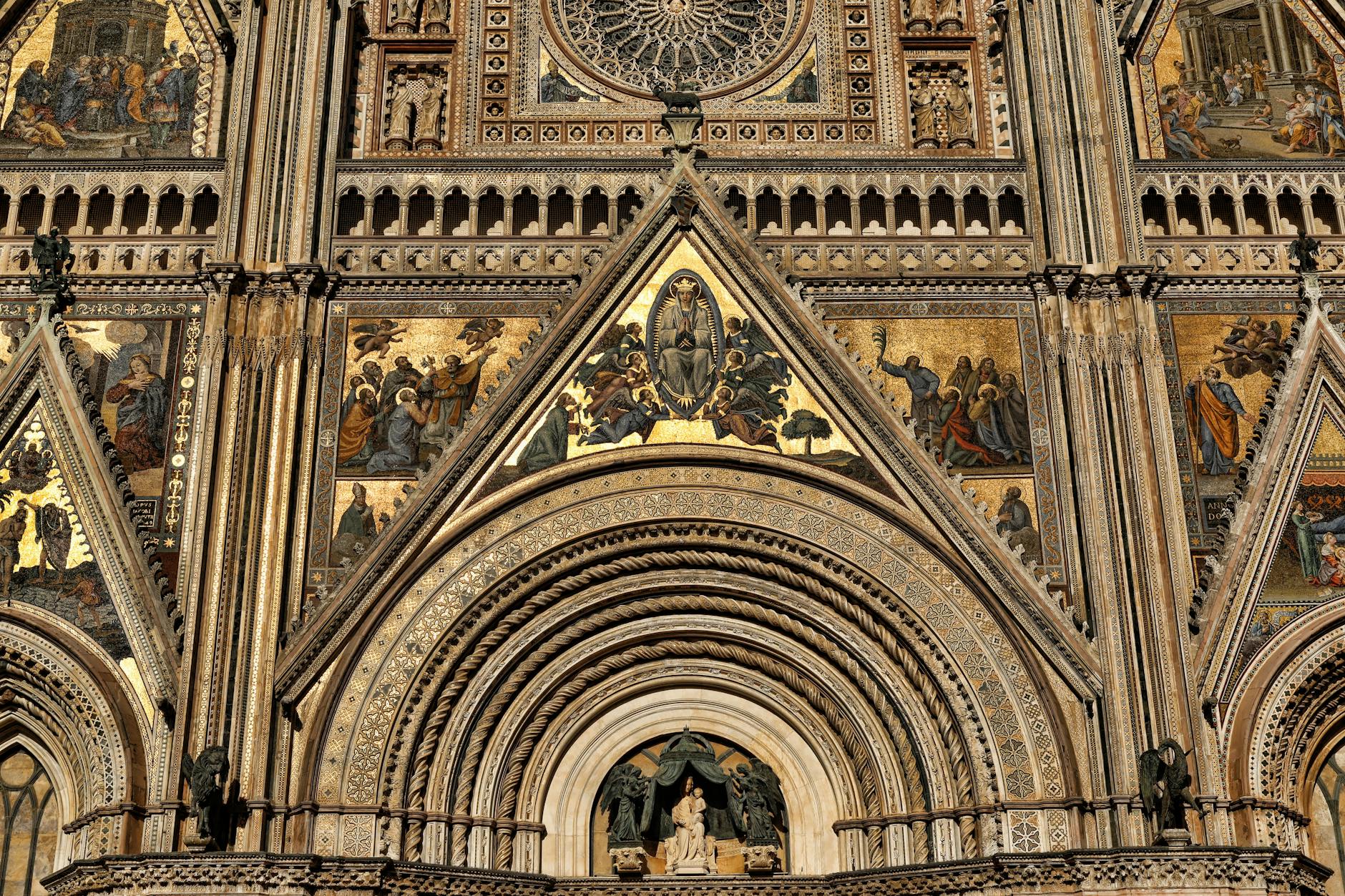
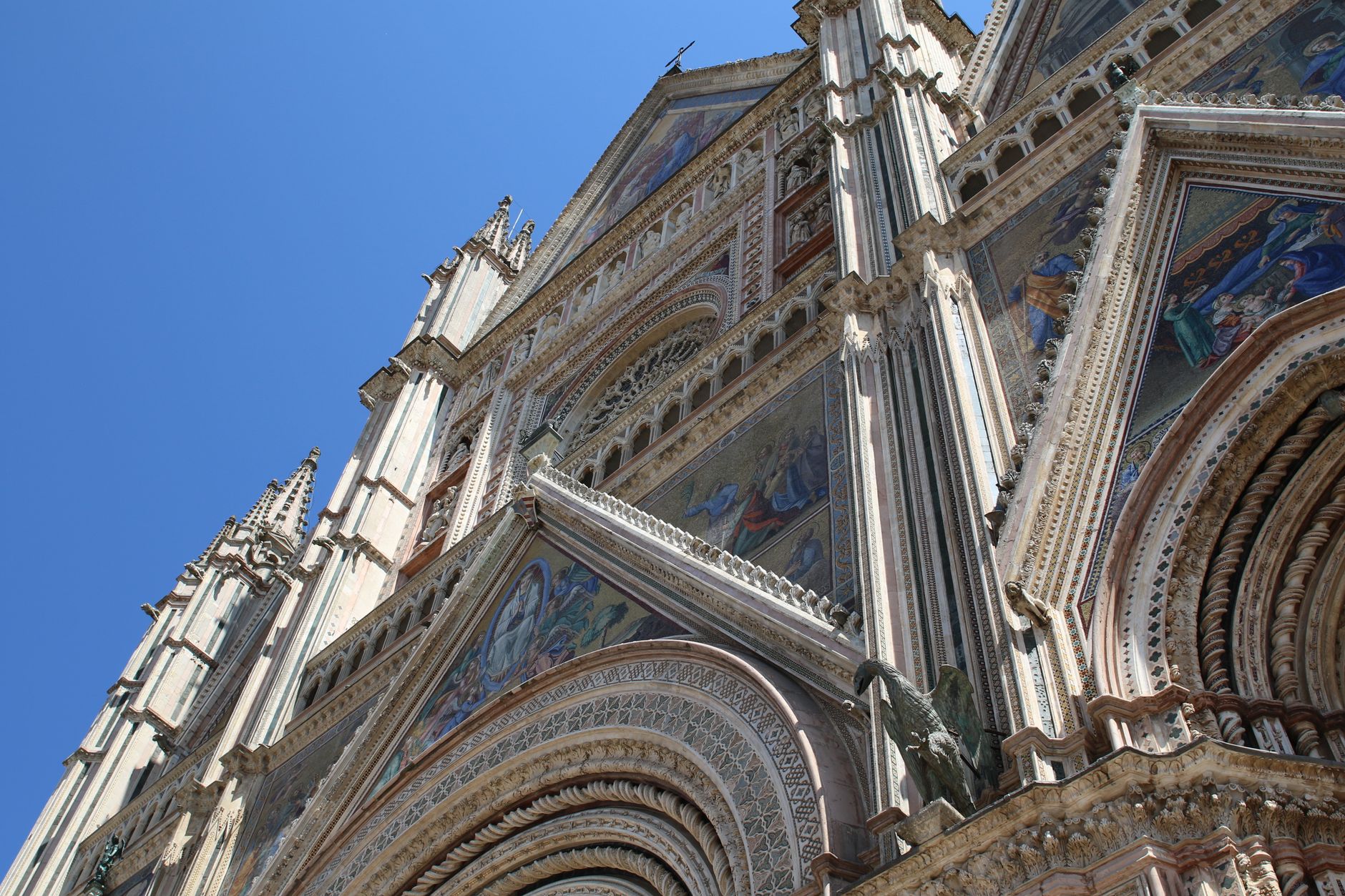
Up top, the Duomo's facade arrives like a shock of gold and mosaic at the end of a narrow street. The rest of Orvieto is slower: dark wine in small bars, a medieval grid that still follows Etruscan logic, and a population of just under 20,000 who don't seem especially interested in performing for visitors.
💛 What travellers fall for
People who come back tend to time it around the underground tours — book ahead, the caves don't do walk-ins. The Pozzo di San Patrizio is worth the 250 steps down and back: two interlocking spiral ramps that Antonio da Sangallo the Younger designed in 1527 so laden mules never had to pass each other. Go early, before the coach groups.
Experiences you don't want to miss



Deals in Orvieto
Book directly at the provider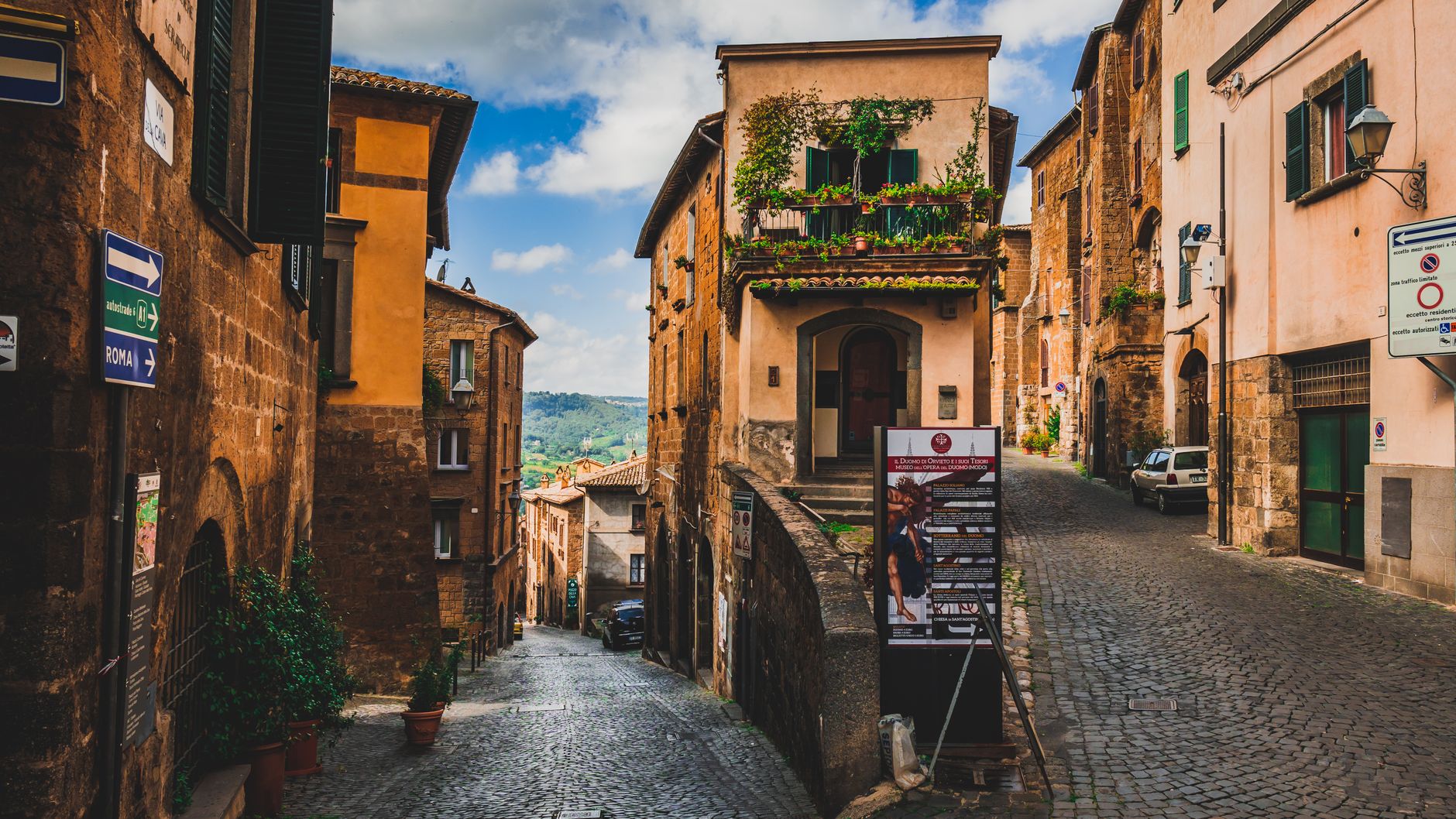
How Orvieto came to be
The tuff plateau was home to a Villanovan community by the 9th century BC, and the Etruscans who followed them held it for roughly six centuries. Rome ended that in 264 BC, destroying the city outright. The name Orvieto itself comes from the Latin Urbs vetus — 'old city' — adopted to distinguish it from the new Roman settlement built elsewhere.
After the fall of Rome, Orvieto passed through Lombard hands before entering the Papal States in 774. By the 13th century it had grown into one of central Italy's more assertive powers, controlling territory as far as the Tyrrhenian coast. The cathedral's first stone was laid in 1290 in the presence of Pope Nicholas IV; Cardinal Albornoz brought the city back under papal control in 1354 and began the fortress that still stands. Orvieto joined the Kingdom of Italy in 1860, the year a local man named Filippo Antonio Gualterio raised a volunteer army — the Cacciatori del Tevere — that forced the papal garrison to surrender.
Who and what shaped it
People who shaped it
Landmark buildings
See Orvieto in motion
Plan your visit
On the map
When to go
Spring (April–May) and autumn (September–October) offer mild temperatures and manageable crowds — the best conditions for walking the exposed clifftop streets and the open piazza in front of the Duomo. Summer brings real heat and tour-bus traffic; winter is quiet and occasionally foggy, but the cathedral interior is worth it in any light.
Right now
Background & history adapted from Wikipedia (CC BY-SA) · specs from Wikidata (CC0) · weather from Open-Meteo · map data © OpenStreetMap contributors · photos from Wikimedia Commons / Unsplash with per-image credit. No third-party reviews or social posts reproduced.