
Terni
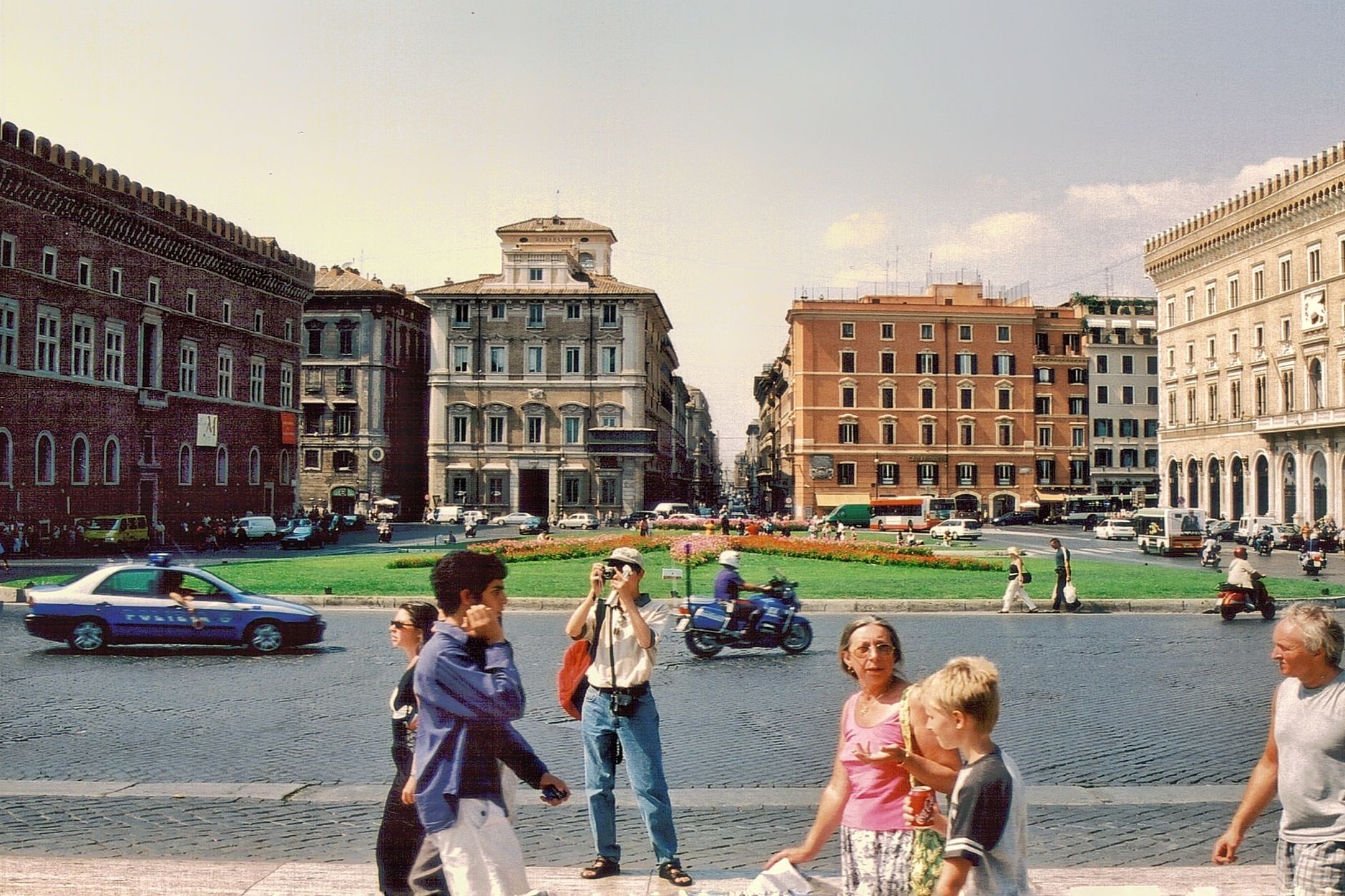
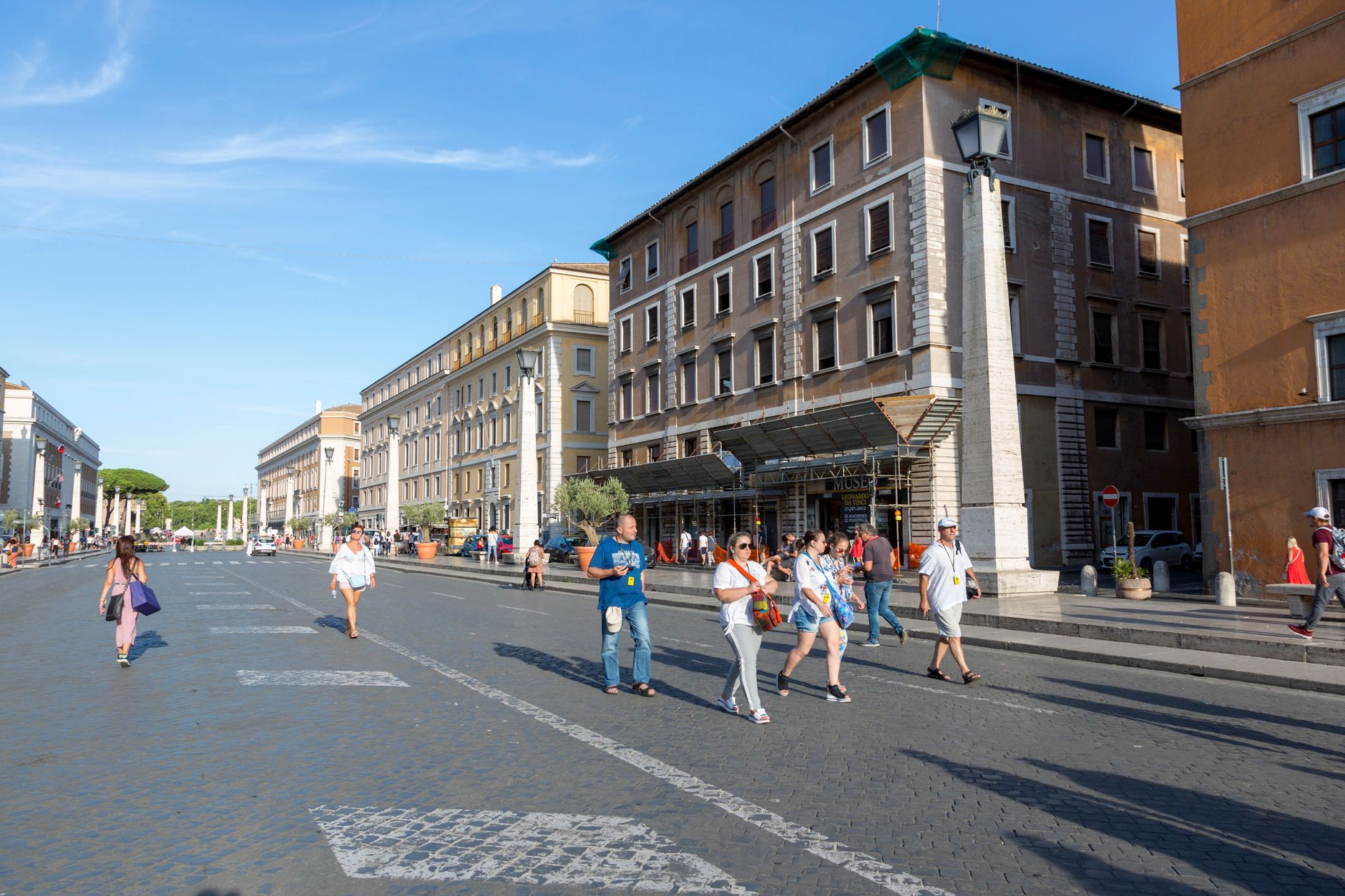
Terni announces itself with industry before it reveals anything else — the chimney stacks along the valley floor, the wide postwar streets rebuilt after Allied bombing flattened half the city in World War II. Most travellers pass through on the train south to Rome without stopping. That's their loss. Inside the rebuilt grid you find a Roman amphitheatre sitting quietly in Piazza Duomo, a cathedral with an organ attributed to Bernini, and the relics of a third-century bishop whose beheading on the Flaminian Way eventually made his name synonymous with February the fourteenth.
Terni is Umbria's industrial city, and it carries that identity without apology. The ironworks tradition here goes back to 1580; the arms factory opened in 1881. But a few kilometres outside town, the Romans themselves engineered the Cascata delle Marmore in 271 BC, redirecting the Velino river and creating a 165-metre waterfall that still runs on a schedule controlled by a hydroelectric plant.
💛 What travellers fall for
People who come back tend to time the Cascata delle Marmore visit around the release schedule — the falls run at set hours, and the difference between full flow and a trickle is considerable. They also tend to find the Carsulae archaeological park on a second visit: a ghost Roman town along the Via Flaminia, almost entirely unvisited, where you can walk the original paving stones through the forum.
Experiences you don't want to miss




Deals in Terni
Book directly at the provider

How Terni came to be
The settlement the Romans called Interamna — 'between two rivers', for its position at the confluence of the Nera and the Serra stream — was already old when Rome formalised it. An inscription from the Tiberian period records a foundation date of 672 BC. The town became a municipium in 90 BC under the Lex Julia, which extended Roman citizenship across the Italian populations. It produced at least two figures of lasting consequence: the historian Cornelius Tacitus and the emperor Marcus Claudius Tacitus.
The medieval centuries brought repeated conquest — Totila's Goths in 546, Narses' Byzantines in 554, the Lombards in 755 — and absorption into the Duchy of Spoleto. Frederick Barbarossa destroyed the city in 1174. The Papal States held it from 1420 until Italian Unification. Industrialisation came deliberately: an ironworks in 1580, an arms factory operational by 1881. The postwar rebuilding after wartime bombing gave the city its current wide-avenue character.
Who and what shaped it
People who shaped it
Landmark buildings
See Terni in motion
Plan your visit
On the map
When to go
Terni sits in a valley and runs warmer than the hilltop towns nearby — summer afternoons are genuinely hot, and the valley can trap humidity. Spring (April–May) and October are the most comfortable seasons for walking; winters are mild but occasionally damp.
Right now
Background & history adapted from Wikipedia (CC BY-SA) · specs from Wikidata (CC0) · weather from Open-Meteo · map data © OpenStreetMap contributors · photos from Wikimedia Commons / Unsplash with per-image credit. No third-party reviews or social posts reproduced.