
Castiglione del Lago
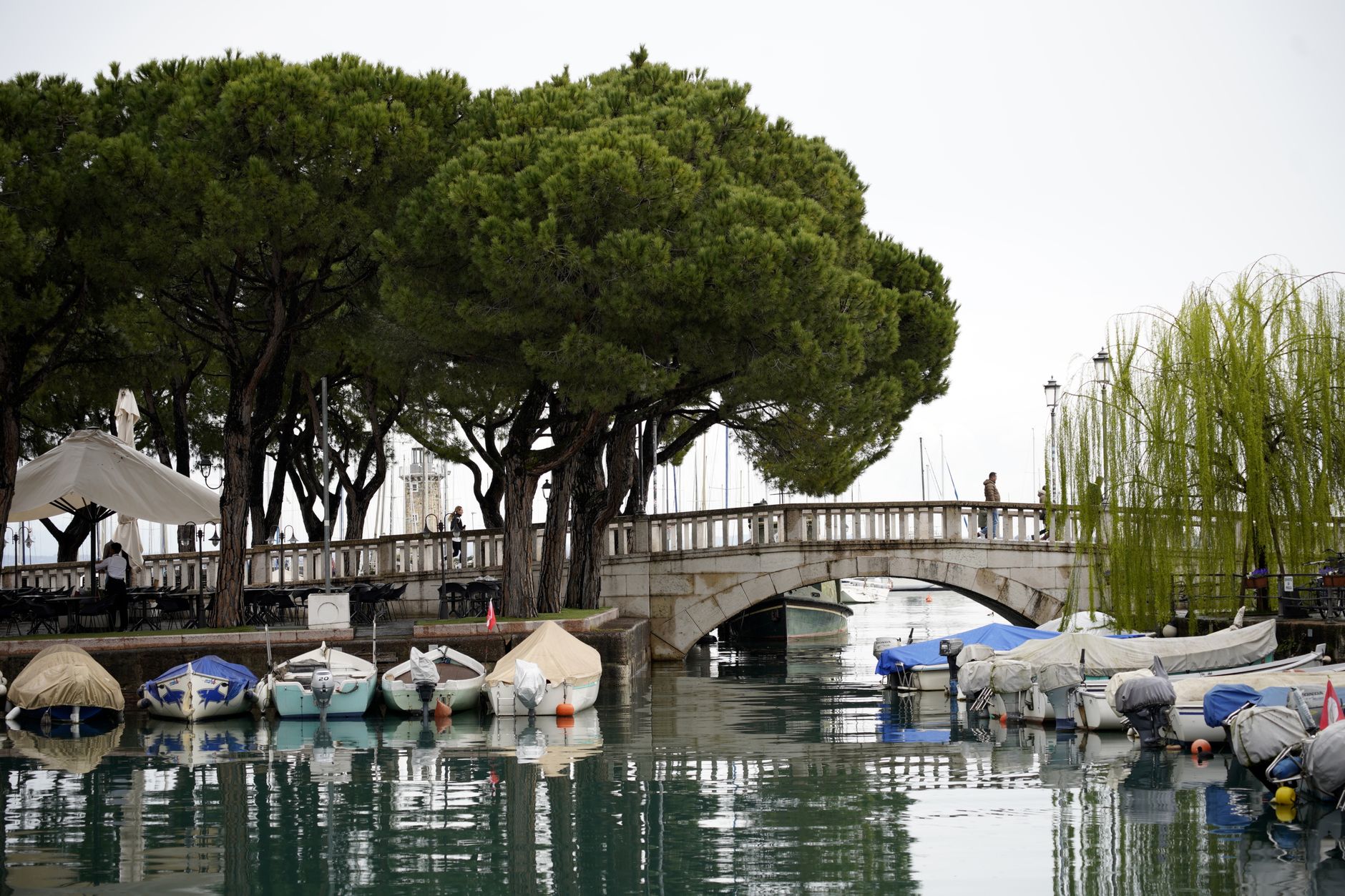
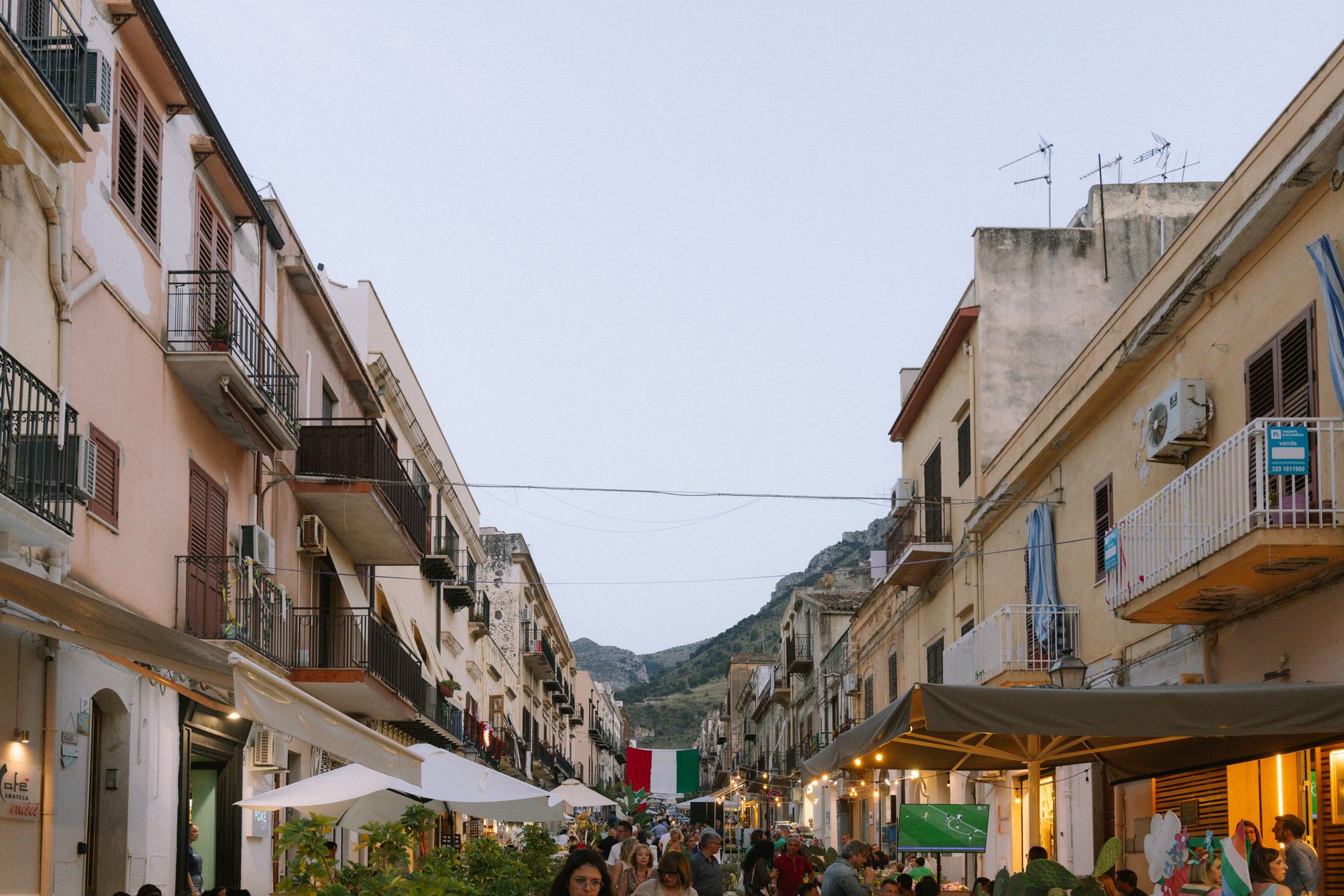
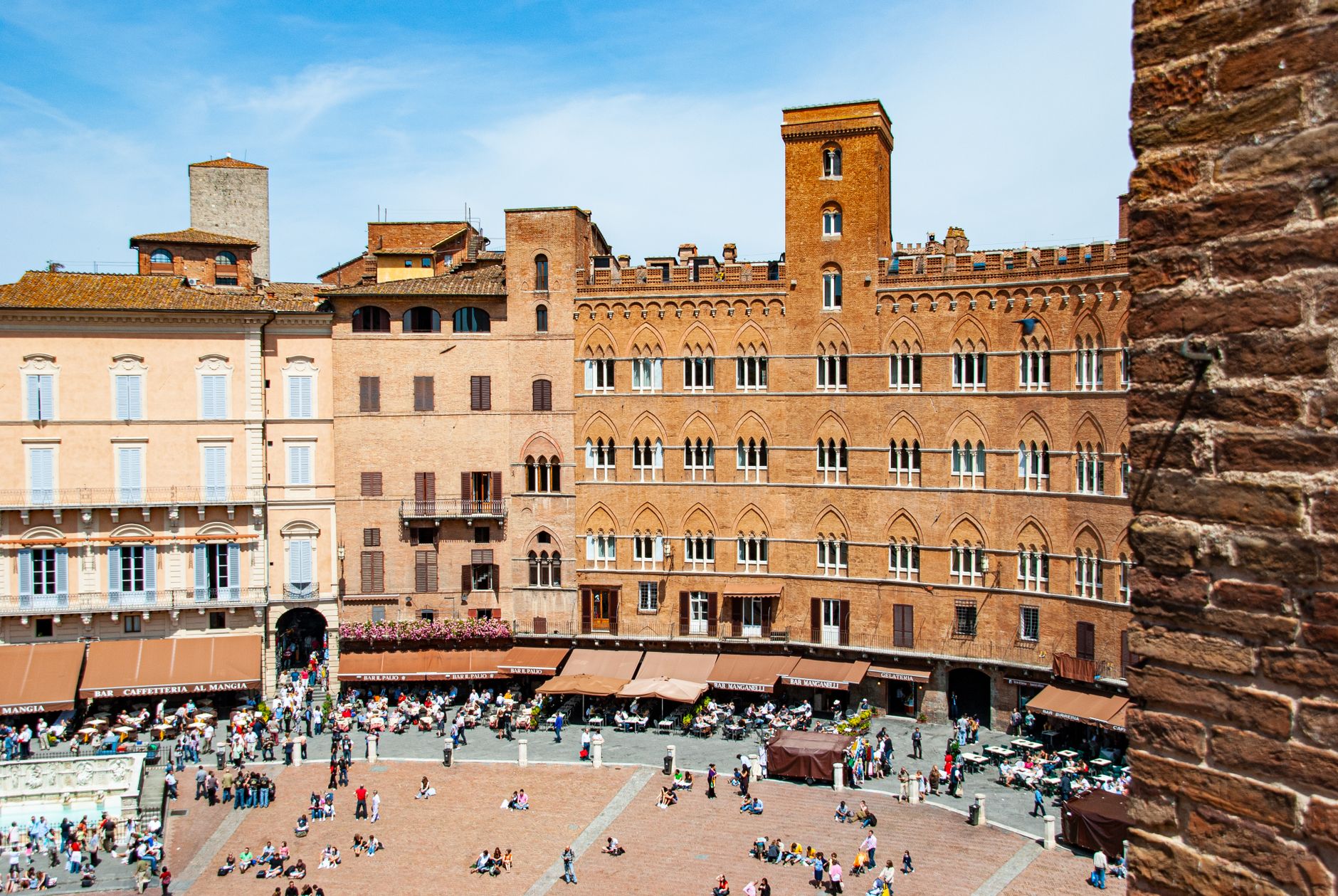
Castiglione del Lago sits on a promontory that was once an island — the fourth island of Lake Trasimeno, before a water channel was filled in and the hill became part of the shore. That geography still shapes everything: the light off the lake finds you at odd angles, the medieval walls drop almost straight into the water on three sides, and the view from the triangular keep of the Rocca del Leone takes in the whole silver-grey expanse.
This is a small Umbrian town with a serious fortress, a palace full of Renaissance frescoes, and a lake big enough to lose an afternoon on. It earns its own visit rather than just a detour from Perugia.
💛 What travellers fall for
People who come back tend to time it for early evening, when the passeggiata along the lakeside promenade thins out and the light on Trasimeno goes copper. The covered walkway connecting Palazzo della Corgna to the Rocca del Leone is easy to rush — don't. Stand in it and look at the water through the openings.
Experiences you don't want to miss



Deals in Castiglione del Lago
Book directly at the provider


How Castiglione del Lago came to be
The hill was Etruscan before it was anything else — settled from Clusium in the sixth century BC, when it rose out of the lake as an island. It passed through medieval hands with the usual violence: Henry IV burned it in 1091, the Perugians claimed it by papal grant in 1187, and Frederick II conquered it in 1247, then commissioned the Franciscan friar and architect Elias Coppi to rebuild the fortress that still stands.
The Renaissance chapter belongs to the della Corgna family. When Pope Julius III granted the estate to his relatives in 1550, Ascanio della Corgna hired Galeazzo Alessi and Vignola to build a palace and connected it by covered walkway to the medieval fortress. The painter Niccolò Circignani spent years frescoing its eight rooms with mythological scenes and portraits of Ascanio's military campaigns. The duchy ended abruptly in 1647 when Fulvio II died without heirs and the fiefdom reverted to the Papal States.
Who and what shaped it
People who shaped it
Landmark buildings
See Castiglione del Lago in motion
Plan your visit
On the map
When to go
Summers are warm and dry, with lake breezes keeping the promontory a degree or two cooler than inland Umbria. Spring and autumn are mild and clear — the better seasons for walking the walls and seeing the water without the haze that settles over Trasimeno in July and August.
Right now
Background & history adapted from Wikipedia (CC BY-SA) · specs from Wikidata (CC0) · weather from Open-Meteo · map data © OpenStreetMap contributors · photos from Wikimedia Commons / Unsplash with per-image credit. No third-party reviews or social posts reproduced.