
Rome (Lazio)
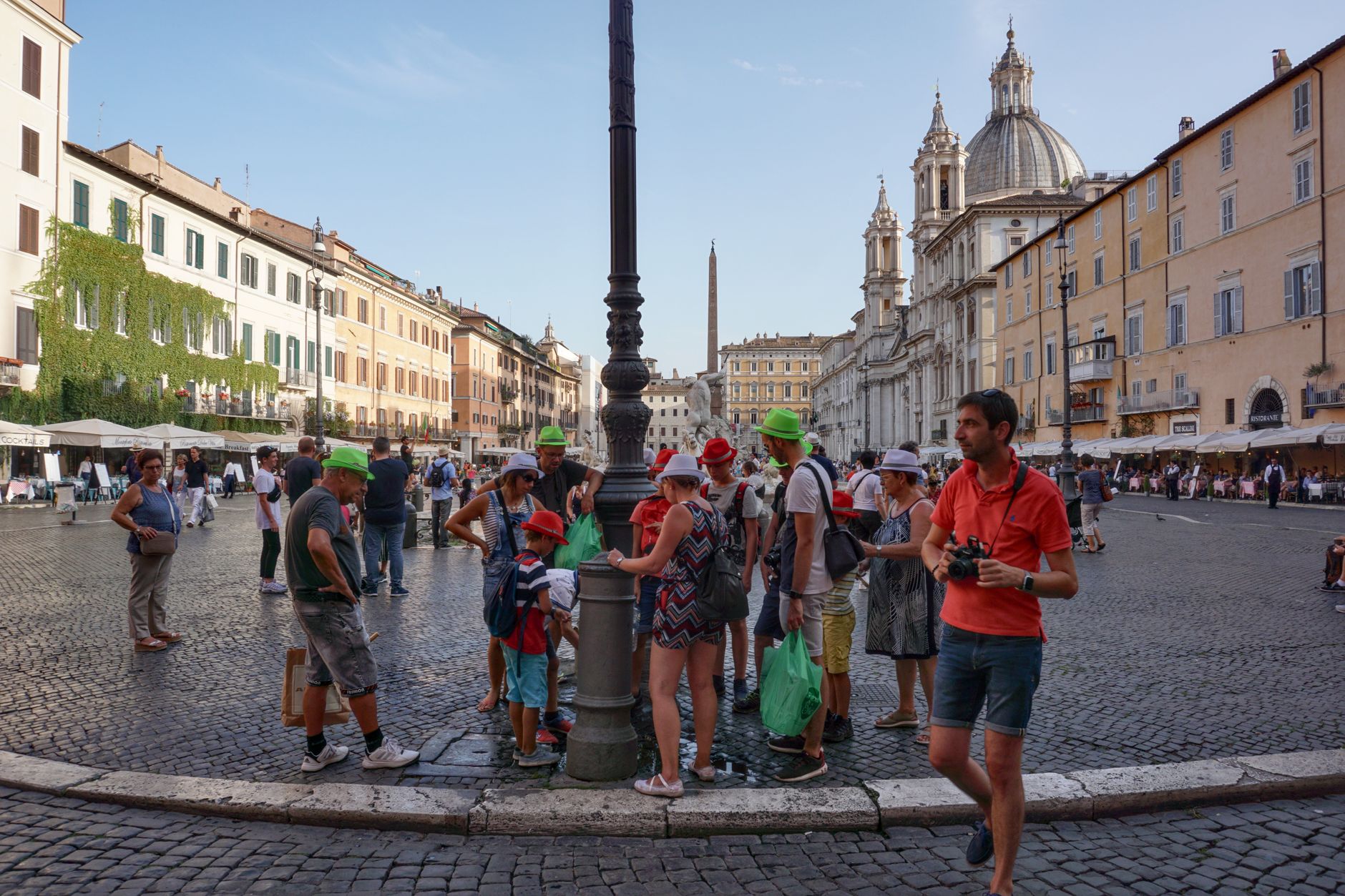
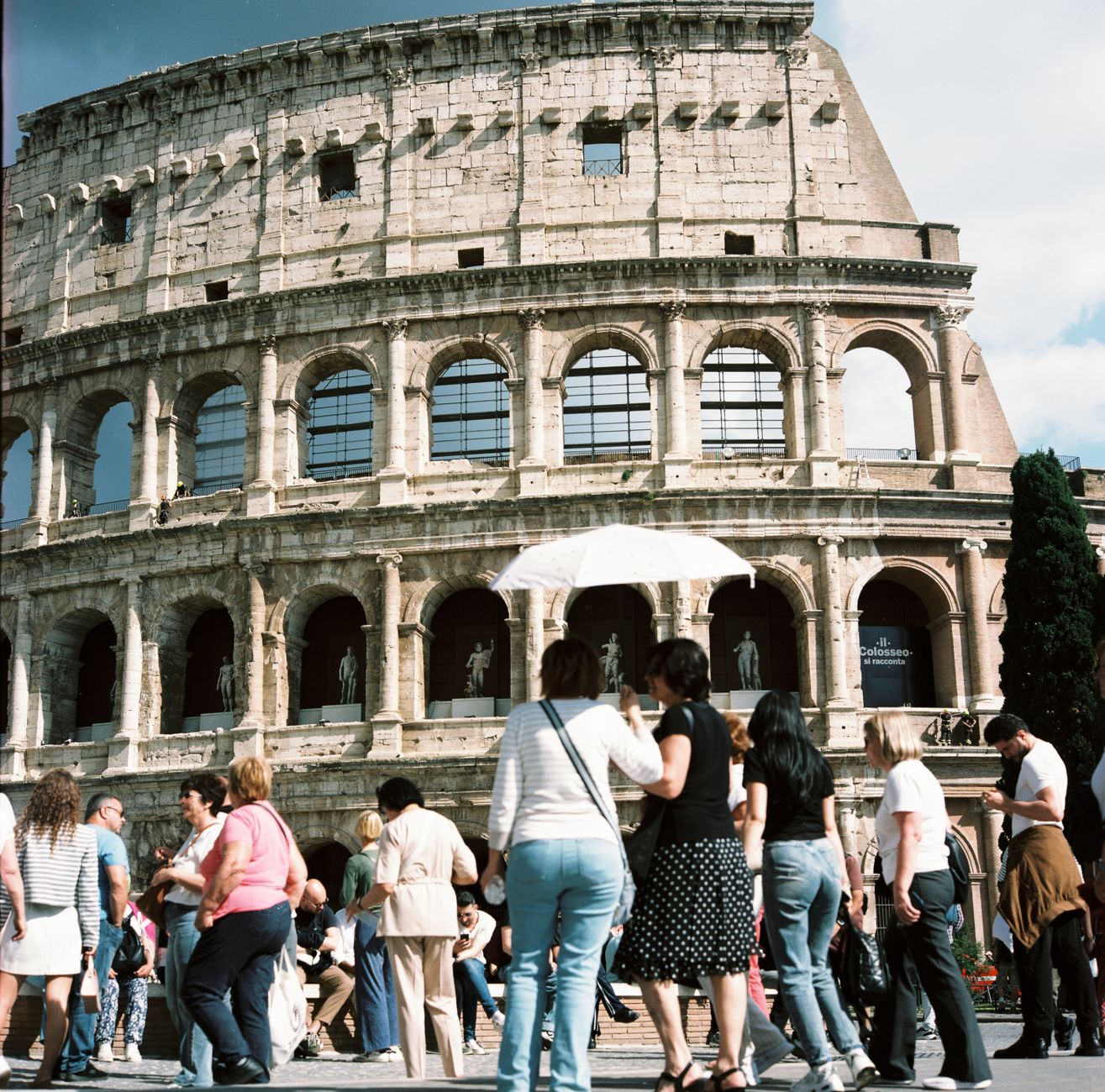
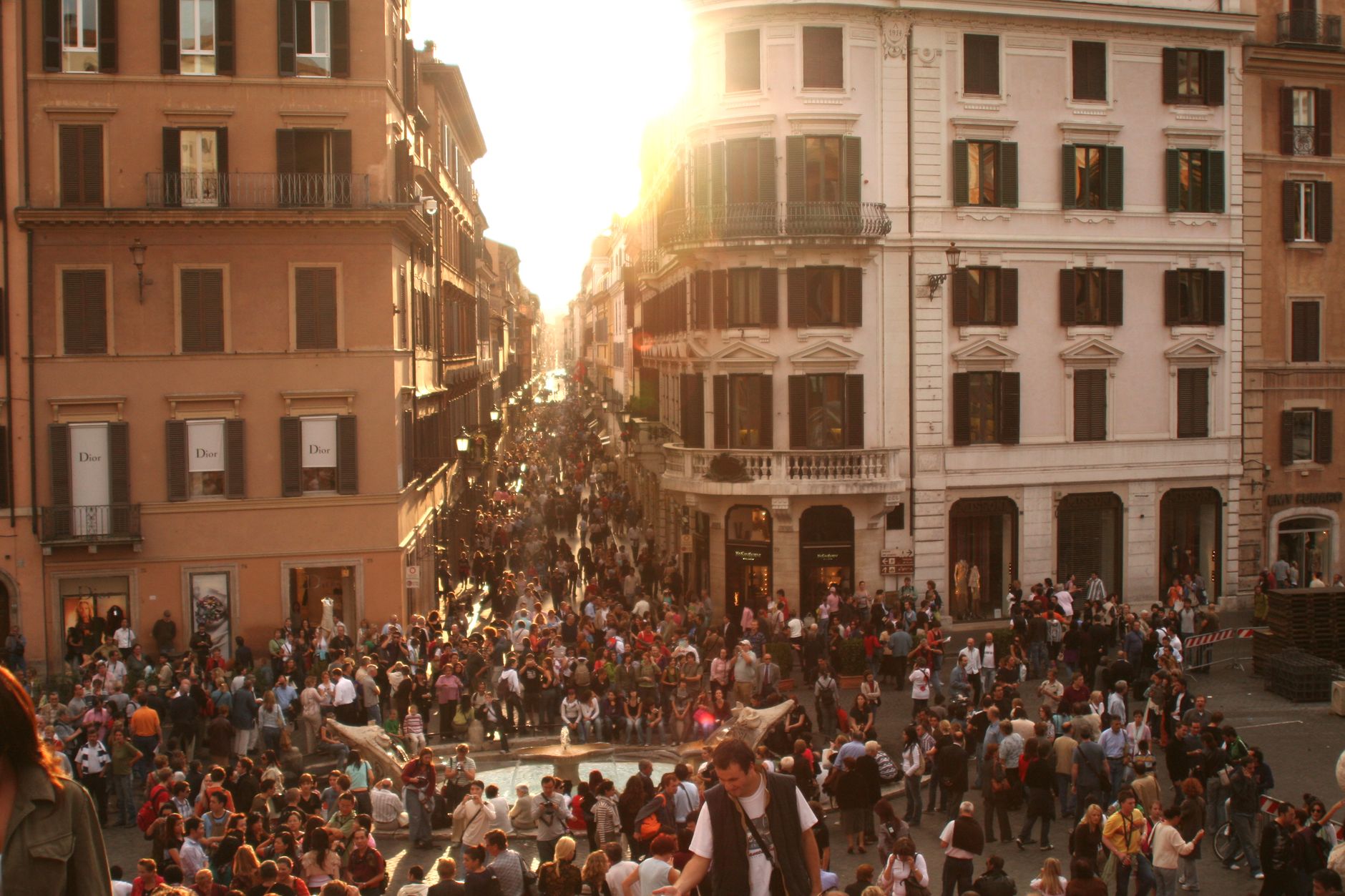
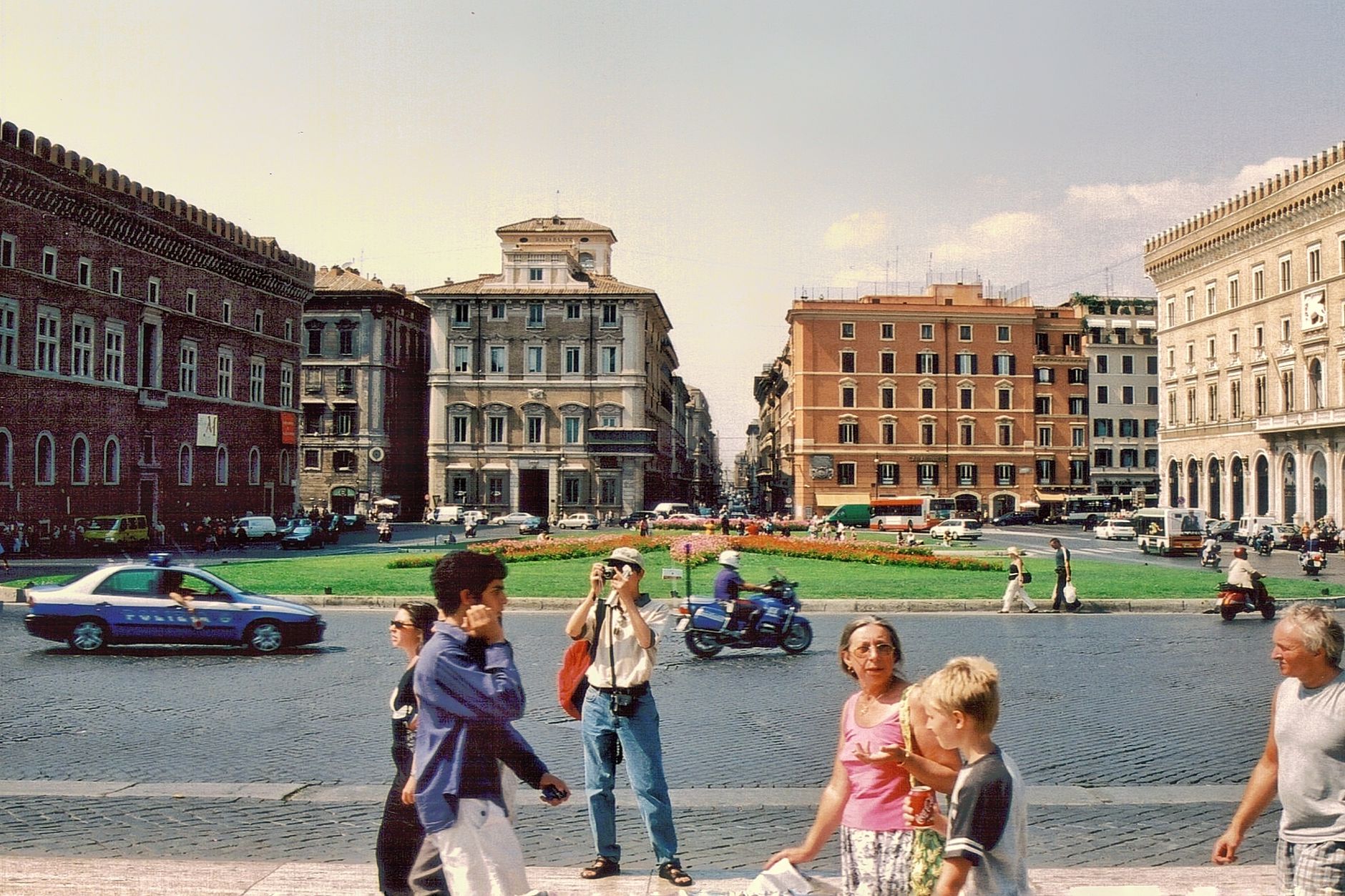
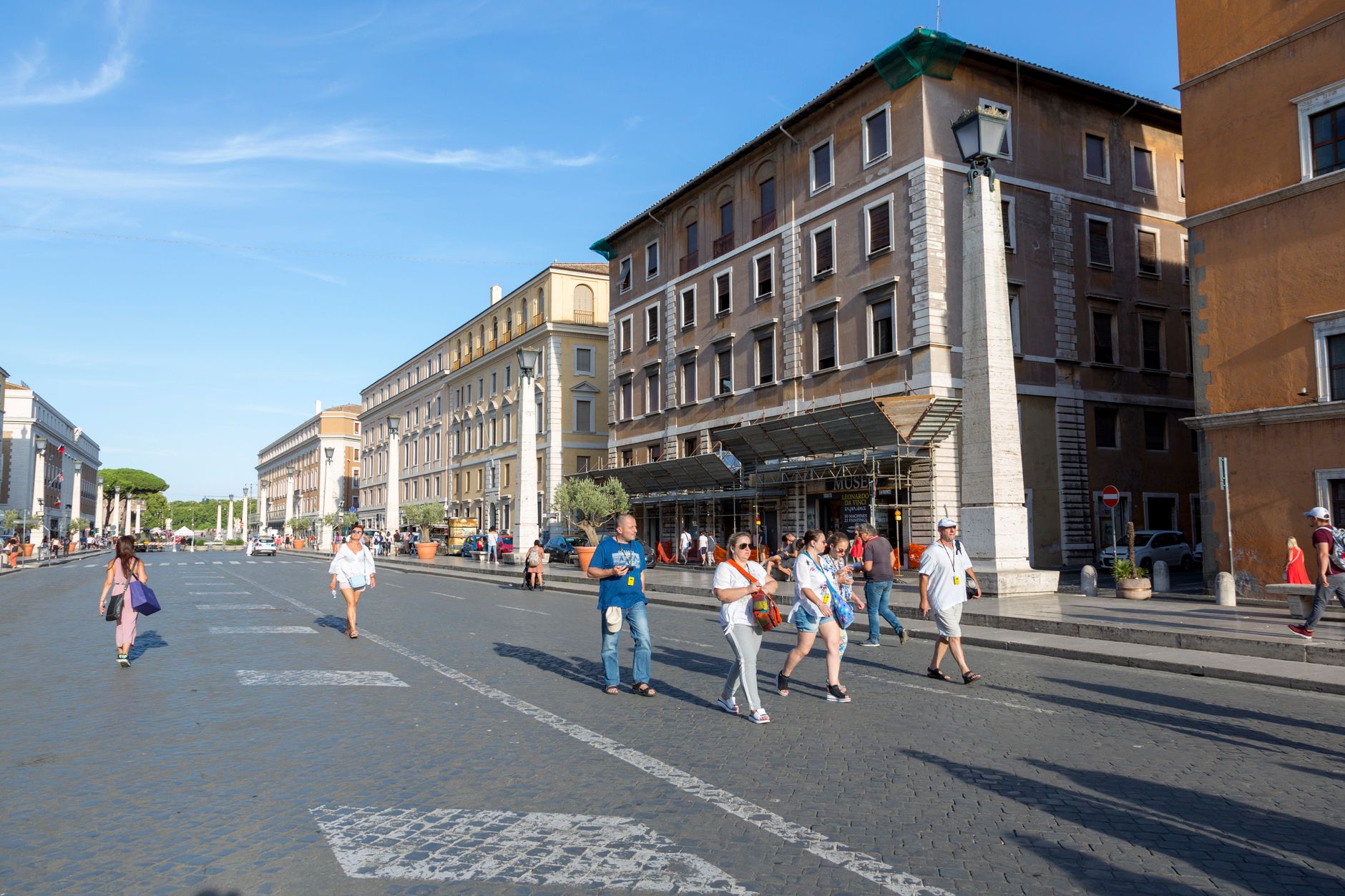
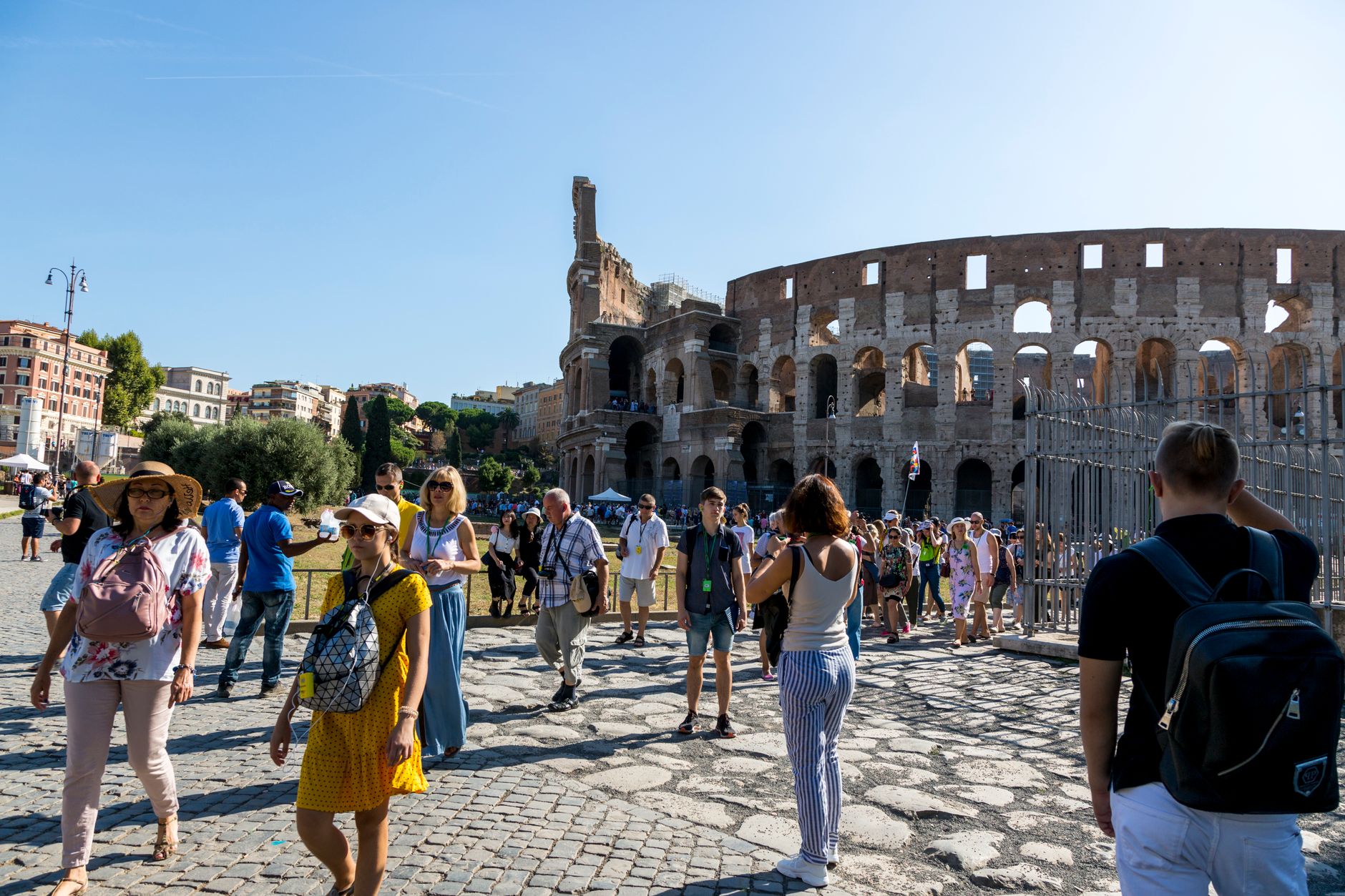
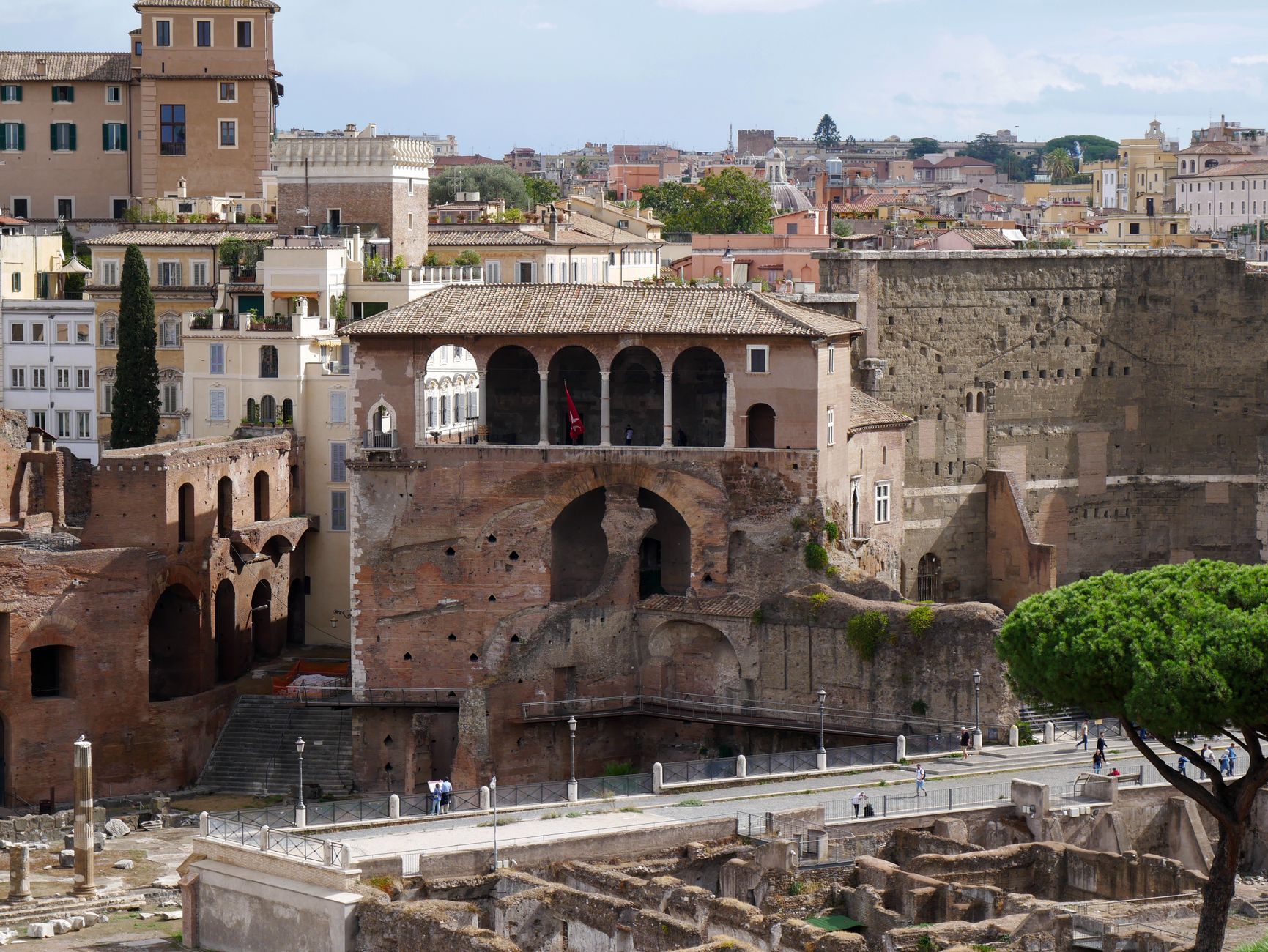
Rome doesn't ease you in. You turn a corner looking for a coffee and find yourself standing in front of the Pantheon, a building that has been in continuous use since the age of Augustus. That's the rhythm of the city: the ancient and the everyday stacked so close together that the distinction starts to blur after a day or two.
Lazio, the region Rome anchors, stretches from the Apennines to the Tyrrhenian coast, but the city itself is the gravitational centre — two and a half millennia of empire, papacy, and ordinary Roman life compressed into a place you can cross on foot.
Popular cities in Rome (Lazio)
💛 What travellers fall for
People who come back tend to stop chasing the list. They pick a neighbourhood — Trastevere, Prati, the streets around Campo de' Fiori — and walk without a plan. The Appian Way Regional Park, less than two miles from the Colosseum, is where regulars go when they need to remember the city has a quieter register.
Experiences you don't want to miss





How Rome (Lazio) came to be
The traditional founding date — April 21, 753 BC — was fixed by the Roman scholar Marcus Terentius Varro in the first century BC, though archaeology puts human settlement in the area back roughly 14,000 years. Rome grew from a cluster of villages on the Palatine Hill, became a republic in 509 BC when its last king was expelled, and eventually the seat of an empire that stretched from Britain to Mesopotamia. It collapsed in the west in 476 AD.
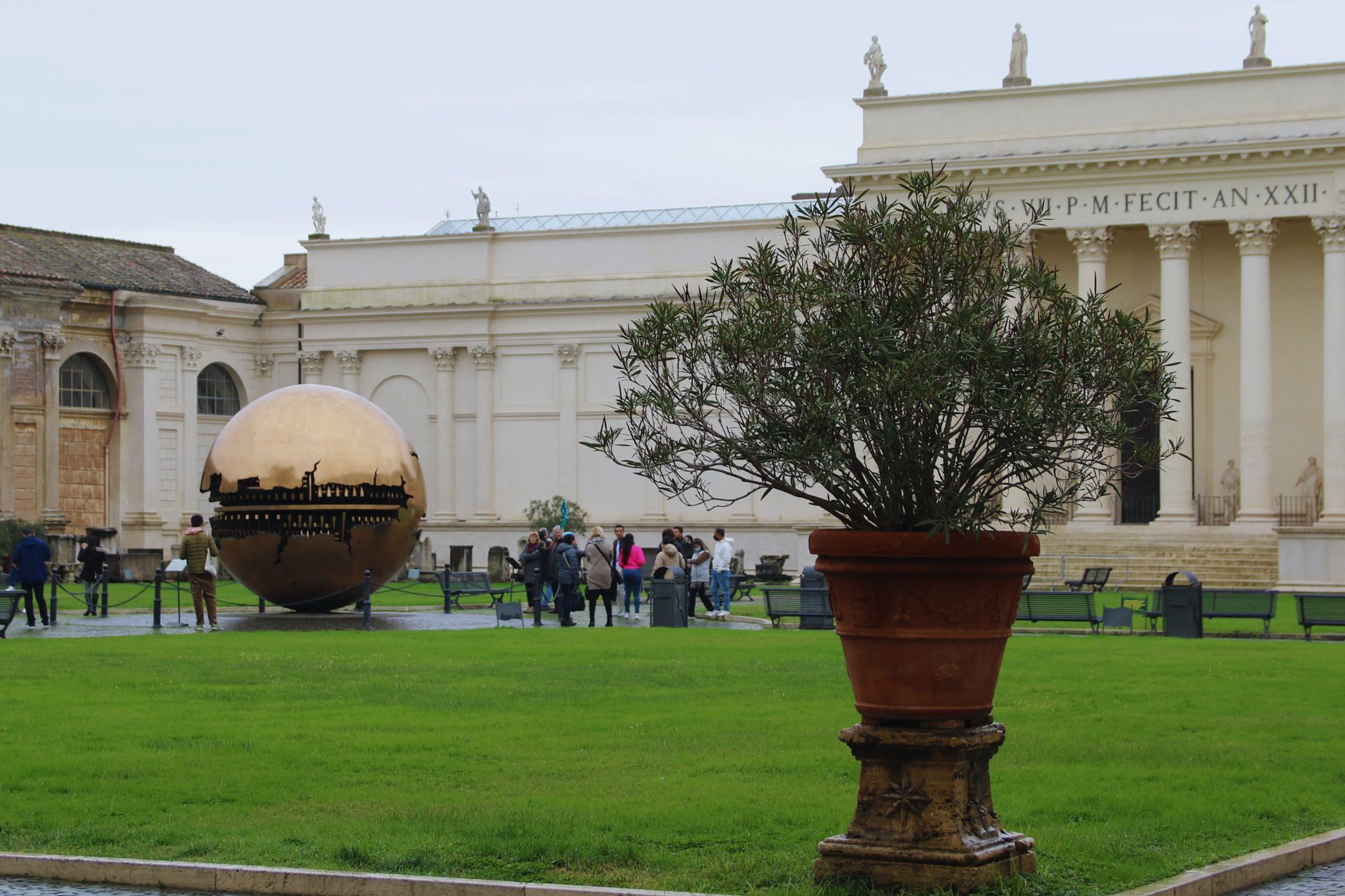
What followed was not erasure but transformation. The popes moved in and Rome spent the next millennium as the spiritual capital of Europe. Under Julius II and his successors Leo X and Clement VII, the city reached a new peak — Michelangelo redesigned the Capitoline Hill, and the Vatican accumulated the art that still draws millions to its museums.
Who and what shaped it
People who shaped it
Landmark buildings
See Rome (Lazio) in motion
Plan your visit
On the map
When to go
Summers are hot and dry, often above 30°C through July and August. Spring (April–May) and autumn (September–October) bring mild temperatures and manageable crowds. Winters are cool and occasionally rainy but rarely harsh.
Right now
↡ Cities
No places match these filters.
Background & history adapted from Wikipedia (CC BY-SA) · specs from Wikidata (CC0) · weather from Open-Meteo · map data © OpenStreetMap contributors · photos from Wikimedia Commons / Unsplash with per-image credit. No third-party reviews or social posts reproduced.