
Marino
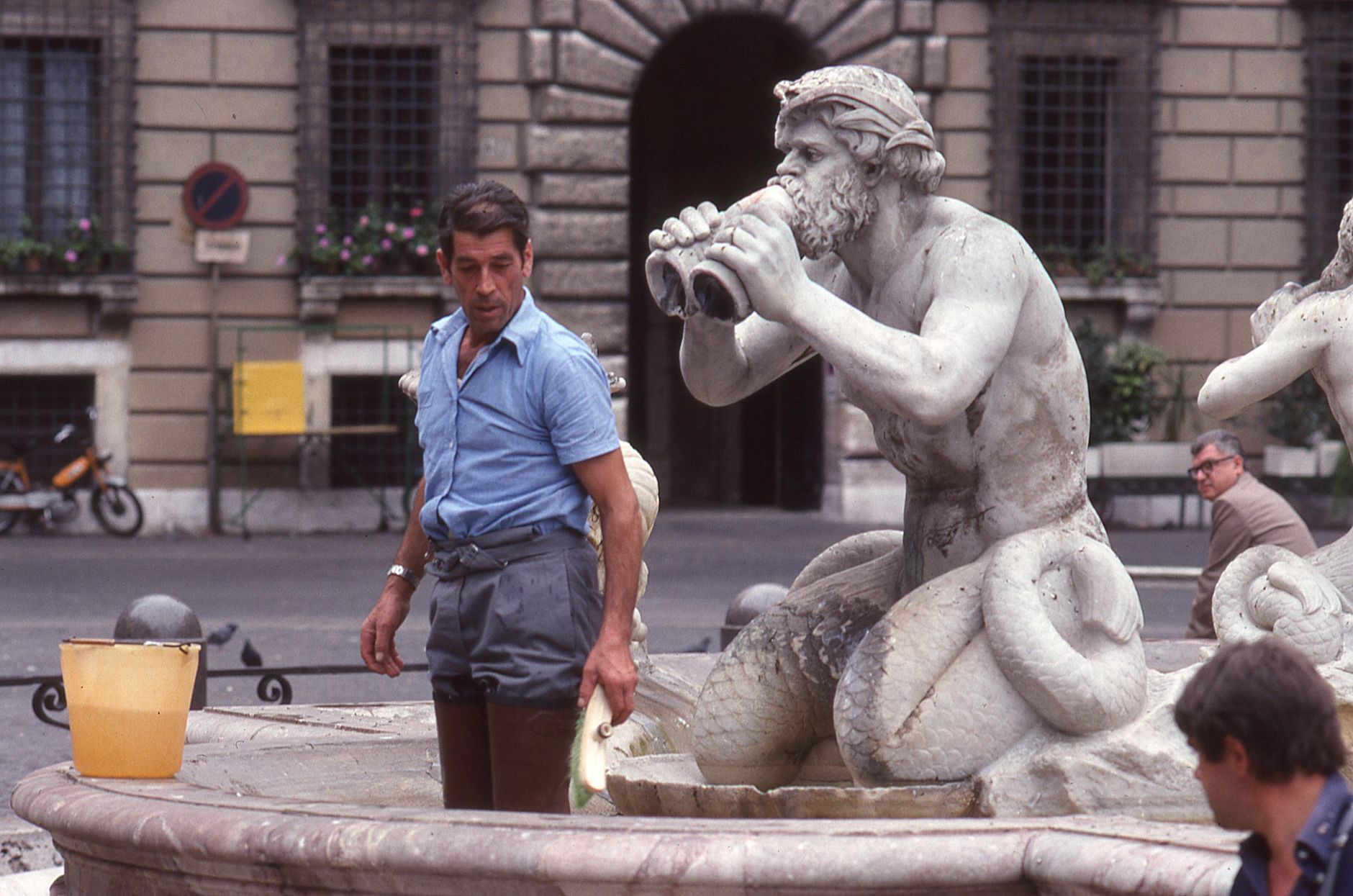
On the first Sunday of October, the fountain in Marino's central piazza runs with wine. It has done so since 1925 — the Fontana dei Quattro Mori, carved from dark peperino stone, converted for the Sagra dell'Uva grape festival. That single fact tells you a lot about this Castelli Romani town on the slopes of the Alban Hills: old stone, local wine, and a civic pride that doesn't need to perform for outsiders.
Below the piazza, a network of tunnels cut into the same peperino rock runs beneath the streets, including a Mithraic sanctuary with a fresco — the Tauroctonia — dating to the second century AD. Marino has layers, literally.
💛 What travellers fall for
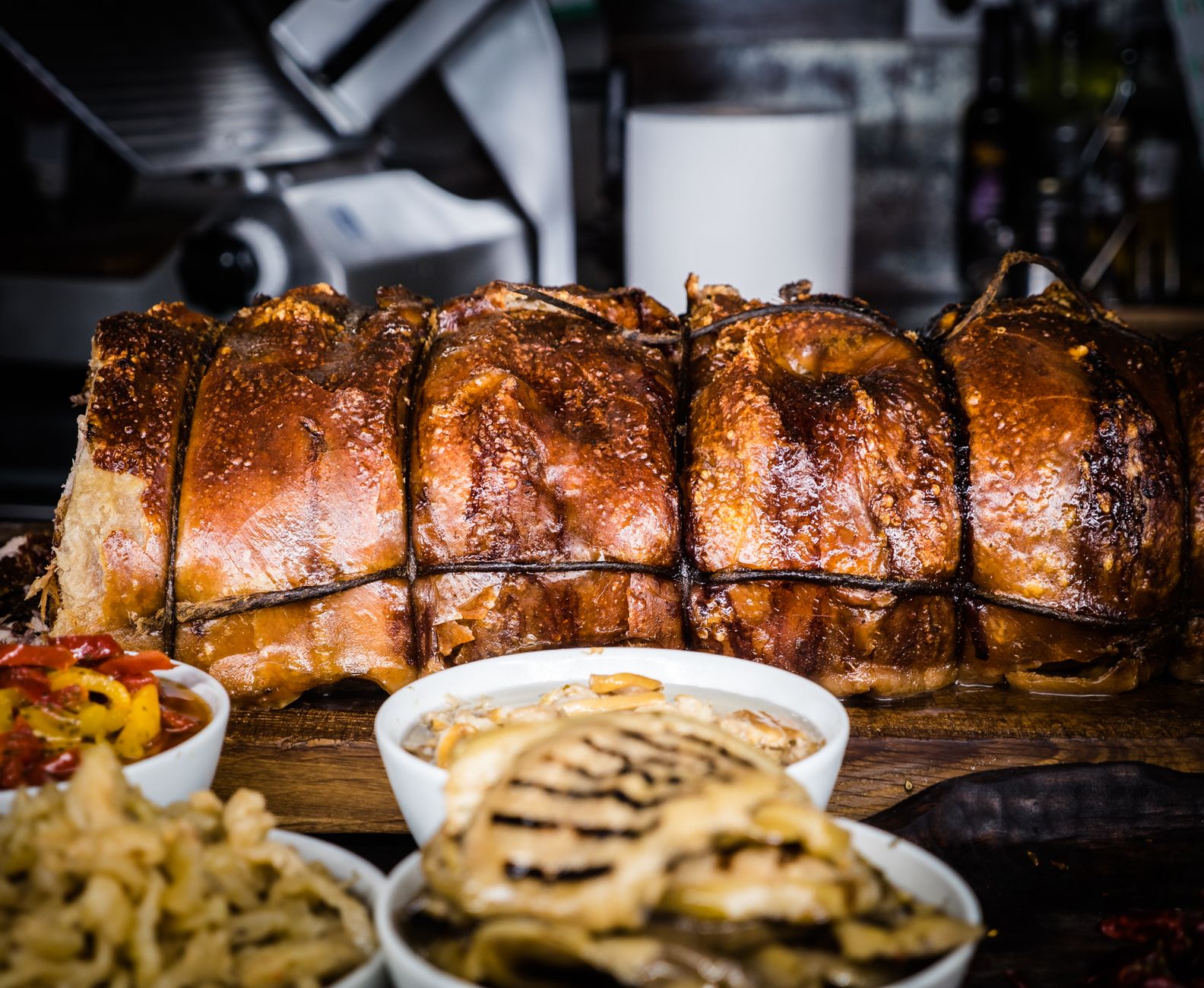
People who come back tend to time it for the third Sunday of October, when the IGP must doughnuts appear — fried with DOC grape must, olive oil, and sultana raisins. Others make a point of booking the underground Marino Ipogea tour on weekends through Archeoclubcollialbani.it before heading up to Piazza Matteotti for a glass of the local DOP white.
Experiences you don't want to miss



Deals in Marino
Book directly at the provider

How Marino came to be
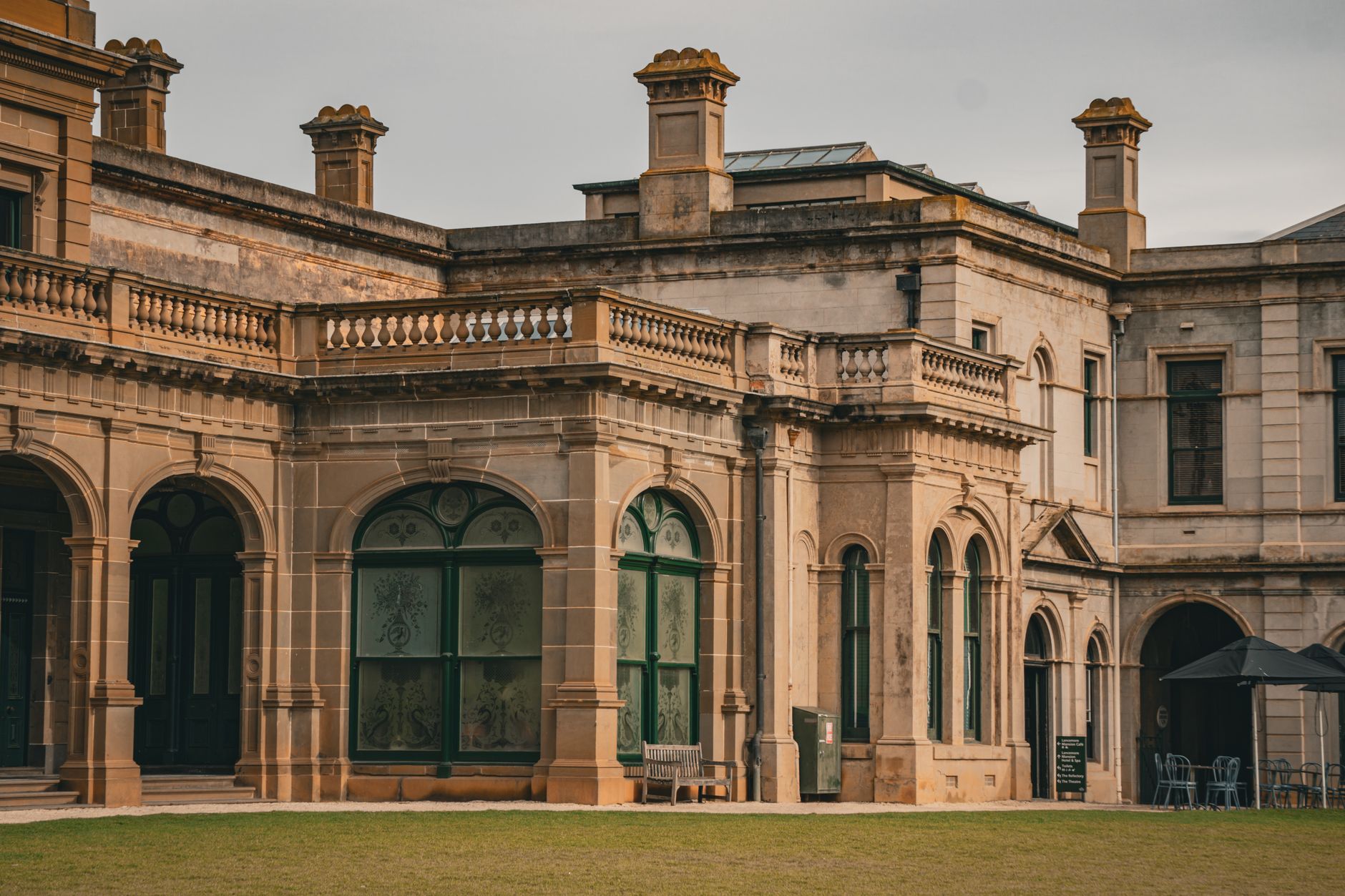
Marino's recorded history moves through powerful hands. Pope Alexander VI granted the fief to his nephew Giovanni on 1 October 1501, but when Alexander died two years later, Fabrizio I Colonna reclaimed the castle. The Colonna family shaped much of what you see today: Palazzo Colonna rose between 1532 and 1622 on the bones of an earlier Orsini fortress, designed to a project by Antonio da Sangallo the Younger, and now serves as the town hall.
The town's most celebrated moment came on 7 October 1571, when Marcantonio Colonna returned in triumph from the Battle of Lepanto. Pope Gregory XVI elevated Marino to city status in 1835, and the railway link to Ciampino — begun in 1880, completed in 1889 — drew it into Rome's orbit without dissolving its own character.
Who and what shaped it
People who shaped it
Landmark buildings
See Marino in motion
Plan your visit
On the map
When to go
Spring and autumn bring the sharpest temperature swings, with maximums ranging roughly 15–22°C; November is the wettest month. Summers are dry and warm, slightly less humid than Rome itself — the Alban Hills air that drew Roman patricians up here for centuries still does its work.
Right now
Background & history adapted from Wikipedia (CC BY-SA) · specs from Wikidata (CC0) · weather from Open-Meteo · map data © OpenStreetMap contributors · photos from Wikimedia Commons / Unsplash with per-image credit. No third-party reviews or social posts reproduced.