
Ostia Antica
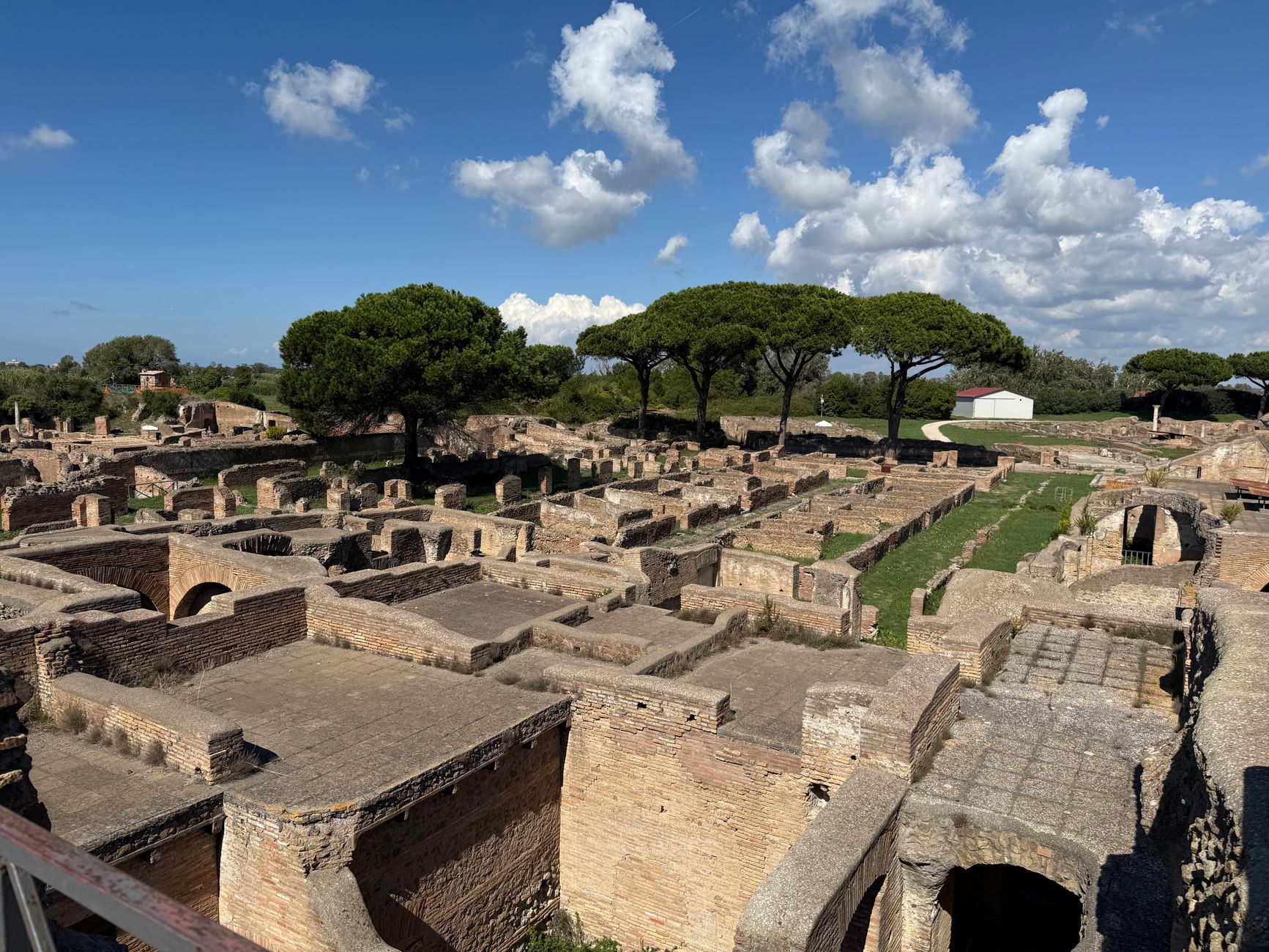
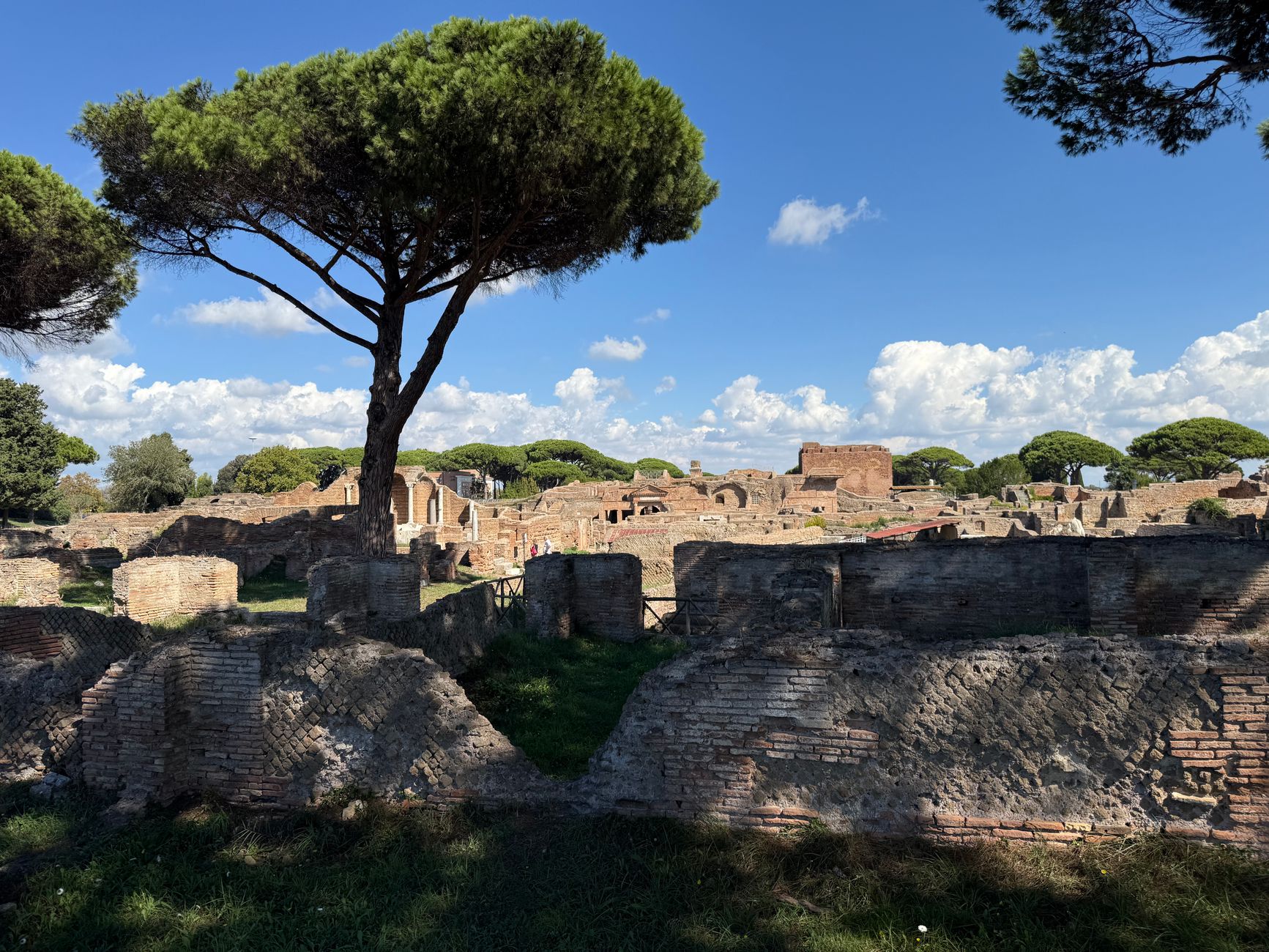
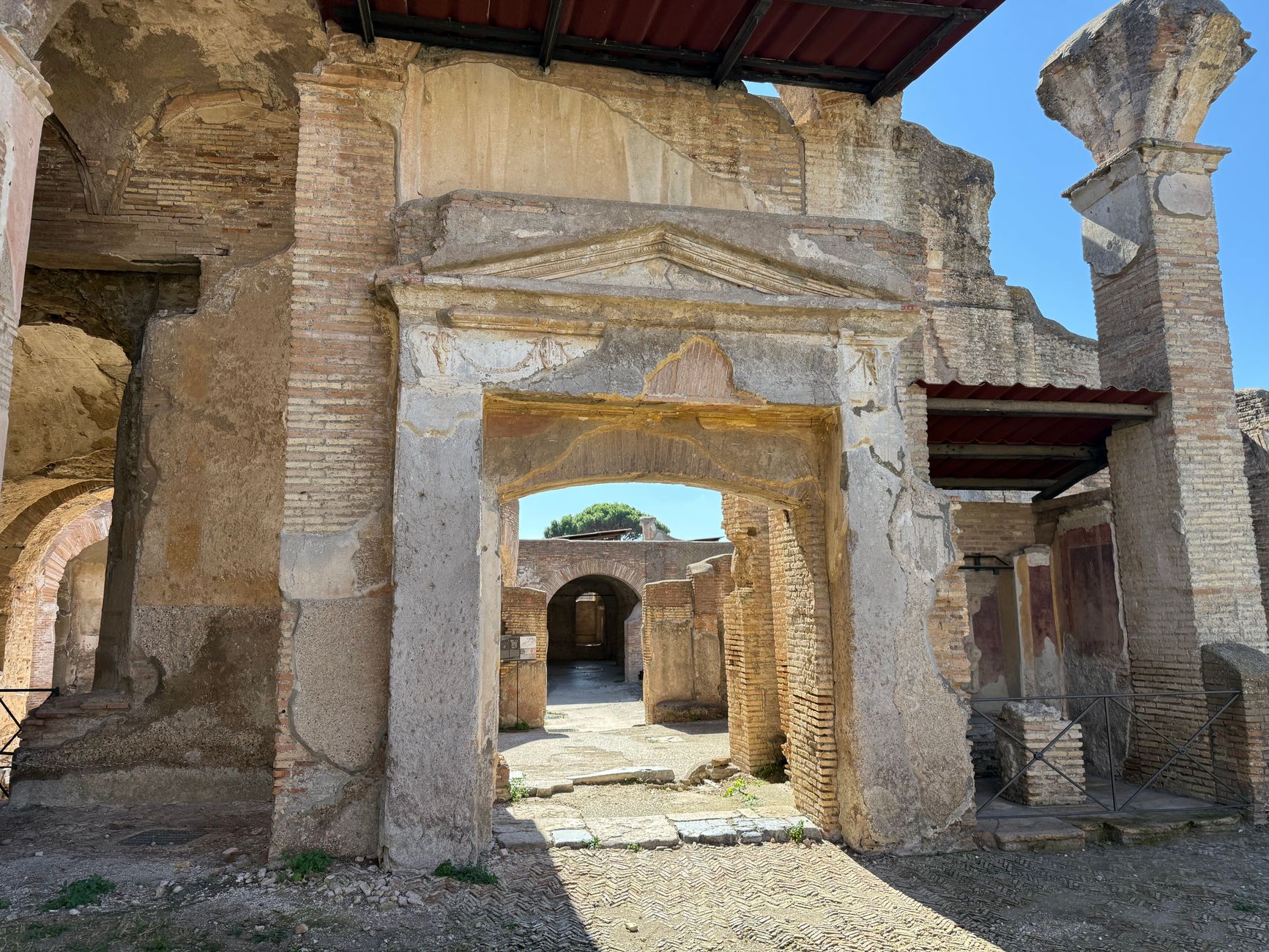
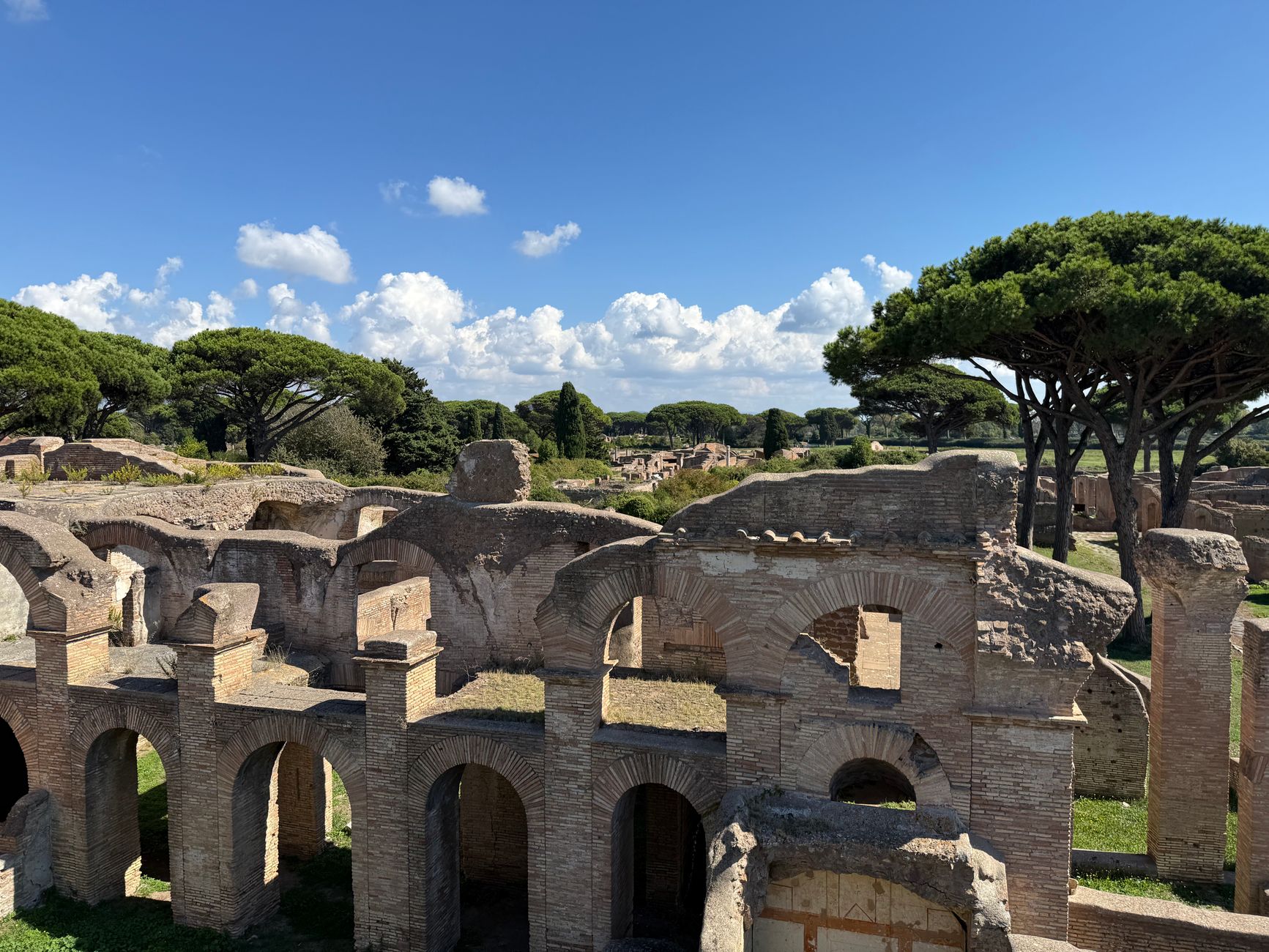

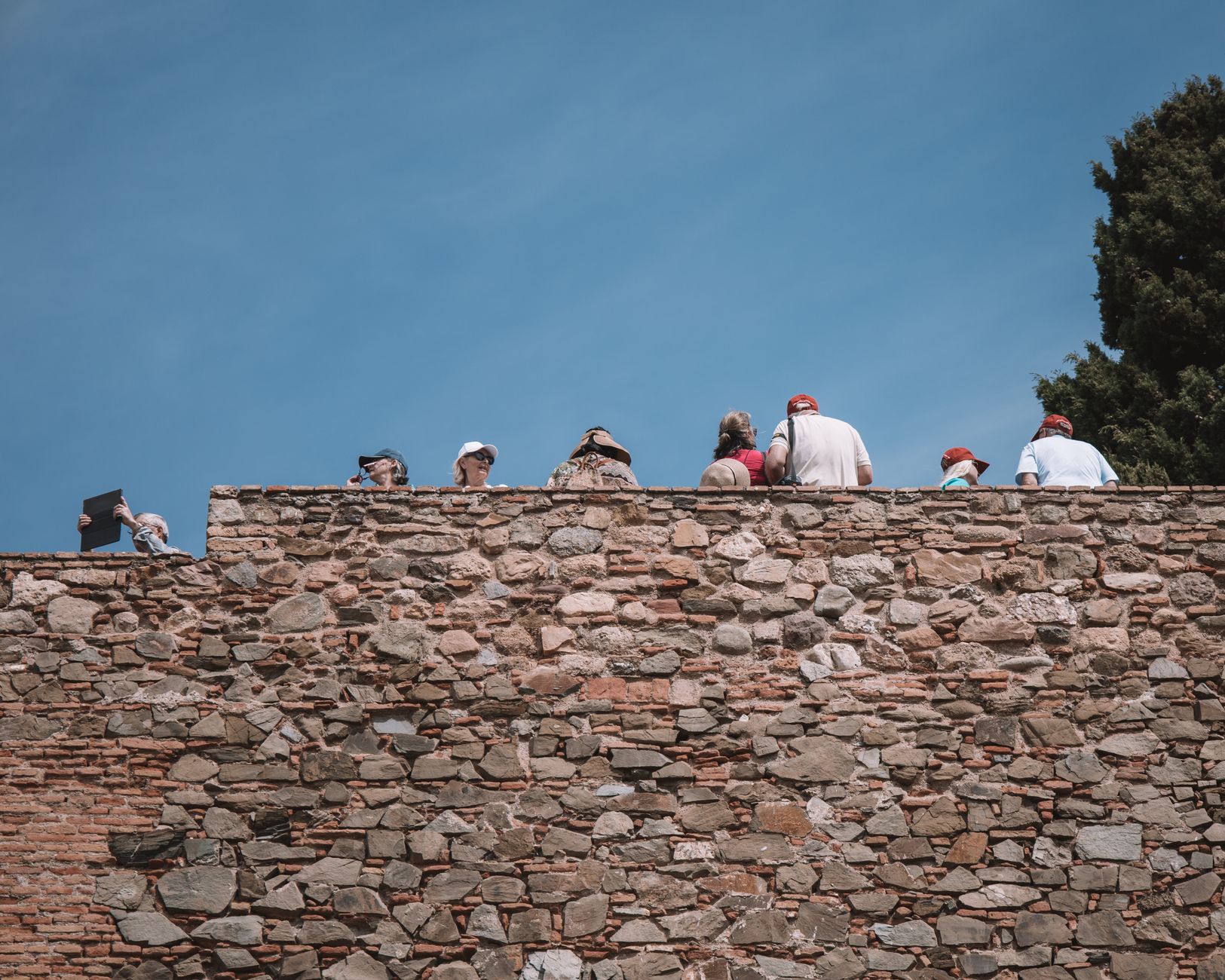
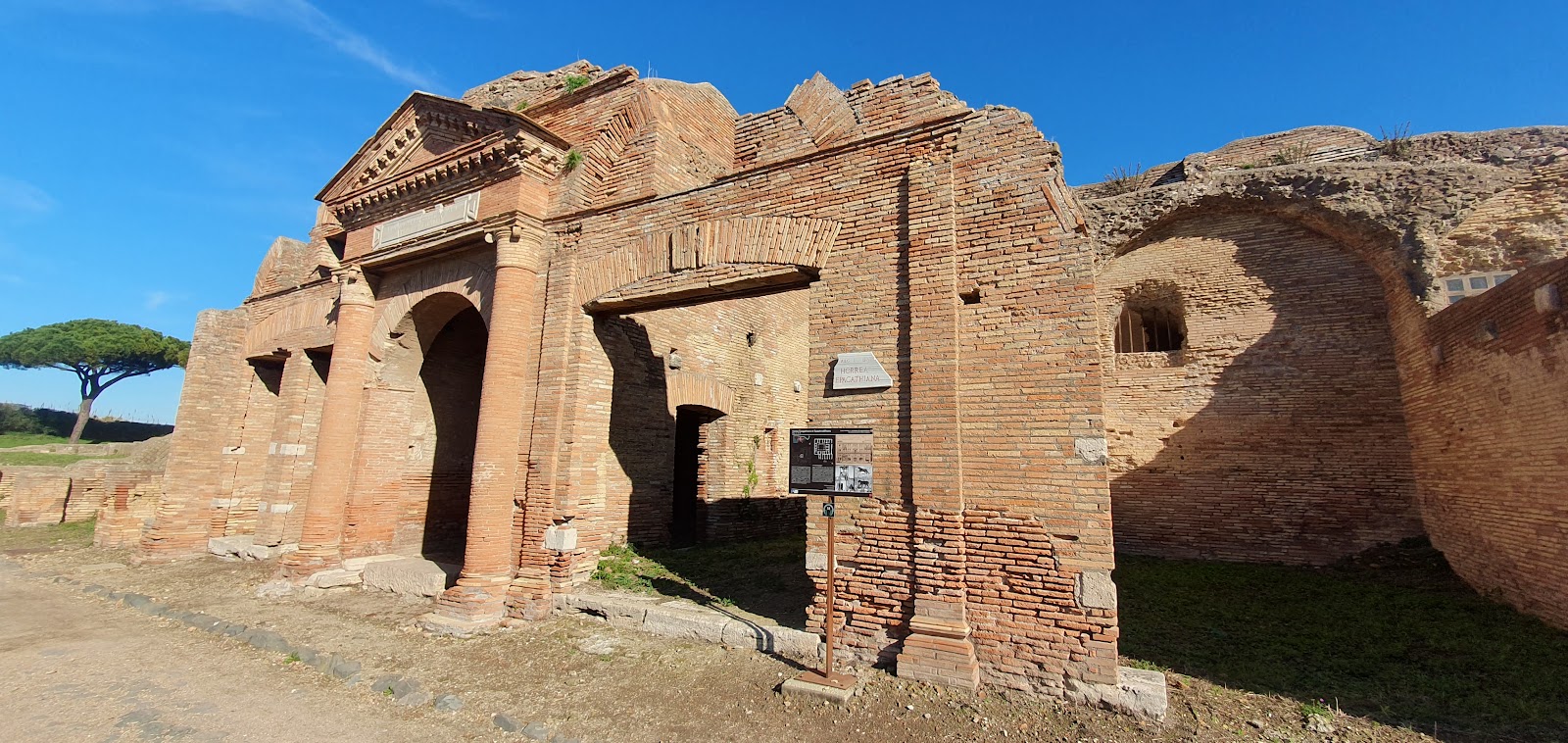
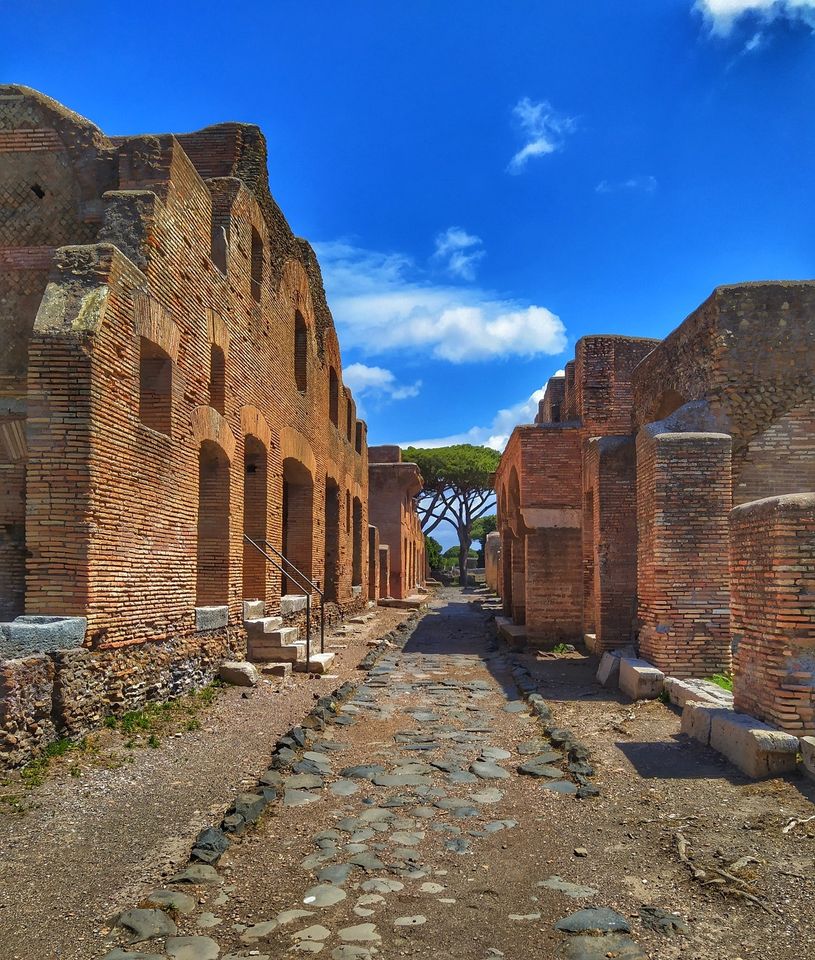
Thirty kilometres from Rome's centre, a whole Roman city waits at the end of a commuter train line. Not a forum, not a column — a city, with its streets still paved, its tavern counter still stained, its painted menu of meat and wine still legible on the wall. The Thermopolium alone stops most people cold.
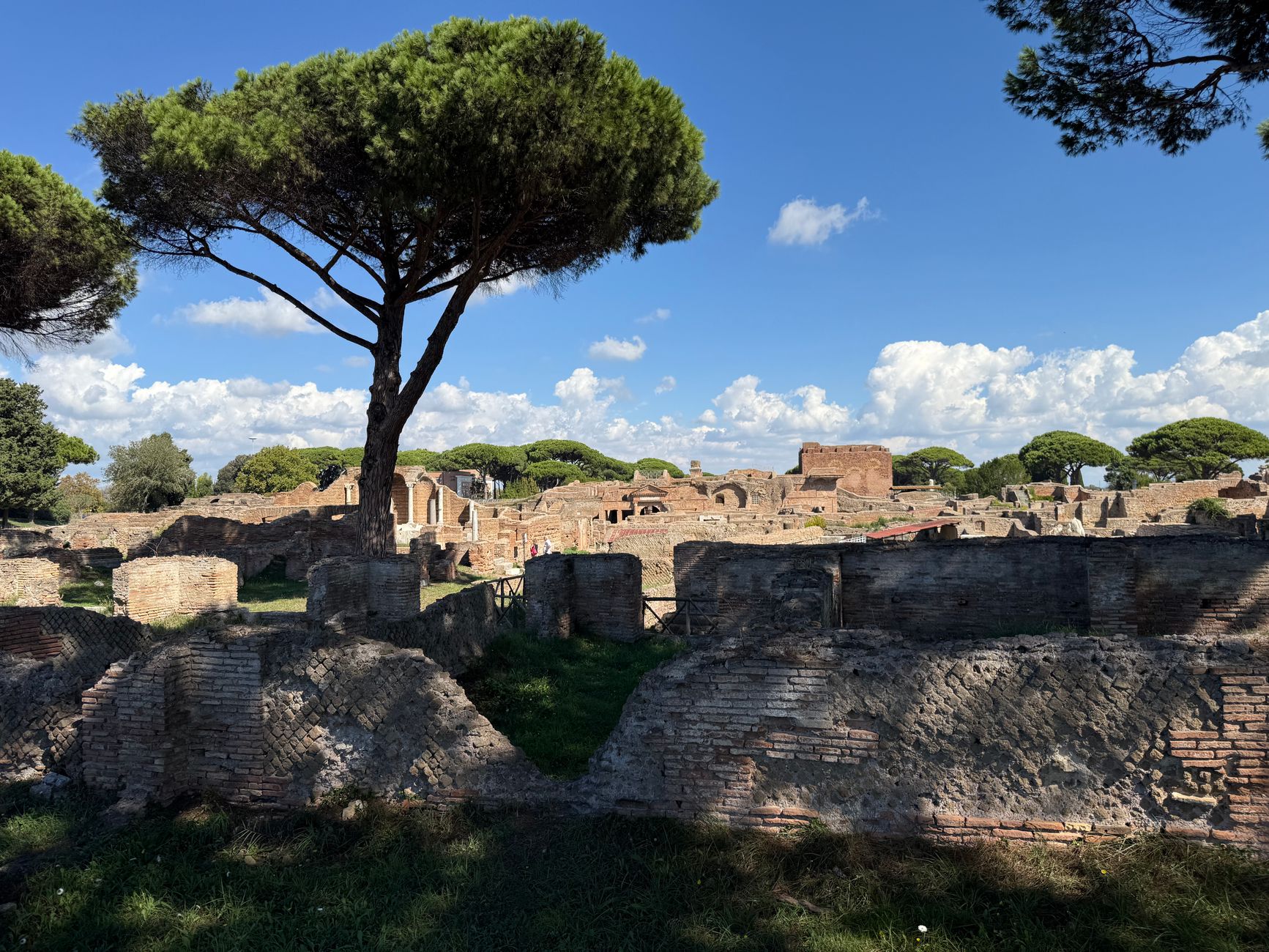
Ostia Antica was Rome's port town, the place where grain ships from Africa unloaded and merchants from across the Mediterranean kept office. At its peak it held between fifty and seventy thousand people. Then the harbour silted, the population drained, and the sand preserved what the centuries would otherwise have taken.
💛 What travellers fall for
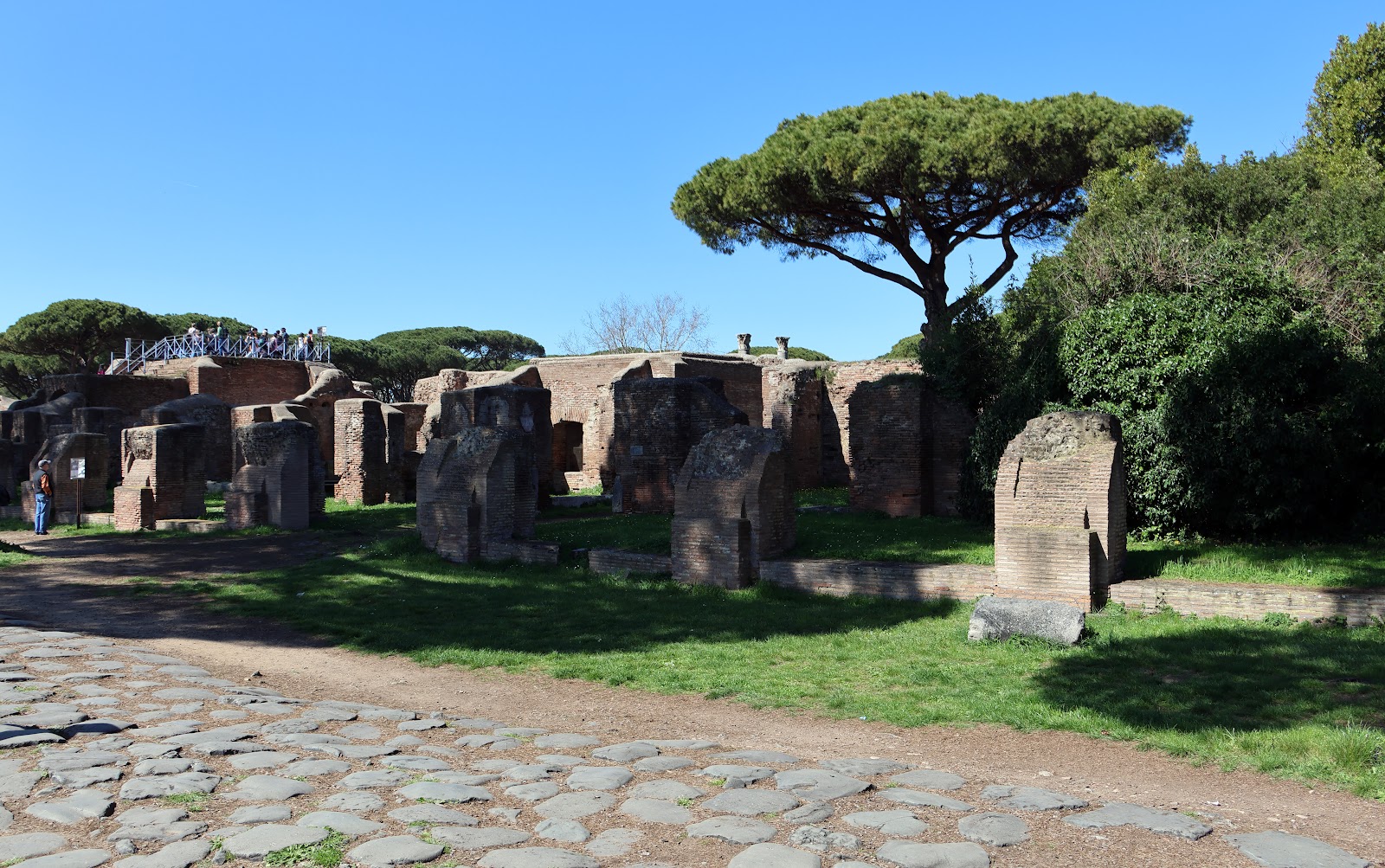
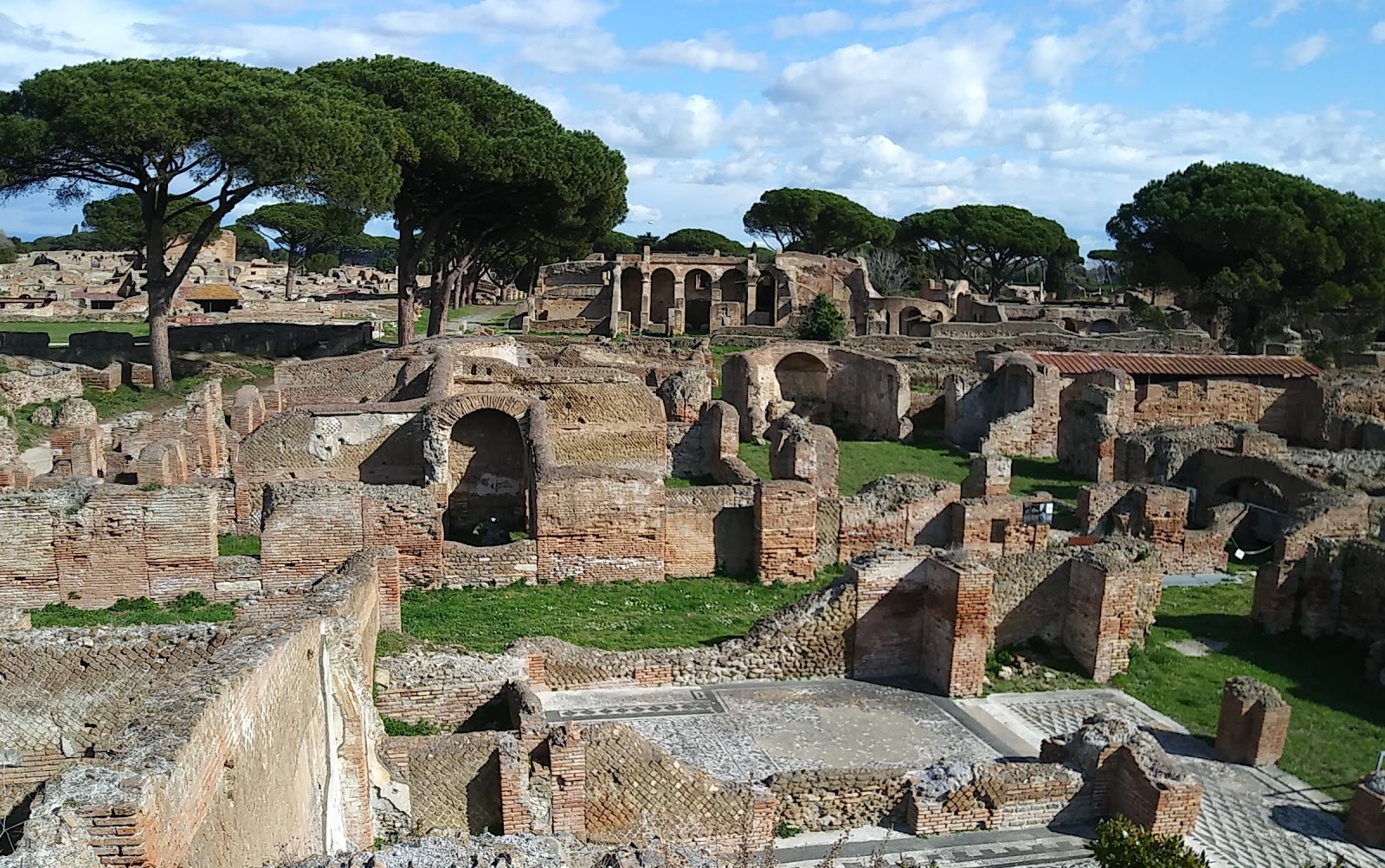
People who come back tend to go straight to the Piazzale delle Corporazioni — the square where more than sixty shipping offices once operated, their floor mosaics still advertising routes: an elephant for African traders, a lighthouse for the port itself. Go early, when the light is low and the tour groups haven't arrived, and you have the whole second-century AD trading floor to yourself.
Experiences you don't want to miss


Deals in Ostia Antica
Book directly at the providerHow Ostia Antica came to be
The city's traditional founding date is around 620 BCE, attributed to Ancus Marcius, the fourth king of Rome, who established it as Rome's first colony and military outpost. The oldest structures visible today — the Castrum and the Capitolium, a temple to Jupiter, Juno, and Minerva — date to the third century BC. As Rome's commercial appetite grew, so did Ostia: Emperor Claudius began construction of a great harbour at nearby Portus around 42 CE, completed under Nero, and Trajan later added larger artificial basins. The city's population peaked at somewhere between fifty and seventy thousand.
Decline set in during the third century, accelerated by barbarian raids, and the town was effectively abandoned after Pope Gregory IV founded Gregoriopolis between 827 and 844. Sand covered what remained. Excavations began under papal authority in the nineteenth century; a large-scale dig between 1939 and 1942 under Mussolini's government uncovered roughly two-thirds of the ancient town — the site you walk through today.
Who and what shaped it
People who shaped it
Landmark buildings
See Ostia Antica in motion
Plan your visit
On the map
When to go
Spring (April to June) and early autumn (September to October) offer the most comfortable conditions — warm enough to spend hours outdoors without the crushing heat that settles over the site in July and August. Summer visits are possible but demand an early start; the ruins offer almost no shade.
Right now
↡ Attractions






Background & history adapted from Wikipedia (CC BY-SA) · specs from Wikidata (CC0) · weather from Open-Meteo · map data © OpenStreetMap contributors · photos from Wikimedia Commons / Unsplash with per-image credit. No third-party reviews or social posts reproduced.