
Zagarolo
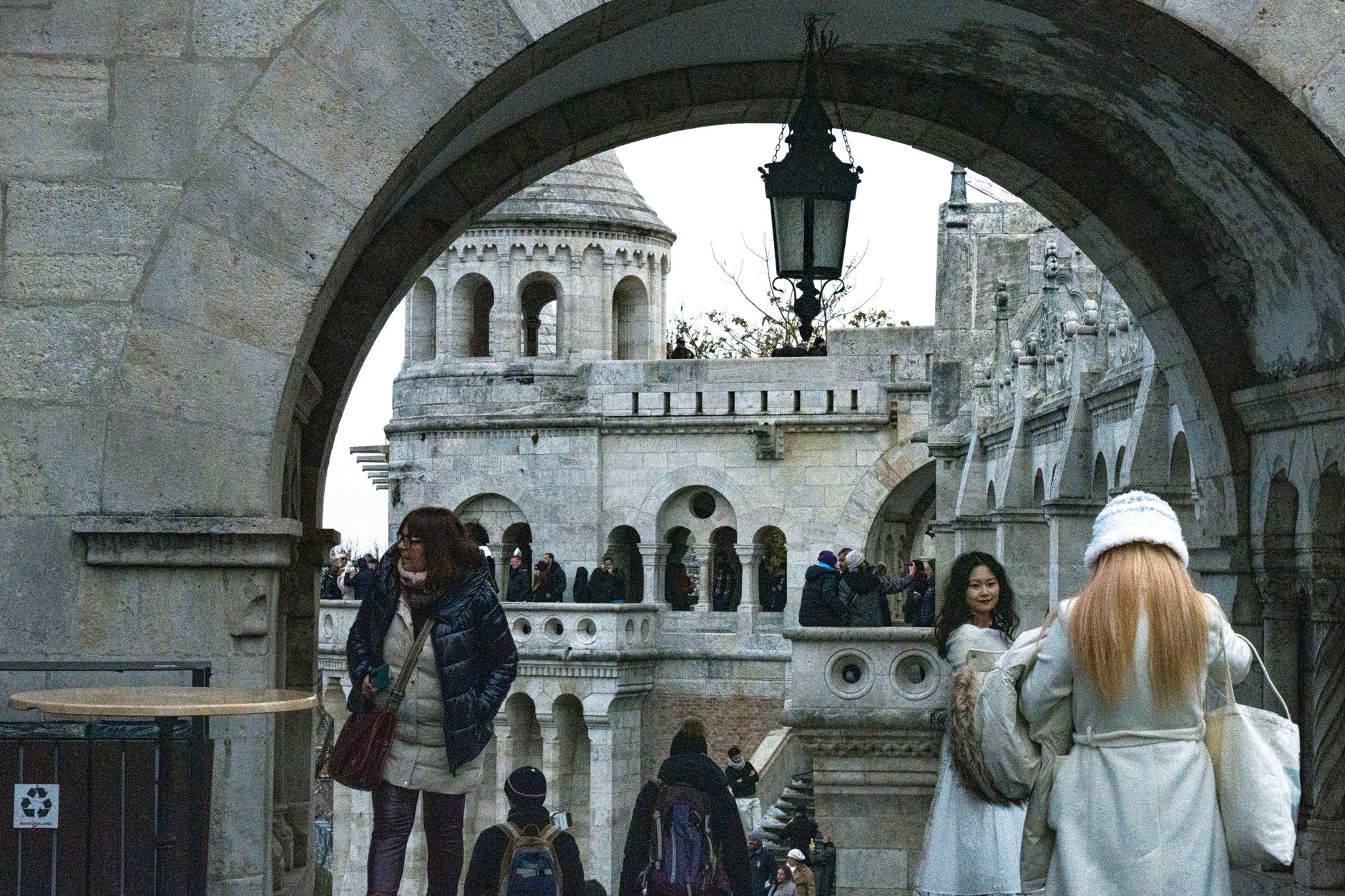
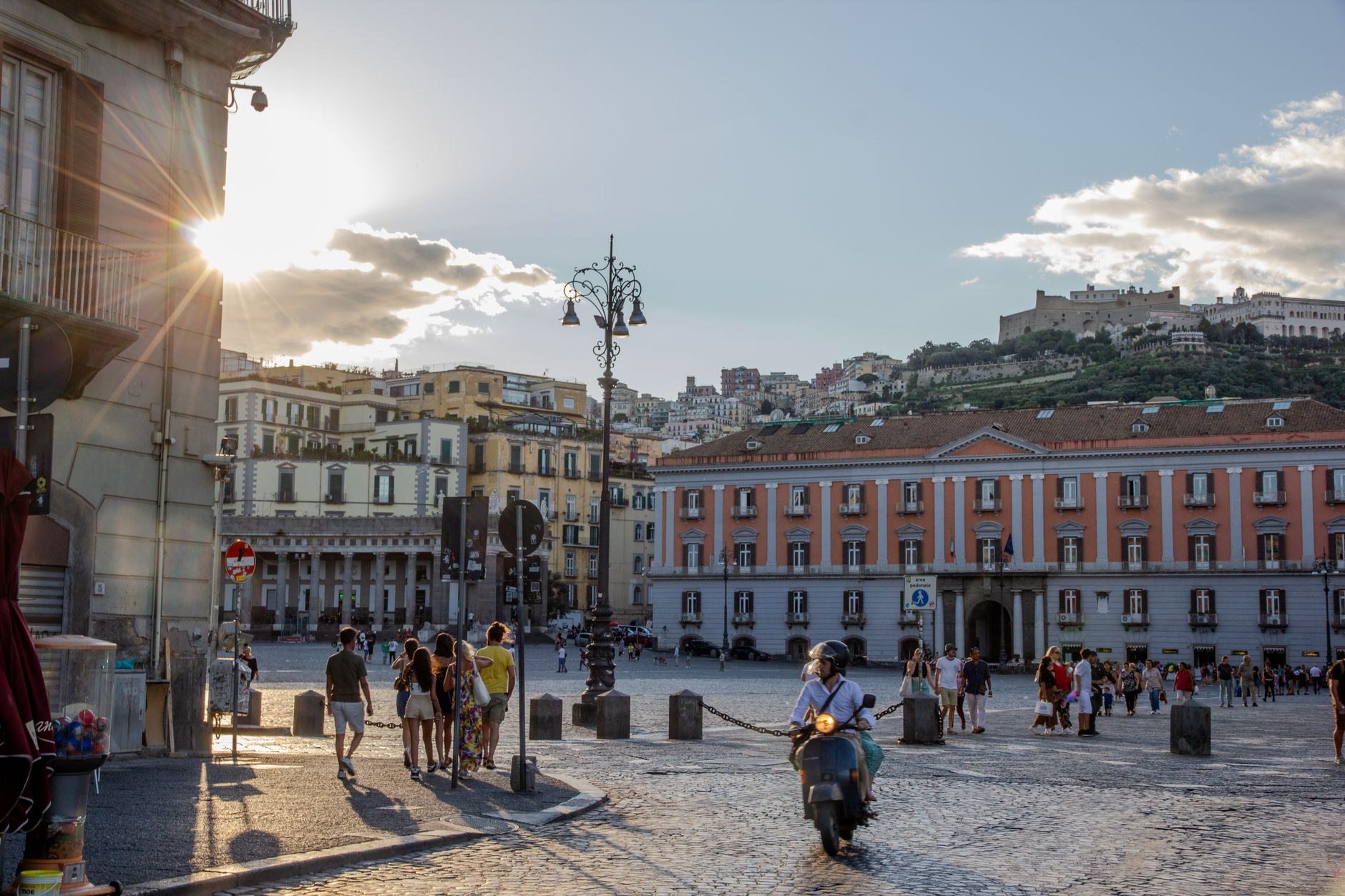
Zagarolo announces itself with a palazzo that wraps its arms around the town. The Palazzo Rospigliosi curves in a horseshoe around the main street of the historic centre, so that walking into Zagarolo feels, architecturally at least, like being gathered in. That gesture — a dynasty choosing to embrace a town rather than loom over it — sets the tone for a place that has quietly accumulated centuries of consequence without making much fuss about any of it.
The medieval street plan, tidied up in the sixteenth century, still holds. A Roman gladiatorial training ground survives in one corner. Caravaggio passed through in 1606, painting in exchange for shelter. Inside the palazzo, the largest toy museum in Italy occupies rooms where cardinals once revised the Bible.
💛 What travellers fall for
People who come back tend to arrive by train from Rome — thirty minutes, then a two-kilometre walk up into town — and spend the extra hour at the Toy Museum that they thought they were only popping into. The elliptical dome of the Duomo di San Pietro catches the afternoon light in a way that rewards arriving later rather than earlier.
Experiences you don't want to miss



Deals in Zagarolo
Book directly at the provider
How Zagarolo came to be
The territory around Zagarolo was already old when medieval record-keepers first wrote it down. In 970 AD, Pope John XIII granted these lands to his sister Stefania of the Counts of Tuscolani. By 1043 the Colonna family had taken hold, and they valued Zagarolo so highly that in 1157 they ceded Tusculum to Pope Eugene III rather than give it up. The town paid for that loyalty in the early twelfth century when Pope Paschal II destroyed it after a Colonna rebellion — the castle that would eventually become the Palazzo Rospigliosi stood on that site.
The sixteenth century reshaped things again: in 1538 Vittoria Colonna was recognised as feudal lady, the urban plan was formalised, and Zagarolo became a duchy. In 1668 the Rospigliosi family acquired the duchy, gave the palazzo their name, and brought in architect Niccolò Michetti — a man who would later work for the Tsars — to leave his mark on the building. The comune bought it in 1979.
Who and what shaped it
People who shaped it
Landmark buildings
See Zagarolo in motion
Plan your visit
On the map
When to go
Summers are hot and dry, with July and August temperatures regularly above 30°C — the hilltop position offers some relief from Rome's heat. Spring (April to June) and autumn (September to October) bring mild days and clear skies, the most comfortable time to walk the medieval streets.
Right now
Background & history adapted from Wikipedia (CC BY-SA) · specs from Wikidata (CC0) · weather from Open-Meteo · map data © OpenStreetMap contributors · photos from Wikimedia Commons / Unsplash with per-image credit. No third-party reviews or social posts reproduced.