
Velletri
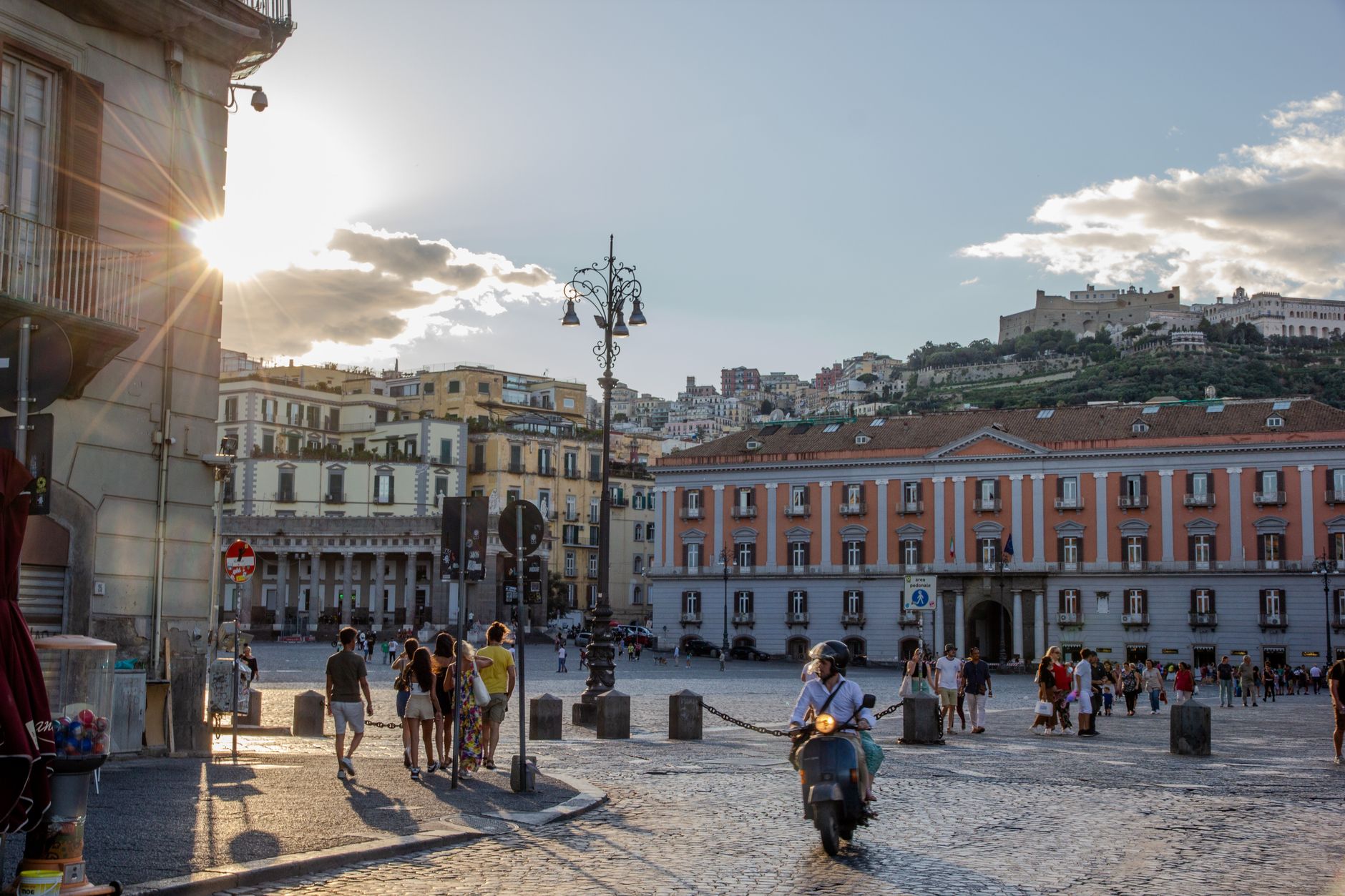
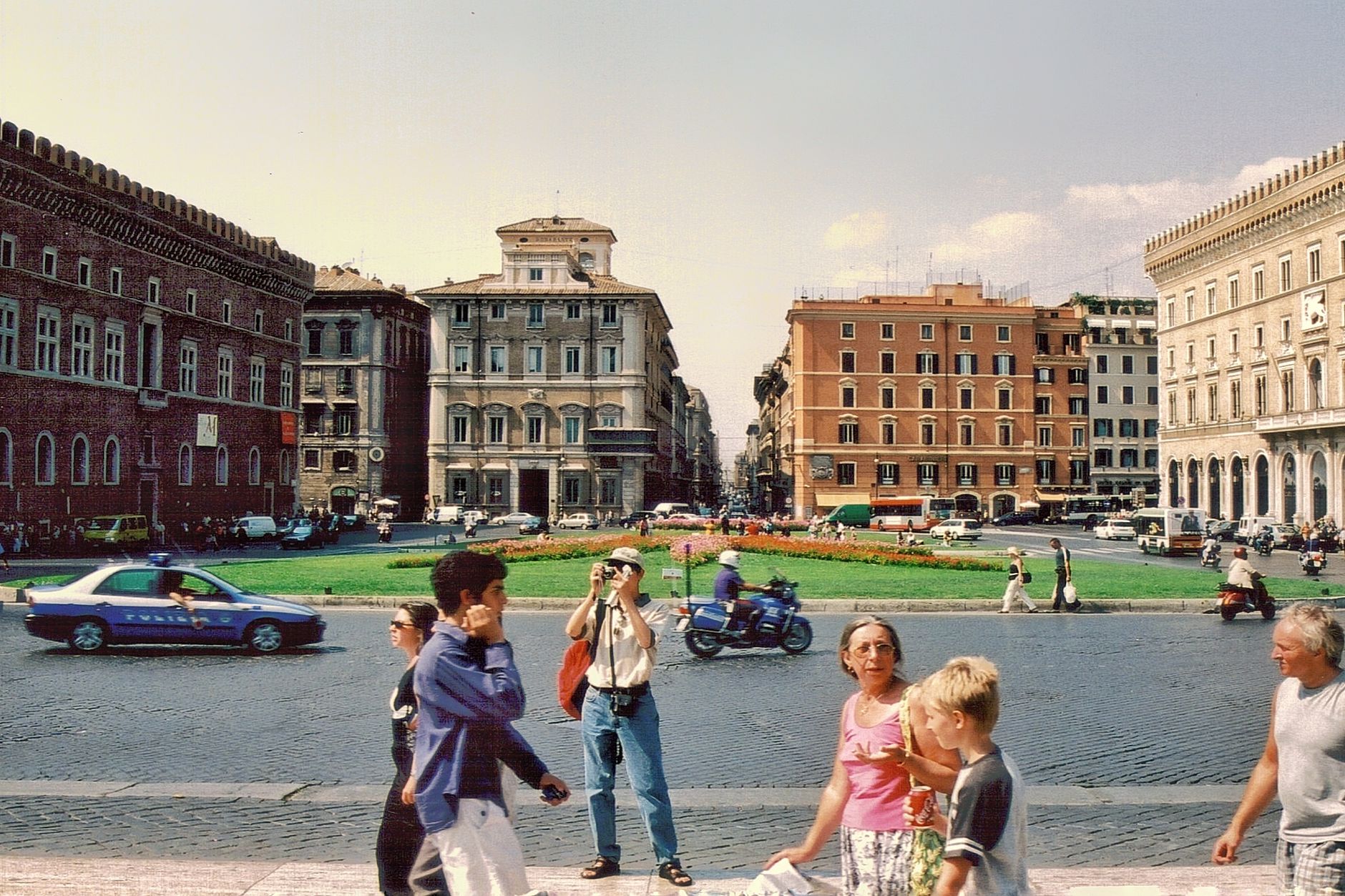
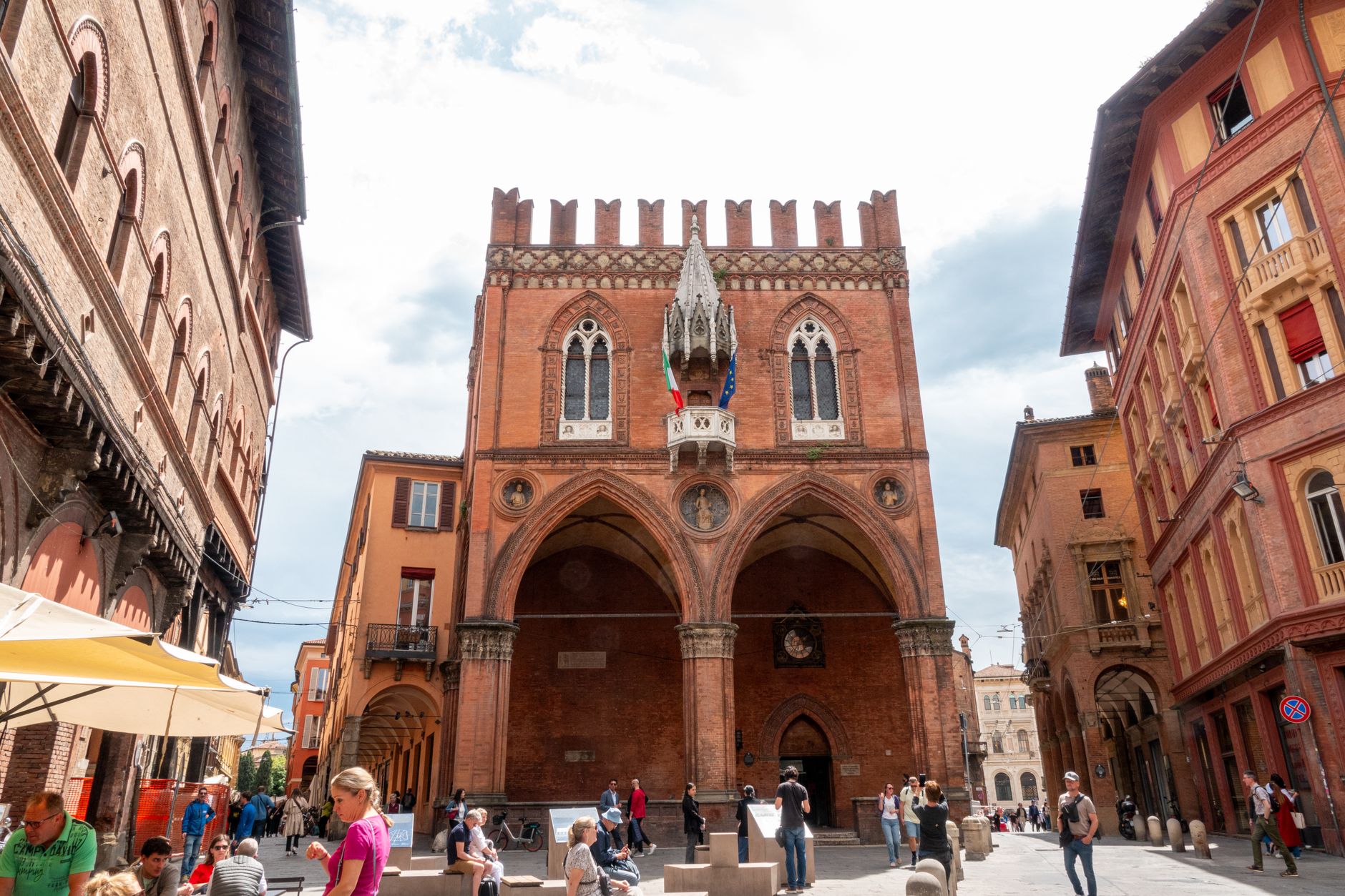
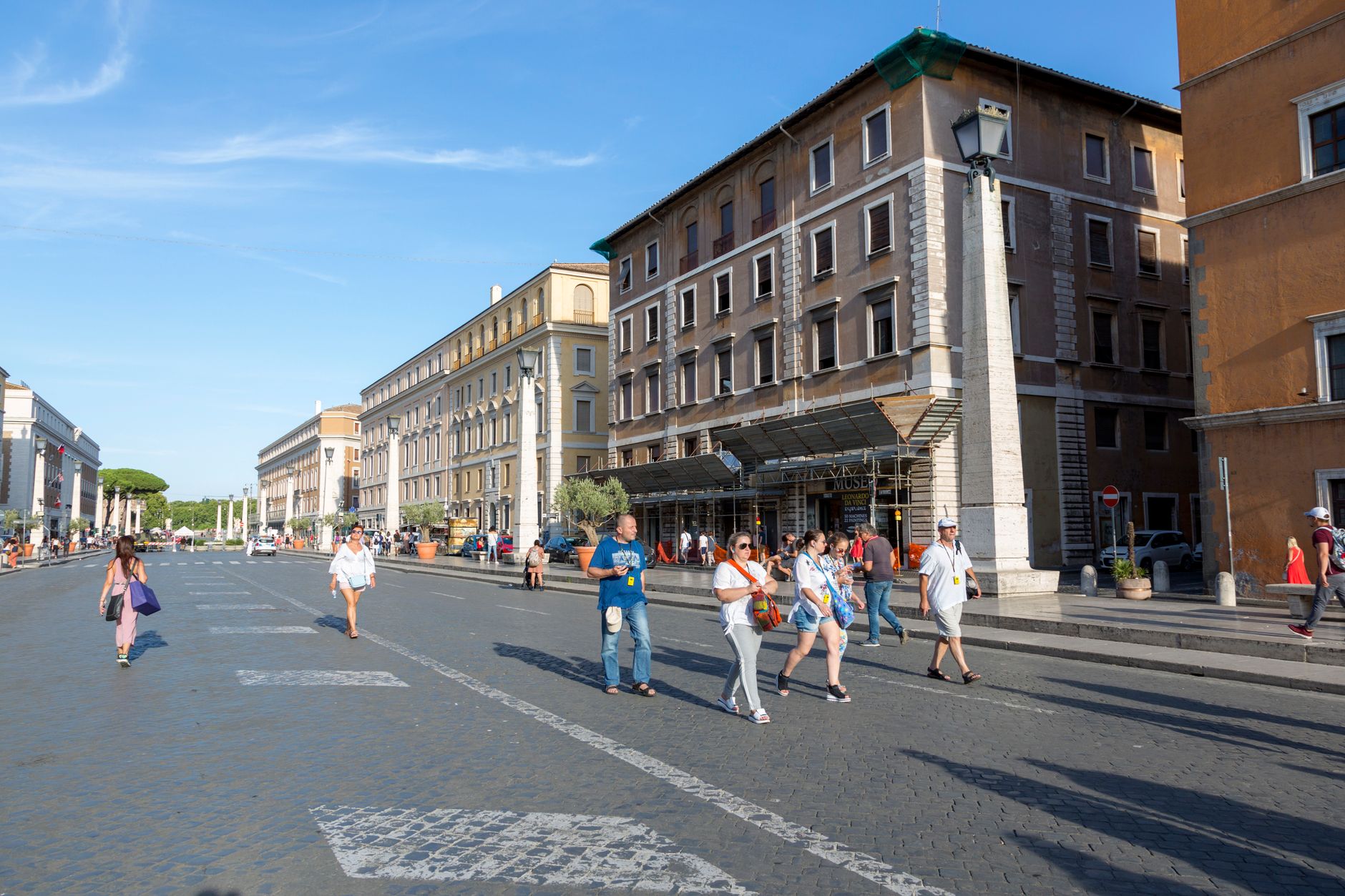
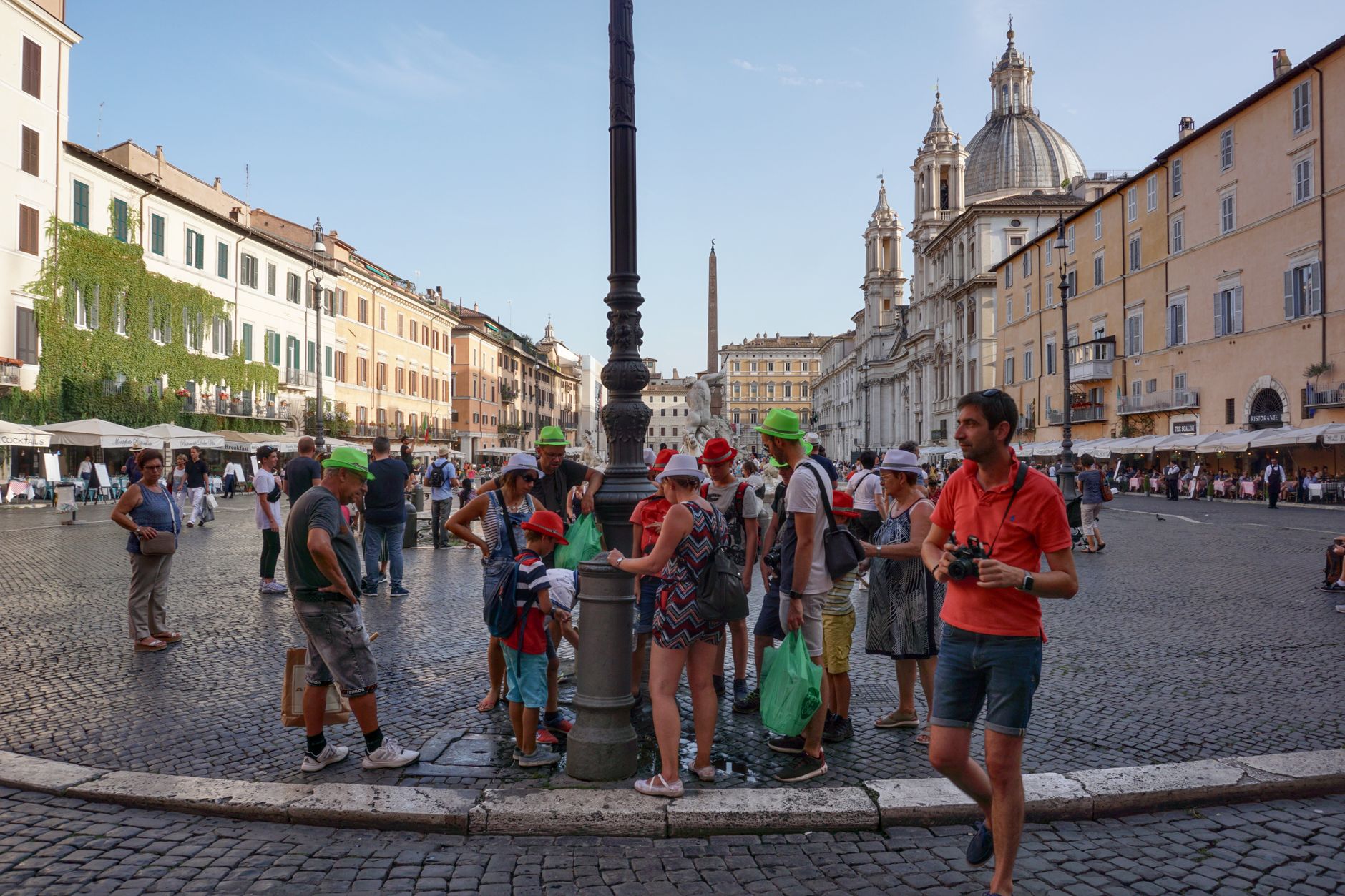
Velletri sits in the Castelli Romani hills south of Rome, and the first thing you notice is how seriously it takes its own past. A statue of Augustus stands in front of the town hall — he was born here, in ancient Velitrae — and the building behind him was begun by Vignola in 1572, destroyed in the Allied bombing of 1944, and rebuilt from the original plans. That compressed timeline, centuries of ambition followed by ruin followed by reconstruction, runs through almost everything in town.
The old walls, the Baroque cathedral reworked from a fifth-century shell, the 1353 bell tower raised in thanks after the plague — Velletri layers its centuries without apology. It is a working hill town with a train connection to Rome and wine country on its doorstep, and it tends to reward the visitor who slows down.
💛 What travellers fall for
People who keep coming back tend to seek out Porta Napoletana, the 1511 gate built by Lombard workers that now houses the local AIS sommelier association — a good excuse to step inside. The first Sunday of May brings the Madonna delle Grazie procession from the Basilica of San Clemente, a tradition running unbroken since 1613.
Experiences you don't want to miss




Deals in Velletri
Book directly at the provider

How Velletri came to be
Velitrae was already old when Rome was young. The Volsci held it, Etruscan traders left terracotta and inscriptions, and in 338 BC Roman forces under Furius Camillus took the town and tore down its walls. A Latin colony followed, then a Roman one under Claudius. The walls went back up in the eighth century against Saracen raids, and through the Middle Ages Velletri maintained an unusual status as one of the few effectively free cities in Lazio.
In 1088 its bishop, Otho de Lagery, was elected Pope Urban II at the Conclave of Terracina. Two centuries later Pope Boniface VIII — who had served as Velletri's Podestà before his papacy — released the town from pontifical control. Battles in 1744 and 1849 scarred it further, and in 1944 Allied and German forces fought over it in the weeks after the Anzio landing, leaving much of the centre in rubble.
Who and what shaped it
People who shaped it
Landmark buildings
See Velletri in motion
Plan your visit
On the map
When to go
Summers are warm and dry, peaking around 30°C in August, while winters are cool and wet, with November the rainiest month and February the coldest at around 12°C. Spring and autumn give you mild days and the best light for walking the old streets.
Right now
Background & history adapted from Wikipedia (CC BY-SA) · specs from Wikidata (CC0) · weather from Open-Meteo · map data © OpenStreetMap contributors · photos from Wikimedia Commons / Unsplash with per-image credit. No third-party reviews or social posts reproduced.