
Guidonia Montecelio
Guidonia Montecelio is two towns stitched together by decades and intent. The older half, Montecelio, has been on its hill since 998, its medieval rocca built by the Crescenzi family from stones pulled off a Roman temple. The newer half, Guidonia, was conjured almost overnight — 425 days, start to finish — by Mussolini's government in 1937, laid out on a rational grid around a military aeronautical research centre. That double identity is what makes the place worth a morning: a rationalist piazza with a six-story civic tower on one end, and a crumbling fortress on a hill a short drive away.
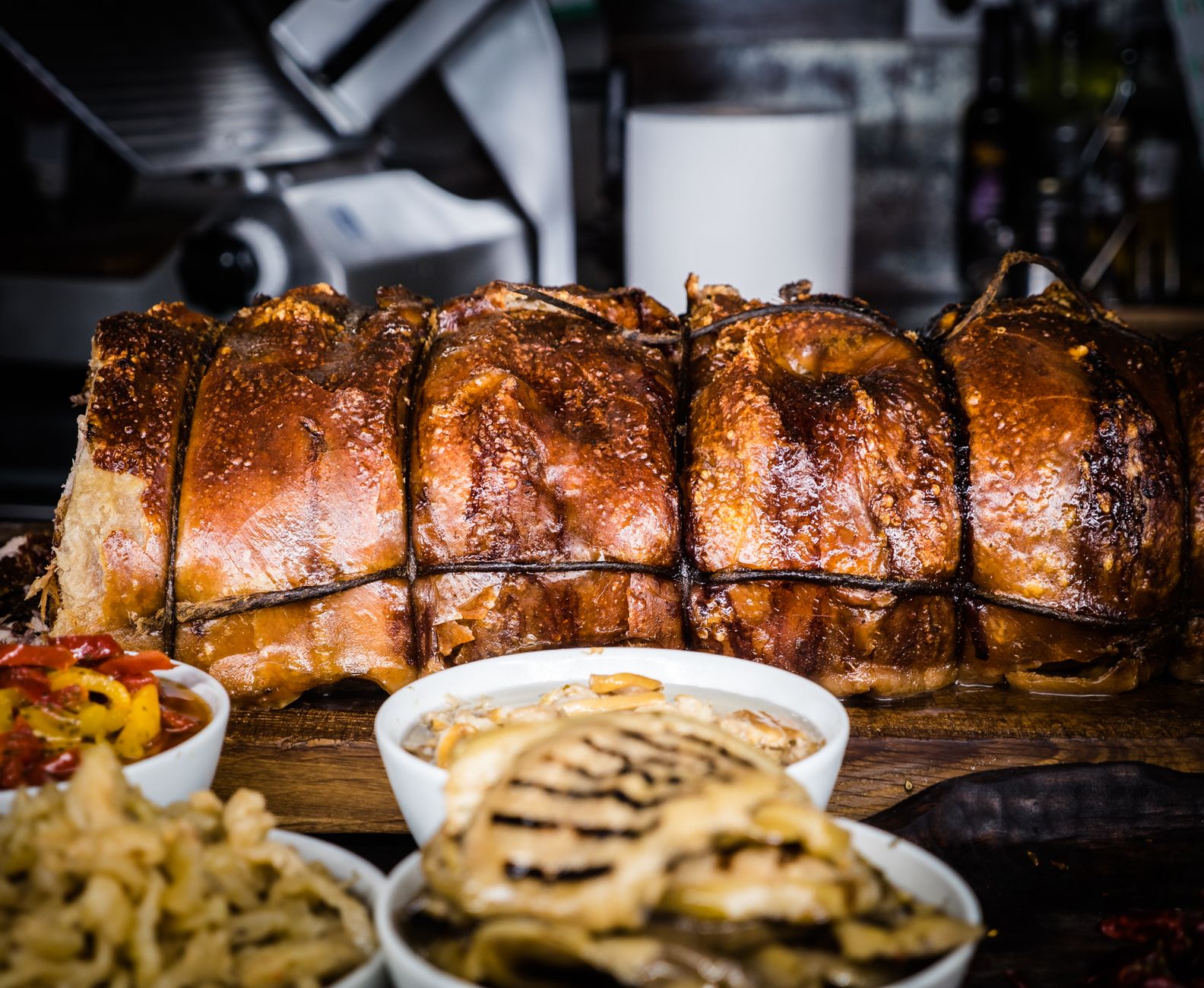
In September, the main square fills with tables and the smell of pinciarelle — a local pasta of flour, water, tomato and aged cheese — during the annual festival that gives the dish its name. It's a useful reminder that this town, for all its designed origins, has had nearly ninety years to become its own place.
💛 What travellers fall for
People who come back tend to time it around the Pinciarelle Festival in mid-September, when Piazza Giacomo Matteotti is at its most itself. They also mention the Inviolata Archaeological Park — the tunnel-like tree cover over the streams is the kind of thing that doesn't photograph well but stays with you.
Experiences you don't want to miss



Deals in Guidonia Montecelio
Book directly at the provider


How Guidonia Montecelio came to be
Montecelio began as a fortified castrum in 998, its hilltop position making it strategically useful through the medieval period. The Crescenzi family built the rocca from recycled Roman temple stone; the Orsini took it over in the 1400s and then abandoned it a century later. Palazzo Cesi followed around 1500. The hill town might have remained a quiet footnote had the Italian Royal Army not built a major military airport on the plain below in 1915.
That airport became the seed of something stranger. In 1937, Mussolini ordered a new town built around the aeronautical research facilities in 425 days. Architects Alberto Calza Bini, Giorgio Calza Bini, Gino Cancellotti and Giuseppe Nicolosi drew up the rationalist grid — civic tower, piazza, church, Casa del Fascio — and named the whole project after Alessandro Guidoni, a Regia Aeronautica general who had died testing a parachute at the site nine years earlier.
Who and what shaped it
People who shaped it
Landmark buildings
See Guidonia Montecelio in motion
Plan your visit
On the map
When to go
Summers run hot and dry, regularly reaching the low 30s Celsius, with clear skies most days. Winters are cold and often grey; spring and early autumn, when temperatures sit in the mid-teens to low twenties, are the most comfortable times to walk between the two halves of town.
Right now
Background & history adapted from Wikipedia (CC BY-SA) · specs from Wikidata (CC0) · weather from Open-Meteo · map data © OpenStreetMap contributors · photos from Wikimedia Commons / Unsplash with per-image credit. No third-party reviews or social posts reproduced.