
Tivoli
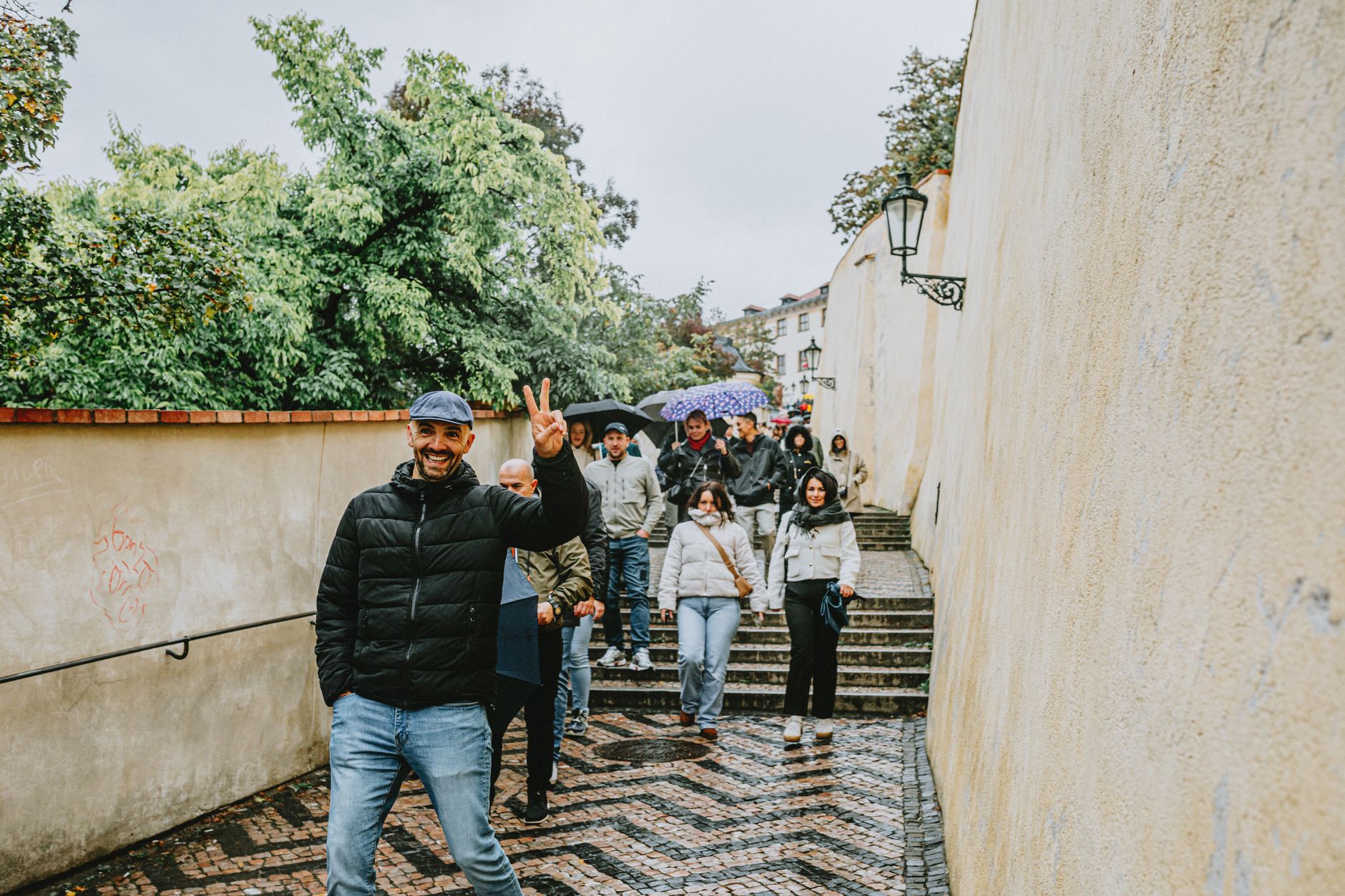
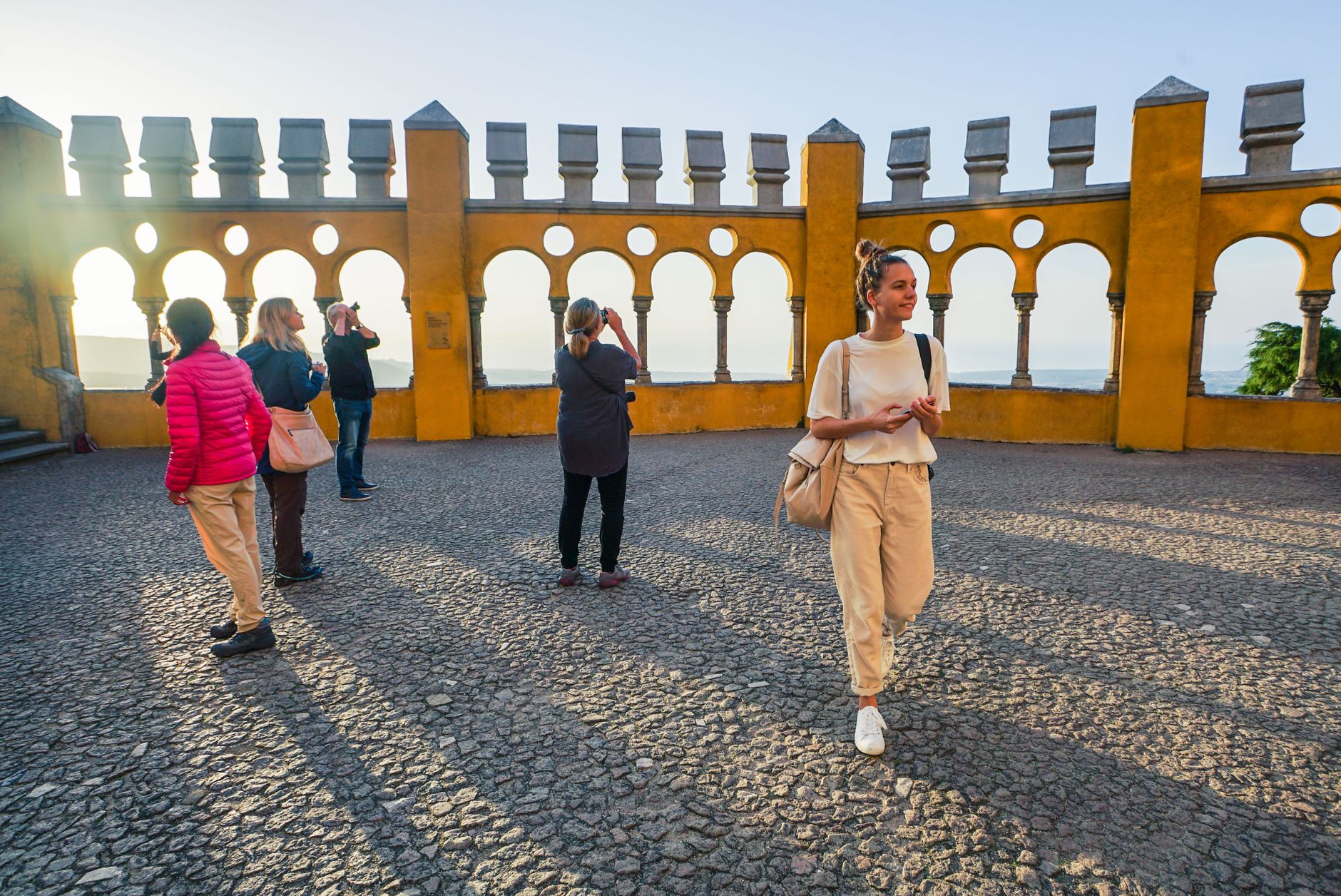
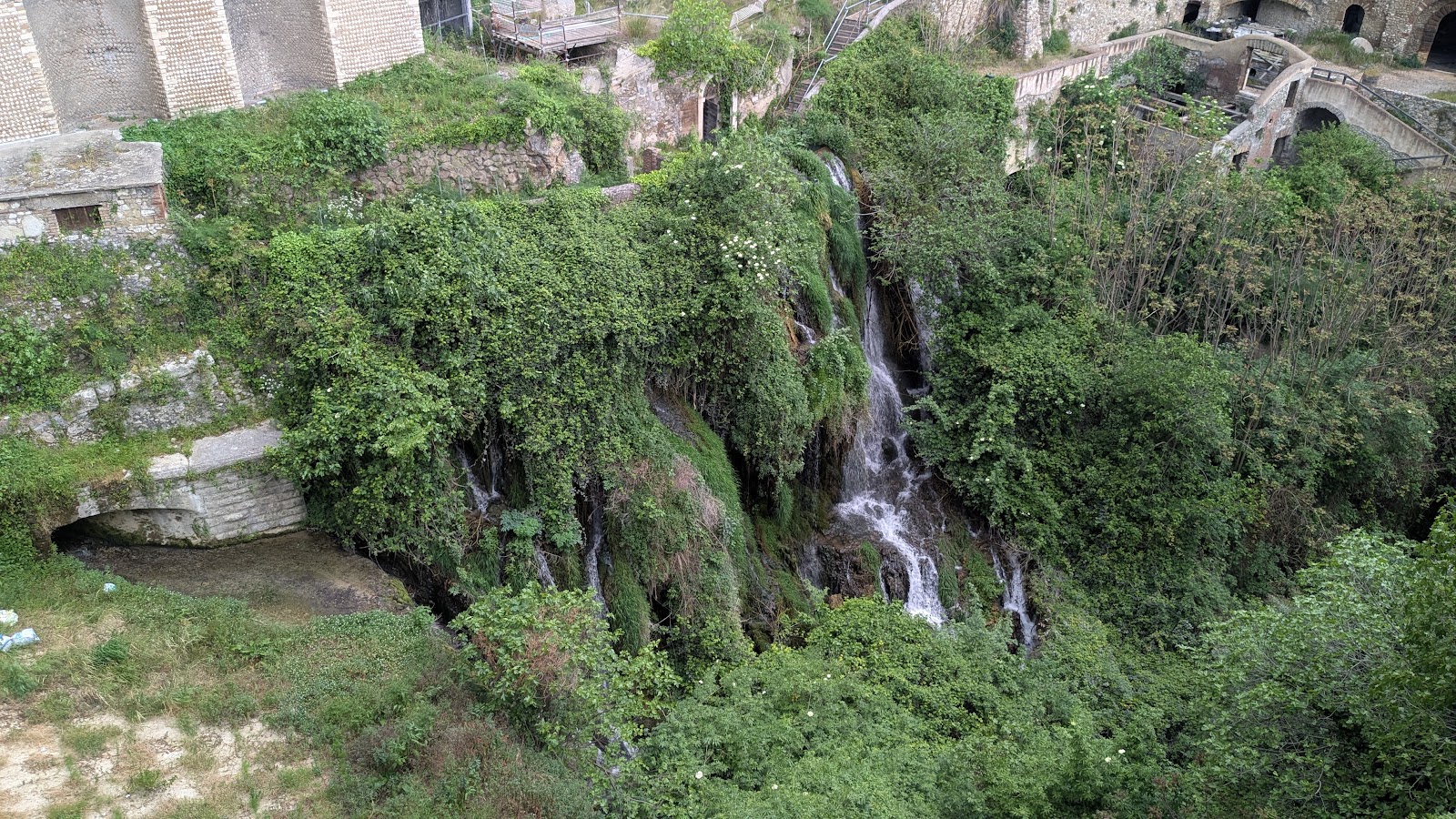
Thirty kilometres east of Rome, Tivoli sits on a limestone spur above the Aniene River, older than the city that eventually absorbed its orbit. The Romans came here to escape the capital's heat, and the habit never quite stopped — two of the ancient world's most ambitious building projects are still standing on its edges, one imperial, one Renaissance, both held together by water.
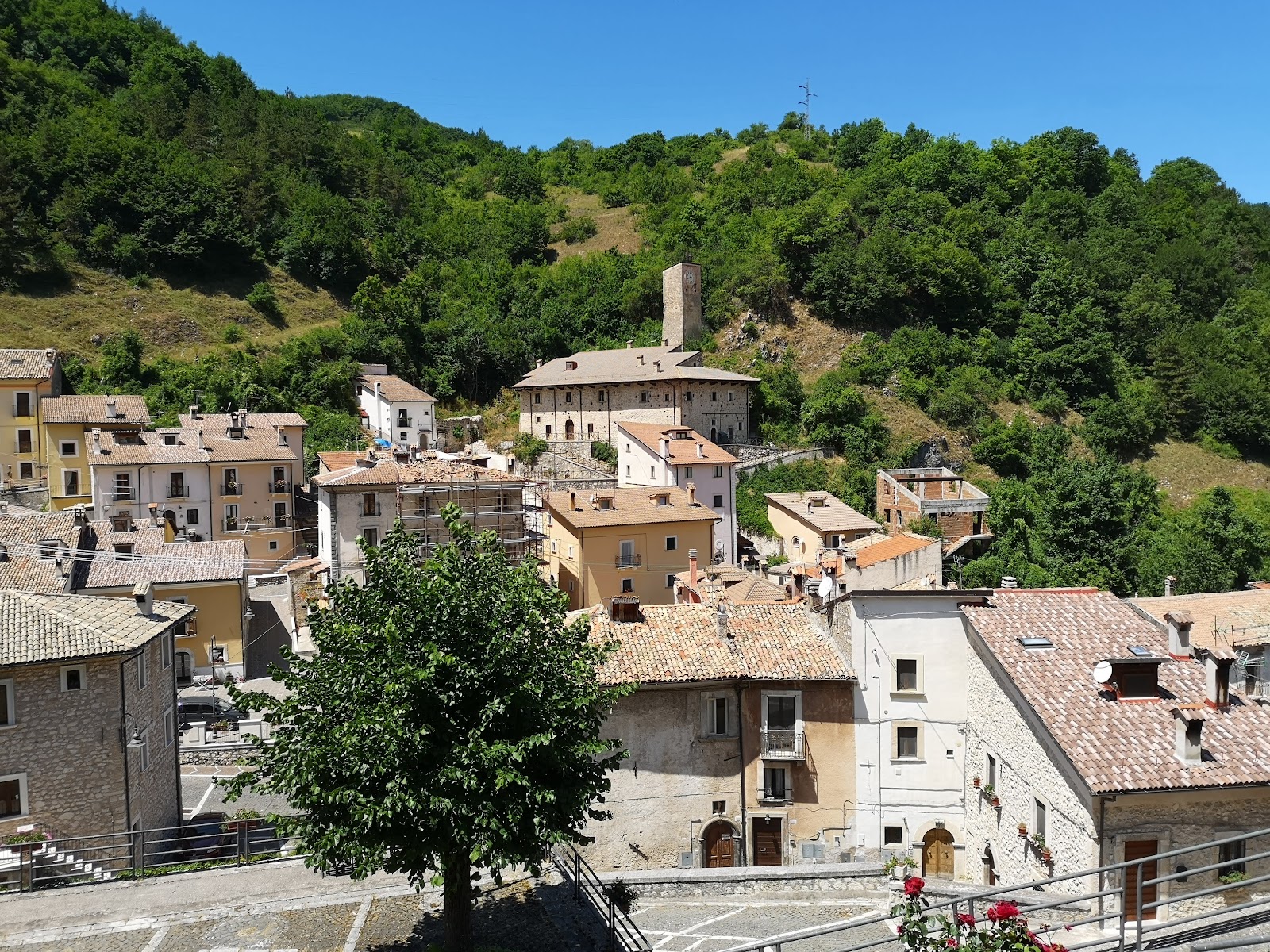
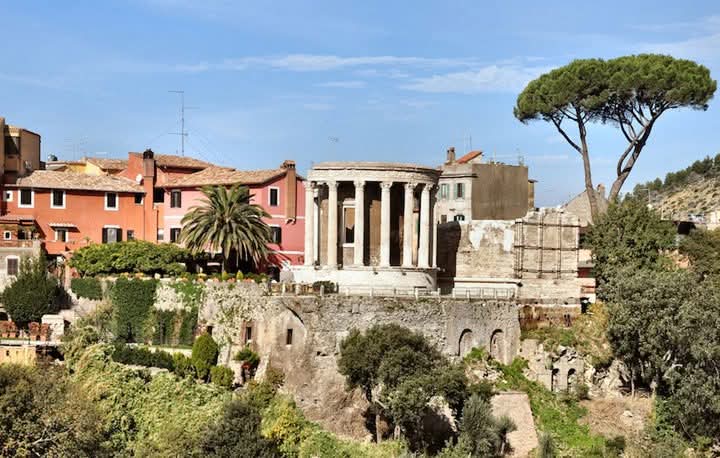
The town itself is easy to underestimate. Walk past the Rocca Pia — the squat fortress Pius II started in 1461 — and into the medieval centre, and you find a working Italian hill town where the villas are the day-trip, not the whole story.
💛 What travellers fall for
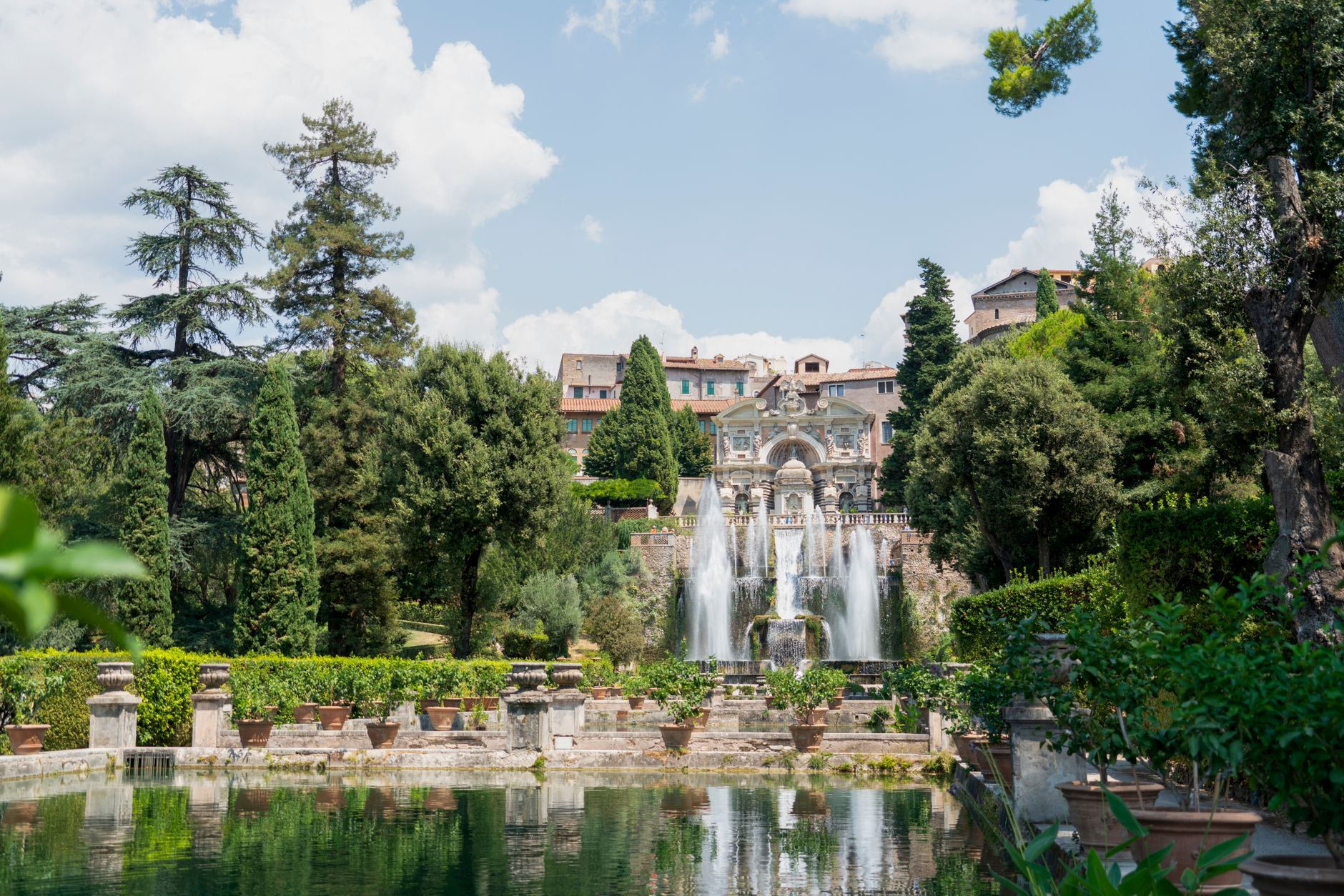
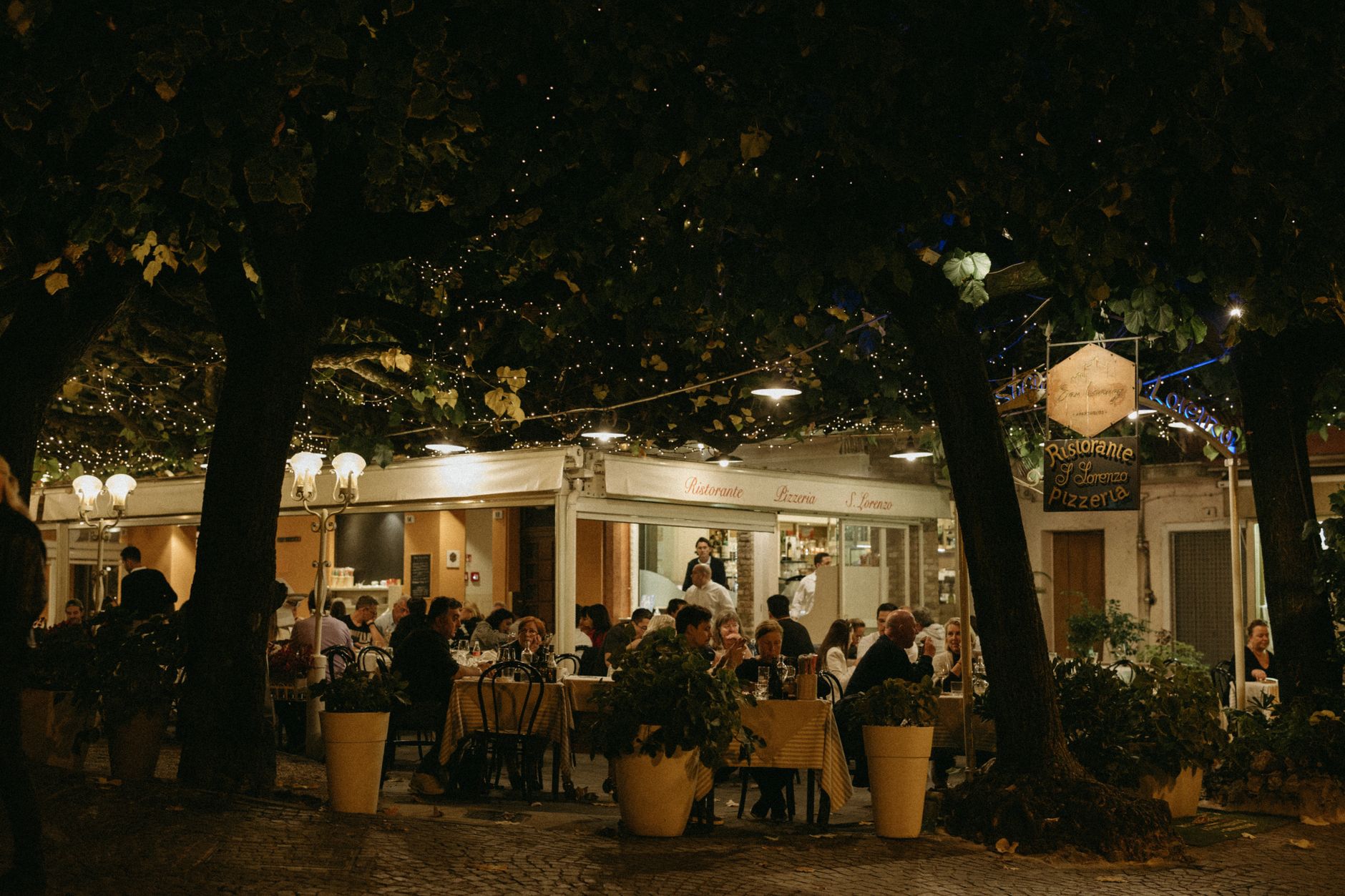
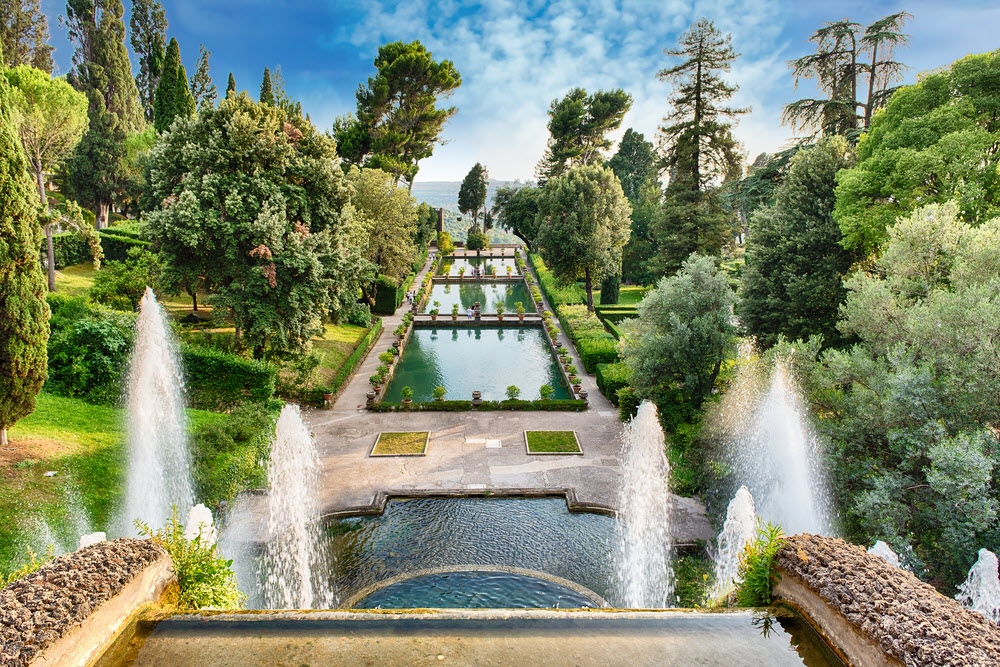
People who come back tend to time the Fountain of the Organ at Villa d'Este, which plays every two hours from 10:30 onwards — arrive just before a cycle starts and you get the full sequence without hovering. Most also skip the bus into town from Villa Adriana and walk the back road instead, which is quieter and puts you near the Cathedral of San Lorenzo before the lunch crowd.
Experiences you don't want to miss



Deals in Tivoli
Book directly at the provider
How Tivoli came to be
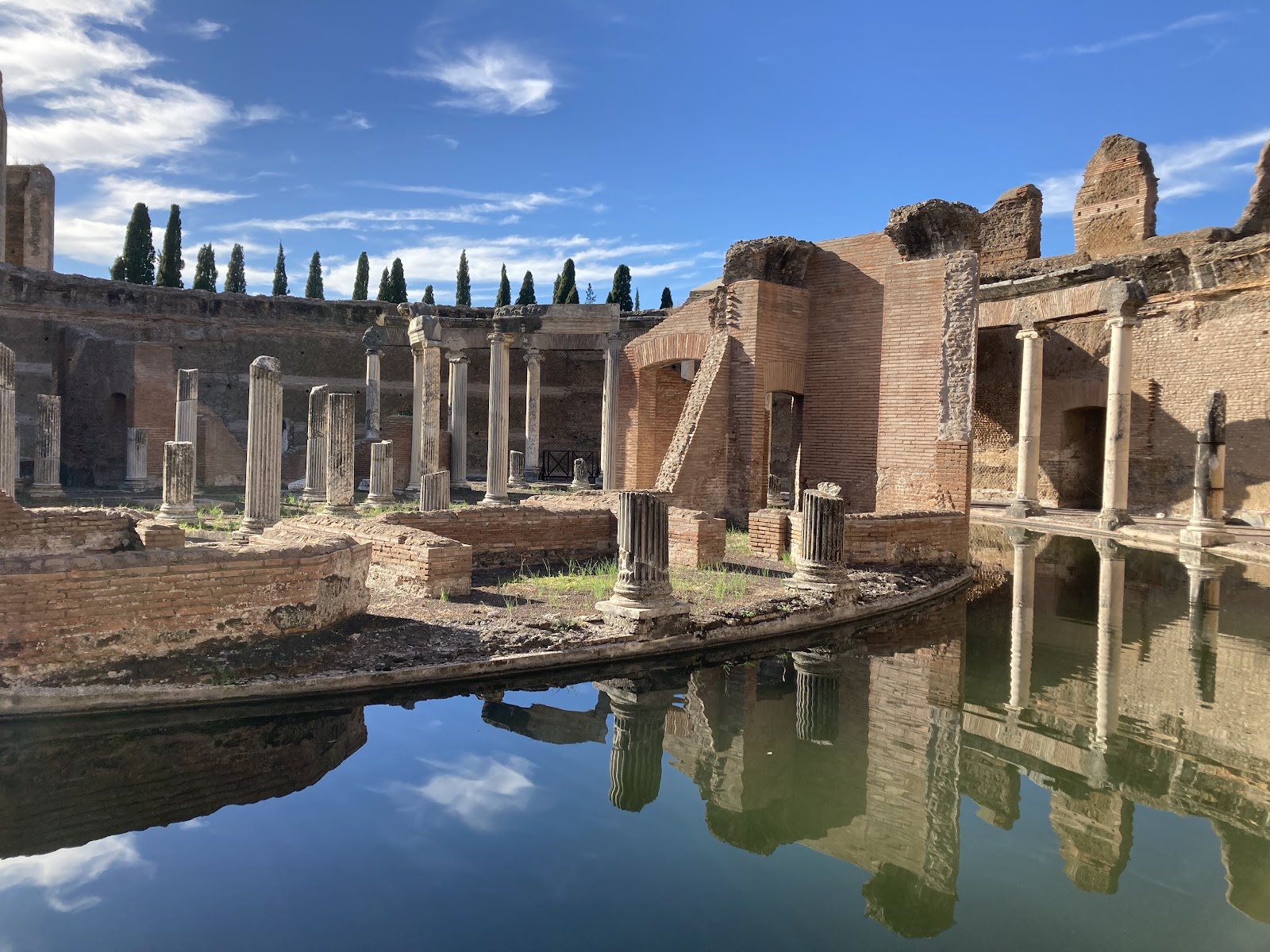
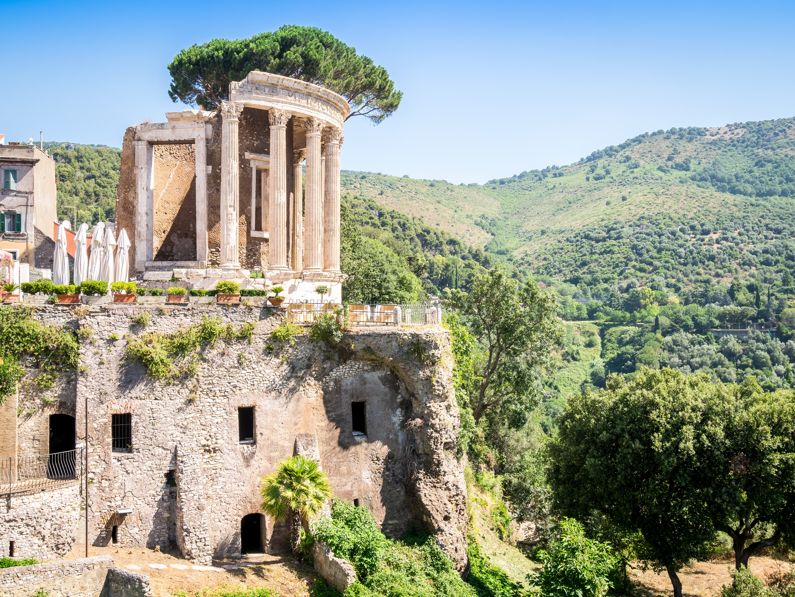
Tivoli claims a founding date of 1215 BC, which would make it older than Rome — and the town has never been shy about the fact. The Romans knew it as Tibur and used it as a retreat; Emperor Hadrian began his extraordinary villa here around 118 CE, a complex that eventually covered at least 120 hectares and included theatres, libraries, baths and guest quarters, taking roughly a decade to complete.
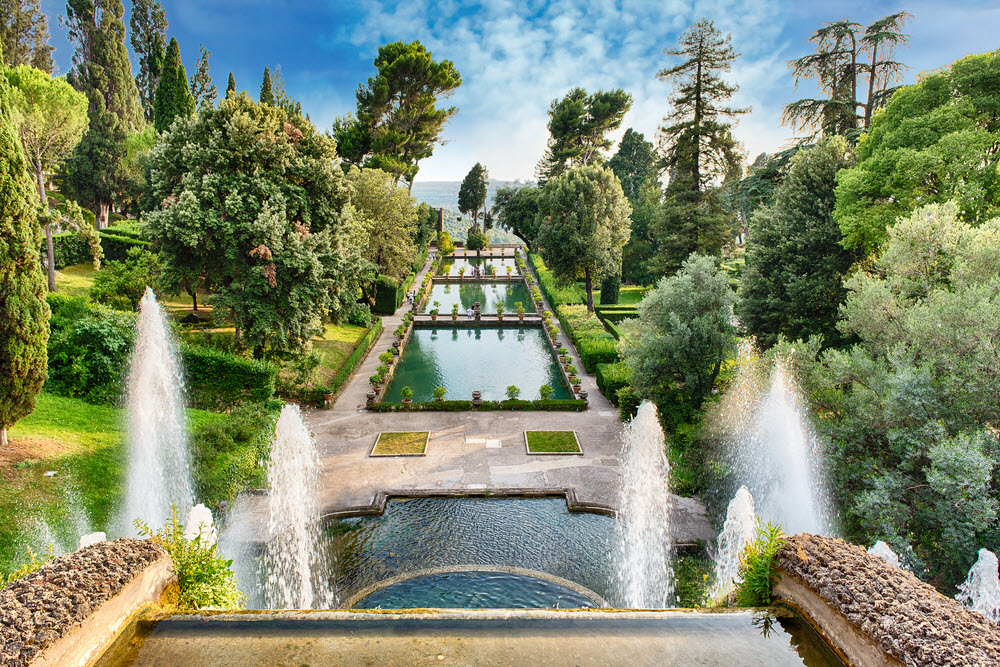
Medieval Tivoli passed through papal hands and briefly fell to Emperor Otto III in 1001. The Rocca Pia, begun under Pius II in 1461 and finished under Alexander VI in 1494, later served as barracks for Austrian and French troops and as a Napoleonic-era prison. The Renaissance chapter came with Cardinal Ippolito II d'Este, who in 1560 commissioned architect Pirro Ligorio to transform the old Benedictine convent into Villa d'Este — a project Ligorio shaped partly through his deep study of Hadrian's ruins just down the hill.
Who and what shaped it
People who shaped it
Landmark buildings
See Tivoli in motion
Plan your visit
On the map
When to go
Summers are hot and dry, with temperatures regularly above 30°C — the shade inside Villa Adriana's ruins earns its reputation. Spring (April–May) and September bring mild days and the longest villa opening hours; winters are cool and quiet, and several sites keep shorter hours from November through February.
Right now
↡ Attractions




Background & history adapted from Wikipedia (CC BY-SA) · specs from Wikidata (CC0) · weather from Open-Meteo · map data © OpenStreetMap contributors · photos from Wikimedia Commons / Unsplash with per-image credit. No third-party reviews or social posts reproduced.